
[category]
[title]
Last week’s TBCSA’s conference cast the spotlight on youth development, the impact of geopolitics on tourism and the importance of domestic travel.


Last week, the Tourism Business Council of South Africa (TBCSA) hosted delegates at Sun City in the North West to unpack its progress over the past few years, the challenges faced by the sector domestically and globally, as well as some of the strategies being explored to steer things ahead. While the theme centred around 30 years of TBCSA, delegates were called upon to not only reflect on the history but to also pay attention to industry reform and projections for the future.
Unemployment is among the biggest challenges and tourism industry experts recommended that strategies for service providers whose businesses rely on local communities be tailored around the unemployment statistics within their region.
Tourism’s core operations are rooted in Ubuntu as it is an industry that cannot operate as a silo but requires multiple moving parts from other sectors including agriculture, finance and technology among others.
Film tourism, golf adventure and youth travel are leading the tourism trends in this country. However, youth travel has also evolved over the years, as TBCSA revealed that millennials and Gen Zs have a preference for lodges as opposed to backpackers which were popular a few decades ago.
Domestic travel accounts for more than 80% of hotel and guest house stays, with Gauteng being the most popular destination for this demographic. The country boasts over 400 golf courses, and TBCSA called for a change in how Johannesburg is perceived.
TBCSA also selected four young people across the country whose initiatives seek to address youth unemployment, while also filling in the gaps in the tourism industry.
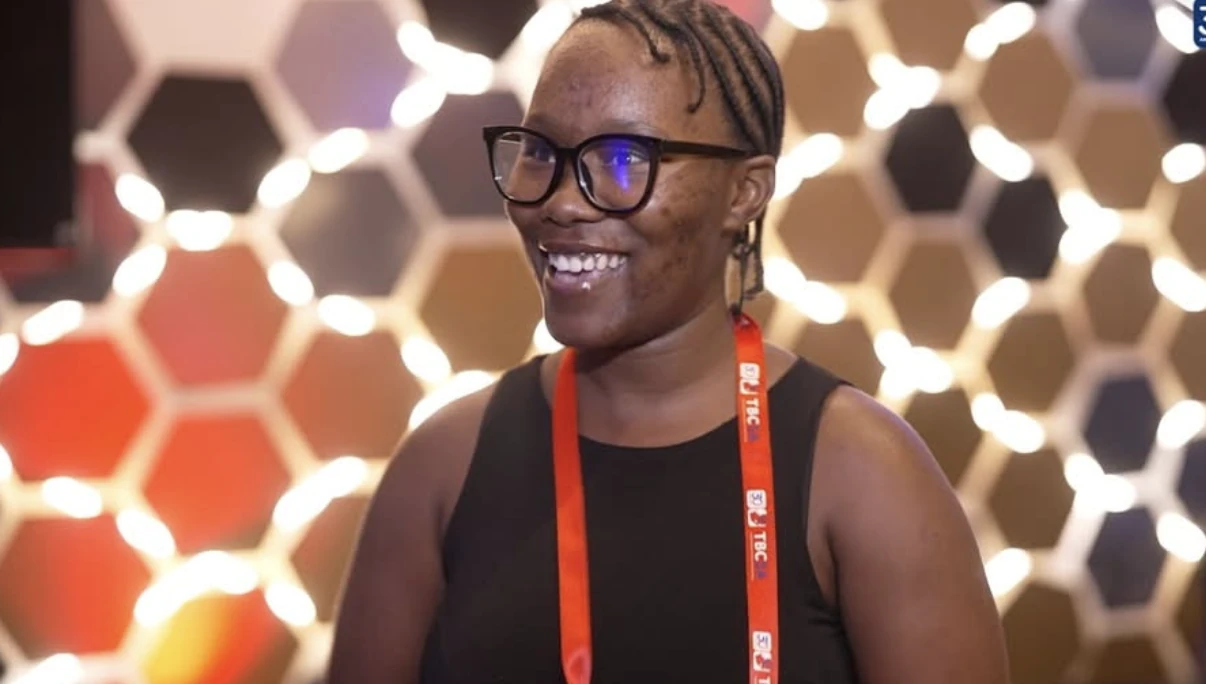
Inam Siyengu runs Agape Camping Site in the Northern Cape, providing nature and adventure service offerings along the Orange River.
Speaking to Time Out about her province specific challenges, the 19-year-old highlighted access to funding and infrastructure as the biggest obstacles. While she already has the natural asset, funds to implement facilities and equipment are a major requirement.
“We got a hold of the piece of land to create this camping site through a trust that was started by some of the black community leaders after getting their land back when democracy started. They decided to share it amongst one another to create businesses,” Inam shared.
She said apart from the Augrabies Falls National Park, it’s rare to witness local businesses in her province being supported through government’s funding structures. So the teenager has taken it upon herself to cultivate these opportunities to promote and foster youth development and job creation.
For Inam, the Northern Cape has much natural beauty that hasn't been fully developed or discovered yet.
Studies conducted by Surfshark’s Digital Quality of Life Index placed Mzansi at around 63rd globally in the artificial intelligence pillar, unpacking how about only 2% of the data used to train major global AI models originates from Africa. In a country as multi-cultural as South Africa, there are even bigger gaps for these training models due to the biases emerging from the AI’s origin.
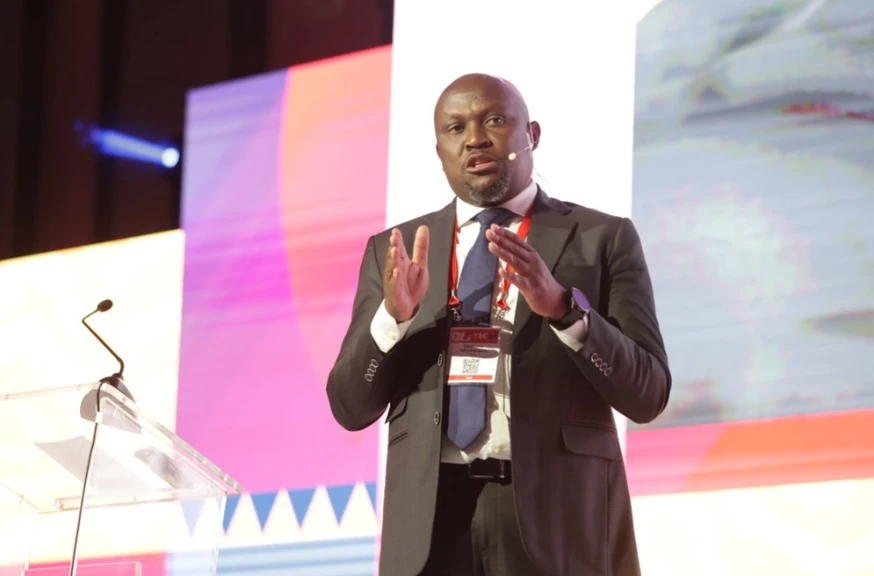
CEO Tshifhiwa Tshivhengwa, however, indicated that this was not the case for the tourism industry which is exploring a new tool named Siyanda (Siya). Siya is an AI tool that works via an official partnership with specialised global travel tech networks. It plugs South African Tourism’s extensive, localised destination data directly into mainstream generative AI engines.
Chairman Jerry Mabena supported President Cyril Ramaphosa’s ambition in August, to grow the economy by at least 3%, stating that when economic growth is below 3%, this directly translates into job losses.
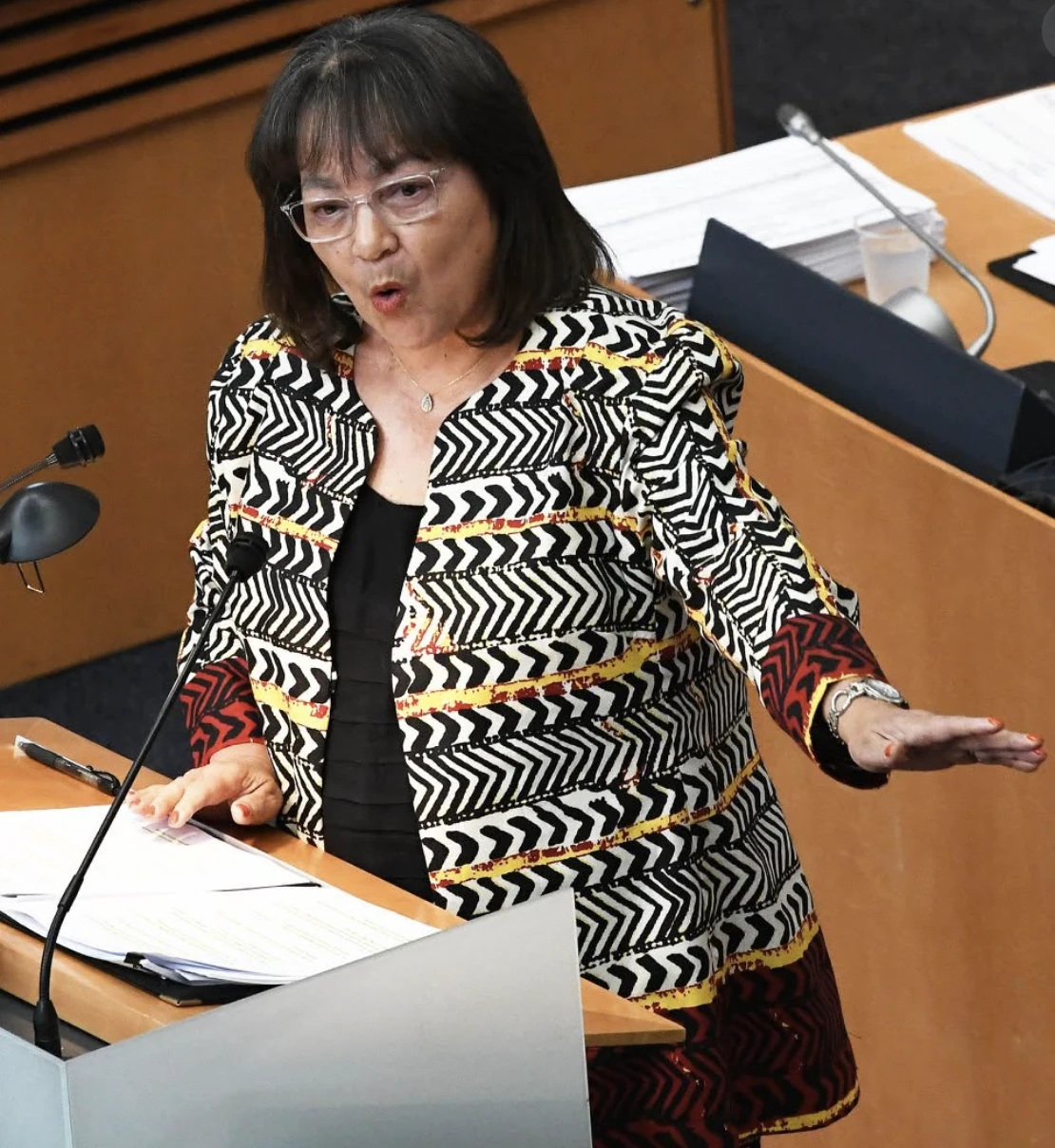
While Minister Patricia De Lille was not present for the proceedings, she sent a recording expressing her gratitude for the World Travel & Tourism Council (WTTC) Global Championship Award that she was recently honoured with, and unpacked how her department's Tourism Growth Partnership Plan was a shared commitment to open industry access, break down barriers, strengthen destination marketing and create opportunities for locals.
Former Kenyan Tourism Minister and WTTC Vice-Chair Najib Balala told delegates that when he accepted the position, it was not only to give back to his country but to establish a tourism strategy for Africa as a whole. In its 35 years of experience, the foundation is in possession of data spanning more than 130 countries, which he committed to avail for TBCSA.
Among WTTC members are world-renowned entities such as Visa, Google, MSC Cruises, however Africa remains elusive. Asked if he had identified any strategies towards a more inclusive WTTC that accommodates Africa’s presence, Balala could not provide a definitive response.
Geo-politics have been the biggest challenge this year with economist and industry analyst specialist at International Air Transport Association (AITA) Negar Rezvany sharing that 20% crude oil trade has been affected. She said this ripples to the aviation industry by affecting jet fuel and its refinement.
“This puts pressure on the house of purchasing power and salaries, it raises the cost across the supply chain and leads to a growth in interest rates which directly affects and hits the airline cost of finance,” she elaborated.
Data released in March revealed that geopolitical conflict resulted in a decline in the tourism influx in the Middle East; a trend that has not been observed at the same level elsewhere. The Southern African Development Community (SADC) was revealed as South Africa’s biggest market, with spending patterns also varying according to the visitors’ countries of origin.
The TBCSA has proposed the following solutions toward improving the industry:
Follow Time Out Johannesburg on Facebook, TikTok and Instagram! While you're at it, sign up for our newsletter to receive even more of the best of your city.
TIME OUT JOHANNESBURG RECOMMENDS:
📍 The best things to do in Johannesburg
🏨 The best hotels in Johannesburg
🍽 The best restaurants in Johannesburg
🛏️ Where to stay in Johannesburg
📢 Latest news from Johannesburg
Discover Time Out original video