[category]
[title]
And then he got to work, one delicious kota at a time.


When most people hear the word Soweto, their minds probably go to the places we all know: Vilakazi Street, where two Nobel Peace Prize winners once had homes; June 16, 1976, and the young people whose resistance sent images and headlines around the world; Orlando, Hector Pieterson and the history that made this township one of the most recognisable places in South Africa.
There is absolutely nothing wrong with that. These are stories that deserve to be told around the world. Soweto is fundamental to the story of South Africa, and kasi culture is an inseparable part of what makes this country what it is.
But Soweto is enormous, and some parts of it are seen far less than others.
One of those places is Emdeni, a neighbourhood on the outer reaches of Soweto that feels noticeably removed from the parts most visitors tend to know. As I drove there for the first time, I was struck by just how deep into Soweto I was going. Chickens were being sold alongside the road, goats wandered through the streets, and the scenery became increasingly different from the Soweto that so often appears in travel guides and television features.
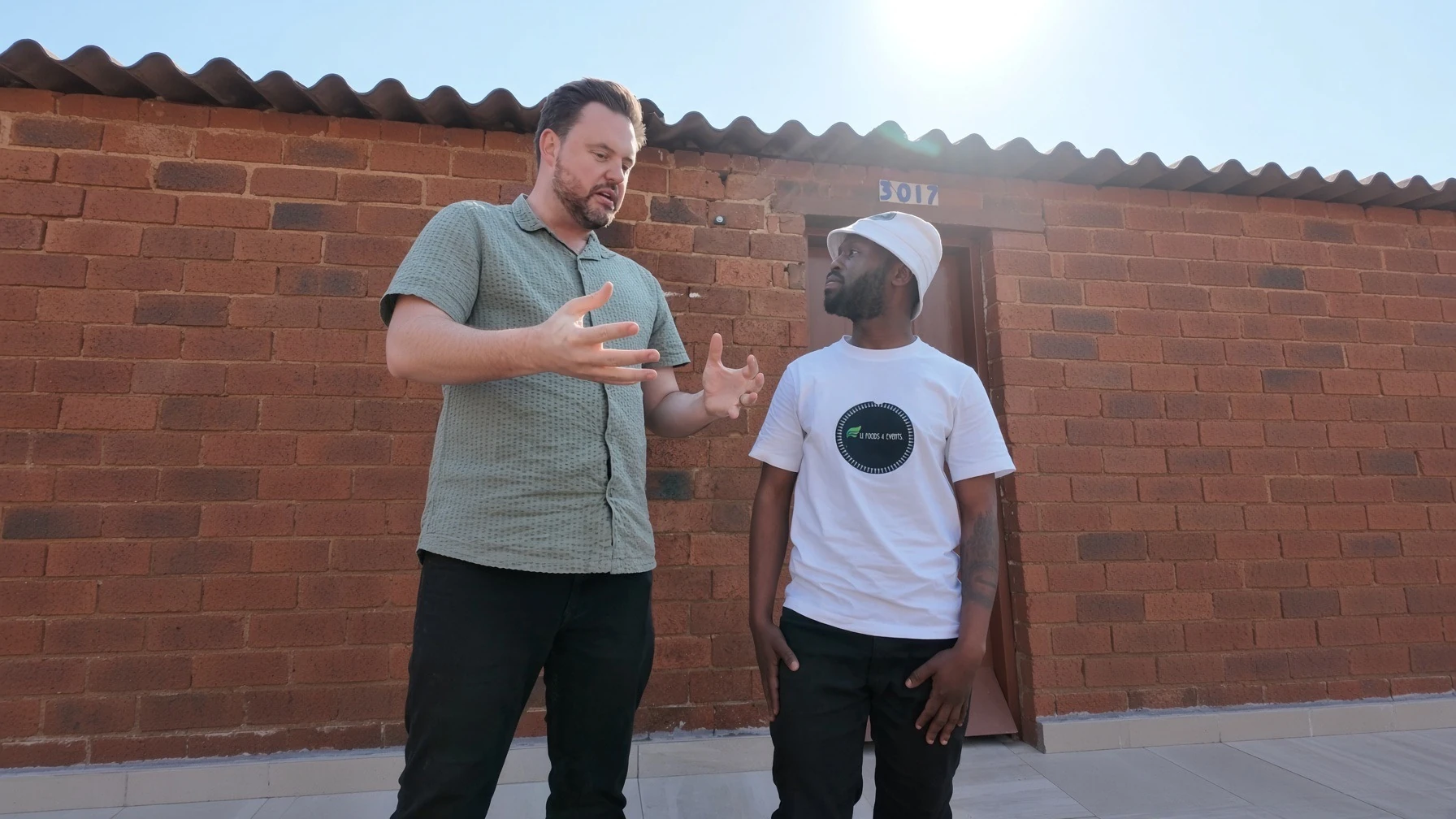
I was heading there because a young man named Mfundo Gasa had been messaging me on social media for some time, asking me to come and try his food.
Mfundo is the founder of Eli Foods and Events, a food business he runs from his family home in Emdeni, and when I arrived, one of the first things that stood out to me was the number of young people sitting around on the roadside in the middle of a weekday.
When I later asked Mfundo about it, he told me there simply were not enough opportunities for young people in the area.
That, I would quickly realise, is a large part of what drives him.
We had agreed to meet at 10am, but when I pulled up outside the house, Mfundo came riding down the road on a scooter, having just returned from delivering an order.
The scooter tells you a lot about him.
When he first started Eli Foods, delivery services were not properly servicing his area. Instead of accepting that customers would have to find their own way to him, he saved money, bought himself a scooter and started doing the deliveries himself.
That attitude runs through almost everything he does. If something is missing, he finds another way to make it work.
He took me around the back of the house, where another young man was hand-cutting fresh potatoes. Beside him sat a large container of water, and Mfundo casually explained that there was no running water in the area at the time, so he had gone out and bought what he needed.
A little later he mentioned that they were also cooking on gas because the electricity had been out for several days.
What struck me was how little drama there was in the way he spoke about any of this. He did not present it as some heroic hardship story or ask me to feel sorry for him. It was simply part of the reality of trying to run a business where he lives, and his response was to find a solution and keep working.
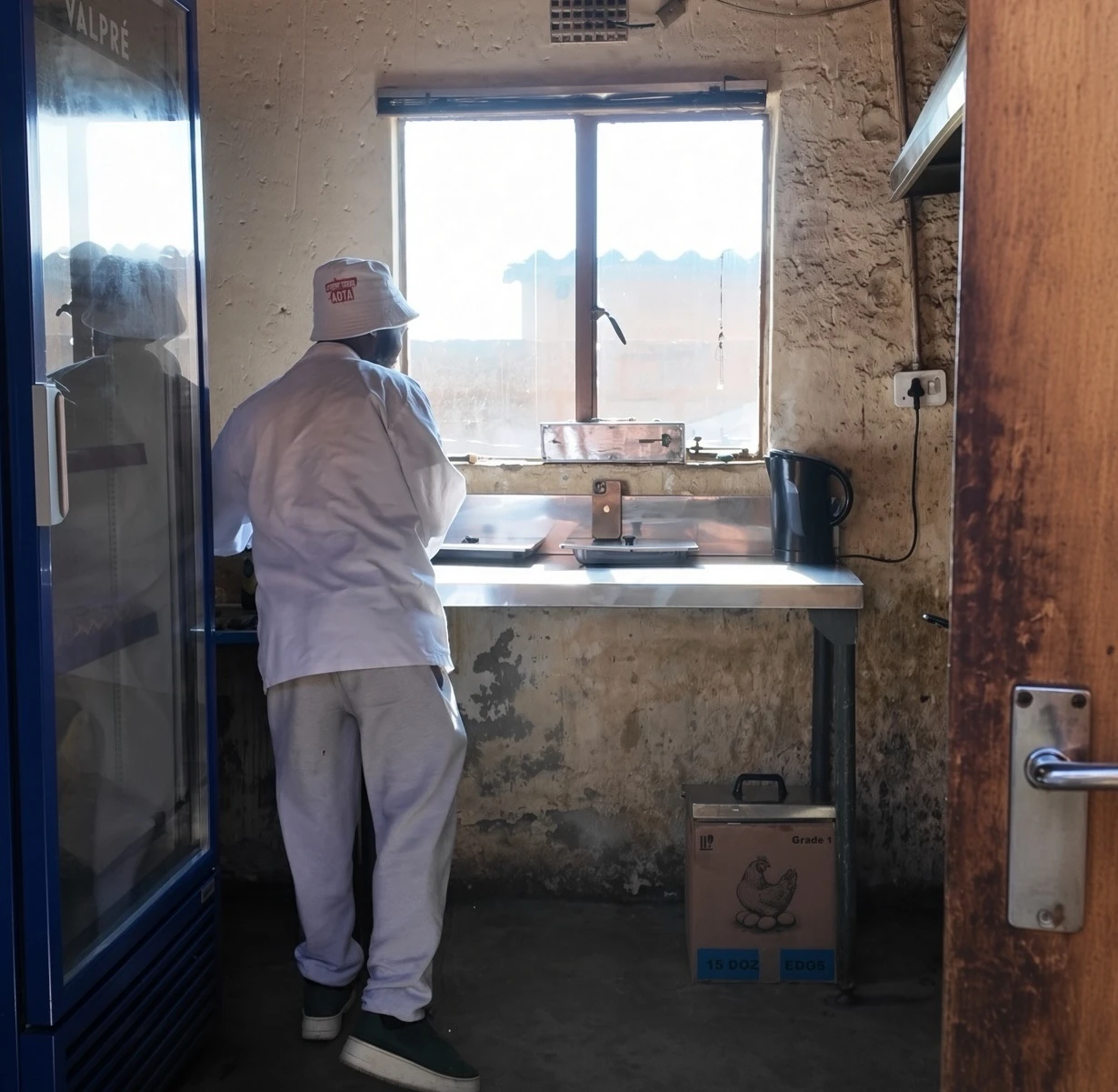
When we stepped into the kitchen, I realised it was the room Mfundo had grown up sleeping in.
He has converted his childhood bedroom into the operational heart of the business, while the front yard has become a small seating area for customers.
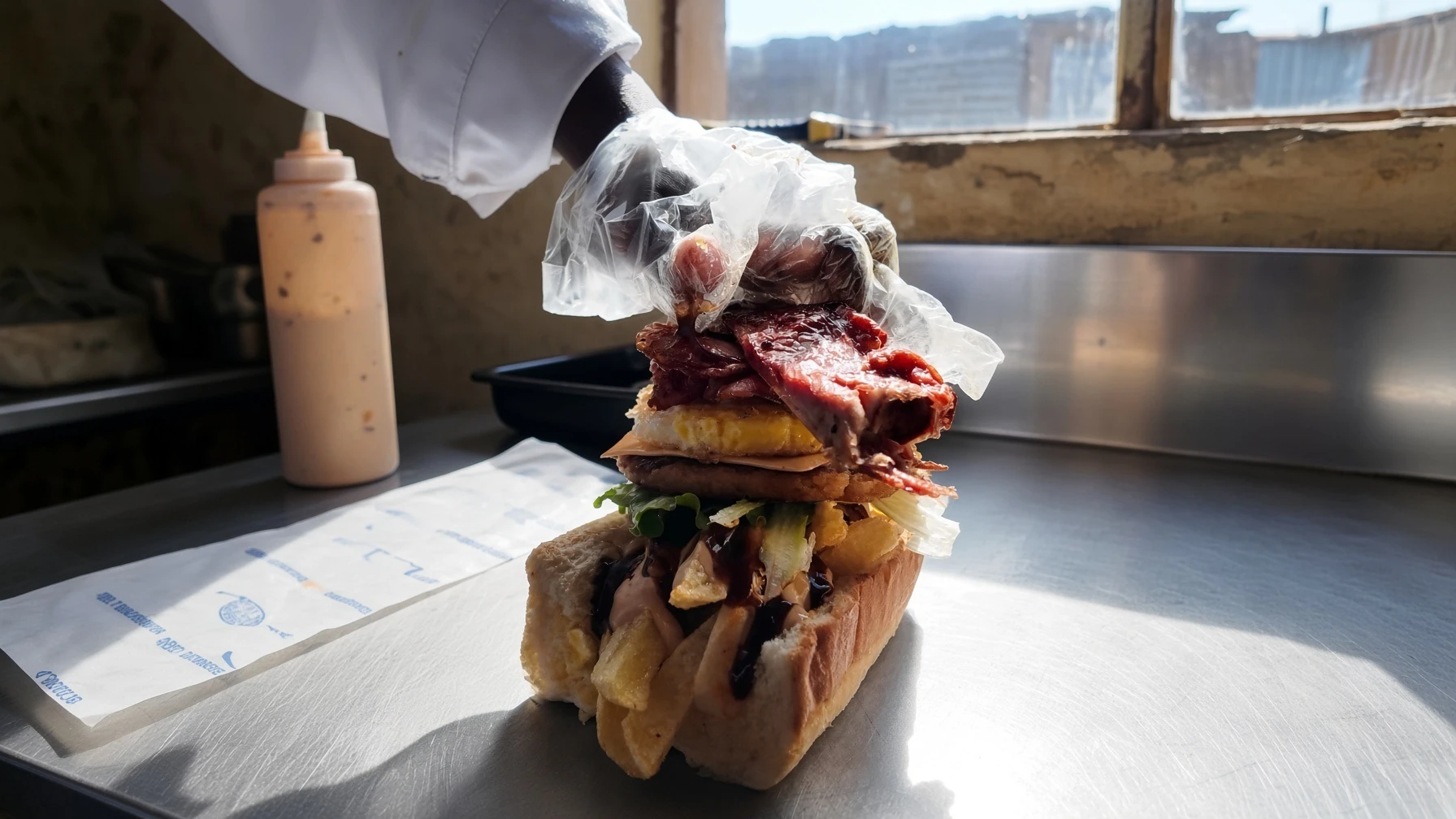
Watching him work in the kitchen, you could immediately see how comfortable he was there. He moved quickly but never frantically, hollowing out bread, buttering it, getting it onto the grill, preparing the meat, checking the chips and speaking to me at the same time without ever seeming distracted by what was going on around him.
More importantly, the man can cook.
Eli's menu is proudly Sowetan. The kotas carry names like Mzukulu, Ndlovukazi and Malome Taki, and they are loaded with combinations of beef, boneless rib, patties, eggs, cheese and bacon.
One in particular made me very happy: mash and mince.
You see it less often these days, but mash and mince is actually how kotas were first presented.
Mfundo's food is excellent.
I am always wary of the way people sometimes talk about food in township businesses as though it needs to be judged on a separate scale. The idea that something is “good considering where it comes from” is deeply patronising.
These are simply very good kotas.
In fact, I would comfortably put what I ate at Eli Foods among some of the tastiest I have had.
But somewhere in the middle of all the bread, chips, meat and conversation, Mfundo called the young man who had been cutting potatoes into the kitchen and asked him to tell me his story.
Like many young people in the area, he had struggled to find work and had very little opportunity before meeting Mfundo.
Now he earns money working at Eli Foods.
Standing in that small kitchen, he told me that he is able to take groceries home to his family with what he earns.
Mfundo started Eli Foods in 2018 after finding himself unable to afford university and watching young people around him become swallowed by unemployment, crime and hopelessness. A food festival eventually showed him that there was another possible path: if he could create food people genuinely wanted to eat, perhaps he could build something of his own.
One of my favourite stories he told me was about preparing for one of his early food festivals.
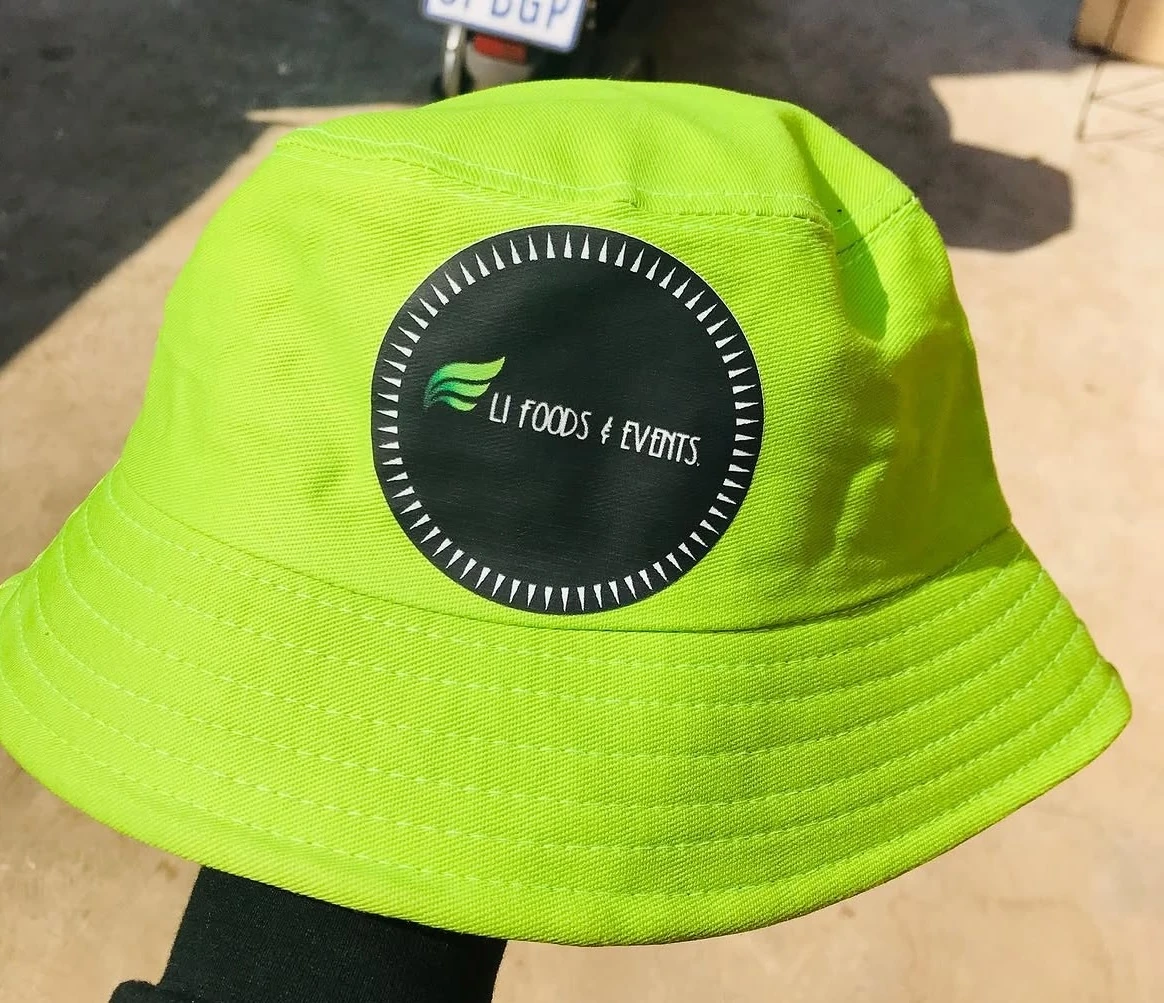
He had borrowed money to make the opportunity work, but instead of spending every cent on stock or equipment, he used some of it to have proper branded T-shirts made.
At first glance, that might sound like a strange priority for somebody with very little capital, but Mfundo understood something fundamental about business very early on: perception matters.
People do judge a book by its cover, and if his small business from Emdeni was going to stand next to more established brands, he wanted it to look like it belonged there.
Some people might call that “fake it till you make it”. I do not.
There is a difference between pretending to be something you are not and refusing to allow your present circumstances to dictate what you might become.
Mfundo was not pretending he had built a successful brand. He was deciding what he wanted that brand to become and then working backwards from there.
That is also why I think businesses like Eli Foods deserve to be taken far more seriously than the often dismissive language used around the so-called “informal economy”.
Think about what is actually happening here.
Mfundo is learning food costing, branding, marketing, social media, customer retention, staffing and delivery logistics in real time, often without the capital, infrastructure and systems that more established restaurant businesses take for granted.
On the morning I visited, he did not even have running water or electricity, yet the business still opened, the food still went out and the people working there still earned money.
This is a proper food business.
It has been built inside a family home in Emdeni. Its kitchen used to be Mfundo's bedroom. Its front yard is now a place where people sit and eat. It employs people from the community, serves returning customers and continues to grow despite the obstacles around it.
I do not want to call this “the real Soweto”, because that would miss the point entirely.
Vilakazi Street is real Soweto. Orlando is real Soweto. The restaurants, stadiums, mansions, taxis, schools, shebeens, tourist attractions and famous history are all real Soweto.
And so is Emdeni.
It is simply a part of the story that we do not see often enough.
If South Africa is going to build the future we keep talking about, a significant part of it will have to be built by people like Mfundo Gasa: people who do not necessarily have perfect infrastructure, easy access to capital or somebody waiting to hand them an opportunity, but who decide that their circumstances will not be the final word on what their lives can become.
Mfundo was told by his circumstances what his future should look like.
He disagreed.
And then he got to work, one delicious kota at a time.
Follow Time Out Johannesburg on Facebook, TikTok and Instagram! While you're at it, sign up for our newsletter to receive even more of the best of your city.
TIME OUT JOHANNESBURG RECOMMENDS:
📍 The best things to do in Johannesburg
🏨 The best hotels in Johannesburg
🍽 The best restaurants in Johannesburg
🛏️ Where to stay in Johannesburg
📢 Latest news from Johannesburg
Discover Time Out original video