[category]
[title]
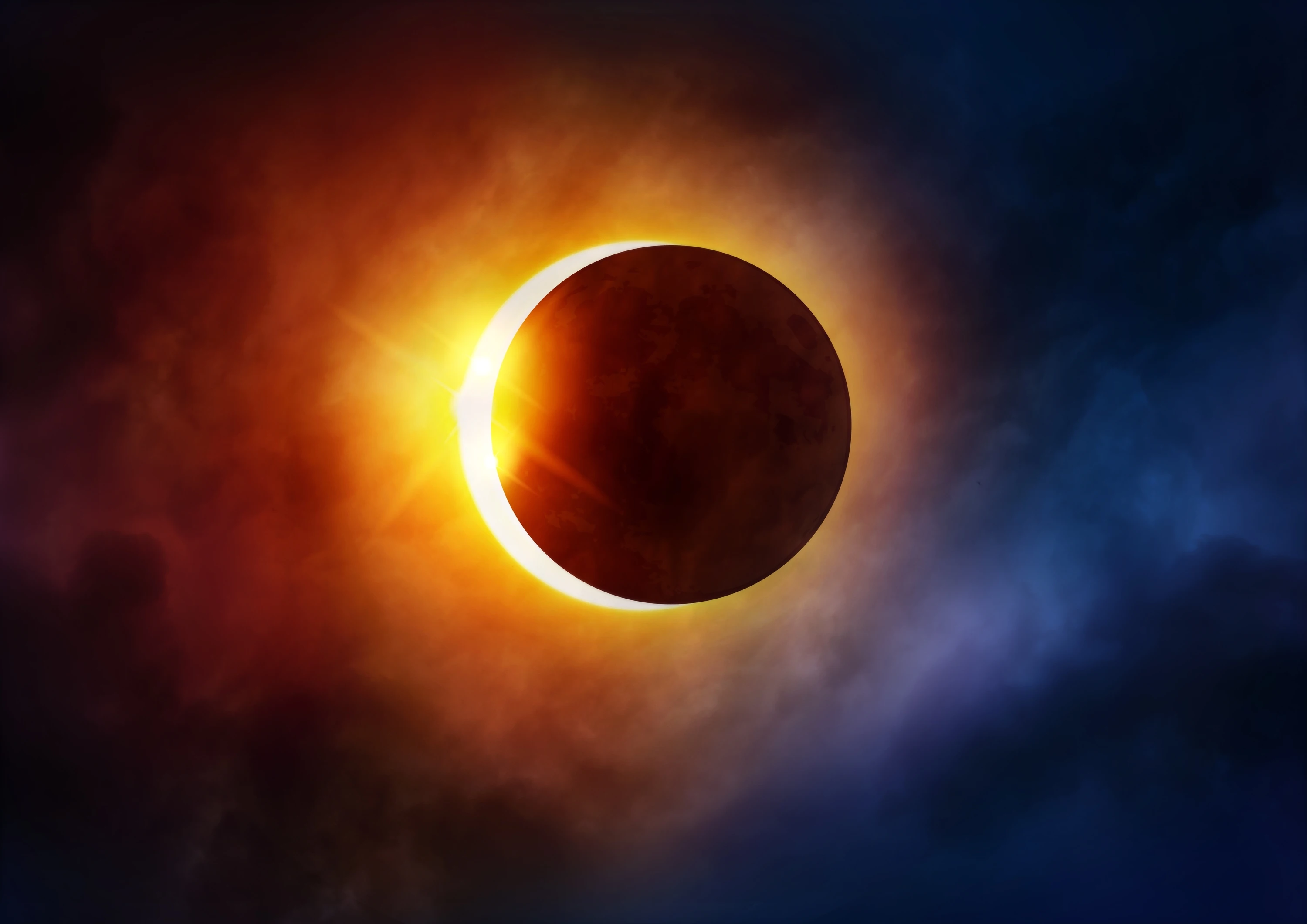
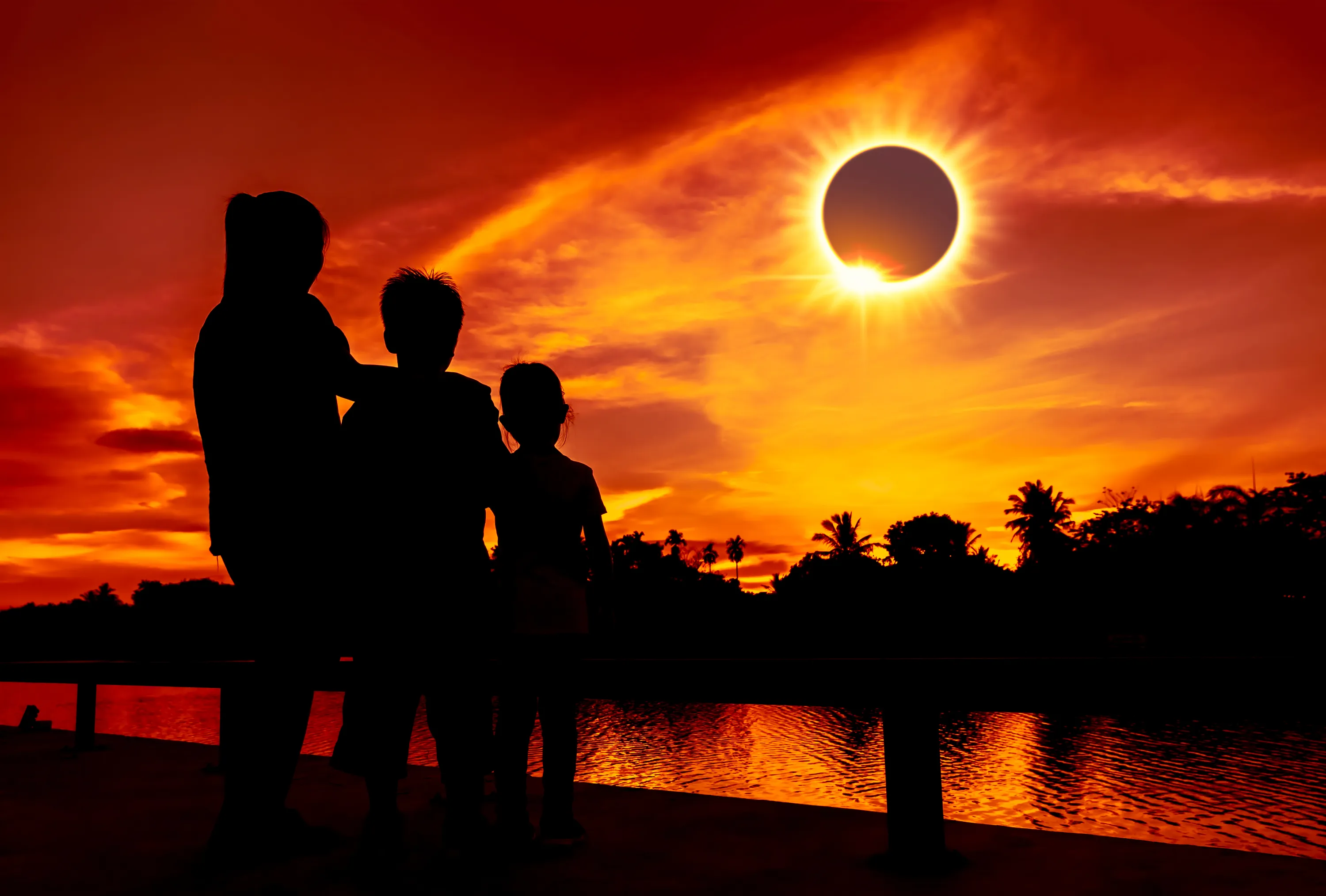
A partial solar eclipse will be visible in parts of Canada on Wednesday, giving skywatchers across the country a chance to see the Moon pass in front of the Sun.


The sun, moon, and Earth will be aligned today, bringing total and partial solar eclipses to the Northern Hemisphere.
And that's not all.
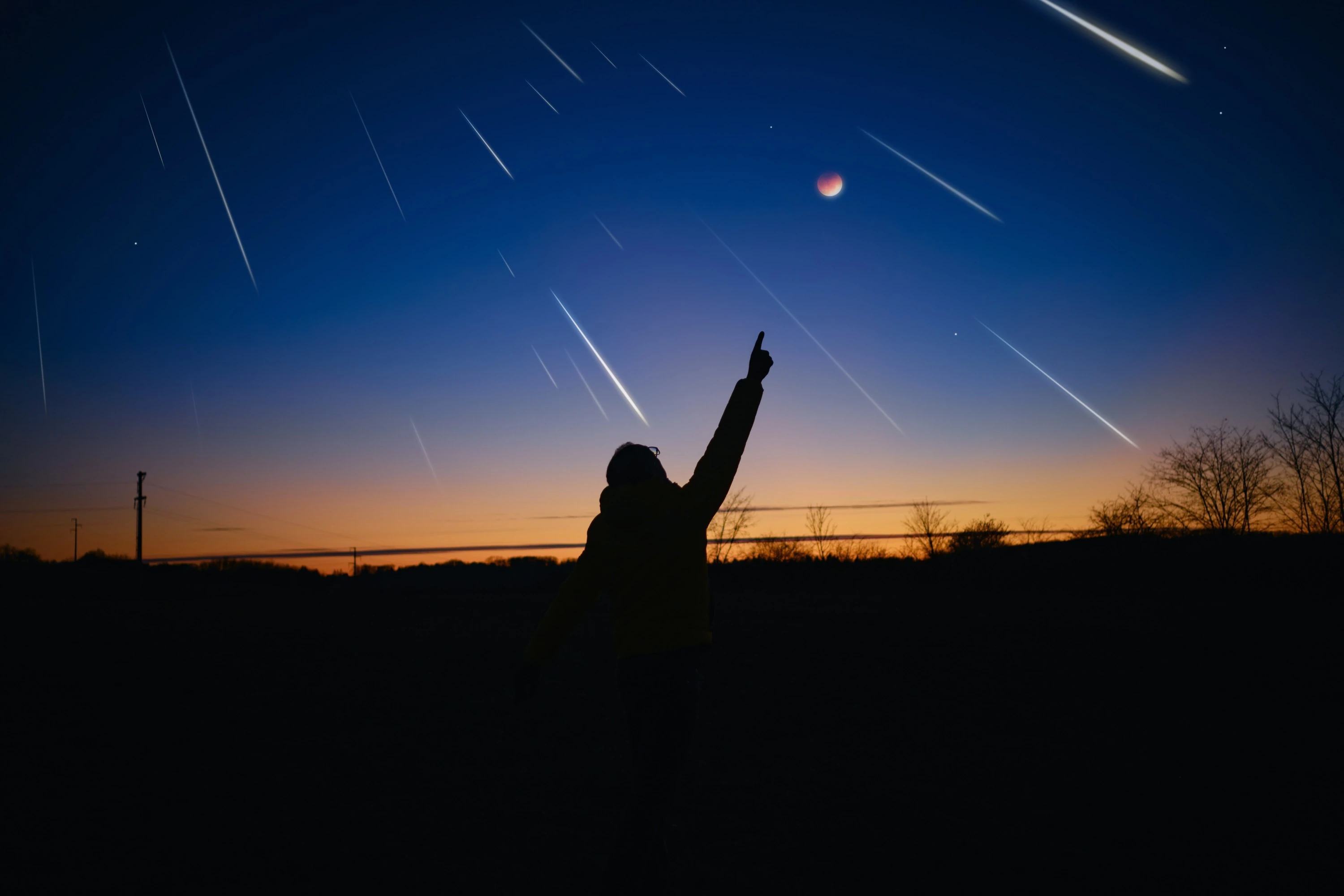
The celestial action continues with a Perseid meteor shower peaking later tonight, creating a second opportunity to look up.
A partial solar eclipse occurs when the Moon passes between the Sun and Earth, but the three bodies are not perfectly aligned. As a result, only part of the Sun is covered, giving it a distinctive crescent shape.
The 2026 partial solar eclipse will be visible from parts of northern and western Canada, with Newfoundland and Labrador expected to have some of the best views in the country.
According to a report by Global News, the Canadian Space Agency has indicated that Newfoundland and Labrador will not experience a total eclipse, but residents there will see the greatest portion of the Sun covered among Canadian locations.
Read: A rapidly strengthening Super El Niño to reshape Canada's weather this fall and winter
Here are the approximate maximum eclipse times in select Canadian cities:
Prince George, B.C.: 8:54 a.m.
Edmonton: 10:02 a.m.
Toronto: 12:55 p.m.
St. John’s, N.L.: 2:28 p.m.
Montreal: 12:50 p.m
Check out: Time Out Market Vancouver is now officially open
Watching a solar eclipse requires a little preparation—most importantly, protecting your eyes. Even when the Moon passes in front of the Sun, intense sunlight remains visible around it and can damage the retina, the light-sensitive tissue at the back of your eye.
On an ordinary day, the brightness of the Sun makes it difficult to look directly at it for more than a moment. During an eclipse, however, the reduced light can make it seem safe to look up. It isn’t. The Sun’s rays remain powerful enough to cause serious eye damage, even when most of the Sun is covered.
The only exception is during the brief period of totality, when the Moon completely blocks the Sun. It is safe to look at the fully eclipsed Sun with the naked eye only during totality—and only while the Sun is completely covered. As soon as any part of the bright Sun reappears, proper eye protection is essential.
So how can you enjoy the spectacle safely? Use certified eclipse glasses, view the eclipse indirectly with a simple pinhole method, or use a projector to watch the Moon’s shadow move across the Sun without looking directly at it. And no, regular sunglasses—even very dark ones—are not safe for viewing a solar eclipse.
Canada’s next total solar eclipse is expected on April 8, 2028, followed by another on August 22, 2044.
If one celestial event isn’t enough, Canadians can also look forward to the Perseid meteor shower, which reaches its peak around Wednesday and Thursday nights.
The annual meteor shower occurs as Earth passes through debris left behind by Comet Swift-Tuttle. As these tiny particles enter Earth’s atmosphere at extremely high speeds, they heat up and vaporize, producing the bright streaks of light commonly known as shooting stars.
The Perseids are visible each year from the Northern Hemisphere from late July through mid-August, making them one of the most anticipated meteor showers of the year.
For the best chance of seeing the Perseids, head somewhere far from city lights, where the sky is as dark as possible. If you need a flashlight, use a red light to help preserve your night vision.
Get comfortable, lie back and look up—the meteors can streak across any part of the sky. Give your eyes about 30 minutes to adjust to the darkness, and avoid checking your phone, as its bright screen can make it harder to see fainter meteors.
The darkest hours, roughly 10 p.m. to 2 a.m., should offer some of the best viewing conditions.
Unlike a solar eclipse, the Perseids don’t require any special equipment or eye protection. All you need is a dark sky, a comfortable spot and a little patience.
Want to capture the show? A camera with a long lens can help photograph the meteors as they streak across the sky.
For more information about the report by Global News, click here.
RECOMMENDED:
Essential guide to the best things to do in Canada
Only one Canadian city ranked among the best places for Gen Z to live
Discover Time Out original video