Yodelling, Italian cooking and Diwali: All the traditions and cultural practices newly recognised by UNESCO
There are now over 800 cultural practices recognised as essential parts of the ‘cultural heritage of humanity’ – here’s are the most recent additions to the list
Written by Annie McNameeContributor, Time Out London and UK
For all our many, many flaws, us humans are pretty cool. From the beginning of time, we’ve formed communities and developed traditions that separate us from the rest of the animal kingdom – art, music, dances, religions, holidays, communal celebrations – all of the things that make life interesting came straight from the brains of human beings who wanted to connect with the people around them. Pretty special, right?
UNESCO, the United Nations’ Educational, Scientific and Cultural Organisation, certainly thinks so. It was founded in 1945 with the goal of ‘strengthening our shared humanity’ by preserving and sharing heritage across the world.
Since 2008, part of that mission has involved the curation of the Lists of Intangible Cultural Heritage (LICH), an inventory of things like dances, art styles, music and craftwork, which have been passed down through generations but can’t be physically protected as UNESCO World Heritage sites are.
Local governments are encouraged to support awareness of the practices on the list and to help ensure that they don’t die out with time. Almost any tradition that holds cultural significance within a country or region can be nominated for inscription on the list. For instance, this year Italian cooking is a newcomer, as is the religious celebration of Diwali, and a South American dance style called Joropo.
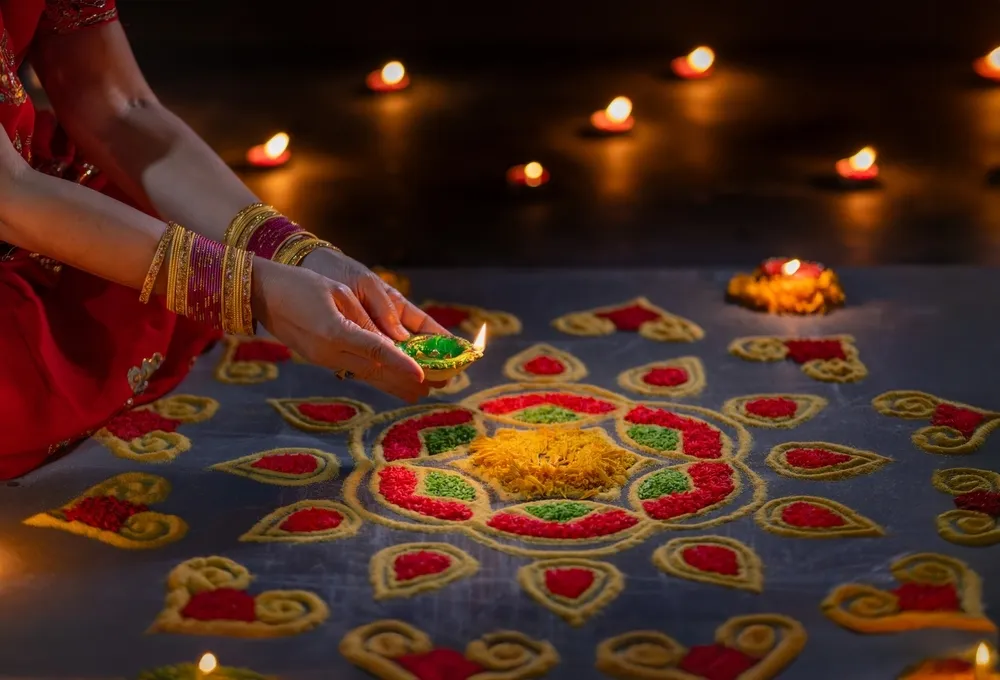
Diwali is now officially inscribed | Photograph: Shutterstock
The list is packed full of fascinating, niche cultural curios and practices, many of which you would likely never know about if they weren’t local to you. For instance, did you know that there are a limited number of ‘zinc roofers’ in Paris who can repair the roofs of buildings from the nineteenth century? Or that Indonesia has a distinctive style of puppet theatre known as Wayang? It features handmade wooden characters and has been said to go back to the first millennium BC, and was added to the LICH in 2008.
You can look through the full list here, complete with information on each practice and its origins. Who needs TikTok when you can doomscroll through thousands of years of human history?
The full list of new cultural practices recognised by UNESCO
Here are all the new practices and traditions that UNESCO has added to the LICH this year.
Africa
Guruna, a practice of pastoral, socio-cultural and artistic retreats centered on livestock among the Massa: Chad, Cameroon
The zaffa in the traditional wedding: Djibouti, Comoros, United Arab Emirates, Iraq, Jordan, Mauritania, Somalia
Koshary, daily life dish and practices associated with it: Egypt
Gifaataa, Wolaita people New Year festival: Ethiopia
Mvet Oyeng, musical art, practices and skills associated with the Ekang community: Gabon, Cameroon, Congo Highlife music and dance: Ghana
Tsapiky, rhythm and musical style characteristic of the South-West region of Madagascar: Madagascar
Moroccan Caftan: art, traditions and skills: Morocco
Tchiloli, living theatre of Sao Tome and Principe in the quest of justice: Sao Tome, Principe
Al-Jertiq practices, rituals and expressions for preservation, protection, abundance and fertility: Sudan
The bearing of the sacred stone or the rites of the New Year in the Guin country: Togo
Asia
Behzad’s style of miniature art: Afghanistan
Traditional Saree weaving art of Tangail: Bangladesh
Georgian wheat culture: traditions and rituals: Georgia
Diwali: India
Pantun: Indonesia, Malaysia, Brunei Darussalam
Traditional skills, techniques and knowledge for the conservation and transmission of wooden architecture: Japan
Washi, craftsmanship of traditional Japanese hand-made paper: Japan
Traditional knowledge and cultural contexts of making Maksym, a traditional Kyrgyz beverage: Kyrgyzstan
Traditional knowledge and skills in making Kyrgyz, Kazakh and Karakalpak yurts: Kazakhstan, Kyrgyzstan, Uzbekistan
Kithul Madeema/Kithul Kapeema, an ancient Indigenous technology for tapping Kithul: Sri Lanka
Culture of Sumanak/Sumalak cooking: Tajikistan
The art of breeding Turkmen alabay: Turkmenistan
Caribbean, Central & South America
Cuarteto: music, dance and lyrics in the city of Córdoba: Argentina
Christmas Bram and Sambai of Gales Point Manatee: Belize
Festivity of the Virgen of Guadalupe – Patroness of Sucre: Bolivia
Family tradition circus: Chile
The practice of Cuban Son: Cuba
The Confraternity of flowers and palms: El Salvador
The Compas of Haiti
Sarawja, Aimara music and dance of Moquegua: Peru
Joropo: Venezuela
Representation of the Passion, Death and Resurrection of Christ in Iztapalapa: Mexico
Europe
Brussels’ rod marionette tradition: Belgium
Bagpipes and bagpipe playing in Bulgaria: transmission of knowledge and skills: Bulgaria
Amateur theatre acting: Czechia
Commandaria wine: Cyprus
Swimming pool culture: Iceland
Italian cooking, between sustainability and biocultural diversity: Italy
Basketry traditions: Poland
Cobza, traditional knowledge, skills and music: Romania, Republic of Moldova
Yodelling: Switzerland
Antep İşi, drawn thread embroidery of Gaziantep: Türkiye
Middle East
Ayeneh-Kari, the art of mirror-work in Persian architecture: Iran
Al-Muhaibis: social practices and traditions associated with it: Iraq
Al-Mihrass tree: knowledge, skills and rituals associated with it: Jordan
The Diwaniya, a unifying cultural practice: Kuwait
Bisht (men’s Abaa) skills and practices: Qatar, Bahrain, Iraq, Jordan, Kuwait, Oman, Saudi Arabia, Syrian Arab Republic, United Arab Emirates
Traditional weaving of Al Sadu: Saudi Arabia, Kuwait, Qatar
Arabic Kohl: Syrian Arab Republic, Iraq, Jordan, Libya, Oman, State of Palestine, Saudi Arabia, Tunisia, United Arab Emirates
Al Ahalla, a living performing art: United Arab Emirates