[category]
[title]
A visit to Awaji Island, where pop culture collides with nature, meditation and excellent food


Just across the Akashi Kaikyo Bridge from Kobe, Awaji Island is a place that invites you to slow down. The largest island in the Seto Inland Sea, it’s home to some 130,000 people, but offers a striking change of pace from the bustle on the mainland.
I came to Awaji curious to learn about a long-running and celebrated project to enliven the charming island. Since 2008, the staffing company Pasona Group has been reshaping Awaji by drawing on local resources and the beauty of the natural environment. The revitalisation project has enabled the island to build on its latent strengths and shape them into places that reward the curious traveller.
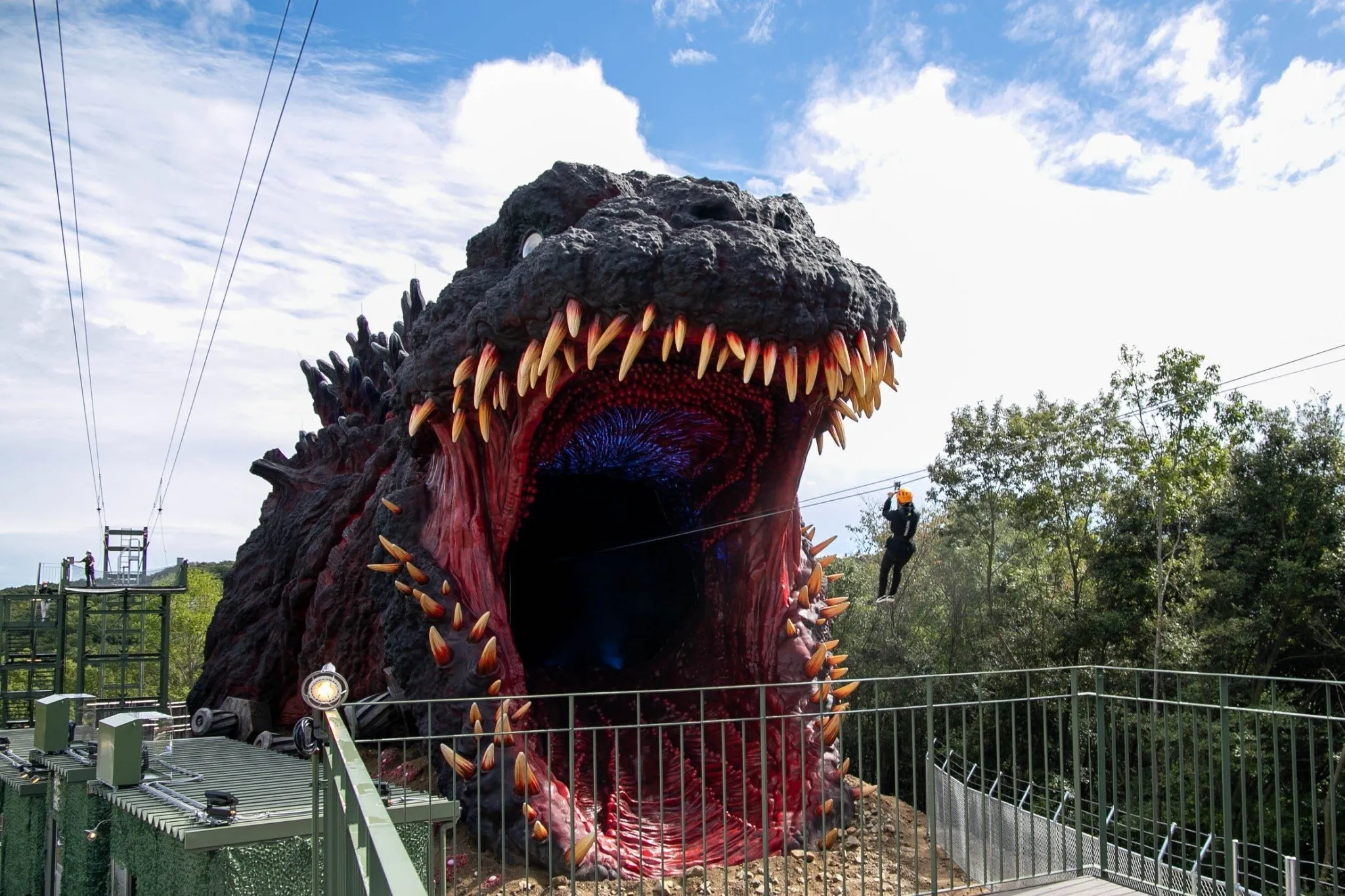
The results of this undertaking become clear once you’re on the ground, enjoying vegetables pulled from nearby fields, admiring a gorgeous sunset over the Inland Sea – or, on a less tranquil note, coming face to face with the King of the Monsters himself.
On Awaji, play becomes part of the landscape. The island’s offbeat properties are on full display at Nijigen no Mori, an immense open-air amusement park where narrative settles into nature. It was here that I found myself facing a colossal Godzilla, frozen mid-destruction, its scale both absurd and exhilarating.
Visitors are drafted into a fictional intervention force, propelled through the monster’s gaping jaws or alongside its massive silhouette. The experience balances thrill with storytelling, and the adjacent museum and themed restaurant make it easy to linger longer than planned.
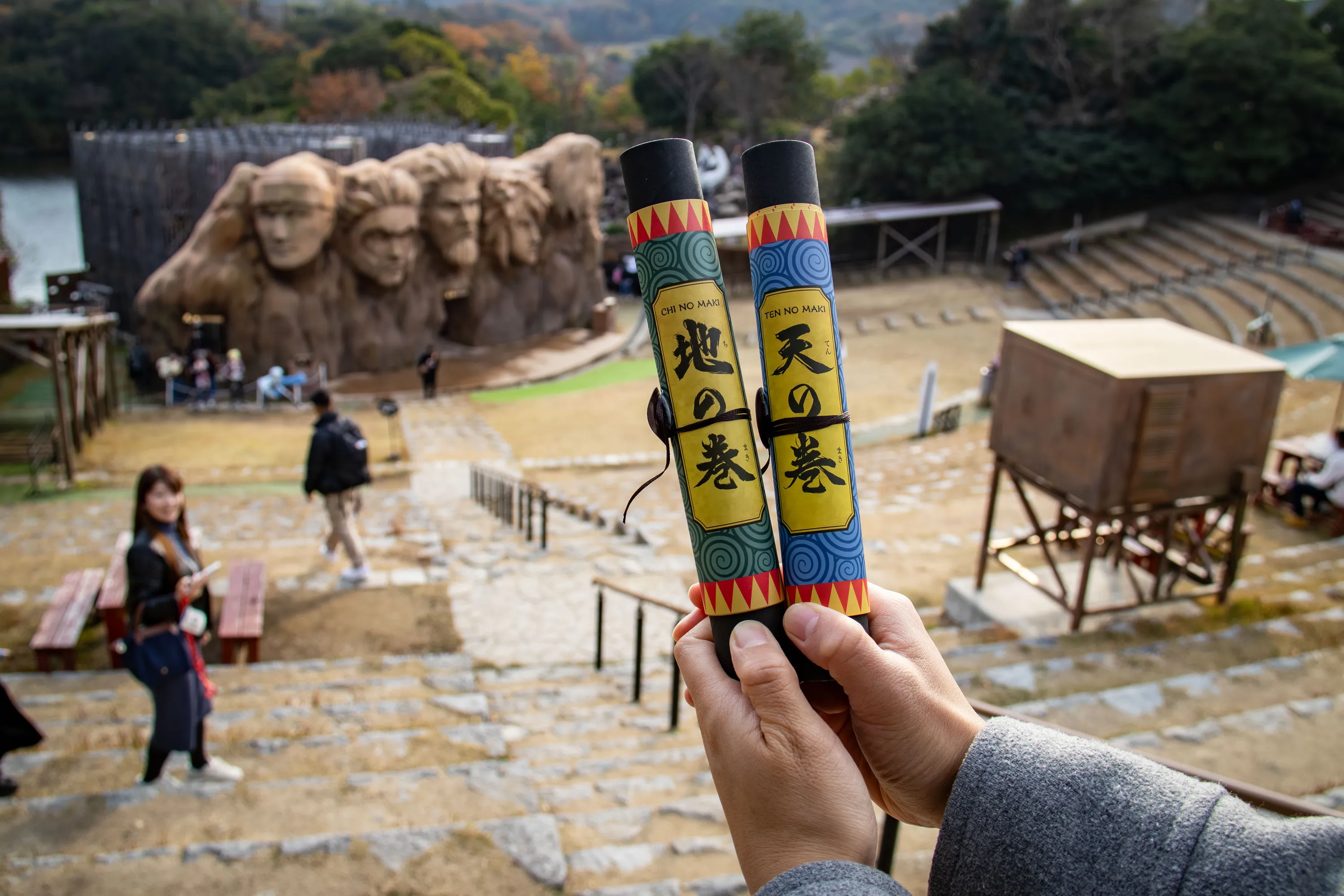
Nearby, Naruto & Boruto Shinobi-Zato trades spectacle for movement and teamwork, turning familiar ninja lore into physical challenges that reward observation and cooperation. It feels playful yet satisfying, especially after refuelling at a meticulously recreated ramen shop straight out of the anime.
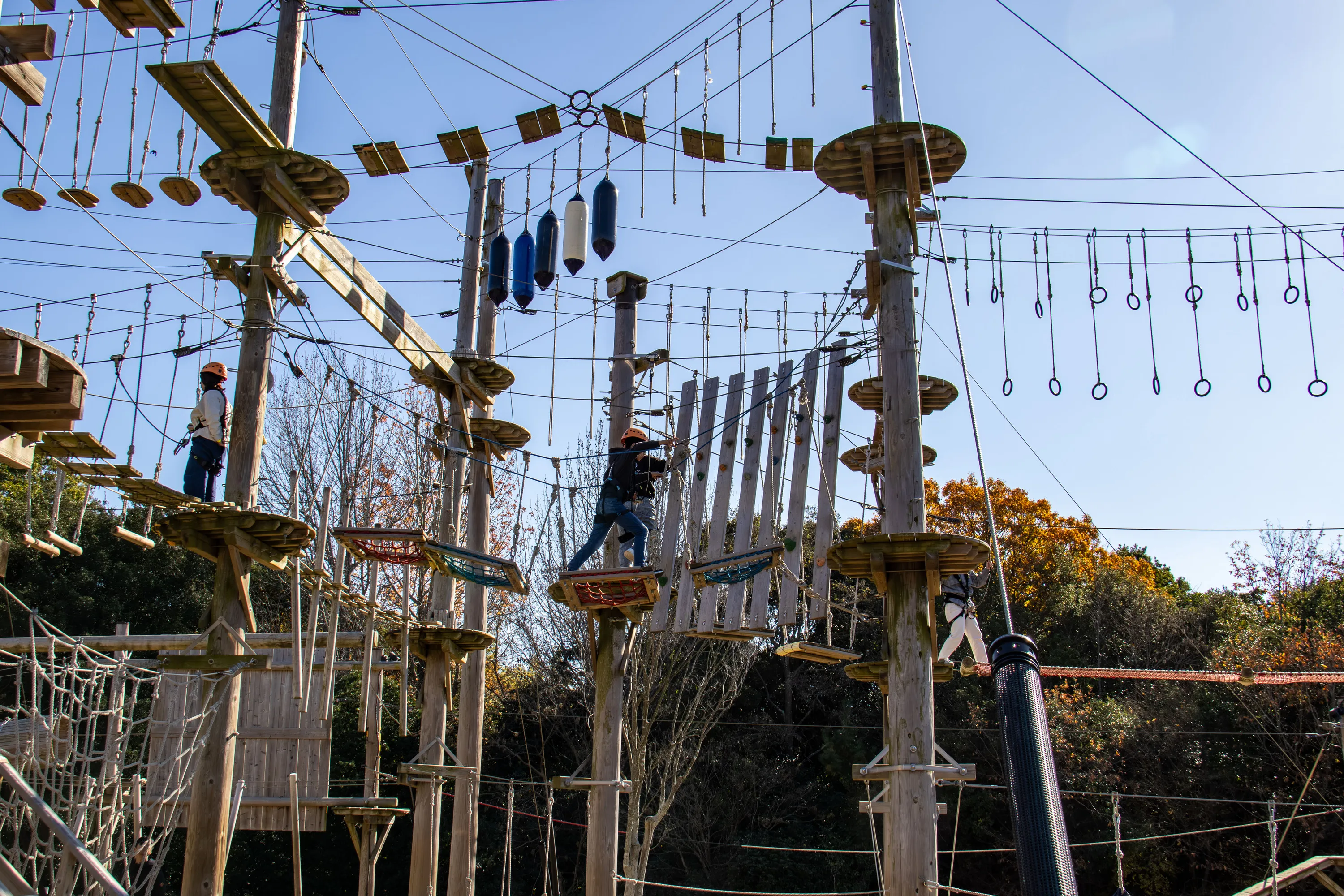
Elsewhere in the park, the tone lightens further – or so I thought. Crayon Shin-chan Adventure Park embraces physical fun without taking itself too seriously, with an obstacle course that offers three levels of difficulty (be prepared to struggle with the ‘hard’ level). I liked how these attractions encourage exploration rather than queues, letting the surrounding greenery set the pace.
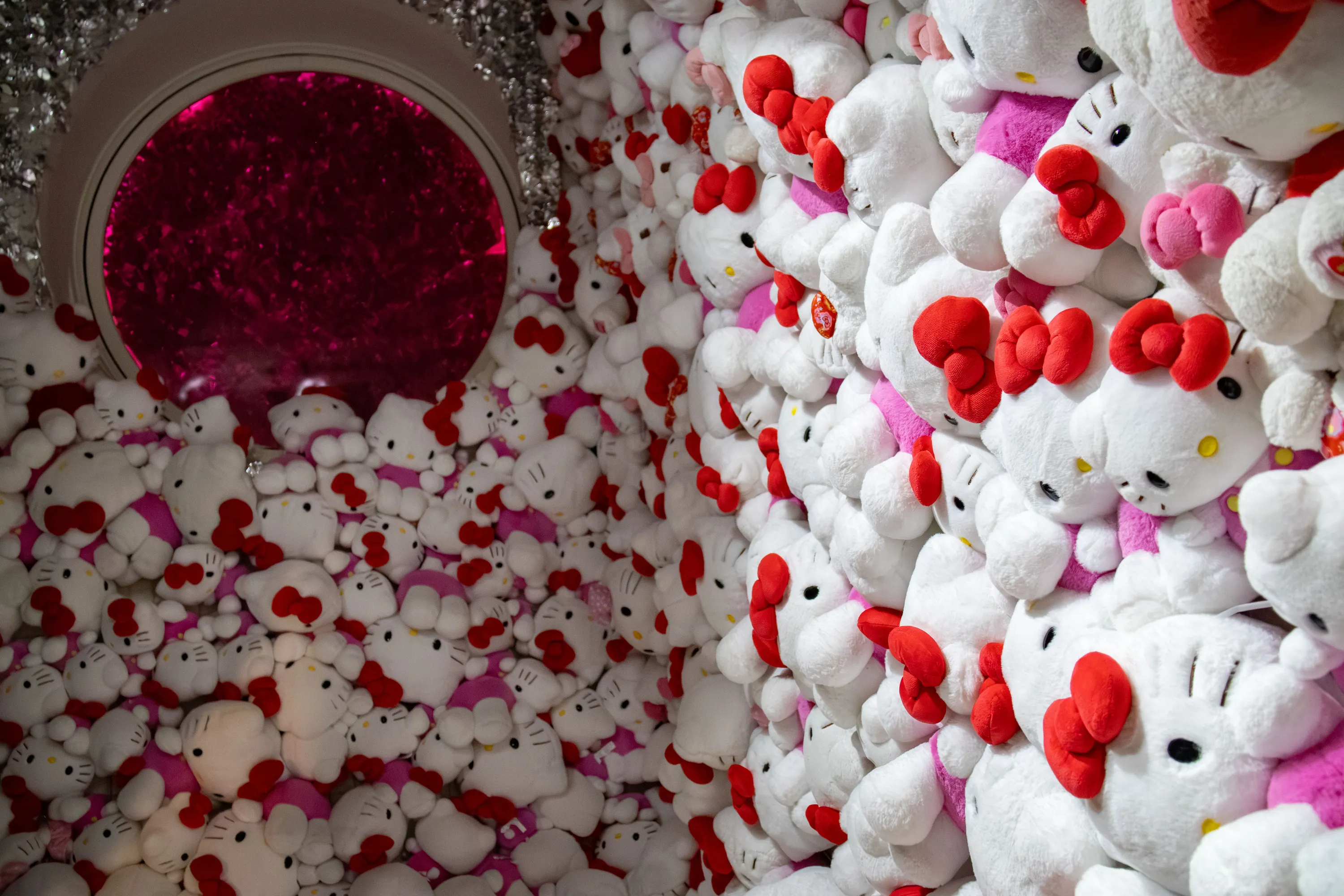
Finally, Hello Kitty Smile nearby offers a gentler counterpoint with a visit to a magical aquatic world. Projections, pastel tones and sea views combine into a quietly whimsical experience that feels as restorative as it is charming
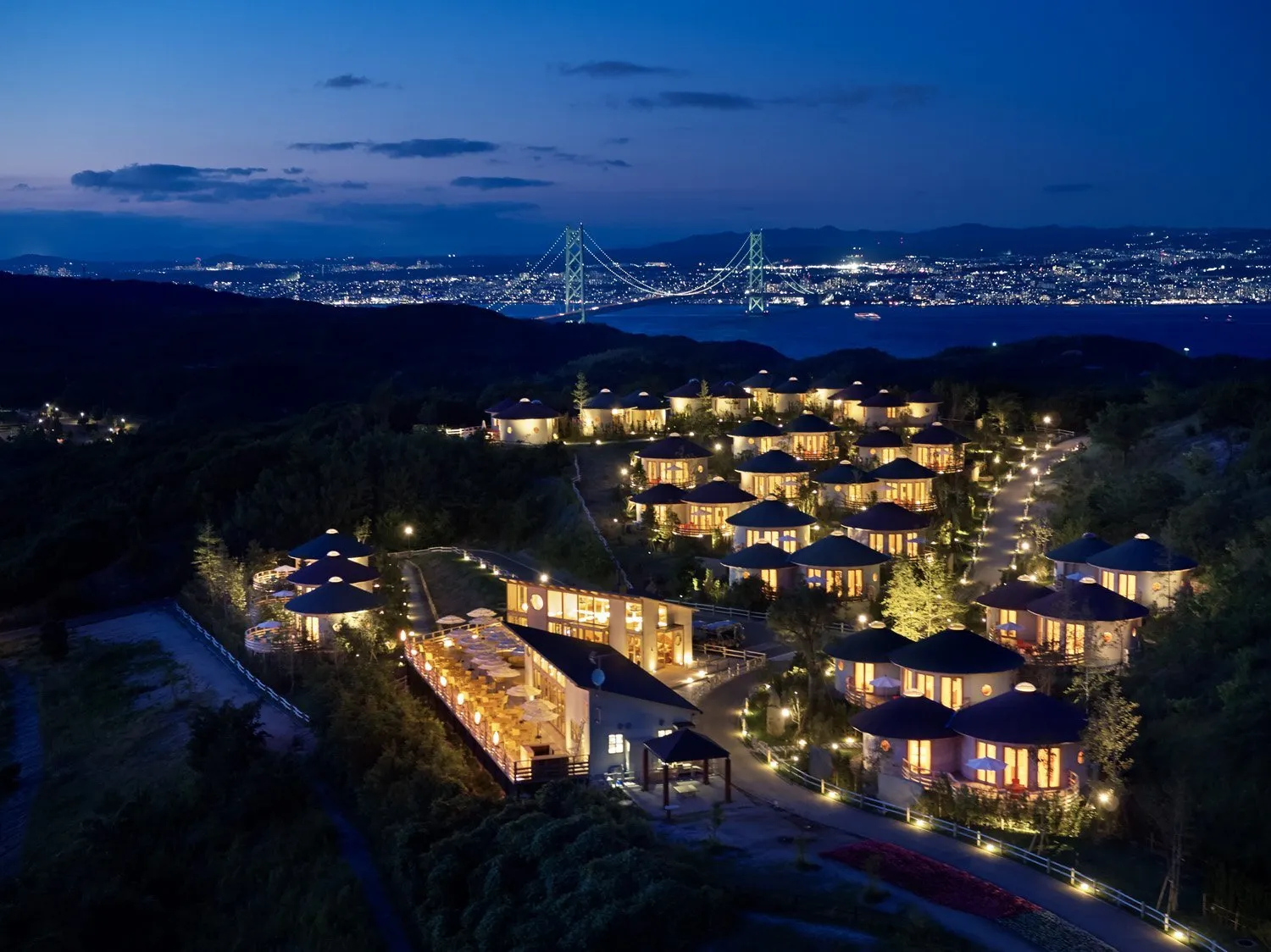
Choosing where to stay on Awaji shapes how you experience the island. High above Nijigen no Mori, Grand Chariot feels suspended between forest and sky. From the hotel’s elevated position, the Akashi Kaikyo Bridge glimmers in the distance, and evenings arrive with a tangible sense of calm. What makes the stay memorable, though, is how it extends the island’s playful spirit indoors. Themed rooms inspired by anime and games balance imagination with genuine comfort; perfect for families and fans alike.
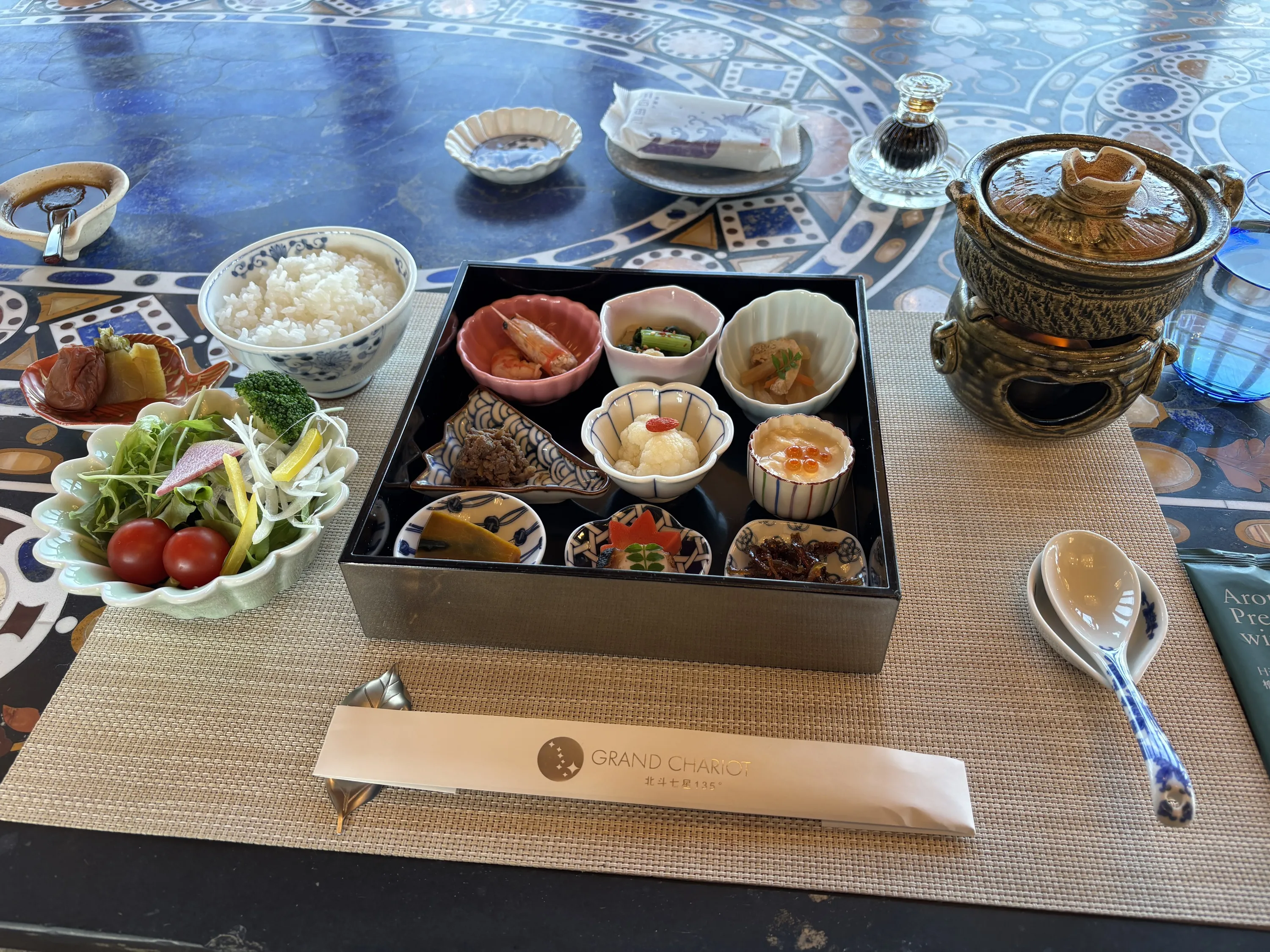
Meals are another highlight. Local ingredients take centre stage, from rich Awaji beef to delicate seasonal produce, prepared with refinement and restraint. Dinner feels celebratory, while breakfast unfolds like a tranquil interlude, accompanied by breathtaking panoramas.
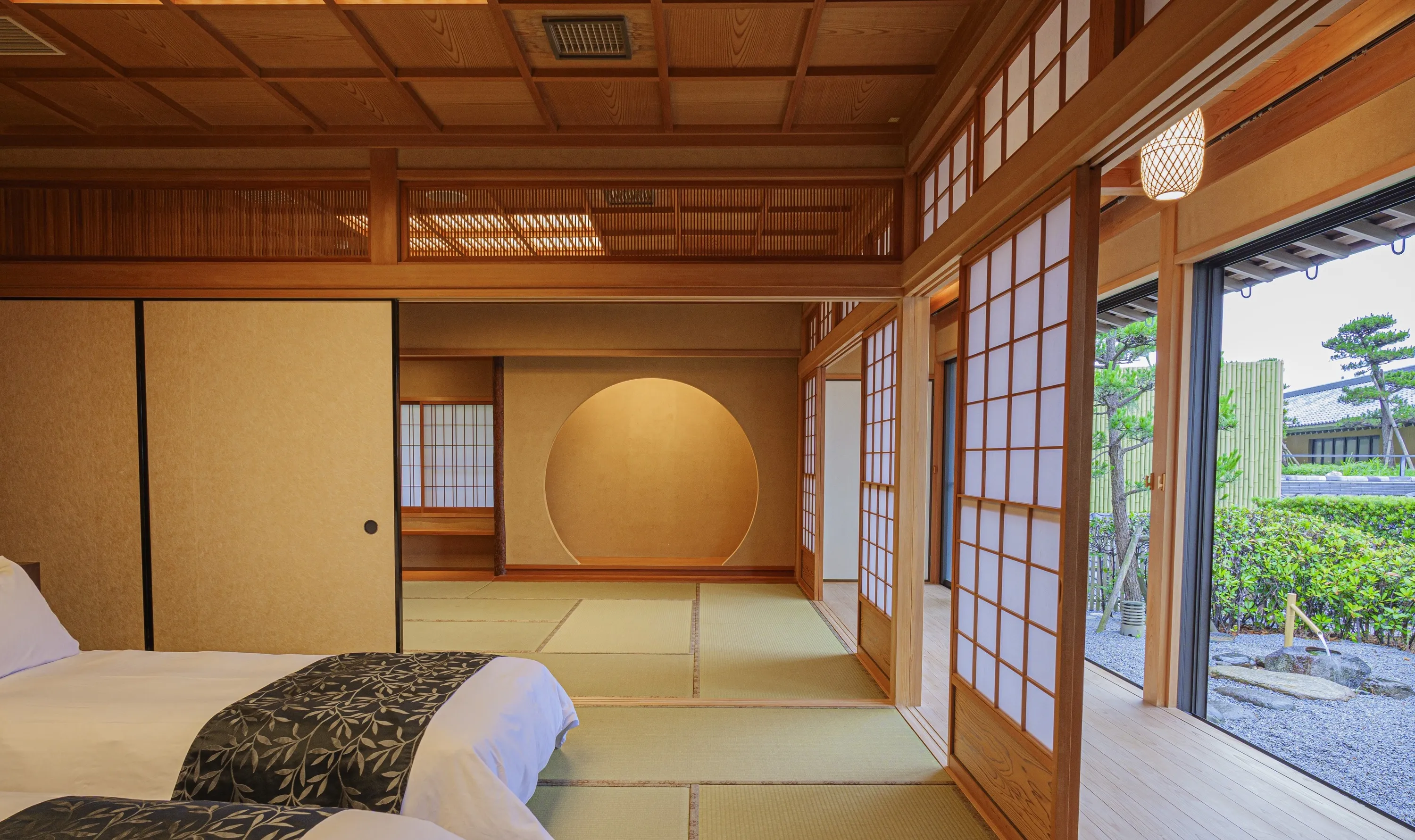
For a completely different rhythm, choose Senshin Waho. Set closer to the sea, this retreat feels introspective, being built around a tranquil Japanese garden and natural hot springs. Rooms open onto carefully framed views, encouraging you to sit, observe and do very little at all. Meals are subtle and contemplative, guided by traditional fermentation techniques and served at a pace that enhances your awareness of texture, temperature and your own appetite.
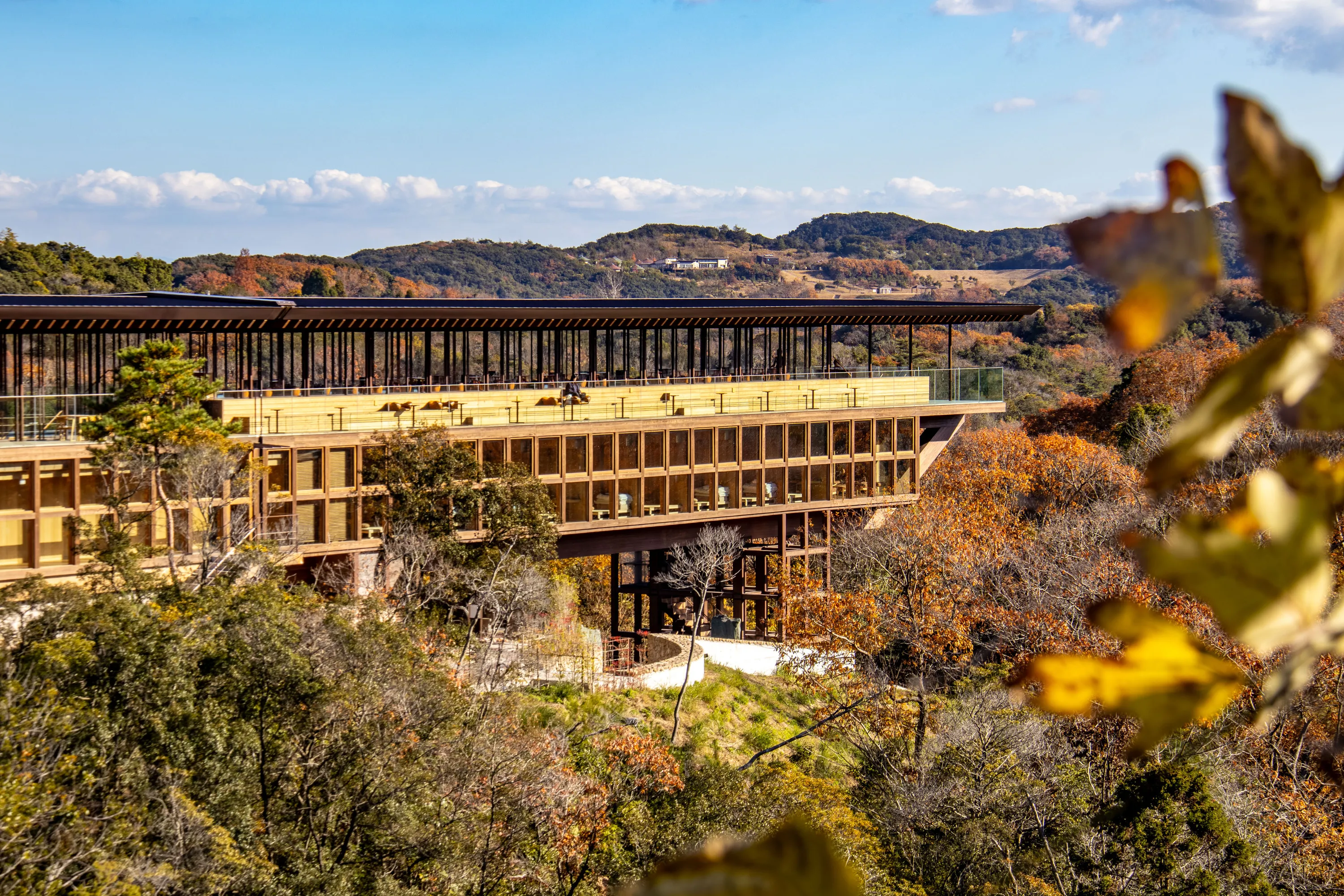
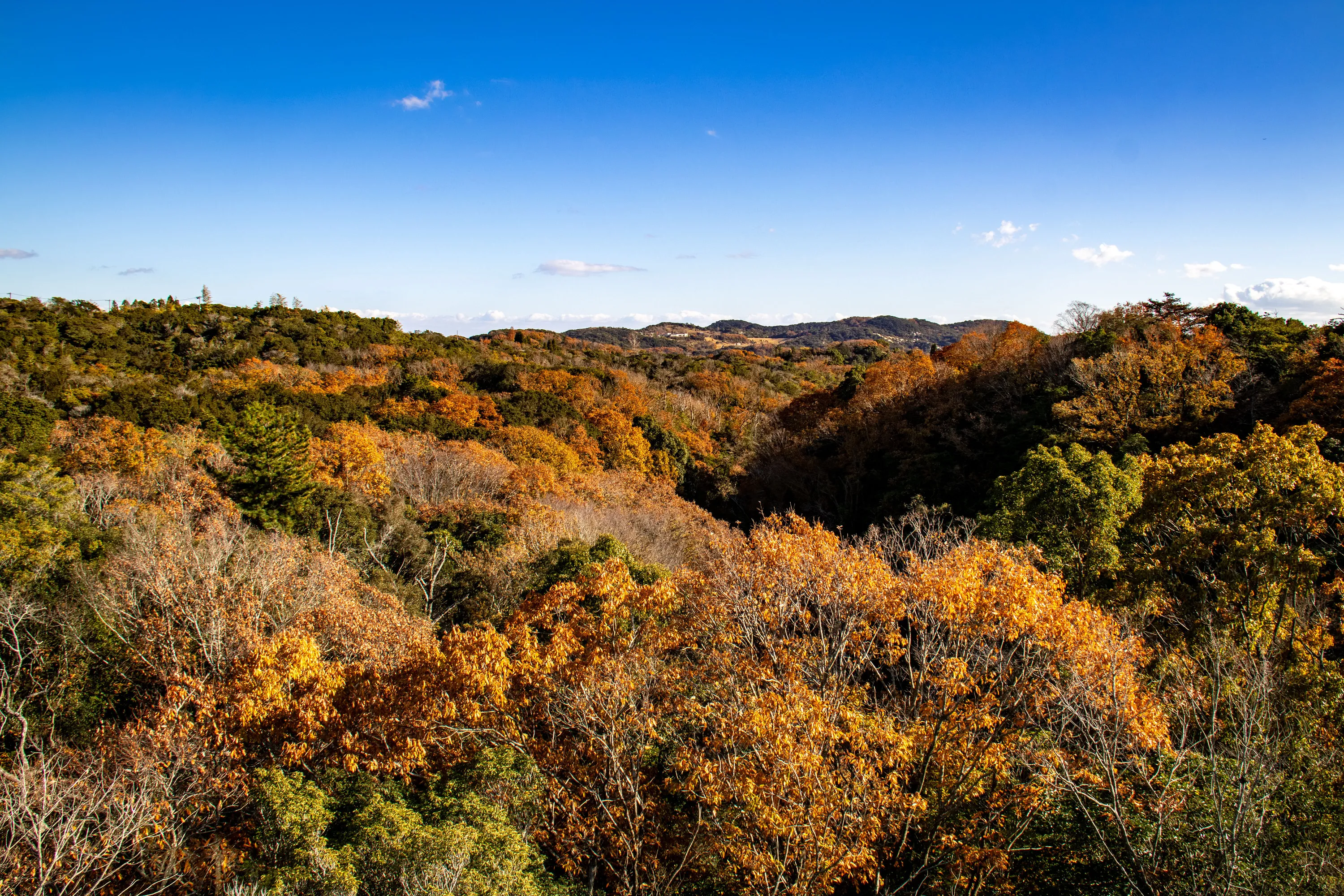
Even further along this path of stillness is Zenbo Seinei. Designed by Shigeru Ban, its long wooden deck floats above the treetops, offering uninterrupted views of sky and forest. Barefoot, moving slowly, I felt how architecture can gently guide attention inward. Meditation, plant-based meals and silence become the experience, which feels like a plunge into Zen in a place conducive to introspection.
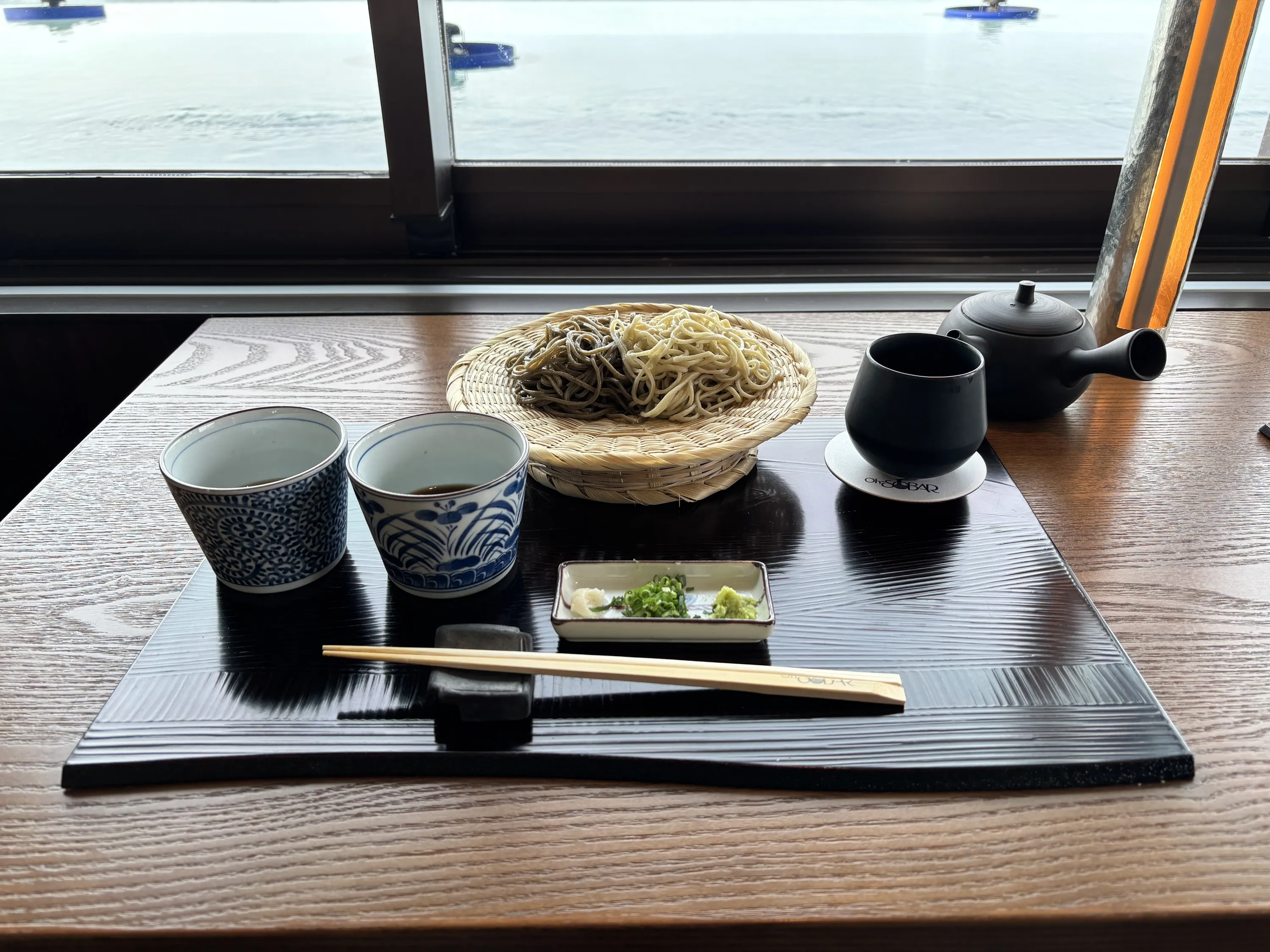
Eating on Awaji is another way to understand the island. At Oh-Sobar, the sea becomes part of the meal. Soba is served with quiet precision, the flavours enhanced rather than overshadowed by the view, especially as the sun sinks into the Seto Inland Sea. Subtle variations using local seaweed and herbs lend the dishes a sense of place, while thoughtfully chosen sake completes the picture.
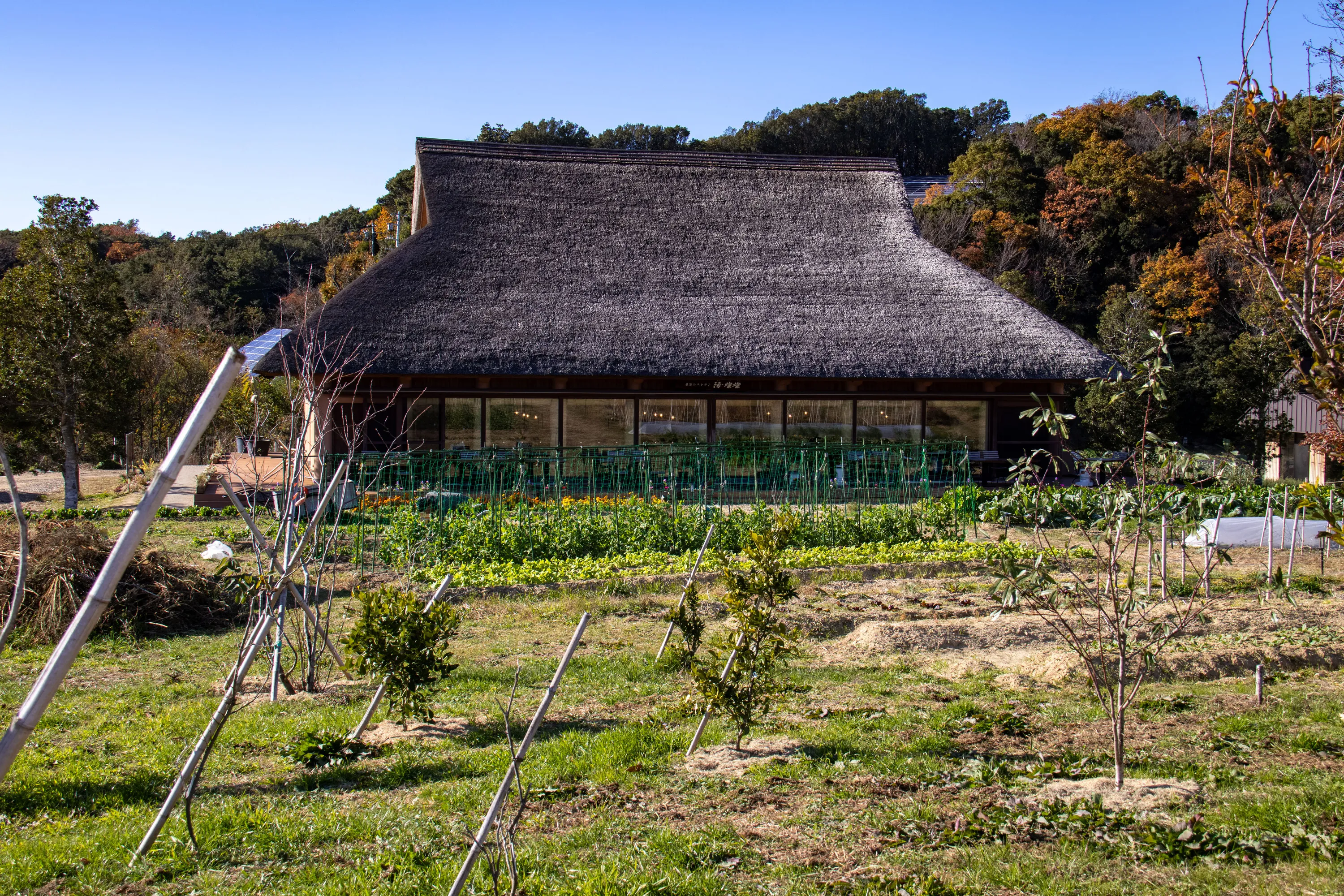
Inland, Farmers Restaurant Haru San San shifts attention to the soil. Surrounded by fields, the restaurant feels inseparable from its environment. Vegetables harvested nearby define the menu, and the architecture, designed to age naturally, echoes the philosophy of circularity and care. Eating here feels grounding, especially when paired with a visit to the adjacent market or a workshop that reconnects food with farming.
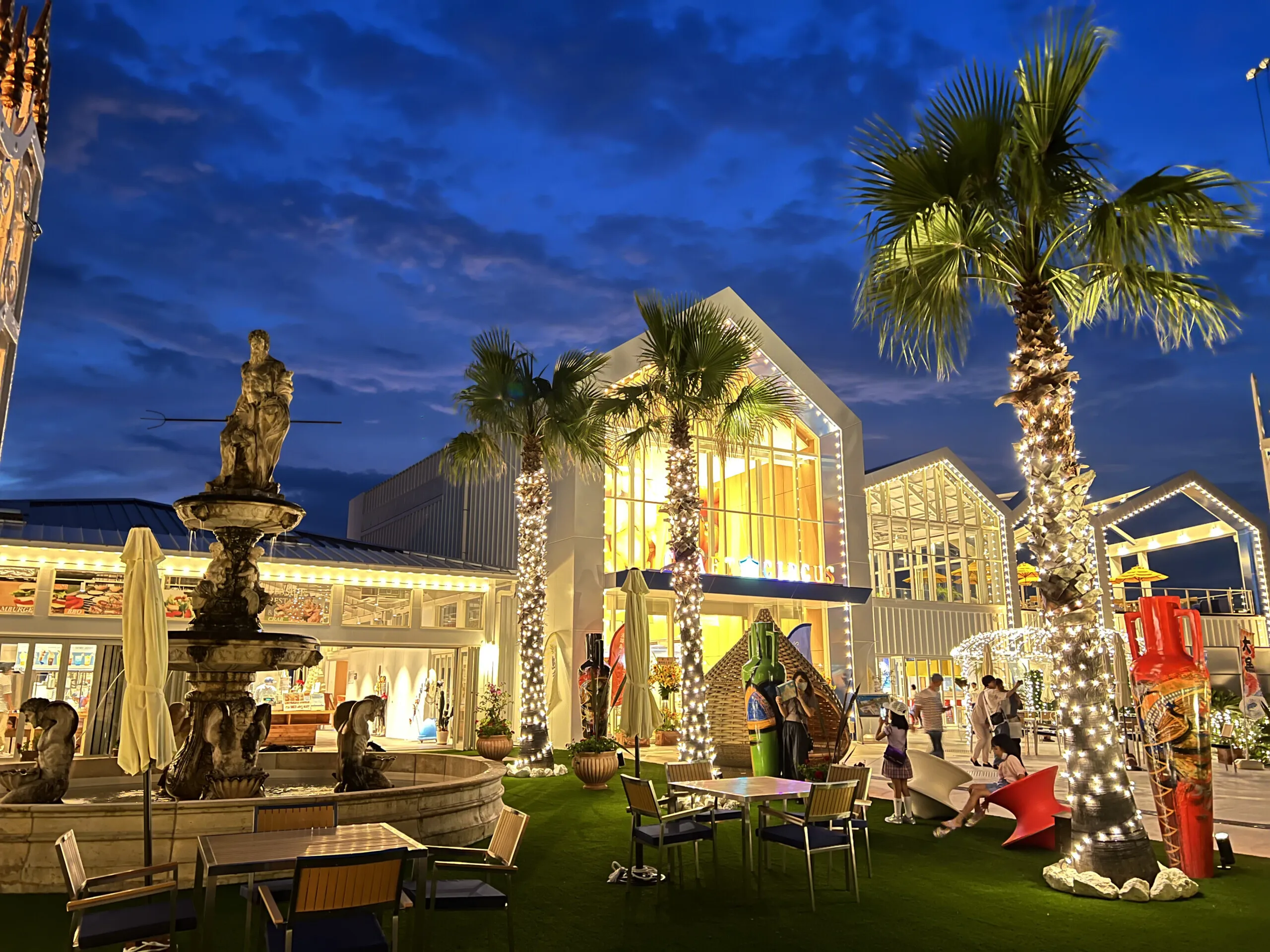
For something more lively, Craft Circus gathers food, shopping and leisure into a breezy seaside setting. Fresh seafood, hearty island dishes and casual browsing blend seamlessly, making it an easy place to spend an unstructured afternoon, sunset drink in hand.
Ultimately, what stays with me about Awaji Island is the feeling of both motion and tranquillity. The entertainment on offer is a source of joy and connection, while the moments of calm reveal the island’s true essence. Awaji invites you to blend play, care and curiosity, making it an ideal destination for families, couples or solo travellers seeking a Japan far removed from the tourist hordes of the major cities.
More from Time Out Osaka
Vermeer’s ‘Girl with a Pearl Earring’ is coming to Osaka – and only Osaka
MGM bets big on Osaka as plans for Expo site revealed
How to get rid of broken or unwanted suitcases in Japan – responsibly
The majestic, century-old Nara Prison to reopen as a museum in April
Japan cherry blossom forecast 2026: Osaka and Kyoto bloom dates
Discover Time Out original video