[category]
[title]
Learn about the global eco-crisis at the new World Ocean Plastic Planning Center in Saga prefecture – entry is free


Plastic pollution, especially at sea, has reached a critical point. And the issue becomes even more tangible – and alarming – when you look at the actual numbers. Today, roughly 150 million tons of plastic are floating in the world’s oceans, and by 2050, it’s estimated that the amount of marine debris could exceed the total weight of fish in the sea.
Every year, Japan alone collects around 30,000 to 50,000 tons of marine plastic from its coastlines. What’s even more worrying is that research has shown that the microplastic concentration in Japan’s waters is a staggering 27 times higher than the global average.
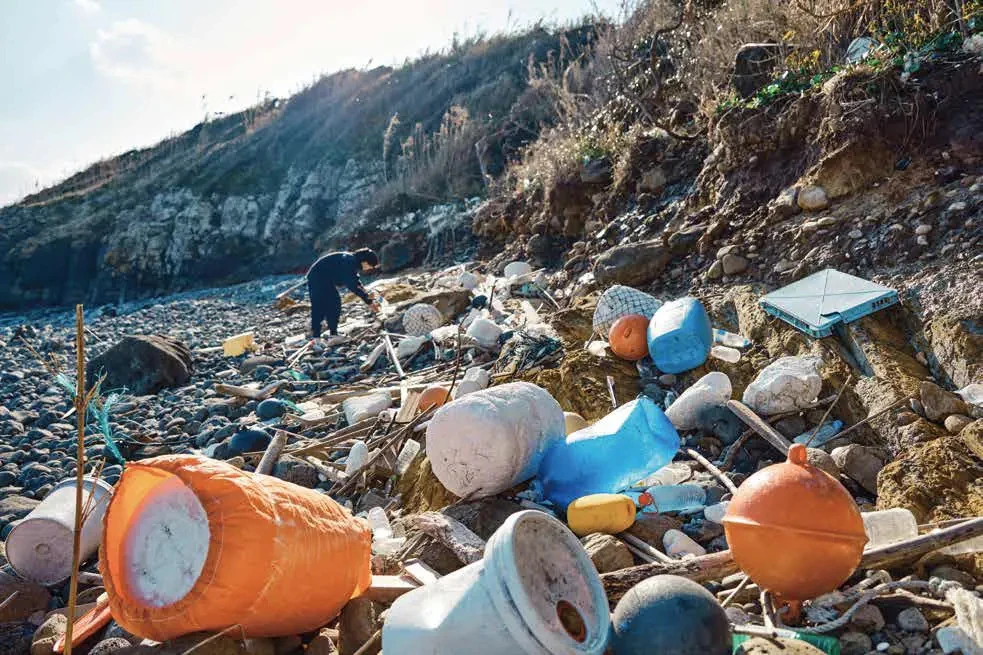
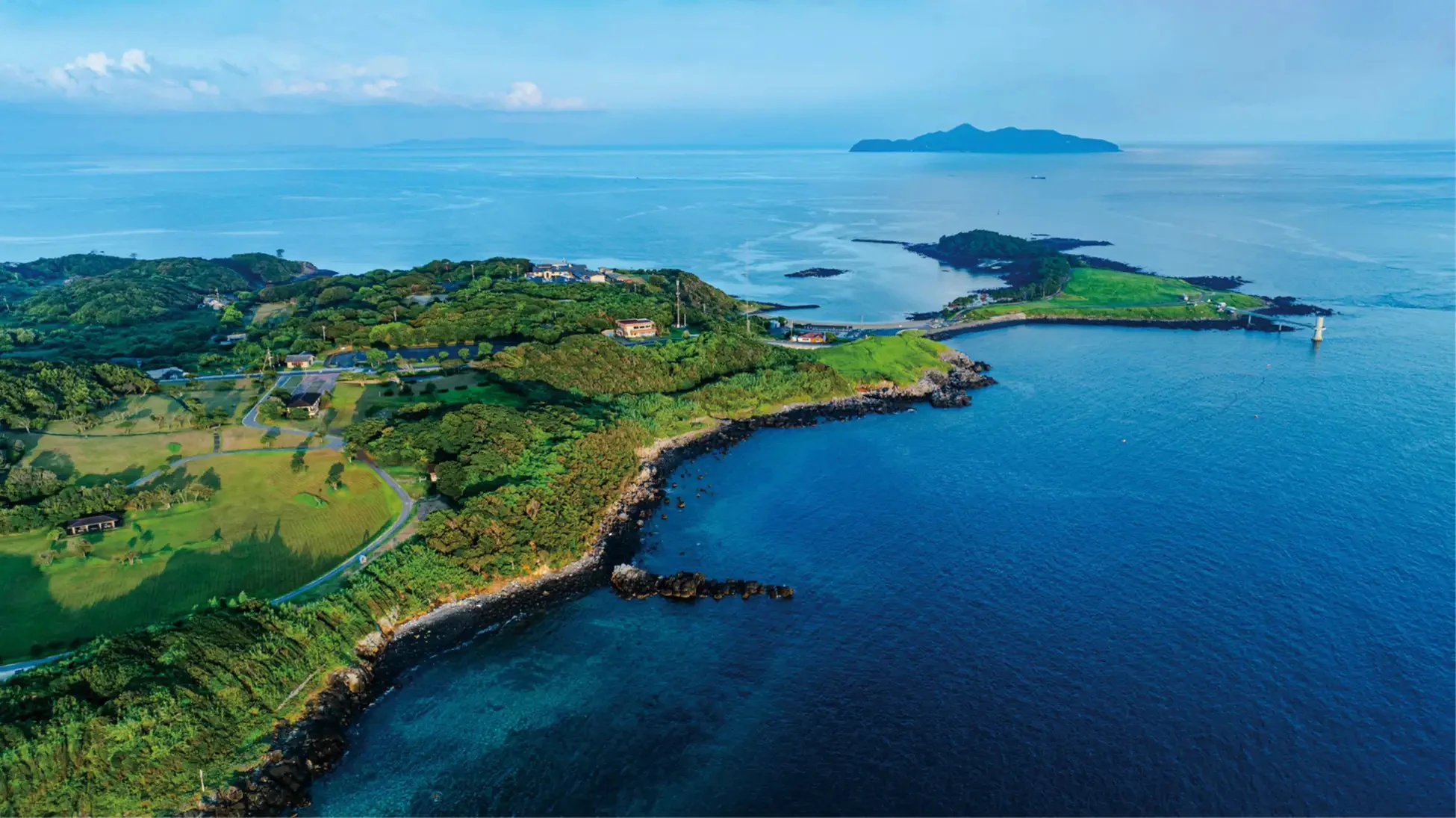
Cape Hado in Saga prefecture, located on northern Kyushu island, is struggling with this eco-crisis, as it sees a non-stop barrage of marine plastic wash ashore from both domestic and international sources. Local volunteer groups and authorities have been tirelessly clearing and even tried upcycling this waste, but the impact on marine life, fisheries and local tourism continues to intensify.
This led to the creation of the World Ocean Plastic Planning Center at the cape. Also known as PlaPla, the facility serves as an educational hub for people to understand the severity of the issue and discover the actions they can take to fight it. This will hopefully lead to a reduction in plastic waste, which will also help preserve the beautiful waters of the Karatsu–Genkai region.
According to PlaPla, it is the world's first exhibition and experiential facility dedicated to educating the public about all aspects of marine plastic pollution, from research to collection and recycling. The project is a collaboration between the Saga Prefectural Museum, marine plastic researchers, local stakeholders as well as Semba Corporation. The Japanese firm, renowned for its architectural and spatial work, was tasked with overseeing the development of the exhibition design and content.
What’s truly remarkable is that discarded fishing nets and marine plastics collected from local beaches were upcycled and integrated into the exhibition. By bringing the pollution into the space, PlaPla has made the global crisis even more real and inevitable.
But it’s not all gloom and doom. Aside from learning about the mounting problem, visitors are also presented with actionable solutions while being inspired to see this ocean waste as a possible new resource.
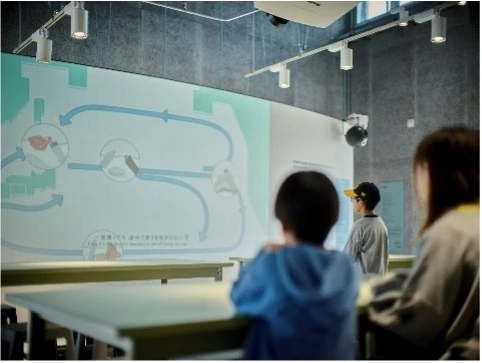
Inside PlaPla, the exhibits are interactive and eye-opening. Highlights include a panoramic digital screen explaining marine plastic pollution in an easy-to-understand format, a massive LED sphere visualising global ocean currents, and a documentary film showcasing pollution-clearing efforts across Japan and the globe.
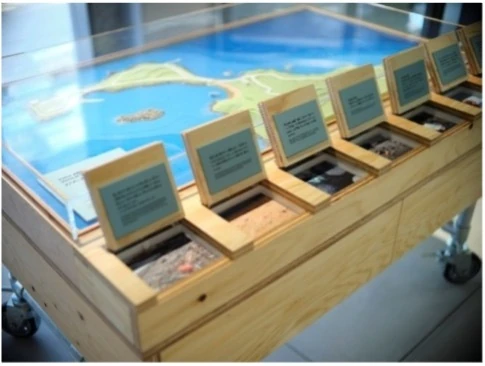
More importantly, visitors can observe actual marine debris specimens up close as well as microplastics collected by polar researchers. One of the most impactful displays even compares historical and modern household items to show how consumerism can become a burden to our environment.
The World Ocean Plastics Planning Center is located at Cape Hado of Karatsu City in Saga prefecture. It’s open 9am to 5pm, Thursday through Tuesday (closed on Wednesday). Best of all, admission is free.
For more information, check PlaPla’s website.
More from Time Out Osaka
Japan opens a new, free Pokémon hot spring footbath in Wakura Onsen
New Ghibli exhibitions coming to Osaka and Kyoto later this year
Enjoy weekday lunch deals under ¥1,500 at Time Out Market Osaka
Verdy’s Wu-Tang Clan x Henry’s Pizza collection is now on sale
Paid seats for the 2026 Kyoto Gion Festival processions are now on sale
Discover Time Out original video