[category]
[title]
The award-winning organisation Nal'ibali is working across South Africa to restore the joy of reading among children and encourage families to make storytelling part of their everyday lives.


Thousands of children in South Africa face literacy challenges, highlighting the importance of introducing them to books and stories from an early age.
Nal'ibali believes that the love of reading should be nurtured in communities, starting at home and extending to schools and other community spaces.
Established in 2012, the organisation has a nationwide footprint, with its headquarters in Pretoria and Cape Town.
Lorato Trok, the executive director of Nal'ibali, says the organisation’s core activity centres on promoting reading for enjoyment among children in their homes, schools and especially communities where children don't have access to books.
Lorato says the home is particularly important because it is where children spend time with their families, including grandparents, uncles and other relatives.
“We focus on the home because we believe that the primary residence for children is where you have grandparents, uncles and family members,” says Lorato.
She explains that the organisation visits communities to educate families about the importance of instilling a love of literacy in children.
However, literacy does not only mean reading books. Oral storytelling is also an important part of the process.
“With the history of our country, we’ve got parents, we’ve got households that are headed by grandmothers who have not gone to school, who are not able to take a book and read, but we still encourage them to tell oral stories with children because they are custodians of the cultural stories or knowledge, indigenous knowledge, and that is what we want them to do in their homes,” says Lorato.
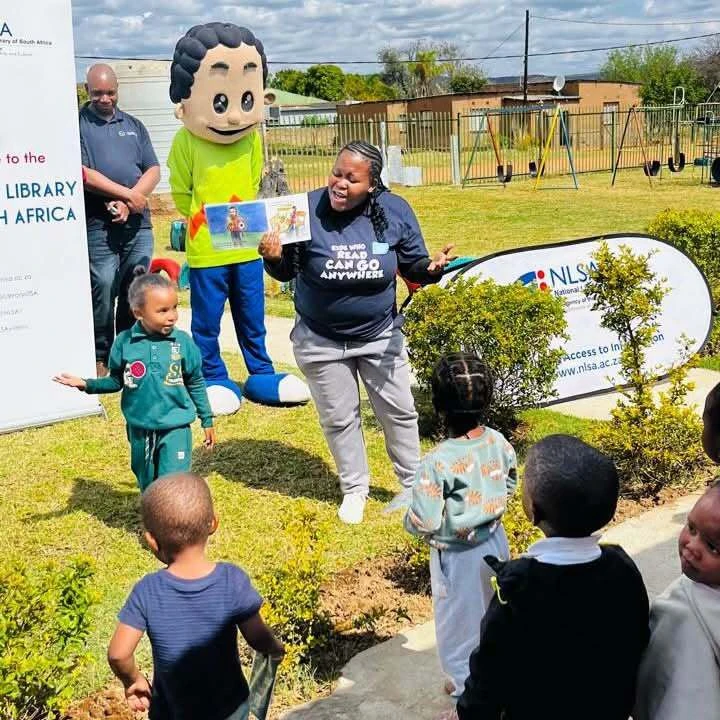
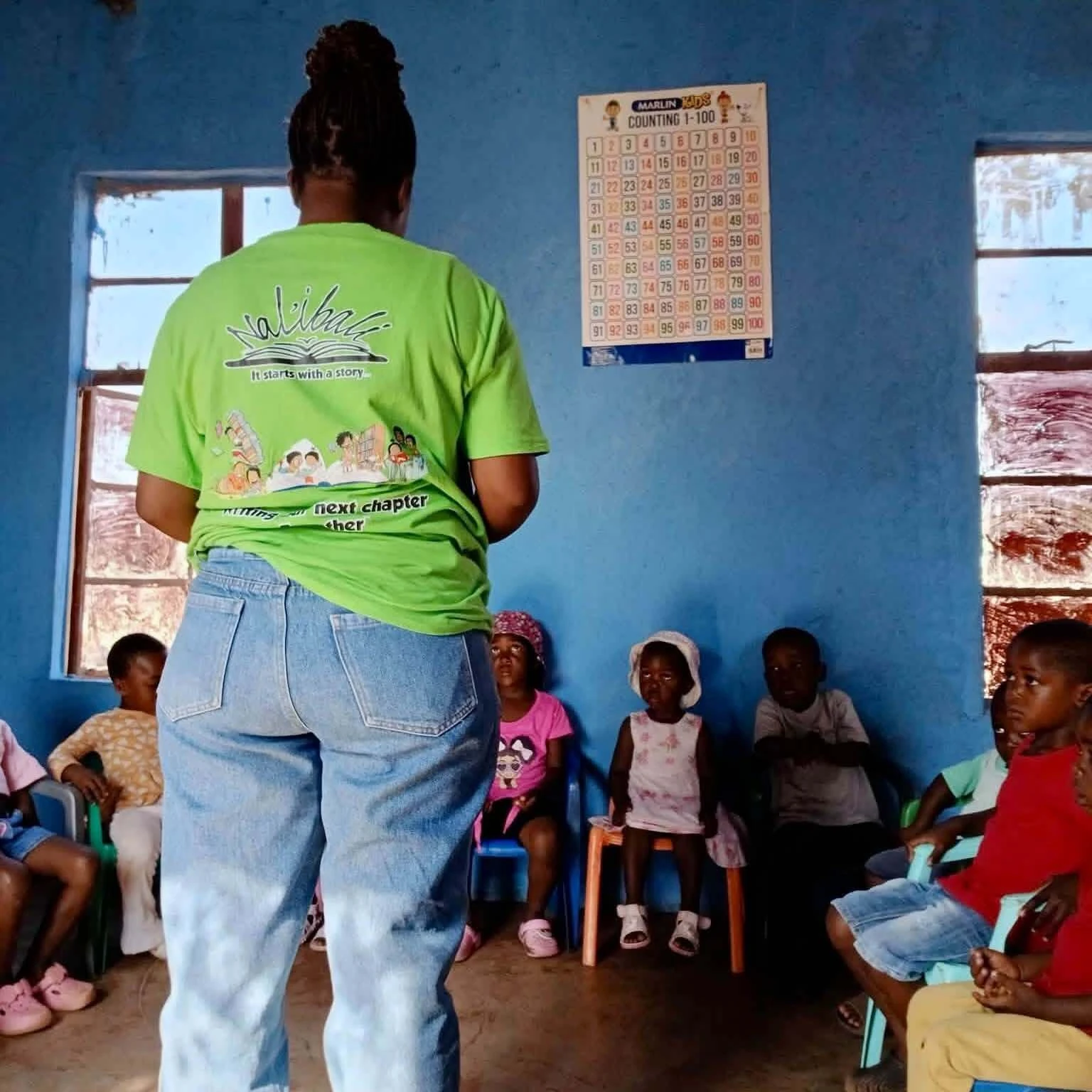
She says Nal'ibali works with foot soldiers, who visit households and schools to encourage a love of reading. The organisation also has literacy mentors who support its work in communities.
Lorato says Nal'ibali also reaches families who may not have access to early childhood education.
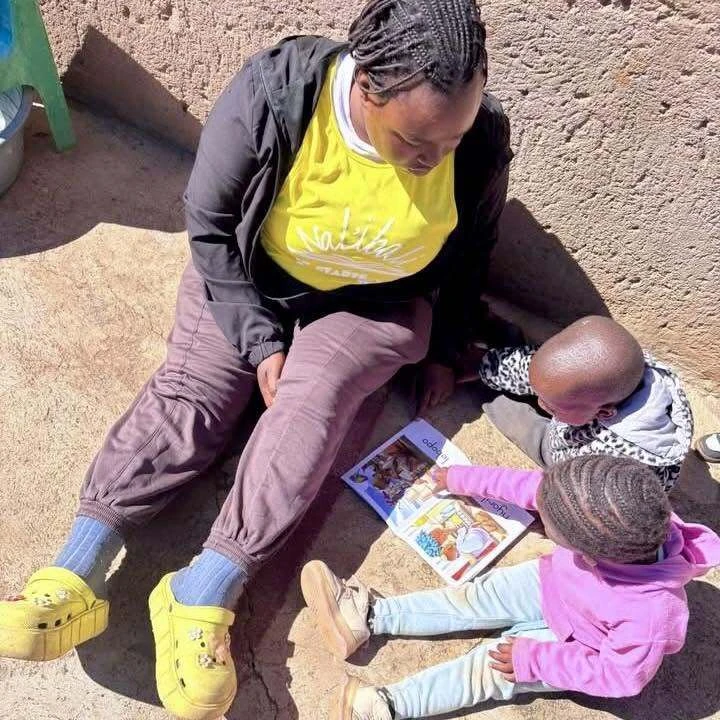
“We go into homes because, you know, in South Africa there are 1.5 million children between the ages of three and five who are not in preschool. So we go into the homes and we give them joy for reading.
“We also emphasise to the parents how important it is for them to give their children the joy of stories. It doesn’t have to be a book. They can tell oral stories because that is so much part of our African culture,” she says.
The organisation also develops reading materials to ensure children have access to stories that reflect their languages, cultures and experiences.
Lorato explains that Nal'ibali has a content team that works with authors to develop stories in South Africa’s 12 official written languages, alongside South African Sign Language.
These stories are shared through radio stations across the country and are also available on the organisation’s website, where families can access reading materials.
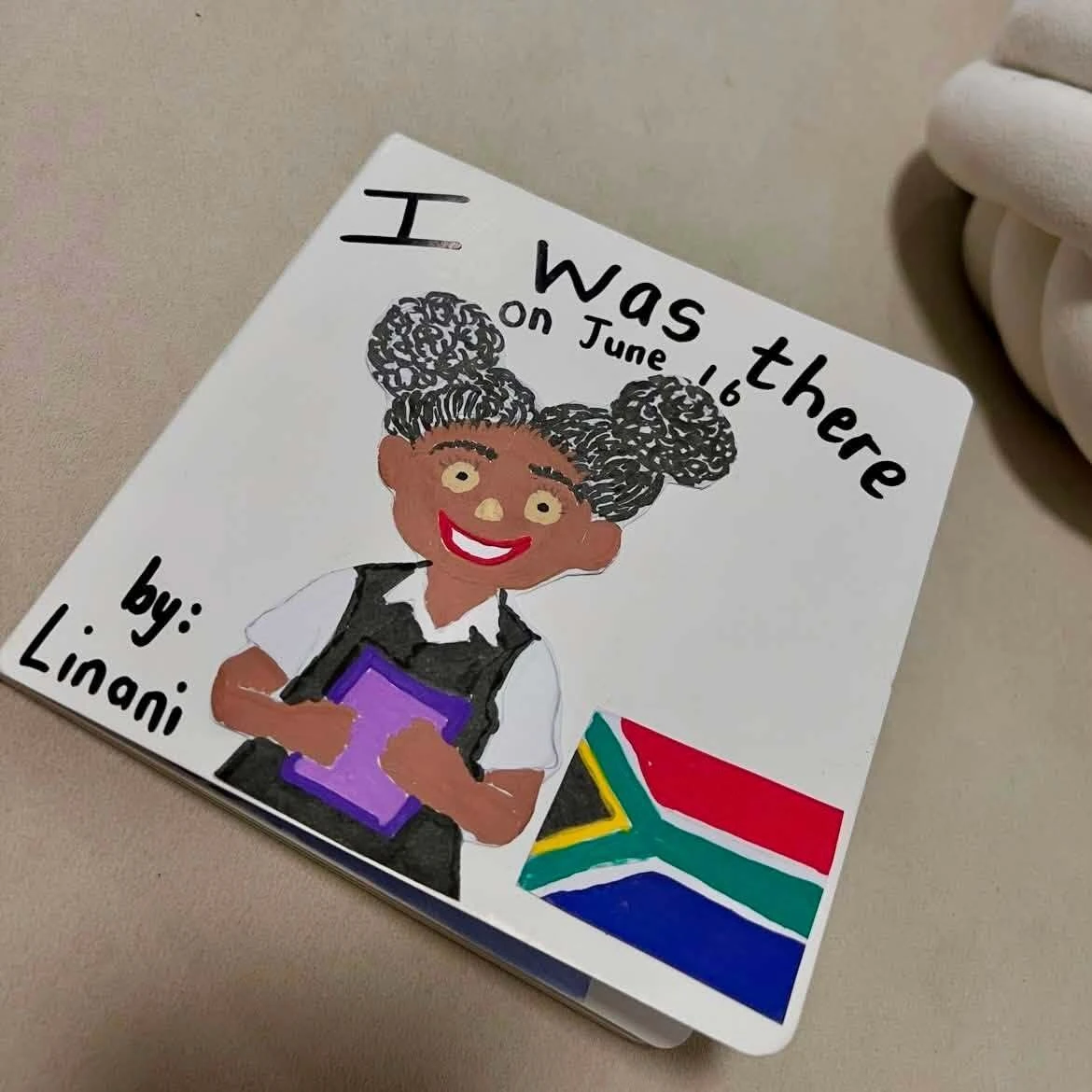
Another important part of the initiative is encouraging children to become writers themselves, allowing them to create stories that can be shared with other young readers.
"We've got children as young as seven years old who have published stories with us."
Nal'ibali also works to make stories accessible to children with disabilities, including those who use South African Sign Language.
For the organisation, the goal is to ensure that every child has an opportunity to experience the joy of stories.
Speaking about some of the organisation’s success stories, Lorato says one of the most rewarding experiences is hearing from teachers, children and parents who have rediscovered the joy of reading through Nal'ibali’s interventions.
“When we go into their schools, the children were not able to read or to enjoy the stories, but when we come in, then, you know, they light up,” she says.
She adds that parents also begin to understand the important role they play in developing their children’s literacy skills.
Some parents, she says, have never considered themselves responsible for reading to their children. Through Nal'ibali’s work, they learn that sharing stories at home can make a difference.
“They tell us about how they never thought that they are responsible for reading for their children, but we change their minds and they understand now how important it is for them to tell stories to their children, even stories that they had that they didn’t think mattered,” says Lorato.
She encourages parents to make time for storytelling, even when they have busy schedules.
According to Lorato, families do not have to set aside hours to enjoy stories together. Even 15 minutes can make a difference.
Parents can read with their children as a family or tell them oral stories while doing household chores, such as washing dishes.
She says these simple moments can help families bond while building children’s love for reading.
Nal'ibali also encourages families to preserve and celebrate African traditions sharing stories with their children.
Lorato says parents should be encouraged to read these stories with their children and use their home languages in everyday conversations.
Through this approach, the organisation hopes to strengthen children’s connection to their languages and cultural heritage.
Nal'ibali also partners with libraries in townships and rural communities, helping to make reading materials more accessible to children who might otherwise have limited access to books.
For Lorato, this work is particularly meaningful because she understands the experience of growing up without enough books to read.
She believes children should be introduced to stories from the time they are born so that hearing their parents’ voices reading becomes a familiar and enjoyable experience.
She also highlights the importance of encouraging children who use sign language, reminding parents that they should not neglect their children’s literacy development because they communicate differently.
In September 2026, Nal'ibali received international recognition at the Library of Congress International Literacy Awards.
The award recognises the organisation’s contribution to promoting literacy and making reading for enjoyment accessible to children across South Africa.
The recognition highlights the importance of Nal'ibali’s community-driven approach, which brings together families, volunteers, schools and other partners to help children discover the joy of stories.
For Lorato and the organisation, the work goes beyond encouraging children to read. It is about creating opportunities for the next generation to grow up surrounded by stories, language and knowledge.
By encouraging parents to share the stories they know, providing access to books and supporting children to become storytellers themselves, Nal'ibali hopes to ensure that the barriers experienced by previous generations do not have to define the next.
Sign up to Time Out Pretoria's free newsletter for expert recommendations on new things to do, see, eat and drink in the Capital.
TIME OUT PRETORIA RECOMMENDS:
📍 The best things to do in Pretoria
🍽 The best restaurants in Pretoria
🏨 The best hotels in Pretoria
🛏️ Where to stay in Pretoria
Discover Time Out original video