[category]
[title]
The natural history museum is home to mummies, live amphibians and the world’s oldest fossilised brain


What does a good museum look like to you? Is it one that’s hyper-focused on a specific niche? Is it one full of actors that immerse you in the past? Or is it one stuffed with artefacts that span the globe? Whichever type of museum it is that piques your interest, there’ll be one for you on Time Out’s guide to the UK’s greatest.
Over the last month, we’ve been delving into each museum that made the cut for 2026, from Margate’s wacky Crab Museum (which took top spot) to a coal mining museum in Wales that takes you 300 feet underground. Now, we’re shining the spotlight on the museum that came in at number eight: Manchester Museum.
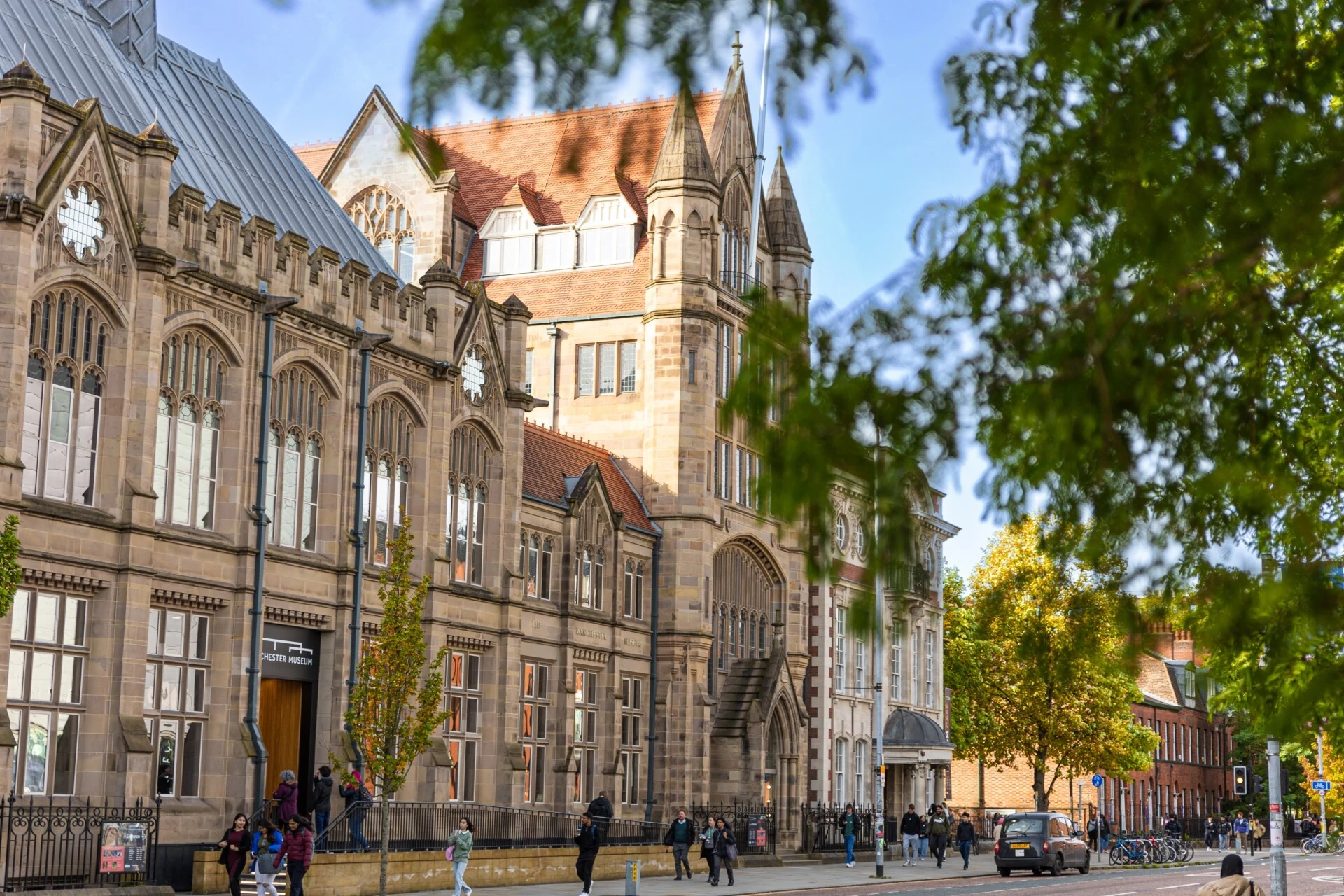
The largest university museum in the country, Manchester Museum has been around since 1888 and its neo-gothic look is the work of Scouse architect Alfred Waterhouse, the same man who designed London’s Natural History Museum. But the venue underwent a huge £15 million refurbishment several years ago and now looks better than ever.
While natural history museums of this age and scale can often come across as stuffy or overwhelming, Manchester Museum feels different. It made the cut because ‘the very presentation of its exhibits feels radical: never patronising, always welcoming and engaging’.
The refurb created a new exhibition hall and galleries dedicated to different cultures across the world, including one gallery that hosts the first permanent collection in the UK that highlights the experiences, contributions and histories of the South Asian diaspora communities.
Then, at the end of 2025, Manchester Museum also launched its Africa Hub. The hub houses items that have been taken out of storage by the museum and that it has almost no record of where they came from. The idea is to expose ‘the gaps and silences’ in its records and encourage conversation about how the items should be displayed and whether they should be returned.
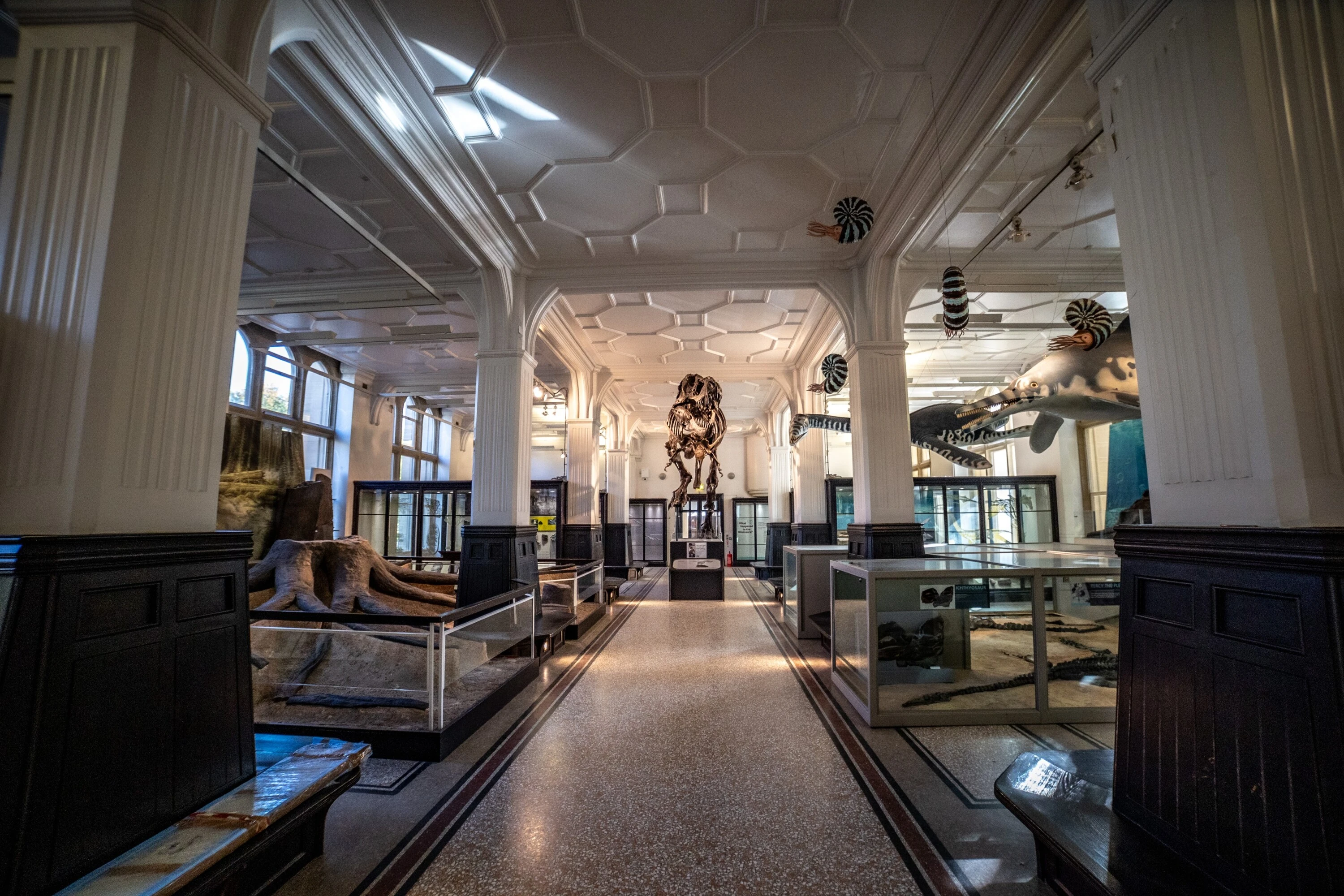
In total, Manchester Museum has more than 4.5 million objects to its name. They span from the world’s oldest known preserved fossilised brain (the 319-million-year-old Coccocephalus wildi fossil fish) to 30 species of living amphibians inside the Vivarium. Other highlights include the the sperm whale skeleton suspended above the Living Worlds gallery (recently named Harmony), a piece of rubble from the Hiroshima atomic bomb blast, one of Charles Darwin’s finches and, the star of the show, Stan the T-rex.
ICYMI: Mysterious 250-year-old tunnels are opening as an immersive attraction.
Plus: Here’s why an underrated gallery in Plymouth won Art Fund Museum of the Year 2026.
Stay in the loop: sign up to our free Time Out UK newsletter for the latest UK news and the best stuff happening across the country.
Discover Time Out original video