[category]
[title]
Problems with the new EU electronic entry/exit system (EES), which launched in April, have stalled plans to introduce a new ‘euro-visa’ for Brits


A few days to unplug, the chance to tick a couple of books off the reading list, a glorious golden tan – these are the perks of a sunny getaway. The downside? More often than not, it’s the hassle of the journey there.
If you’ve been lucky enough to do any jet setting around Europe already this summer, we’d hazard a guess that you’ve also suffered through your fair share of queues at the airport. That’s because after a decade in the works, the EU introduced new border regulations in April, and they’ve caused some hefty airport delays in the months since.
Now, it’s been announced that a second set of regulations, called ETIAS, has had its rollout delayed.
If you’re feeling confused about how your travel plans might be affected, or how to plan for upcoming trips, we don’t blame you. But have no fear, because we’ve got you covered. Here’s everything you need to know about ETIAS, why it’s been delayed and how you’ll be able to apply once they do (eventually) come into effect.
ETIAS stands for European Travel Information and Authorisation System. Basically, it’s a visa waiver for non-EU citizens entering the Schengen zone (a border-free travel zone of 29 European countries). Also referred to as a ‘euro-visa’, the ETIAS acts in a similar way to the ESTA required to visit the States, and allows holders to stay in European countries for up to 90 days within any 180 day period.
The launch of ETIAS is expected to be pushed back because of technical glitches and a slower than expected rollout of the EU’s new electronic entry/exit system (EES).
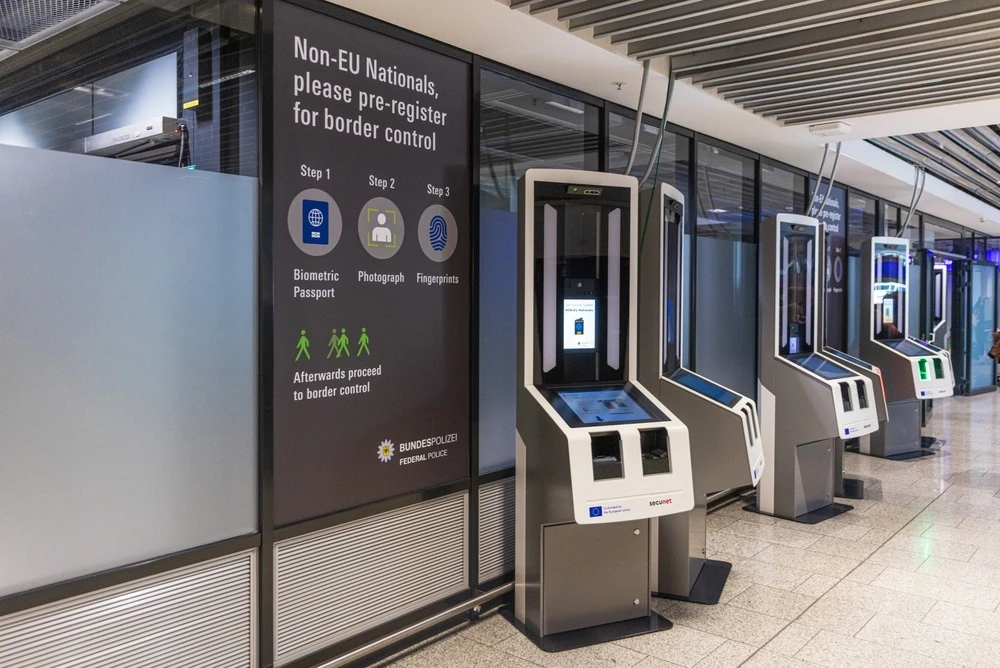
Problems with EES, which launched in full in April and requires non-EU travellers to scan their fingerprints and faces at border control, have led to queues of up to five hours. European travel officials are worried that delays could get even worse during the summer holidays, when international travel is at its peak.
The EES and ETIAS systems were first announced in 2016 and the ETIAS rollout was always planned to follow on from the EES launch.
The new electronic entry/exit system was originally supposed to launch in 2022, but was delayed until April 10 2026, meaning that ETIAS was scheduled to come into effect in the ‘last quarter of 2026’, but has now been delayed once again.
EU-Lisa, the agency in charge of implementing ETIAS, has said that the 2026 timeline is unfeasible, according to the FT. A new introduction date hasn’t been specified yet, but the launch is expected to be pushed back to 2027.
The ETIAS system pre-screens travellers before they board their flight, meaning that once it comes into effect, you’ll need to complete your application ahead of travelling.
The application process takes about 15 minutes and requires a valid passport, an email address so you can receive your ETIAS approval, and a credit or debit card to pay the application fee.
During the application process you’ll be asked to give details of your travel history, any health conditions that could be relevant to public safety and requested to provide information about your criminal background related to offences like terrorism or fraud.
Applications can take up to 30 days to be approved, so we’d recommend planning ahead once the ETIAS does come into effect.
Luckily, though, you won’t have to apply every time you travel. The euro-visa will last three years or until your existing passport expires (whichever comes first), at which point you’ll have to renew.
The application for the ETIAS will cost €20 (about £17). That fee is non-refundable, so you won’t get your money back if your application is refused.
EES is being launched across the whole Schengen Area, which is a group of 29 countries that have agreed to an open border. That includes 25 EU countries and four non-EU European nations. They are:
Did you see that the happiest city in the world is in the UK?
Plus: a genius new travel pass offers unlimited travel in one of England’s most beautiful regions.
Stay in the loop: sign up to our free Time Out UK newsletter for the latest UK news and the best stuff happening across the country.
Discover Time Out original video