
[category]
[title]
William Golding’s survival classic is hitting TV screens this weekend


William Golding’s magnum opus Lord of the Flies has long been a mainstay of school lessons, and it’s now getting a modern makeover for the screen.
An all-star creative team including Adolescence creator Jack Thorne and legendary composer Hans Zimmer are bringing the 1954 novel to life for the BBC in the four-part series that starts this Sunday.
Here’s all you need to know about the series and its exotic filming locations.
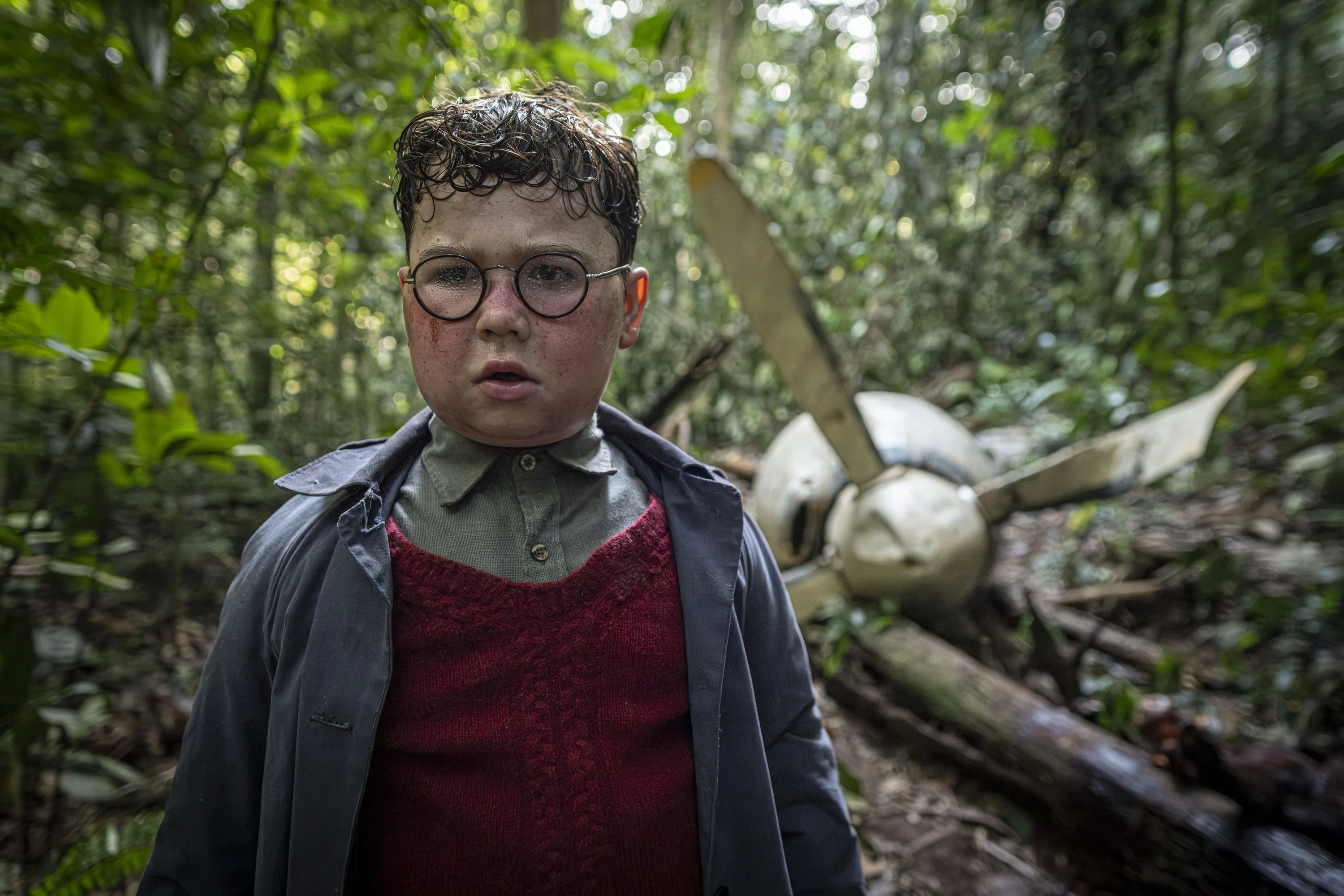
Lord of the Flies follows a group of schoolboys stranded on a tropical island as the sole survivors of a fatal plane crash. In a bid for survival, factions form within the group and a battle for leadership divides the boys. Tragedy, however, is not far behind.
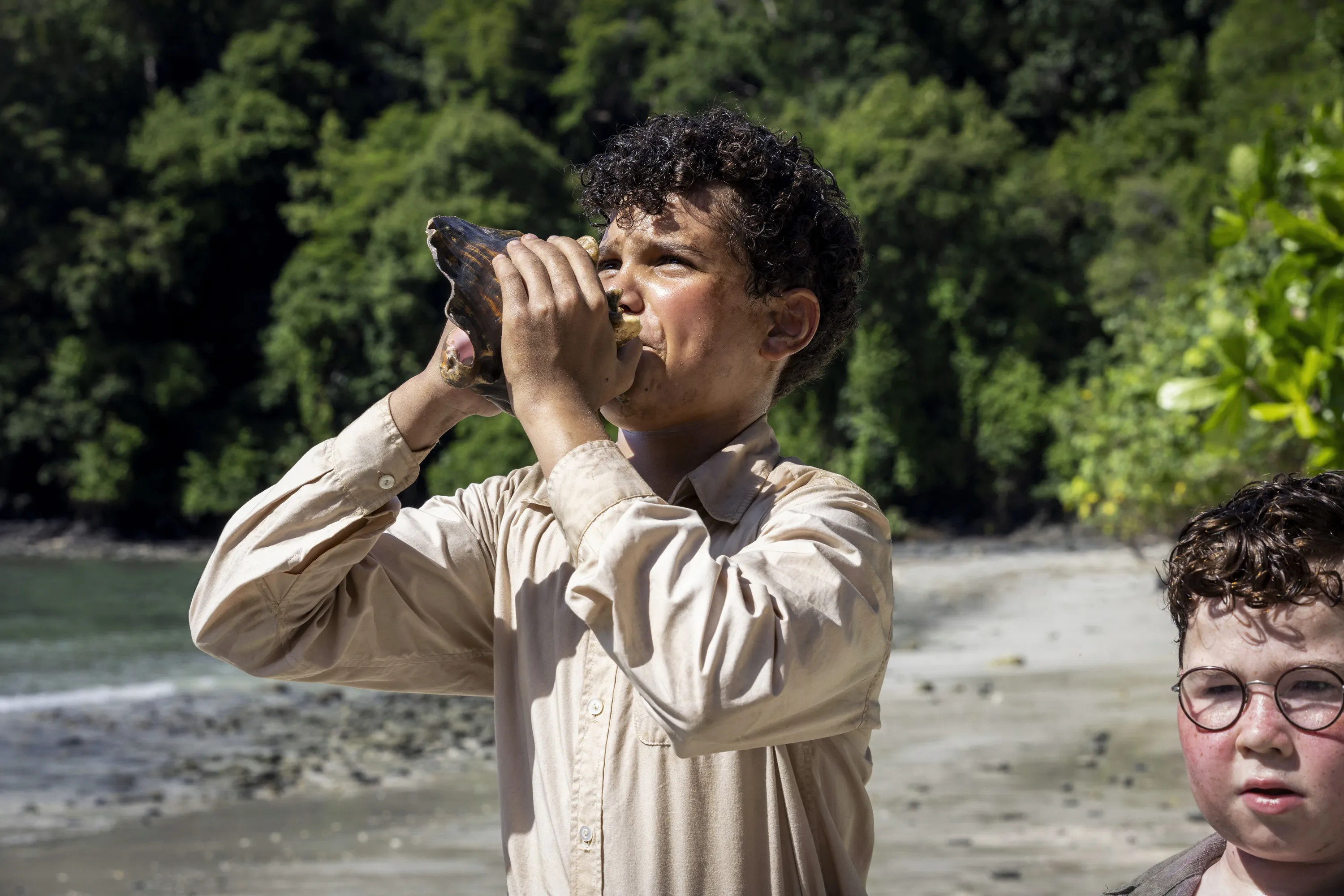
Pack leader Ralph (Winston Sawyers) and brainy deputy Piggy (David McKenna) attempt to keep the group in order and find a way off the island, while choirboy Jack (Lox Pratt) leads a rival gang who embrace their wild nature.
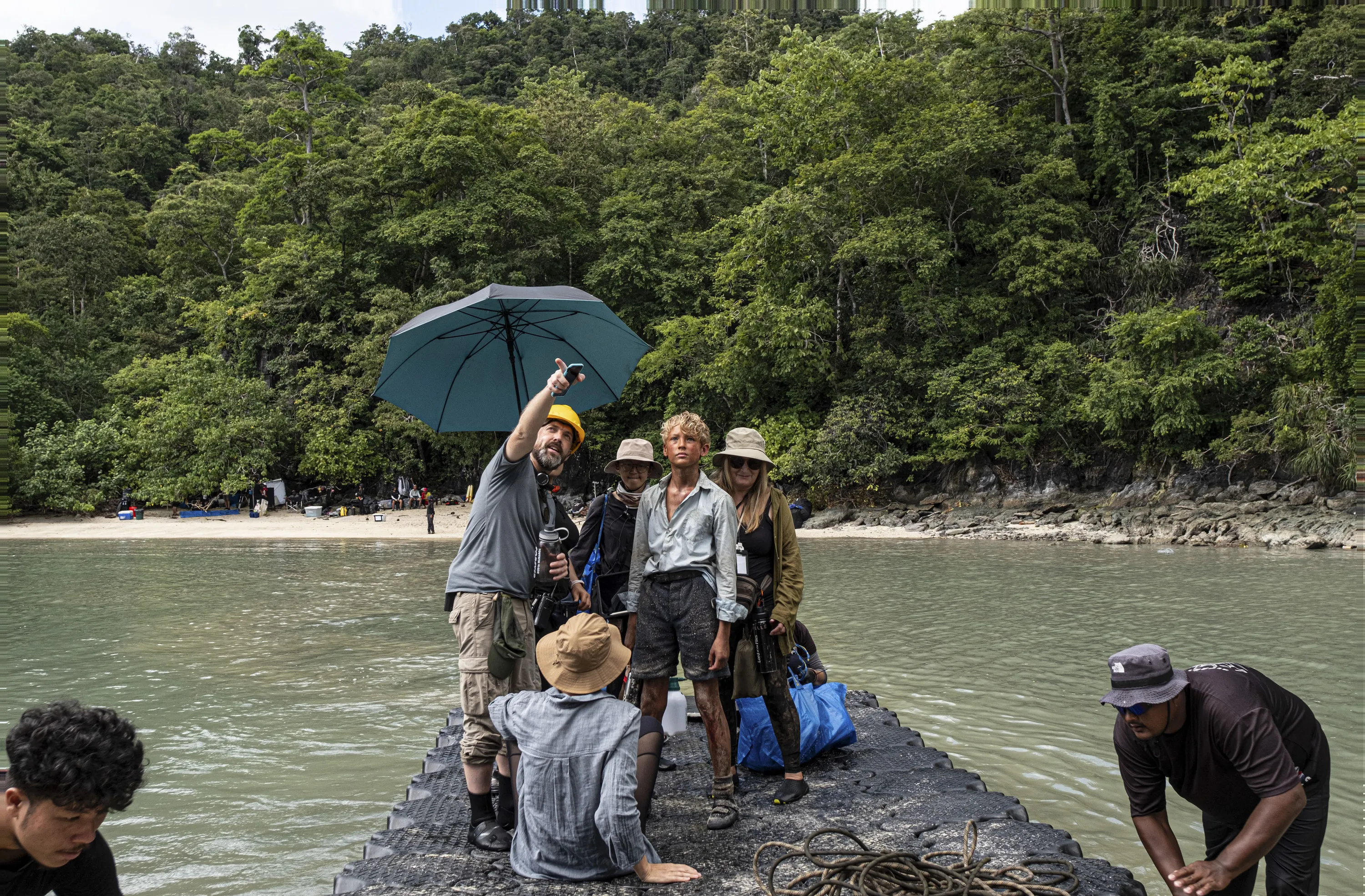
Filming predominantly took place in Malaysia, making use of the natural cinematic vistas, from soaring mountaintops, to sandy beaches and dense rainforests. The series also features several flashback scenes which were filmed in the UK.
‘We trekked through jungles for days to find these locations,’ says executive producer Joel Wilson. ‘We spent about six months visiting different places in the world that had tropical beaches.’
Production crew scouted out locations in Australia and Mauritius before settling on Malaysia.
An archipelago of islands in Malaysia, Langkawi was the main filming location for Lord of the Flies.
During the three-month shoot, crew had to work around the island’s tropical weather from twisters to ever-changing tide levels impacting the many beach scenes, and keeping an eye out for snakes, spiders and scorpions.
‘We needed to have a mountain in the background that was big enough to be impressive but small enough that you could believe the kids could get up there. We needed a beach with tropical flora and we wanted a beach that wasn’t too tidal either,’ says Wilson.
‘There were a lot of locations that no one had ever filmed on before. There was a beach called Dead Tree Beach that we filmed on in episode 2 when Jack climbs up the rocks. We also shot in the mangroves and nobody had done that before because they are in tidal mud with big exposed roots, so it’s very difficult.’
Cawi and Palm Point beaches were the main two stretches of sand featured throughout the series, home to the two rival groups.
‘The areas that were burnt by the fire were sprayed with a black paint that is biodegradable, what I love about the production design is it’s very understated, it doesn’t stylise the jungle. It makes it feel very real,’ says Wilson.
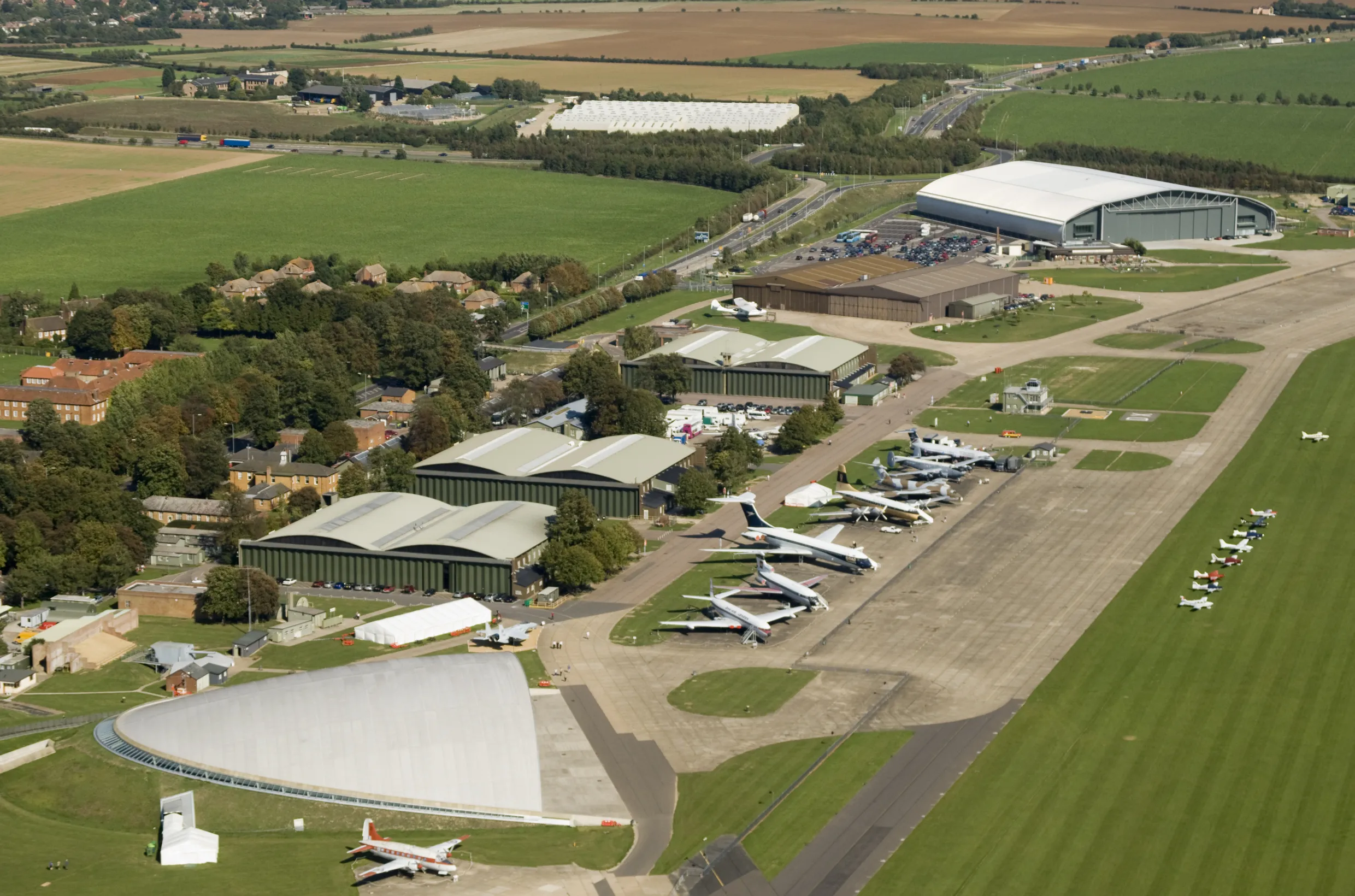
Flashback scenes of the boys departing England and saying goodbye to their families were filmed at Duxfield Airfield, part of the Imperial War Museum.
Scenes of the plane crash were also filmed on an aircraft at the same location.
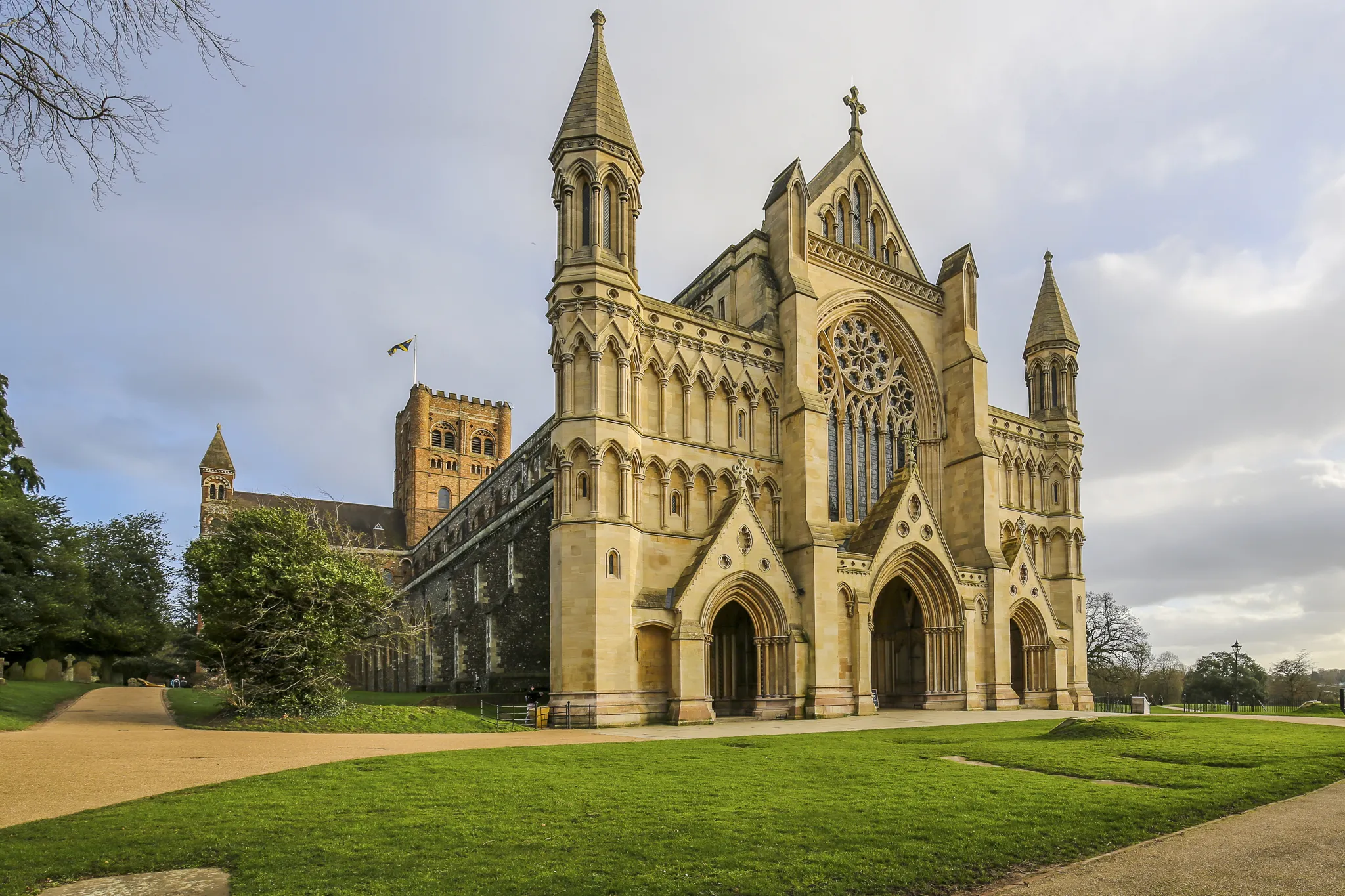
Simon’s time as a choirboy is shown in the third episode during a flashback scene that was filmed at St Albans Cathedral. His school uniform features the crest of Bishop Wordsworth’s School, where Lord of the Flies author William Golding taught English, philosophy, Greek, and drama between 1940 and 1961.
‘Bishop Wordsworth’s not only agreed to it, but found us the crest from the time, so it’s period correct,’ notes Wilson.
Episode 4 opens with pack leader Ralph looking back at a hunting trip with his father, when the pair were tracking a deer in the English countryside.
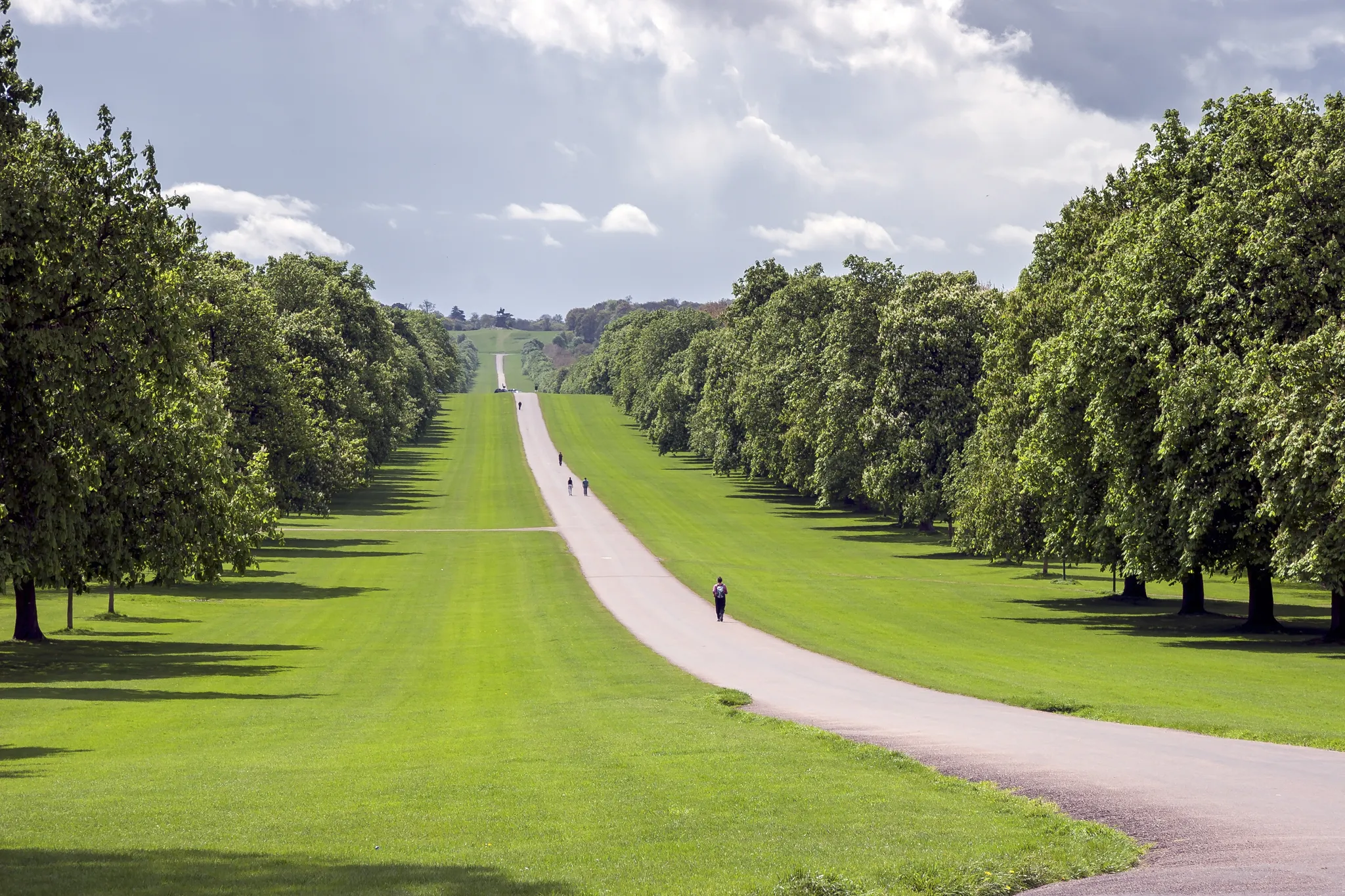
These scenes were filmed at Windsor Great Park, which has also been used as a filming location for Lord of the Rings: The Rings of Power and the upcoming Avengers: Doomsday.
All four episodes are available to stream on BBC iPlayer now.
Episodes will air weekly at 9pm on BBC One on Sunday evenings.
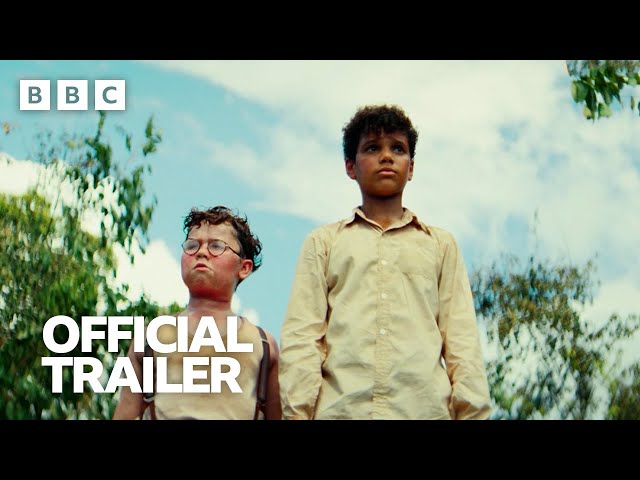
There is, and you can watch it below.
Best TV and streaming shows of 2026 so far.
5 things we learned from David Attenborough’s Wild London.
Discover Time Out original video