

[title]
David Attenborough’s latest documentary on the animal kingdom has foregone the depths of the ocean or the vast savannah plains for the streets of London.
‘There is a wild side to London. The city is surprisingly alive with all sorts of animals, and full of remarkable natural spectacles,’ notes the legendary broadcaster.
Wild London is streaming now on BBC iPlayer and will give city dwellers a new respect for their animal neighbours, from foxes and hedgehogs to snakes and prehistoric insects.
Here are five unexpected revelations about London’s wildlife.

There are snakes living in London trees
Just a short slither away from London Zoo and Camden, an estimated 40 snakes are living in the trees on Regent’s Canal.
Aesculapian snakes are native to continental Europe and it remains unclear how they came to be living in the heart of London.
Shy and harmless to humans, the snakes play a role in the food chain, helping to keep down the numbers of rats and mice in the capital city.
The world’s fastest animal lives in the city (and it’s not a cheetah)
London is home to the fastest animal in the world, but don’t worry, you won’t come across a wild cheetah on your commute anytime soon.
The skies of the city are ruled by peregrine falcons, who now thrive in London in greater numbers than any other city in the world, despite almost becoming extinct in the past century.
There are 50 pairs thought to be nesting in London, with known nests in the rooftops of hospitals, factories and even the Houses of Parliament where Sir David meets some young chicks in the documentary.
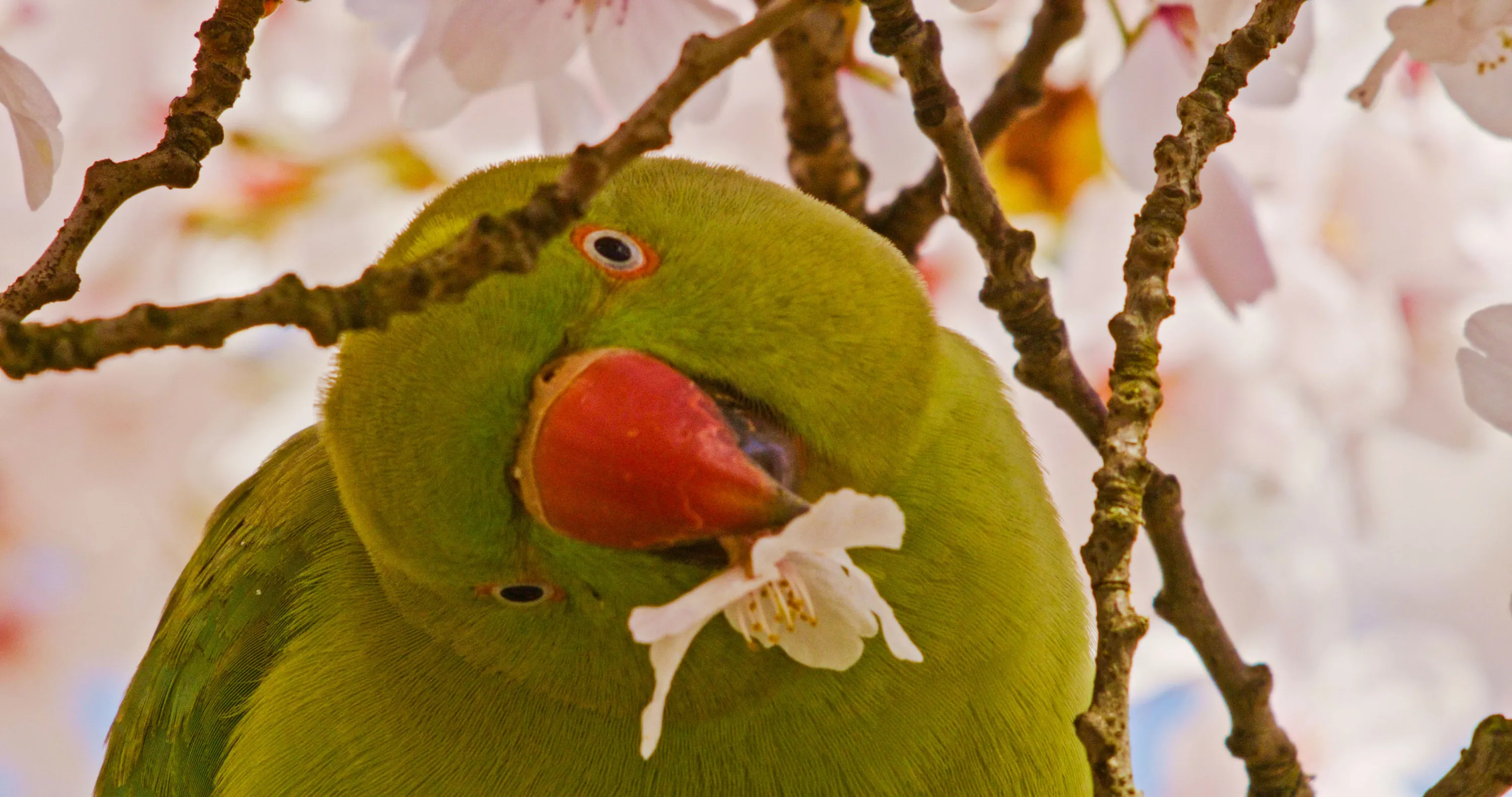
An iconic rock star may be responsible for London’s parakeets population
Originally from Africa, there are several wild rumours about how the green birds came to London, with their population in the city now in the tens of thousands.
One rumour was that legendary rocker Jimi Hendrix released two parakeets on Carnaby Street back in the swinging ’60s. Other theories include an escape from Henry VIII’s menagerie at Hampton Court Palace, or from the film set for The African Queen in 1951.
‘I still remember the first time I saw a parakeet in my garden some 30 years ago. I couldn’t believe my eyes,’ recalls Attenborough. ‘What on earth was an exotic bird I’d seen on my travels doing in my London home?’
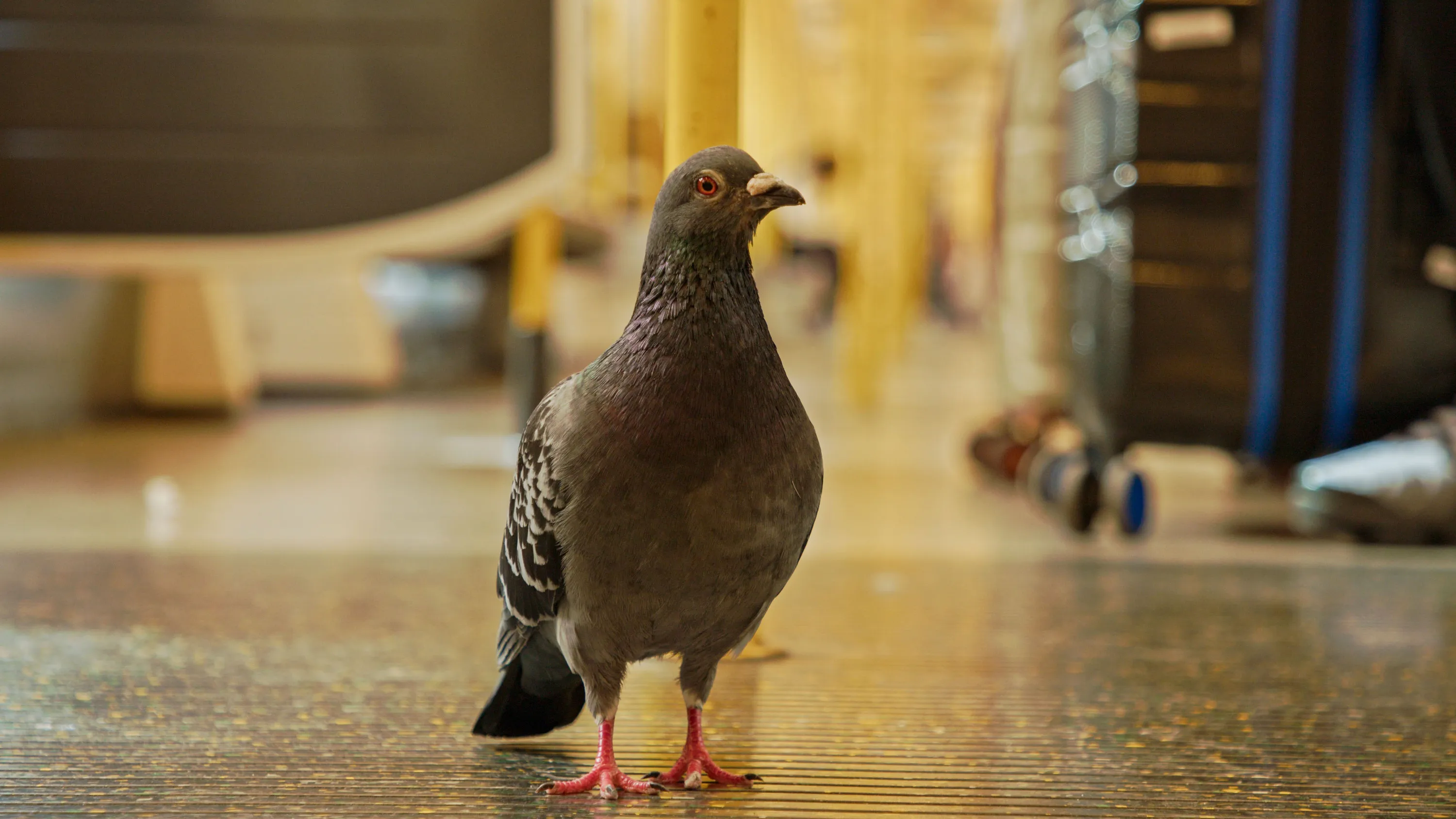
Pigeons use the tube
An estimated three million pigeons live in London, but the clever birds are now using the city’s transport to get around.
‘Pigeons probably first hopped onto trains following trails of crumbs dropped by commuters,’ says Attenborough in the documentary, as a pigeon is shown catching a ride from Hammersmith Station alongside bemused commuters.
But the birds have no problem flying home, as they use the sun and magnetic fields to find their way home. In urban areas, they also use landmarks, roads and even train lines to navigate their surroundings.
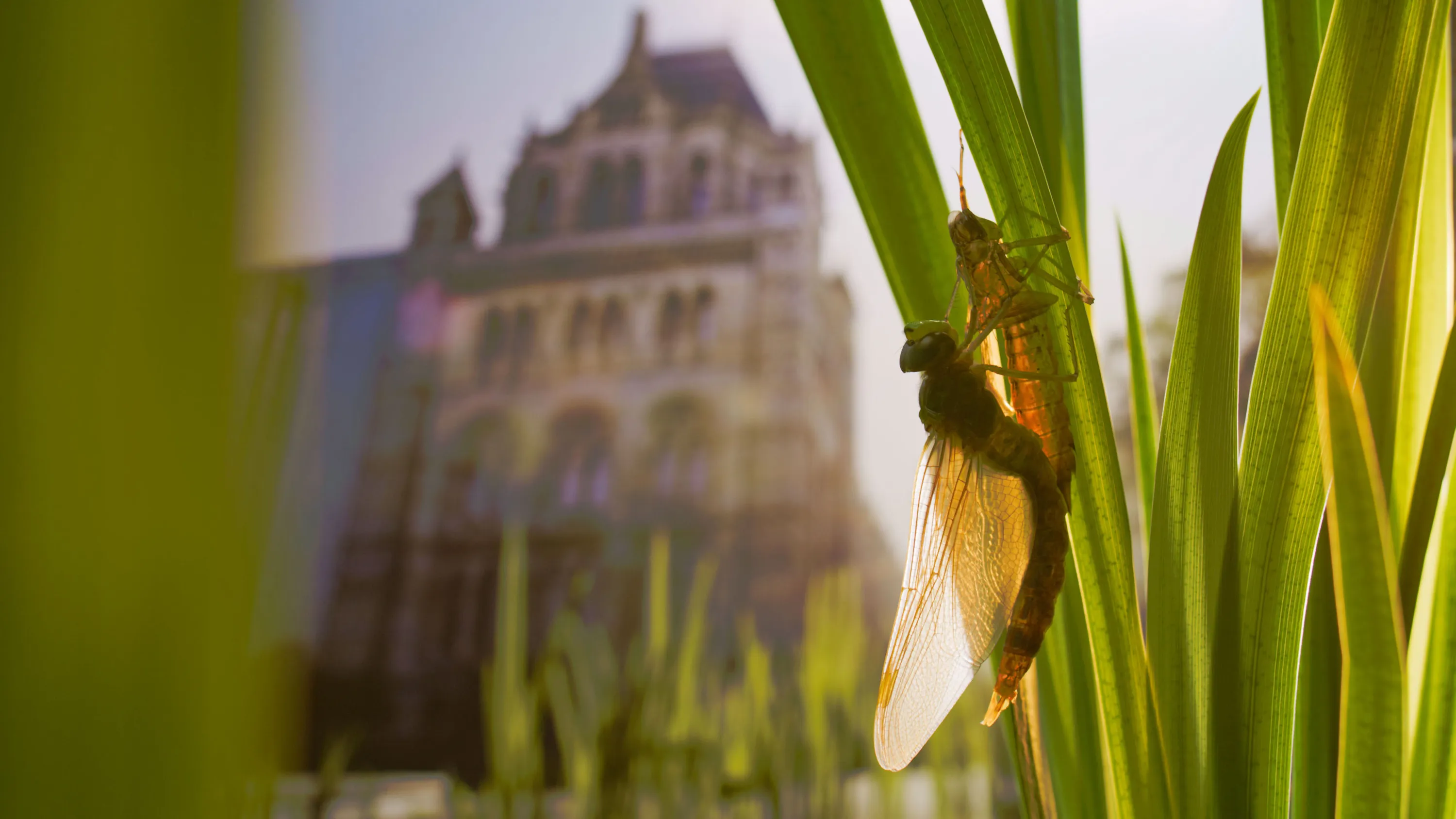
Dinosaur-era insects are thriving in Kensington
The Natural History Museum in South Kensington has inspired visitors for 150 years with its dinosaur fossils, but there’s also living creatures nearby that date back to prehistoric times.
Ancient nymphs live at the bottom of a wildlife pond on the museum’s grounds, having terrorised the waters of this country since the time of dinosaurs.
After feeding on tadpoles for two years, the nymphs leave the water to begin an incredible transformation as they shed their skin and become an emperor dragonfly, among the largest insects in Europe.
Wild London is available to watch on BBC iPlayer now.
The 16 best David Attenborough documentaries to stream.