[category]
[title]
The Victorian Society has revealed its Top 10 Endangered Buildings right now


From railways and feats of engineering to pioneering modern healthcare, Victorian Britain set the foundations for much of the modern world. But the era’s relics aren’t always so well-looked-after in 21st century Blighty, with many legendary Victorian structures now threatened with neglect or decay.
It is precisely those latter landmarks that The Victorian Society intends to highlight with its annual Top 10 Endangered Buildings list. The 2026 edition has been revealed today (April 28) and it features everything from an ‘iconic’ transporter bridge and a ‘secluded’ mausoleum to a country house with ‘remarkable painted interiors’.
Commenting on the new list, the Victorian Society President Griff Rhys Jones said: ‘All are great buildings, executed on demand and with care and foresight. They not only tell the story of our country, they were usually constructed with such strength and integrity that they can continue in service today.
‘The Victorian Society is drawing your attention to important buildings that are under threat from decay or neglect… They have a future for all of us. They can be reused. That’s the green option. They are each part of the character and quality and history that made Britain and can continue to make Britain.’
Here are all of the buildings that feature in The Victorian Society’s 2026 Top 10 Endangered Buildings list, with a bit of info on why each one needs some TLC.
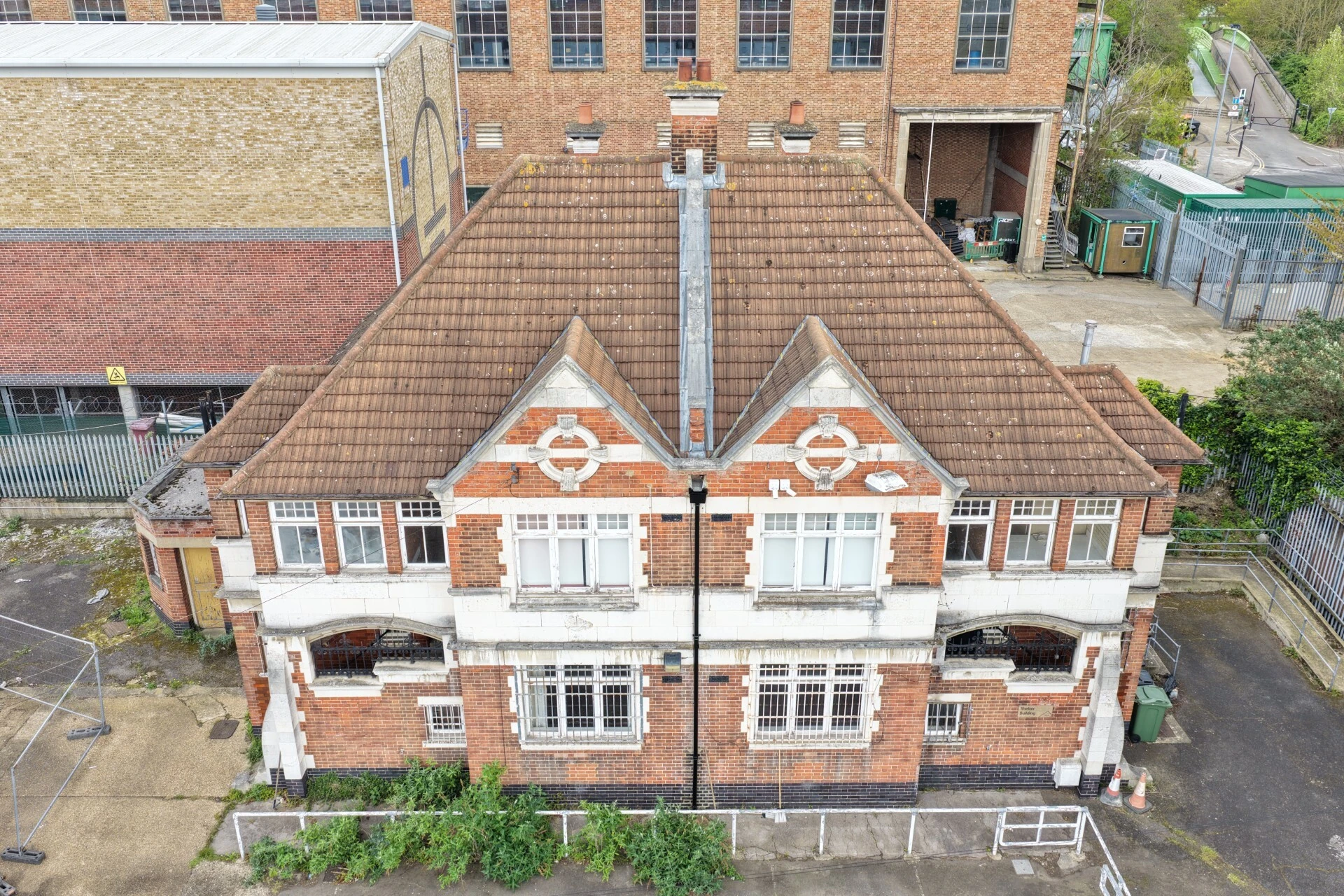
The Victorian Society says that this is the only purpose-built municipal disinfecting station still standing in England. The Grade II-listed station apparently ‘set a national benchmark for public health infrastructure’, though it’s been closed since 1984 and the main building has been empty since 2020.
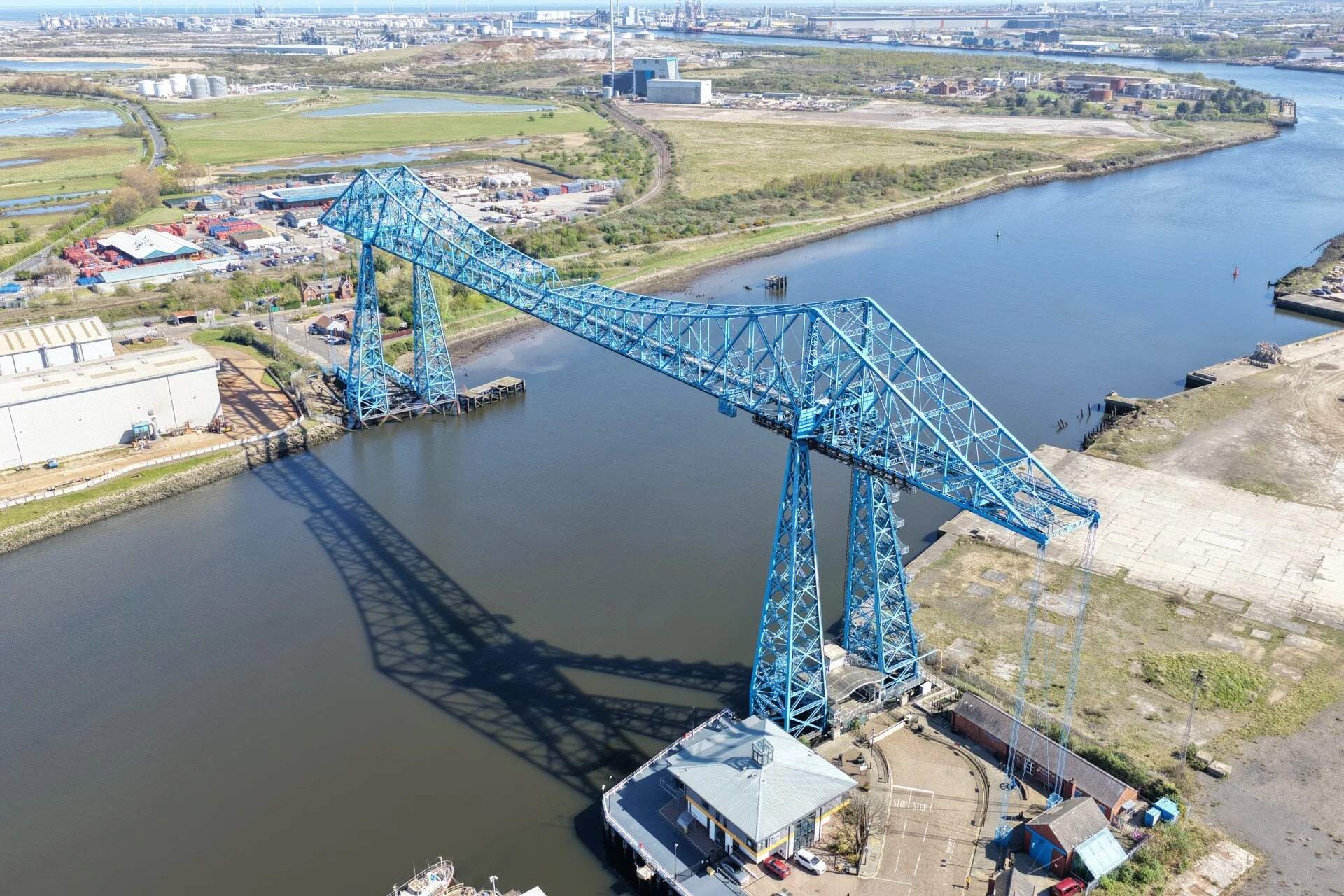
Called ‘an iconic symbol of Teesside’s industrial heritage’, the Grade II*-listed Tees Transporter Bridge crosses the River Tees between Middlesborough and Port Clarence. The 260-metre-long, 69m-high titan has been closed since 2019 and needs a £60 million repair. The Victorian Society suggests turning it into a monument or reviving it as a crossing.
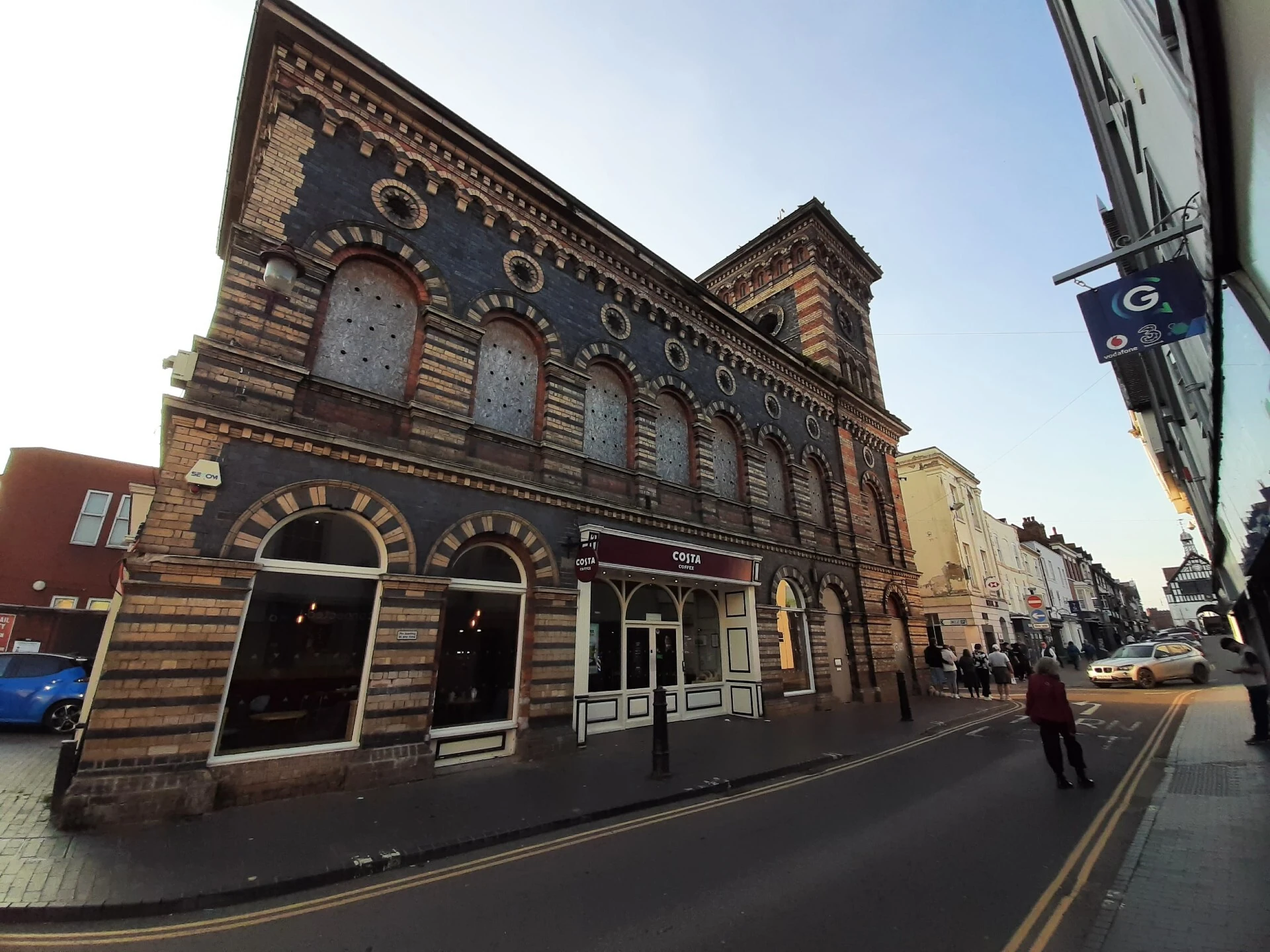
While similar market halls in nearby Shropshire towns like Shrewsbury and Ludlow aren’t still standing, Bridgnorth Grade II-listed New Market Hall still is. An example of ‘high-status Victorian commercial structure’, it is now in poor condition with a vacant upper floor and emergency scaffolding.
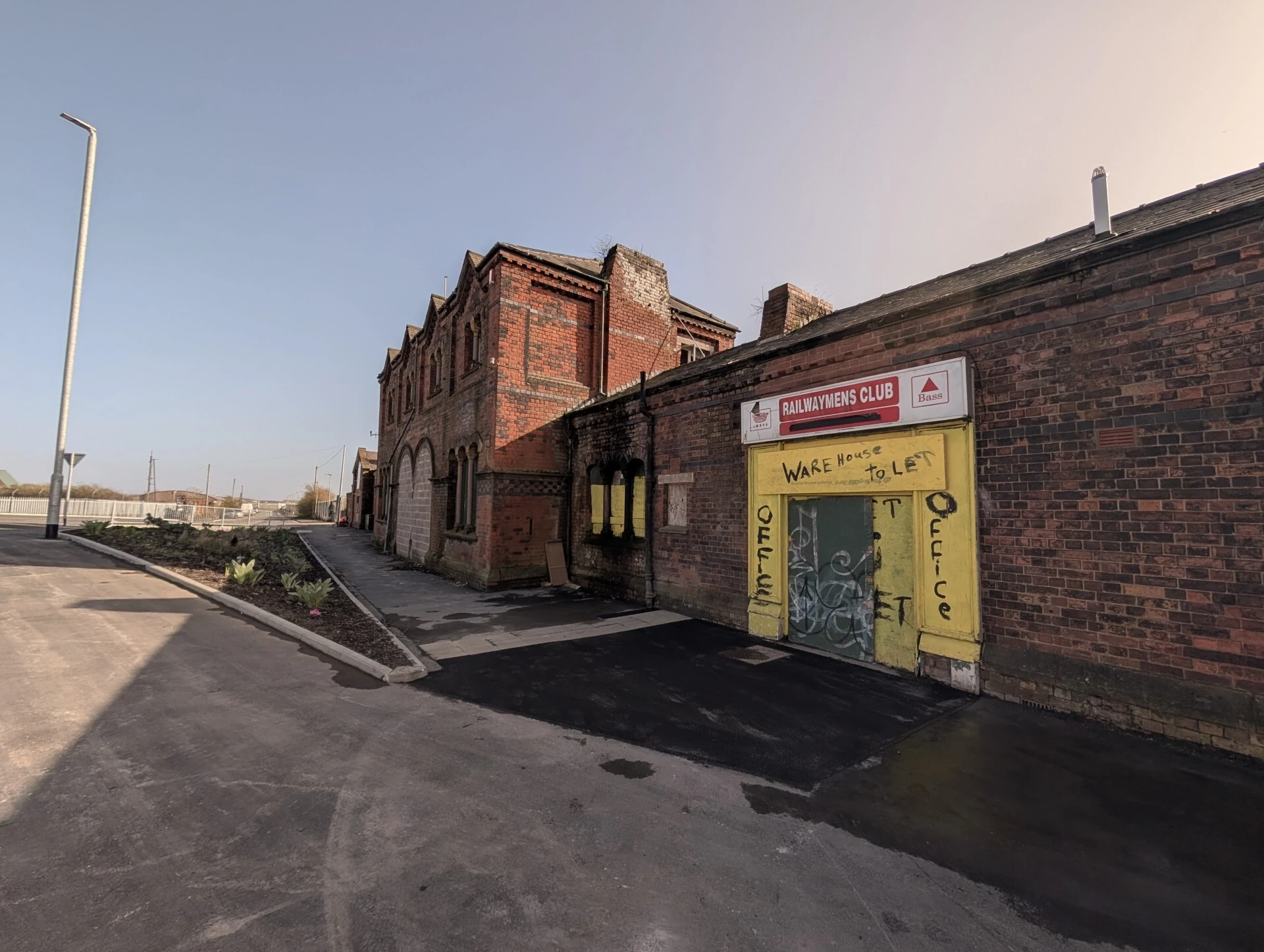
One of the earliest survivors of Barrow’s period of rampant industrial growth, The Strand station was only the town’s main passenger hub for about 20 years. From 1882 the station was adapted and eventually became the Railway Men’s Club – which in turn closed in 2008. Today the Grade II-listed structure is apparently in ‘visible decline’ and needs regeneration.
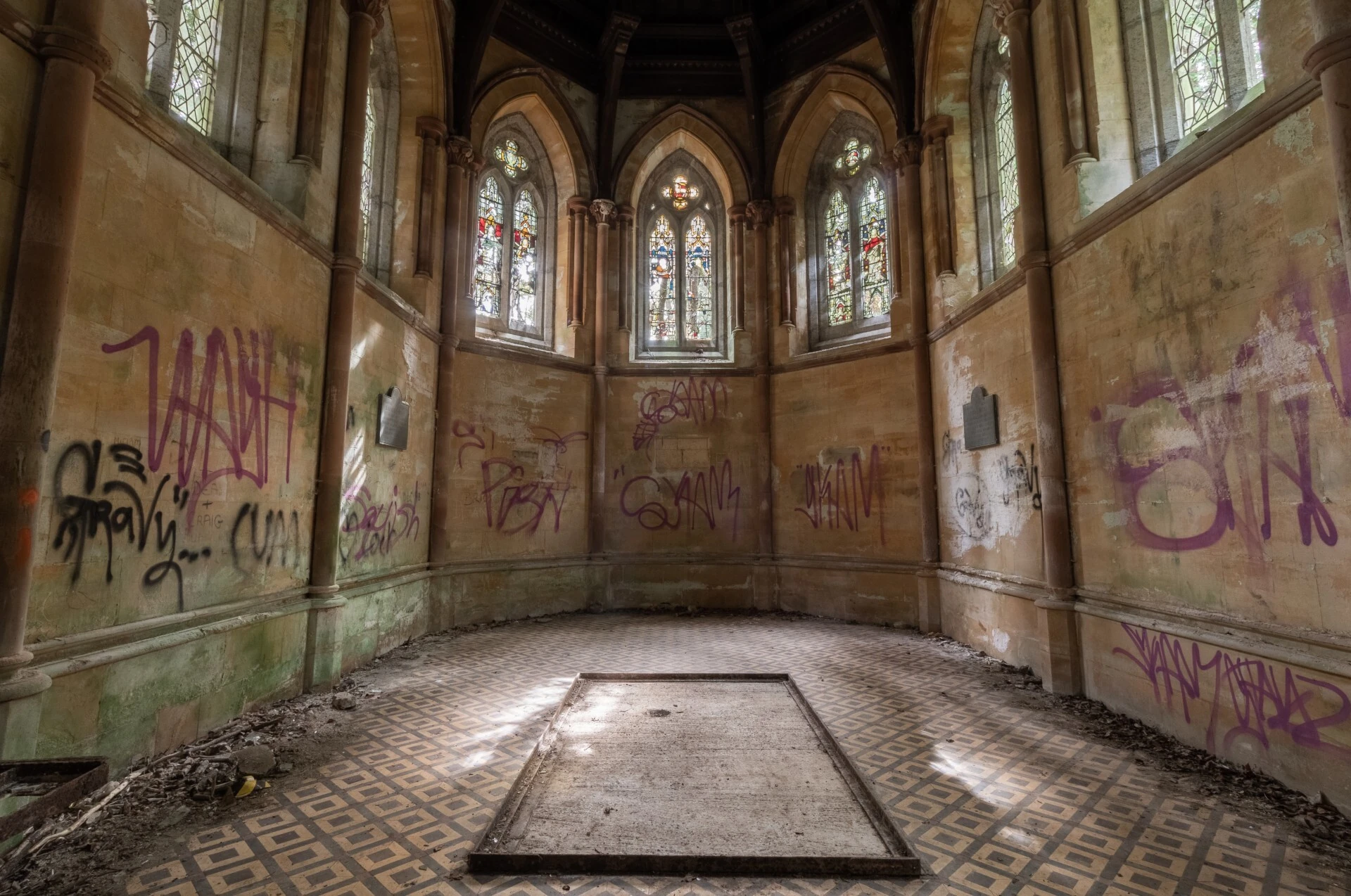
This mausoleum near Bangor was built for a wealthy local family who’d made most of their money in the slate industry. The octagonal Grade II-listed building now sits in the middle of an estate that has now been divided, and the structure is now graffitied and vandalised. The Victorian Society suggests that it could be made accessible.
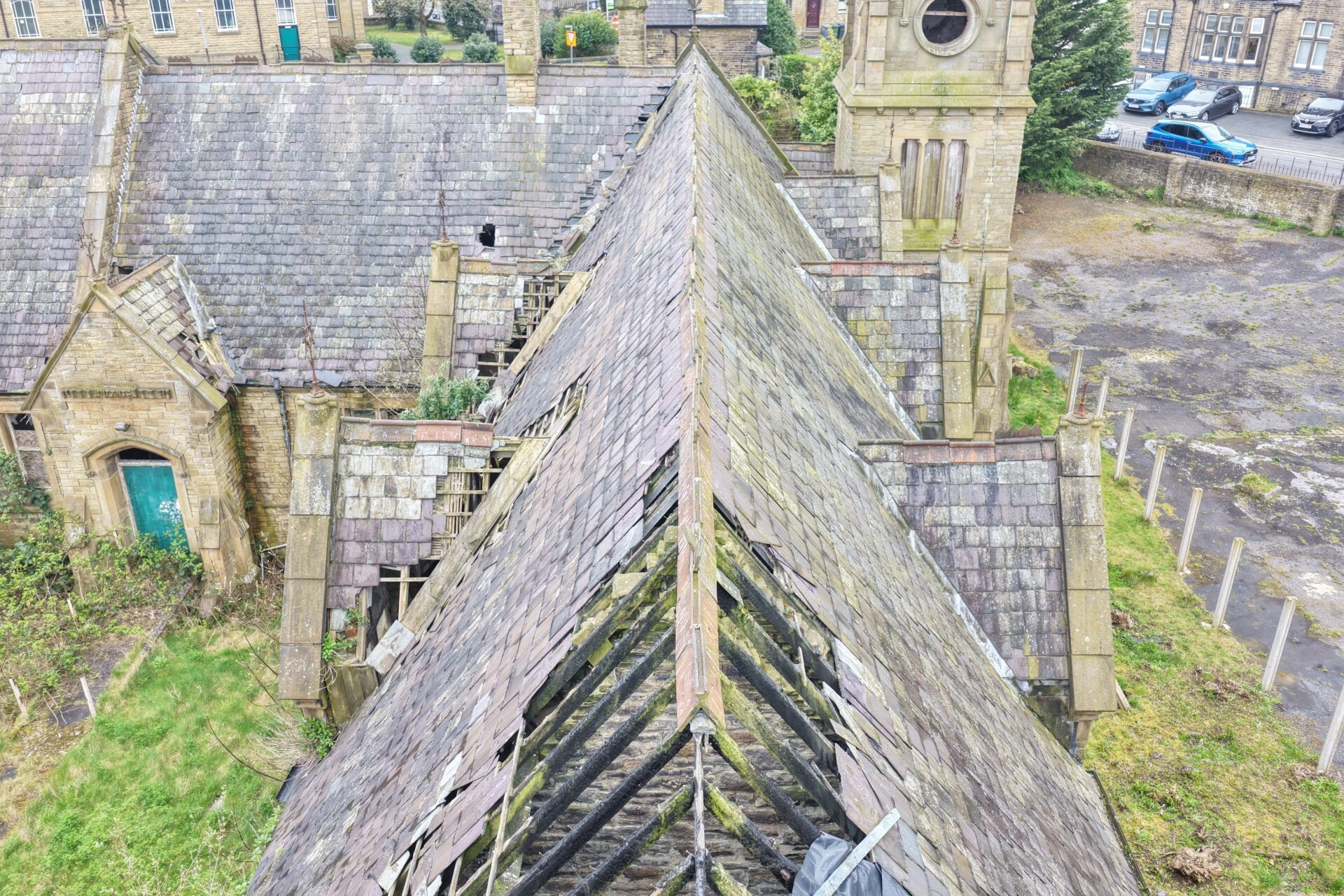
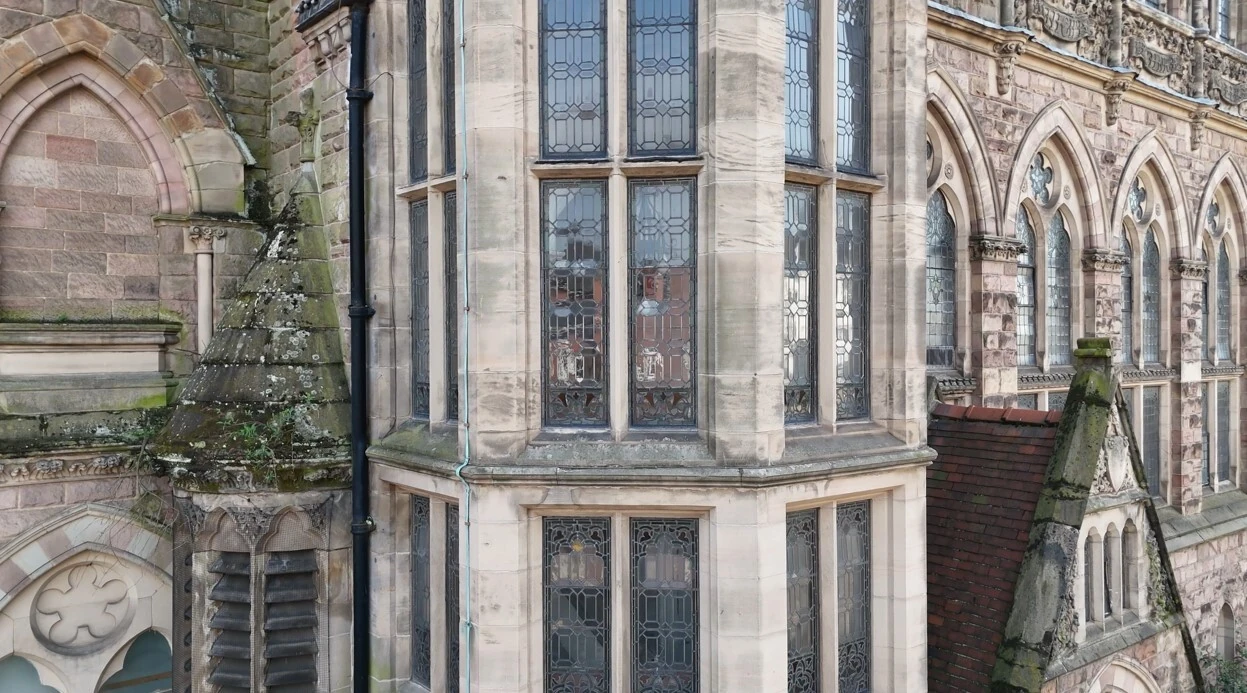
Oakes School opened just after the 1870 Education Act made school mandatory for all between the ages of 5 and 13. The Grade II-listed building shut down as a school in 1970 and is now has holes in the walls and roof. The Victorian Society is urging the local council to require the building’s owner to maintain it.
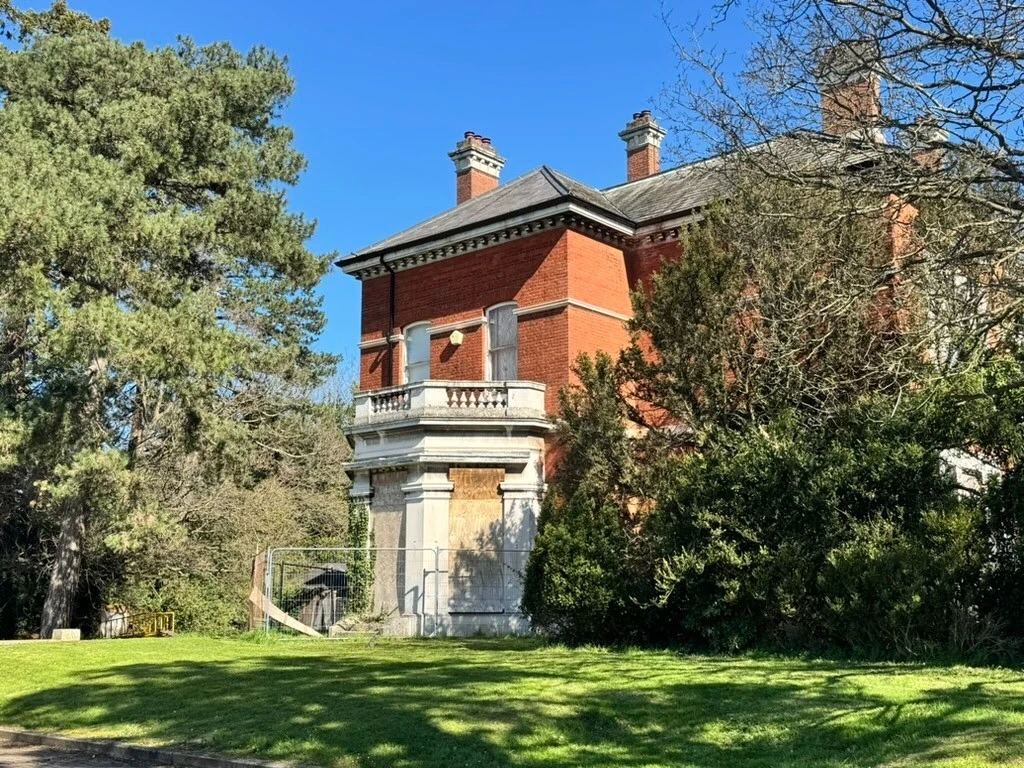
Sitting within the grounds of Harlow’s Princess Alexandra Hospital, Pandon Hall is most significant for its interiors. The house features paintings by Elizabeth Arkwright that cover ceilings, doors and walls. The Victorian Society calls the place ‘a rare example of a Victorian house with a substantial decorative scheme by a female artist’.
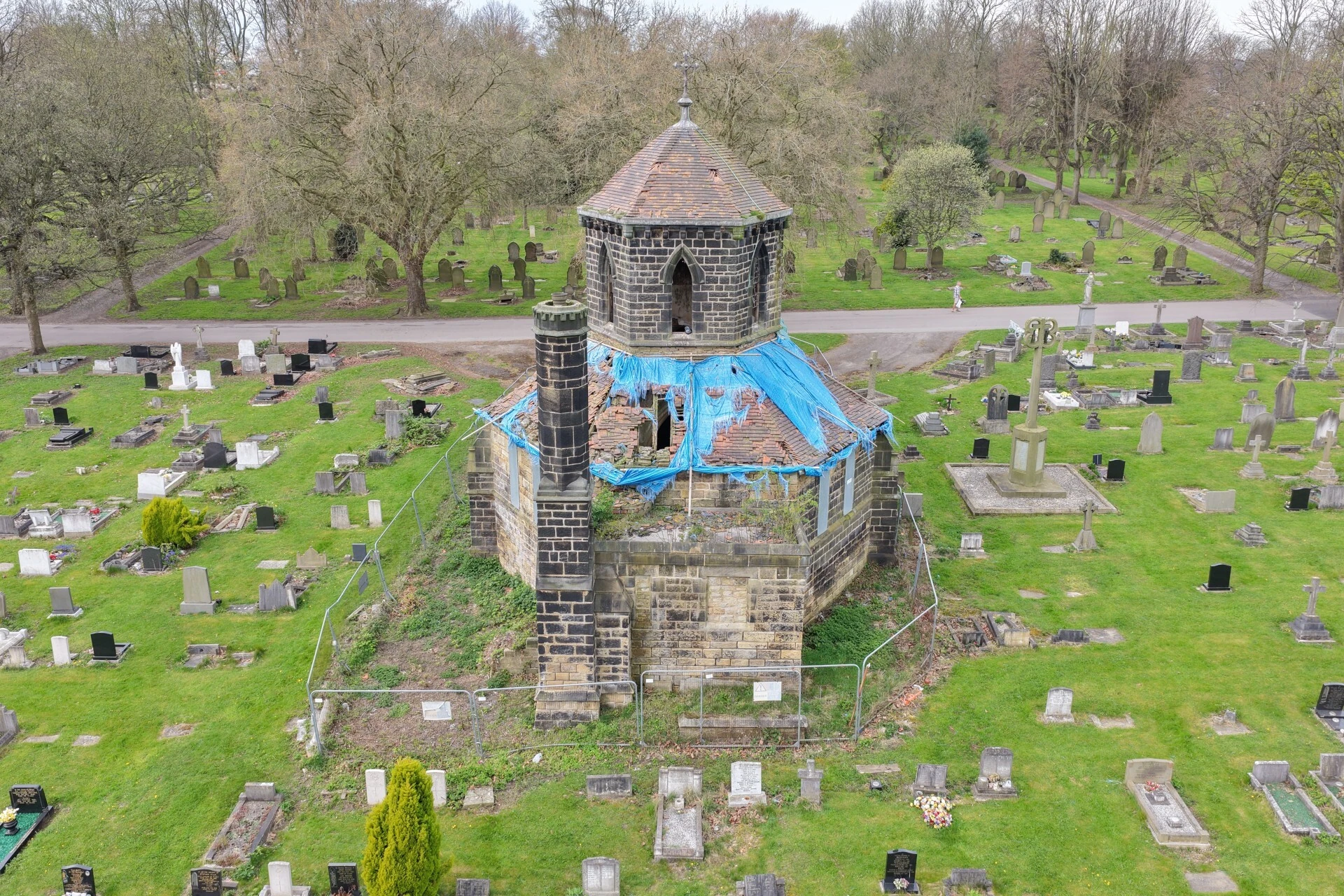
One of three chapels originally built for Sheffield’s largest cemetery, these days this structure is apparently in ‘extremely poor condition’, with ‘missing tiles, vegetation growth and likely compromised structural integrity’. Unused for years, the site is deteriorating.
Derby’s old School of Art was formed following the establishment of Government Schools of Design in 1837. The Society says that ‘its bold architecture and prominent position within the city underline the value placed on creativity, education and industry in the Victorian period’. But, after stints as part of the Uni of Derby, a cinema and a rehearsal space for Derby Theatre, the Grade II*-listed place has been sitting empty for years.
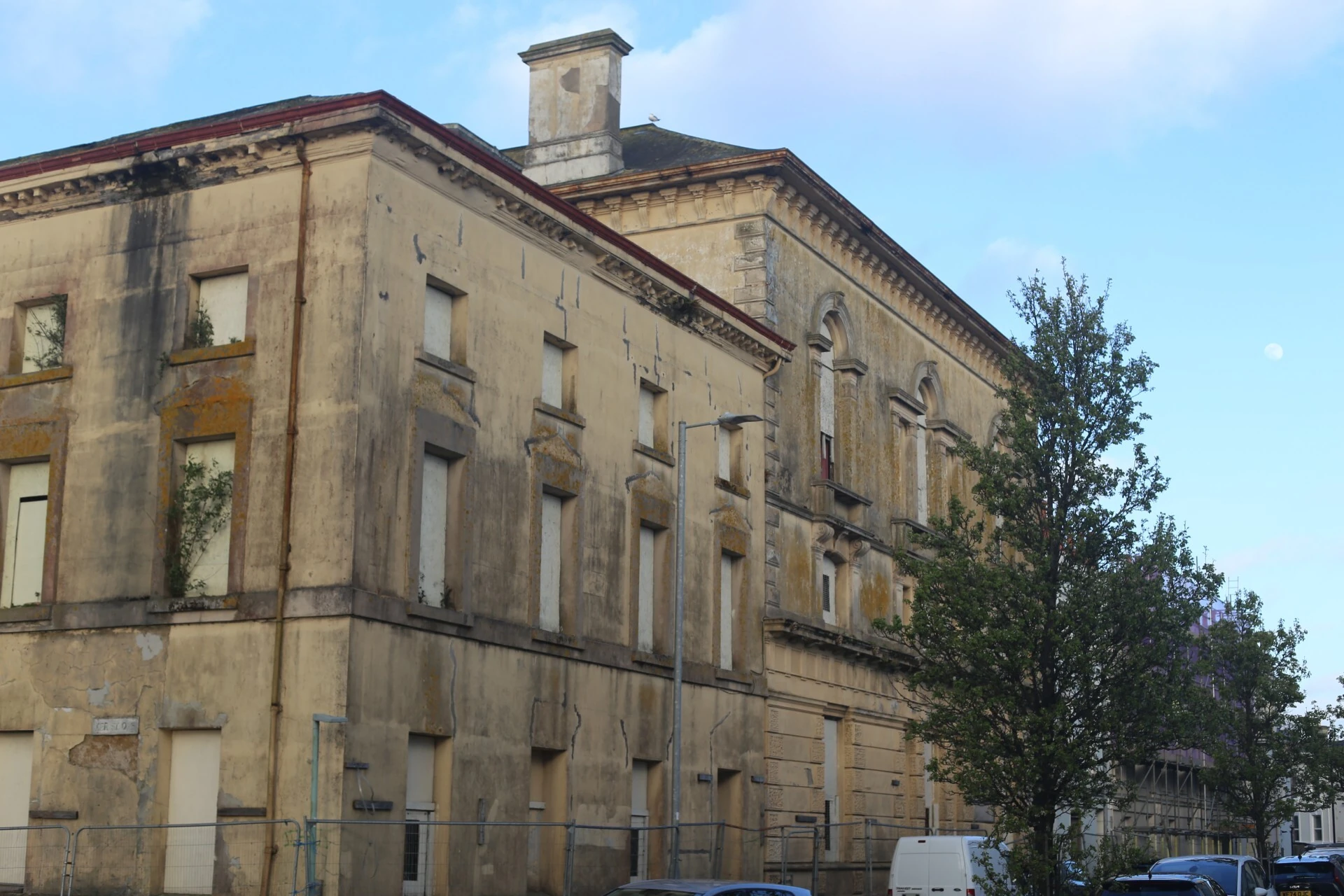
The Grade II-listed Institute was built when Devonport was a major naval and industrial hub, part of a wider movement to provide education and reading rooms for working people. The building is now apparently ‘vacant and at-risk’, with the Victorian Society wanting a ‘viable and sensitive scheme to bring the building back into active use’.
You can find the Victorian Society’s 2025 list here.
Did you see that the world’s best attraction is here in the UK, according to TripAdvisor – rated better than the Empire State Building and Eiffel Tower?
Plus: this historic and very steep hill has been crowned the prettiest street in Britain.
Stay in the loop: sign up to our free Time Out UK newsletter for the latest UK news and the best stuff happening across the country.
Discover Time Out original video