[category]
[title]
Chengdu might be best known for its pandas but China's laid-back city is just as memorable for its quaint streets and a slower pace of life


On my first ever visit to Chengdu, I found myself sitting on a tiny foldable camping chair by the side of the road with an oversized cup of bubble tea in hand. Around me, nobody seemed to be in a hurry. Friends lingered over iced coffees outside cafés. Elderly couples wandered home from the wet market carrying vegetables. Someone pulled up another camping chair, munching on some spiced cut fruits from a shop nearby.
Nobody seemed to be a rush. A big change from what I experienced travelling around other tier one cities in China. I finally understood why almost everyone I'd spoken to before my trip had told me exactly the same thing: "You're going to love Chengdu."
Sure, Chengdu might be famous for its giant pandas, tongue-numbing Sichuan peppercorns and one of the greatest food cultures in Asia. It's also become known as one of China's most welcoming cities, with a growing reputation as the country's LGBTQ+ hub. But what stayed with me was the city's remarkable ability to slow you down.
With local retirees gathering for card games in public gardens, aunties dancing together in squares and cafés overflowing with people happy to spend entire afternoons chatting over a single drink, Chengdu reminded me that the best part of travelling is experiencing a city's soul through its community. So if you're planning your first visit, here's how to spend the perfect weekend in China's most wonderfully unhurried city.
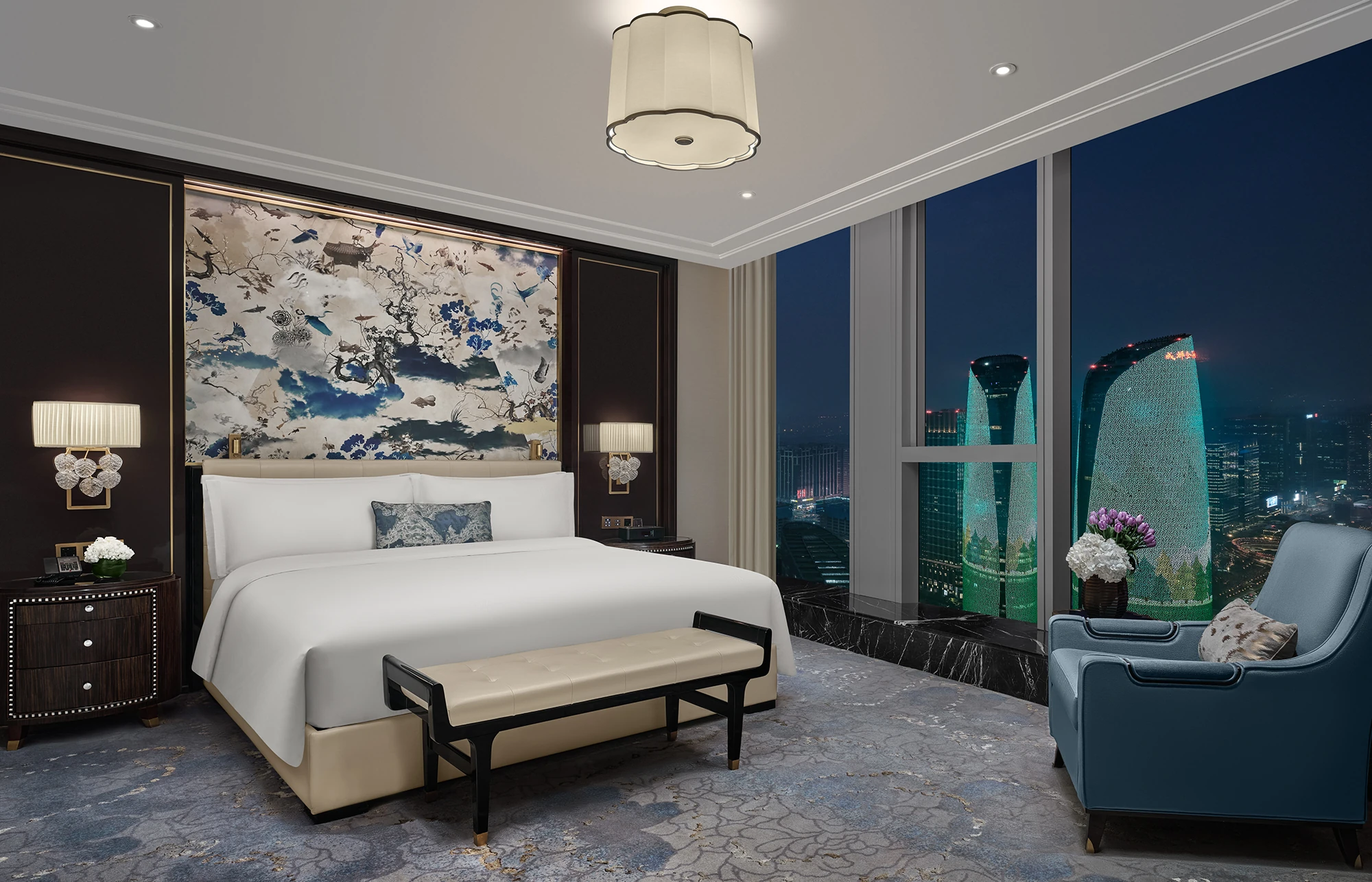
If you're after classic luxury, Waldorf Astoria Chengdu remains one of the city's finest addresses. Located in Chengdu's Financial City district, around 30 minutes from Chengdu Shuangliu International Airport, the hotel places you within easy reach of the city centre.
Next door sits In99, one of Chengdu's premium shopping malls, where international luxury brands share space with local restaurants, cafés and a modern supermarket that's perfect for picking up snacks before a day of exploring.
Inside, the hotel leans towards timeless rather than trendy. The soaring lobby feels elegant with large works of art on display contrasted against warm marble and there are five restaurants and bars on site, offering plenty of variety. The spa, gym and indoor pool are also generously sized and impeccably maintained. I stayed in a King Skyline City View Room overlooking Chengdu's iconic Twin Towers. By day, the floor-to-ceiling windows frame one of China's fastest-growing skylines. Come nightfall, the towers transform into an enormous LED display that lights up the city. Alternatively, rooms overlooking Jiaozi Park offer a calmer, greener perspective.
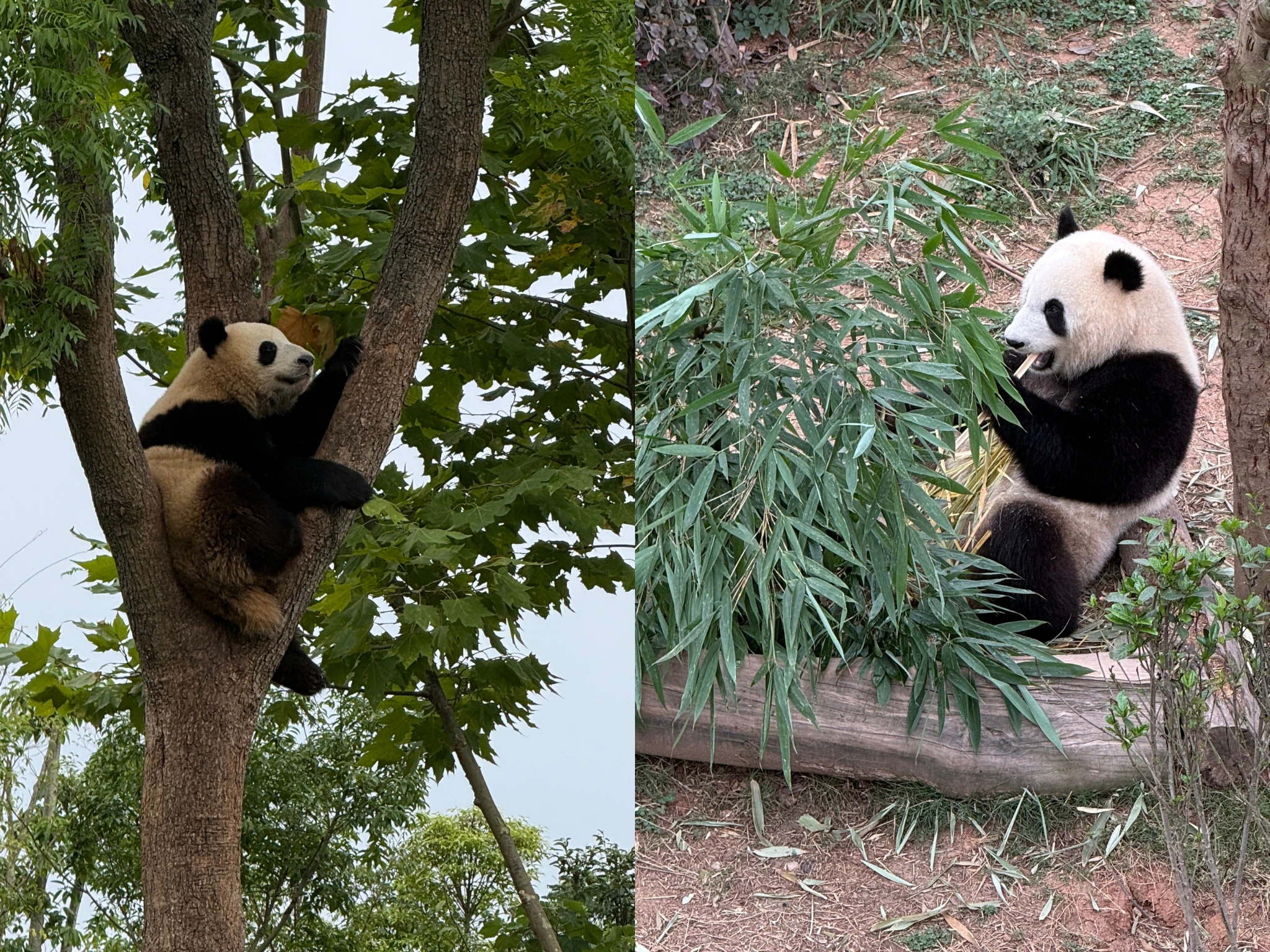
Let's get the obvious one out of the way: yes, you should absolutely see the pandas. But don't do it the same way everyone else does. The Chengdu Research Base of Giant Panda Breeding is one of China's most popular attractions, attracting thousands of visitors each day. During peak season, queues can be long and navigating such a vast park without a guide can quickly become overwhelming.
Instead, if you're staying at Waldorf Astoria Chengdu, redeem Hilton Honors points for one of the exclusive Hilton Honors Experiences. The experience begins before most tourists have even entered the park. After leaving the hotel around 7am, you'll arrive just as the pandas are at their most active. Guests enjoy dedicated entry through an exclusive gate before boarding a private tram that takes you directly to the best viewing areas, accompanied by an English-speaking guide who explains everything from panda behaviour to the science behind conservation efforts.
I'd expected shoulder-to-shoulder crowds and endless phone cameras blocking my view but the research base is immaculately organised and serene. There was plenty of space to stop, observe and photograph the animals without constantly being shuffled along. Over the next couple of hours we watched sleepy panda cubs draped across tree branches like oversized plush toys, curious adolescents tumbling over one another and mothers quietly munching through bamboo.
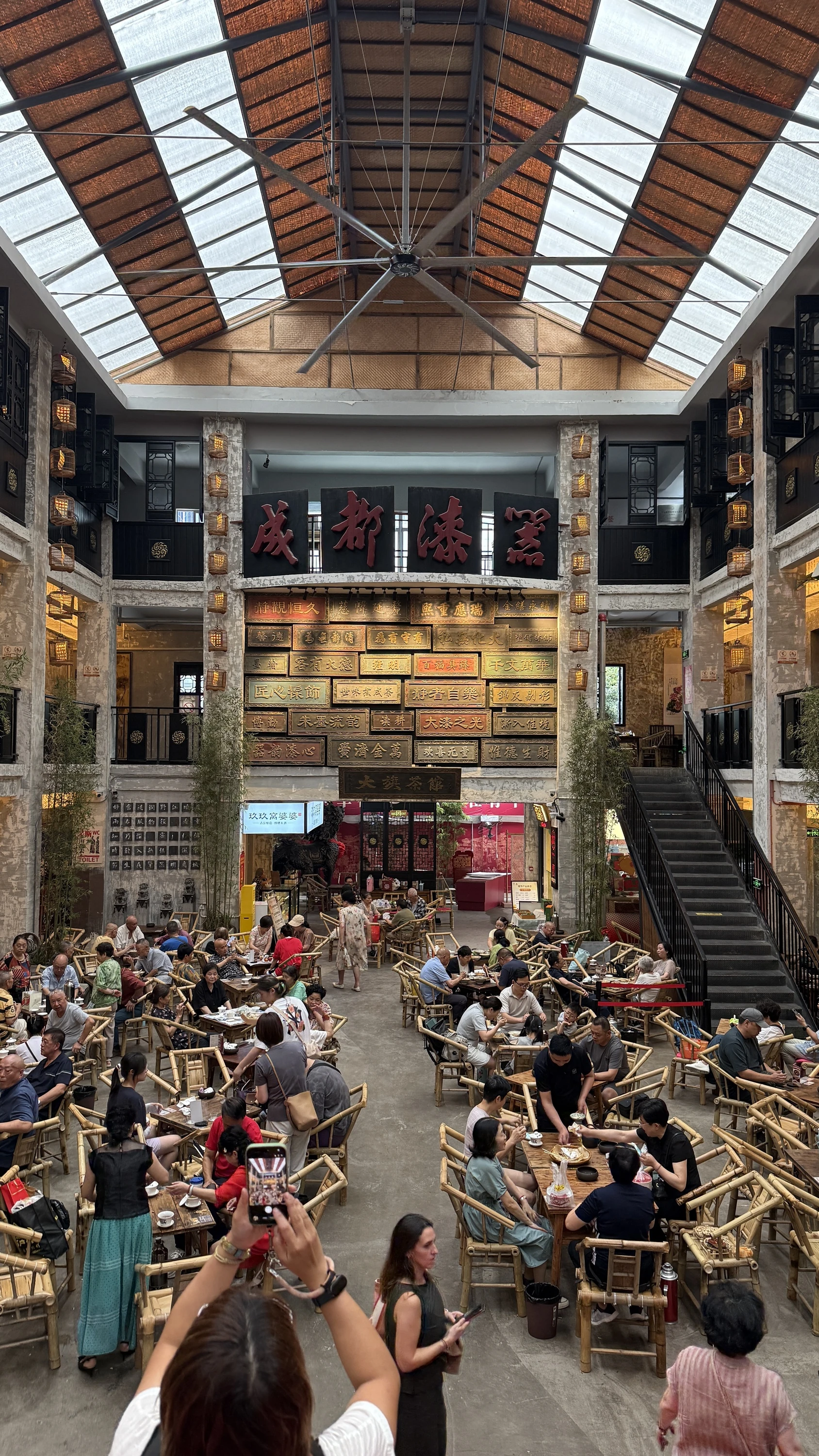
Few places capture the city life in Chengdu quite like Daqi Teahouse, tucked beside People's Park. The former lacquerware factory is packed with mainly older locals gathering over pots of tea and piping hot bowls of noodles. Order jasmine tea and watch delicate flowers slowly bloom inside the glass as retirees play cards, families gather for afternoon catch-ups and visitors stop to admire the beautifully traditional interiors and take pictures by the dramatic staircase. Depending on when you visit, live performances add another layer to the atmosphere, making the space feel somewhere between a community centre and a theatre.
Named one of Time Out's Coolest Streets, Fanghua Street and the surrounding Yulin neighbourhood perfectly capture the city's creative spirit. Unlike many trendy districts where every café seems to compete for your attention, Fanghua feels refreshingly effortless. Wide, leafy streets are lined with independent coffee shops, record stores, vintage boutiques, galleries and design studios, while outdoor seating spills comfortably onto the pavements.
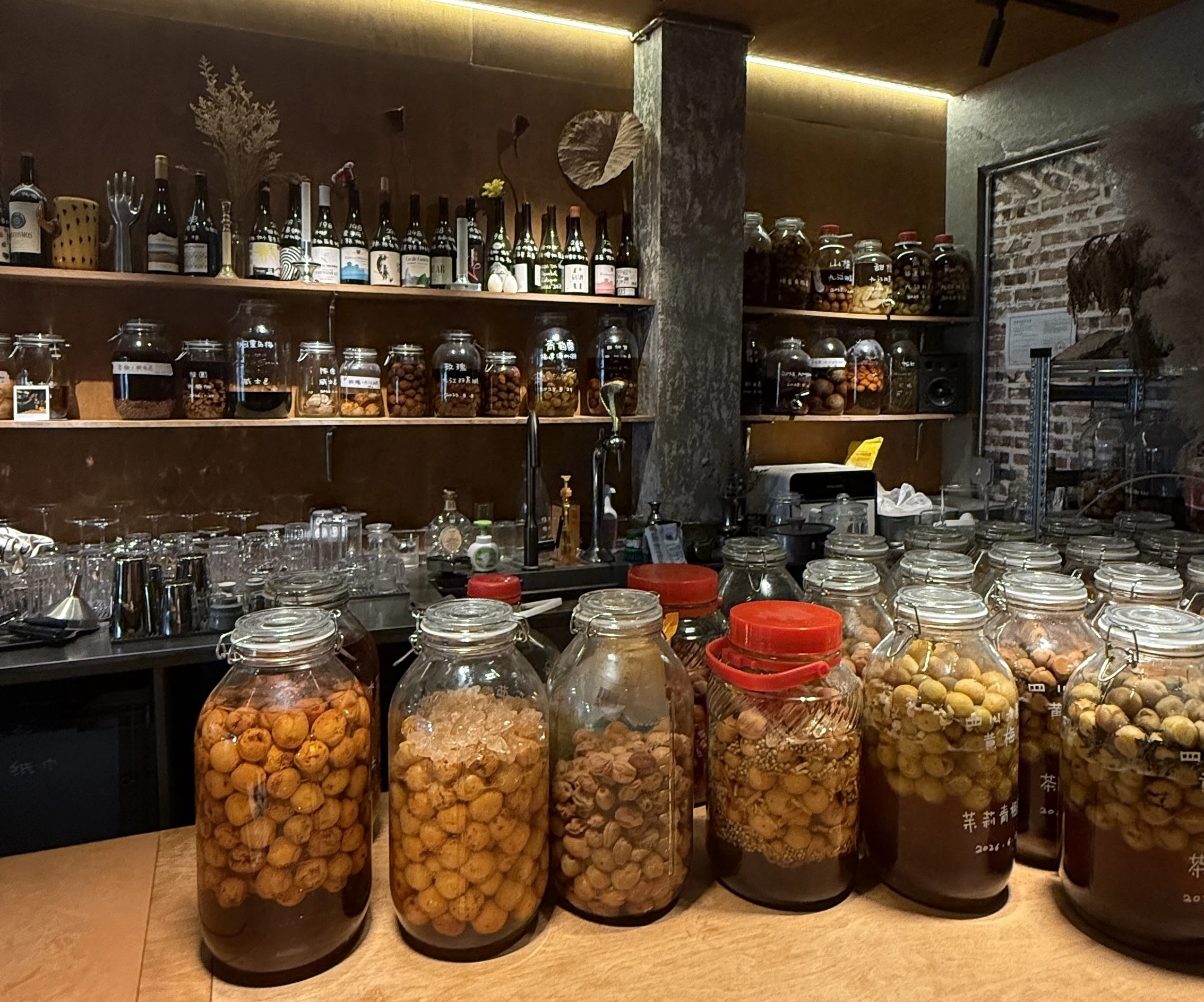
Instead of expensive designer furniture, many cafés simply place colourful foldable camping stools outside. Locals happily spend entire afternoons perched on them with a coffee, chatting with friends or watching neighbours wander past. To easily explore the area, map your journey from Carpark, where you can start your day with a cup of coffee and brunch before walking through Fanghua and Yulin. Pop into independent fashion boutiques, browse vinyl stores, grab another coffee or simply join everyone else by finding an empty camping chair and watching life unfold around you. End the night at Afflatus Lab, a bar that makes its own fermented plum wines infused with flavours like osmanthus flowers.
As Asia's first UNESCO City of Gastronomy, Chengdu takes food seriously. Fortunately for visitors, that means every meal has the potential to become the highlight of your trip. There are certain iconic dishes that you can’t leave without trying. First, stewed rabbit head. Don't let appearances put you off. It’s messy, spicy and surprisingly delicious and rabbit heads are treated more or less like chicken wings here and go together perfectly with some spicy skewers.
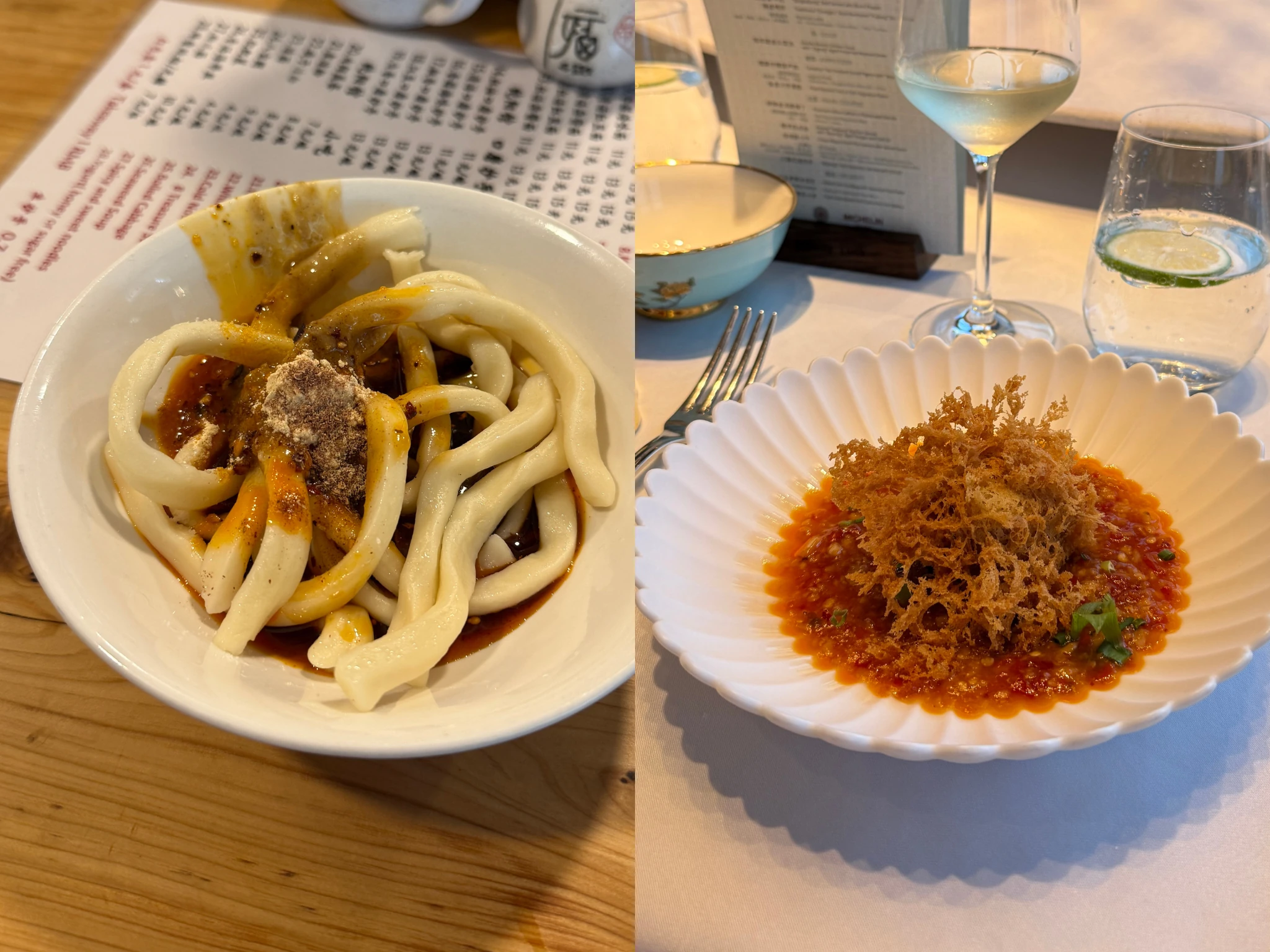
Then there’s also tang shui mian or sweet water noodles, thick chewy noodles that are tossed in sesame, soy and chilli sauce with a gentle sweetness. Mapo tofu is also a must, too – it’s gloriously oily, vibrantly red and bursting with fragrant Sichuan peppercorns that will leave your lips tingling. Finally, Sichuan hotpot. You’ll sweat and maybe even cry but you can’t leave without trying this local speciality.
For something more refined, book a table at Infinite Luck. Overlooking Chengdu's illuminated Twin Towers, the Michelin-selected restaurant celebrates Sichuan cuisine through elegant tasting menus that showcase the region's extraordinary diversity. Both à la carte and set menu options are available, which take diners through beautifully executed interpretations of classic Sichuan flavours. Some of our favourites include the fried mashed taro in fish fragrant sauce and crispy wagyu short ribs served with secret sauce.
While Chengdu is rightly celebrated for its food, its bar scene deserves just as much attention. The city is becoming one of China's most exciting destinations for cocktails, natural wine and inventive local concepts. Chinese Room, Bar Woody and Almost Tea Bar are all excellent places to start if you're looking to explore the local drinking scene.
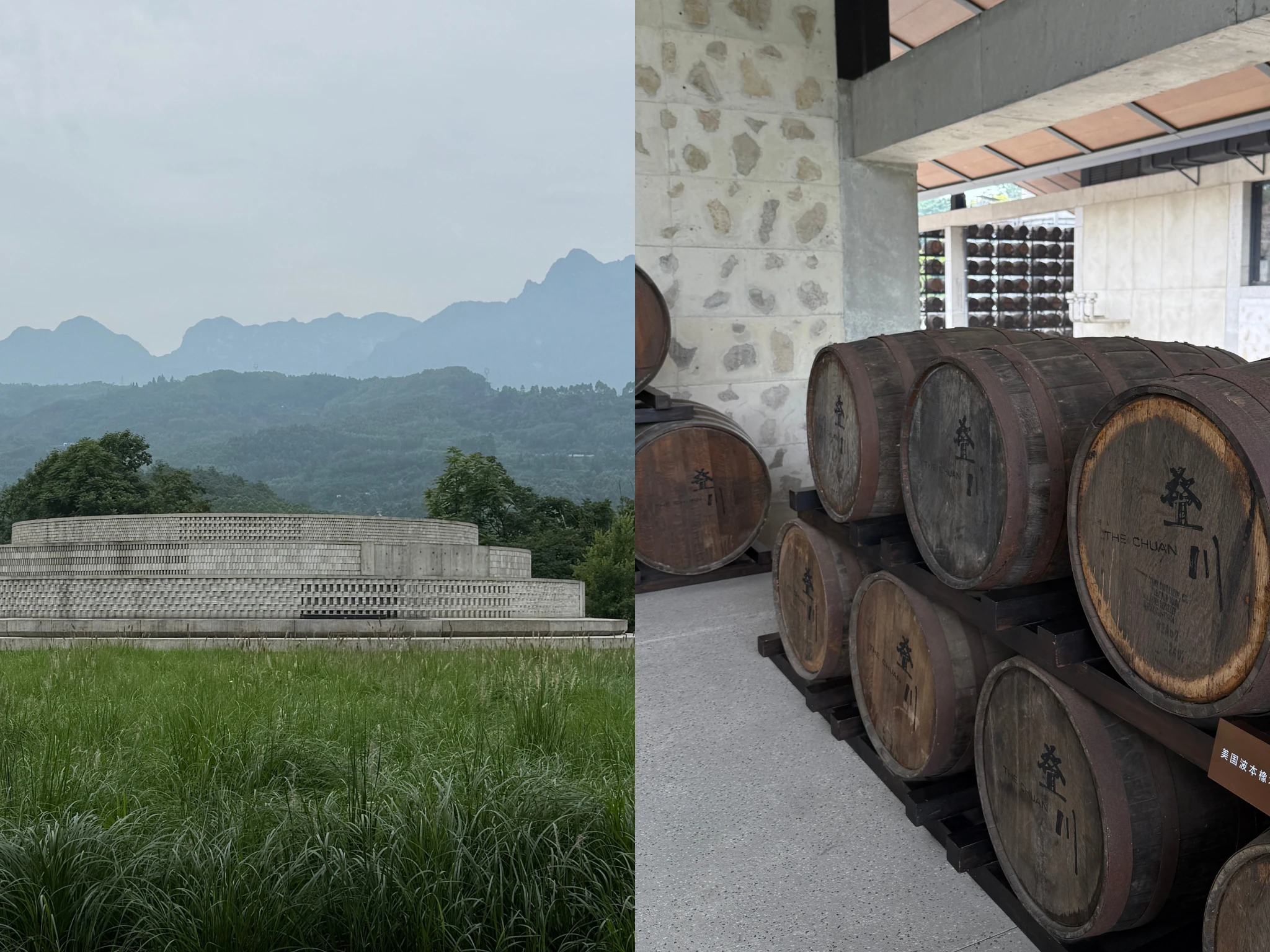
If you have an additional day to spare, we also recommend a trip out to The Chuan Malt Whisky Distillery. Located about two hours from Chengdu, near the foothills of Mount Emei, it's China's first single malt whisky distillery and one of the country's most impressive architectural destinations.
Designed to blend contemporary architecture with the surrounding landscape, the distillery offers guided tours that explore every stage of production, from fermentation and distillation through to maturation. Learn all about how Chinese six-row barley delivers greater flavour intensity, while pristine mountain water flowing from Mount Emei provides exceptional purity. Visitors learn about locally sourced oak, parallel cask maturation and the role China's unique climate plays in accelerating flavour development.
Finish the experience with lunch at the on-site restaurant, developed in collaboration with Michelin-trained chefs. It's a thoughtful, beautifully executed meal that perfectly complements the distillery experience and is definitely worth making the trip for on its own.
Discover Time Out original video