
[image]
[title]There are days in Buenos Aires when the sky seems to prove Antonella Punzino right. “I have this theory that since Indio Solari died, the sun has never come out again.” The phrase almost feels like an unintentional introduction: music, observation and a perspective that finds something worth telling even in the most everyday situations.
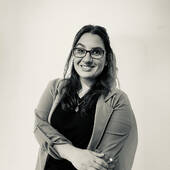
Anto was born in San Martín, a department in eastern Mendoza, and today she lives and works in Buenos Aires, doing what she once imagined herself doing as a child: interviewing people, telling stories and, always, doing it with songs playing in the background. She is a journalist and producer, hosts Filo Música, creates content for its social media channels, and the list could go on for several more lines.
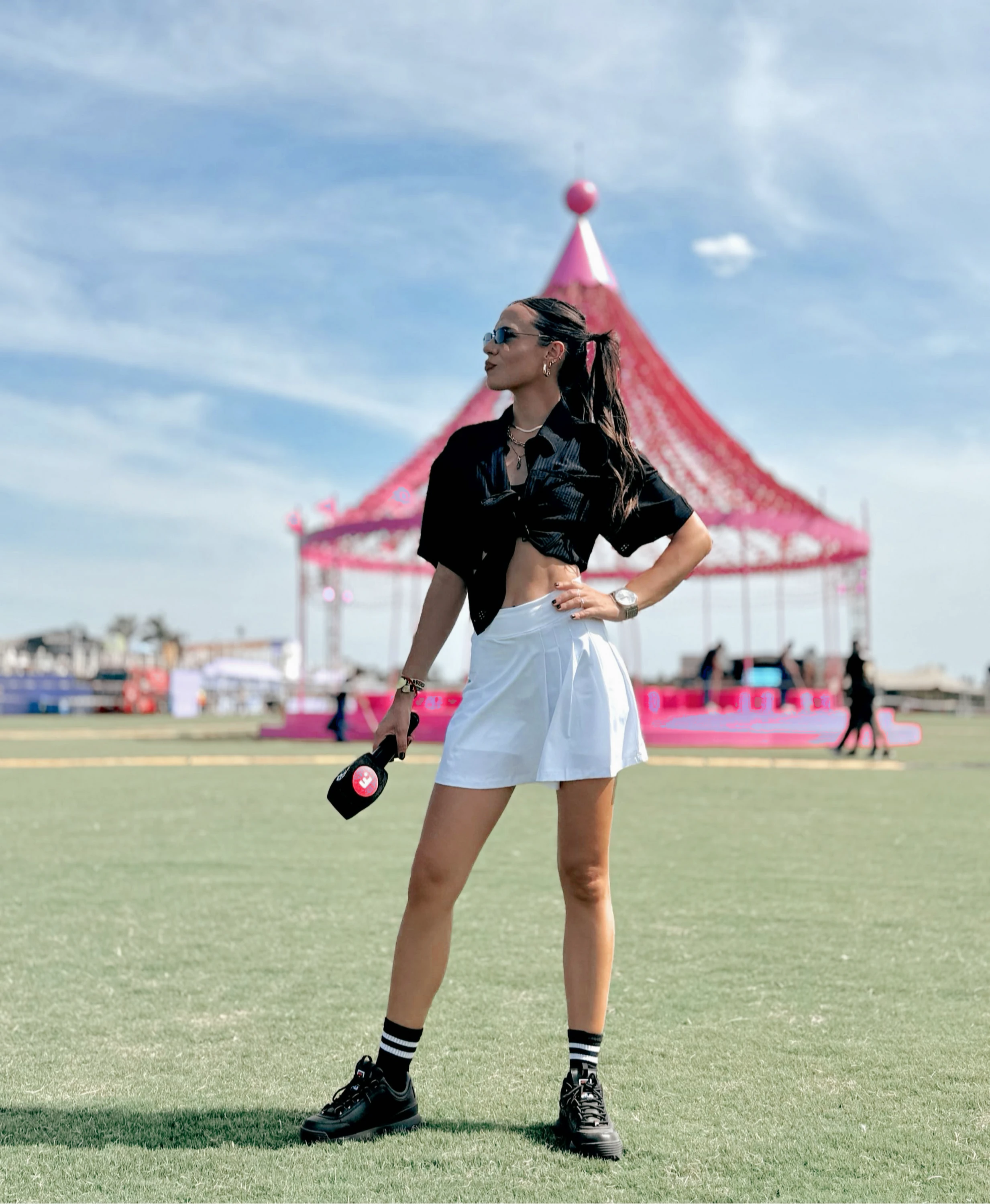
Her determination to work in the media has always been there, as has her admiration for Lalo Mir and Mario Pergolini, two of her role models, whom she now runs into almost every day at the Filo News office.
A girl, a tape recorder and the radio
Anto's first memory related to communication involves a tape recorder. There was always a radio playing at home, and she found her own way to be part of it: she recorded shows and then imitated what she heard, recording herself on the same tape. She also played at being a host like Susana Giménez and interviewed her family. Everything was recorded on cassettes. “I wouldn't let anyone else speak,” she recalls with a mixture of laughter and nostalgia.
It was a childhood game, but there was something about it that already seemed quite serious. As she grew older, she watched the news because she liked the idea of telling the news, although something about the format never quite convinced her. Until CQC came along and she discovered that this was what she liked. “It was disruptive and different for its time. They broke the formality of the way they spoke, and I would sit there going ‘wow,’ thinking, ‘that's what I want to do.’”
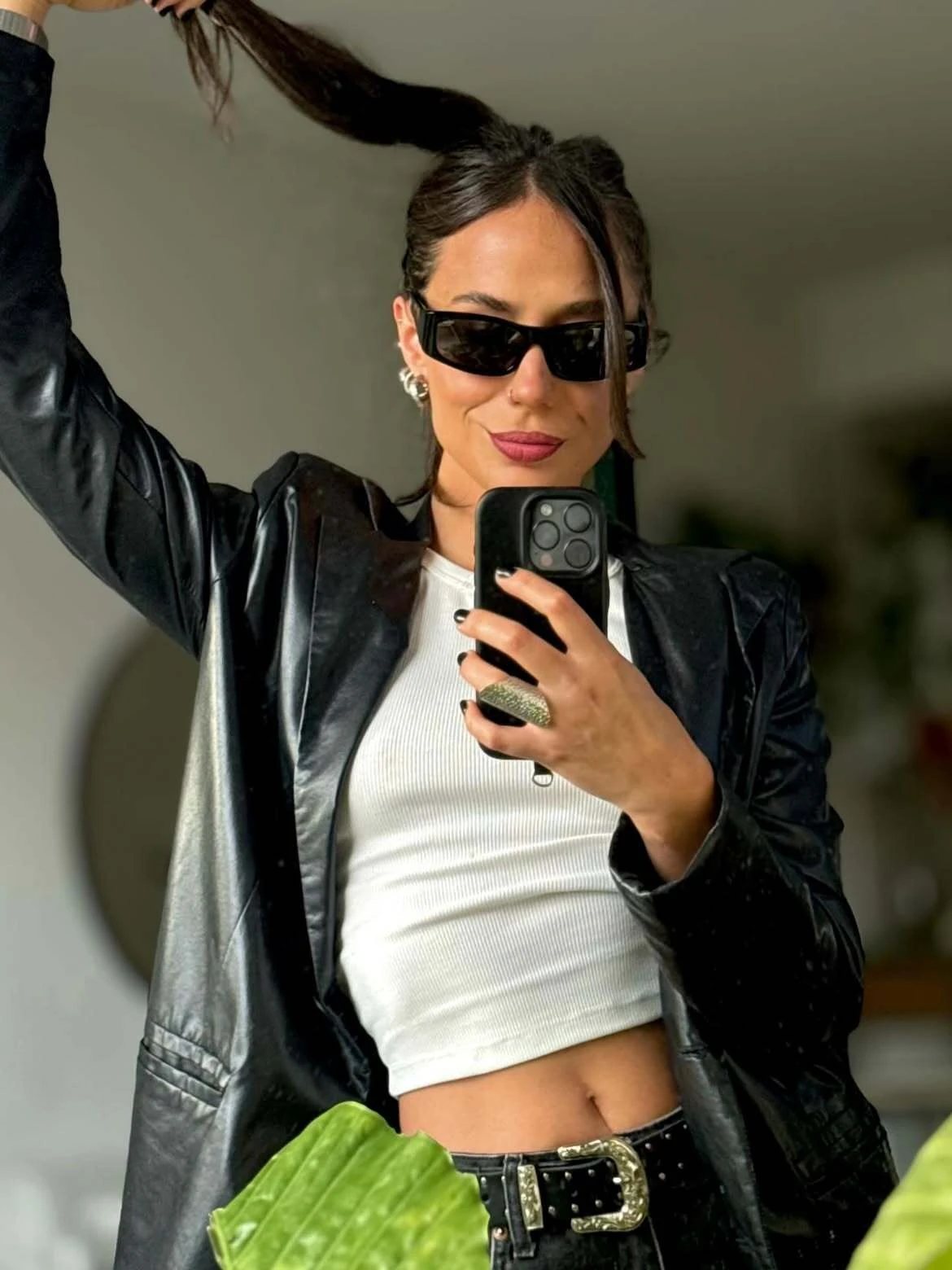
If Pergolini's show was a reference point for understanding what kind of communication interested her, Lalo Mir was fundamental in helping her discover what she wanted to do with music. “Thanks to him, I understood that beyond mere entertainment and songs, there was an artist. I watched Encuentro on Estudio and I was fascinated by the way he asked questions, got to know people and made room for emotions,” says the 34-year-old communicator.
Life took the childhood sense of wonder she felt and gave it a curious continuation. Today she works at Filo News, Pergolini's media outlet. “Maybe I'll tell him someday about all the times I watched him on TV, but not as a fan girl, rather out of the admiration I have for him.”
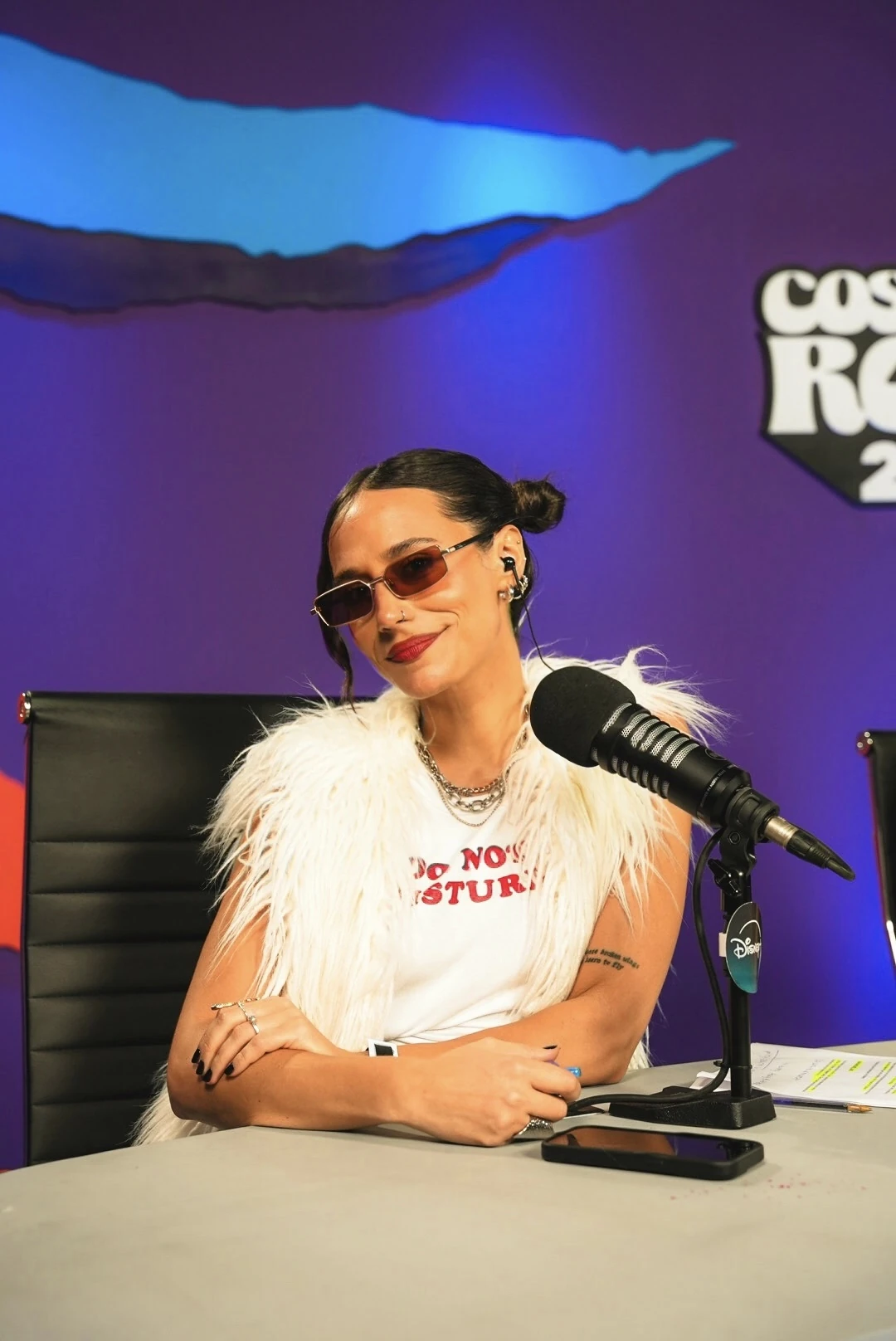
And at Filo Música, working side by side with Mir, the situation becomes even more remarkable: “I'm Lalo's colleague, his coworker. I can't wrap my head around it,” she exclaims. She did tell him about her childhood admiration.
Mendoza, her first media school
Playing at recording herself speaking into a radio gave her a clear indication that she should study a degree in Social Communication and pursue a career in the media. From her second year onward, she began looking for internships because she was certain that journalism is also learned by doing.
Her first job was at Radio LVDiez, when she was just 19. She started as a reporter and later took on editing, writing news bulletins and whatever other tasks came her way. She eventually worked at Grupo América and interned at Radio Montecristo, where music accounted for almost 100 percent of the programming. There, she learned to operate the station herself because she was alone and had to handle different roles. Then came television, the print newspaper and other news radio stations, along with her own voiceovers and columns.
The hands-on experience gave her experience, of course, but it also gave her the opportunity to try different formats and genres and discover which parts of the profession she enjoyed most. “I started in radio, I love it, and I think it's my true first love.”
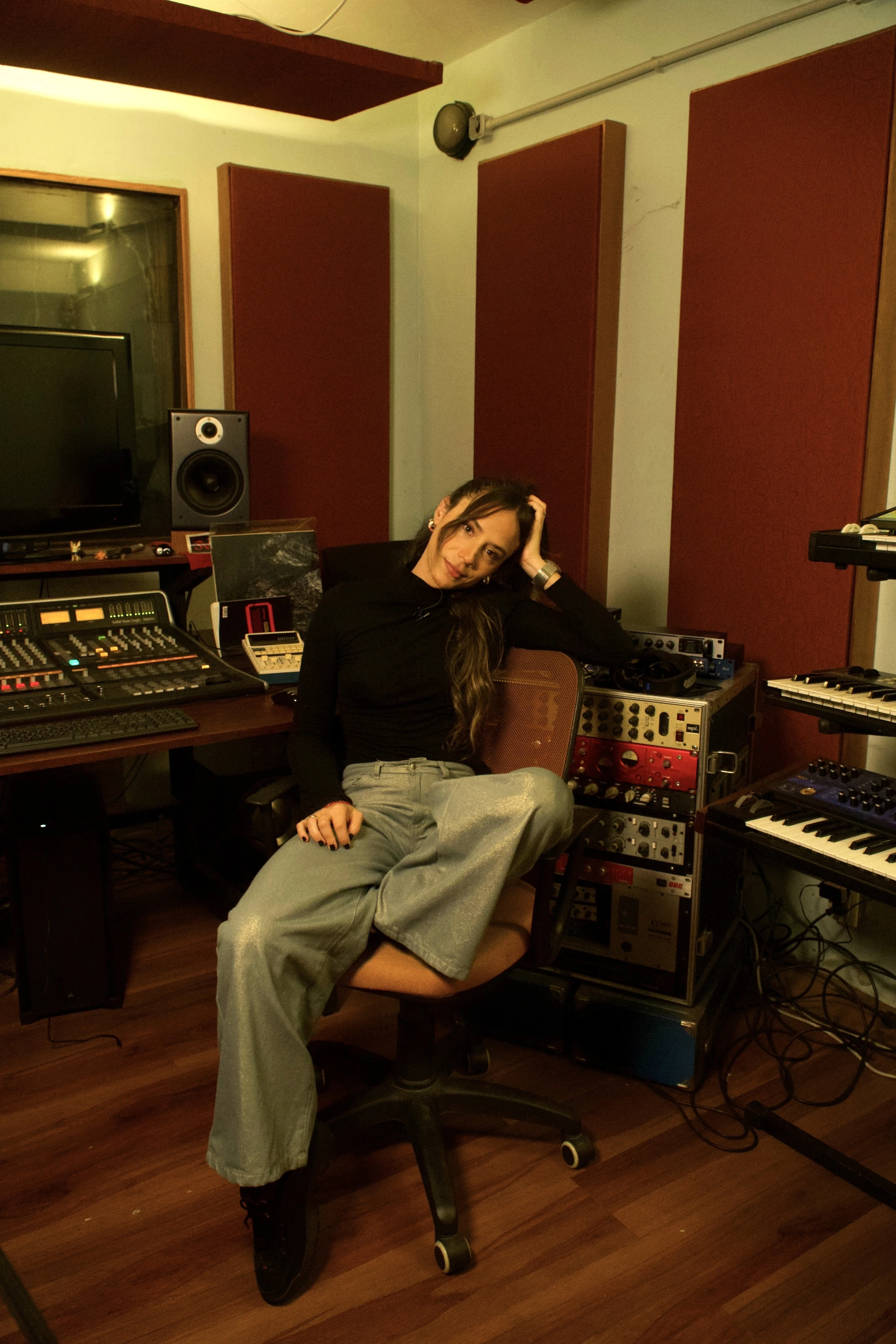
At 25, with plenty of experience under her belt, she headed to Buenos Aires because it was her dream. “Moving here with a path already behind me, with tools and a more developed character, was absolutely the right decision,” says Anto, who has lived in the city for seven years and returns to Mendoza to visit.
But the journey didn't end with the move. Her all-round profile remained one of her main strengths. “You have to know how to do everything to work in these spaces, and I've always been curious,” she says, adding: “I'm also obsessive about my work.”
You might also like: Mariano Peccinetti: the Mendoza artist creating for Gucci, Vogue and Netflix
From politics to music: finding another way to tell stories
Shortly after settling in the Ciudad de la Furia, politics became the setting where she put many of the skills she had developed in Mendoza to the test. She co-hosted a national news program as part of a federal show on Tv Pública, wrote for Diario Con Vos and worked as a society columnist for Canal de la Ciudad.
At the same time, since 2020 she had been working at Filo, a media outlet she had already followed from Mendoza and had dreamed of joining. There, she “felt like she was at Disney.” Julio Leiva —who conducted her first job interview— recognized her ability to move between different roles and formats. He asked her never to lose her “Anto way” of telling stories or her Mendoza accent, because that combination was what set her apart.
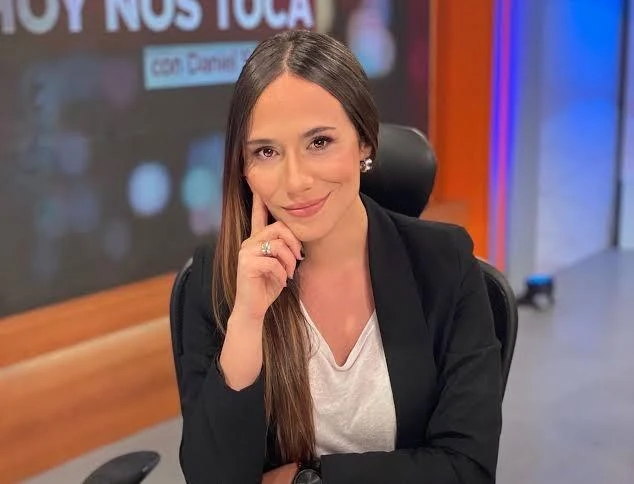
But her direct experience in the political sphere eventually showed her that it wasn't where she wanted to stay. “I've always been politically engaged, but I realized that it affected me. I didn't have the temperament I needed.”
She didn't abandon the perspective she had developed there; instead, she found another way to put it into practice. She began wondering why she couldn't devote herself 100 percent to music if that was her passion. And the answer emerged almost like a conversation with herself: “At Filo, I started out covering gender in the society section and also music, and at one point I said, ‘Wait, I love this. Why can't I give it a sociocultural and political perspective?’ That's when I made the decision and changed direction.”
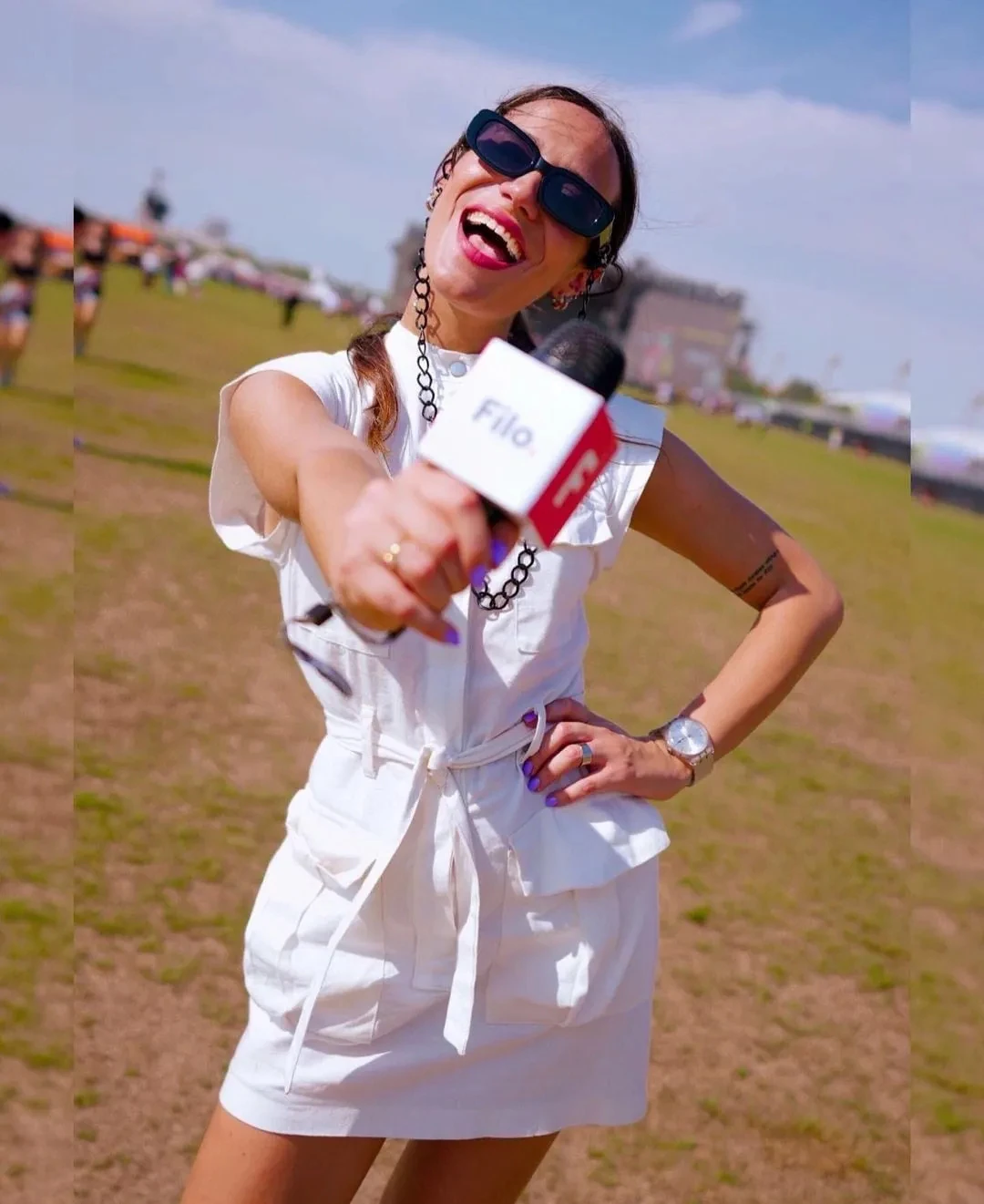
Music could, then, become another way of talking about society, people and an era. An artistic expression that allowed her to bring together everything that had already interested her about journalism.
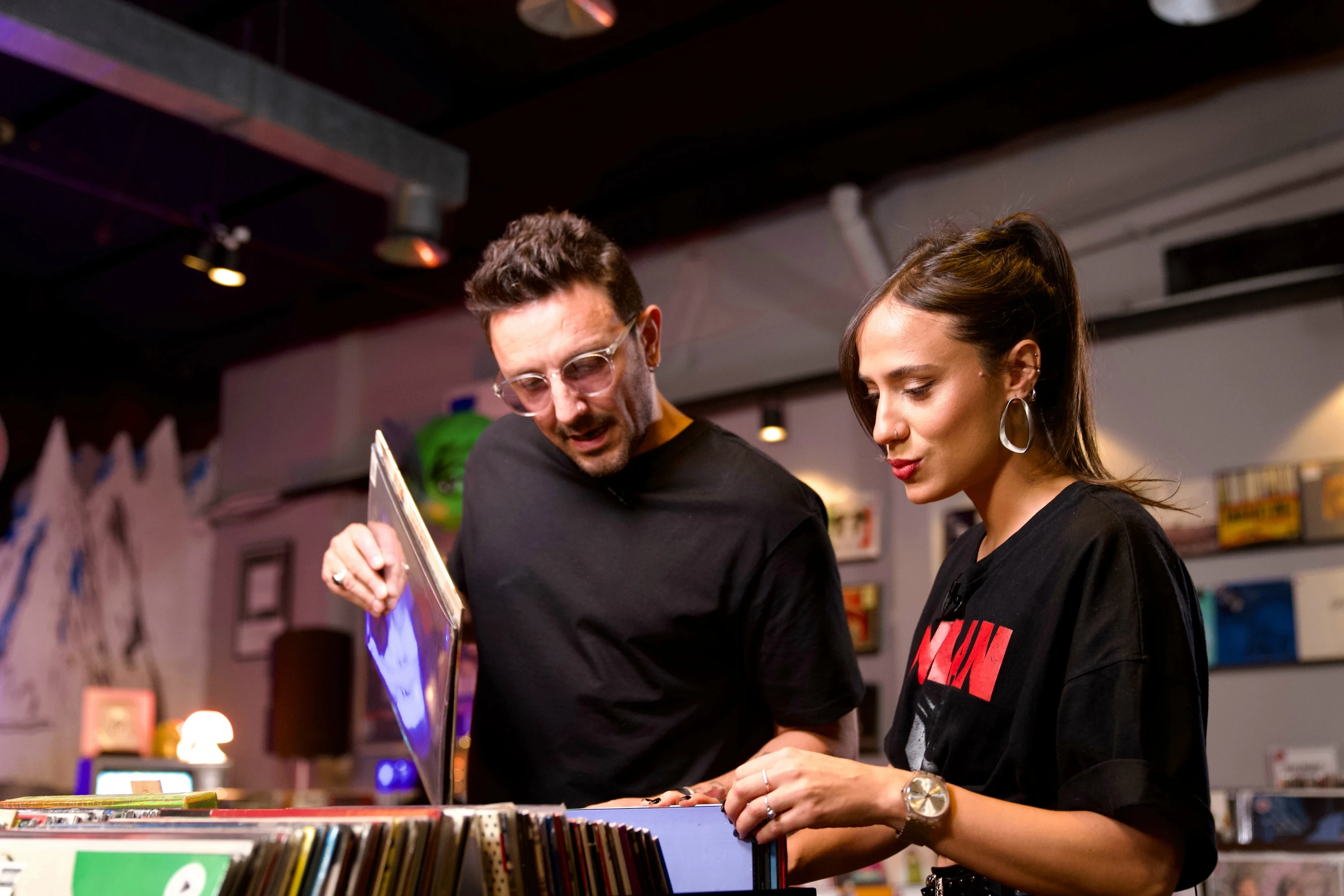
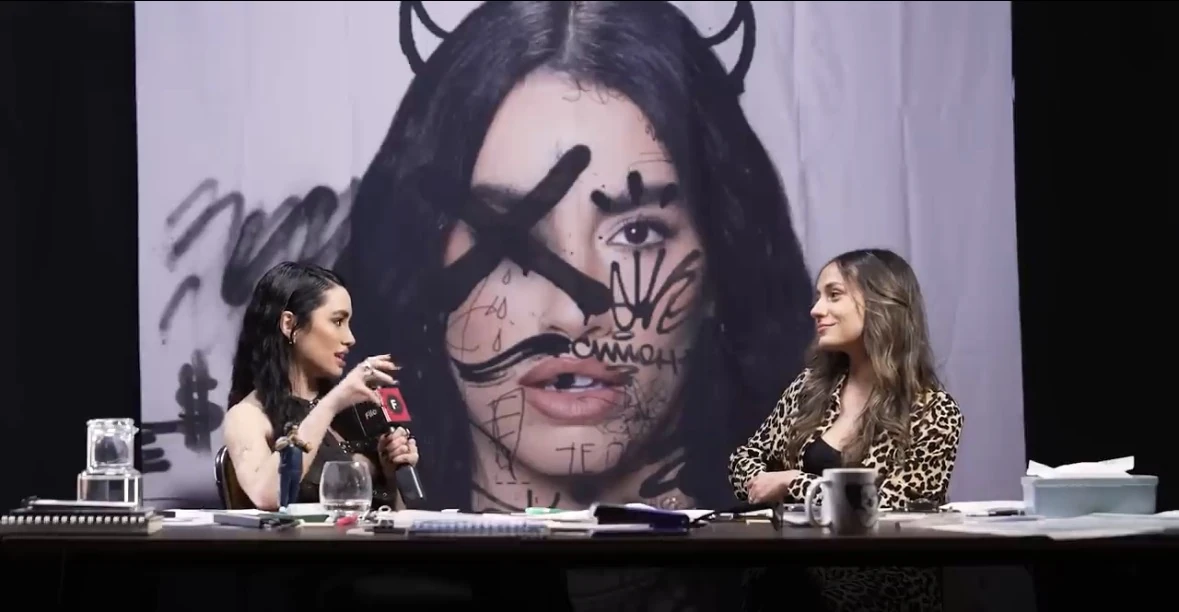
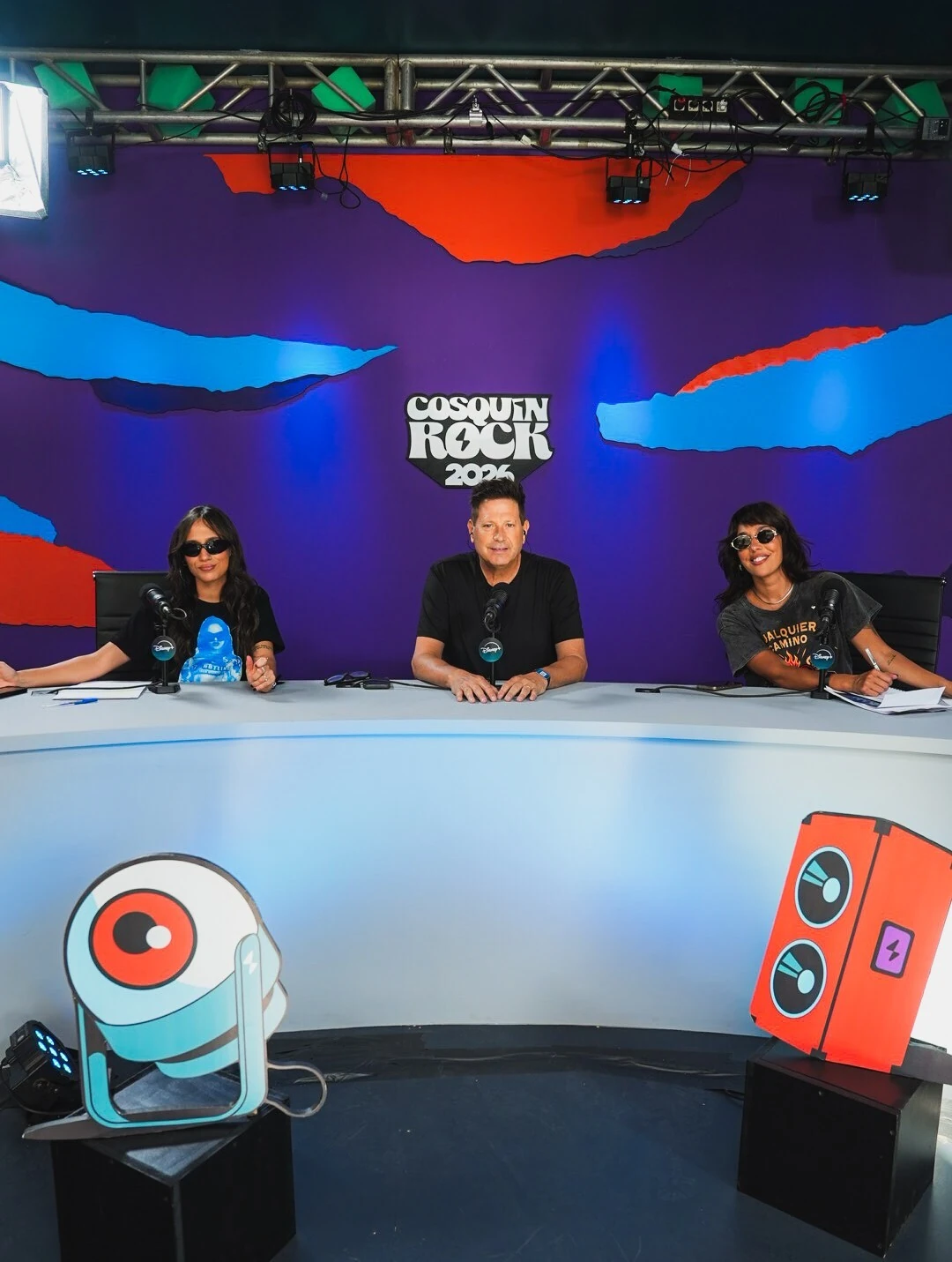
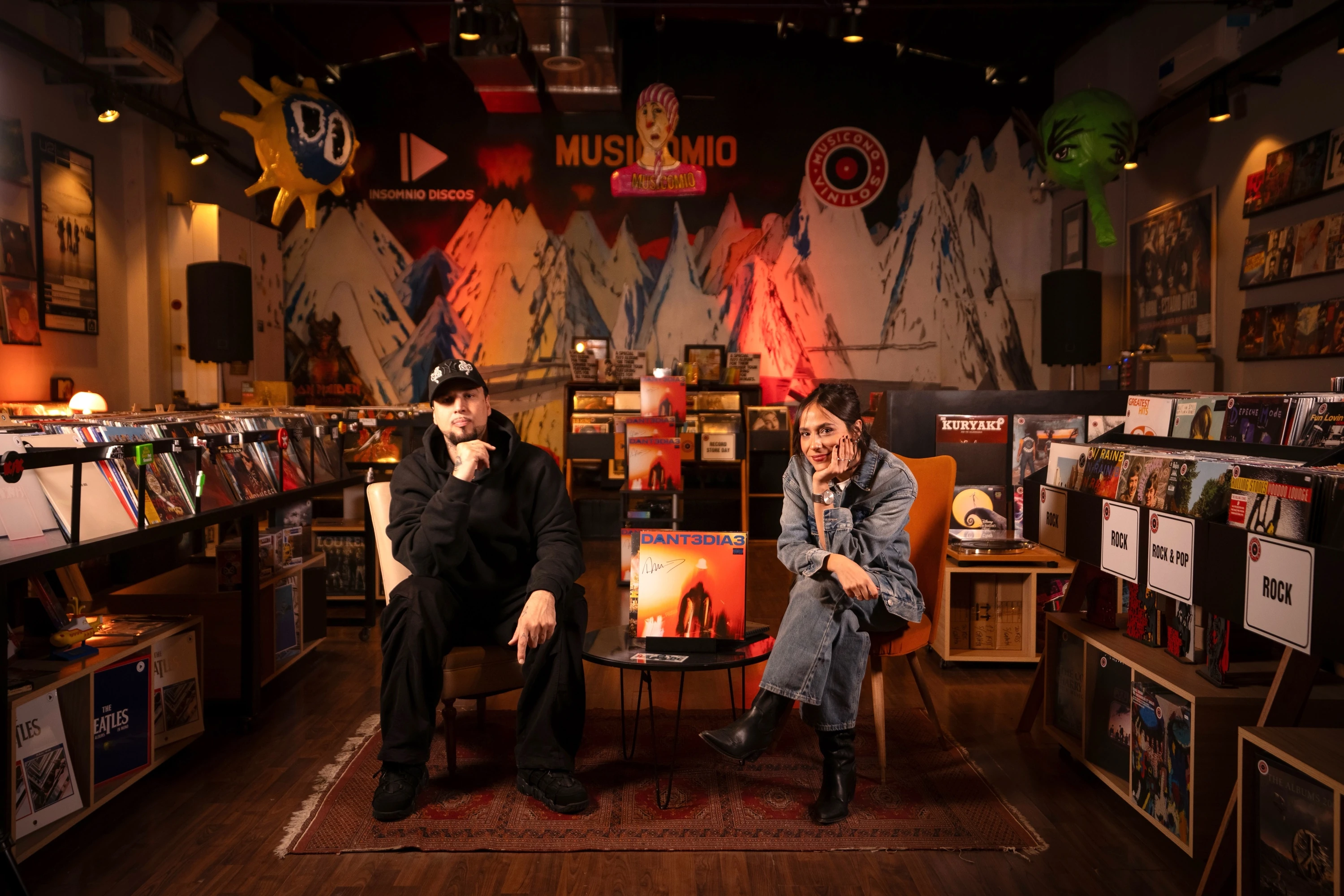
Since then, she has hosted Filo Música, conducted interviews surrounded by vinyl records and glasses of wine, covered shows and concerts, worked as a producer at Futurock —the radio station founded by Julia Mengolini—, created content for social media and taken part in projects that challenge her to grow, such as hosting the Cosquín Rock livestream for Disney alongside Bebe Contepomi. “I grew up watching La Viola, and now seeing myself hosting with Bebe was unreal. Another wow.”
The Punzino way of doing journalism
Anto has a very clear idea of the role she wants to play when facing an interviewee. “I'm not the star of the story; the other person is,” she says. Her goal is to be a tool between the audience and the artist: to listen, ask questions and find a way for that story, that interesting detail or that charisma that only face-to-face interaction can reveal to come through. “I don't care about being the one who gets the spotlight. I prioritize the person, not breaking news. That's what I've been building, and it's non-negotiable,” she emphasizes.
In an age of endless scrolling, that decision also shapes the way she produces content. She thinks and rethinks her scripts, even when a piece is barely a minute and a half long. “I don't betray that. I prioritize content; I don't sell it out for clickbait or views. I know that if I want to grow on social media, you have to feed it every day. If I'm going to say something, I'm going to give you nutritious food, not junk food, as Flaco Spinetta used to say. I'm going to offer you thoughtful, fact-checked content.”
The musician's phrase is no coincidence. Anto understands that every format has its own rules, but none of them should force her to give up what she considers essential. “Every medium, every format, has its own language, and for me the interesting thing, if you work in the media, is figuring out how you're going to speak that language.”
Perhaps that's one of the keys to understanding why she can now move between television, radio, social media, production and music without feeling that she has to choose just one thing.
Moments etched in her memory
Music has also given her encounters that she treasures. One of the most important was an interview with Benito Cerati at Estudios Unísono, the studio where Gustavo Cerati recorded his final albums. “I'm a Gustavo fan,” she says.
The conversation went far beyond promoting an album. Memories of the Soda Stereo frontman came up, as did stories from when they recorded together, along with a deep conversation about the young musician's personal life. Anto remembers that they created a space of “depth and sensitivity” that moved her.
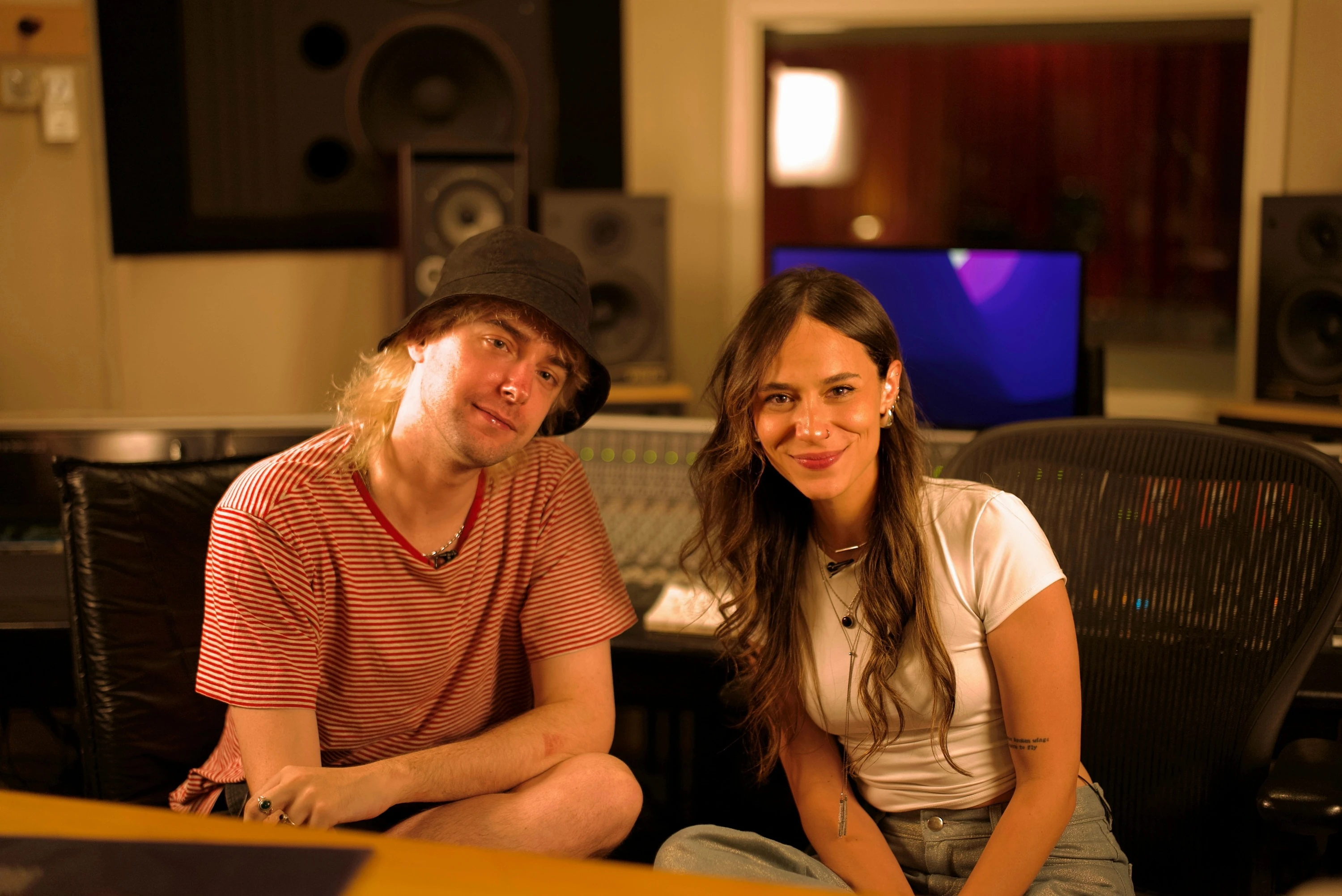
Perhaps that's why she says humility and the artists' willingness to engage are two of the things she values most when conducting interviews. She's interested in that moment when the person stops being merely the name appearing on a screen and becomes someone willing to share part of their story.
Flying the Mendoza flag high
Antonela continues to pay close attention to what's happening in the music scene in her home province. She talks about the indie scene that grew over more than a decade and how local bands gradually broke through the geographical barrier.
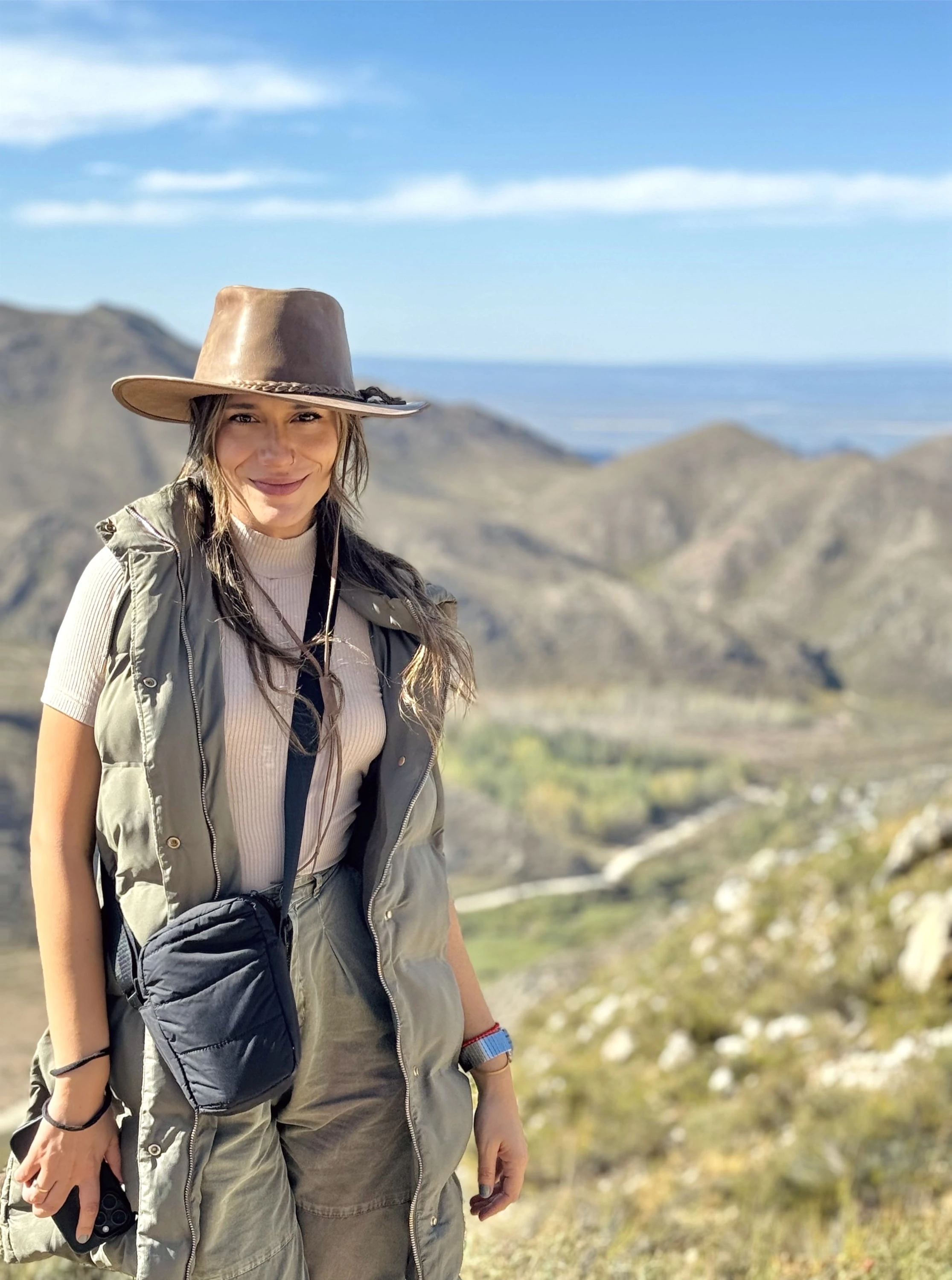
She mentions Mi Amigo Invencible, Gauchito Club and Alejo Kia. And when she talks about Usted Señálemelo and the fact that they will open for Foo Fighters, she doesn't hesitate: “My chest swells with pride.” Another piece of Mendoza remains with her, sitting on her phone: she still has the area code from her hometown, “and I don't plan on changing it,” she says with a laugh.
You might also like: Mendoza Suena: 11 bands from Mendoza you need to hear
Anto listens to music from the moment she wakes up until she goes to bed, although over the years she has also learned to enjoy silence and reading. Cerati, Charly, Divididos and Spinetta are essential parts of her playlist, as are Bowie and The Beatles.
Buenos Aires has allowed her to experience all kinds of concerts, meet artists and get close to a world she had spent years watching from afar. Although there is still one dream lingering, one that, interestingly enough, brings the story back to where it began: “I really want to do radio per se. I really like it.”
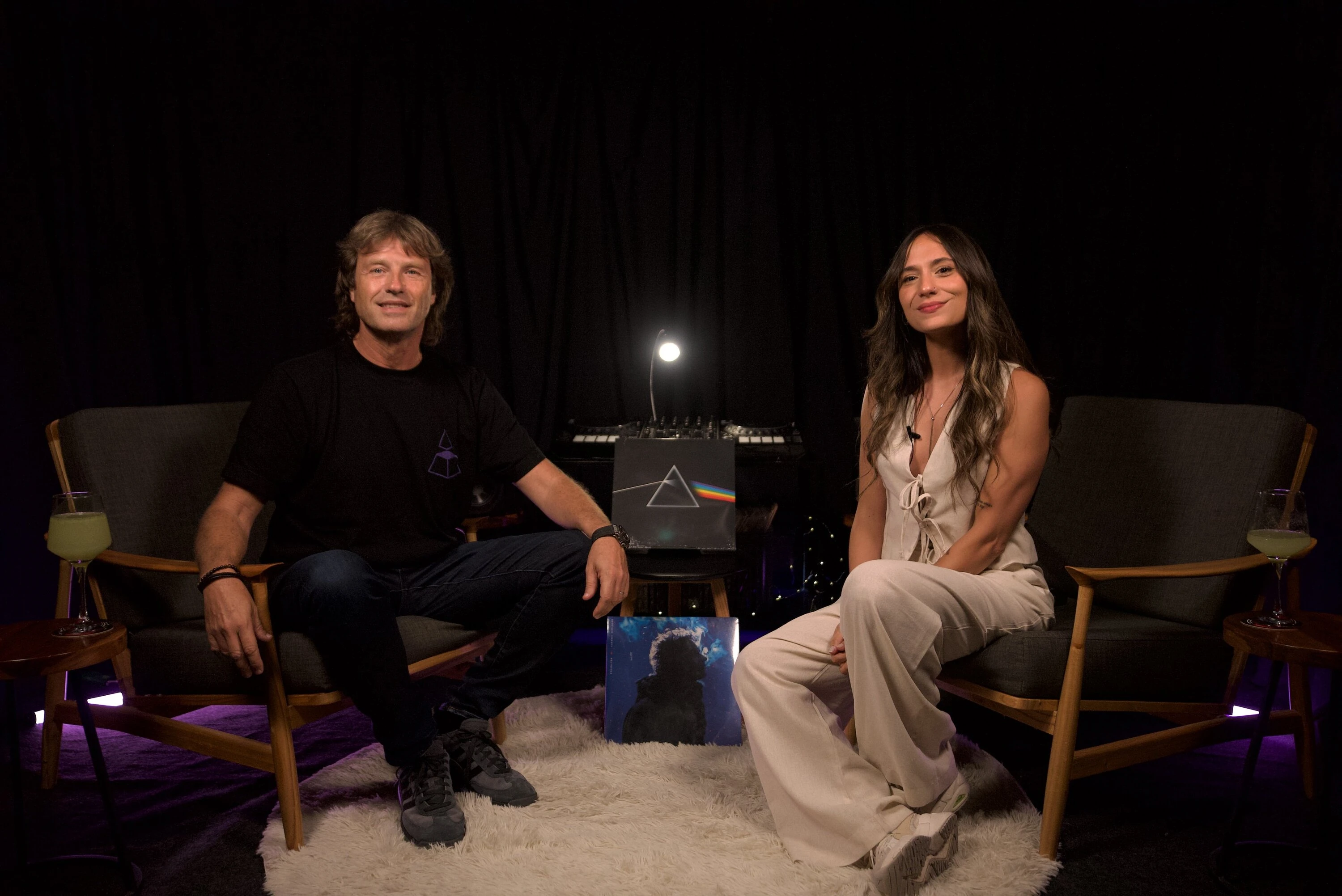
The radio was her first game and also her first love. Perhaps that's why, after so many formats, cities and stages, Anto Punzino's story still carries something of that little girl who recorded herself on a cassette and wouldn't let anyone else speak. Only now she's found another way to ask questions, listen to the answers and let the music keep playing in the background.
Quickfire
- A restaurant in Mendoza: República, the best Spanish omelet of all
- A bar to share a cocktail when you come back for a visit: La Central Vermutería
- A place to go: Parque General San Martín and the mountains, somewhere with no signal
- A food you miss: My mom's lasagna and cannelloni. I don't go a week without thinking about them and wishing I had them
- A wine: Always Cabernet Franc
- A song: “Río Babel,” Gustavo Cerati
- An album: Bocanada, Gustavo Cerati