

[image]
[title]When spring arrives in Buenos Aires, the city comes alive in new ways. Between October and December, new solo exhibitions open, shows revisit artistic legacies and others celebrate anniversaries.
This itinerary brings together five venues for a series of gallery visits, from Puerto Madero to Retiro, with stops downtown and in Recoleta. This isn't a plan to rush through, but an invitation to step inside, take your time and come back for more.
1. AMALITA COLLECTION: Difference as an Ethic of Life
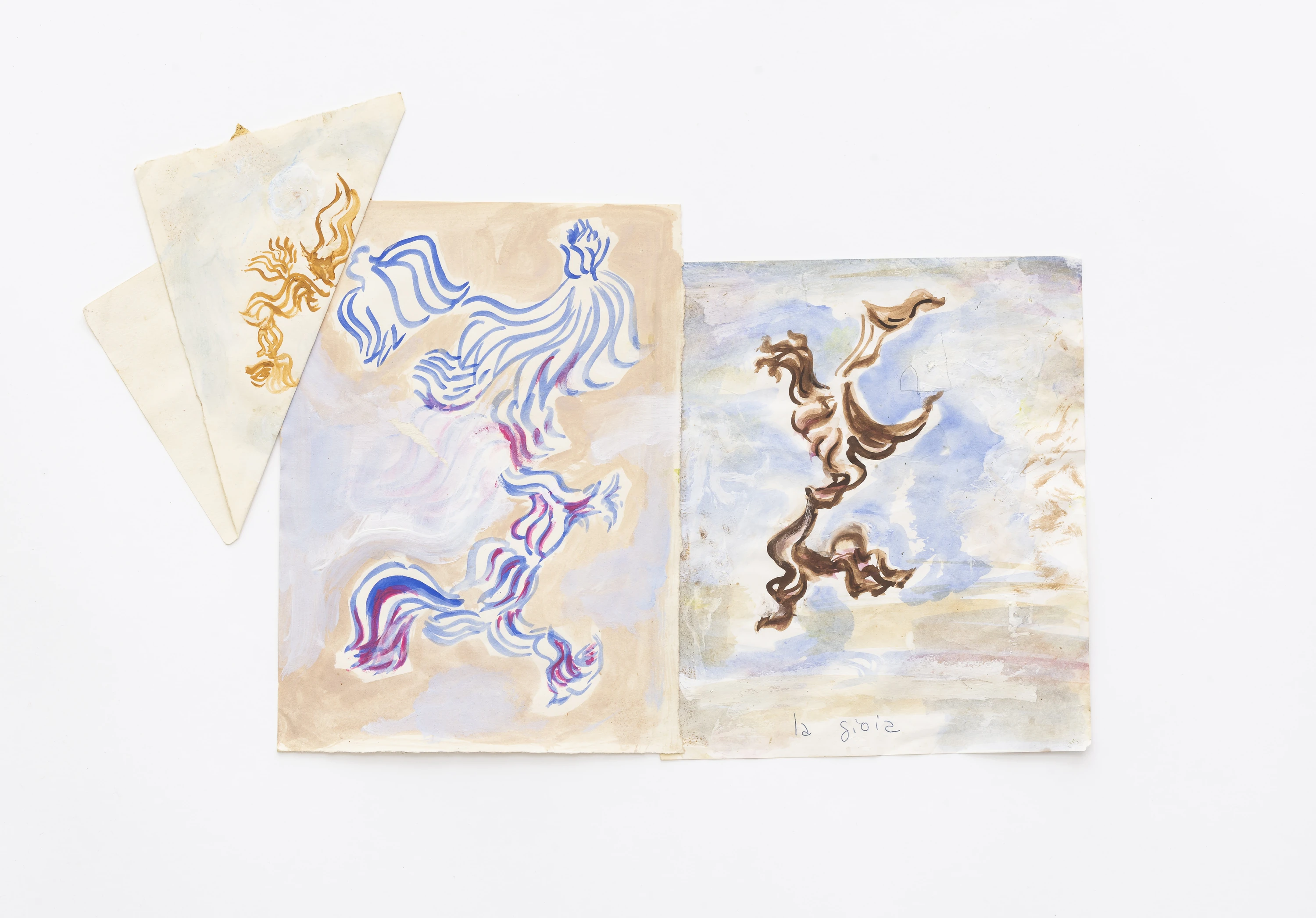
Some figures have transformed Argentine art from the margins, and Jorge Gumier Maier (Buenos Aires, 1953–2021) was one of them. The Amalia Lacroze de Fortabat Art Collection is dedicating an exhibition to his entire career, from the late 1970s through his final years. A gay activist in the post-dictatorship era, curator of the Rojas Gallery in the 1990s and an artist throughout his life, Gumier Maier forged a path between independent publications, gay culture and Buenos Aires' underground scene of the 1980s.
Between 1989 and 1996, his programming at the Rojas championed minority perspectives at a time when the international art scene tended to erase regional differences. As an artist, he worked with found materials (Formica, printed fabrics, pearls and driftwood) to create abstract works in which ornament became the driving force behind his creative process. After settling in the Paraná Delta, he increasingly turned to drawings and collages featuring flowers and decorative motifs, with a more playful, everyday sensibility. Curated by Francisco Lemus, the exhibition includes a documentary section overseen by Paola Vega, featuring little-known archival material, as well as a publication edited by Laura Hakel. The project is presented by the AMALITA Collection.
More information:
-
Date: Opens to the public on Saturday, October 24, at 2pm.
-
Opening hours: Thursday to Sunday, 12pm–8pm (last admission 30 minutes before closing).
-
Admission: General admission ARS 20,000; Argentine residents ARS 10,000. Free admission on Thursdays for teachers, retirees and students with valid ID, as well as children under 12 and people with disabilities and one companion.
-
Address: Olga Cossettini 141, Puerto Madero.
2. Oda: Two Exhibitions, Two Ways of Seeing
Oda presents two consecutive exhibitions, and it's worth visiting both.
Catalina Chervin: Reality Lies in the Details. This exhibition brings together drawings, prints and three-dimensional works from the past two decades, curated by María José Herrera. Her work, rooted in both dreams and the nightmares of the present, has strong ties to contemporary Surrealism.
It's a great opportunity to discover an artist who received the 2026 National Award for Artistic Achievement this year and whose work is held in the collections of the British Museum, the Metropolitan Museum of Art in New York and the National Museum of Fine Arts in Buenos Aires.
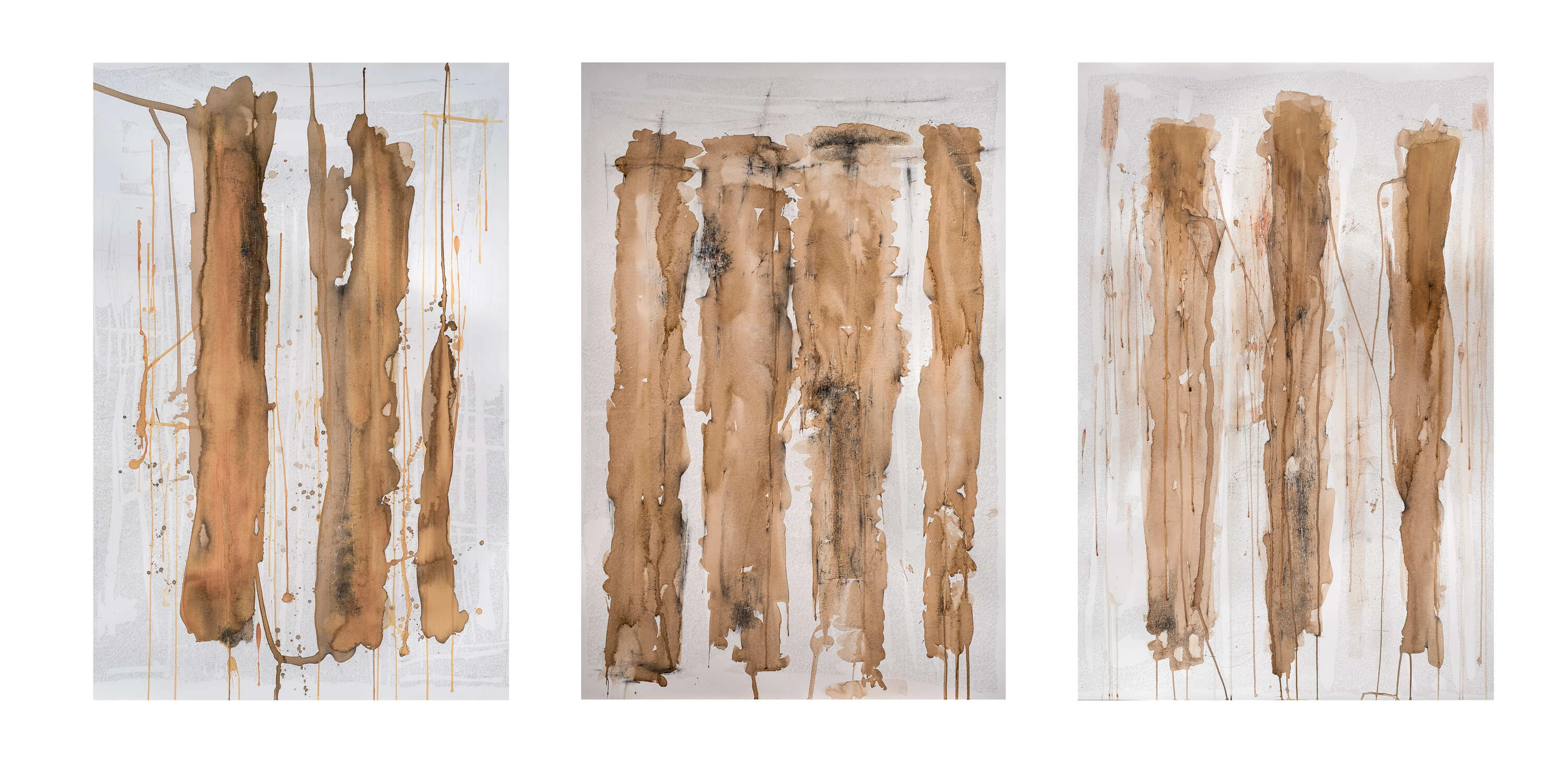
Pablo Archetti: Another View. The artist's first solo exhibition, curated by Laura San Martín, features paintings built up through layers and overpainting that gradually accumulate. Archetti calls this process Antinaturalism. What has been erased remains as a trace, and the landscape becomes an experience of looking rather than a place.
More information:
Catalina Chervin
-
Dates: Thursday, October 8, to Monday, November 16.
-
Opening hours: Monday to Thursday, 3pm–7pm.
-
Address: Paraná 759, first floor, Buenos Aires.
Pablo Archetti
-
Dates: Thursday, November 19, to Thursday, February 11, 2027.
-
Opening hours: Tuesday to Friday, 3pm–7pm.
-
Address: Florida 971 / San Martín 954, Buenos Aires (Oda Central Affair).
3. Quimera: Fourteen Years, Fourteen Polyptychs
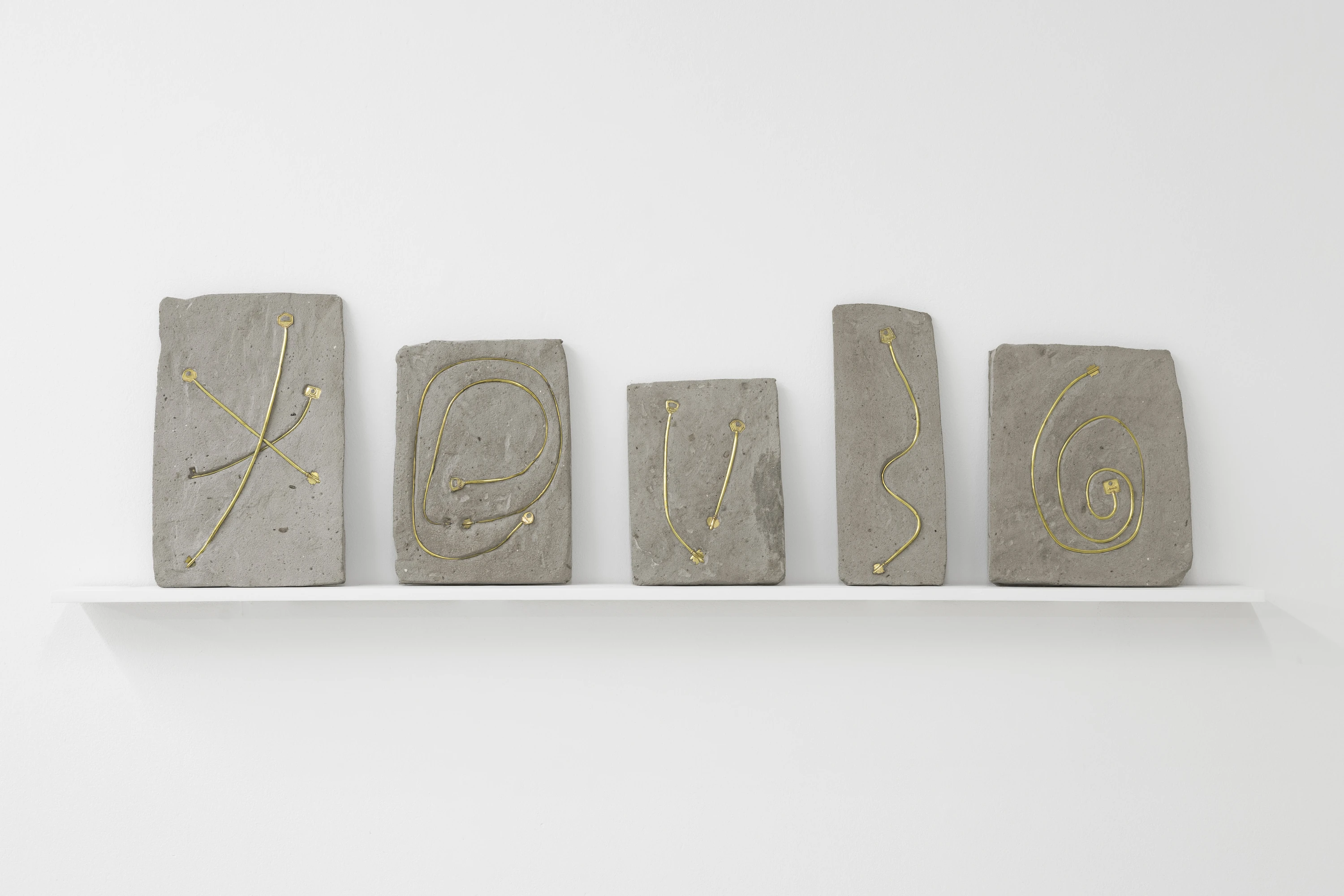
Quimera is celebrating its anniversary with a simple yet powerful idea: inviting the gallery's artists to work within the same format, the polyptych. In 14 etc. Polyptychs for an Anniversary, each work is made up of several parts. The images interact, flow into one another or contradict each other, depending on how you look at them.
The exhibition uses this structure to reflect on the gallery's history, shaped by different voices, artistic languages and generations that coexist to form a shared identity. It's an ideal group exhibition for discovering the artists represented by the gallery.
More information:
-
Date: From November 5.
-
Opening hours: Thursday and Friday, 3pm–8pm; Saturday, 3pm–7pm.
-
Address: Güemes 4474.
4. Rolf Art: Facio and D'Amico Together in Buenos Aires for the First Time
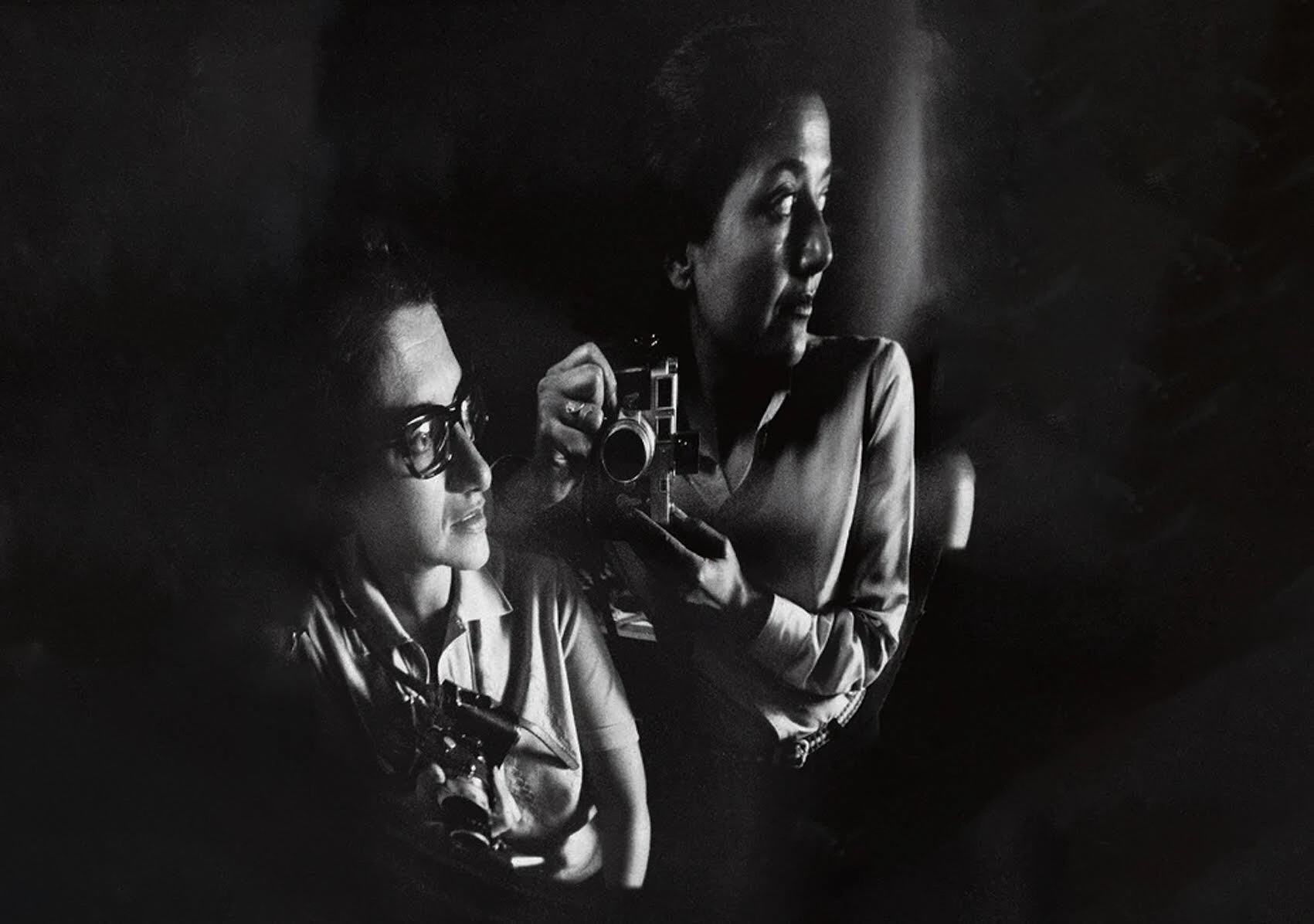
This is one of the season's most anticipated exhibitions. DAFA brings together two icons of Argentine and Latin American photography, Sara Facio and Alicia D'Amico, in Buenos Aires for the first time. The title revives the signature they used when working together in the 1960s and 1970s. The exhibition revisits three of their photographic essays, which gave rise to some of Argentina's earliest photobooks.
Buenos Aires. Buenos Aires (1968), created with Julio Cortázar, portrays everyday life in a city undergoing transformation through anonymous scenes and small gestures.
Retratos y Autorretratos (1974) features writers and cultural figures, capturing them with an intimacy that avoids idealization.
Humanario (1976), produced at Borda Hospital, challenges perceptions of mental illness and exclusion through a powerful combination of denunciation and dignity.
A visit that brings together the history of photography, literature and the city's collective memory.
More information:
-
Date: Opens on Thursday, October 15, at 6pm; on view until Thursday, December 3.
-
Opening hours: Monday to Friday, 11am–7pm. Free admission.
-
Address: Esmeralda 1353, Buenos Aires.
5. Vasari: Macciò and the Many Turns of the Pencil
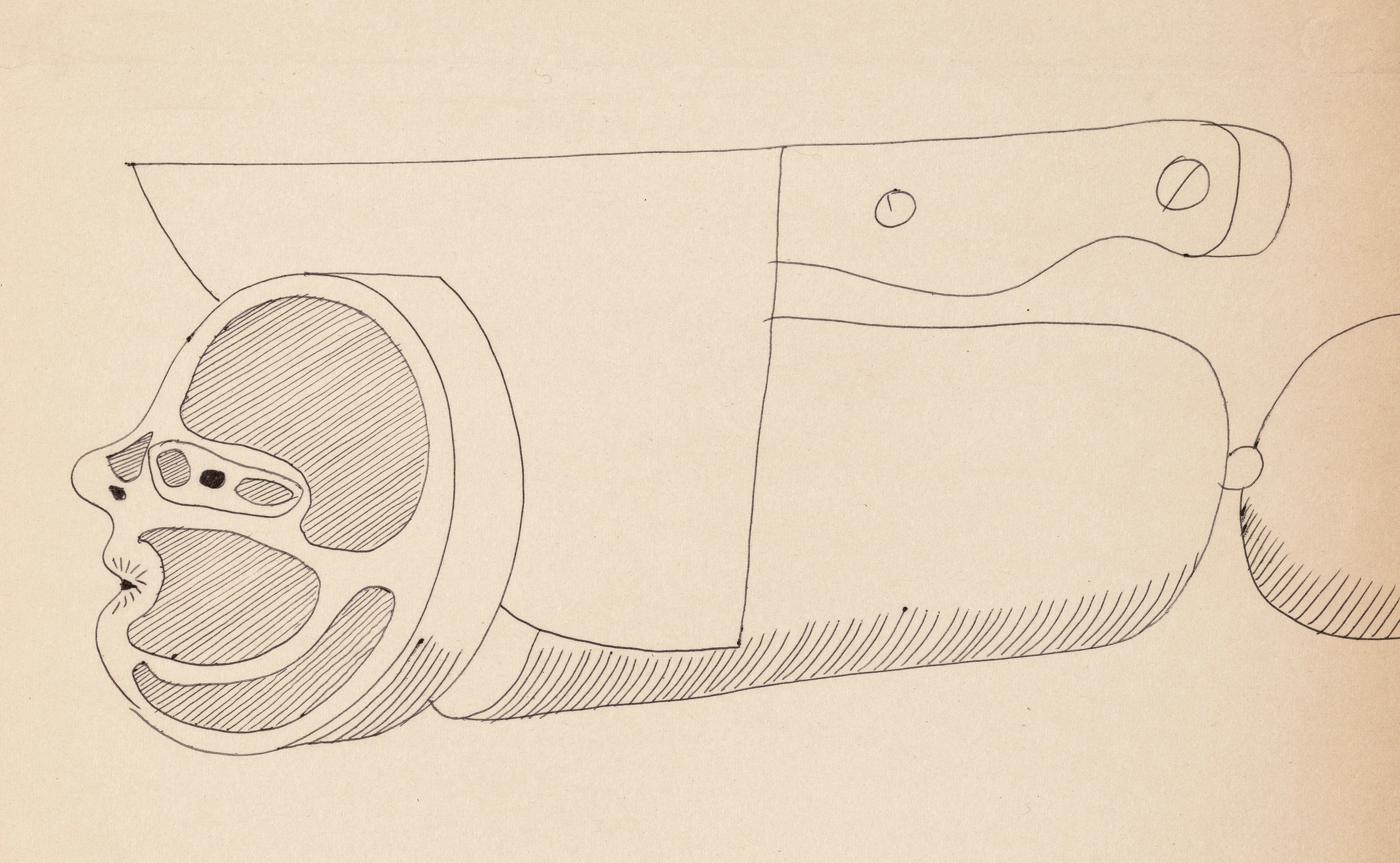
Ten years after the death of Rómulo Macciò, and coinciding with a retrospective dedicated to him at the National Museum of Fine Arts, Vasari presents Las vueltas del lápiz (The Many Turns of the Pencil). Macciò co-founded the New Figuration movement in 1961 and was one of the most important artists in Argentina during the second half of the 20th century.
The exhibition brings together works dating from the mid-1960s to the early 1970s, with a particular focus on his drawing practice. At its center is a series of drawings being exhibited for the first time, originally part of Choripzus, a book published in 1970 and banned during the dictatorship. The exhibition occupies both gallery rooms and features a text by Marcos Krämer.
More information:
-
Date: Opens on Wednesday, October 14, at 7pm; on view until Friday, November 27.
-
Opening hours: Monday to Friday, 11am–7pm.
-
Address: Esmeralda 1357, Buenos Aires.
If you needed an excuse to step into an art gallery again, here are five great options. You'll find photography, painting, drawing, archival material and essential figures in Argentine art. Pick an area, plan your route and make the most of the final months of the year by discovering what's happening behind the doors of these cultural spaces.