[image]
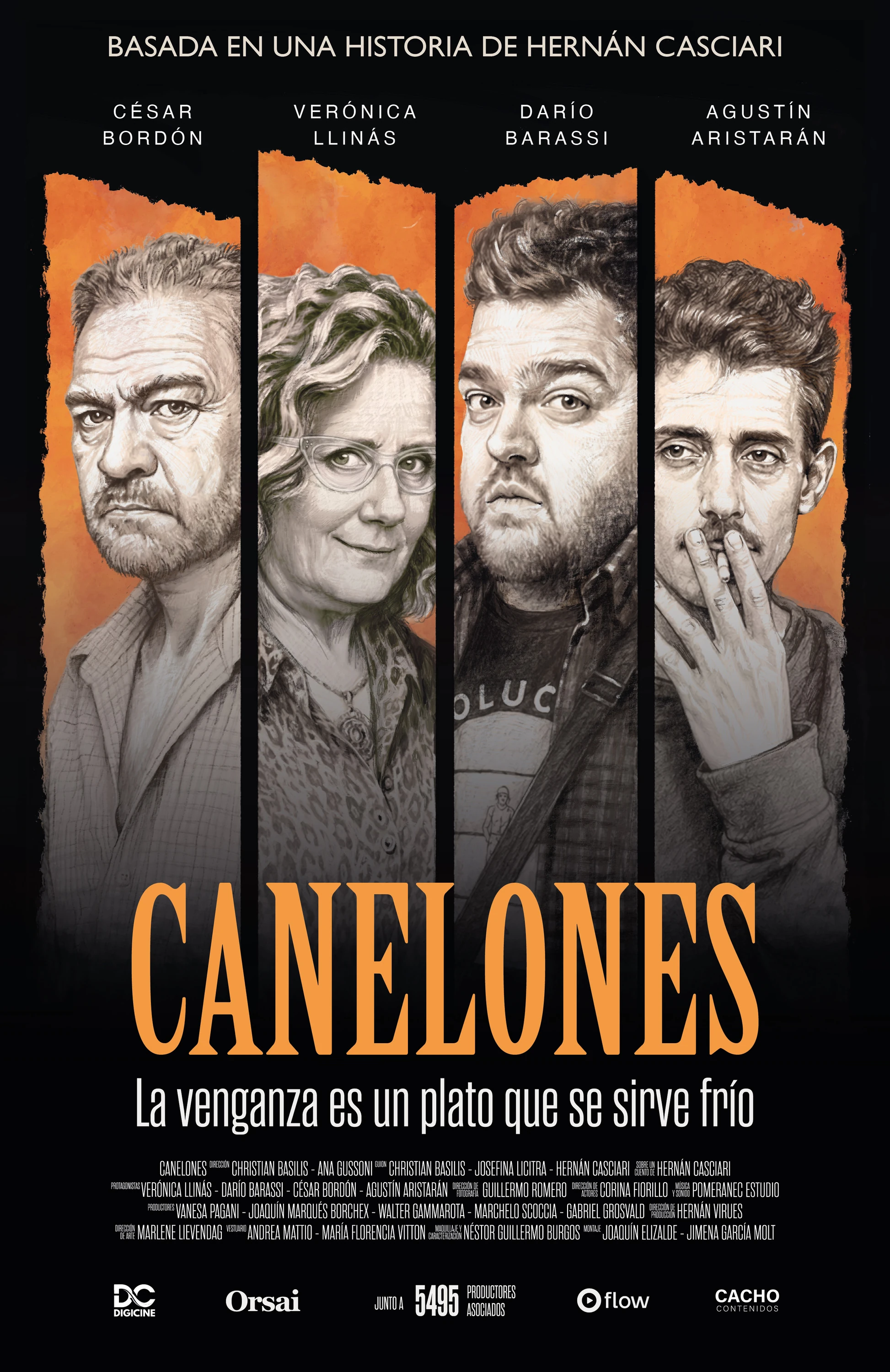
[title]Some stories end on the last page. Canelones only began there. Hernán Casciari wrote the short story in 2005, but years later it set off a chain of unexpected events that have now made their way to the big screen.
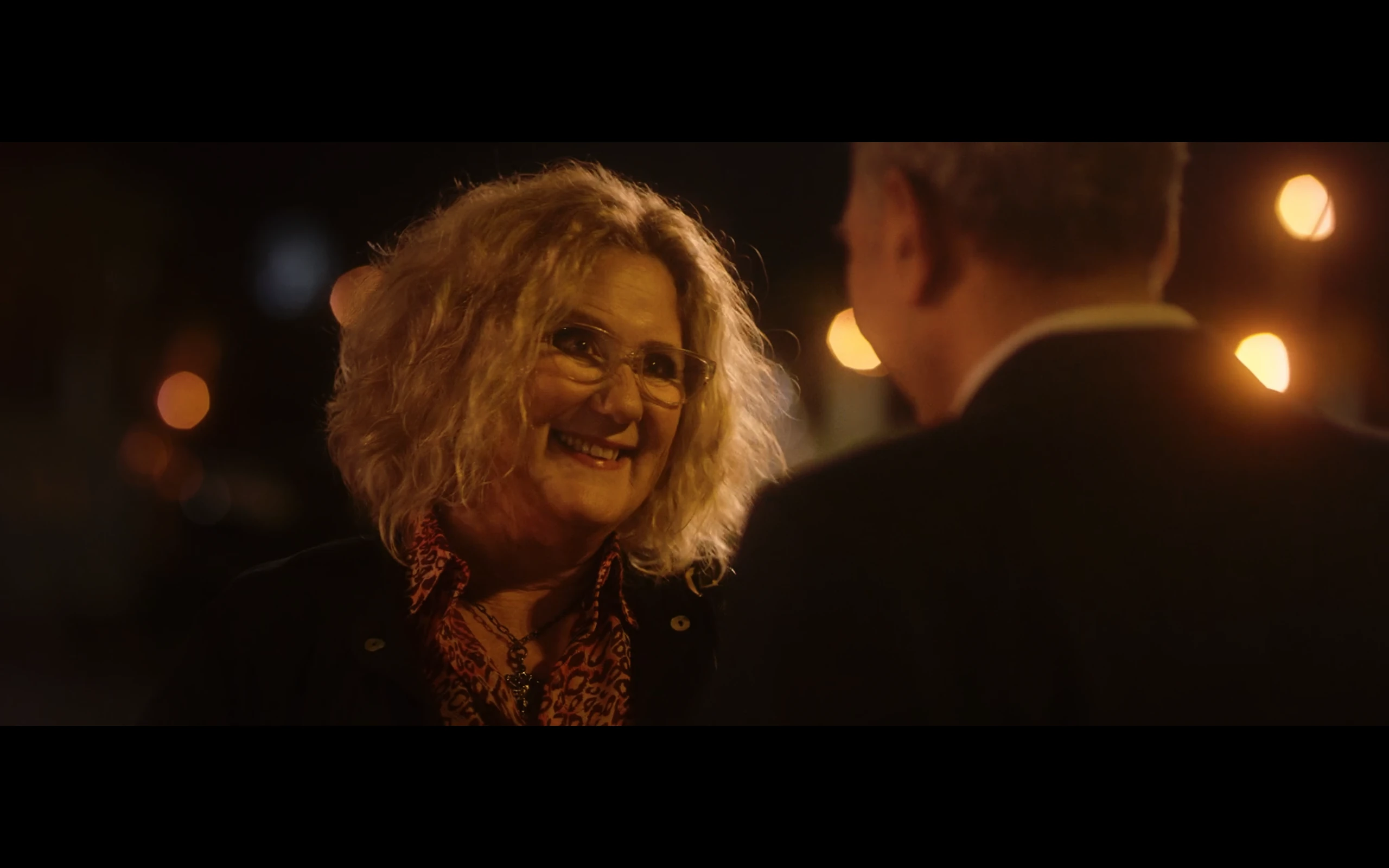
Inspired by those real-life events, Canelones follows the kidnapping of Chichita, Hernán Casciari's mother, by Daniel Olesnik, a man seeking revenge for a prank phone call made nearly 30 years earlier. Set over the course of a single night, the film blends psychological thriller with dark comedy to explore guilt, revenge and forgiveness.
The Day Canelones Stopped Being Just a Story
"Canelones is a short story I wrote in 2005, and this film is a consequence of that story." With those words, Hernán Casciari sums up the starting point of the feature film. The turning point came in 2013, when he read the story aloud on the radio show Perros de la Calle, several years after writing it.
"One of the people featured in the story—someone I didn't know—heard it, and it triggered a series of very dangerous events, especially for my mother. Those are the events this film tells," Hernán explains.
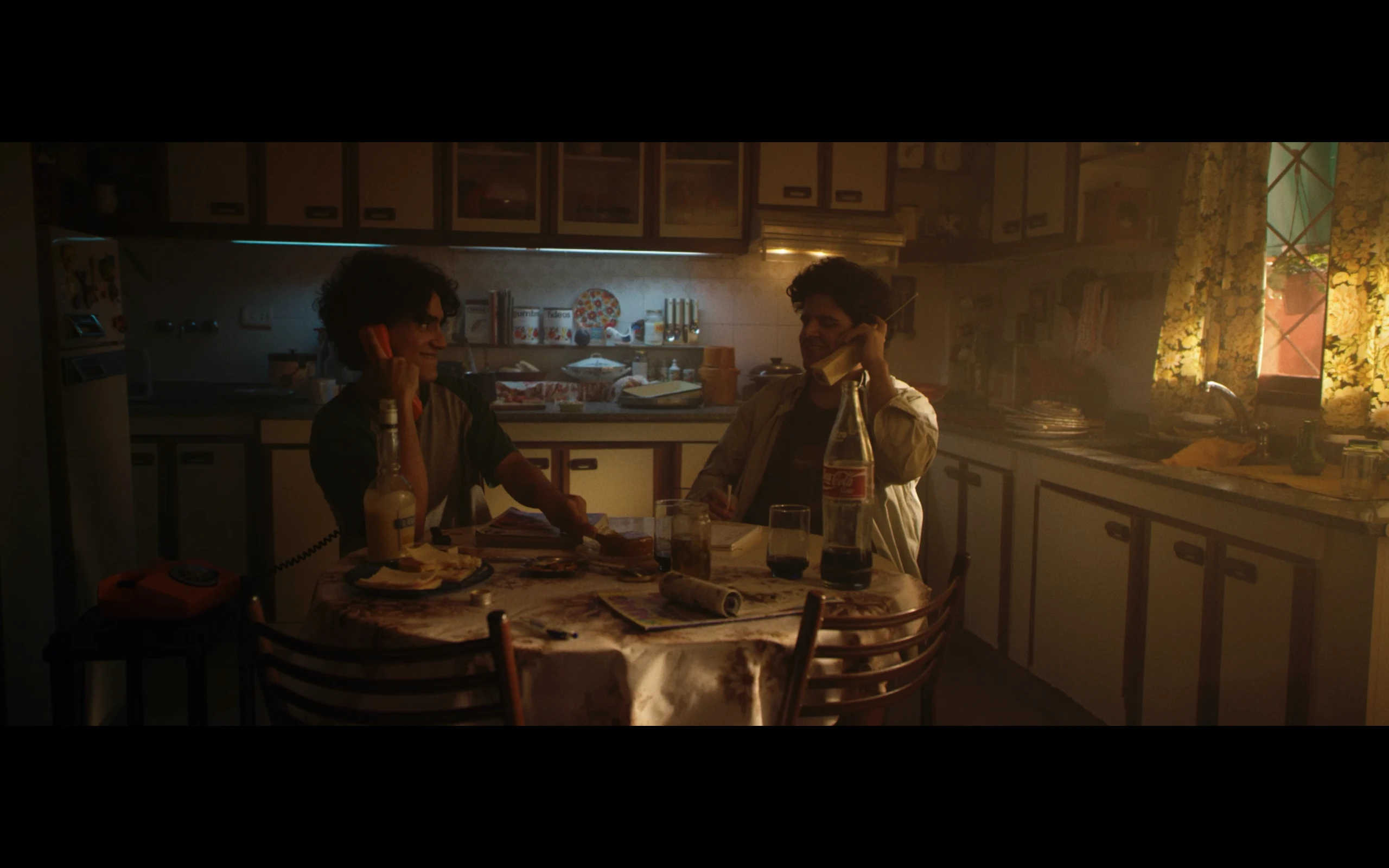
The original story was inspired by a prank phone call Casciari and a friend made as teenagers. Years later, that anecdote unexpectedly resurfaced in his life and ultimately became the foundation for the film. "The movie is a rather sad way of washing away that guilt," the writer admits.
The Story That Waited a Decade to Be Told
Casciari knew from the beginning that what he had experienced had all the ingredients of a remarkable story. But for years there was one non-negotiable condition: his mother didn't want those events to become public.
"First of all, I had to convince my mother that this story could be told. For a long time, she wouldn't let me write it," he says.
The turning point came years later, when one of the people involved died during the pandemic. That was when his mother finally gave him permission to tell what had happened. The timing couldn't have been better.
"Right then, Orsai had shifted from being a publishing house to becoming an audiovisual production company," Casciari explains.
Five Thousand Backers, One Casting Process, and a Film
Canelones is also the result of Orsai's unique production model. Founded by Hernán Casciari, the cultural community finances its projects collectively. Whether publishing a book, producing a play or making a film, the approach is always the same: invite the community to help bring each project to life.
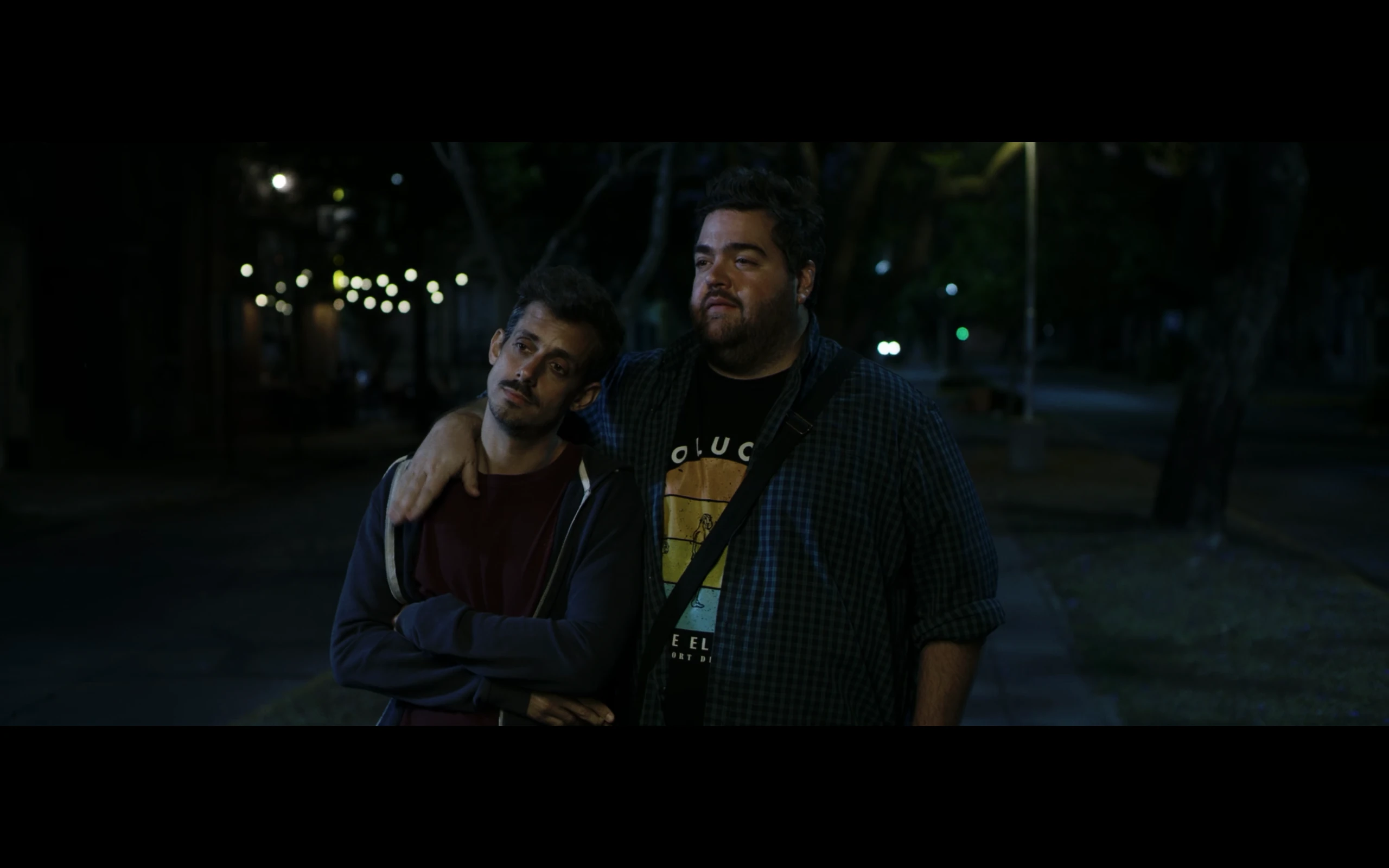
"More than 5,000 backers contributed money to make this film possible—especially to secure such an outstanding cast," Casciari says. "This group of supporters chose who would play my mother, who would play me, and who would play Chiri."
"The film's director is Chiri, my childhood best friend, the same friend with whom I committed this teenage sin—this practical joke," he adds. For Casciari, that detail makes the film even more personal.
What began as a teenage prank later became a short story, and today it is a feature film. That extraordinary journey is precisely what makes Canelones unique. Directed by Christian Basilis and Ana Laura Gussoni, the film stars Verónica Llinás, Darío Barassi, Agustín Aristarán and César Bordón. It opens in Argentine cinemas on August 6.