
[image]
[title]Beneath the San Martín railway viaduct, on the border between Villa Crespo and Chacarita where warehouses and workshops still coexist, there’s a restaurant that goes against the grain. It doesn’t serve meat, yet there are no signs announcing it and no moralizing speeches. The idea is simple: come in, eat well, and let everything else fade into the background.
The project was born almost by accident in late 2020. The space—a kind of warehouse filled with discarded metal sheets and used intermittently for different purposes—eventually brought together Ivo Lepes, Martín Salomone, Nicolás Kassakof, and Hernán Buccino. They didn’t know one another, but they shared the same intuition: create a food project without an astronomical investment, making the most of what was already there. And they certainly succeeded. In just five years, they’ve earned two mentions in the Michelin Guide and even opened a second location in Mexico City.
Among reclaimed railway sleepers left behind by the viaduct project, mesquite wood transformed into tables, and lighting fixtures designed almost entirely by hand, the space gradually took shape without relying on prepackaged concepts—including preconceived ideas of what a vegetarian restaurant should be.
You may also like: We Tried It: Casa Cavia, a Gastronomic Experience for Every Sense
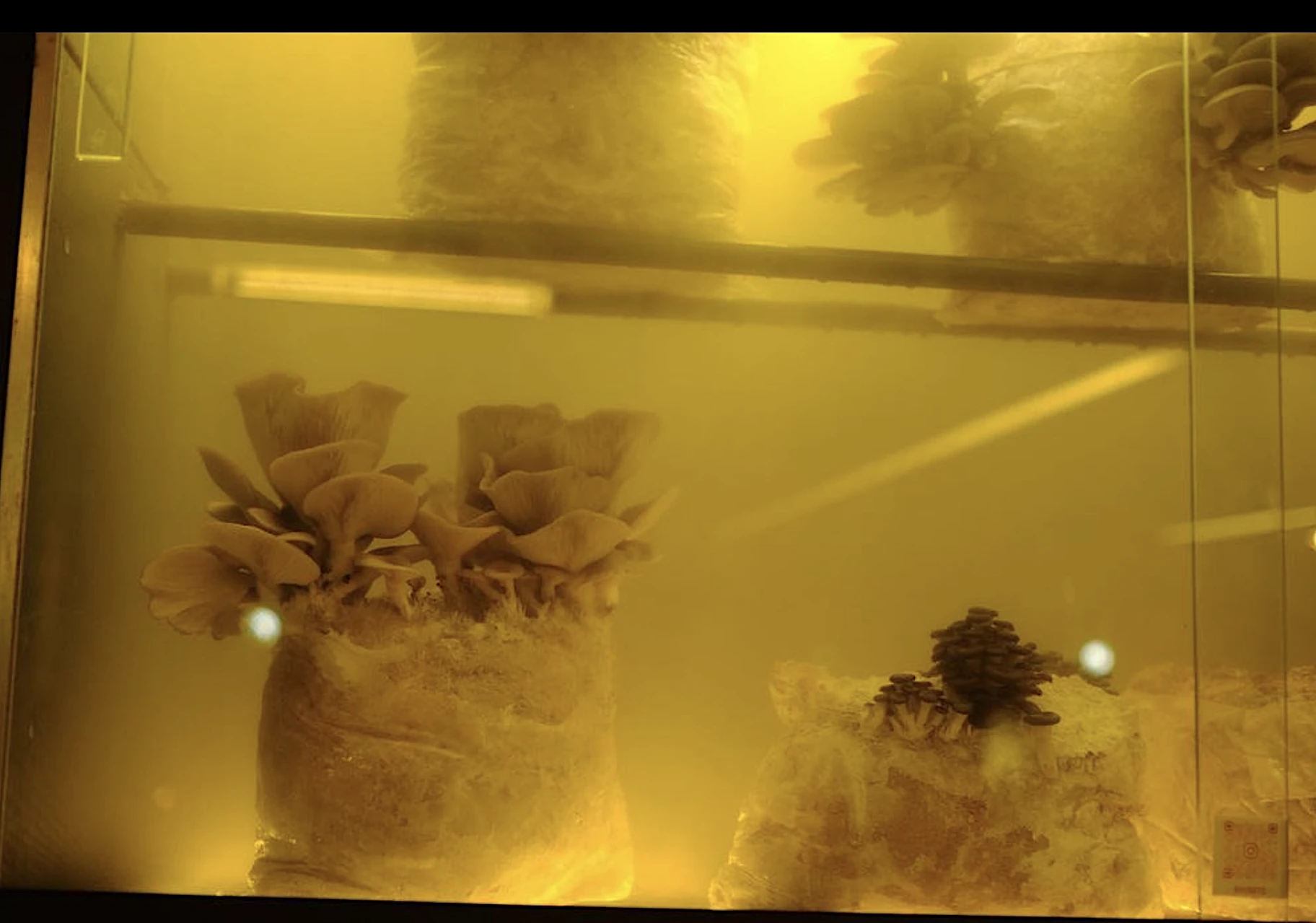
Chuí’s kitchen follows the same philosophy: ingredients take center stage, ovens (both clay and conventional) play a major role, and creativity is used not to imitate meat but to move beyond that framework altogether. Some weeks, the team works through as much as 100 kilos of mushrooms, and it shows. They appear throughout the menu, from oyster mushroom milanesa and pâté to less obvious creations like lion’s mane mushrooms served with a Korean cucumber and turnip salad, one of the menu’s standout dishes.
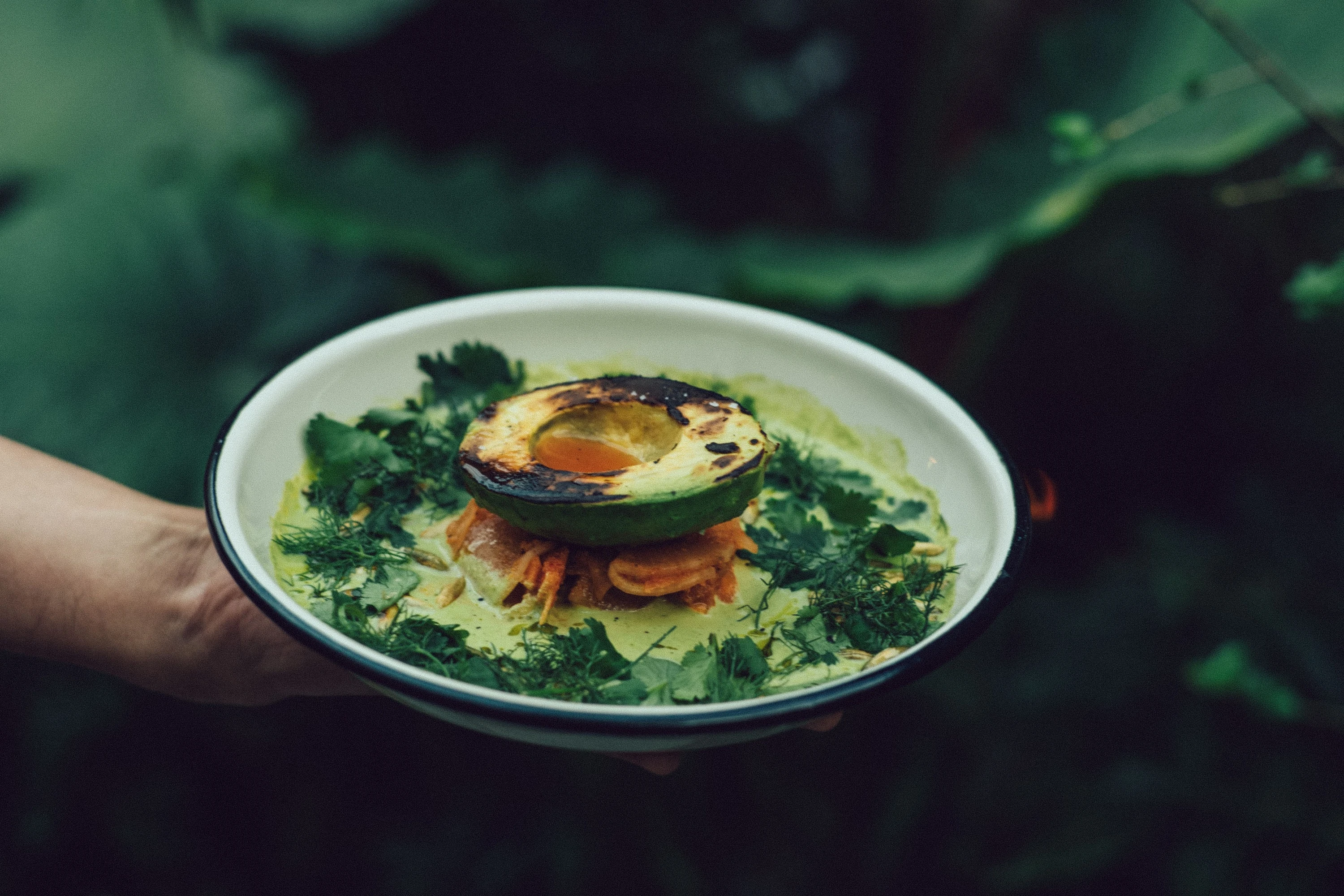
Another hit is the grilled white polenta: served with chicory chimichurri and aged cheese in a perfectly rectangular block that’s crisp on the outside and silky inside. Other highlights include giant beans cooked for days in green curry using the oven’s residual heat, addictive charred baby corn with a roasted jalapeño mayonnaise that elevates every bite, and fresher combinations such as avocado with kimchi and leche de tigre.
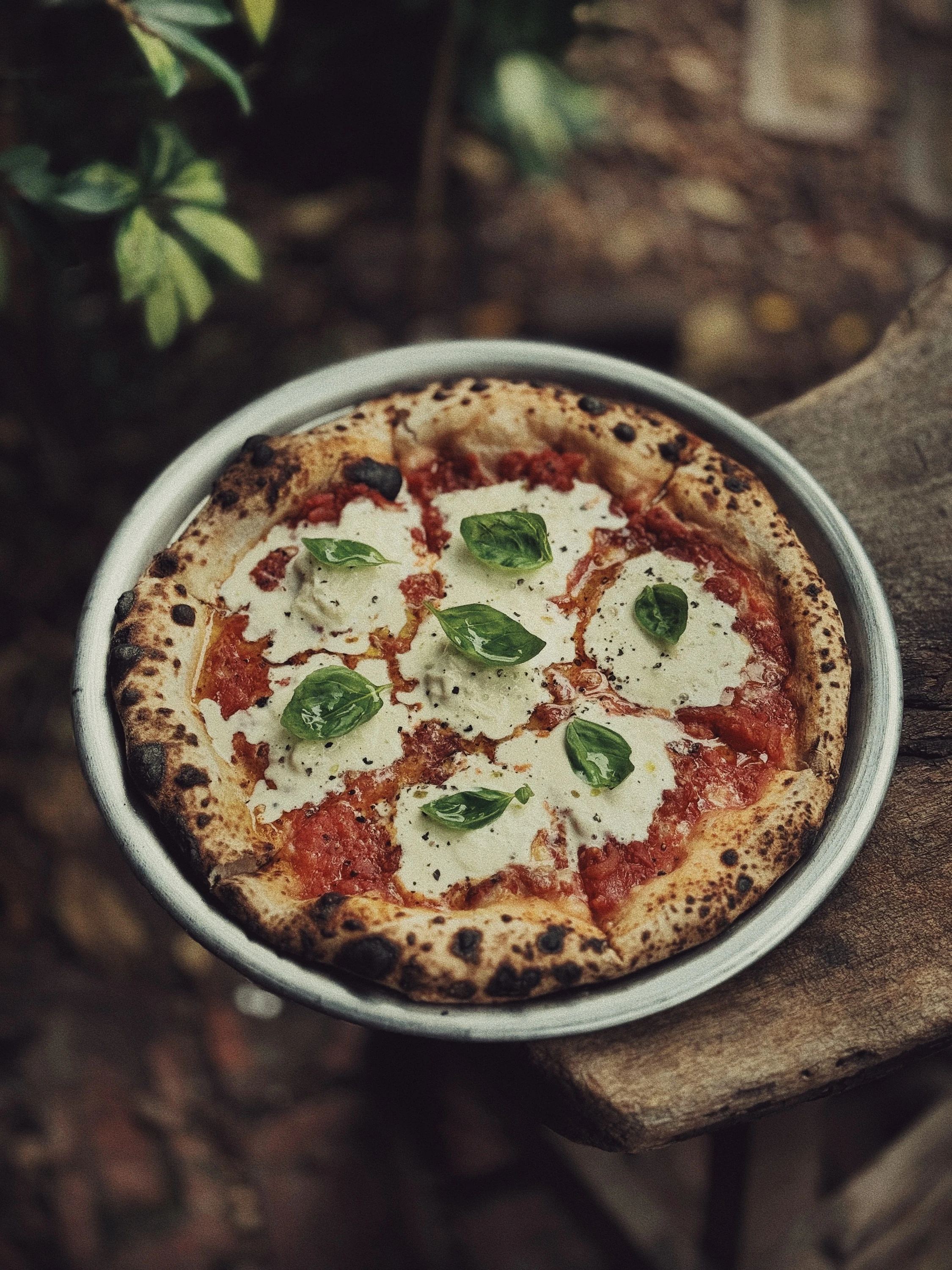
For those seeking something more familiar, there are pizzas—marinara, fugazzeta, kale, margherita, and four-cheese varieties—offering an affordable option to share over a beer. According to the founders, that accessibility is central to the restaurant’s spirit: a place where you can enjoy an excellent meal without spending a fortune.
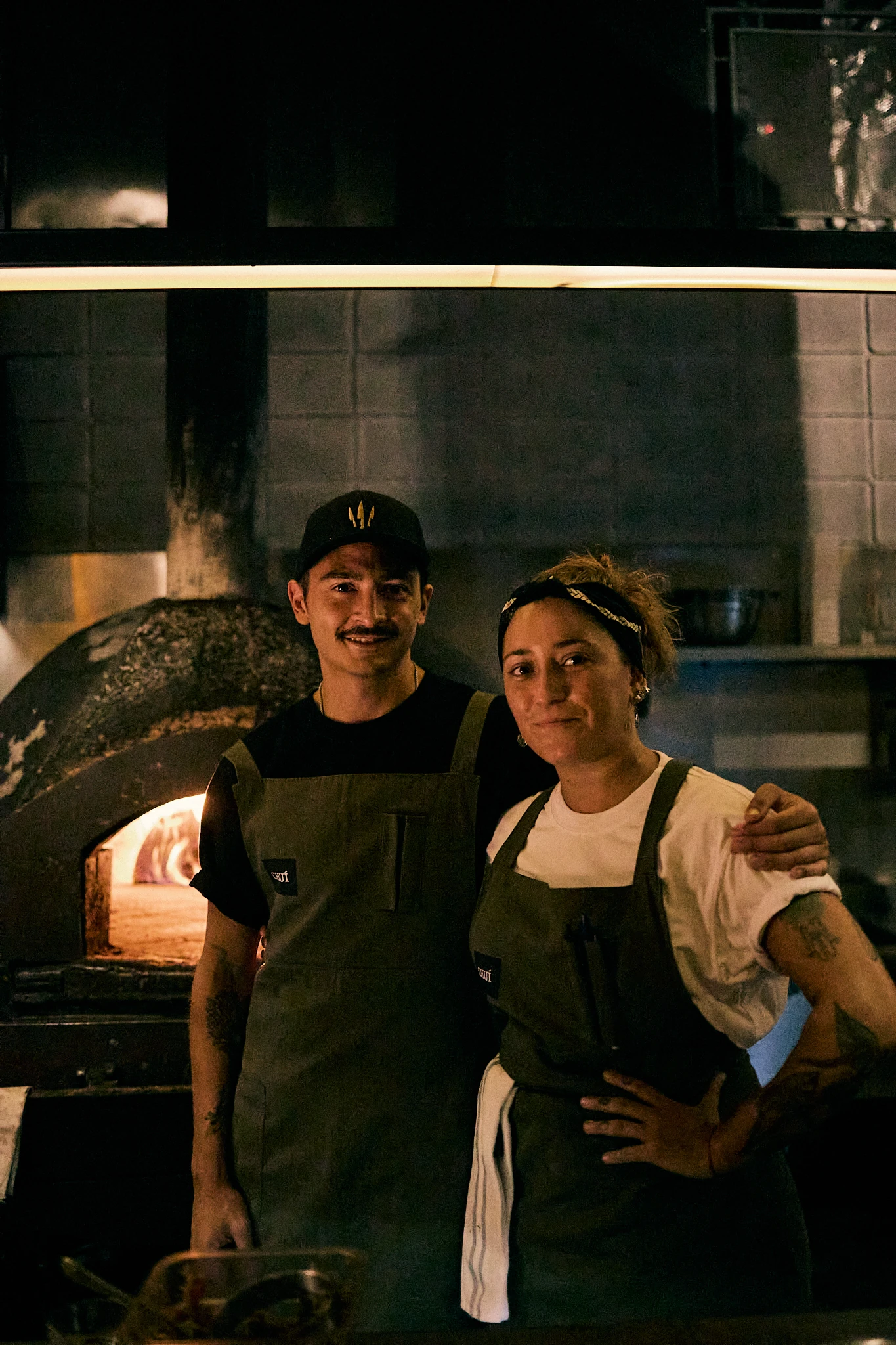
Leading the kitchen is Vicky Di Gennaro, who developed the restaurant’s original menu. She worked alongside Francis Mallmann, headed the kitchen at Proper, and has now returned to Chuí as executive chef to bring fresh energy to the project. Her influence is evident in the confident use of fire and the balance between technique and informality. Even on a busy night, she finds a moment to stop by tables and ask guests how everything is going.
You may also like: Estancia Vigil, the Vineyard Restaurant Visited by Colapinto
Later, Di Gennaro guides us through the desserts, which follow the same experimental spirit as the rest of the restaurant. We try a butterscotch dessert—comforting and deeply flavorful—and a creamy almond dulce de leche creation that steals the spotlight not only for its rich taste but also for the dehydrated pineapple shards crowning it: sculptural pieces that resemble flower petals.
The wine list pairs beautifully with the food. We sample a Laborum Torrontés from El Porvenir de Cafayate, a Chardonnay Orange Wine from Verum Patagonia (Bodega López Montero), a Nebbiolo from El Raro—the project of Córdoba-based winemaker Gabriel Campana—and our favorite, a Malvasía from Livverá, a white wine from Tupungato created by winemaker Germán Massera of Escala Humana Wines. The bar program is equally thoughtful, featuring classics not often found in restaurants, such as a Bloody Mary.
You may also like: 15 Places to Eat Very Well in Buenos Aires for Less Than ARS 30,000
But perhaps the most interesting thing about Chuí isn’t found on the plate—it’s in the intention behind it. Rather than creating a “vegetarian restaurant” in the traditional sense or building an identity around restriction, the goal is to build it around desire. The food is compelling enough that the absence of meat simply stops being relevant. Five years after opening, the formula still works. You leave without having missed it. Or, more accurately, without having thought about it at all.