
[image]
[title]Buenos Aires’ food scene is once again making headlines around the world. In its selection of the best culinary destinations for 2026, Time Out Global included Buenos Aires among the world’s 20 must-visit cities for dining out.
Far from the usual commercial lists or online voting rankings, this curation is the result of extensive field research led by editors and food experts from the magazine’s global network. The final selection is further enriched by the perspectives and opinions of thousands of locals.
The Culinary Identity That Captivated Time Out’s Experts
The final list is not intended to rank cities against one another, but rather to spotlight urban centers where gastronomy is experiencing a particularly exciting moment of growth and innovation. In that regard, the report emphasizes how Buenos Aires has moved beyond stereotypes to showcase a deeply authentic culinary identity.
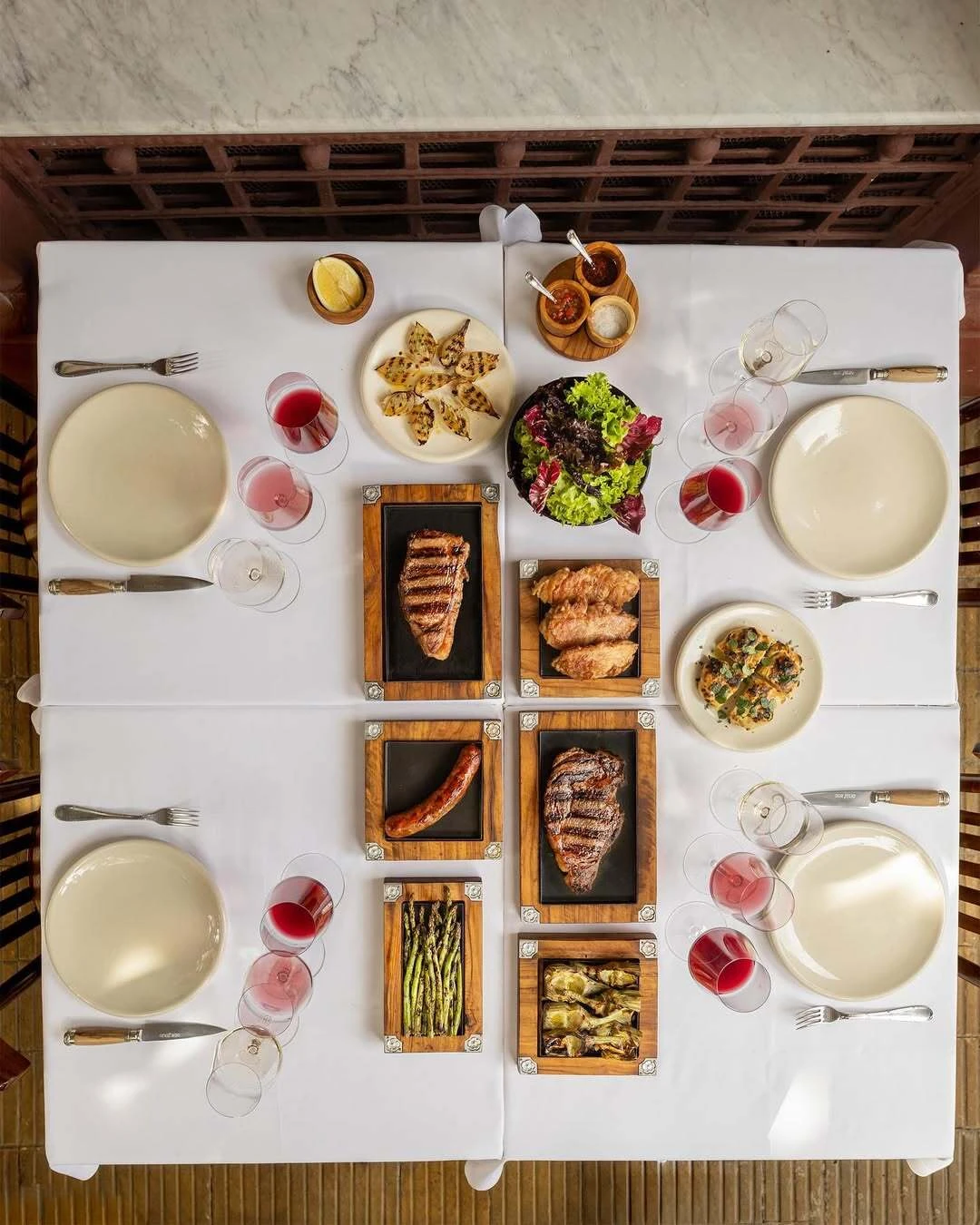
The city’s food culture emerges from the intersection of different communities—a fusion born from the Spanish and Italian immigration waves of the last century, intertwined with Argentina’s criollo traditions. Buenos Aires-style pizza, famous for its thick crust and generous layers of cheese, is a clear example. Meanwhile, within this landscape of flavors and cultural influences, Argentine beef has turned the city’s steakhouses into a cornerstone of its cultural identity and one of its greatest attractions.
Several factors supported this recognition, particularly the strong decentralization of Buenos Aires’ dining scene across the city’s neighborhoods. Here are the trends, districts, and dishes that ultimately won over the world’s attention.
Beyond its famous steakhouses, Buenos Aires is reconnecting with its immigrant roots through the rise of the “neo-bodegón.” A new generation of young chefs is putting flavor first, honoring local culinary heritage through a neighborhood-driven spirit and serving nostalgic dishes executed with impeccable technique. This approach can be experienced at the laid-back Garabato in Núñez and at Silvino, located in the heart of “Chacagiales,” the trendy dining district that connects Chacarita and Colegiales.
The Restaurants and Trends Driving Buenos Aires’ New Food Scene
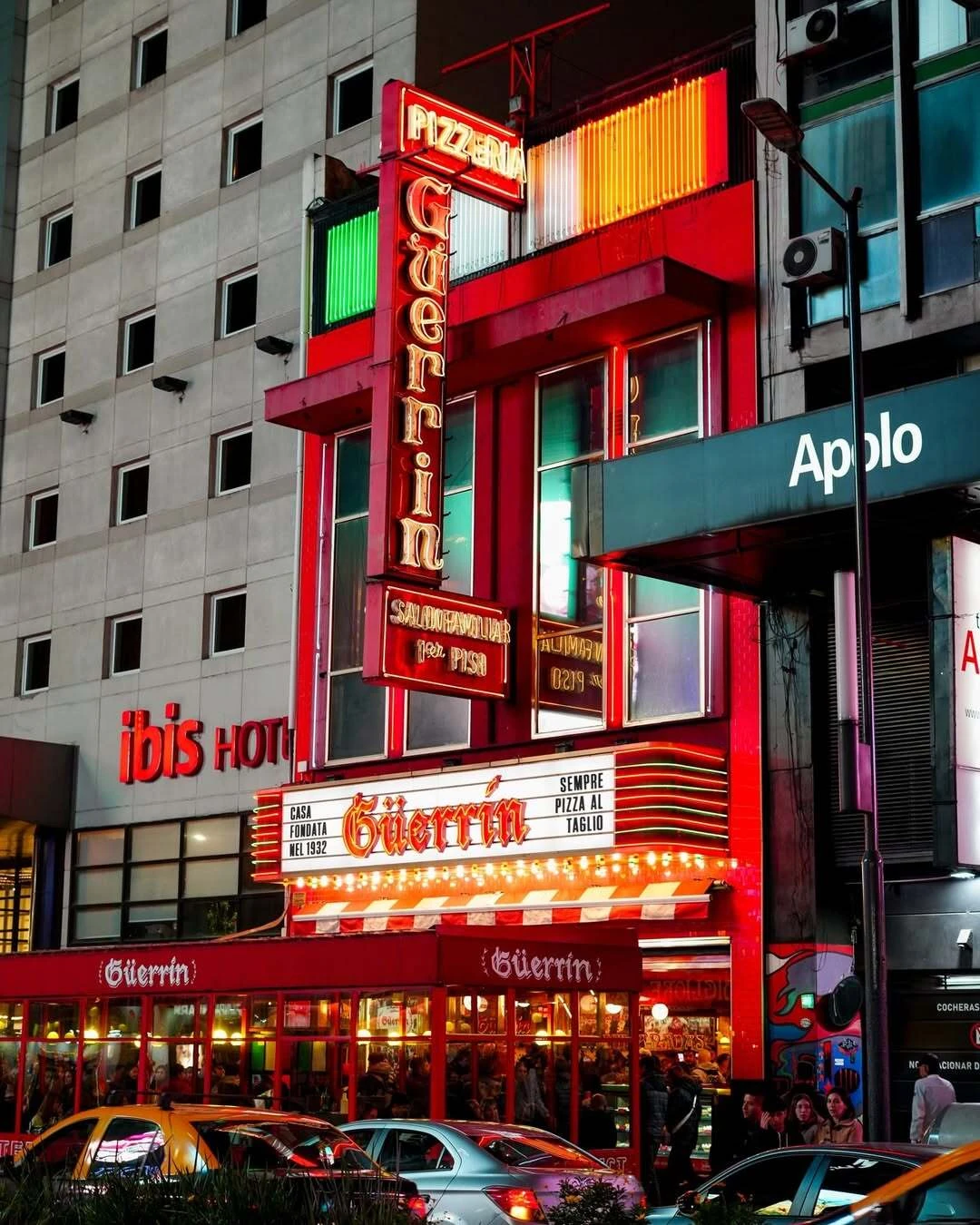
At the same time, the city’s devotion to pizza is enjoying a golden age. People are willing to wait in line for over an hour, whether to discover the innovative creations of Kalis Pizza or to revisit legendary institutions such as Güerrín and El Cuartito.
For those searching for a hidden gem, the neighborhood of La Paternal is home to the one-of-a-kind Santa Inés, while Palermo’s Gran Dabbang remains an undisputed icon of fusion cuisine served through small plates. Along the same line of detail-oriented projects, the Italian elegance of Evelia and the creativity of Ness also stand out.
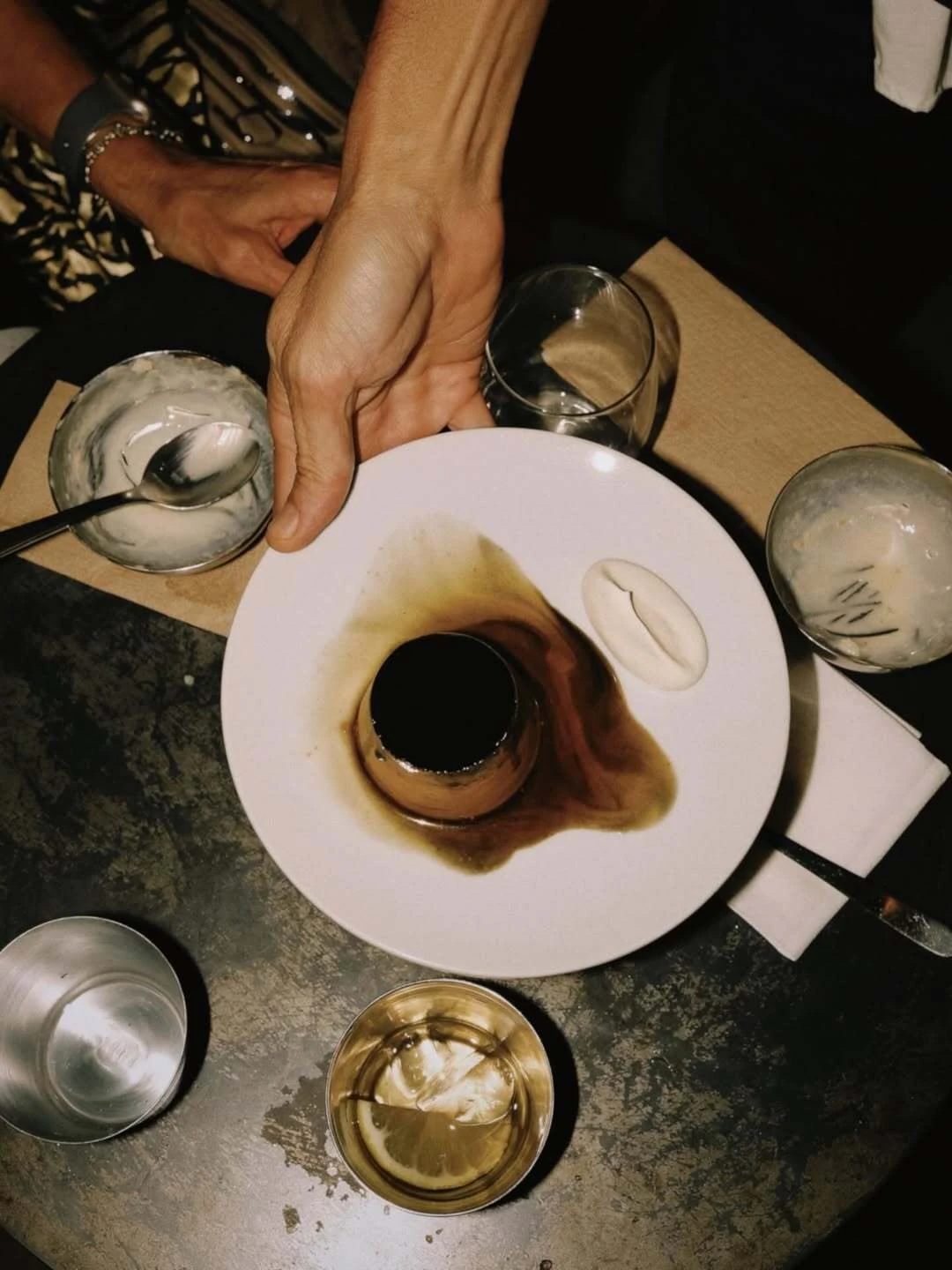
In this effort to preserve what is authentically porteño, the revuelto gramajo at Los Galgos earns universal praise. As one of Argentina’s signature dishes served in a historic notable bar, many agree that if you have only one night to capture the essence of Buenos Aires, this is the place to do it.
Moreover, in a city internationally recognized for its vibrant cultural scene, contemporary gastronomy increasingly merges with local arts through high-quality live performances. Today, the iconic Santa Evita stands as one of the leading examples of this trend, constantly reinventing itself while remaining true to its identity.
This search for identity is so widespread that even the creators of the award-winning and highly exclusive Parrilla Don Julio have recently opened Social Corazón, a reasonably priced neighborhood eatery that reflects Argentina’s historic resilience and has quickly become an essential stop for understanding the latest developments in the local dining scene.
Being included in this select group not only reinforces Argentine cuisine as an undeniable cultural force, but also confirms that the Buenos Aires ritual of gathering around the table—with its endless after-dinner conversations and strong sense of community—has become a phenomenon that fascinates people around the world.