

Cine Gaumont has just entered the big leagues: it was selected by the global editors of Time Out as one of the best cinemas in the world. Yes, the one on Avenida Rivadavia at 1600, facing Congress—the one that makes Argentine cinema the main event, not a side note.
Ranked 47th on the global list, Cine Gaumont shares the spotlight with true film temples such as the TCL Chinese Theatrein Los Angeles, the Le Grand Rex in Paris, the Film Forum in New York, the Cine Doré Filmoteca Española in Madrid, and the Cinemateca Portuguesa in Lisbon. This is no minor list: we’re talking about historic venues with strong identities, curated programming, and real cultural weight.
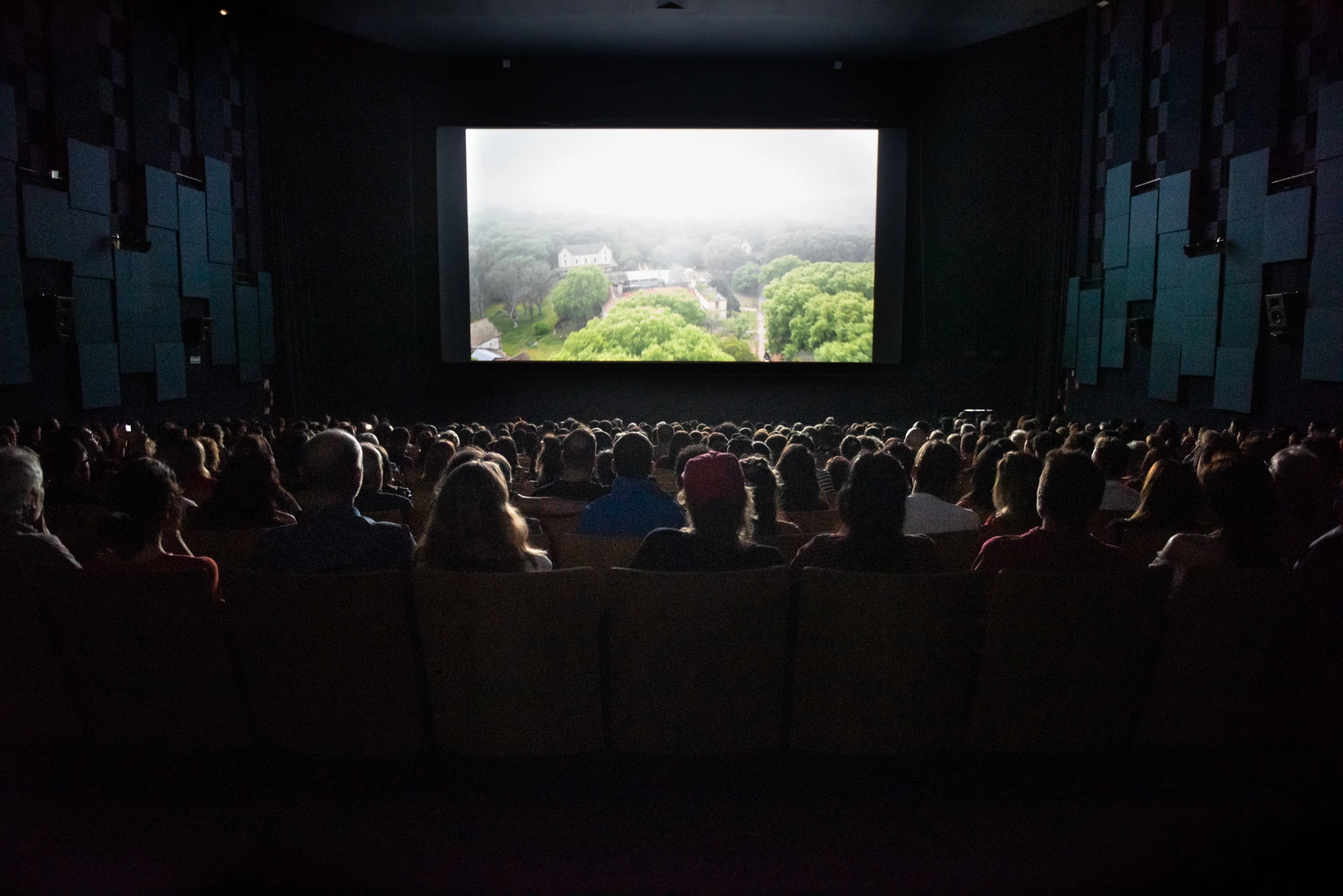
Gaumont has history. The first cinema on that very site opened in 1912 under the name Cine Plaza Congreso. In 1922 it adopted its current name in tribute to French pioneer Léon Gaumont. The building we see today was inaugurated in 1946 and is a clear example of Buenos Aires rationalist architecture.
You might also like: Art 2026 in Buenos Aires, The Cultural Calendar You Need to Save Now
After its most recent major renovation in 2019, the theater now features three modern screening rooms. The main one, Sala Leonardo Favio, seats around 600 people and feels grand in scale: a wide screen, powerful sound, and that increasingly rare sensation of being in a cinema designed purely for cinema.
But what truly sets Gaumont apart isn’t just its architecture or technology.
It’s its role. While commercial multiplexes prioritize global releases, Gaumont serves as a stronghold for Argentine and independent cinema. It’s the screen where many national films find their audience. For many, it’s the home of Argentine cinema.
And there’s a key detail: tickets cost less than half of what commercial chains charge. In a city where going to the movies can feel like a premium plan, Gaumont keeps the experience democratic and accessible.
Being listed among the best cinemas in the world is more than symbolic recognition. It confirms something Buenos Aires has known for decades: Gaumont isn’t just a movie theater. It’s living cultural heritage.
And in an era of disposable screens, that’s no small thing.