

[image]
[title]Mendoza’s wine industry is shaped by the mountains. The Andes define the climate, provide the water, and build the soils. In Mendoza, wine begins long before the vine. It starts in the mountain range itself, that massive structure that stores snow which, once melted, feeds the rivers that make every vineyard possible.
The mountains also create the soils: rocks break apart, mix together, and form the gravel, sand, and clay where vines grow. So, talking about Mendoza wine inevitably means talking about geology, water, and time. In other words, terroir.
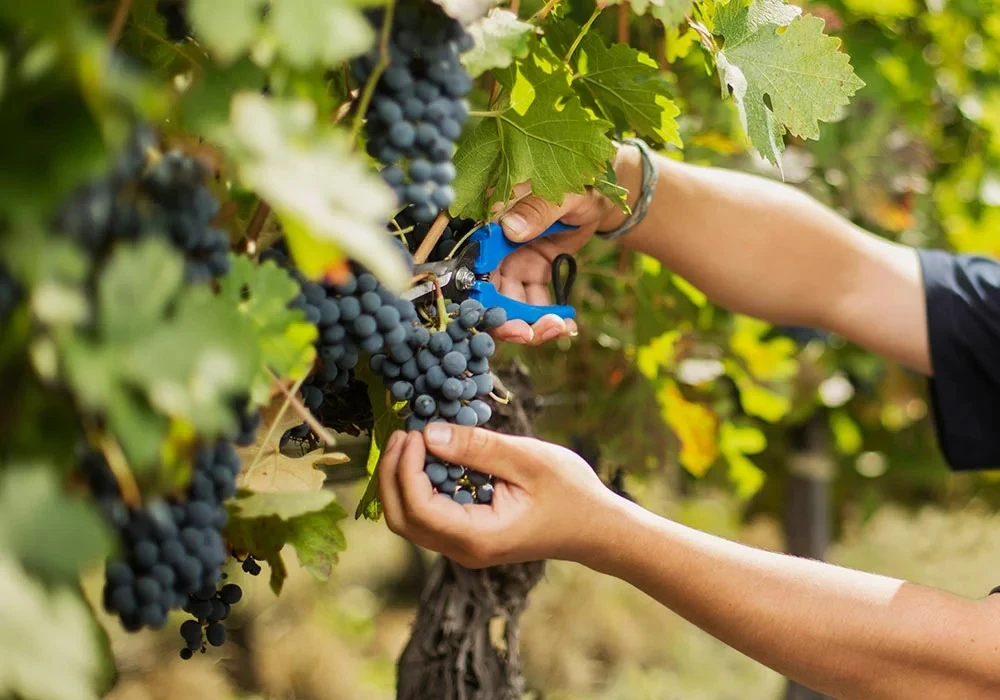
And what sets apart wines that most accurately express their place of origin is that they don’t speak only about a grape variety. They are the result of a balance between climate, soil, and human decisions: how the wine is fermented, how long it macerates, and the role wood plays.
That’s why, when a label says its grapes come from Chacayes, Gualtallary, Paraje Altamira, or Las Compuertas, it is really talking about the mountains. And every bottle becomes an invitation to explore them.
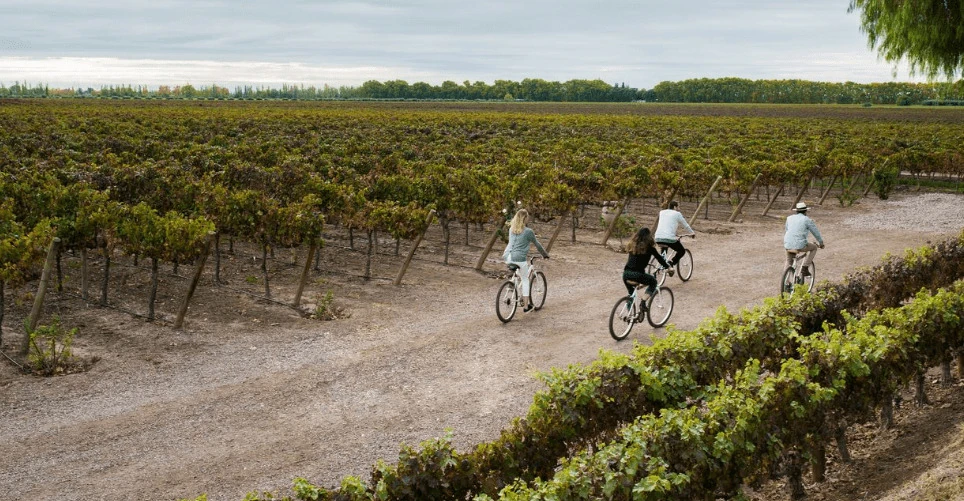
What is terroir?
In the wine world, the word terroir comes up constantly, but it’s not always clear what it means. Far from being an abstract or technical concept, terroir is simply the place itself: the climate, the soil, the altitude, and everything surrounding that vineyard. Understanding it changes the way you choose and drink wine. Because the same grape can produce completely different results depending on where it grows. That’s where the fun begins. It’s not just about the variety, but about its origin.
Reading a wine label means reading that terroir. Region, zone, estate, or plot: the more precise the information, the more clues you have about what’s waiting in the glass. Malbec is a perfect example. In Mendoza — where most of the country’s production of this grape is concentrated — there isn’t just one style. In the Uco Valley, for instance, high-altitude wines dominate, while in Luján de Cuyo you’ll find profiles with softer tannins.
Mendoza’s wine regions: where to start exploring
At a broad scale, Mendoza is divided into five major wine regions: North (Lavalle and Las Heras), Central (Godoy Cruz, Guaymallén, Maipú, and Luján de Cuyo), East (San Martín, Junín, Rivadavia, Santa Rosa, and La Paz), Uco Valley (Tupungato, Tunuyán, and San Carlos), and South (San Rafael, General Alvear, and Malargüe).
From there, the map becomes more complex. Productive zones and Geographical Indications (GI) appear, helping explain what’s happening inside each wine. To make it easier, we put together a guide through some of the province’s key areas, along with practical tips so you can choose, move around, and enjoy Mendoza with a glass in hand.
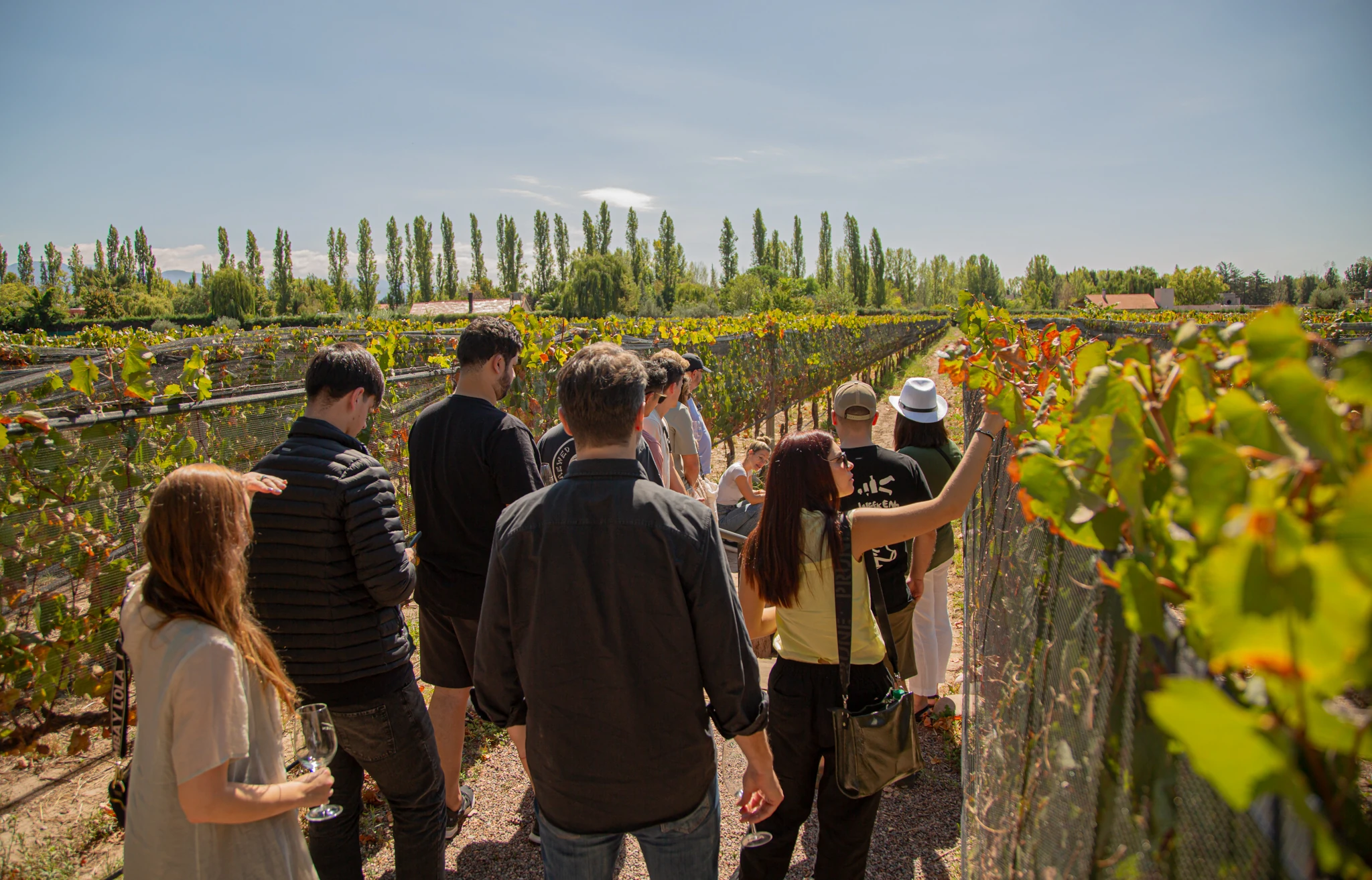
To explore them, there’s no need to improvise or stress about transportation. There are options for every pace, from renting a bike and cycling between vineyards — ideal in areas like Maipú or Luján de Cuyo — to hiring transfers that allow you to visit several wineries. There’s also the Wine Bus, a practical alternative connecting key spots while letting you design your route freely.
1. Tunuyán, the gateway to the Uco Valley
Tunuyán is one of the Valley’s most diverse departments, with vineyards located between 875 and 1,300 meters above sea level. The character of this area is shaped by both its cool climate and its alluvial soils, made up of sand, silt, and rounded stones.
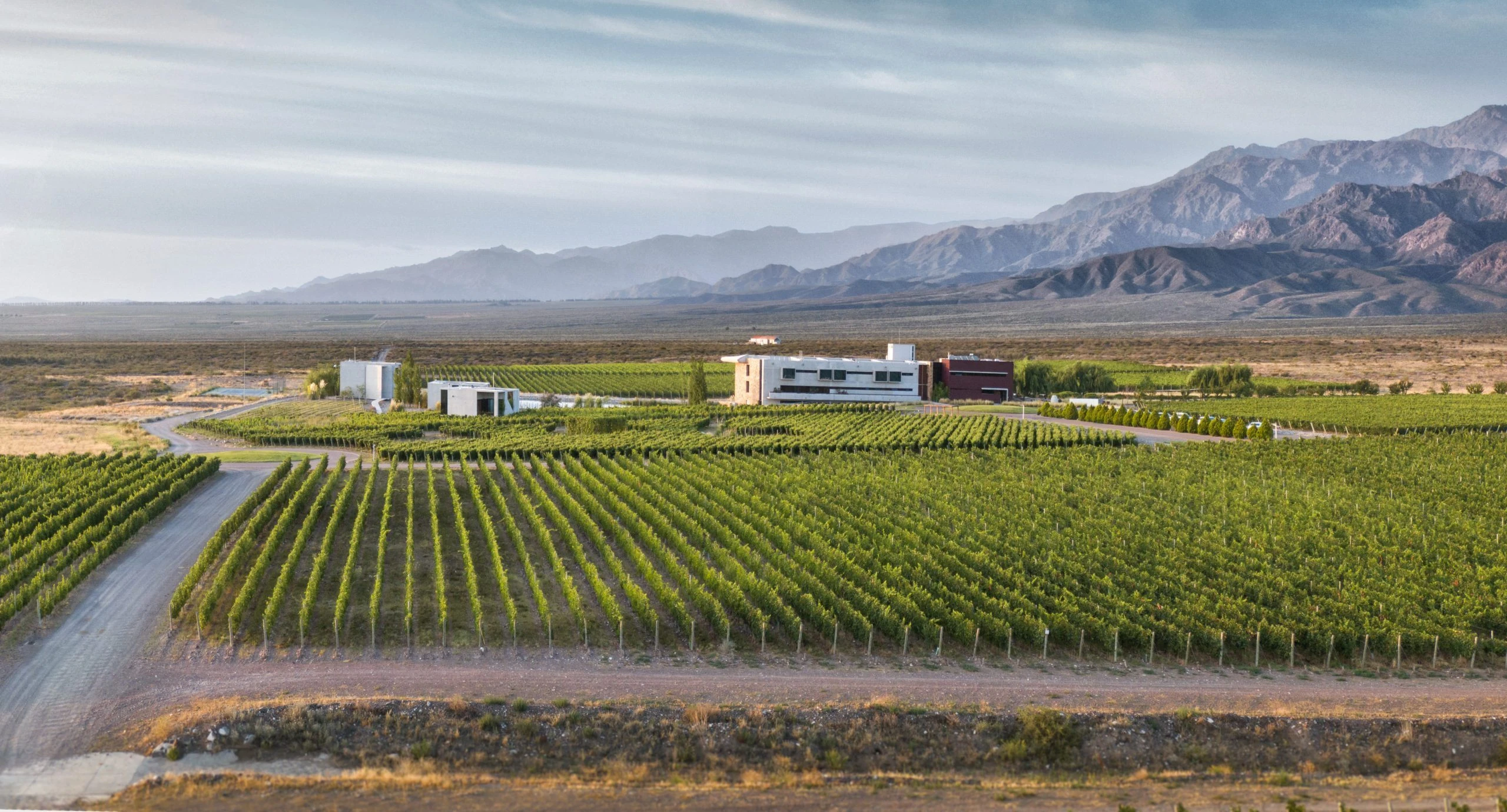
As you dig deeper, nuances emerge. In Los Árboles, you’ll find freshness and red fruit, like in Salentein SV Cabernet Franc. In Los Chacayes, mineral character and structure stand out in wines such as SuperUco Calcáreo Malbec. And in Vista Flores, elegance and floral aromas shine through, especially in Cadus Appellation Chardonnay and during a must-visit stop at Finca Tikal, the Uco Valley’s first biodynamic winery.
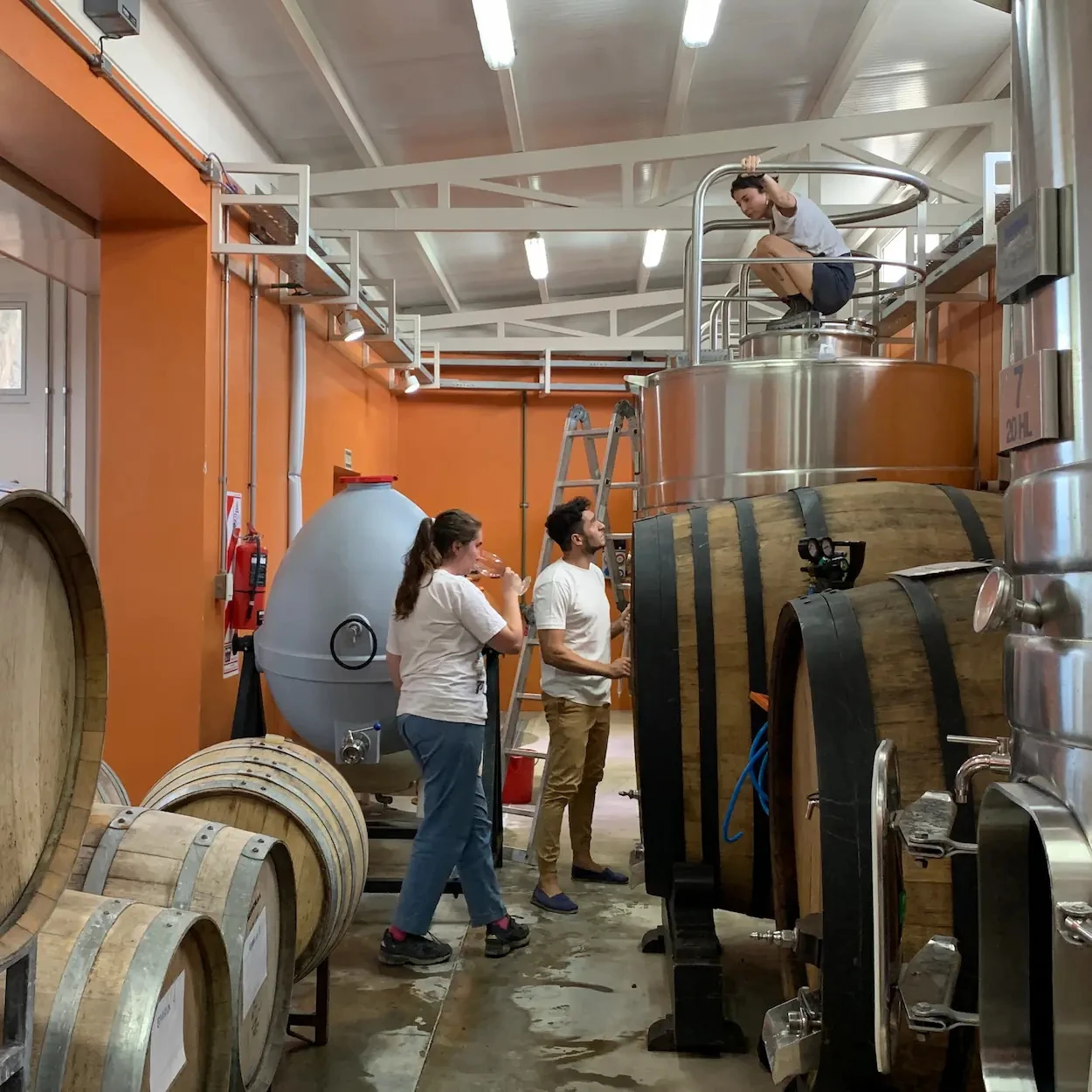
Tip: Pielihueso is one of the most interesting projects in the area, focused on organic micro-vinifications and recognizable by its signature orange tree. On the property you’ll also find La Amistad, a mountain restaurant made for long lunches. The menu was designed by chefs Mica Najmanovich and Nicolás Arcucci, the same duo behind Anafe restaurant in Colegiales, Buenos Aires.
2. San Pablo, a terroir pushed to the limit
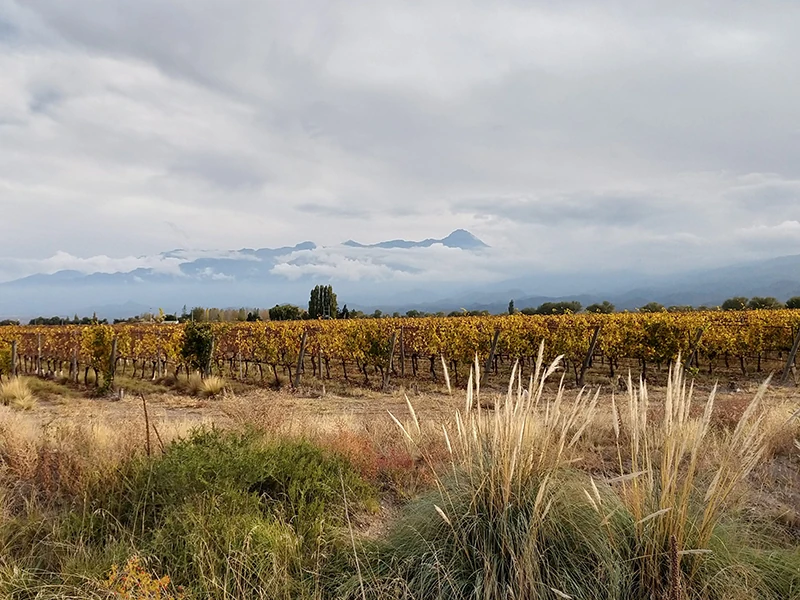
The San Pablo GI, in Tunuyán, deserves its own section. Everything here exists at the edge: frequent frosts, dramatic temperature swings, and constant winds. Closer to the mountains, the climate doesn’t simply accompany the vines — it defines them.
That extreme character shapes the wines. They are more tense, sharp, and naturally high in acidity, something impossible to “manufacture.” They show less volume and more precision. This is a terroir that doesn’t try to please everyone; it seeks to clearly express its origin.
Tip: At high altitudes (between 1,450 and 1,600 meters above sea level), this GI stands out for its white wines, especially Chardonnay. Labels worth trying include Zuccardi Fósil Chardonnay from Finca Las Cuchillas and Alta Collection Chardonnay from Bodega Tapiz.
3. Tupungato, the summit of the Uco Valley
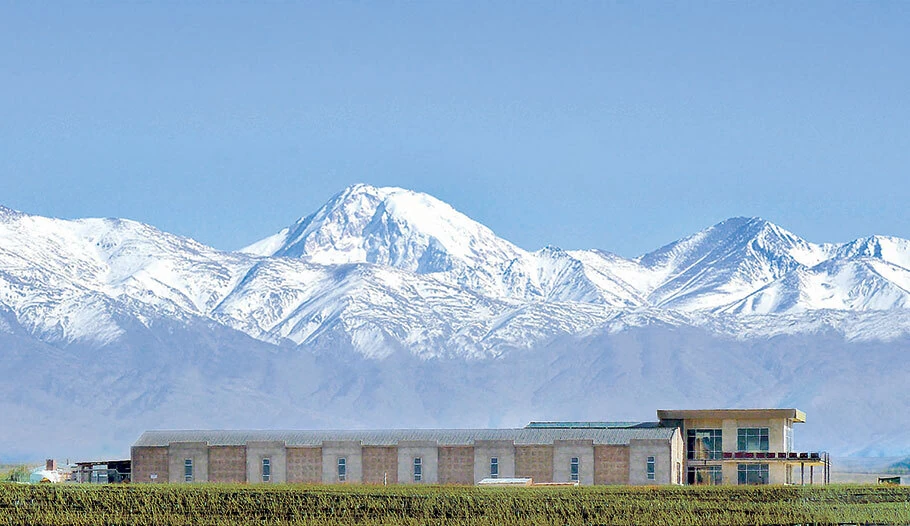
Tupungato is synonymous with extreme altitude and premium wines. Some of Mendoza’s most ambitious projects are concentrated here, with vineyards reaching up to 2,000 meters above sea level. Limestone-rich, rocky soils combined with demanding conditions produce wines with outstanding aging potential.
Within the region, distinct subzones emerge: El Peral is known for delicate and aromatic wines (like Altar Uco Edad Moderna Malbec by Juan Pablo Michelini); Gualtallary offers chalky profiles with dry textures and strong identity (Gran Enemigo Gualtallary CF); while La Carrera — one of the coldest spots — produces sharp, vibrant wines full of freshness (Riccitelli Vino de Finca Sauvignon Blanc).
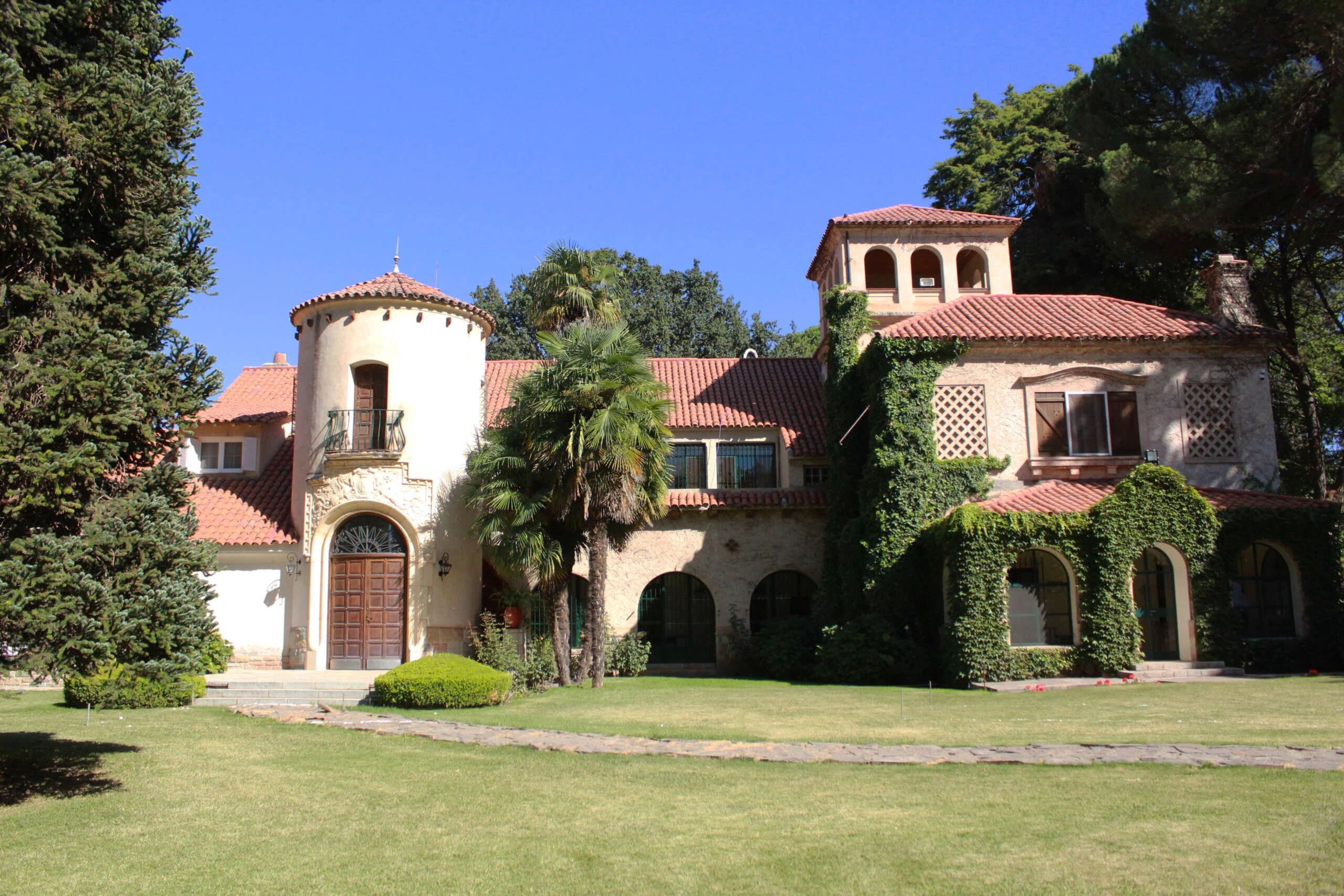
Tip: This area is home to Chateau D’Ancón, a historic estancia built in 1933 where visitors can stay overnight. The experience is completed by its winery, producing wines since 1926, and WineSpot El Granero, a laid-back space that combines wine, food, and scenery.
4. San Carlos, diversity turned into wine
With more than 8,000 hectares of vineyards, this territory is one of the most diverse in the Uco Valley. Malbec takes center stage, but what’s fascinating is how much it changes depending on the area.
In La Consulta, wines tend to be more traditional and powerful (Las Perdices Exploración Malbec); in El Cepillo, they become austere, sharp, and fresh (Gran Enemigo El Cepillo Cabernet Franc); while Paraje Altamira — one of Mendoza’s most celebrated zones — sets the tone for mineral-driven wines (Raquis Los Parajes Blend). Different styles coexist within the same department, showing just how much a single grape variety can vary.
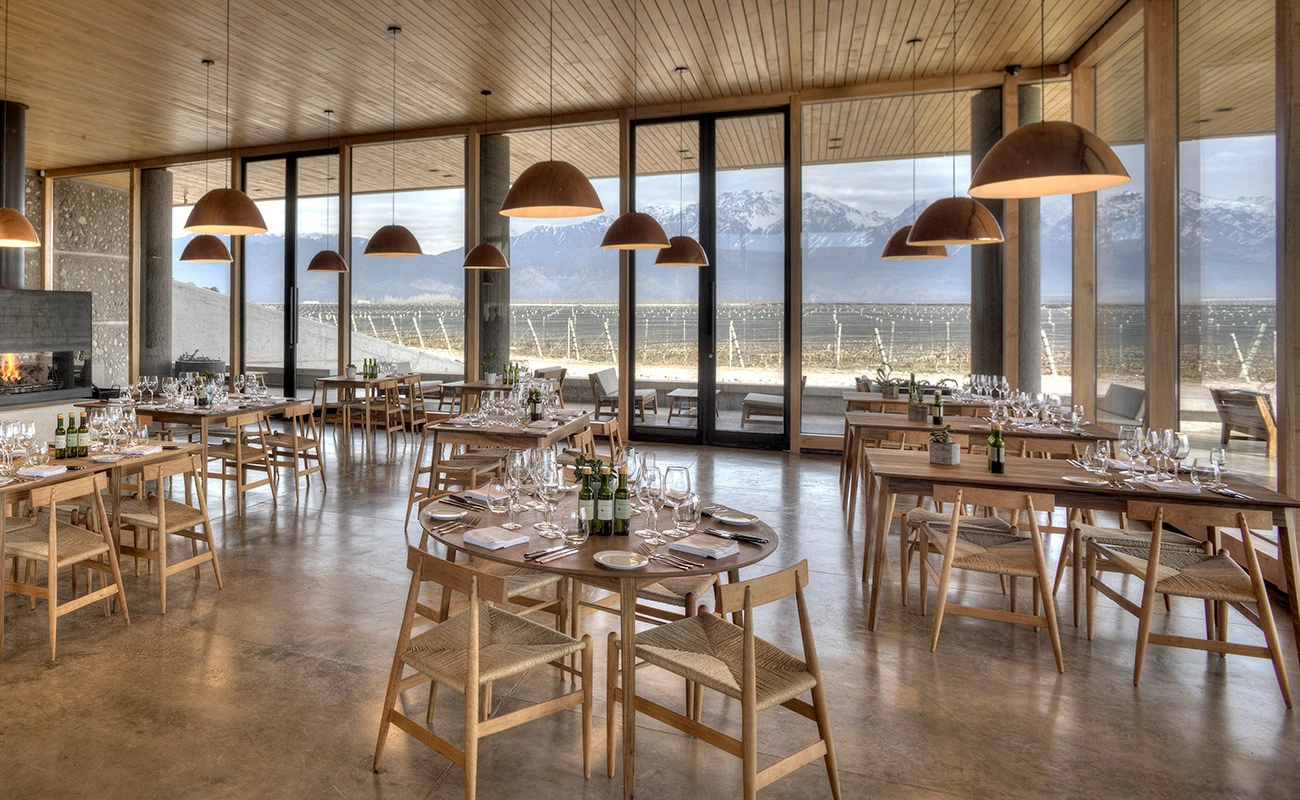
Tip: Piedra Infinita Cocina, located at Bodega Zuccardi, is one of the region’s standout gastronomic experiences. Recommended by the Michelin Guide 2024, it offers a tasting menu built around local ingredients designed to dialogue with Uco Valley wines.
5. Luján de Cuyo, the classic “first zone”
Luján de Cuyo is synonymous with wine history and tradition. Thanks to the old irrigation system fed by the Mendoza River, the department evolved into a mosaic of zones and microclimates such as Agrelo, Perdriel, and Las Compuertas.
This last district is home to some of the province’s oldest vineyards — true living icons of Mendoza wine. From here come balanced labels with silky textures, ripe fruit, and natural freshness, a style that defined the classic profile of Malbec for decades. The region also holds a Controlled Designation of Origin (D.O.C.), a seal guaranteeing the origin and identity of its wines, all tied together by the same thread: terroir.
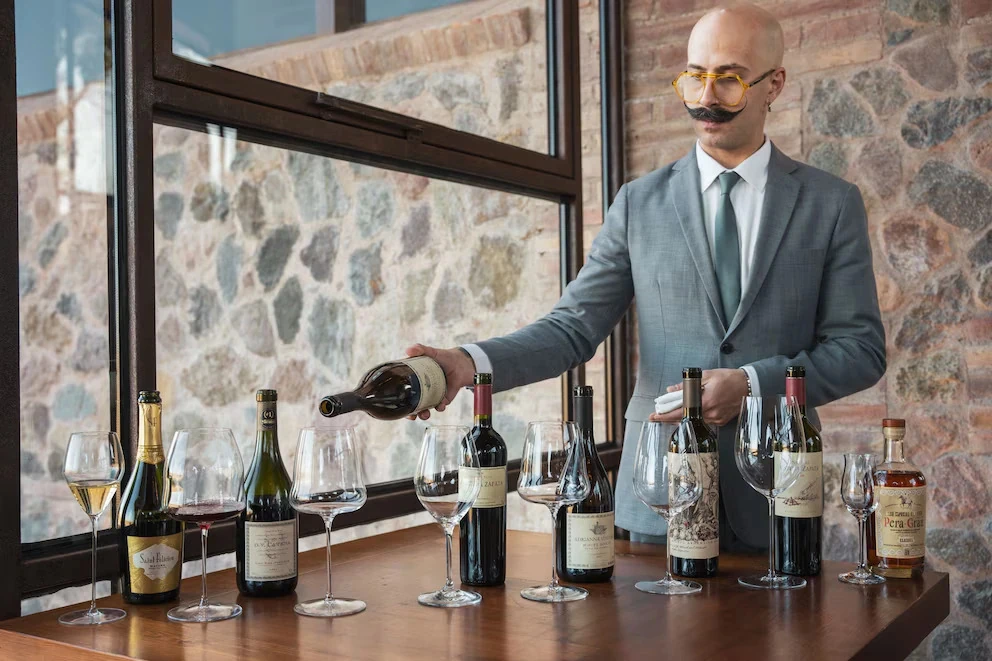
Tip: In Agrelo, Angélica Cocina Maestra — Catena Zapata’s restaurant — offers a “Wine First” experience in which the wine guides the menu. It received both a Michelin Red Star for excellence and a Green Star for sustainability.
6. Maipú, tradition reinvented
This department combines history and renewal. It is one of Mendoza’s oldest wine regions, yet today it feels dynamic, with wineries restoring their heritage while embracing new ways of making wine.
Areas like Barrancas, Lunlunta, and Russell shape the region’s identity. Classic varietals such as Malbec, Cabernet Sauvignon, and Chardonnay dominate, although newer bets like Garnacha are beginning to gain prominence on the local scene.
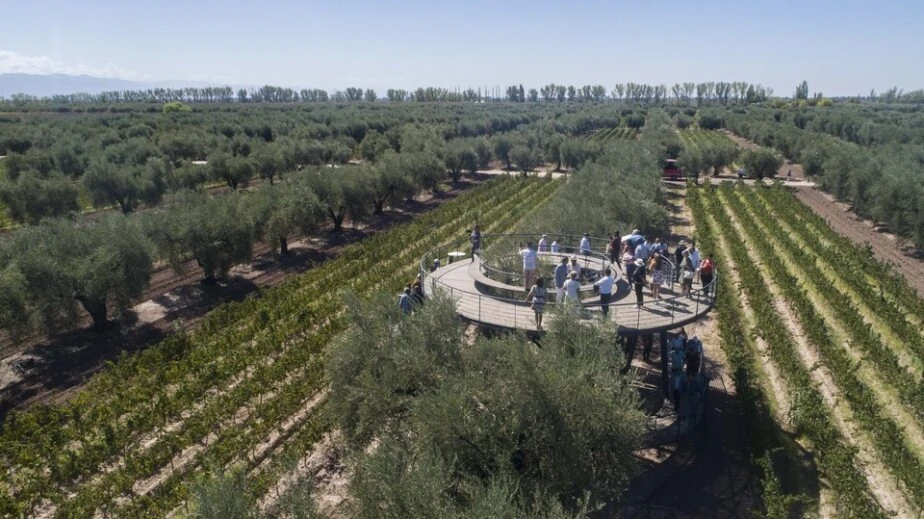
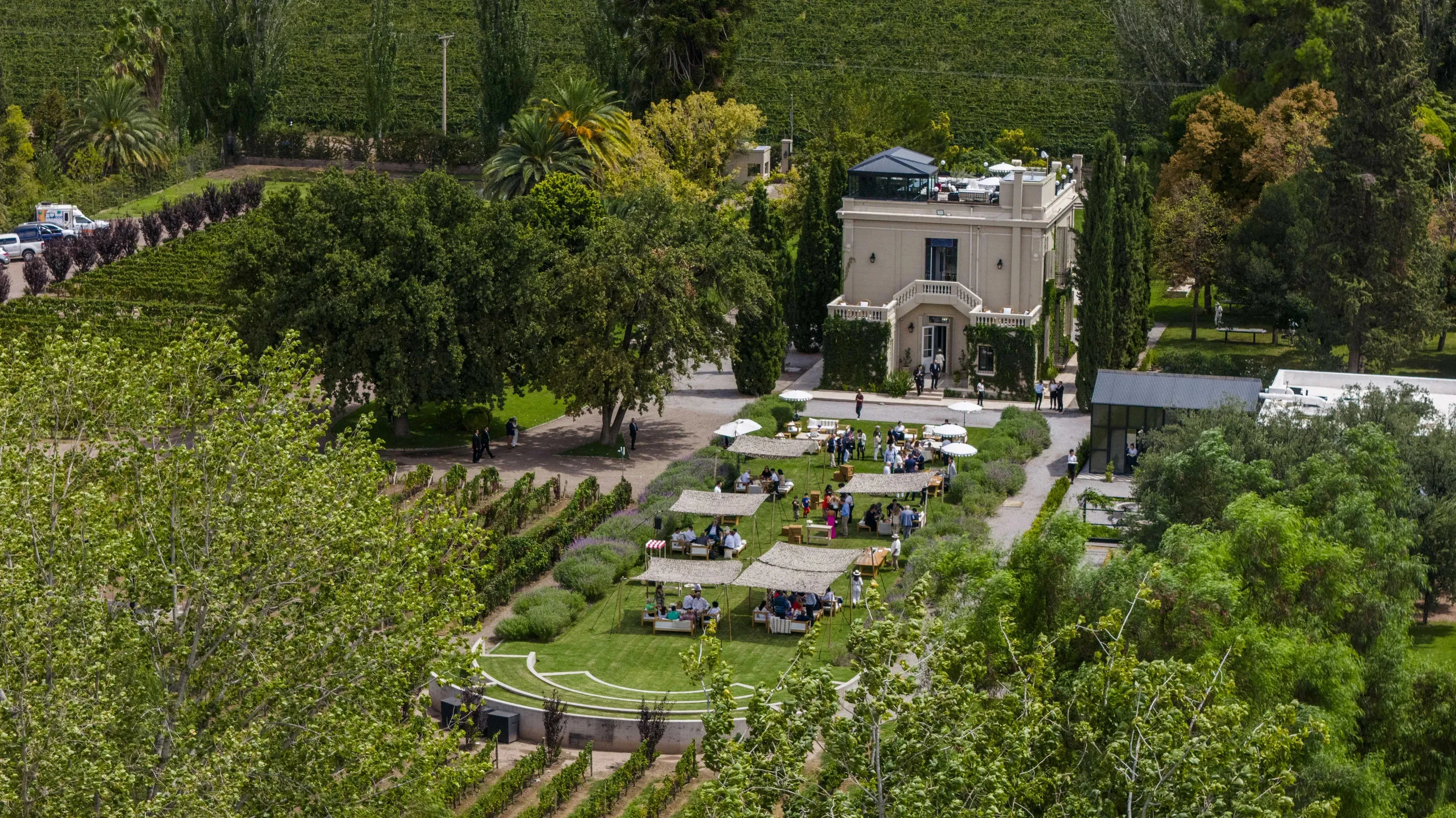
Tip: In Fray Luis Beltrán, Luigi Bosca’s Finca El Paraíso offers a complete experience. Located in a 1905 mansion surrounded by vineyards, it includes tastings, dining menus, accommodation options, and a rich cultural and family history. In 2025, the winery was named Best Winery of the New World by Wine Enthusiast magazine.
7. The East Zone, the wine map’s new frontier
For a long time, this region was associated with high-volume wines. Today, that narrative is beginning to change. In Mendoza’s productive heartland, the East Zone is gaining visibility thanks to projects focused on identity and a more thoughtful approach.
With warmer climates, old vineyards, and dry conditions, varieties like Criolla, Bonarda, and Pedro Giménez are making a comeback here. Grapes that spent years in the background are now finding a new voice through winemakers reinterpreting the territory.
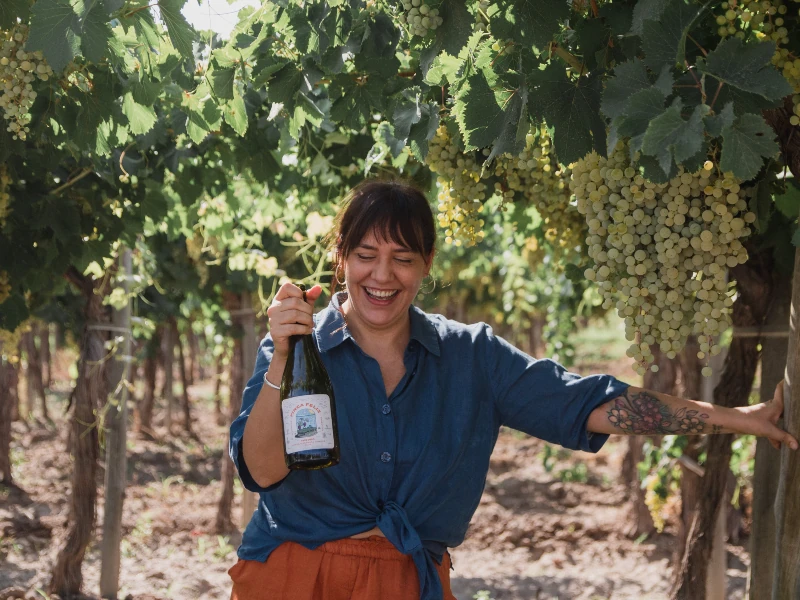
Wine tourism also moves at a different pace: more intimate, more personal, with family-run wineries where wine is experienced without filters.
Tip: In Junín, Finca Feliz was born as Bodega Clément’s low-intervention wine line — a family project with a natural, sensitive, and authentic vision of wine. These wines seek to express the natural evolution of each vine through non-standardized, sustainably certified, and vegan labels.
8. Uspallata, wine at extreme altitude
As the last Mendoza town before crossing into Chile, Uspallata usually belongs more to the mountain map than the wine map. The area is synonymous with breathtaking landscapes and wide-open skies. But in recent years, something has changed.
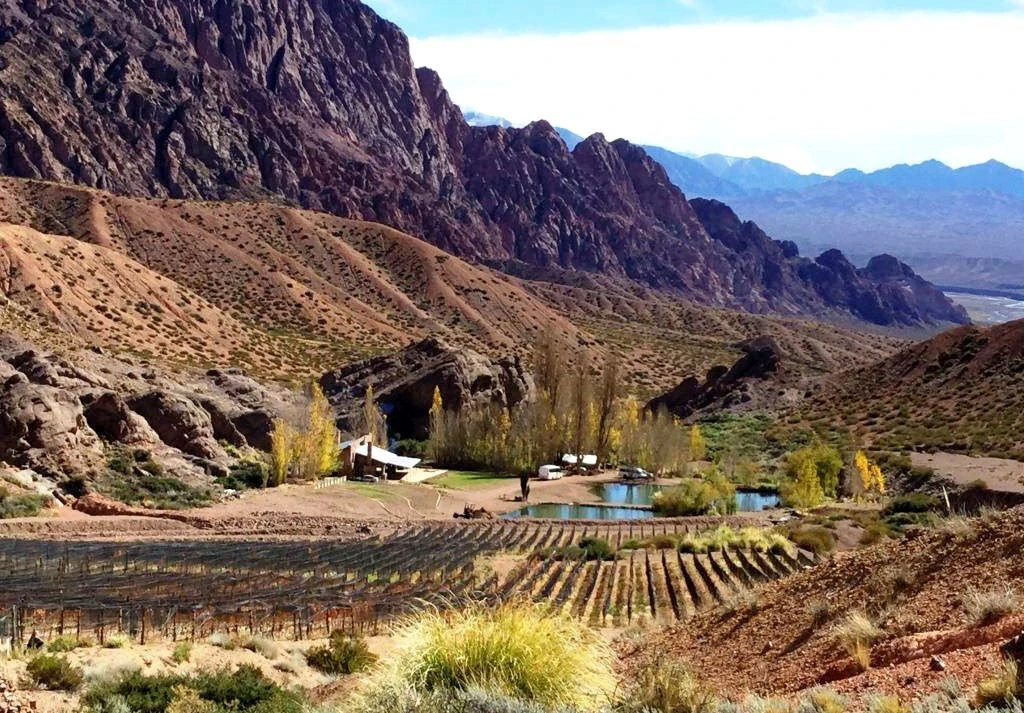
With projects like Estancia Uspallata (Bodega Mil Suelos), vineyards planted at more than 2,000 meters above sea level have made it one of Mendoza’s highest wine regions. In this arid and extreme environment, wines of remarkable purity are born, produced in small quantities and focused on expressing the character of the place itself. The result is sharper, more aromatic wines with saline profiles, far removed from sweetness.
Tip: The estancia includes a Luxury Wine Lodge, an exclusive refuge in the Andes where guests can enjoy peace, wine, and mountain scenery. Visits and tastings can also be arranged.
9. San Rafael, the wine jewel of southern Mendoza
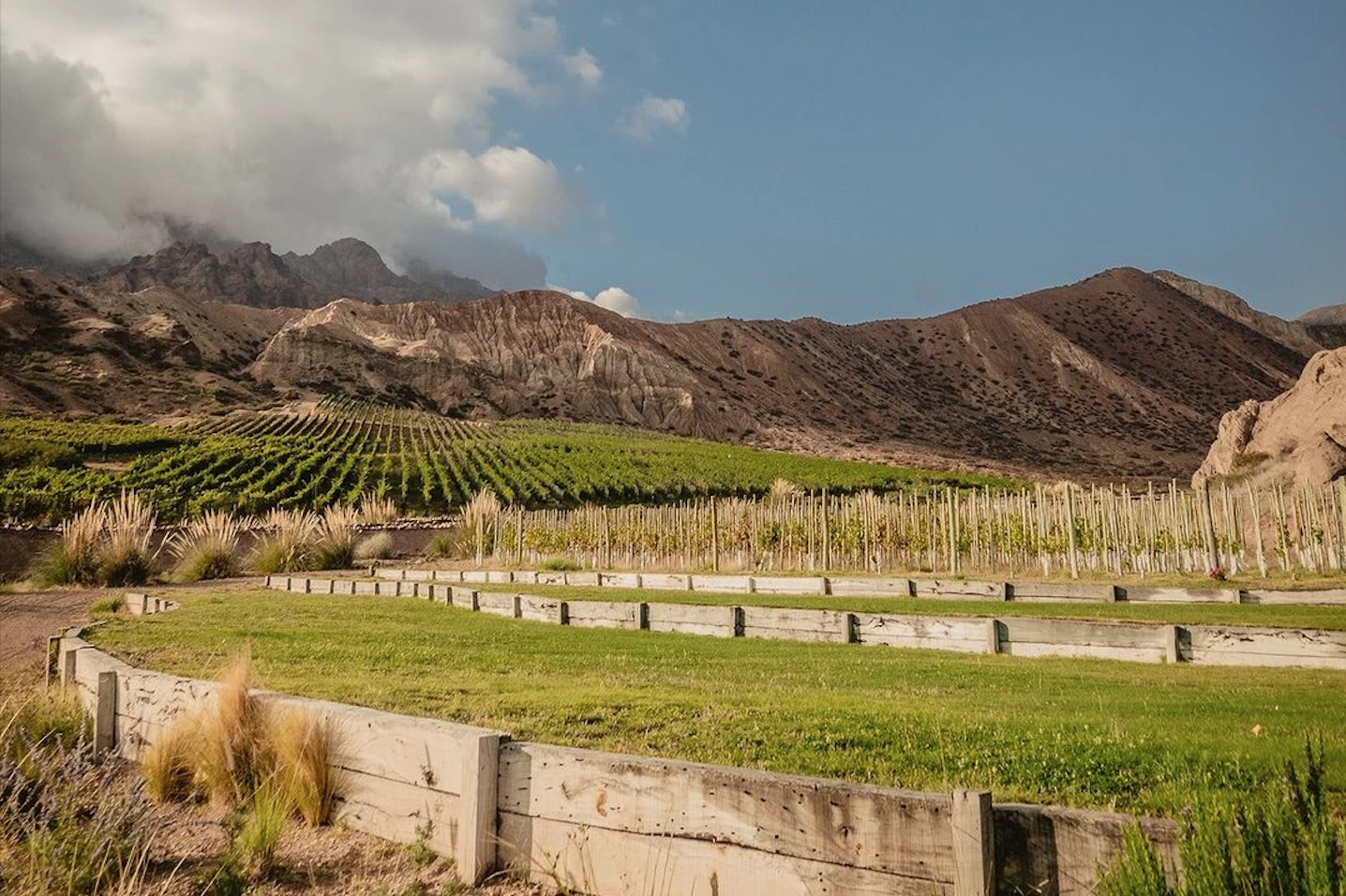
This southern department marks the edge of Mendoza’s wine production and offers a different rhythm. With more than 12,000 hectares of vineyards, it blends history — with roots dating back to the 19th century — and a wine scene now being revitalized by new projects.
Its vineyards sit farther from the Andes, at moderate altitudes (between 600 and 800 meters above sea level), with a dry climate, abundant sunlight, and water supplied by the Atuel and Diamante rivers. The result is balanced wines with refreshing acidity and approachable profiles, both red and white. Bodega Bianchi and La Mala María prove that tradition and innovation can coexist in a region reclaiming the spotlight.
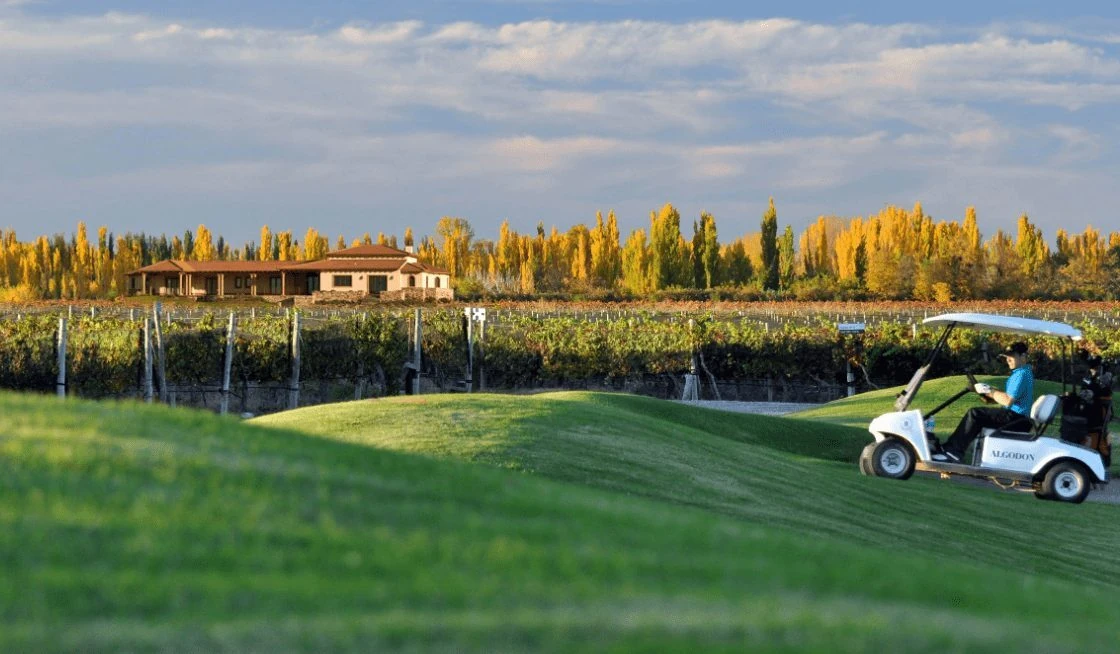
Tip: San Rafael is a destination best explored slowly — but with a sense of adventure. Many of its tourism activities are adrenaline-fueled. Between rivers, dams, and open landscapes, visitors can enjoy sophisticated plans like golf or tennis at Algodón Wine Estate, as well as more adventurous experiences such as rafting and cycling tours.