
[image]
[title]There are decisions that seem definitive until something comes along capable of undoing them. On September 26 and 27, Iñaki Urlezaga will return to the stage at Teatro Opera with The Final Applause, a creation of his own that marks his return to the stage after seven years.
The production combines a first part featuring excerpts from great ballet classics with a second part that follows a ballerina’s farewell and her relationship with her choreographer, set to Sergei Rachmaninoff’s Piano Concerto No. 2.
In conversation with Time Out, he talks about his unexpected return, the passage of time and its effects on the body, the transmission of knowledge between generations, and why he believes theater remains one of the few spaces where there is still no zapping.
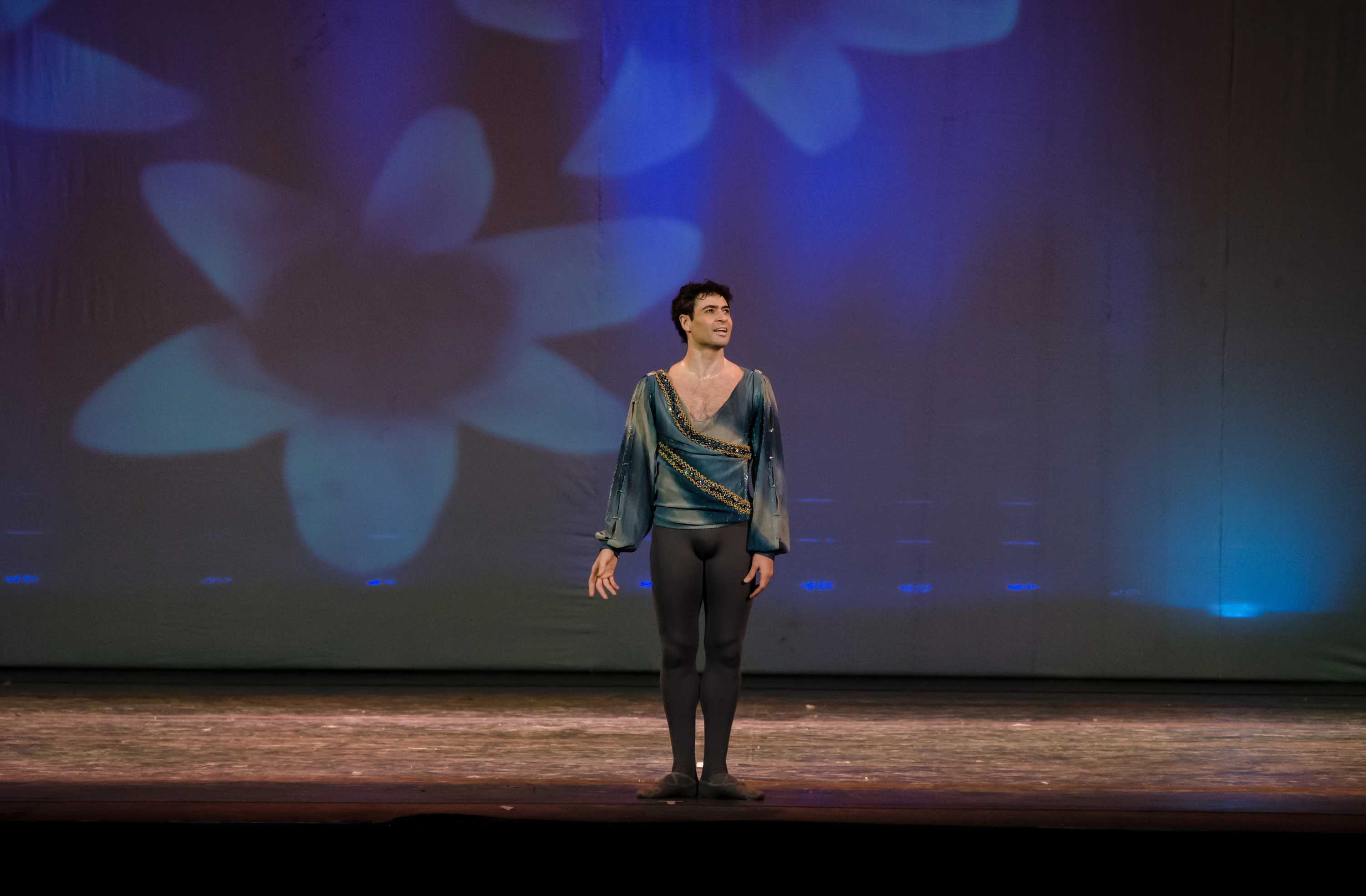
When Urlezaga said goodbye to the stage in 2018, he left no door ajar. And yet, The Final Applause ended up becoming the project that brought him back. The curious thing is that it was never conceived for that purpose.
After officially saying goodbye to the stage, what made you feel that it was a good time to return?
“I don’t know if there is ever a good time. In this case, the driving force is the work, not time. I wasn’t going to get back on stage anymore. I had officially declared myself retired: I shouldn’t, I couldn’t get back on stage anymore,” he says.
The story came before the decision to return. The production tells the story of a ballerina’s farewell and her relationship with her choreographer. It was only once the structure was complete that Urlezaga realized someone was missing to play that role, and he thought: “That could be me.”
“I had already said goodbye to the stage; I had already had the final applause. This work is for others, for those who come after.”
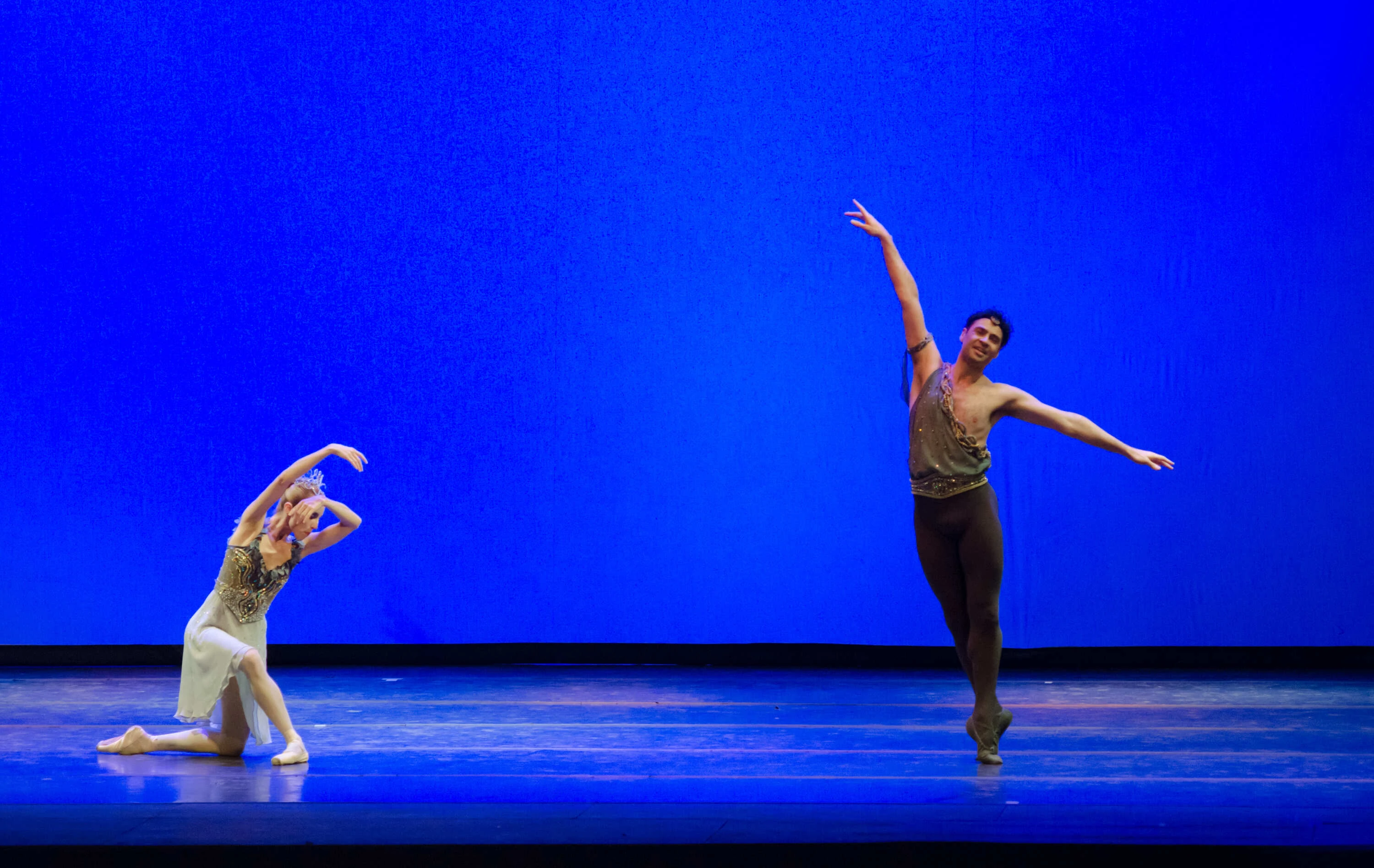
Although he no longer dances professionally, he says his relationship with dance remains intact. “I still feel like a dancer. I still love the profession as much as I did before, perhaps even more intensely. I live like a dancer, but I no longer practice professionally,” he explains, clearly distinguishing between profession and identity. Perhaps this is because throughout his career he combined his work as a performer and choreographer, a perspective he retains today from another stage of his life.
“I’ve been a choreographer for 30 years; I’ve always had a dual career. I was always both below and above the stage at the same time.”
Urlezaga talks about the body without solemnity and even with humor. He knows that returning to the stage seven years later means accepting that the body that once performed some of the great roles of the classical repertoire is no longer exactly the same.
Has the way you inhabit your body on stage changed?
It changes. That’s why I can’t put on tights. I wear a nice suit. It’s inevitable. This is something AI has to solve! For now, the gray hairs are coming… I’d be the Gray Prince. You long for the vigor of yesterday, but it also brought other lessons. Everything in life is dual.
There is something, however, that remains completely intact: the need to find a reason to perform. “The work, the inspiration, the genuineness of that atavistic act of stepping onto a stage. Without that, I don’t function,” he confesses.
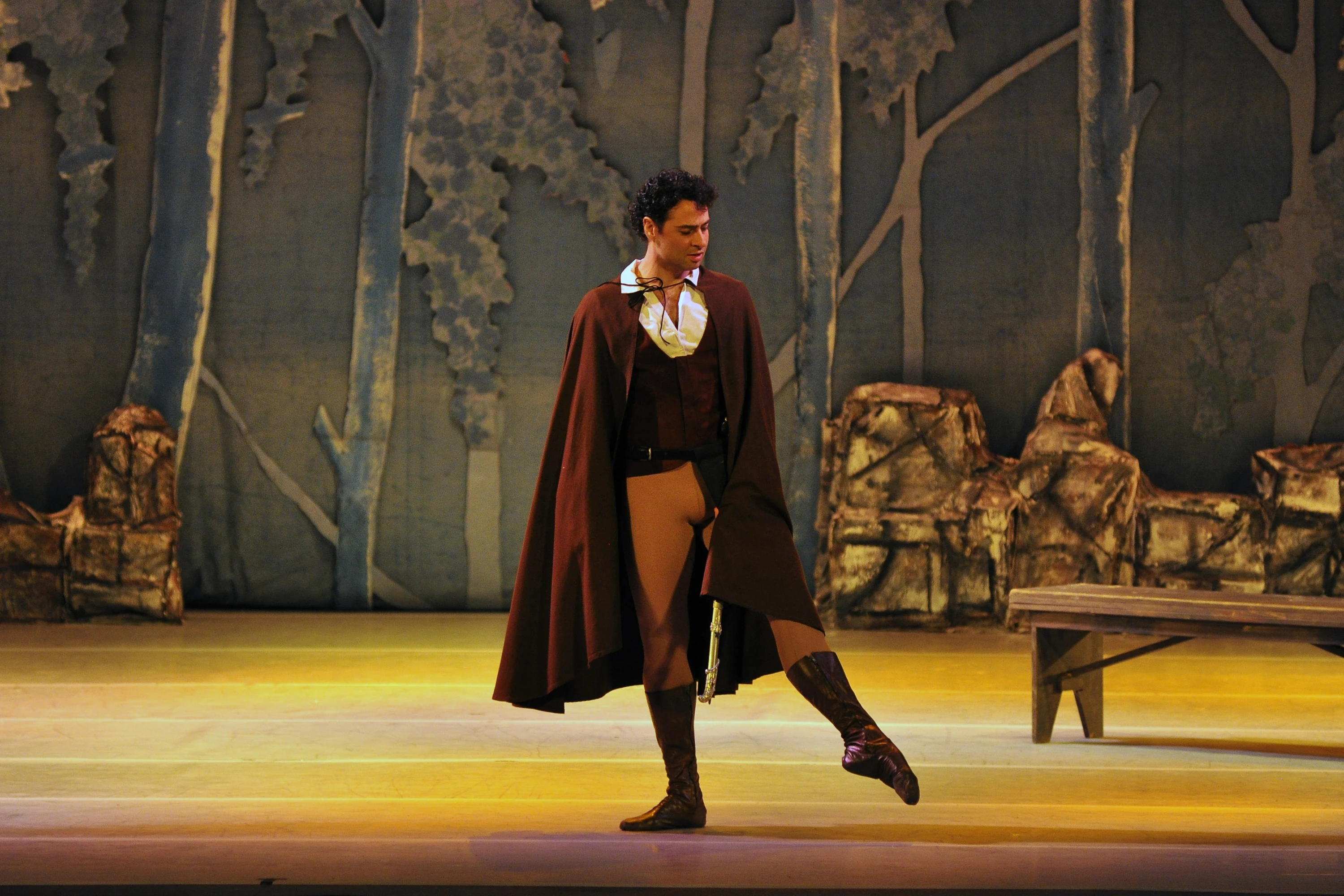
In The Final Applause, the body does not function solely as an instrument of dance. It also expresses what, for Urlezaga, words cannot always convey. “Through the body you can express everything. It has a truth that words don’t have, because words can be intellectualized. The body shouts what the mind keeps silent,” he says.
And he continues: “I feel a great sense of freedom in being able to express myself through the body. I believe that with that I can conquer the world, so to speak. Not because I’m all-powerful, but because of the inherent strength of the body as something natural.”
The program includes excerpts from Romeo and Juliet, La Traviata, Swan Lake and Spartacus. For Urlezaga, the selection responds both to the dancers and to the audience. “I always try to choose the works that suit the artists best. I think like a choreographer, but also like an audience member,” he explains. The result is a journey through romance, tragedy, classicism and epic drama, seeking a balance between music, dramaturgy and staging.
Watch the interview with Iñaki on our streaming platform
In an era dominated by screens, algorithms and content that lasts only seconds, what can a discipline with centuries of history offer?
“Ballet doesn’t have zapping; theater doesn’t have zapping. From the pandemic until now, the world has changed. I don’t know whether for better or worse, but necessarily theater has remained as a bastion of resistance,” he says.
For him, its power lies precisely in what cannot be reproduced. A performance happens once. The next day, the same dancers may be there, in the same theater, performing the same work, but the experience will be different. “There is something about that ephemeral quality that makes it sacred. You are left with the pure experience, and it settles into your memory. There are artistic, theatrical moments that you cannot forget for the rest of your life.”
You may also be interested in: Musicals to see in Buenos Aires
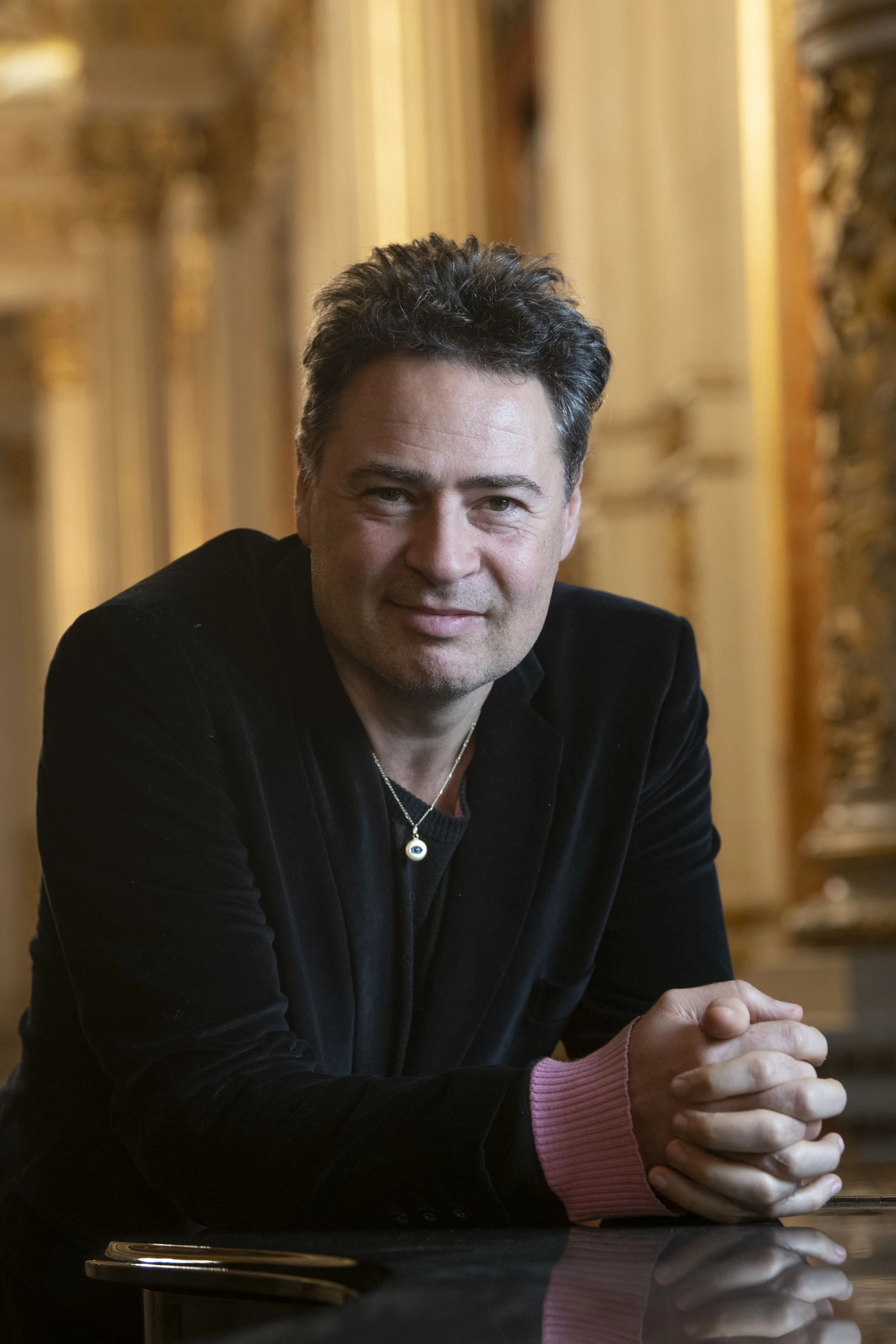
Transmission occupies a central place at this stage of his life. After years also devoted to training dancers, Urlezaga acknowledges that teaching changed his own way of learning. “When you teach, you are learning at the same time,” he says, “because what you teach is always, in part, what you yourself would have liked to have learned.”
He is also uncompromising with those who come after him: “I get along well with those who have a strong sense of discipline or high standards, and badly with those who aren’t interested in improving themselves.”
His view of teachers also has a particular dimension. Urlezaga belongs to a generation that had to perform many works by great 20th-century choreographers after their creators had already died. “We are the orphaned children of that generation of choreographers who invented the 20th century,” he says. Perhaps that is why he particularly values the opportunity to now be on the other side: to be the one guiding and shaping a new generation.
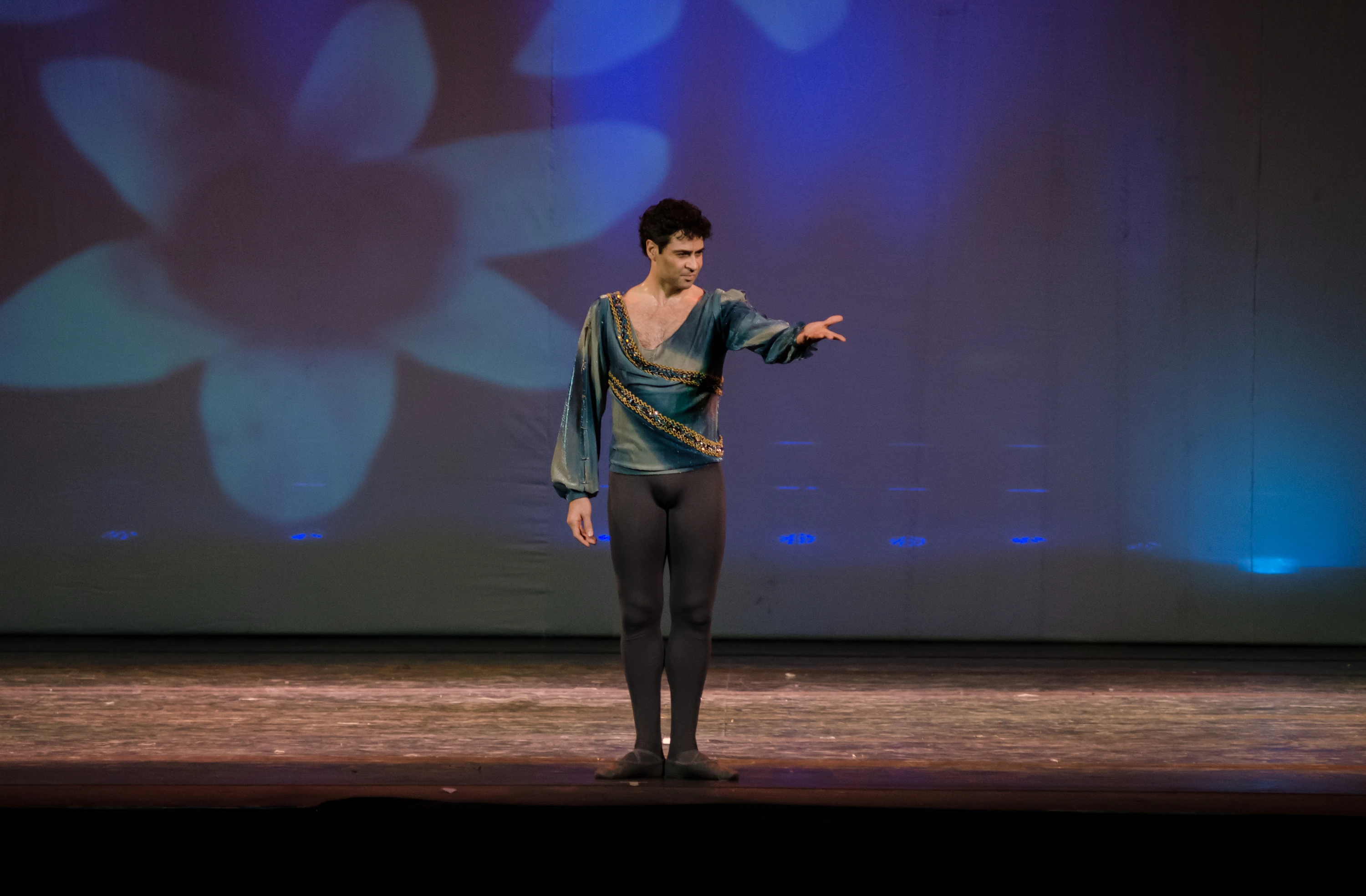
When he looks back, he discovers something curious: almost nothing happened as he had imagined. As a child, he never dreamed of becoming an international star. Nor did he imagine that he would become a choreographer or that his profession would take him around the world. His ambition was much closer to home: to study at the Teatro Colón. “And, honestly, that’s what I ended up doing the least,” he admits.
“My profession took me to all the places I least expected to go,” or places he had never even dared to dream he would visit. “And I certainly never dared to dream I would have the career I had,” he emphasizes.
Perhaps that is why, when we ask him how he would like to be remembered when — this time for real — the final applause arrives, he doesn’t talk about stages or awards. “I’d like to be remembered as someone who was as honest and ethical as possible,” he replies. Recognition and glamour, he says, belong to vanity and ego. What matters to him lies elsewhere: “Giving others the honesty that does them good to receive.”
Time Out Ping Pong: Iñaki Urlezaga’s Buenos Aires
- A porteño café you always recommend.
La Biela, because of everything it represents. - A place you return to when you need inspiration.
Palermo: the lakes, the Rosedal. I think it is something authentically beautiful about the city. - A street that captures something of the spirit of ballet.
Arroyo Street, with all that promenade, that curve that goes from one side to the other and its cafés. It’s a very bohemian street. It always reminded me of the area behind the Palais Garnier, the iconic home of dance in France. - What does Buenos Aires have that no other city has?
Its eclecticism. You find Latin influences, the Argentine character of its food, European refinement. It’s an explosion of emotions and a wonderful night. - What music plays when you think of Buenos Aires?
Because of my generation, Charly, Fito, Spinetta, Cerati, Soda… That generation that I think revitalized the city after the wonderful golden age of tango. - A theater, venue or stage that particularly moves you.
Not a theater, but Corrientes Avenue. I think it is one of the most beautiful and significant things Buenos Aires has. - A quintessentially porteño tradition you love.
The night. Buenos Aires at night after the theater. It’s a very unusual city in the world, where everything is open when you leave the theater. - Buenos Aires in one word.
Bucolic. - What image would you like someone to take away from the city after seeing it for the first time?
La Boca. The most traditional part and the beginning, so to speak. Where everything started.
For your diary
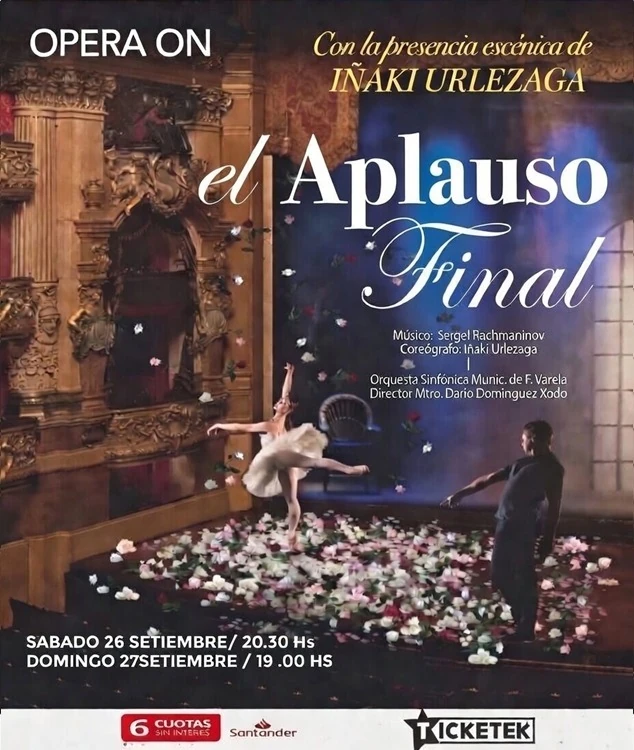
- The Final Applause
- When: Saturday, September 26, 8:30pm; Sunday, September 27, 7pm.
- Where: Teatro Opera On, Av. Corrientes 860, CABA.
- Tickets