

[image]
[title]In the year it celebrates its 25th anniversary, the Museo de Arte Latinoamericano de Buenos Aires (MALBA) reaffirms its role as a key institution on the cultural scene with an exhibition that not only revisits the past, but speaks directly to the present. Ideas Corresponding, 1964–1984, dedicated to Margarita Paksa, traces two fundamental decades of the artist’s career and confirms something that feels evident: Paksa was not only ahead of her time—her work still unsettles and provokes thought today.
Curated by Nancy Rojas, the exhibition brings together more than 60 works—installations, graphic pieces, objects, documentation and projects—that help explain why Paksa was a central figure in Argentine contemporary art and a pioneer at the intersection of art, technology, sound and political thinking.
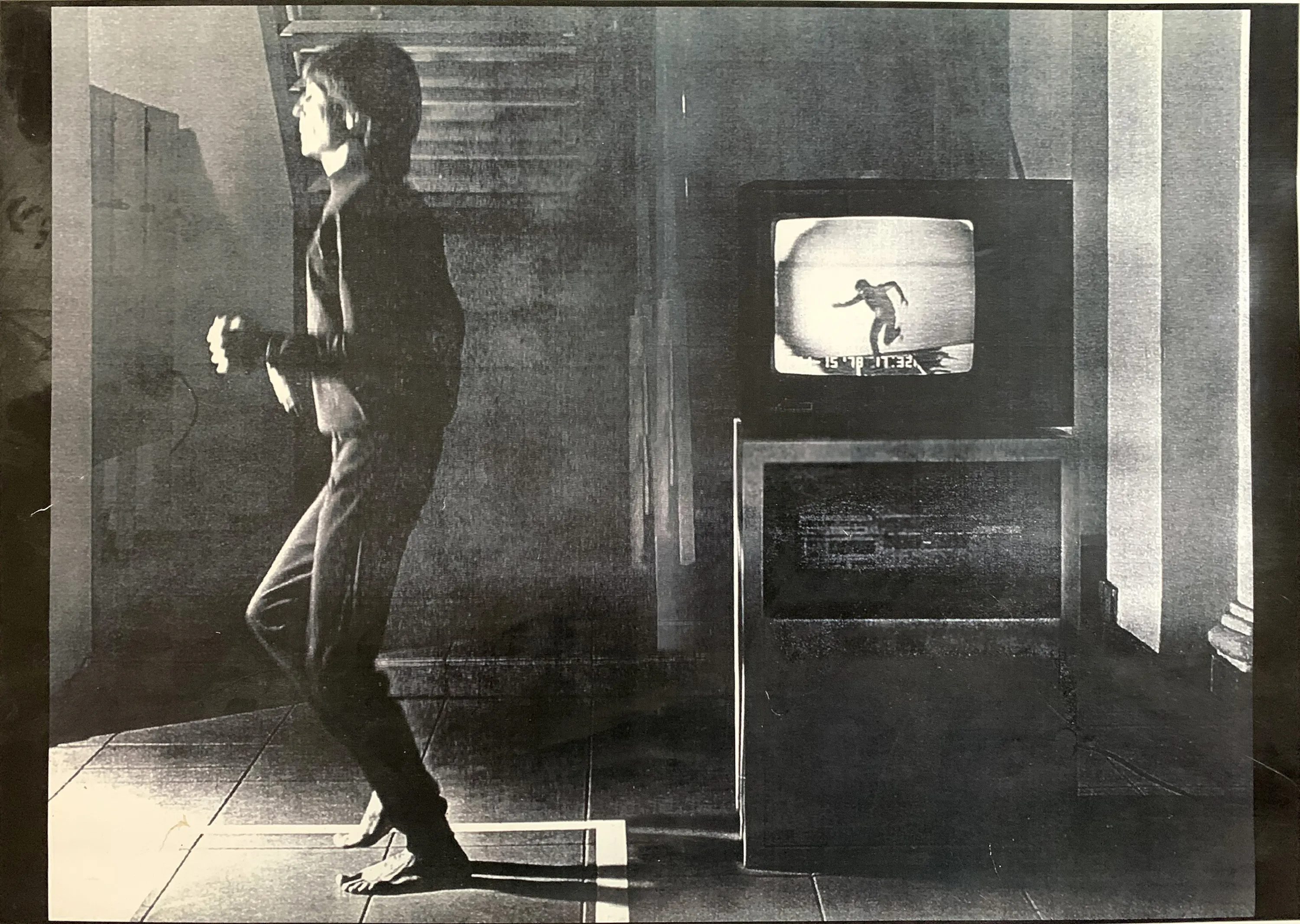
What Ideas Corresponding, 1964–1984 proposes
Far from a classic retrospective, Ideas Corresponding functions as a device for critical reading. The exhibition invites visitors to revisit works produced between 1964 and 1984 and to consider how those ideas remain active today. There is no passive route here: many pieces require the audience’s participation to be completed and to fully acquire meaning.
"The exhibition invites visitors to revisit works produced between 1964 and 1984 in order to consider how those ideas remain active today"
The past appears as a tool to interrogate the present, not as a closed archive. That is one of the exhibition’s greatest strengths.
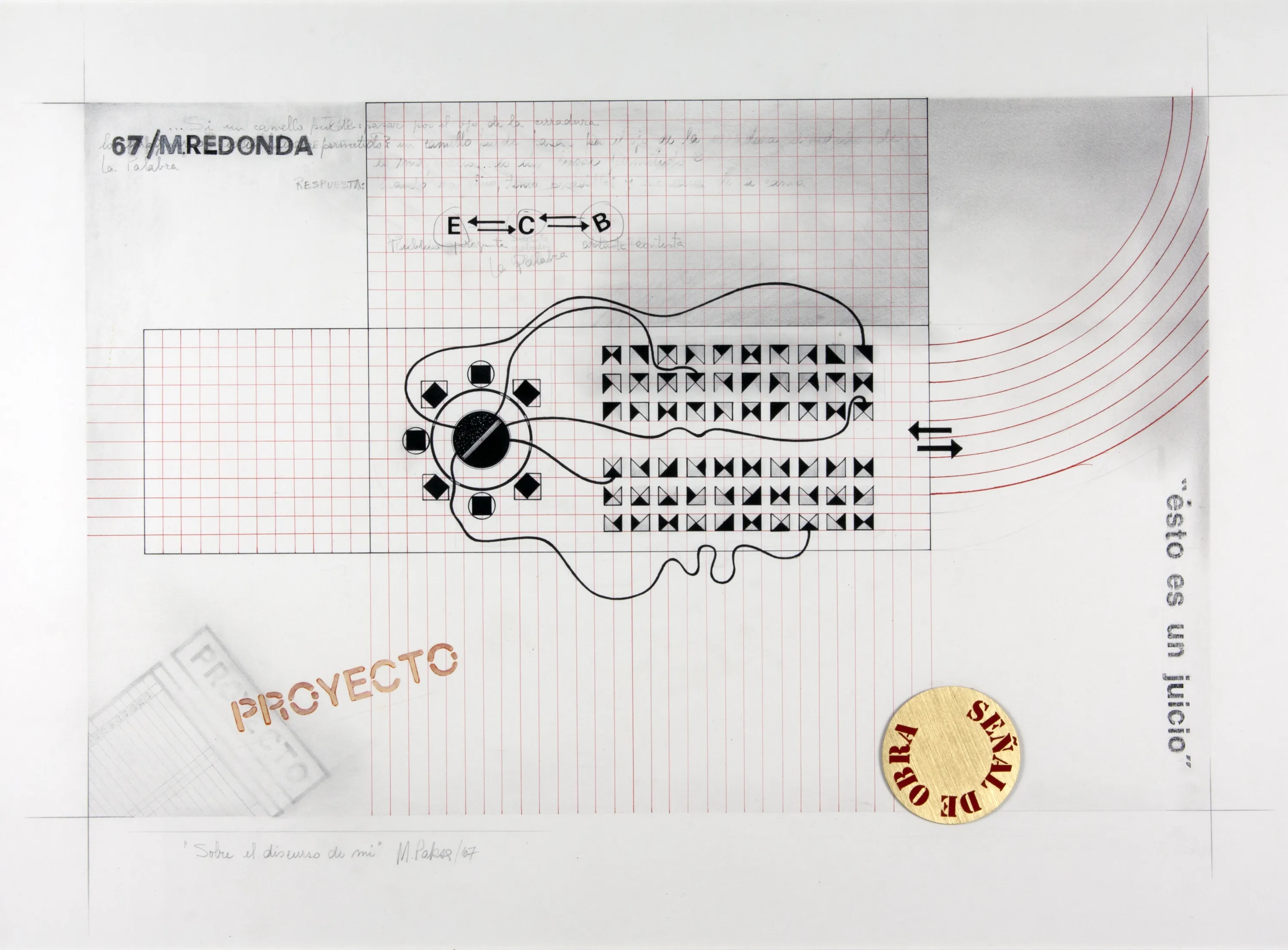
Works, installations and multimedia art in the Margarita Paksa exhibition
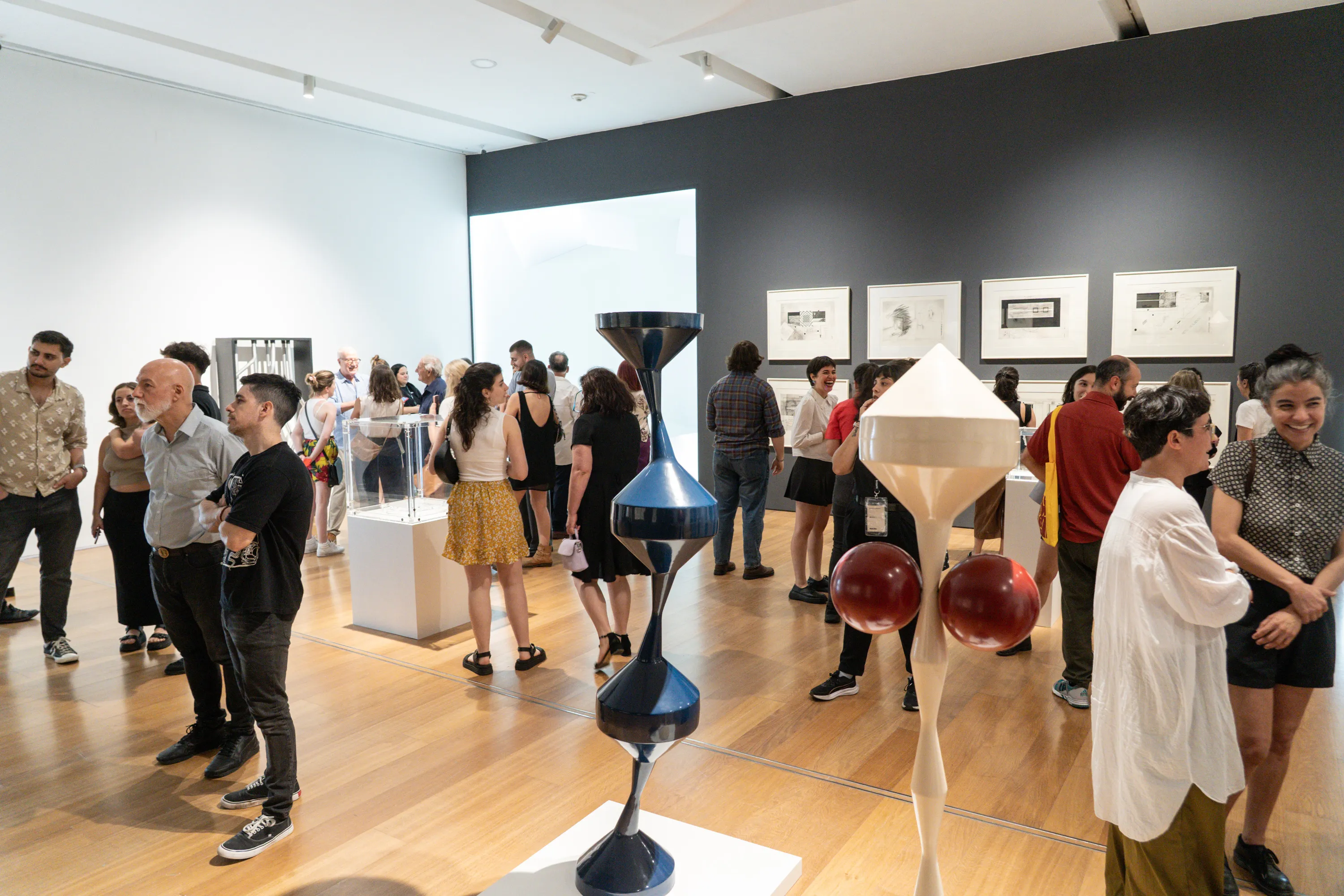
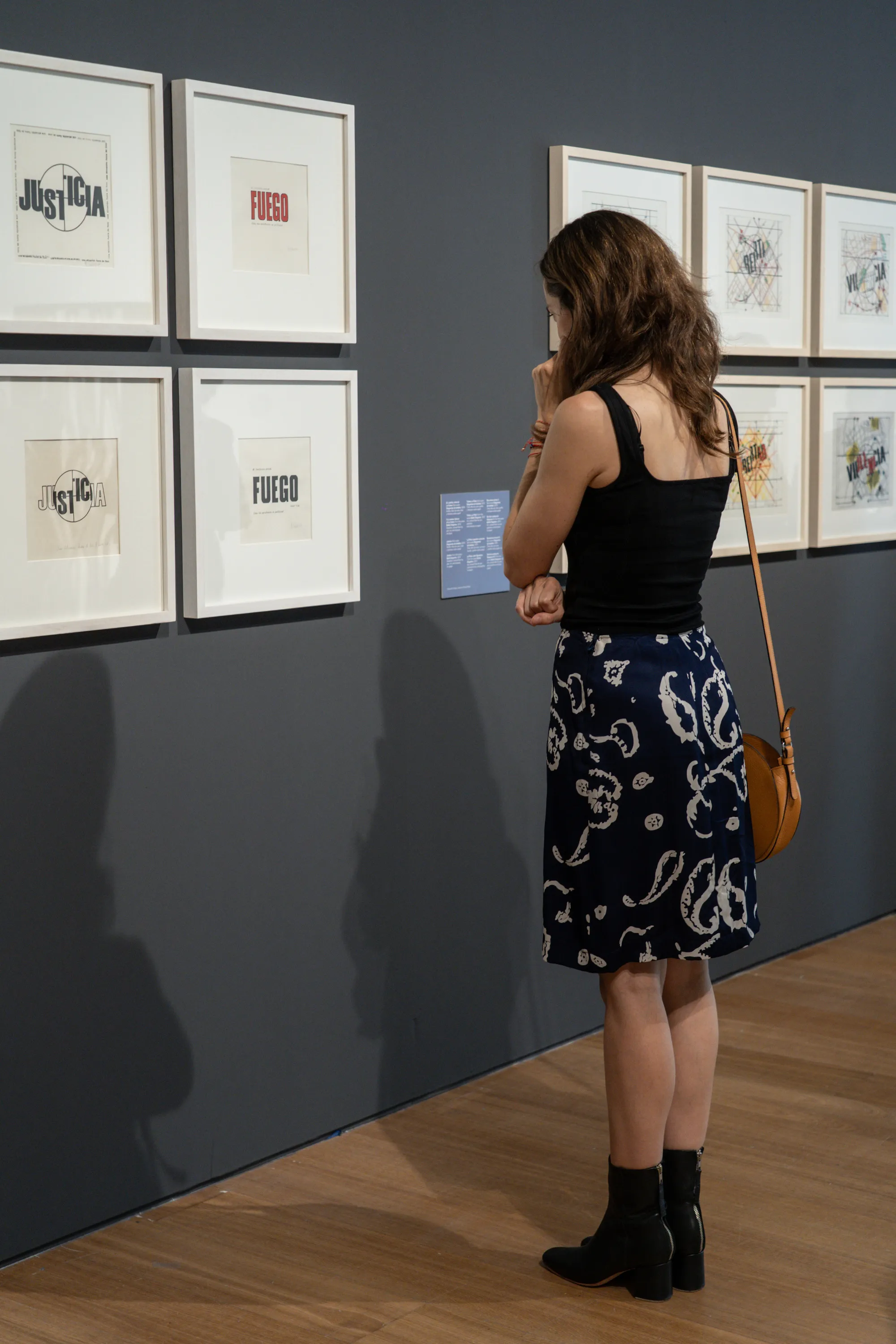
Installations, object-based works, graphic pieces and documentation coexist in a display that plays with space, distance, light, shadows and reflections. The viewer’s body becomes part of the journey, and the experience is constructed in real time.
Paksa was a pioneer in the development of multimedia narratives before the concept was even widely used. Sound, technology and language emerge as materials just as important as image or object.
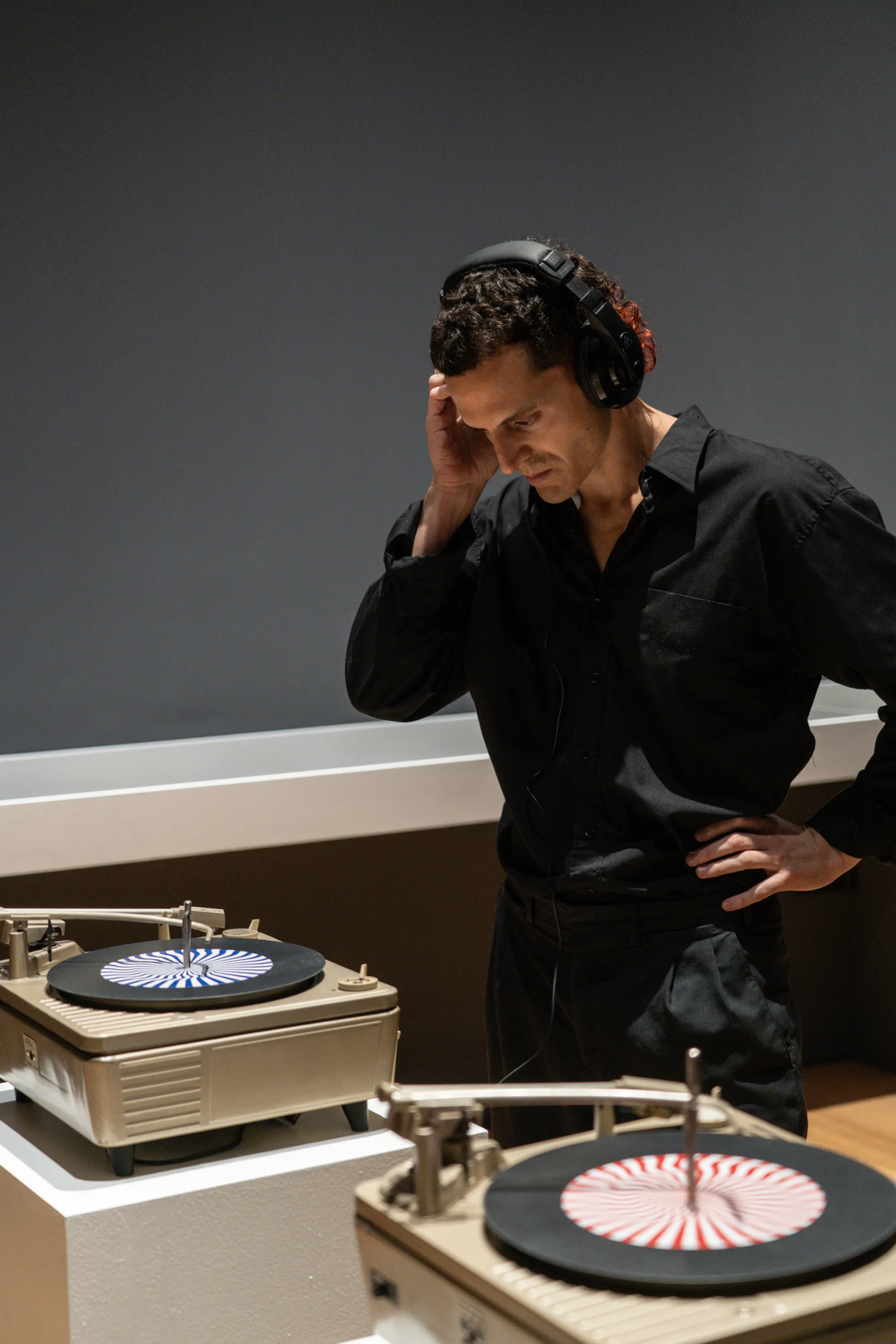
Argentine conceptual art of the 1960s and 70s: a timely perspective
Paksa’s works engage directly with one of the most intense periods of Argentine conceptual art. Far from feeling dated, the pieces retain remarkable power and reopen discussions around communication, power, identity and perception. The exhibition helps explain why the 1960s and 70s remain a key reference point for thinking about contemporary art in Argentina.
"The exhibition makes it possible to understand why the 1960s and 1970s continue to be a key reference point for thinking about contemporary art in Argentina"
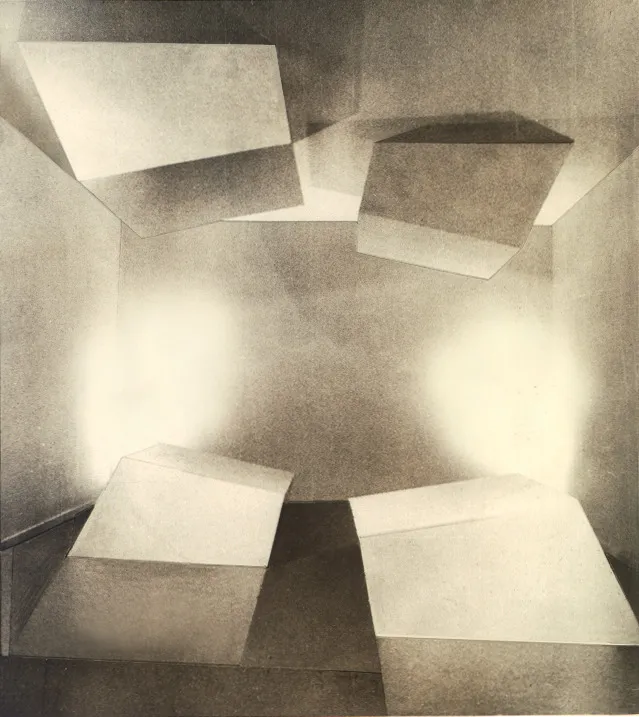
Margarita Paksa and the Instituto Di Tella: a key figure in contemporary art
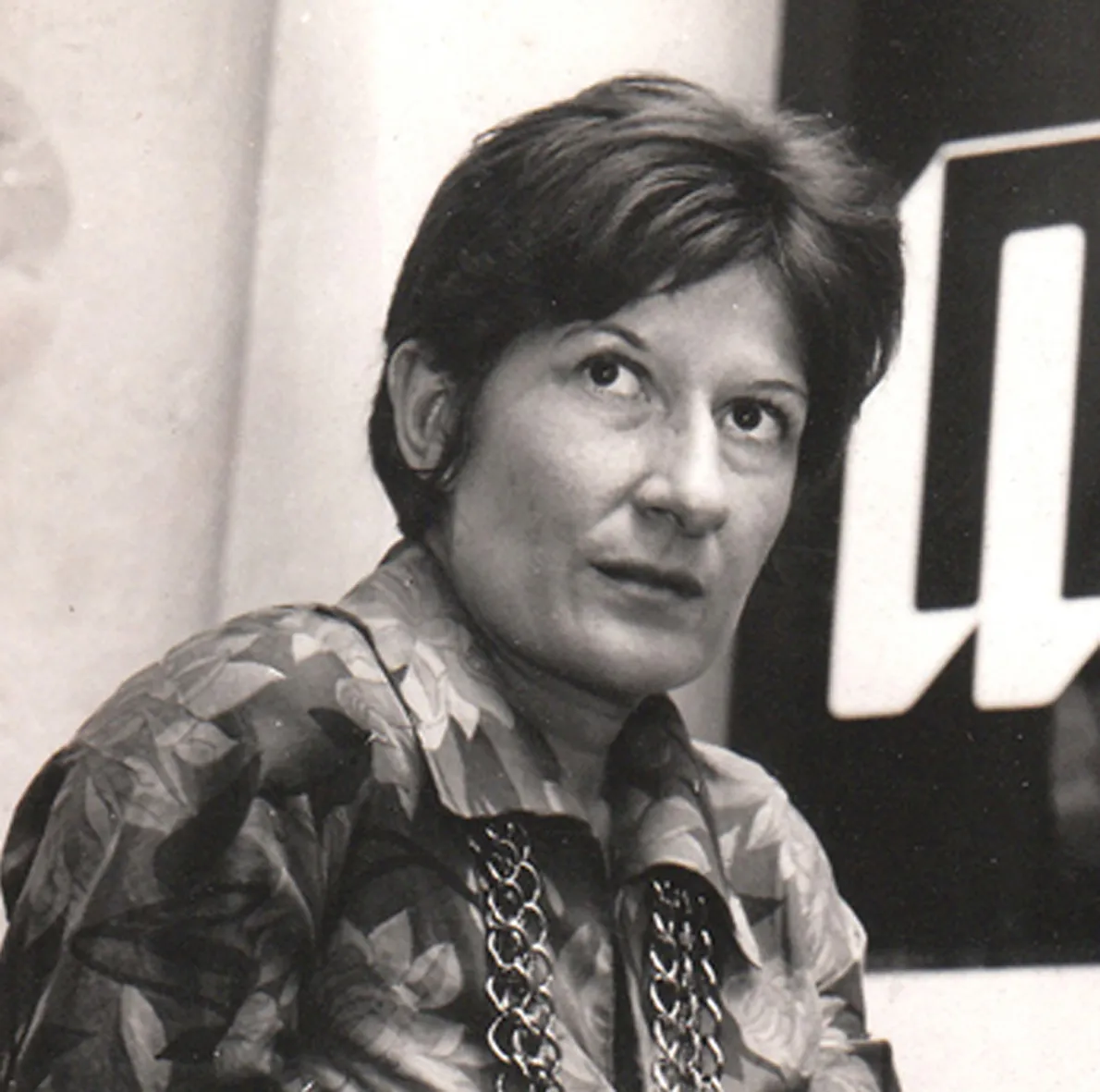
Margarita Paksa was a sculptor, painter, printmaker, industrial designer and creator of installations, multimedia art and video. She was part of the Instituto Di Tella in the 1960s and one of the artists who pushed the boundaries of what art could be in Argentina. Her work was never decorative or neutral: every piece involved an aesthetic, political and conceptual stance.
Feminism, politics and sensory experimentation in Margarita Paksa’s work
Political thought runs through Paksa’s entire body of work. Her practice engages with the feminist movements of the time and takes a critical position in relation to repressive and dictatorial governments. At the same time, sensuality, eroticism and sensory experience play a central role. In several pieces, listening is just as important as looking, and the viewer becomes an active participant in the work.
MALBA and its growth as a Latin American art museum
This exhibition comes at a key moment for MALBA, which continues to expand its reach and its collection, bringing fundamental works and artists of Latin American art closer to the public. The museum thus consolidates its role as a space for revision, updating and revaluation of regional art history, without losing its connection to the present.
The Daros Latinamerica Collection and MALBA’s 25th anniversary
The incorporation of the Daros Latinamerica Collection is central to this new phase of the museum. With 1,233 works by 117 artists produced between the 1950s and the 2010s, MALBA’s holdings—together with the collection of its founder, Eduardo Costantini—almost double in size, positioning the museum as one of the most important in the world. In that context, Ideas Corresponding, 1964–1984 is not just another exhibition on the calendar: it is a reaffirmation of MALBA’s prestige in its anniversary year.
Why visit the Margarita Paksa exhibition at MALBA
- Because it’s not an exhibition to rush through.
- Because it helps explain where many current debates about art, the body and politics come from.
- Because it confirms the continued relevance of Argentine conceptual art from the 1960s and 70s.
- Because Paksa deserves to be revisited without solemnity, but with close attention.
When and where: MALBA (Av. Figueroa Alcorta 3415), Level 1. Until February 16. Open Monday to Sunday, 12–8pm. Closed Tuesdays.