

[image]
[title]Just over a year ago, Juan Ignacio Lecea left Mendoza to settle in Buenos Aires. There was no contract waiting for him, but rather, as he puts it, “simply the desire to broaden my horizons a little.” Those new opportunities eventually arrived and took him to El Trece as a street reporter for “Otro Día Perdido,” the show that marked Mario Pergolini’s return to television.
But behind the comedian who now walks the streets interviewing strangers lies a story that began long before social media and the small screen. “We’re here to clear up the mystery,” he often says when wrapping up his reports. And the question arises naturally: who is Juani Lecea, really?
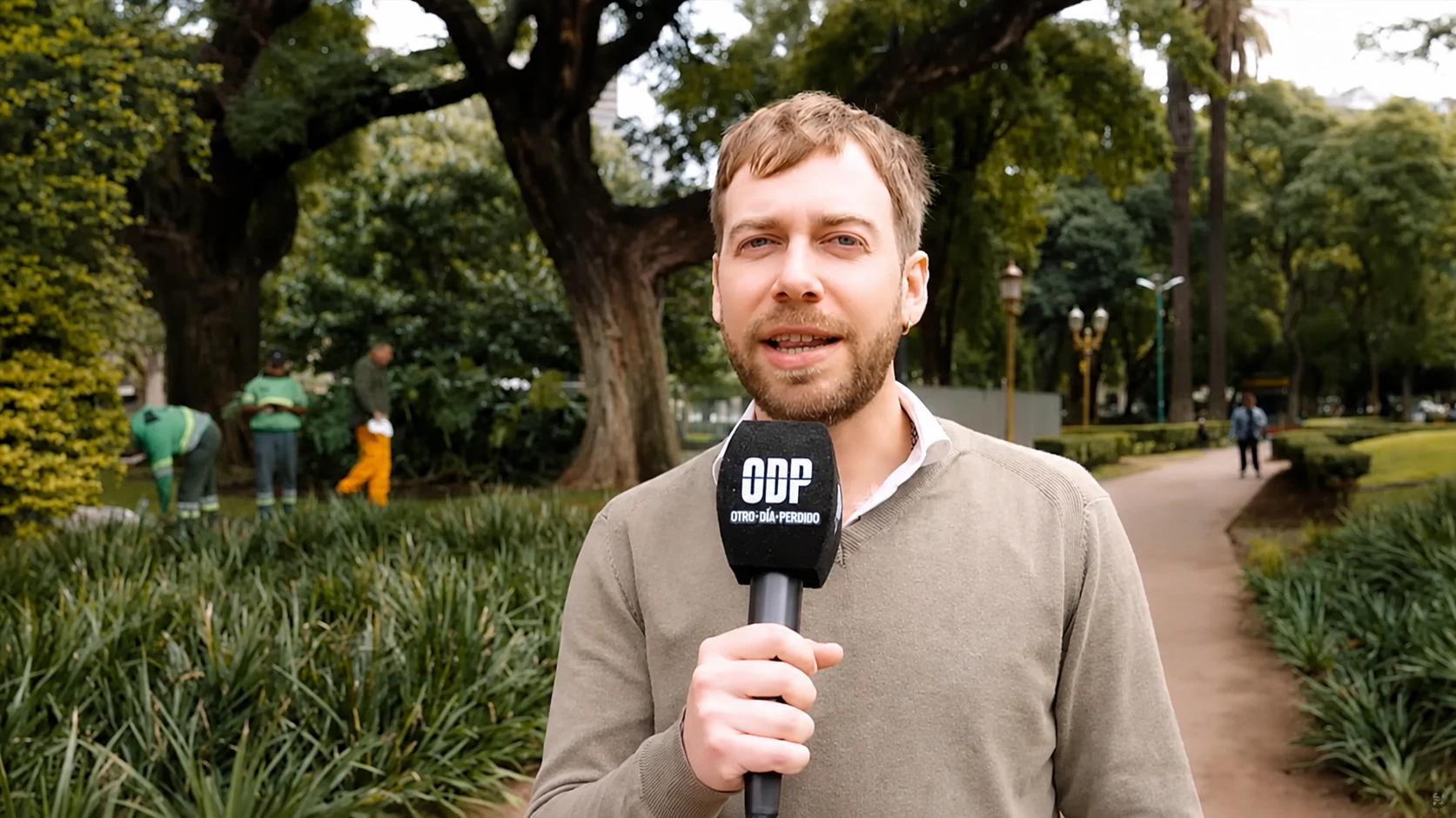
Music, law, acting and a curiosity that has never accepted being confined to a single label all coexist in his life. “I’m many things at the same time. I’ve had existential crises about that,” the multifaceted Juani says with a laugh.
Before television, a drum kit
If there is one sound that has accompanied Lecea throughout his life, it is percussion. “I was born and, before I could even speak, I was playing my mom’s Tupperware containers with spoons; that’s where my love for playing the drums and for music began. Plus, I’m a great singer in the shower,” he reveals, describing his innate and intuitive connection with music.
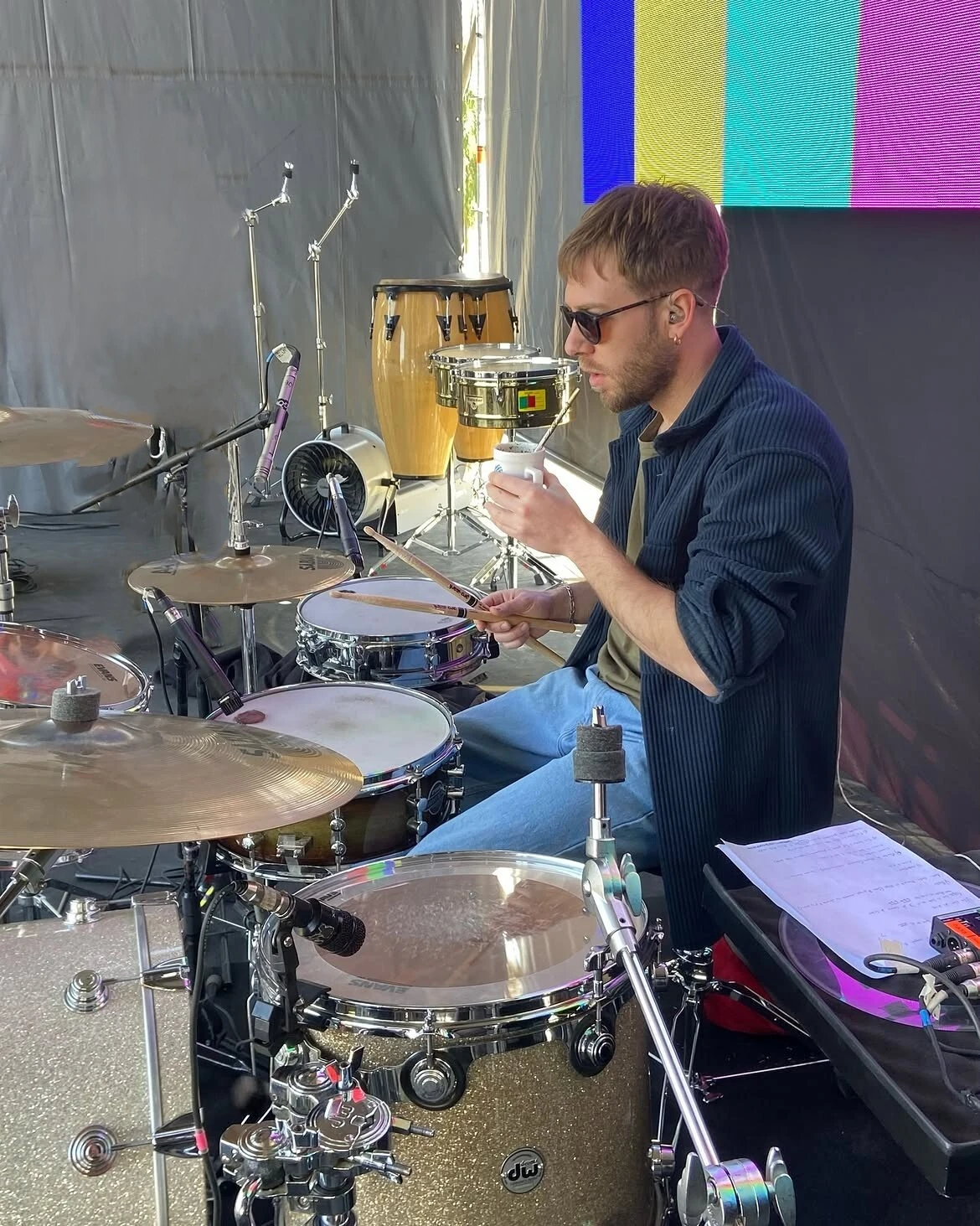
That childhood interest became a passion that carried him through his teenage years. At 14, he formed Anda la Osa with a guitarist cousin. Their repertoire brought together Los Enanitos Verdes, Maná, Metallica and Guns N’ Roses, “a complete madness.” Then came original songs, live performances and a Mendoza music scene that was beginning to grow alongside him.
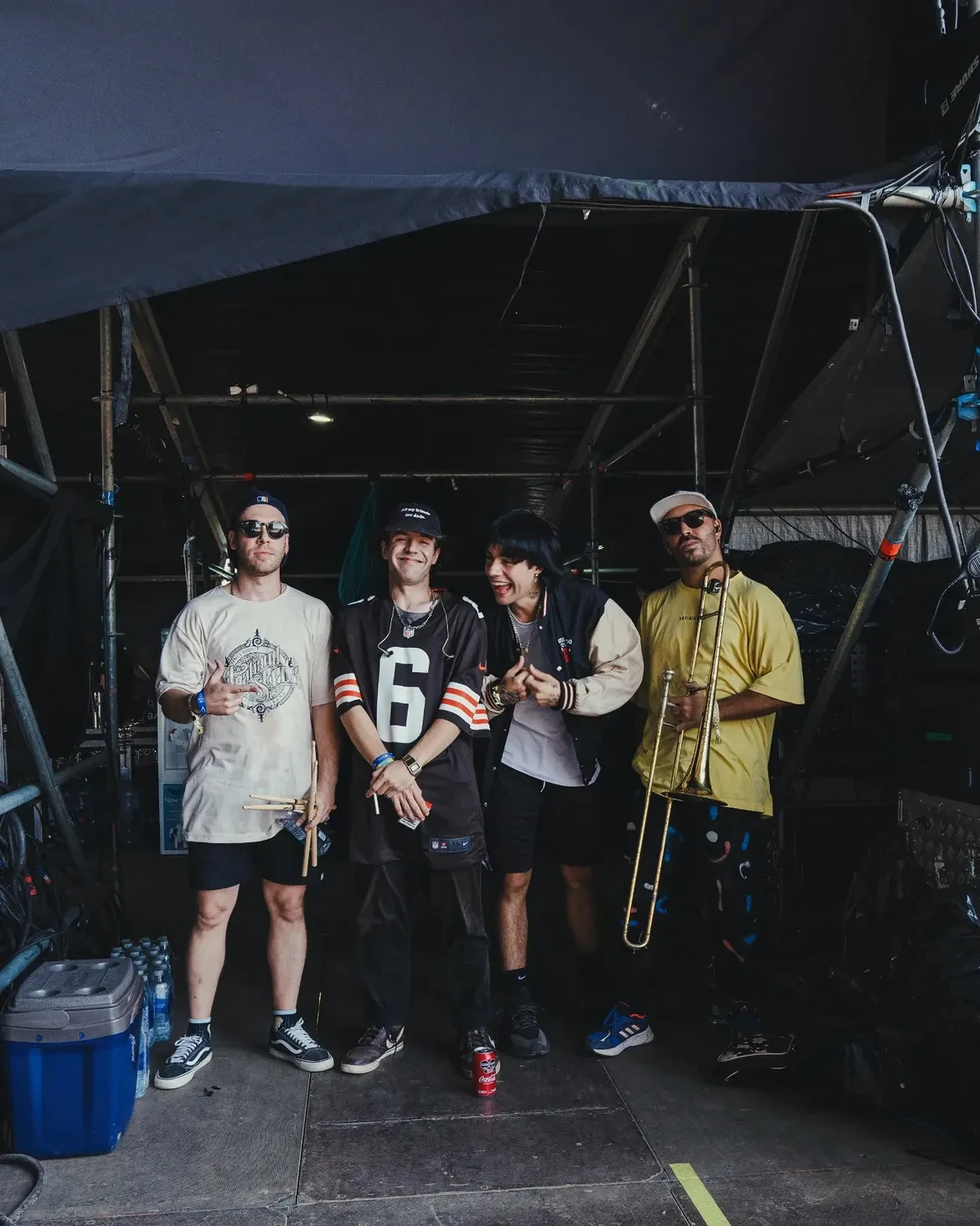
Later, he became part of Ojo Reactor, joined Joven Breakfast and toured different Argentine cities, as well as performing on the legendary stages of Lollapalooza, Cosquín Rock and Niceto. Tours around the country continued with different groups of friends, strengthening his close relationship with musicians from a generation that now represents Mendoza’s new sound, including Usted Señálemelo, Pasado Verde and Gauchito Club.
You may also like: Mendoza Suena: 11 Mendoza bands you need to listen to
He also created Pornokaut, a four-piece band with which he recorded an EP in Buenos Aires alongside fellow Mendoza musician and producer Juampi DiCesare (Mi Amigo Invencible), and opened for Dante Spinetta back in 2018. “It was a beautiful chapter.”
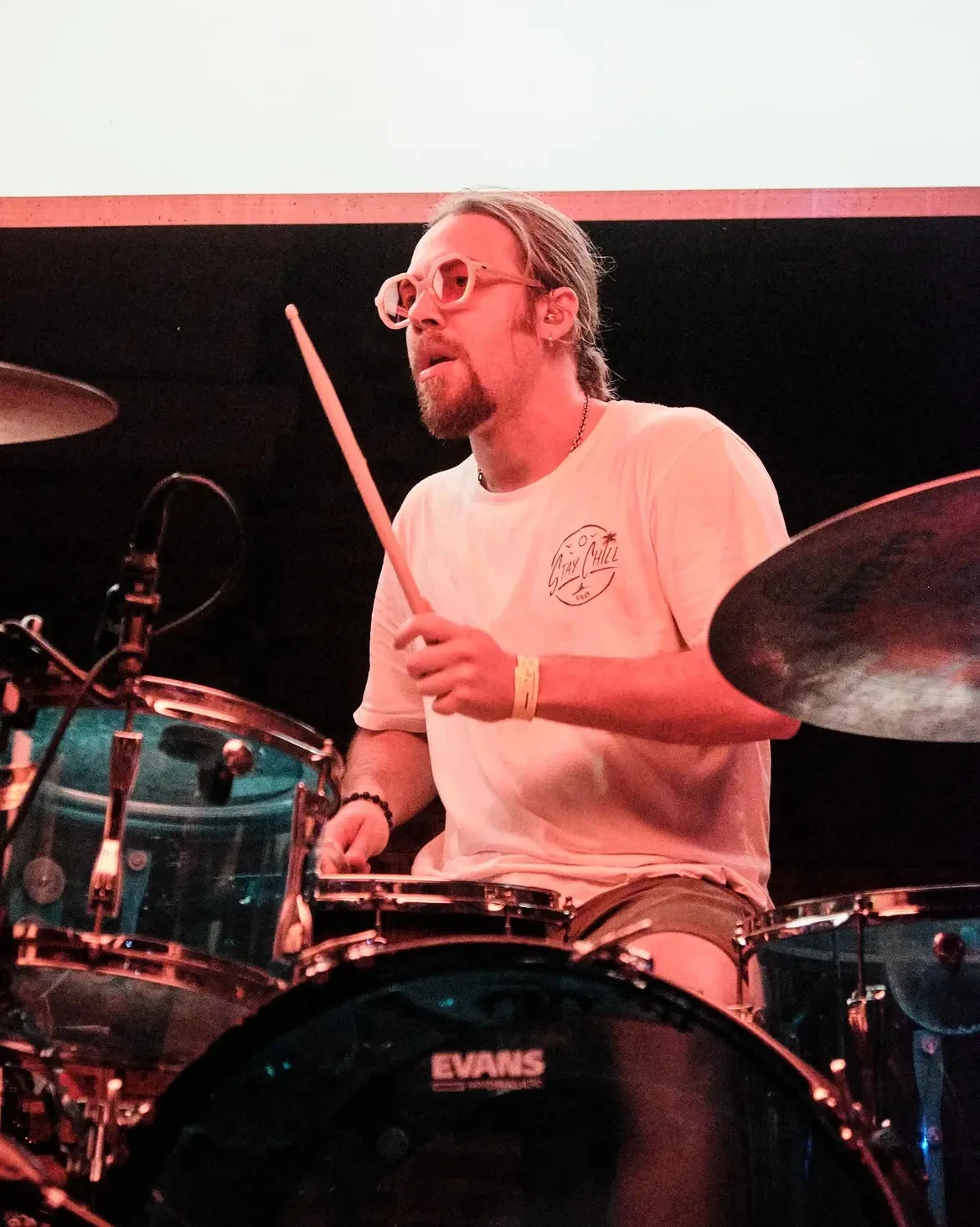
Music is in his DNA, and although humor occupies much of his days, the drum kit continues to travel with him. “I have my drums with me, I brought them along; there are periods when I’m closer to them and others when I drift away a little, but they’re always part of my life,” says Juani, who continues to join friends’ projects whenever they invite him to play. “I’m always available.” In fact, he took part in Bastarda Jam Sessions, a tribute to Pity Álvarez at Saldías Polo Cultural in Recoleta.
Humor as a very serious game
Social media was where many people discovered him, but for Juani, humor has never been simply a succession of jokes. He doesn’t play characters or create extravagant universes. His humor comes from somewhere much closer to home: he observes everyday situations, slightly shifts the angle and finds an unexpected, intelligent and recognizable version of them.
“That’s just the way I am; I like to play. What I do has a lot to do with playfulness and storytelling. Words are a very entertaining toy. Besides being a means of communication, there’s also the possibility of going beyond that and enjoying them,” he says during our conversation.
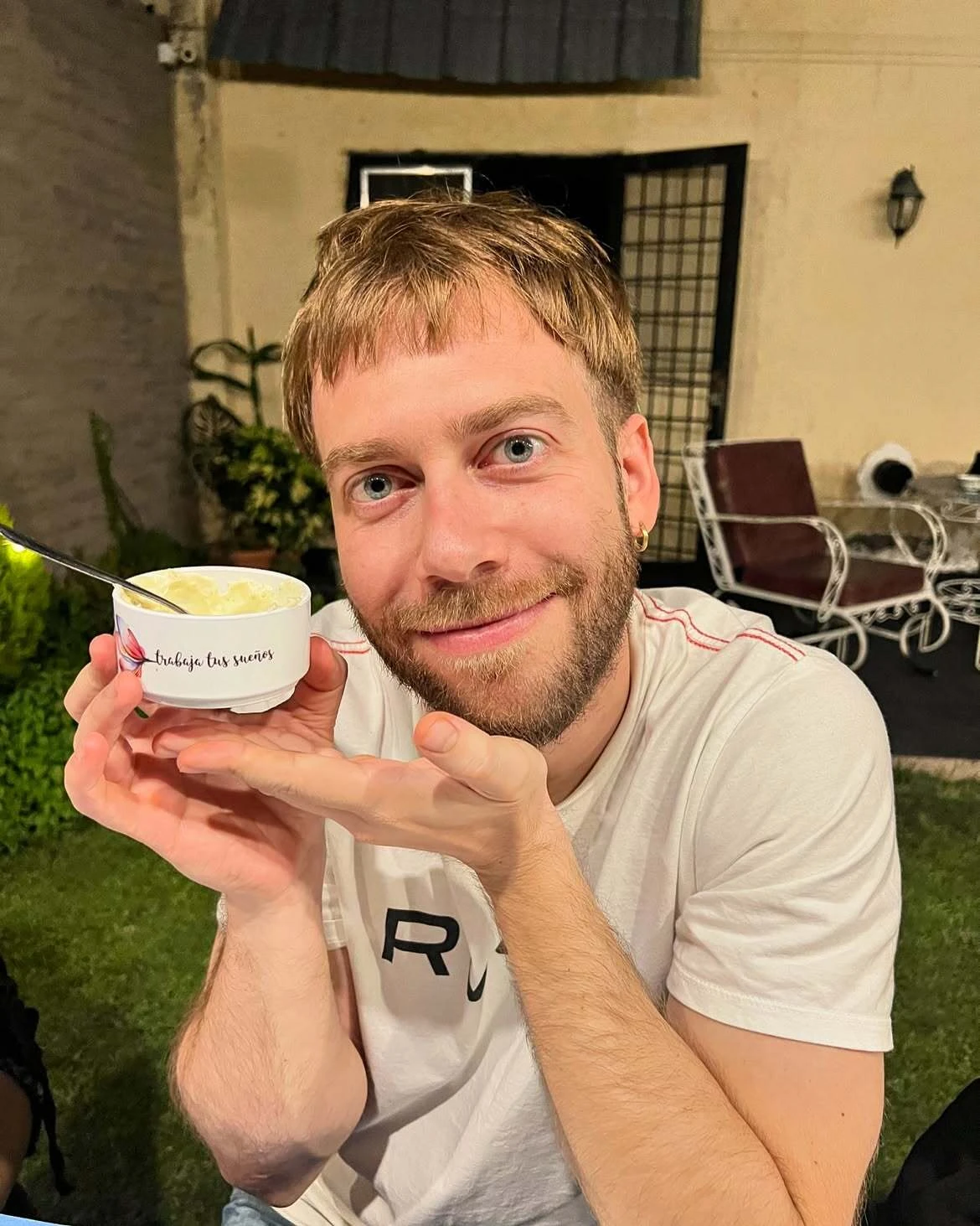
This way of understanding language runs through each of his videos. There is observation, irony, gestures and silences that complete the story. Behind every sketch is an idea that persists until it becomes a necessity.
“Before creating the content, there’s a kind of urgency. Something settles in quite insistently, and until that release happens—the actual publication—it doesn’t stop... That’s when you get a feeling of accomplishment, but also uncertainty. It’s strange,” he reflects on that moment when he is left “in the shop window to be seen.”
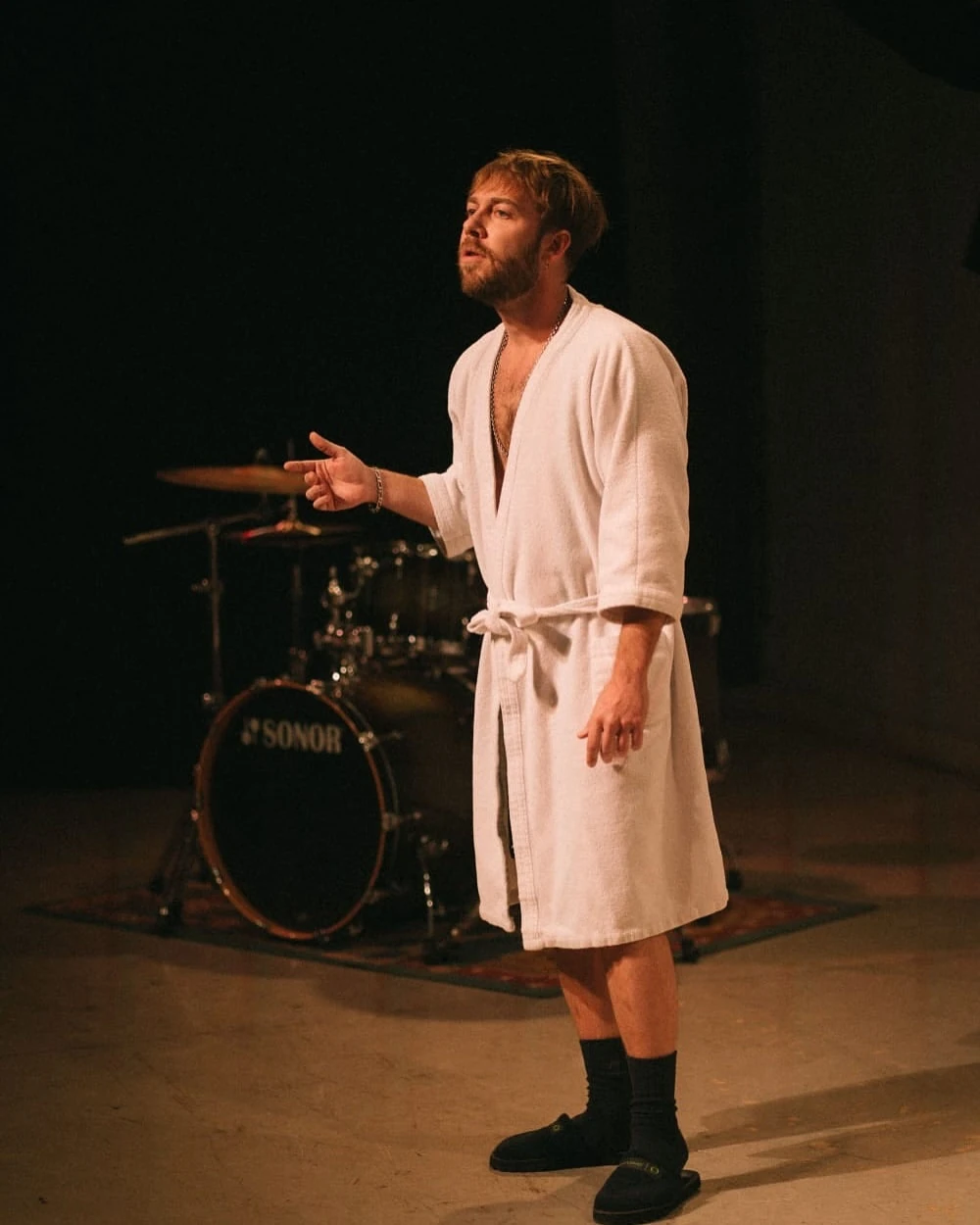
For him, posting a video isn’t simply about the logic of views. He prefers to think of it as a gift. “I create something and it goes out into the world as a gift for whoever wants to receive it,” explains the artist, who has taken clowning, acting and every other course that complements his different facets.
The message that changed everything
His arrival on television was a pleasant surprise. While making his way through the Ciudad de la Furia, he received a message that would ultimately change the course of the following months. The production team behind “Otro Día Perdido” (ODT) was looking for someone to go out on the streets as a reporter and contacted him through Instagram. “They reached out to me. They were looking for different profiles and, among others, they flirted with the idea of me. We did a series of tests that eventually led to me taking on that role—the intermediary between the studio and the people.”
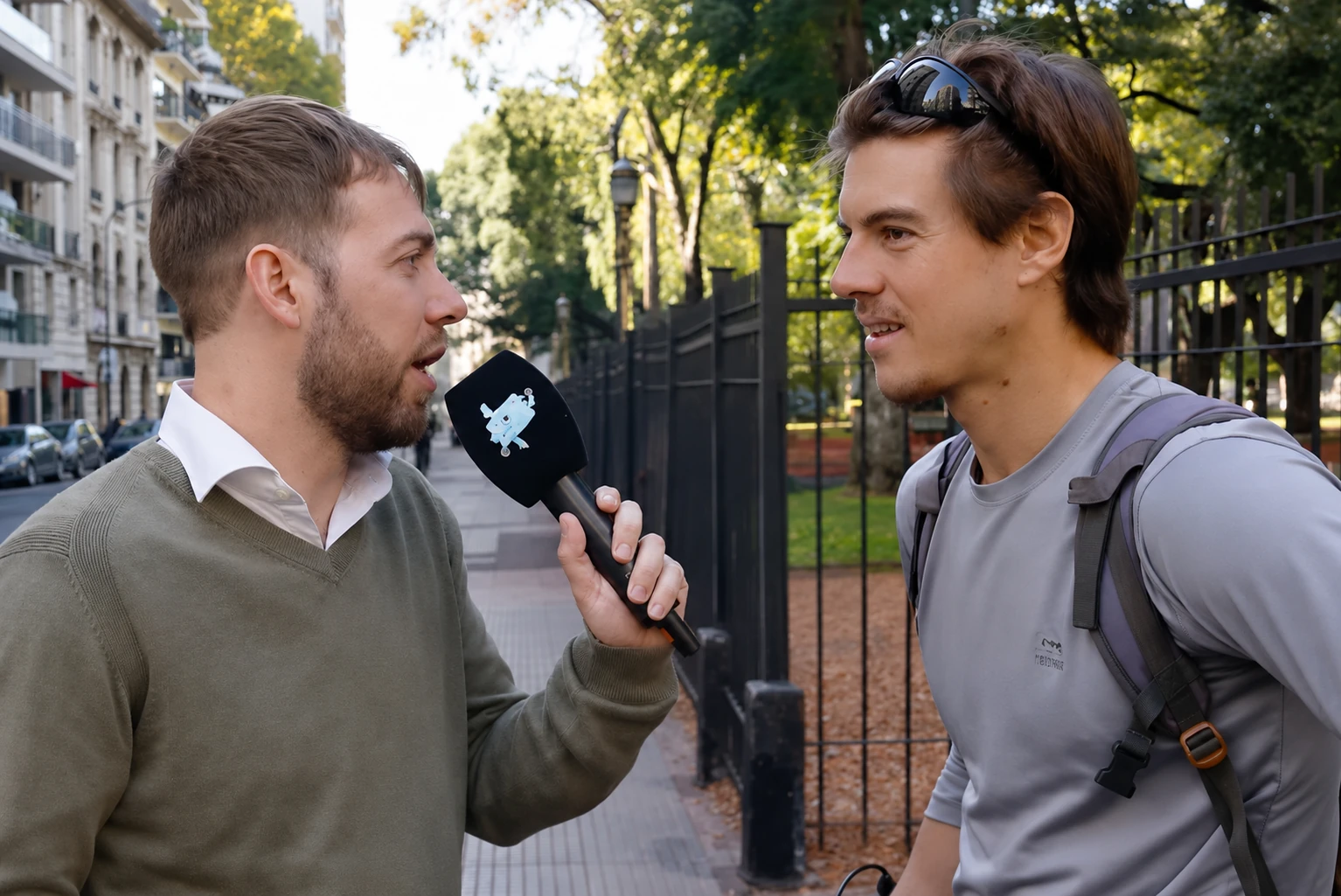
Today, he walks the streets alongside a cameraman and talks to people about current events. They prepare a script to get things started, but after that, everything happens in real time. And that is precisely where the actor, the musician accustomed to improvising and the quick-witted comedian who knows how to listen before responding all come together.
It may sound simple until he explains what happens behind the camera in the fresh and provocative format he stars in: “It’s not just about going out and asking questions. There’s a complexity that’s difficult to understand until you actually do it. You depend on the other person; you need to be present, connected and without too many distractions. I really enjoy it.”
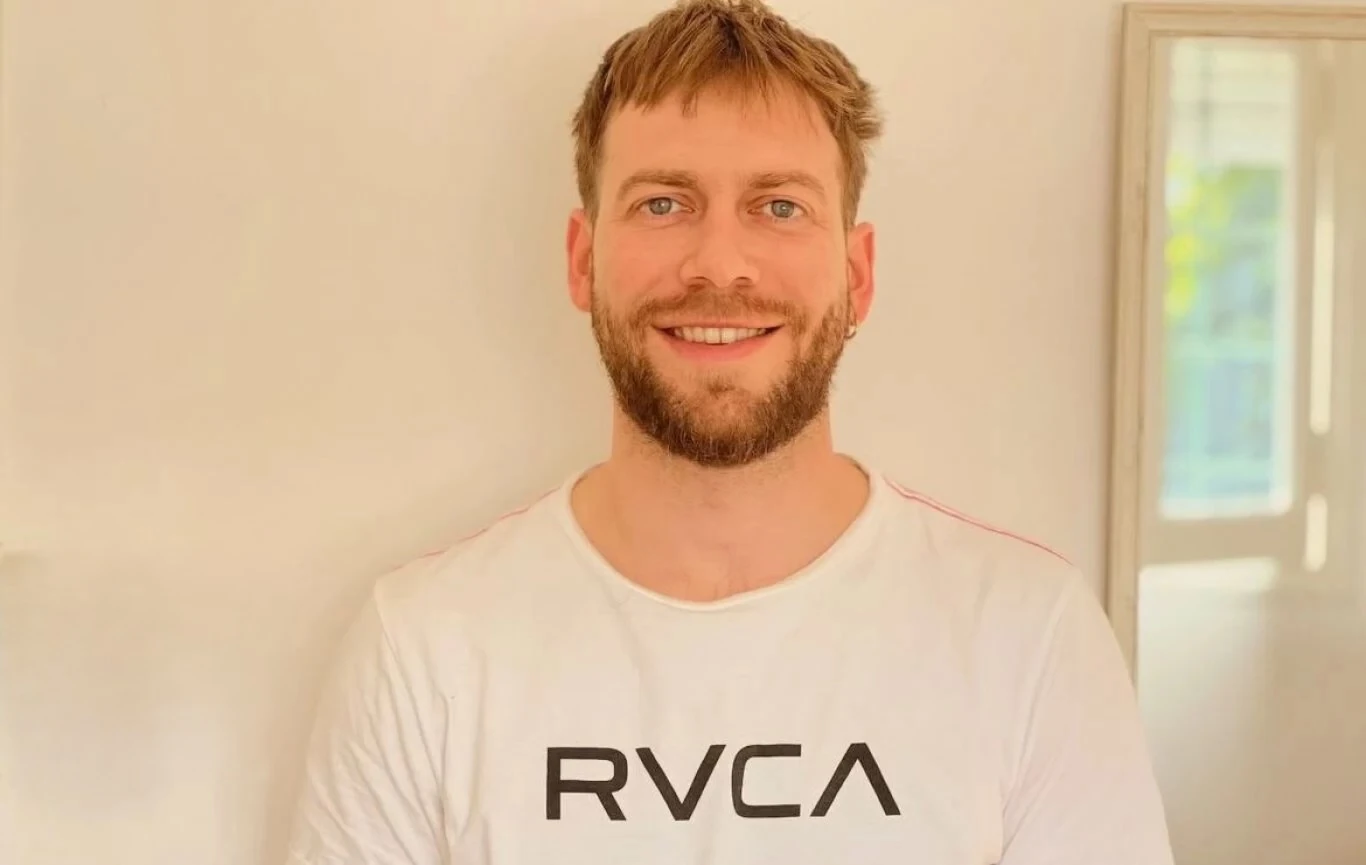
This Mendoza native, without a particularly noticeable accent, is thoroughly enjoying his current moment. He is learning, meeting people, exploring the unknown and says he feels very comfortable: “It’s a constant challenge that makes me happy.”
The lawyer who never stopped practicing
If you leaf back through Juani Lecea’s story, it is impossible not to pause at his years studying Law and his subsequent professional practice. The combination of these different facets may be surprising, but they all coexist harmoniously within him.
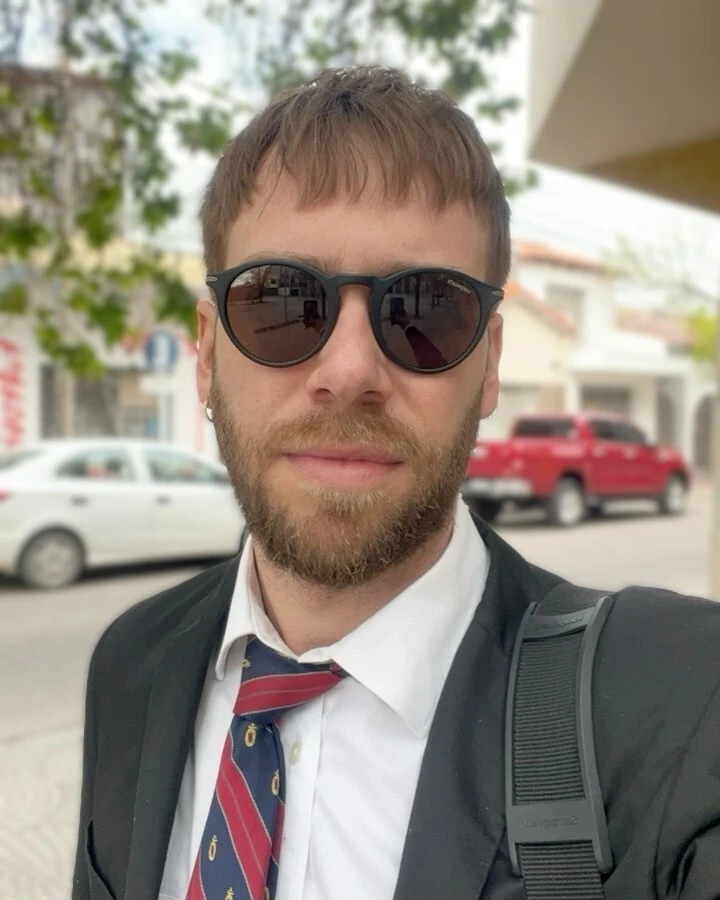
“The people around me always expected me to become a lawyer because I was passionate about arguments, and I still am. I’m good at making a case,” says Lecea, who never abandoned the law and currently works on cases that are nearing completion.
There was a time, however, when he felt that all his different facets were competing with one another: “I won’t deny that at times it was chaotic. You’re kind of a strange creature; among lawyers, you’re a hippie, and among hippies, you’re the CEO of a corporation,” he jokes. But that is now behind him, and today he feels that all his passions define who he is. “You eventually understand that you have to dismantle the labels imposed from the outside. You can be one thing and another in different contexts. Being one thing doesn’t mean you can’t be something else.”
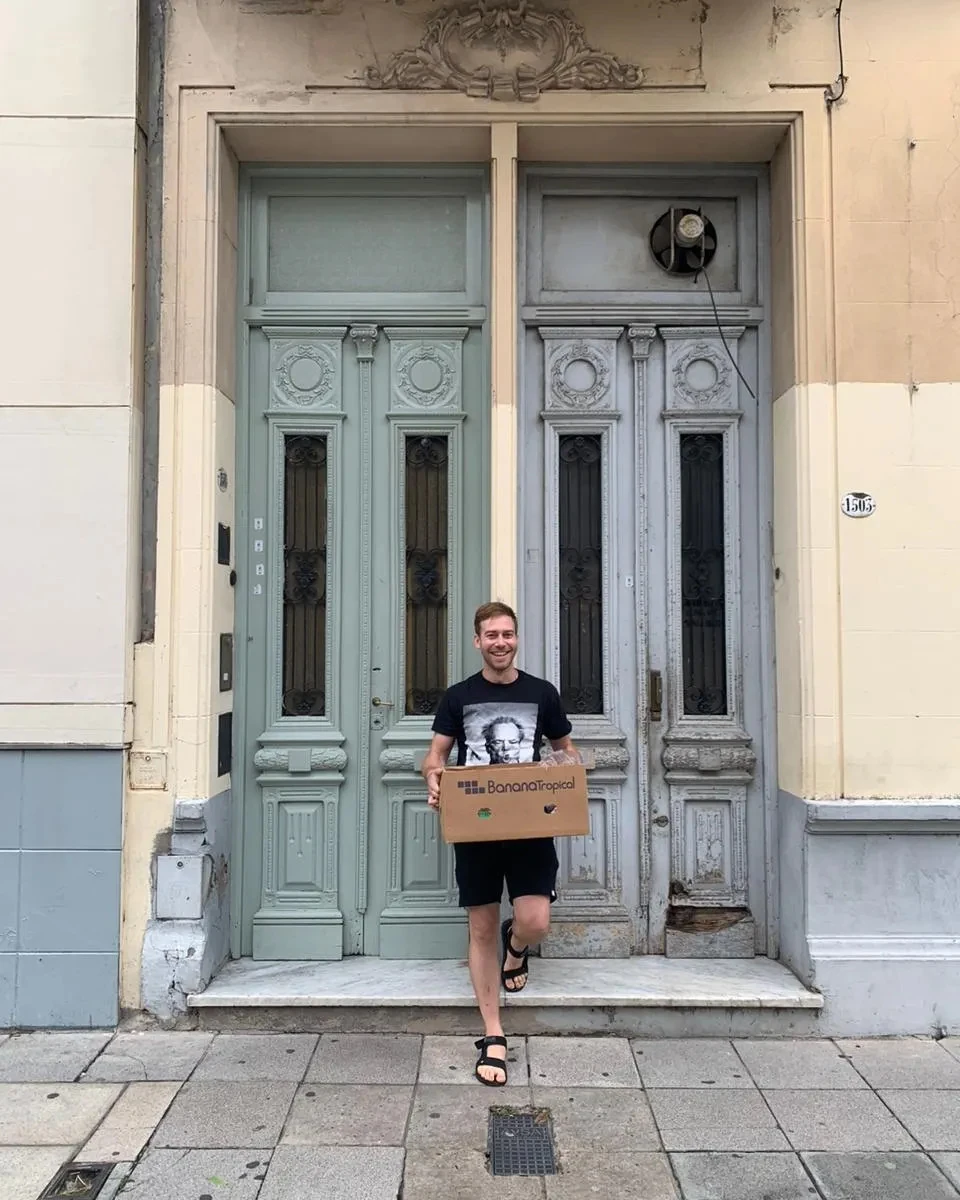
The road back always leads to Mendoza
Although he now lives in Buenos Aires, Mendoza remains the place where he reconnects with part of his history. The first thing he does when visiting his home province is meet up with his loved ones and then make some plans.
What kind? A lomito at Barloa (San Martín and Morales, Las Heras), an impromptu party, a vermouth and small plates at La Central (794 Av. Bartolomé Mitre, Ciudad), and even the occasional theater show.
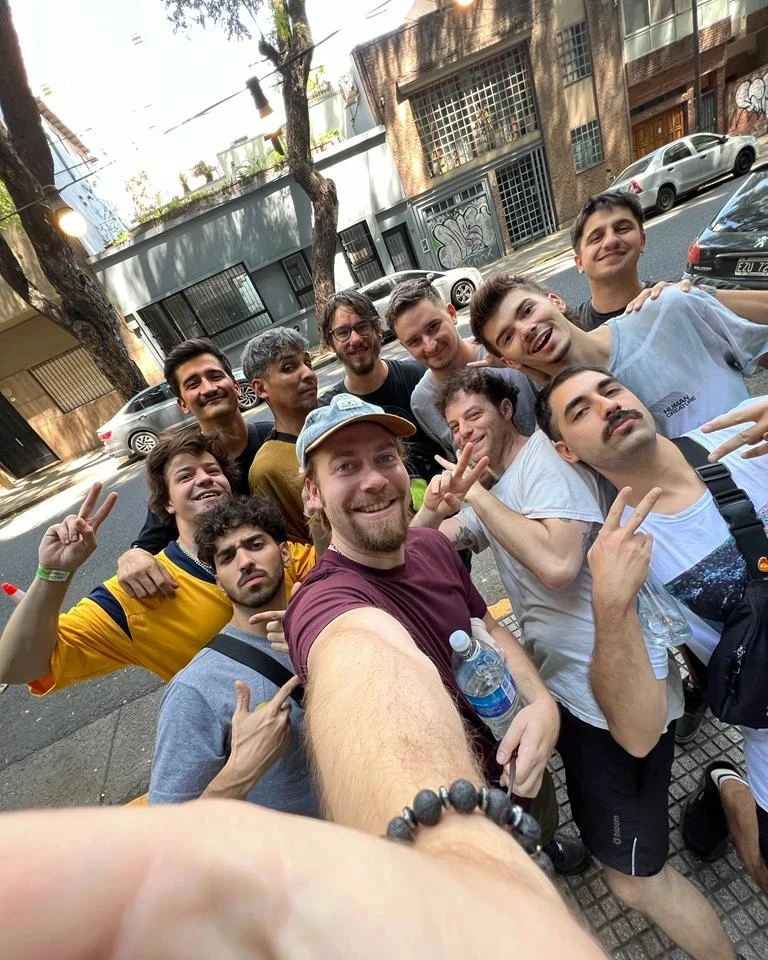
You may also like: Mendoza-Style Lomito: A Gastronomic Icon You Can’t Miss
But there is one plan that stands above them all. It isn’t in a restaurant or on a menu, but by the side of a road. “There’s nothing like a homemade tortita with chicharrón. But not just any tortita—the real thing, the one baked in a clay oven, the one sold by the woman at her little table set up on the roadside. That one is almost becoming extinct,” he says, thinking of one and craving it with all his heart, ideally accompanied by a mate “bitter, of course.”
As he experiences the most visible moment of his career so far, Juani Lecea avoids talking about goals that are too far into the future. He says he would like to put on a live show, keep learning and remain open to whatever comes his way. Perhaps it has something to do with his way of understanding the journey, without rushing to define himself. Because after talking to him, you get the feeling that humor was never the destination, but rather the natural consequence of someone who never felt the need to choose just one version of himself.