
[image]
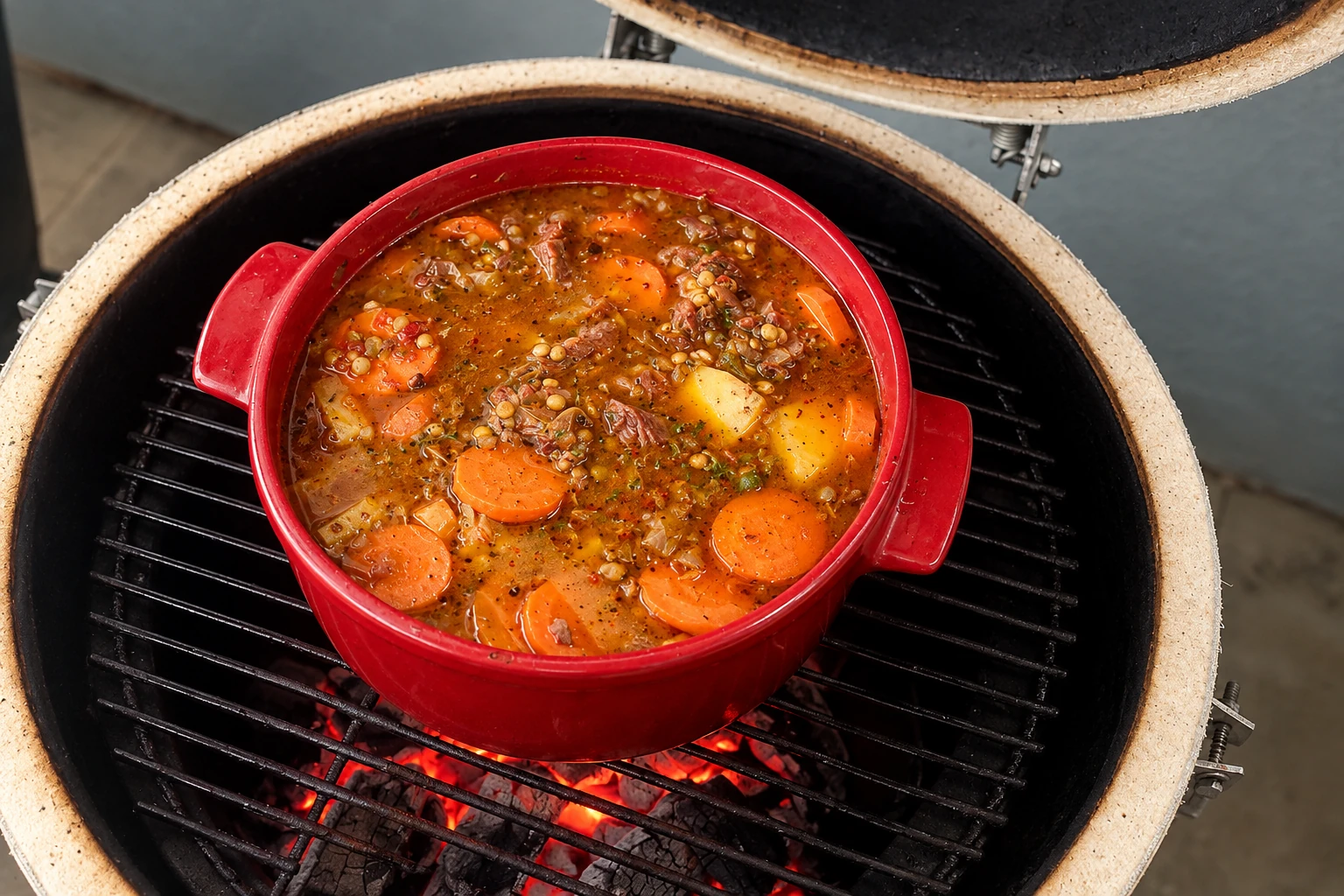
[title]Back in the day, if you wanted something that had spent hours in the oven, all you had to do was head to the neighborhood rotisserie. You would order a portion of meat, a side dish or two, and head home with a still-warm tray. Cocinando al Kamado brings back that idea, but replaces the old oven with a kamado and makes long cooking times its main calling card.
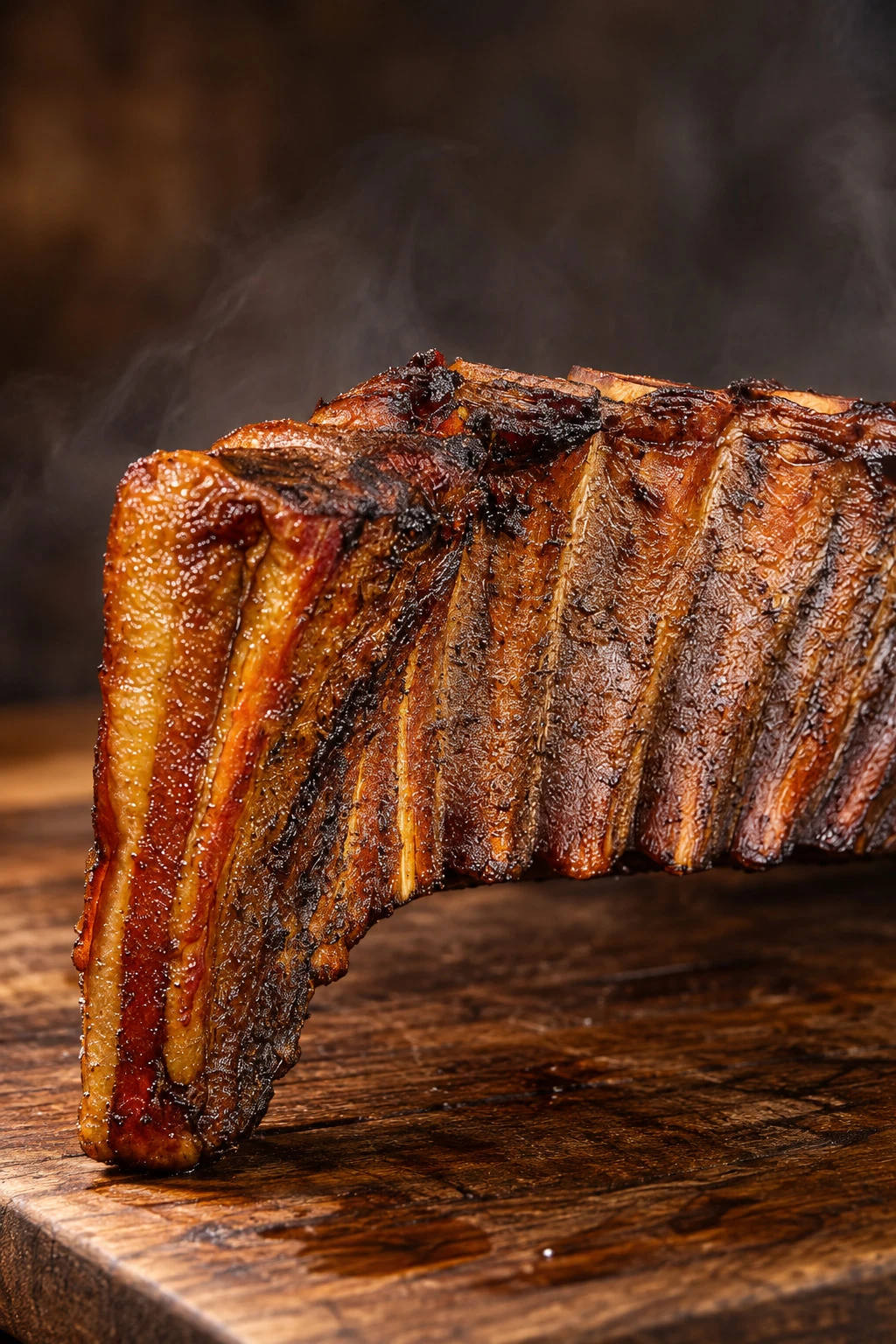
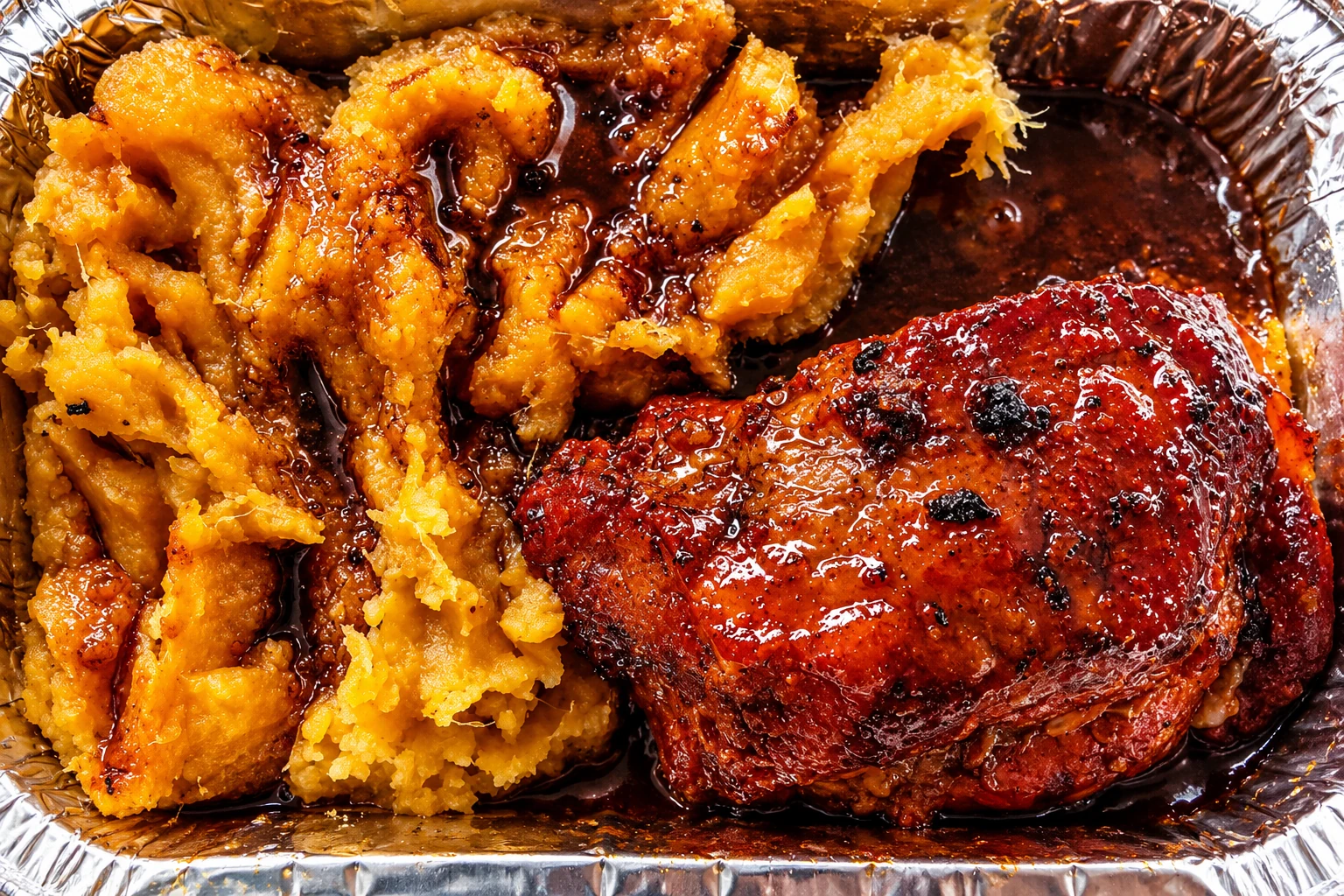
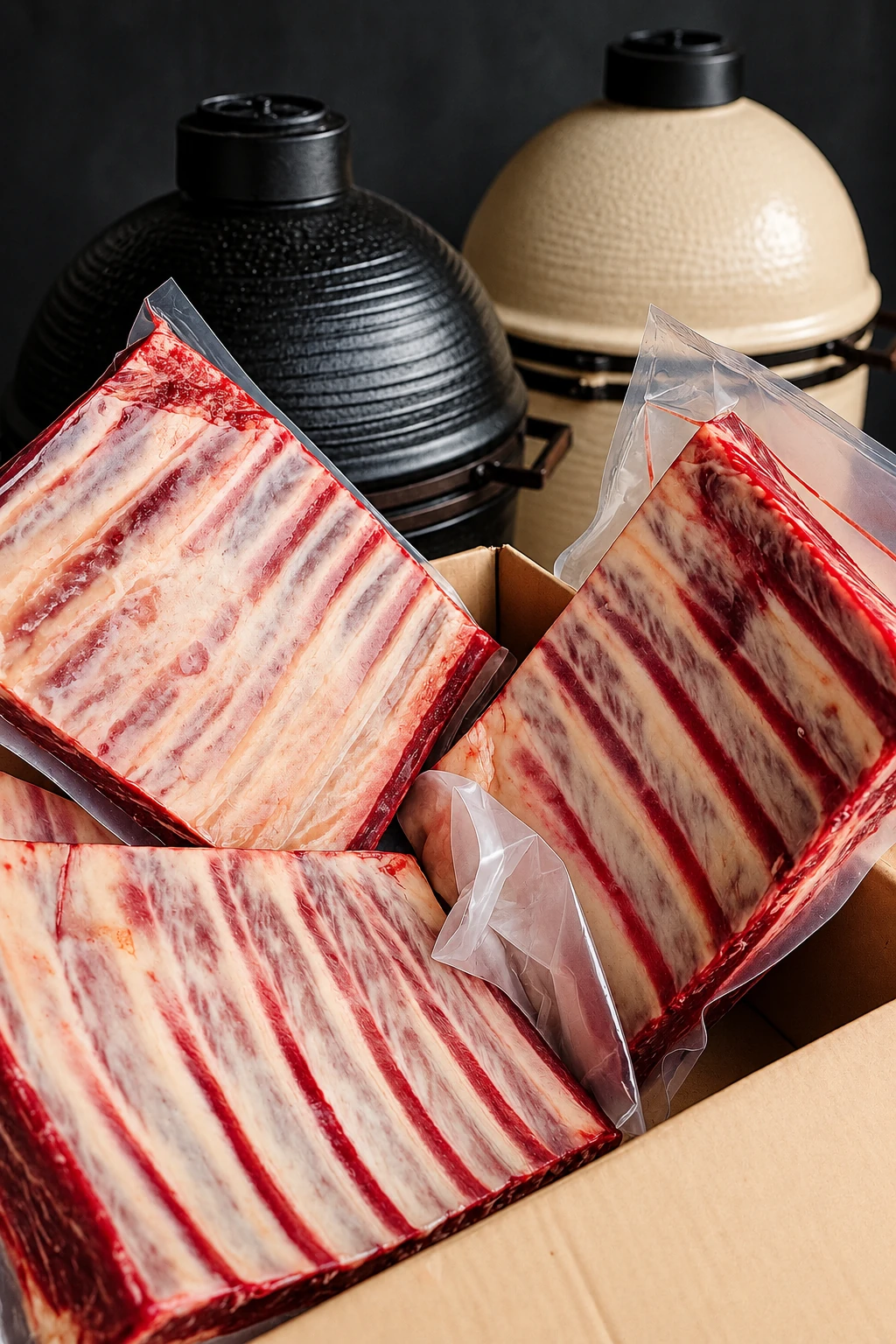
The heavy steer beef ribs are the star of the show. They spend hours in the kamado, at a low temperature and with gentle smoke, until they reach a texture that practically falls apart when you cut into them. There is also pork shoulder glazed with teriyaki and honey, pork ribs and a selection of side dishes, including a standout sweet potato purée. Everything is slow-cooked and delivered from a dark kitchen in Villa Crespo.
The concept behind Cocinando al Kamado has something of that classic neighborhood rotisserie: food that takes time to prepare, that you buy to take home and that doesn't need much ceremony to become lunch or dinner. The difference lies in where it all begins: instead of the rotisserie oven, there is a kamado that works as a grill, oven and smoker.
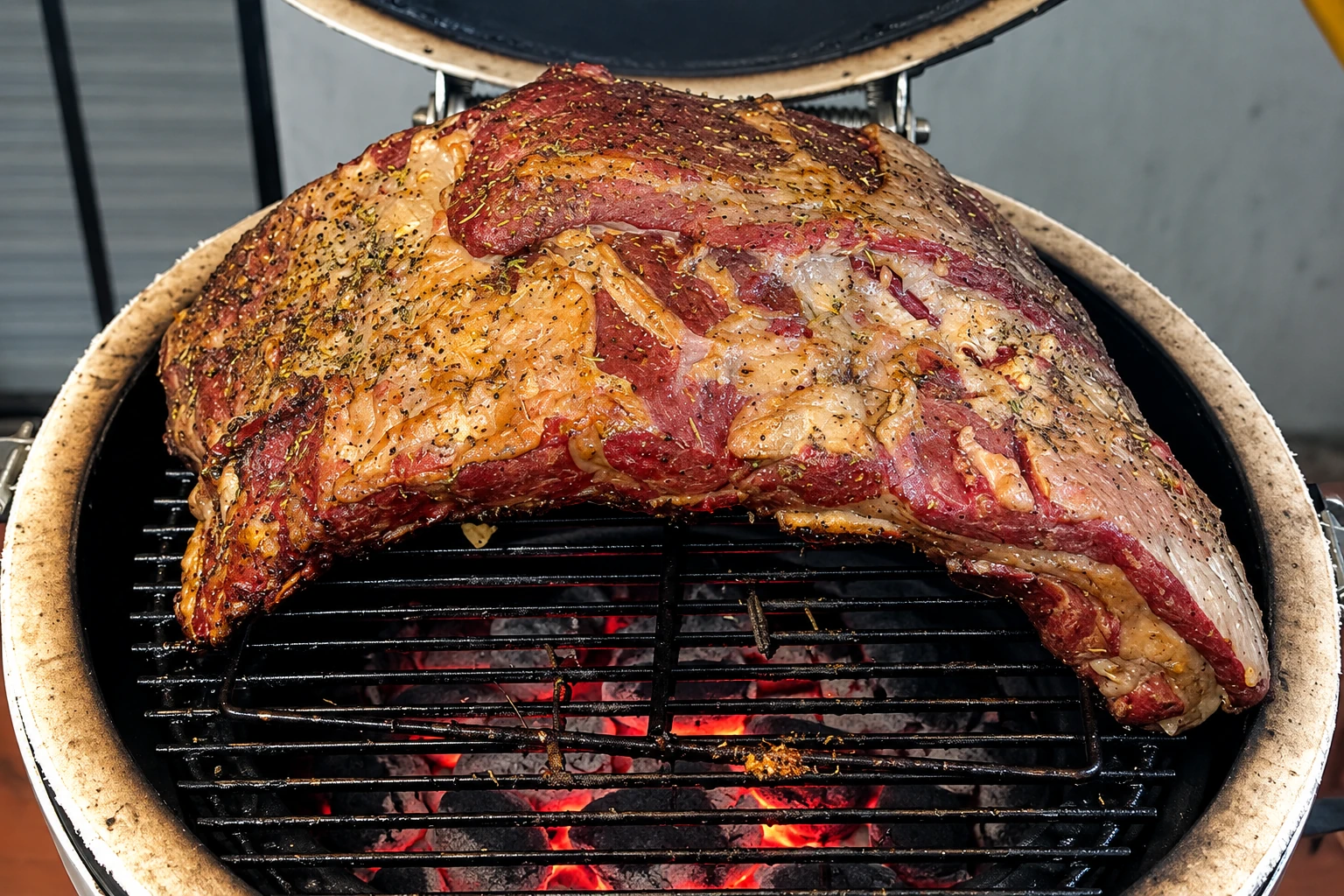
And that's the key to its success. It's not simply about making barbecue and delivering it to your door, but about taking advantage of a tool that allows you to cook large cuts for hours, at a low temperature, with indirect heat and gentle smoking.
“Good food takes time, and fire transforms ingredients into an experience.”
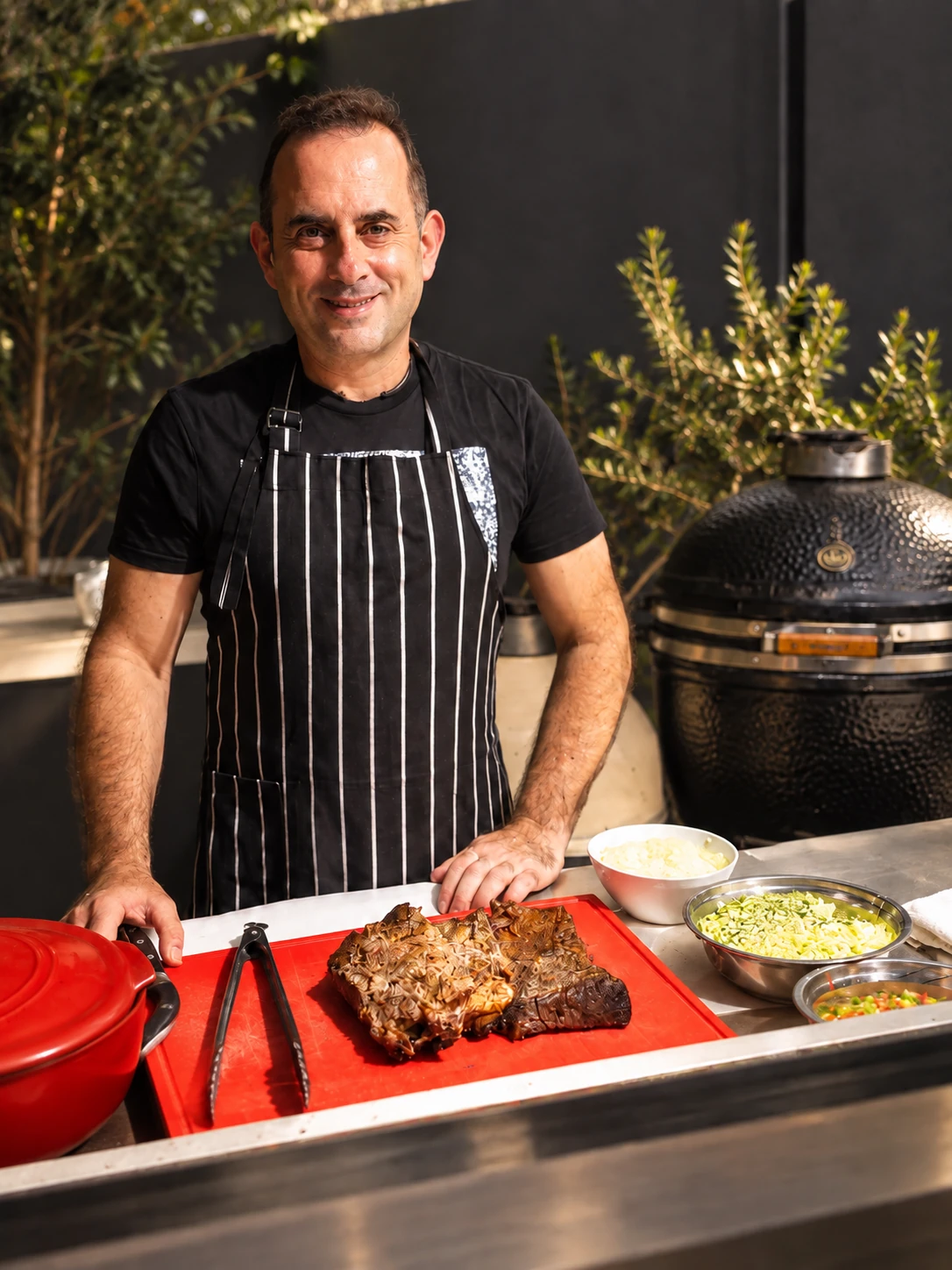
The beef ribs have become the restaurant's signature dish. Gaby Rotjed mainly works with heavy steer beef and experimented with different versions until finding a style of his own. One of them is made with teriyaki and honey, a combination that was created during the pandemic at the request of a regular customer. Today, he also prepares new versions, including one with wasabi and another with Malbec.
The grillmaster without a grill
To understand why Gaby ended up devoting his days to cooking meat for hours, you have to go back to the beginning. At 10 years old, long before starting a food business, he already knew where he wanted to be at a family gathering: near the fire.
The building where he lived with his parents had a grill on the rooftop. Whenever there was a gathering, his father would leave the task to Aníbal, the building's caretaker. Gaby would take the opportunity to stay upstairs with him and learn the ritual: preparing and lighting the fire, getting to know each guest's preferred doneness and hearing the "round of applause for the grillmaster."
“I was a ‘grillmaster without a grill,’” he recalls. What began as a childhood curiosity eventually became a habit: years later, at gatherings with friends, he would inevitably end up standing in front of the fire.
First came the grill. Then came the smoke
At 28, he moved into an apartment with a rooftop terrace and a grill. Barbecues became increasingly frequent, but a very Buenos Aires problem emerged: smoke. The apartment upstairs was getting most of the smoke, and the neighbor wasn't exactly thrilled. Gaby decided to negotiate. “I told him: ‘Don't worry, we'll find a way for me to keep making barbecues without it affecting you.’” Ten days later, he had sheet-metal ductwork installed that solved the problem.
A few years passed, along with a separation, more moves, an economic crisis, and Gaby decided to buy himself a gift: his first kamado. The idea was to keep making barbecue, but with less smoke and, above all, with a different way of controlling the cooking process. He didn't yet know that this unusual piece of equipment would eventually become his work tool.
A balcony in Palermo and a question
In January 2020, he opened an Instagram account. The idea of selling food wasn't fully formed yet, but neighbors had already started asking about the aromas coming from that balcony. Until one question came along that would provide the final push: “What if you started cooking to sell?”
That question gave rise to Cocinando al Kamado. The first customers were neighbors, friends and acquaintances. Then the pandemic arrived and, paradoxically, the small project found itself in a context where delivery became the star of the show. Orders began to grow. Some regulars ended up ordering as many as four times a week.
“They say a crisis equals an opportunity, and that's how it was: flexibility and resilience were fundamental.”
What makes cooking in a kamado so special?
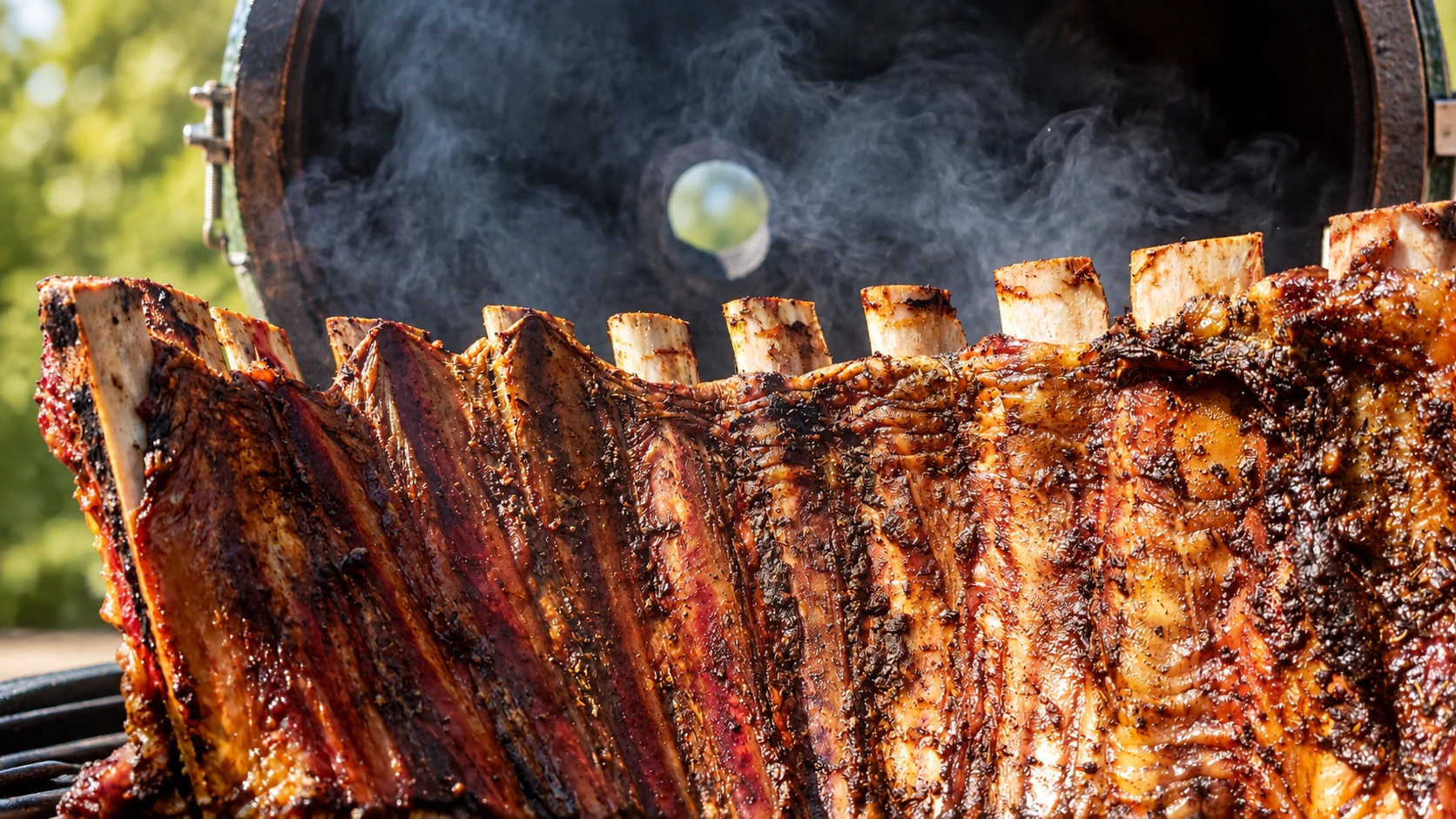
The answer lies in time. A kamado works as a grill, oven and smoker, but its real advantage comes with long cooking times: low temperatures, indirect heat and gentle smoke that allow cuts to be cooked for hours. For Gaby, that's a big part of the secret to tender, flavorful meat with a texture that can only be achieved by letting time do its work.
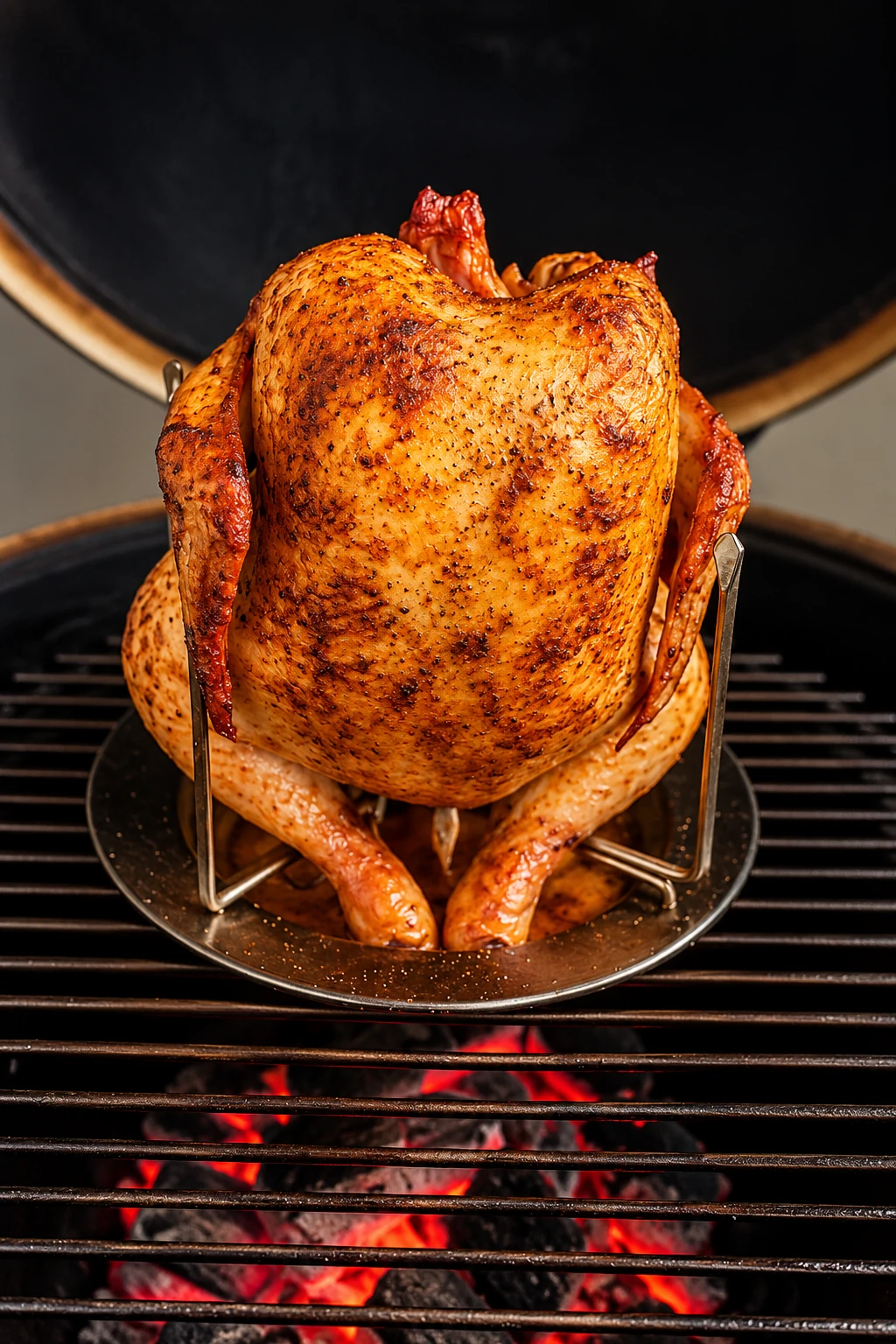
The first experiment was fairly classic: tenderloin, beef ribs and chorizos. But if there's one dish that represents Cocinando al Kamado today, it's the heavy steer beef ribs. “We were always told that veal was the best meat, and when I discovered heavy steer beef, I went down a one-way road,” he admits. The discovery ended up changing the way he works: today, around 90% of the beef he uses comes from heavy steer cattle. Then there is the pork shoulder glazed with teriyaki and honey, as well as the pork ribs.
A rotisserie that travels
From the very beginning, Cocinando al Kamado was designed as a delivery operation. The idea was simple: cook for hours so customers could enjoy the food at home without having to light a grill.
“Enjoy it in the comfort of your own home” is the essence. But delivering slow-cooked food to someone's home comes with an obvious challenge: making sure it arrives in good condition. Packaging became an important part of the project. The food is designed to retain its temperature even during 20- or 30-minute journeys.
“Many of our customers live in the countryside, and surprising them by eating barbecue in Buenos Aires isn't easy to achieve.”
They also offer some dishes that are already cooked and vacuum-sealed. They can be reheated at home in the sealed bag by placing it in hot water, and can be kept for up to seven days in the refrigerator or three months in the freezer.
Is this still barbecue?
For Gaby, the answer is clear: “It's barbecue, but with a different approach.” The difference lies in the cooking method: more time, controlled temperatures and a much more measured use of smoke. There's also the amount of charcoal used: according to him, a kamado can use between five and eight times less charcoal per session than a traditional grill.
And then there's the ritual. Because even when the equipment changes, the idea of gathering around the fire remains.
“You can also create rituals around the kamado.”
Check out the best neighborhood steakhouses
From delivery to events
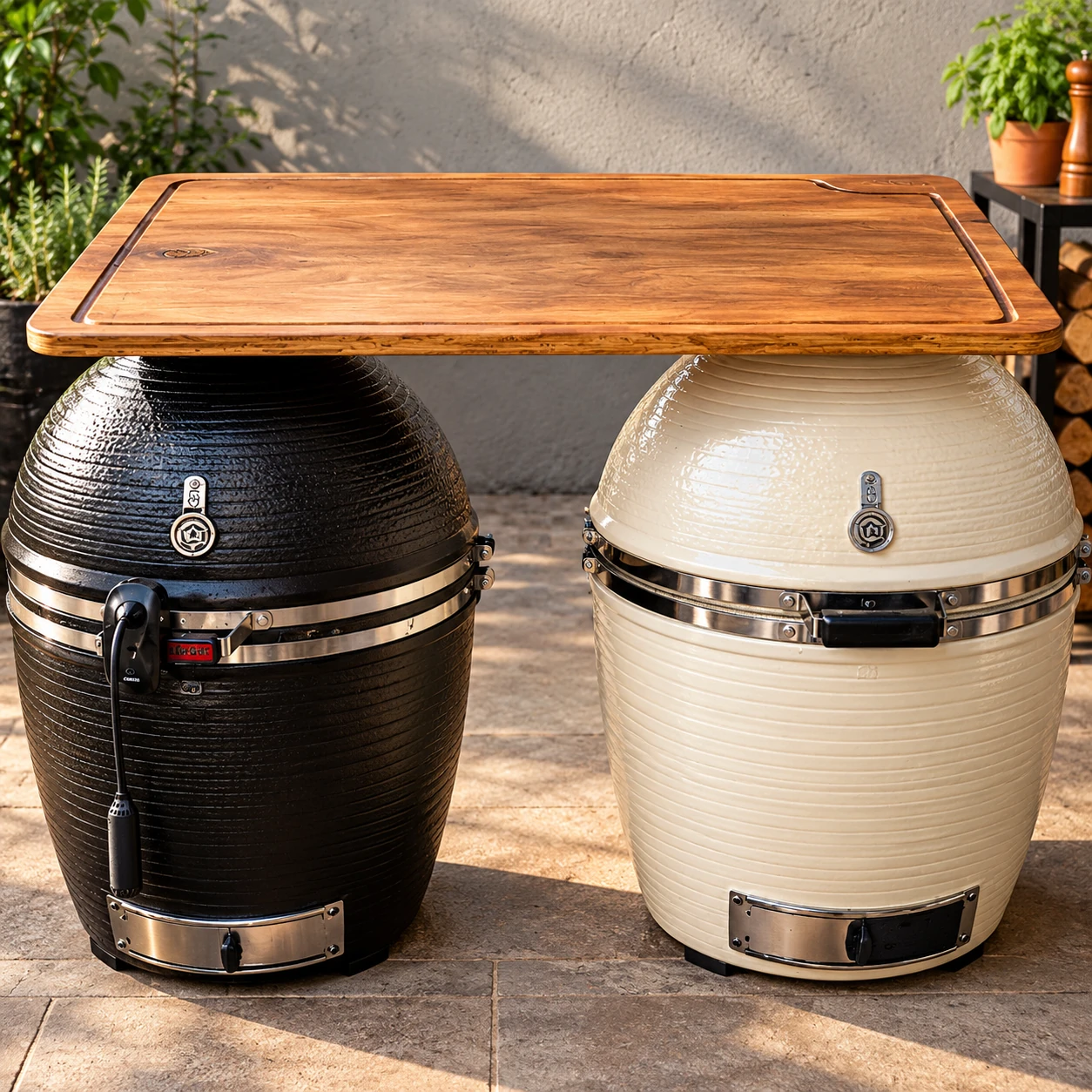
The story doesn't end at the doorstep. Today, Cocinando al Kamado operates as a dark kitchen in Villa Crespo, delivering throughout CABA and GBA, but it also has a side that puts Gaby back in front of the fire, just like when he was a kid: events. The idea is to bring the kamados directly to the venue and cook there. The fire leaves the kitchen and once again becomes part of the gathering.
As the business continues to grow, Gaby already has new experiments underway. The ribs, his signature product, will soon have new versions: one prepared with wasabi, developed based on suggestions from a renowned Argentine sushi chef, and another with Malbec. “Not bad for someone who started out as a ‘grillmaster without a grill,’” he jokes.
From that apartment rooftop where a 10-year-old boy watched Aníbal work to the Palermo balcony where a kamado began attracting the attention of neighbors, there have been moves, a crisis, a separation, a pandemic and thousands of hours spent in front of the fire. The grill has changed. The ritual, much less so.
More information at this link.