

[image]
[title]Luisana Lopilato takes on one of the biggest challenges of her career in Pepita, la Pistolera, one of the year’s most anticipated Argentine films: becoming Margarita Di Tullio, the criminal from Mar del Plata who, amid crime, violence and controversy, eventually became a legendary figure. Directed by Lucía Puenzo, the film reconstructs nine months in the life of Pepita and delves into the contradictions of a woman who defied easy categorization, in a Mar del Plata marked by the violence of the 1980s.
Pepita, la Pistolera hits theaters nationwide this Thursday, September 3, offering a thriller based on true events that combines crime, tension and drama with a story shaped by the protective relationships Di Tullio built with sex workers. Behind the film, there is also a personal project that Lopilato pursued for years and that marked her debut as a producer. In this interview, she talks about the origins of the film, the challenge of transforming herself into Pepita, and her work with Puenzo to bring one of the most controversial women in the recent history of Mar del Plata to life.
The story of Pepita, la Pistolera began in 2020, when Lopilato was looking for a character that would allow her to move away from the roles she had played up to that point. The name Pepita came up almost by chance during a gathering with friends. But the more she researched Margarita Di Tullio, the more interested she became in bringing her story to the big screen. What began as a search for a different kind of character eventually became a film that the actress not only stars in, but also produced.
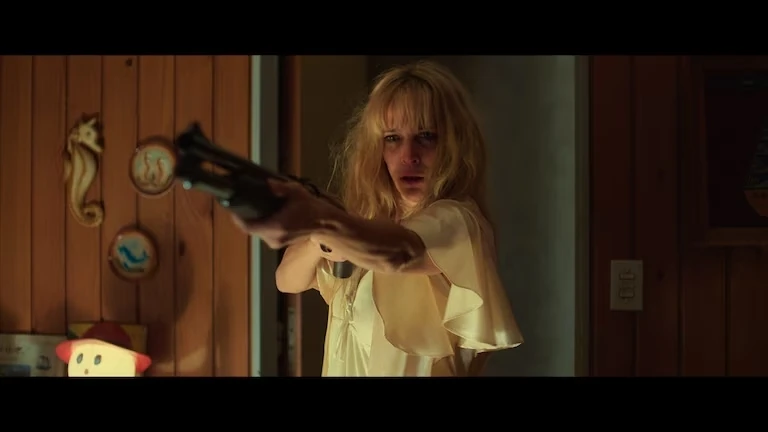
What was the journey like from discovering Pepita’s story to seeing it turned into a film?
I started researching, and the more I looked into it, the more I realized that I wanted to make it. First, I discussed it with my manager, and then came the challenge of convincing the production company, which already had the rights and another actress in mind for the role. The project went through different stages until the pieces started to come together and Lucía Puenzo finally joined.
What did you enjoy most about playing Pepita?
What interested me most was discovering that there was a woman behind Pepita and being able to understand why she made the decisions she did, within the context she was living in and with the tools she had. In the 1980s, in a world run by men, this woman gathered all her strength and began protecting sex workers, setting up a shelter for them. I was interested in telling her story through her values, her vulnerability and everything that led her to become “Pepita la Pistolera.”
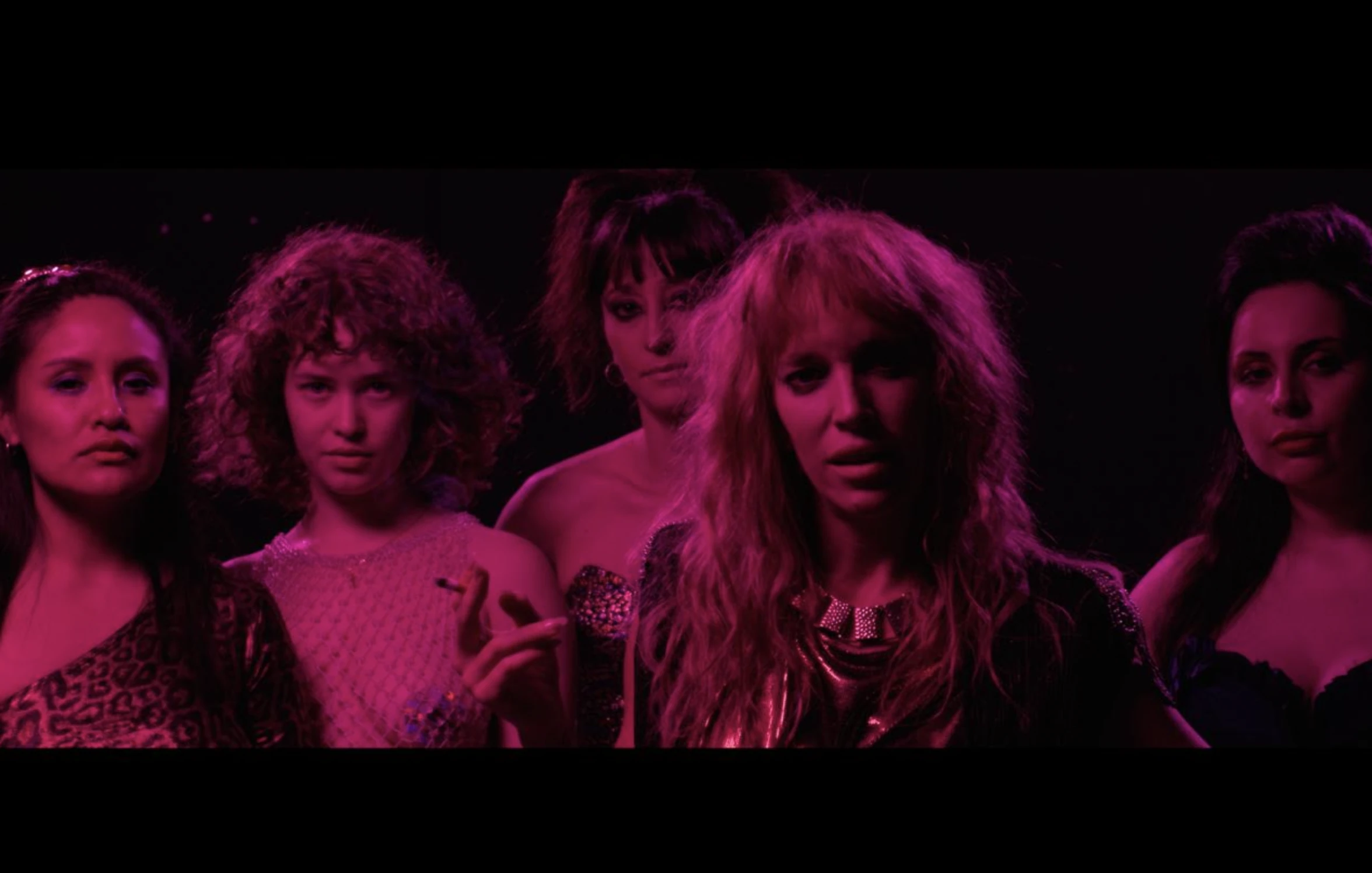
“What interested me most was discovering that there was a woman behind Pepita”
You’ve said several times that you didn’t want the audience to see Luisana Lopilato, but Pepita. When was the moment you felt you had disappeared behind the character?
I didn’t want them to see Luisana. People know me very well. I’ve been working since I was a child, and I’ve become a familiar presence in the homes of many Argentines. I think what I focused on most was not turning her into a caricature and finding things that would distance her from me. Putting on a mask helped me see myself differently, and we kept experimenting until, at one point, there was something there that wasn’t me. You couldn’t see me anymore. I had disappeared, and that’s when we said, “This is it.”
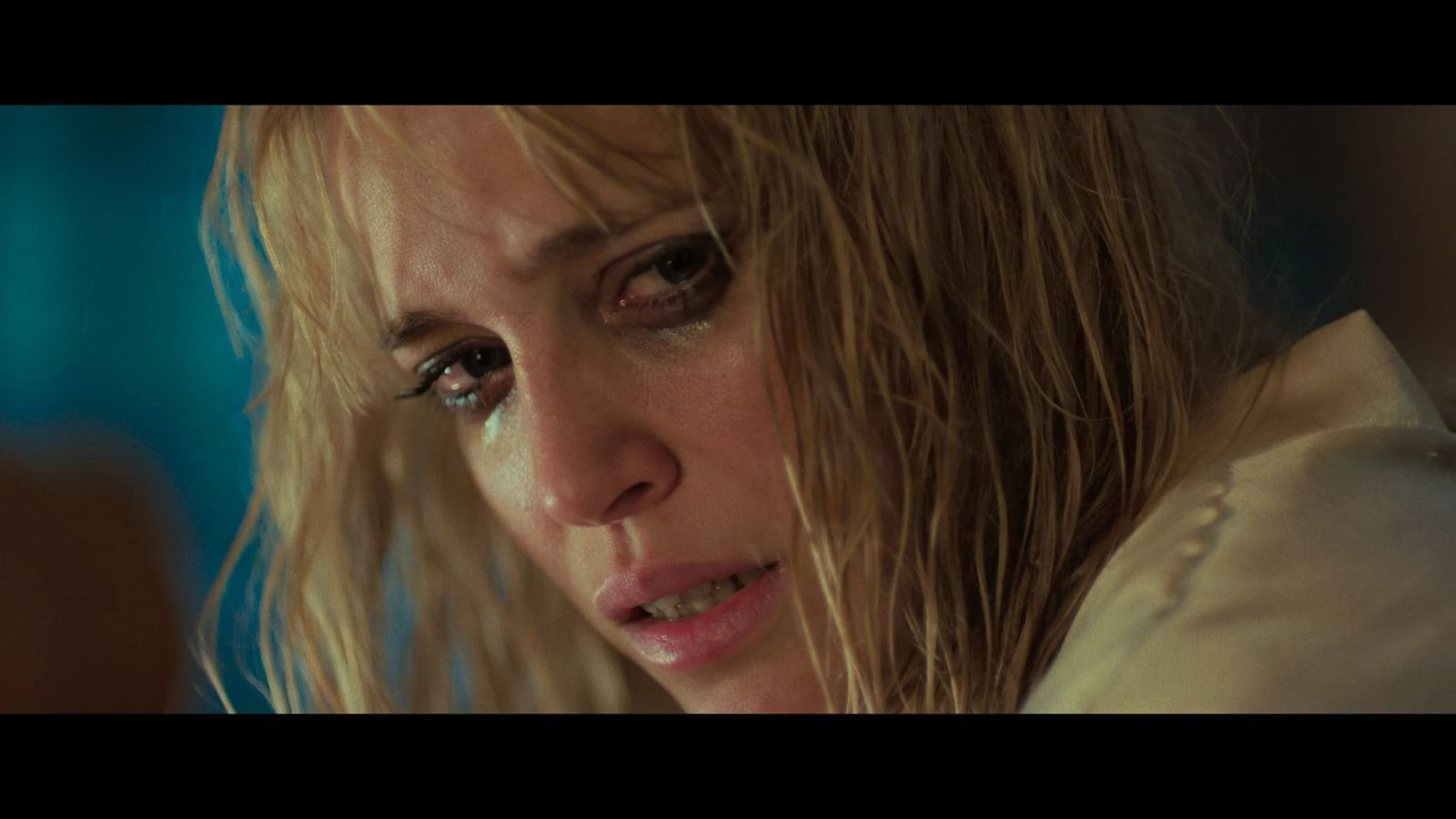
Pepita was a highly controversial figure: to some, she was a criminal, while to others, she was a woman who protected people no one else cared for. How did you find the balance so that you didn’t turn her into either a hero or a villain?
Margarita Di Tullio is not a hero; she is a criminal. We were always very clear about that and tried not to romanticize the story. She is still who she is, but she did a lot for sex workers at a time when they had no support from the state and were fighting for their rights.
While filming in Mar del Plata, I came across an image of Pepita that was very different from what you might expect from a criminal. Many of the people who approached me had a story to tell me: people at the supermarket, a massage therapist, a taxi driver. They all had something to share. Out of a hundred people, 98% would come up to me and say, “How great that you’re going to be Pepita. I had this experience, Pepita would lend me money, she would help me.” Being on the streets she had walked and seeing the affection with which people remembered her really caught my attention.
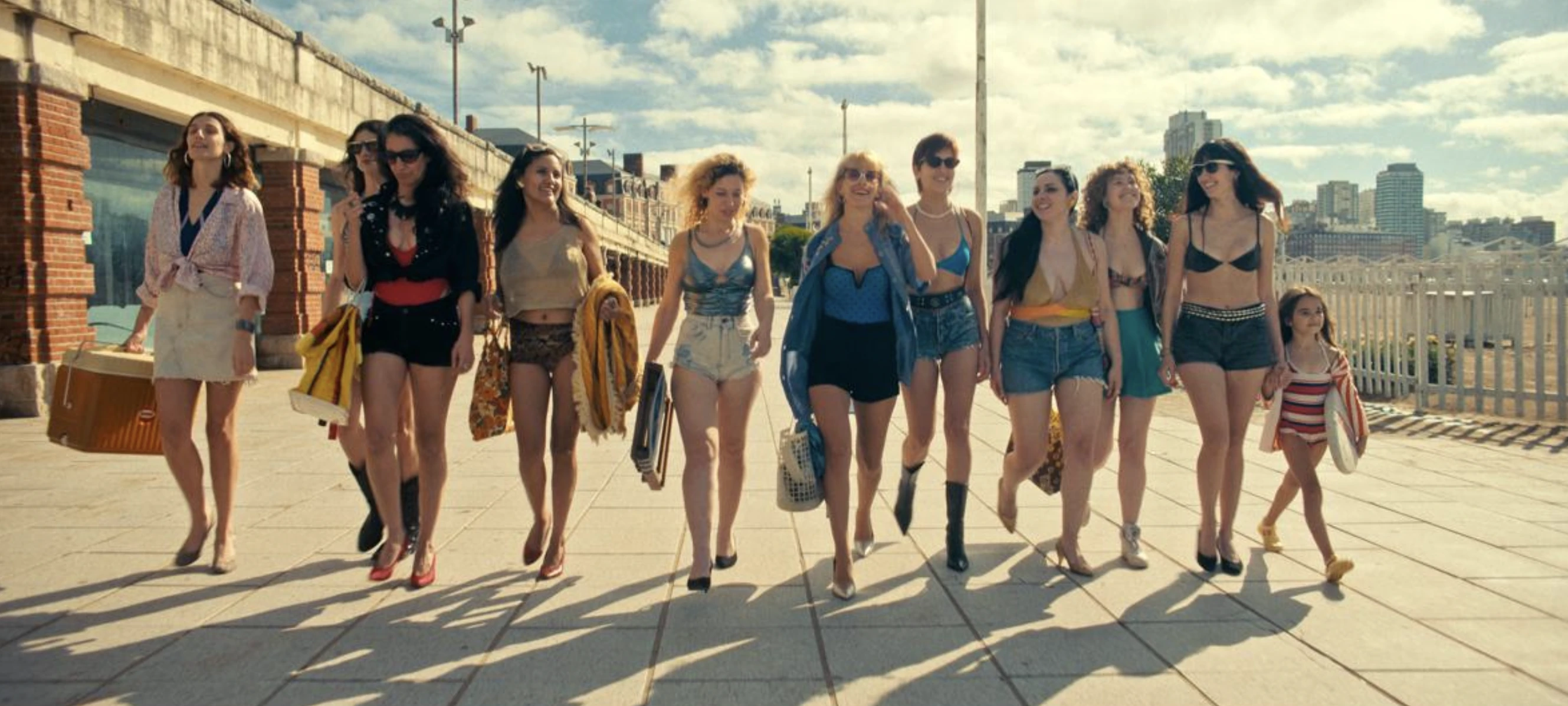
“While filming in Mar del Plata, I came across an image of Pepita that was very different from what you might expect from a criminal”
Lucía Puenzo often creates very complex female characters who are far removed from stereotypes. What did you discover about Pepita while working with her that you might not have found with another director?
When we started filming, Lucía had just finished La caída, and while watching that film, I felt fear and suspense the entire time. I felt uncomfortable and wanted to get up and leave. When I sat down with her, I told her: “I want us to make people uncomfortable.” And that’s in Pepita. Lucía has the tools to create that feeling when she films.
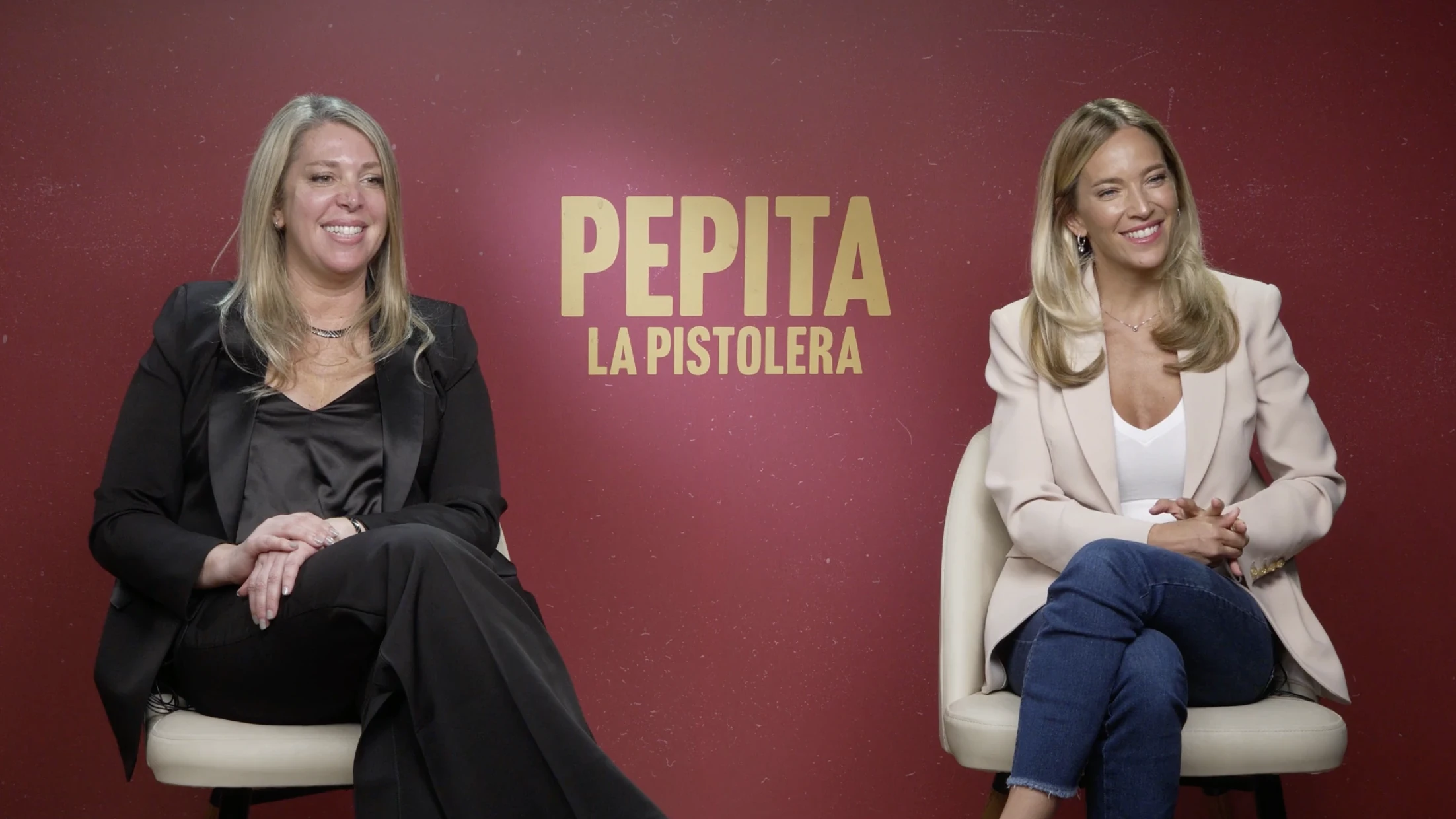
You’ve played characters who are very beloved by audiences, and this film takes you into a completely different register. Do you feel that Pepita marks a before and after in your acting career?
I think every project I’ve done has always been another little step forward. Every project changes me and makes me better. Lucía set the bar very high, so now I don’t know what I’m going to do next.
In addition to starring in the film, you’re also involved as a producer. How did getting involved from that perspective, rather than only as an actress, change the way you look at a project?
What changed when I became involved as a producer is that I learned about things I probably wouldn’t have known about before. I used to show up, act, and that was it, and now I realize how much work actually goes into making a film: the number of people working behind the scenes, the things that are needed to make it happen, and everything involved in doing it well.
Pepita, la Pistolera
- Director: Lucía Puenzo
- Screenplay: Lucía Puenzo, Andrés Gelós and Tatiana Mereñuk
- Cast: Luisana Lopilato, Claudio Tolcachir, Alberto Ajaka, Charo López, Marcelo Subiotto, Camila Peralta, Esteban Bigliardi and Gustavo Bassani.
- Genre: Thriller / crime / based on true events
- Country: Argentina
- Running time: 103 minutes
- Release date: September 3, 2026
- Distributor: Disney