

[image]
[title]The wine world is going through a moment of transformation. New perspectives, personal projects, and more conscious ways of producing now coexist with historic surnames that once set the pace of Argentine winemaking. In Mendoza, one of those names is Michelini. But in this story, the focus is not on the clan—it is on a key figure: Matías Michelini.
A viticulturist, winemaker, and leading voice in the Uco Valley, Matías was part of the generation that, in the late 1990s and early 2000s, challenged the dominant models of Argentine wine to once again look toward the land, the landscape, and ancestral practices as the core of their craft. From Gualtallary, and through the projects he now leads with his family, he promotes a way of understanding wine in which the past inspires, the present is carefully built, and the future is envisioned with a long-term perspective.
Matías Michelini and a New Way of Understanding Argentine Wine
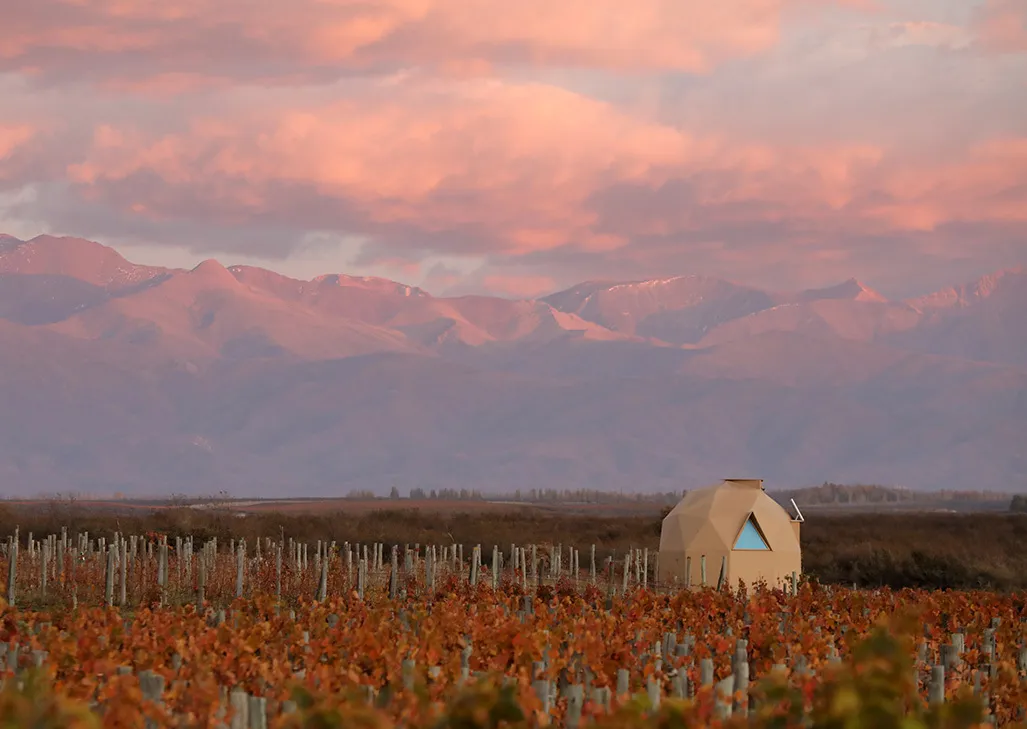
Today, the Michelini family is a benchmark of the highest quality in Argentine wine. Based and living in the Uco Valley—especially in Gualtallary—their identity is defined by a clear idea: to be mountain viticulturists. Loving and respecting the territory is not a slogan, but a way of life.
“We love and respect the place where we grow our vines, and our greatest desire as a family is to bottle the landscape where we live. Wine is a means to that end: to show the identity of a place, the work, and our personality,” the winemaker says passionately.
"Our greatest desire as a family is to bottle the landscape where we live"
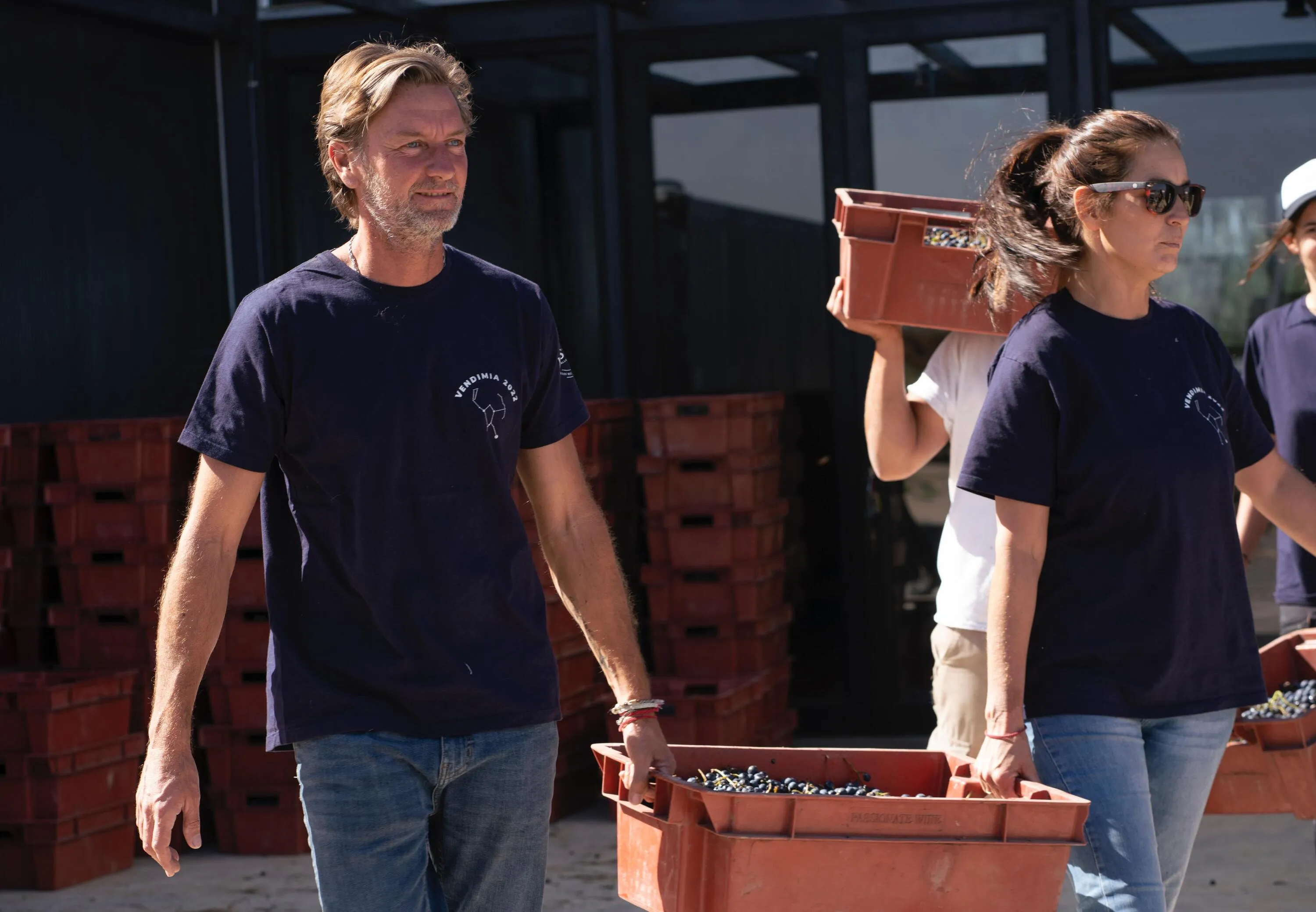
From Technical Wine to Wine with Identity: A Generational Shift
This way of understanding wine contrasts with the scene that dominated two decades ago. For years, Argentine wine was marked by an overuse of technology, an obsession with extraction, high alcohol levels, and the indiscriminate use of oak. The focus was not on origin, but on a consumer shaped by external trends.
You may also be interested in: 10 Mendoza wines you need to discover, according to sommelier Rodrigo Kohn
Looking at the Land Before the Market: The Origin of a Philosophy
“The place wasn’t being considered—only the consumer and tastes imposed by a handful of journalists. We were pioneers in changing all that and in starting to see wine as the revelation of a place, a culture, and family work,” reflects Matías.
Much of this philosophy took shape far from Mendoza. Through travels and conversations with European producers—especially those with a deep relationship with their vineyards—the Michelinis found a different way of understanding the craft.
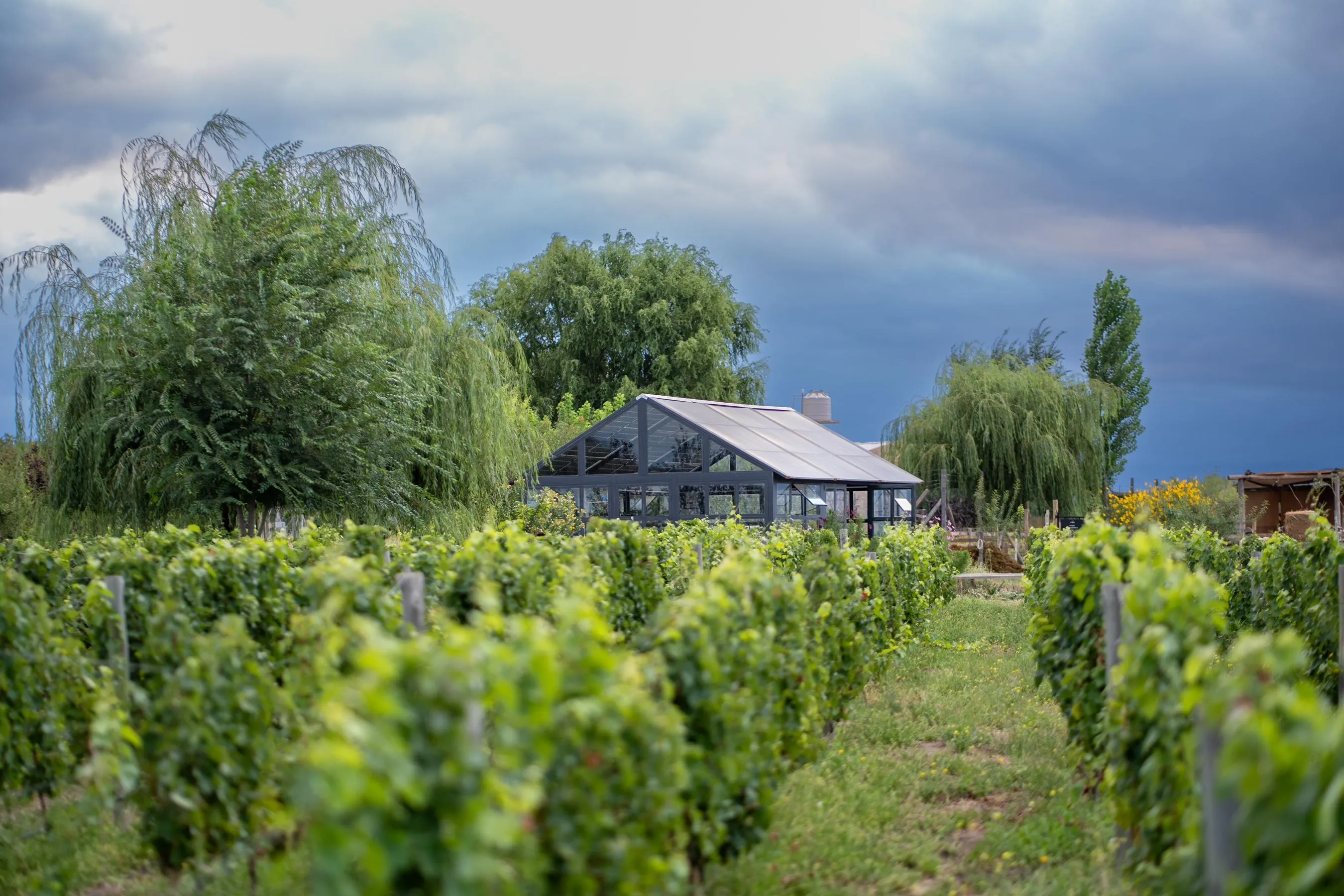
Learning from the Land: Travel, Roots, and Respect for the Environment
When it comes to roots, Matías recalls how great workers of the land not only passed on their knowledge but also embodied respect for the earth and care for their crops. “We were deeply struck by their love for their surroundings, their dedication to working the land, and their concern for their vineyards. Their wines reflected that care. They didn’t see wine as a business, but as the purest expression of a landscape.”
Biodynamics and Minimal Intervention: A Way of Living Viticulture
Along that path came biodynamics—first as a discovery, then as a conviction. Inspired by French producers whose wines moved them emotionally, they began studying and applying these practices in Argentina. “Biodynamic agriculture gradually embraced us until it became, for us, a way of living agriculture—almost spiritual,” says Matías.
"Biodynamic agriculture gradually embraced us until it became, for us, a way of living agriculture"
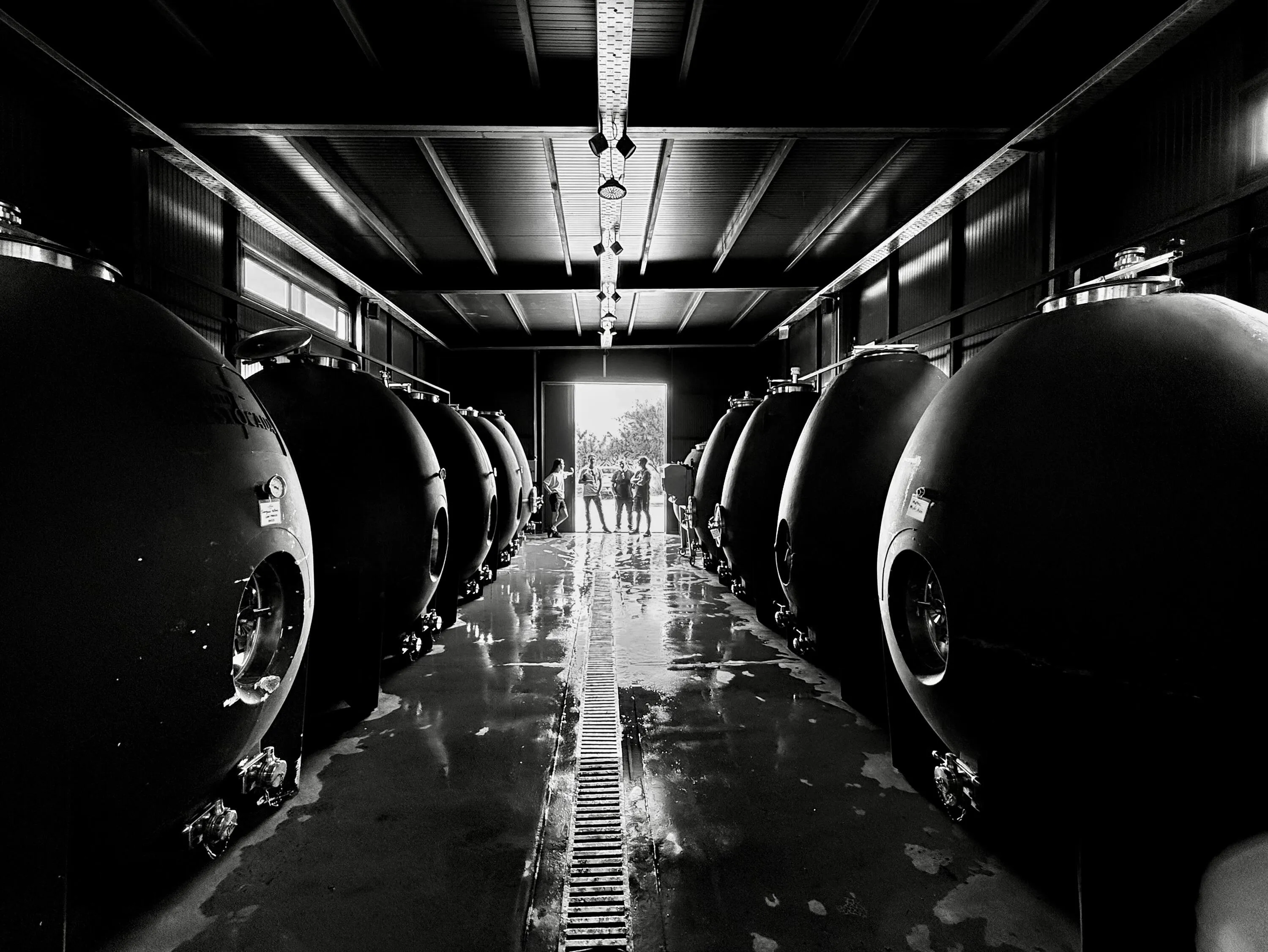
The Concrete Egg and Wine Without Makeup
From that perspective also came an interest in natural forms, such as the egg, which led them to experiment with concrete eggs for winemaking—going as far as building their own vessels in Argentina.
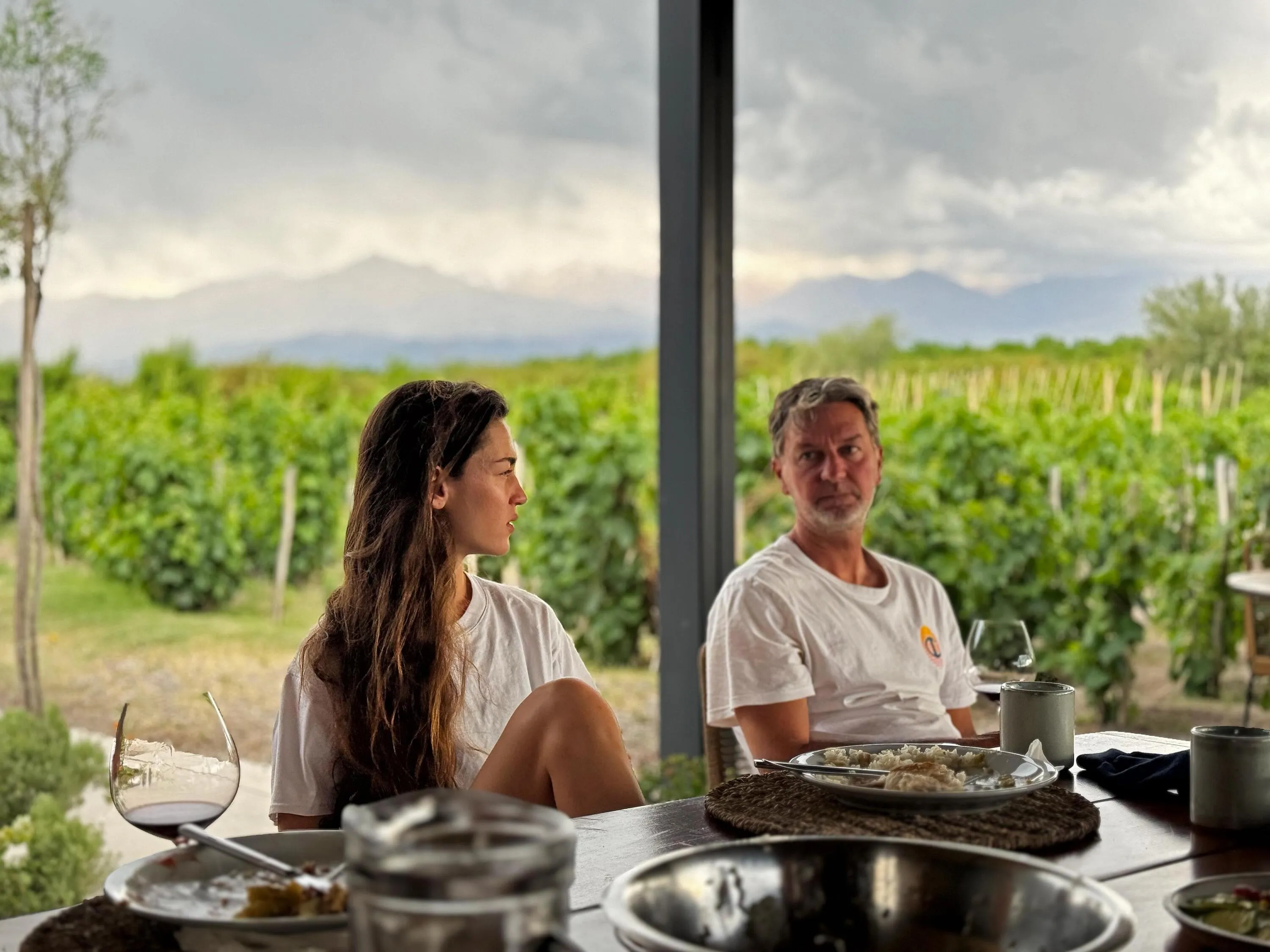
When Technology Standardizes: The Value of Human Work
Over time, the family came to understand that in great landscapes, technology is not always necessary. “Technology tends to standardize, and great landscapes go beyond that. They require the human being, their presence throughout the entire process. When machines remove the human touch, character is lost,” he says confidently.
Sitio La Estocada: Matías Michelini’s Personal Project in Gualtallary
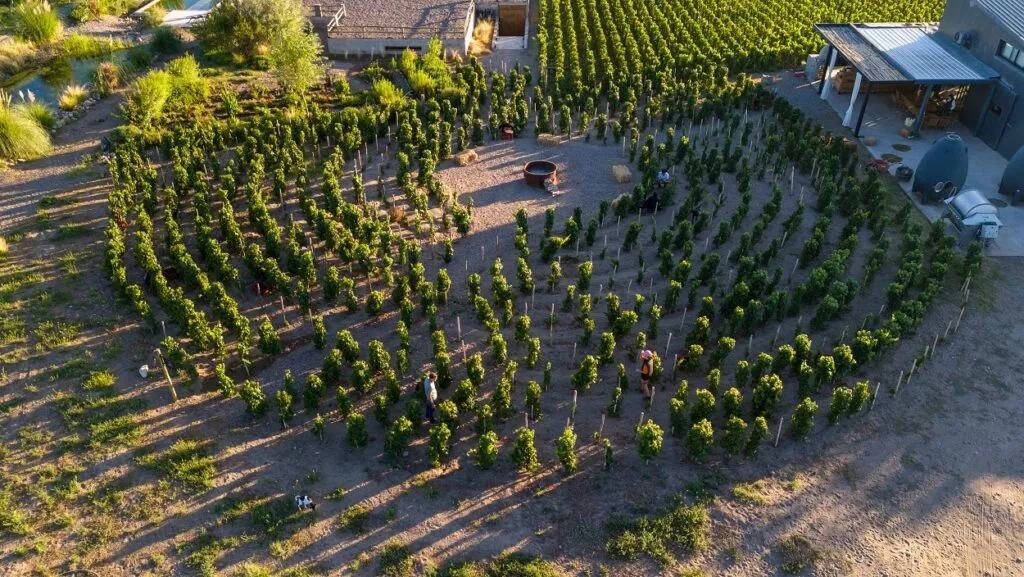
Today, that philosophy takes shape in Sitio La Estocada, the project Matías develops with Ceci (his wife) in Gualtallary. More than a winery, it is their home and their landscape. There, nine vineyard plots coexist alongside twelve vegetable gardens, more than four hundred fruit trees, an apiary, and a small farm with animals—all in balance and harmony.
Family, Daily Work, and Generational Transmission
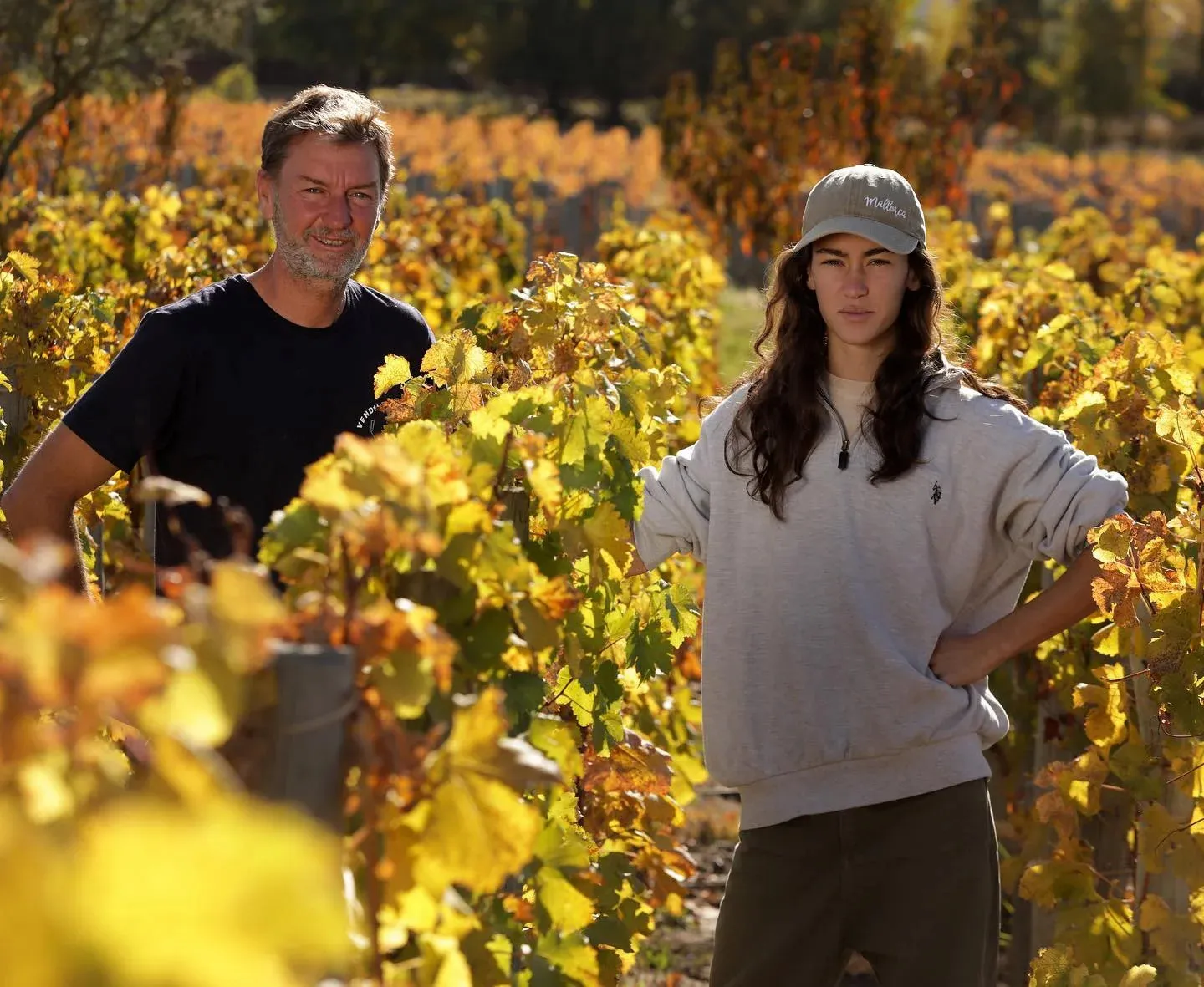
While Ceci cares for the gardens, fruit trees, and animals, Matías focuses on the vineyards and winery, joined by Paula (his daughter) and his brother Stefano, who lead the daily work and are being shaped by a love for the land and their environment.
In a context where there is much talk of a wine crisis and declining alcohol consumption, Matías offers a clear reading. There are many types of consumers, but those who choose wines like the Michelini family’s are “sensitive people who connect with the history, the place, and the character of the product,” he says.
Thinking Long-Term: Caring Today for Tomorrow’s Landscape
Faced with this scenario, the response is to maintain a long-term vision. “We must remain solid, genuine, and continue thinking about the generations to come, caring for these vines and this landscape,” he states.
Shifting the Focus of Argentine Wine: From Power to Territory
Looking ahead, Matías imagines that the path initiated by the Michelini family will be remembered for having shifted the axis of the conversation. “When quality was sustained by power, extraction, and oak, we raised the flag of territory and landscape,” he concludes.