

[image]
[title]Far from Mendoza’s traditional wine circuits—and off the radar of the province’s rising generation of winemakers—one of the country’s most singular projects is quietly at work: Moor Barrio, Argentina’s only “bonsai winery,” a family venture committed to producing very little, but with an extraordinary level of detail.
What is a bonsai winery?
The term “bonsai winery” refers to a miniature winery that crafts high-quality, author-driven wines in extremely limited batches, with absolute artisanal dedication and full control over the process. It’s not just about producing less: the idea is to replicate the complete operation of a traditional winery, but on a minimal scale.
In this model, every stage—from grape selection to bottling—is carried out with constant monitoring and hands-on decision-making, prioritizing quality over volume. Just as a bonsai tree requires continuous care to remain small without losing its essence, a bonsai winery builds its identity around detail, precision, and respect for the wine’s natural timing. In Argentina, the only project working under this philosophy is Moor Barrio.
“A bonsai winery builds its identity on detail, precision, and respect for the wine’s timing”
The story of Moor Barrio
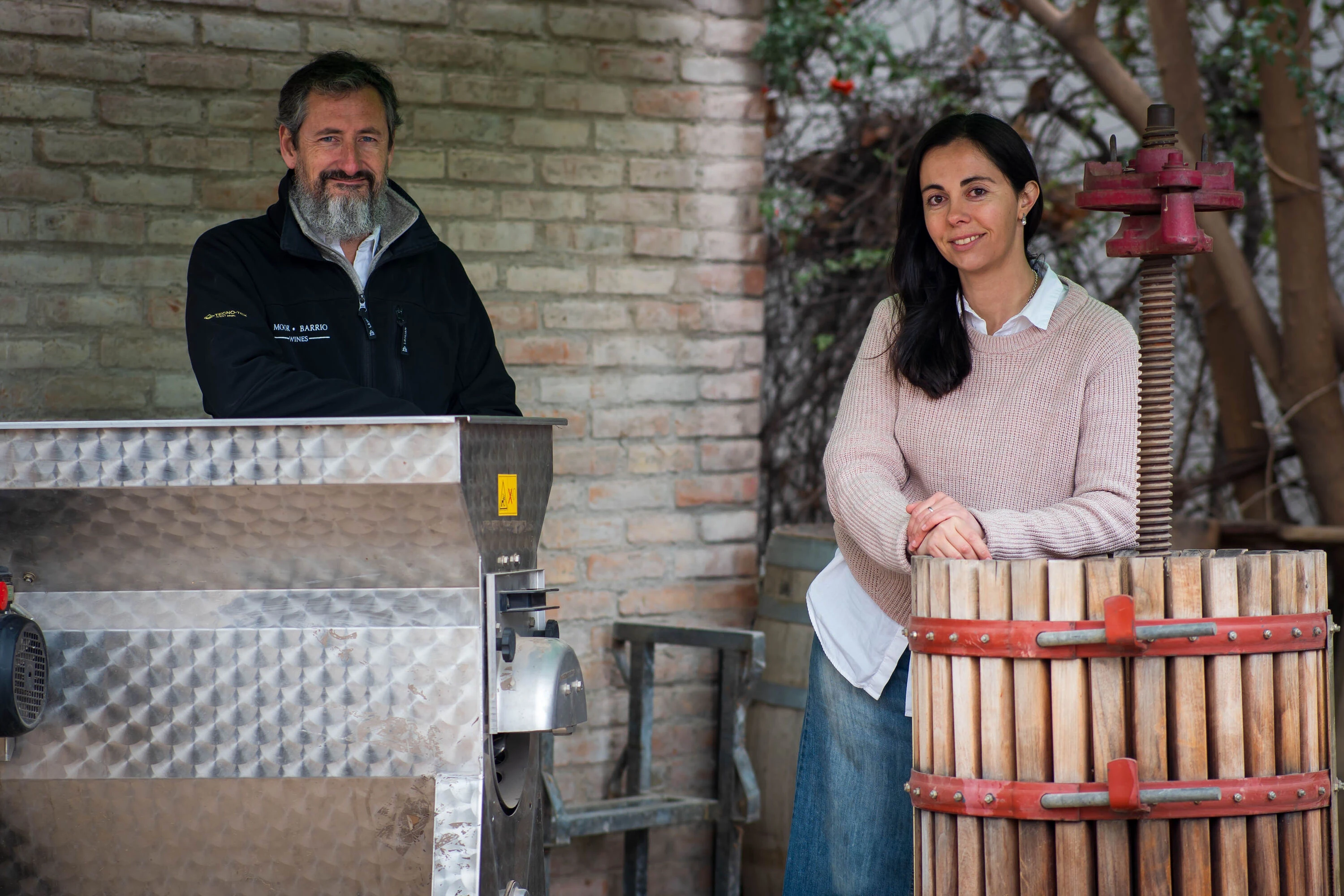
The winery was founded by winemakers—and partners—Teresita Barrio y Cristian Moor, who studied together and have worked side by side ever since as a complementary duo. Today, they produce between 1,000 and 1,200 bottles per year—vintages with a distinct personality that have gained recognition among wine lovers and earned awards in international competitions and guides.
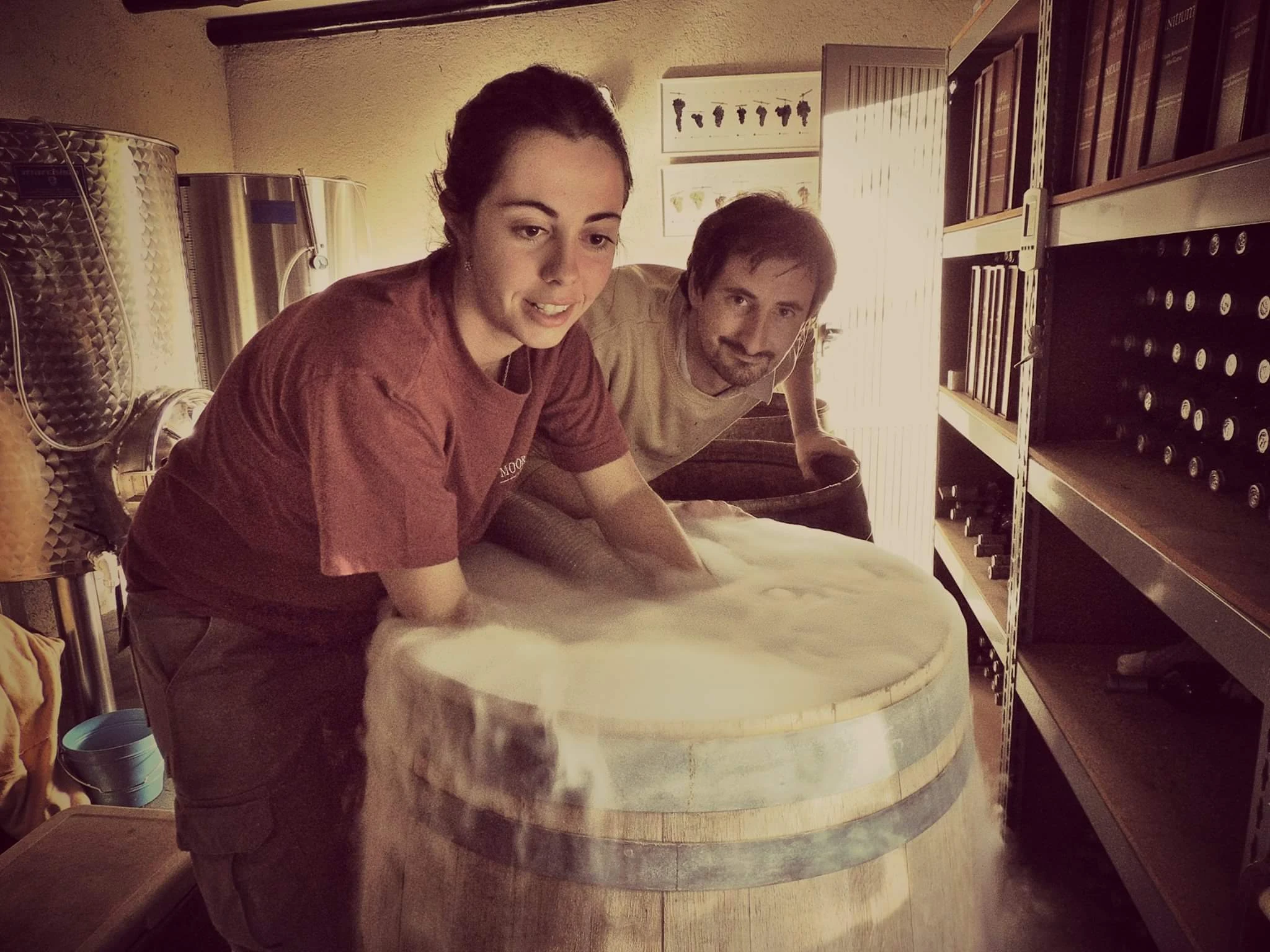
Beyond accolades, what truly sets the project apart is its philosophy: small scale is not a limitation, but a conscious choice that allows them to work slowly, with family support, and with a level of care impossible to replicate at large volumes.
“Small scale is not a limitation, but a conscious decision”
A family winery in just 15 square meters
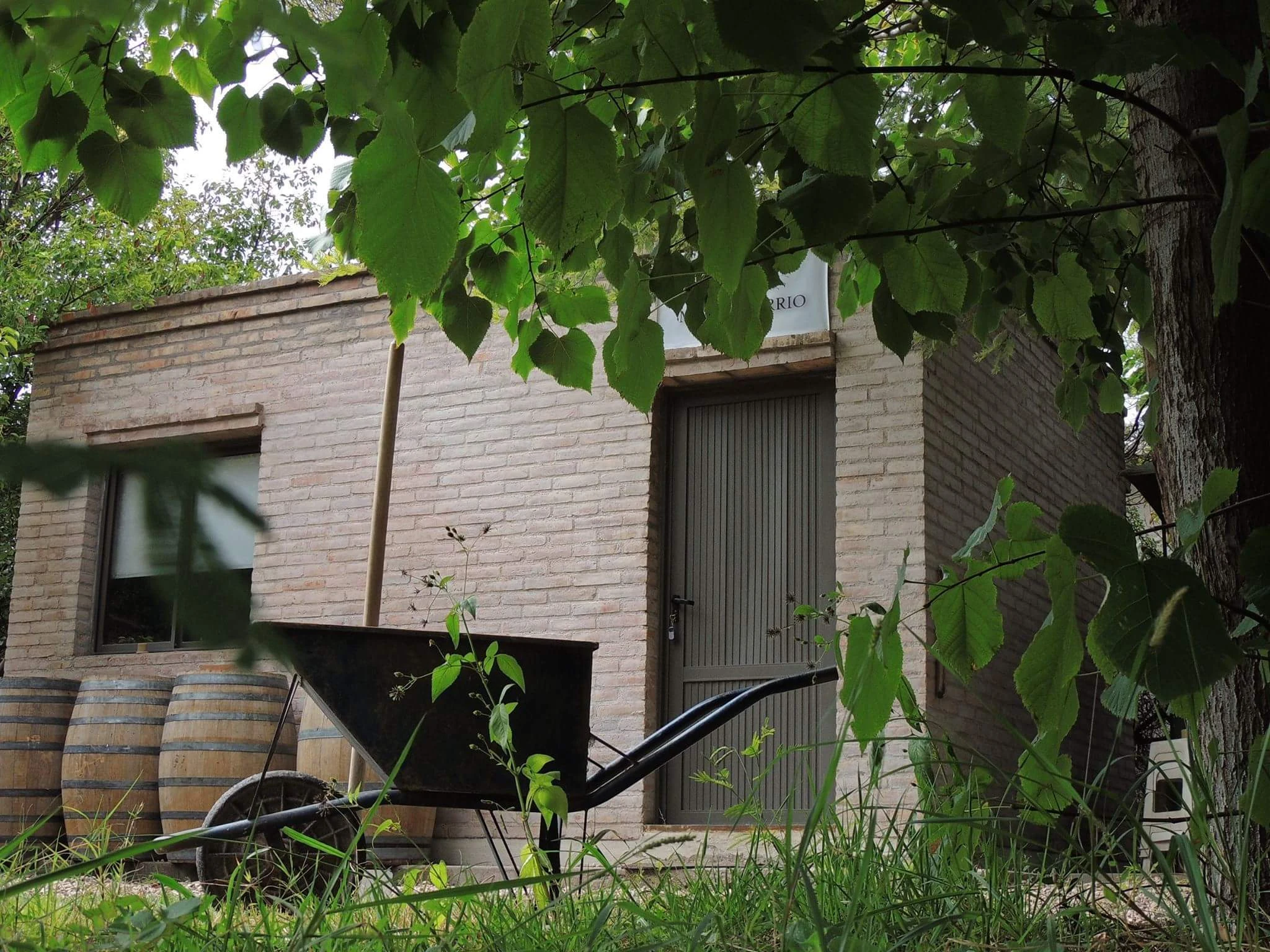
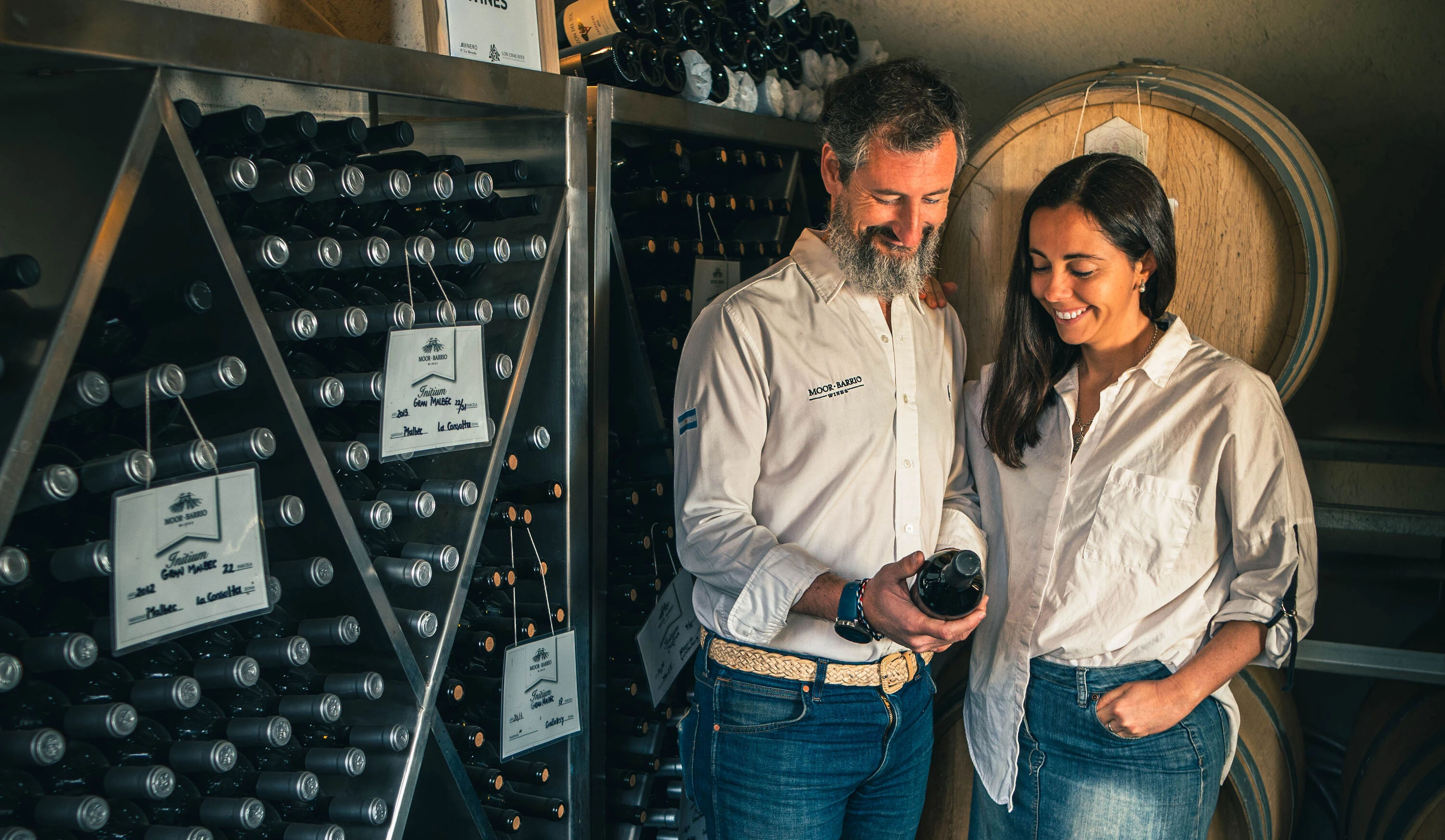
Moor Barrio was born in a space of just 15 square meters. What was once a family storage room—located at the entrance of Teresita’s parents’ home—now contains the entire universe of the project: red wines, sparkling wines, and the complete micro-vinification process, carried out by hand.
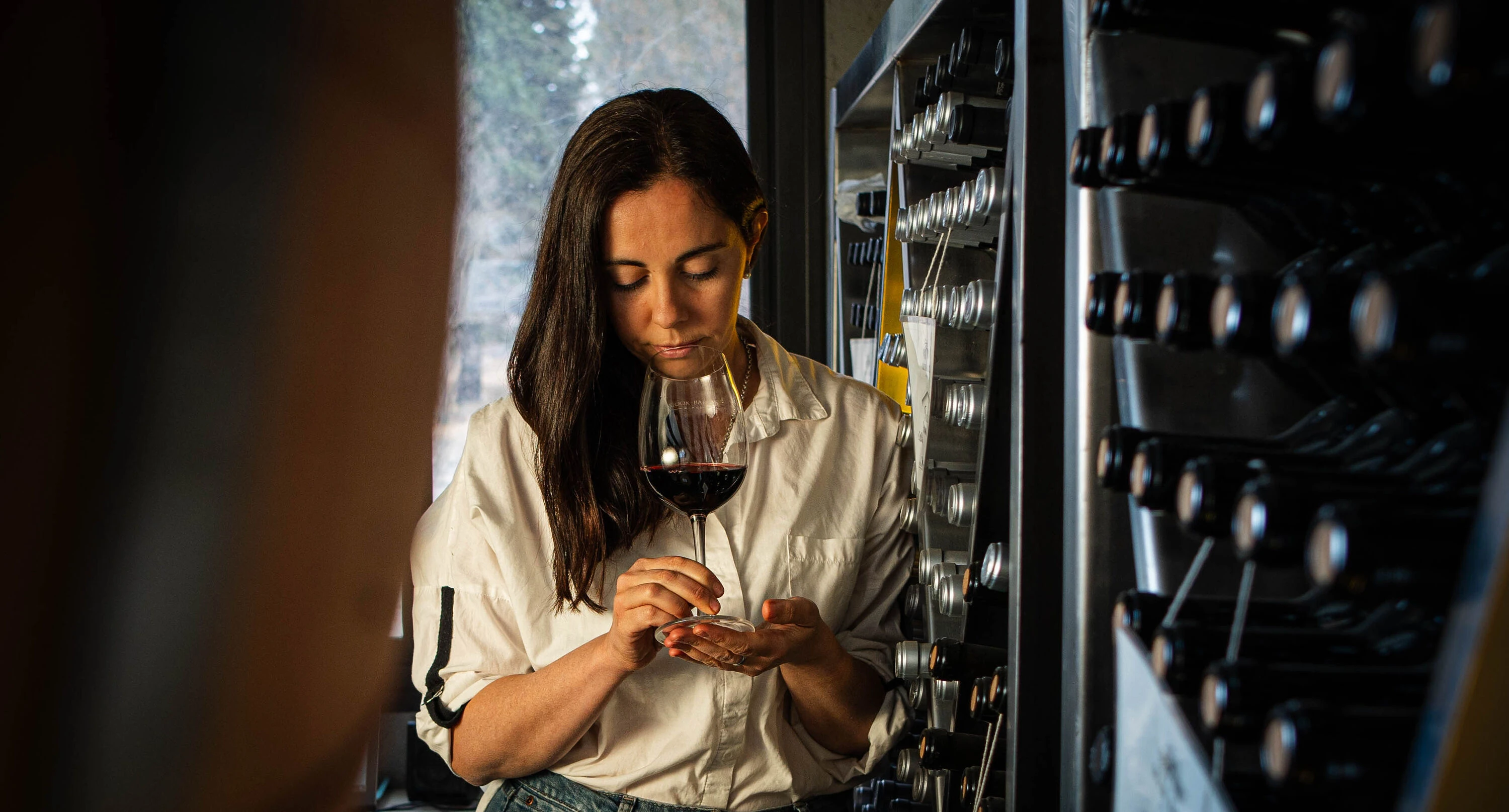
The “bonsai” concept was adopted and registered by its creators to define a small winery that operates identically to a large one, but in miniature. This is also what sets it apart from a garage winery: while production there may be small, it doesn’t necessarily replicate the full technical process.
“The term ‘bonsai’ doesn’t refer only to size, but to the art of care. Every stage of the wine is handled with an extreme level of detail,” explains Barrio
In this project, everything happens within the family. Daughters, siblings, cousins, and nephews all take part in the process—from harvest to bottling—in a dynamic where winemaking is not just production, but a way of passing on values and building a legacy for future generations.
Extreme micro-vinification: how the wines are made
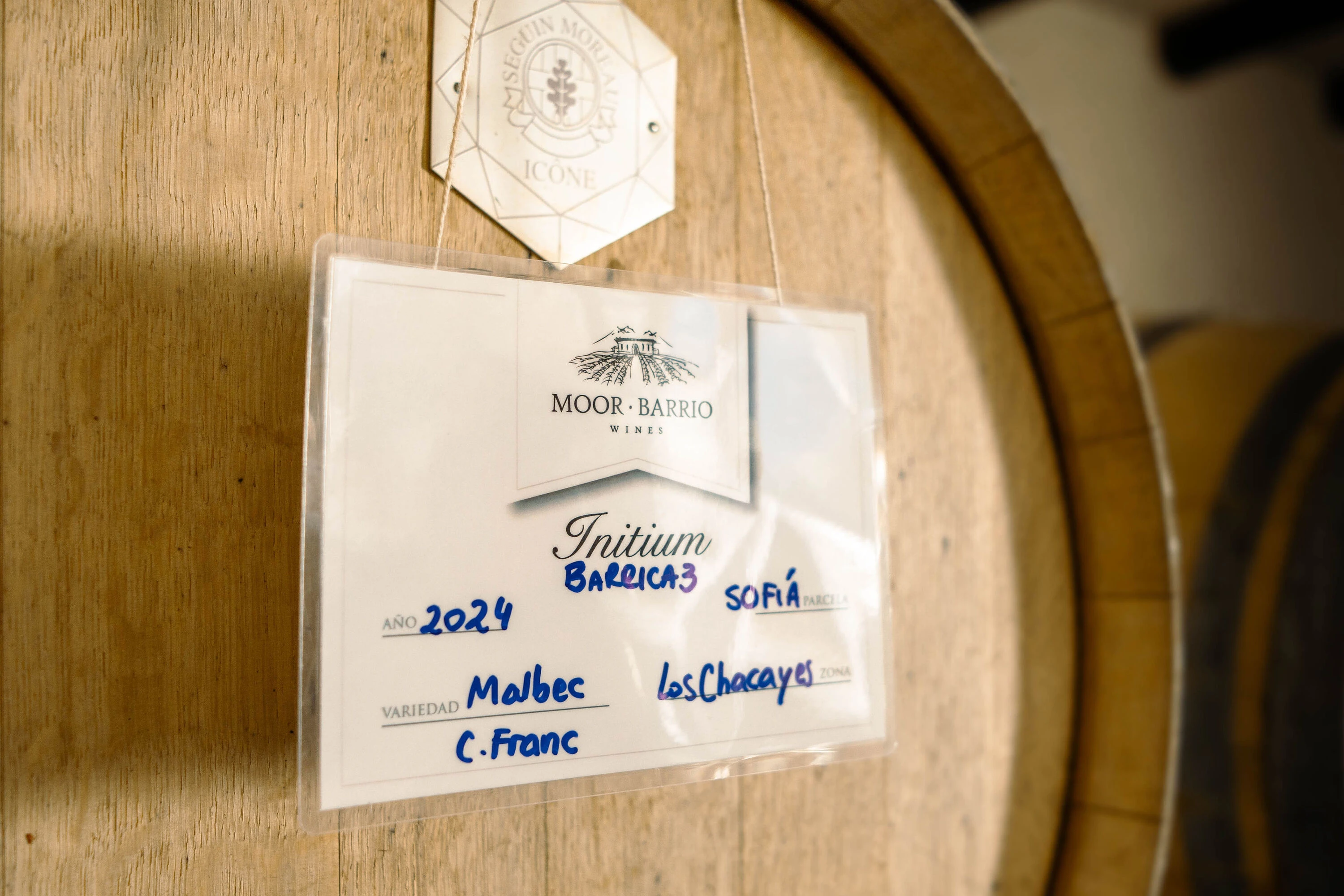
Working in a bonsai winery requires daily presence and constant attention. The grapes—currently sourced from Los Chacayes in the Uco Valley—are hand-selected directly from the vine and harvested early, when they reach the desired balance. There are even years when no wine is made at all if the harvest does not meet quality standards.
The equipment is also tailored to the project’s scale: custom-made 100-liter barrels, miniature tools, small stainless steel tanks, and an अत्यंत controlled winemaking system.
Also of interest: A journey through the first biodynamic winery in the Uco Valley
The advantage—and risk—of working this way is absolute: if a single barrel fails, up to 25% of the annual production can be lost. In exchange, they achieve a level of precision and monitoring that is impossible in large wineries.
“The advantage—and the risk—of working this way is total: if one barrel fails, up to 25% of the annual production can be lost”
The wine is bottled only when it is ready and rests for the necessary time before reaching the market. Each bottle is numbered, linked to a serialized case, signed by the winemakers, and features a unique label designed by Mendoza-based artist Fernando Jereb—reinforcing its status as a collector’s item.
The Initium line and the house sparkling wine
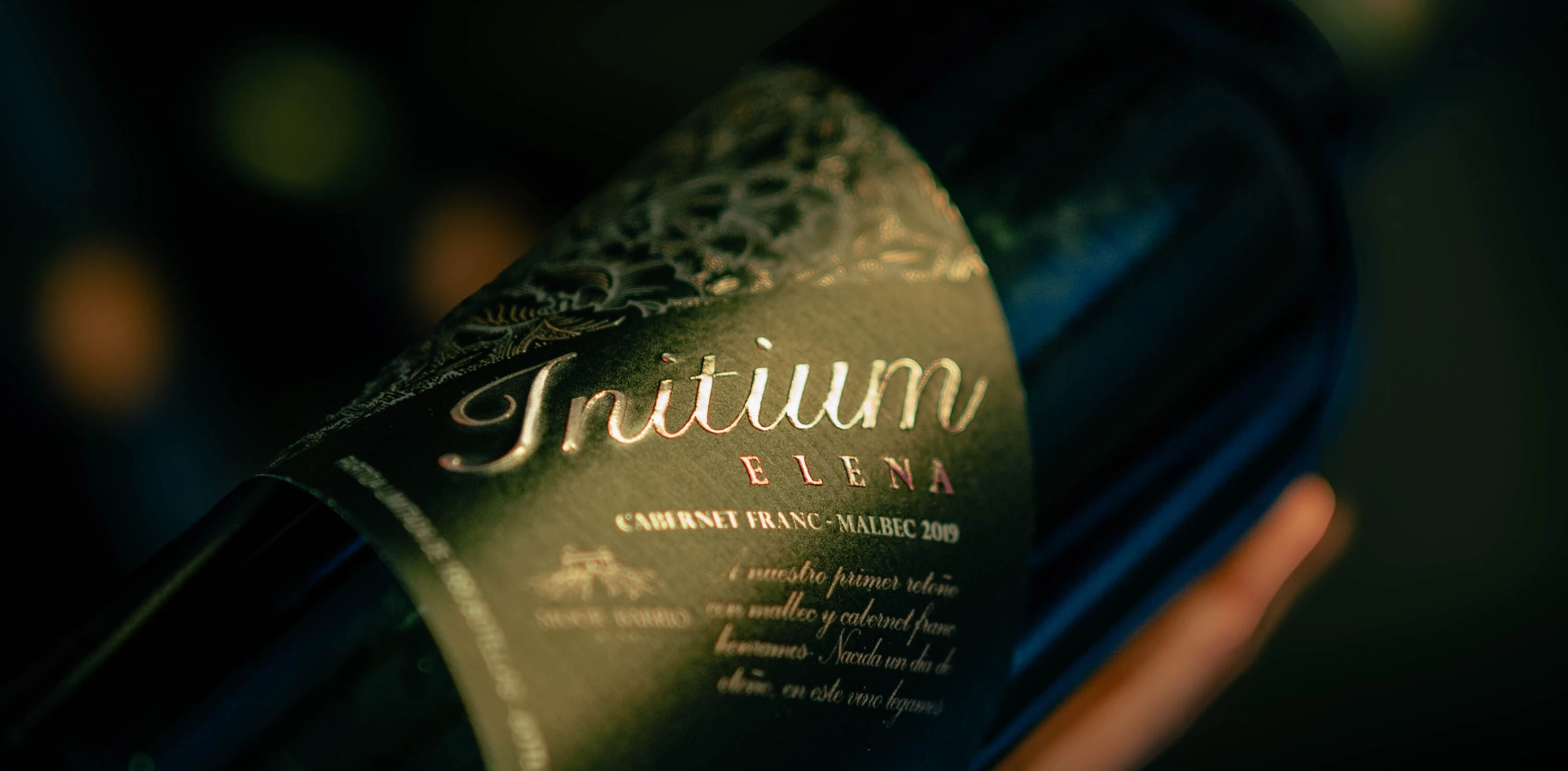
Moor Barrio’s philosophy is embodied in its single line, Initium—wines that tell the family story behind the project. Malbec is their flagship variety: in some years it is bottled as a single varietal, while in others it serves as the base for blends that coincide with the arrival of new family members.
The portfolio includes different vintages named after each daughter: Josefina, Elena, Amparo, and Sofía—the latter still aging in barrel. For the 2026 harvest, the family anticipates a new special blend to celebrate the birth of their first son, Ignacio, combining Malbec with Cabernet Sauvignon.

In addition to reds, the winery produces a brut nature sparkling wine using the traditional method, with over two years of lees aging. Made from Pinot Noir and Chardonnay from the Uco Valley, it totals around 3,000 bottles per year and adds a more French-inspired profile to the range.
Awards and where to find the wines
Recognition has come as a natural result of their work. Initium Elena 2019 earned a double gold medal at Gilbert & Gaillard, 94 points from Vinous, 95 points from Vinus, and 96 points in the Descorchados Guide 2026—placing it among the top wines from Los Chacayes. The same guide also highlighted Gran Malbec 2020 and the house sparkling wine.
Today, Initium wines can be found in Buenos Aires restaurants such as Don Julio, El Preferido, Madre Rojas, Casa Coupage, La Malbequería, and Marcas Argentinas, as well as in specialized wine shops like De Barricas y Toneles, La Cava de Voto, Le Bouchon, Mr Wines, and Casa Zuviría, among others.
Moor Barrio proves that producing fewer bottles—with purpose and coherence—can be the most honest—and most powerful—way to leave a mark on Argentine wine.