

[image]
[title]It’s five o’clock in the afternoon when Guillermo Freire, a 34-year-old architect, walks into a café in Palermo for a last-minute work meeting. Before sitting down, he orders a ristretto: short, intense, and his third coffee of the day. He doesn’t order it apologetically or in a lowered voice, but with the confidence of someone simply asking for a proper coffee. Twenty years ago, doing so at that hour might have seemed like a direct challenge to insomnia. Today, it’s an everyday scene in Buenos Aires’ specialty coffee shops—and a sign of a quiet cultural shift: an entire generation has stopped checking the clock before ordering coffee.
For decades, the rule was simple and unquestioned. After midday, coffee was off-limits. A post-lunch espresso was still acceptable, but after that came the familiar warnings: "It’ll keep you awake," "It’ll make you jittery," "Have tea instead." The afternoon cutoff functioned less as a personal choice than as a social rule. Drinking coffee late in the afternoon—or even at night—felt almost rebellious.
A Habit That Moved Beyond Morning Hours
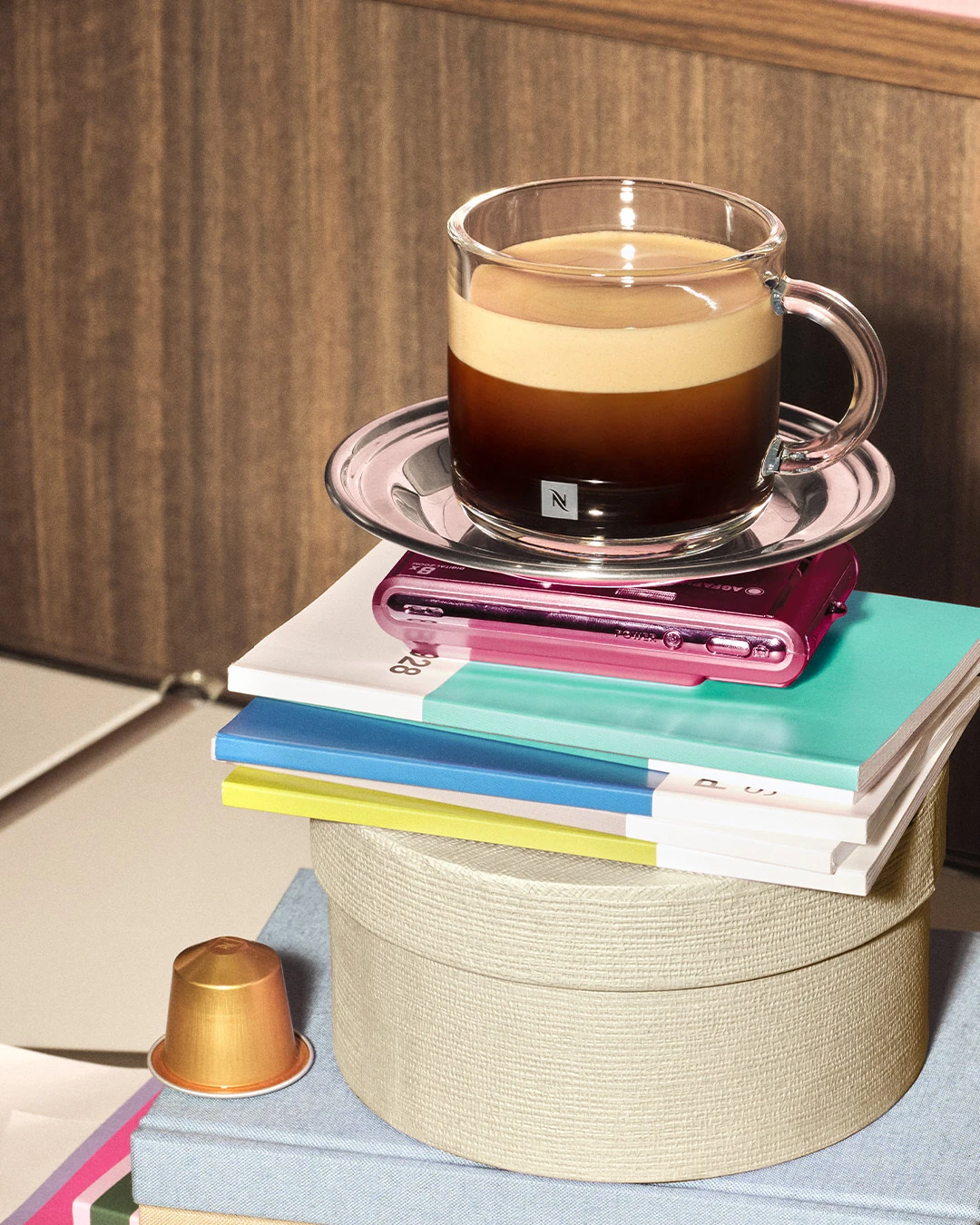
Guillermo is far from an isolated case. Coffee has lost its fixed schedule, and the numbers back it up. According to Nestlé’s Coffee Usage Profiler 2025, 38% of all coffee consumed in Argentina is now enjoyed after lunch, spanning the afternoon, dinner, and even after-dinner hours.
"Coffee consumption in Argentina is no longer concentrated solely in the morning," explains Camila Carpanetti, Coffee Ambassador at Nespresso. "Not only because we have a strong afternoon coffee culture, but because the data clearly shows a change in consumer habits."
For the brand, the growth of afternoon and evening consumption has opened new opportunities, particularly to introduce flavored coffees, blends designed to pair with milk, and capsules intended for creative coffee recipes.
Silvana Lorenzo, a 33-year-old jewelry designer and mother of two, admits she spent years drinking no hot beverages at all—not coffee, tea, or even mate—until the specialty coffee movement converted her. Today she drinks her coffee strong, unsweetened, and at the ideal barista temperature, proudly embracing the ritual.
"People who come to my house are actually afraid to ask for the sugar bowl," she laughs. "A great coffee should be enjoyed exactly as it is, without anything masking its flavor."
Taste plays an equally important role. "More and more people are choosing not to give up their evening cup," says Carpanetti. "That’s partly because there are more occasions to drink coffee, but also because consumers increasingly appreciate flavor itself. Today, people have access to coffees with richer sensory profiles, shaped by their origins, processing methods, and varieties."
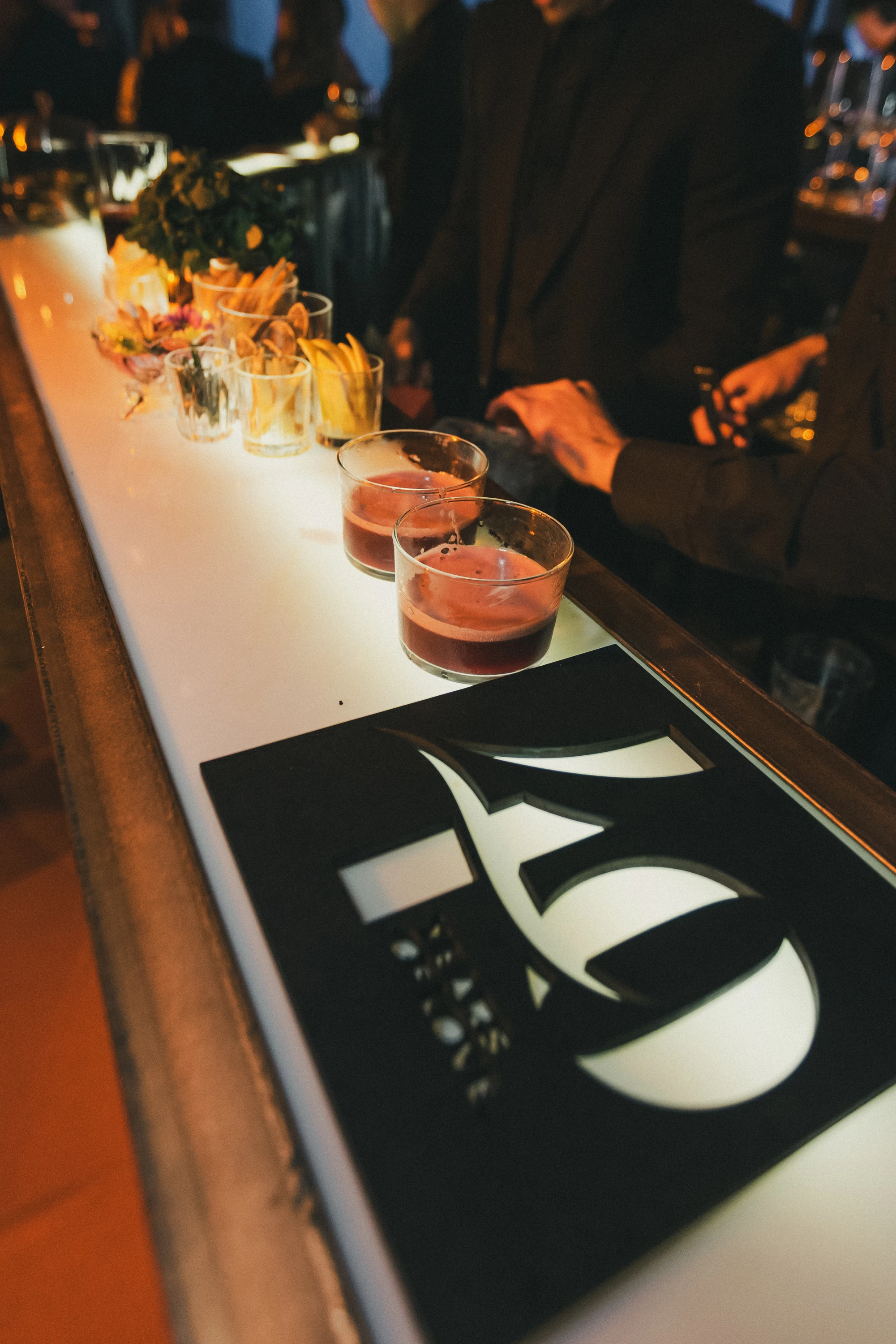
That growing appreciation has elevated evening coffee into something more sophisticated. Coffee now appears in cocktail menus, desserts, and carefully designed food pairings.
The trend is particularly visible in restaurants. In the hotels and restaurants where Nespresso is served, coffee has become the final course—the perfect ending for diners looking for a complete gastronomic experience. It is no longer merely functional; it has become a ritual of pleasure at any hour of the day.
Decaffeinated, Without Compromise
Within this landscape, premium decaffeinated coffee has begun to carve out its own space. It still represents a small share of the market—just 4% of coffee consumed in Argentina, according to the same report—but the category is growing steadily.
Decaf is no longer synonymous with settling for less. Instead, it has become the choice of people who want to prolong the coffee ritual without caffeine’s stimulating effects—while still expecting exceptional quality and flavor. Nespresso, for example, removes caffeine from some of its best-selling coffees using methods designed to preserve each blend’s sensory profile.
In Argentina, that translates into three decaffeinated options: Volluto Decaffeinato, smooth and delicate for those who enjoy sweeter notes; Arpeggio Decaffeinato, with its rich cocoa notes for lovers of darker roasts; and Ristretto Italiano Decaffeinato, a medium-dark roast that delivers intensity without caffeine. Three different ways to enjoy an excellent espresso at ten o’clock at night with the same quality as one served at nine in the morning.
This isn’t a new concept. In Italy, where the after-dinner espresso is almost a sacred ritual, ordering a caffè decaffeinato after dinner is perfectly ordinary. It has even earned its own nickname: dek. There, nobody gives up the last cup simply because of the time on the clock.
DNA May Hold Part of the Answer
For those who still choose the caffeinated version, one question remains: why does an afternoon coffee keep some people awake while others sleep just fine?
Guillermo falls into the fortunate category.
"I can drink coffee just before midnight and sleep like a baby," he says. And it’s not just his perception.
Some time ago, he took a genetic test and discovered that his profile showed no predisposition to heightened caffeine-related anxiety. In his case, intuition turned out to be backed by DNA. Specialists explain that some people metabolize caffeine quickly, eliminating it before it affects sleep, while others process it much more slowly, leaving caffeine active in their systems for hours.
Sleep medicine experts add an important nuance.
"Genetic testing allows us to identify a person's caffeine metabolism phenotype—essentially whether they're a fast or slow metabolizer. This relationship is well established and supported by strong evidence," they explain.
Genetics can also offer clues about how long caffeine remains active in the body and how sensitive an individual is to different doses. It’s a valuable guide, although not the only factor, since sleep quality also depends on the amount consumed, the timing, and each person's baseline sleep patterns.
The End of an Old Rule
Perhaps that is the real change. The second cup is no longer an act of defiance—it has become an informed choice. Some people order it with caffeine because their bodies tolerate it well. Others opt for decaf so they can enjoy what truly matters: the aroma, the pause, and the satisfying final note at the end of the day.
Coffee after five o’clock no longer asks permission from the clock.