
[image]
[title]Rodrigo Da Costa has one guiding principle: technique should serve the diner, not impress them. He learned this lesson far from home, working in some of Europe’s finest kitchens, including Mirazur, Mauro Colagreco’s three-Michelin-starred restaurant in France, and refined it in Buenos Aires at the Palacio Duhau Hyatt, La Panadería de Pablo and Le Rêve. The Bocuse d’Or – the world’s most prestigious culinary competition – has long been unfinished business for him. He competed in Argentina’s national selection in 2015 and again in 2017, when he finished second behind Emiliano Schobert. But life has a way of offering second chances.
Today, he heads the kitchen at Presencia Restaurant, the fine-dining establishment opened by the Dutch Houweling brothers in Recoleta in 2025, which is featured in the 2026 Michelin Guide Buenos Aires selection. He is also the coach of Eliel Buttice, his sous-chef, who previously worked in factories in Santa Fe and helped Argentina secure fifth place at the Bocuse d’Or Americas in New Orleans. That result earned the country a place in the world final in Lyon, taking place on January 24 and 25, 2027, as part of Sirha. With the countdown underway, Da Costa spoke to Time Out.
You might also like: Martín Rebaudino, chef at Roux: “I don’t like being in the spotlight. I prefer to let my work speak for itself.”
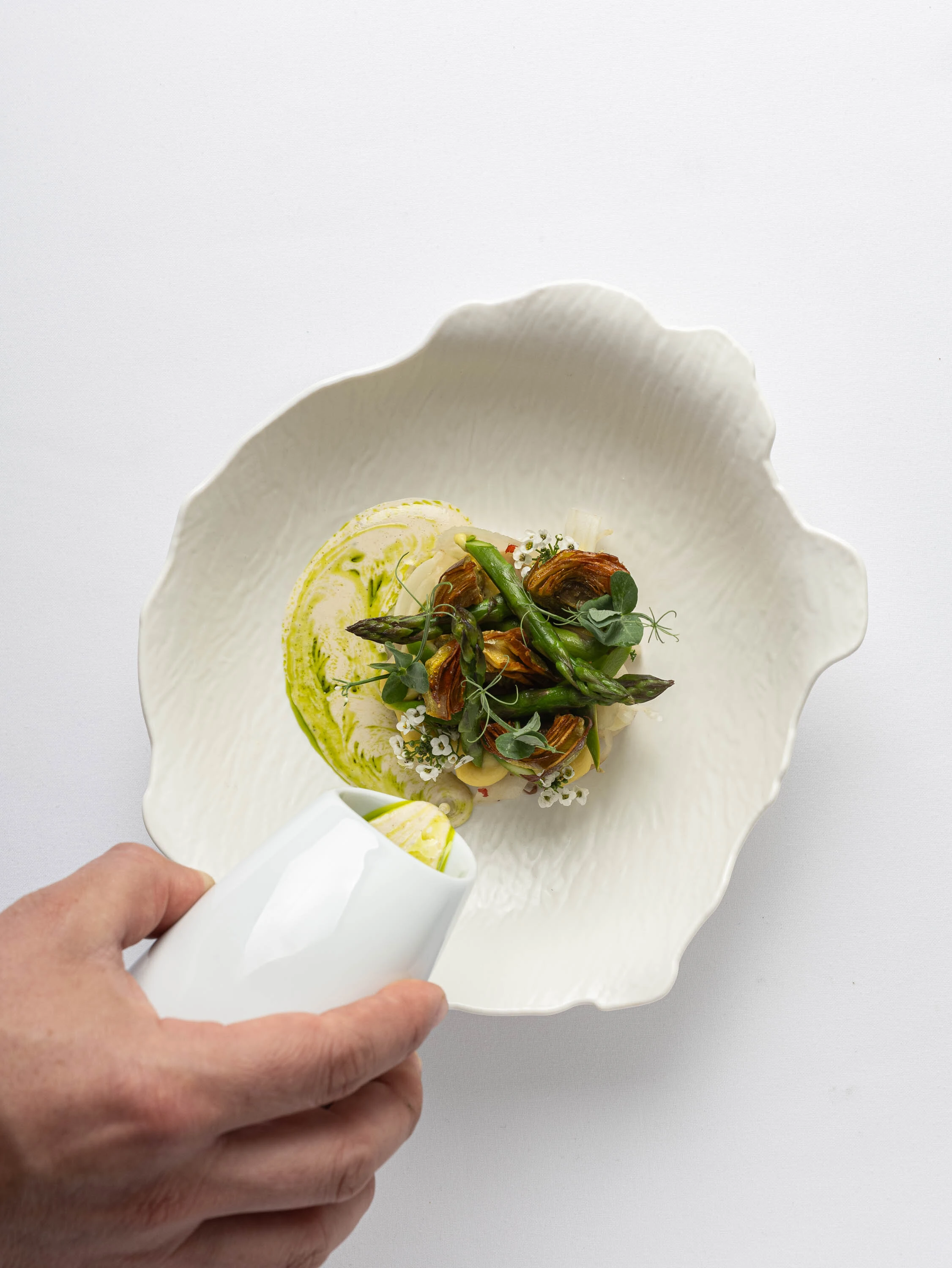
WAGYU, NATIONAL PRIDE AND MICHELIN: NO HOLDING BACK
You’ve worked in some of Europe’s top kitchens, including Mirazur. What did you have to unlearn to develop your own culinary identity?
I had to unlearn the idea of cooking to impress people and start paying attention to the neighbourhood, the customer and my own tastes. Technique stops being the main reference point when you put it at the service of that context: European cuisine using Argentine ingredients, adapted to the Buenos Aires palate.
How do you maintain high standards every day without falling into the culture of sacrifice that has historically dominated professional kitchens?
I maintain high standards through consistency, a positive working environment, teamwork and daily discipline, rather than burnout.
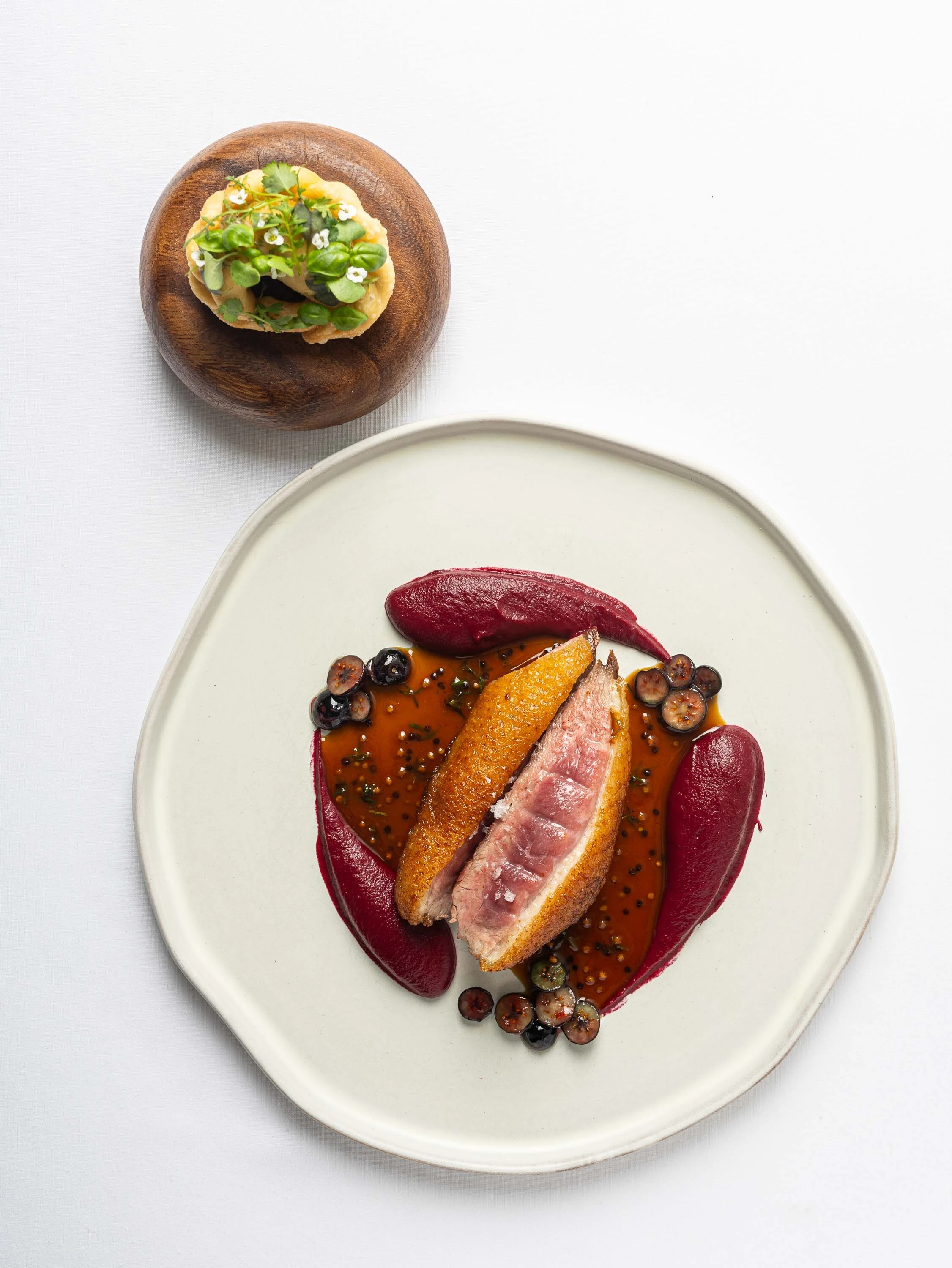
Which dish on your menu would you stand by, even if you knew it wouldn’t appeal to everyone?
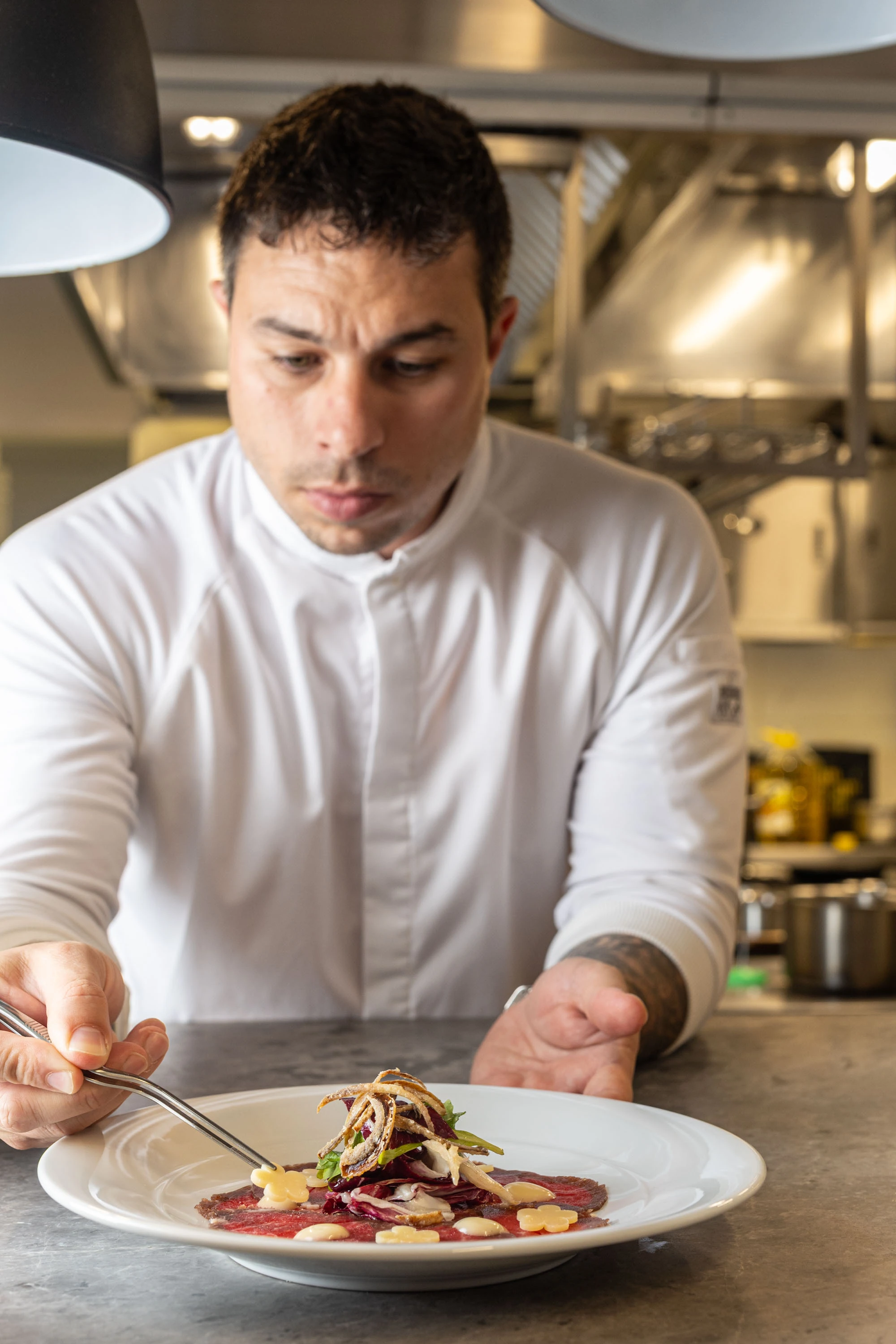
The Wagyu skirt steak tataki. It combines French technique, Argentine identity and Asian flavours in a balanced dish. Although the doneness of the meat may challenge the Buenos Aires palate, that’s precisely why I stand by it.
How do you decide when to intervene with an ingredient and when to let it speak for itself? Can a complex dish be less interesting than a simple one?
Generally, I let the ingredients speak for themselves. When I do intervene, it’s to improve texture, presentation and bring out the best possible flavour. A perfectly executed simple dish can be more interesting than one that is technically complex.
You might also like: “You don’t master the grill, you respect it”: Emiliano Yulita and the fire that put El Mercado on the map
As Eliel Buttice’s coach at the Bocuse d’Or, how do you train creativity without turning it into a formula?
Through consistency and teamwork. Everyone brings their own perspective, and the idea evolves with contributions from chefs, designers and architects until we reach the final result.
What separates a technically flawless chef from one capable of competing among the best in the world?
It takes much more than technique: physical and mental preparation, daily training, research and consistency. It’s a journey that takes years. In my case, I’ve been preparing for this moment for more than fifteen years.
What does representing your country at an international competition mean to you today? Do we have a recognisable culinary identity beyond meat, fire and empanadas?
It’s an enormous source of pride. Our identity comes from a blend of cultures. The challenge is to take our local ingredients and traditional flavours, elevate them and bring them to a contemporary level capable of competing internationally.
Presencia is included in the 2026 Michelin Guide Buenos Aires selection. Do you see it as validation, a business opportunity or pressure?
It’s recognition of the entire team’s hard work and an opportunity to keep growing. We don’t see it as pressure, but rather as a learning experience and motivation to improve every day and continue striving for excellence.
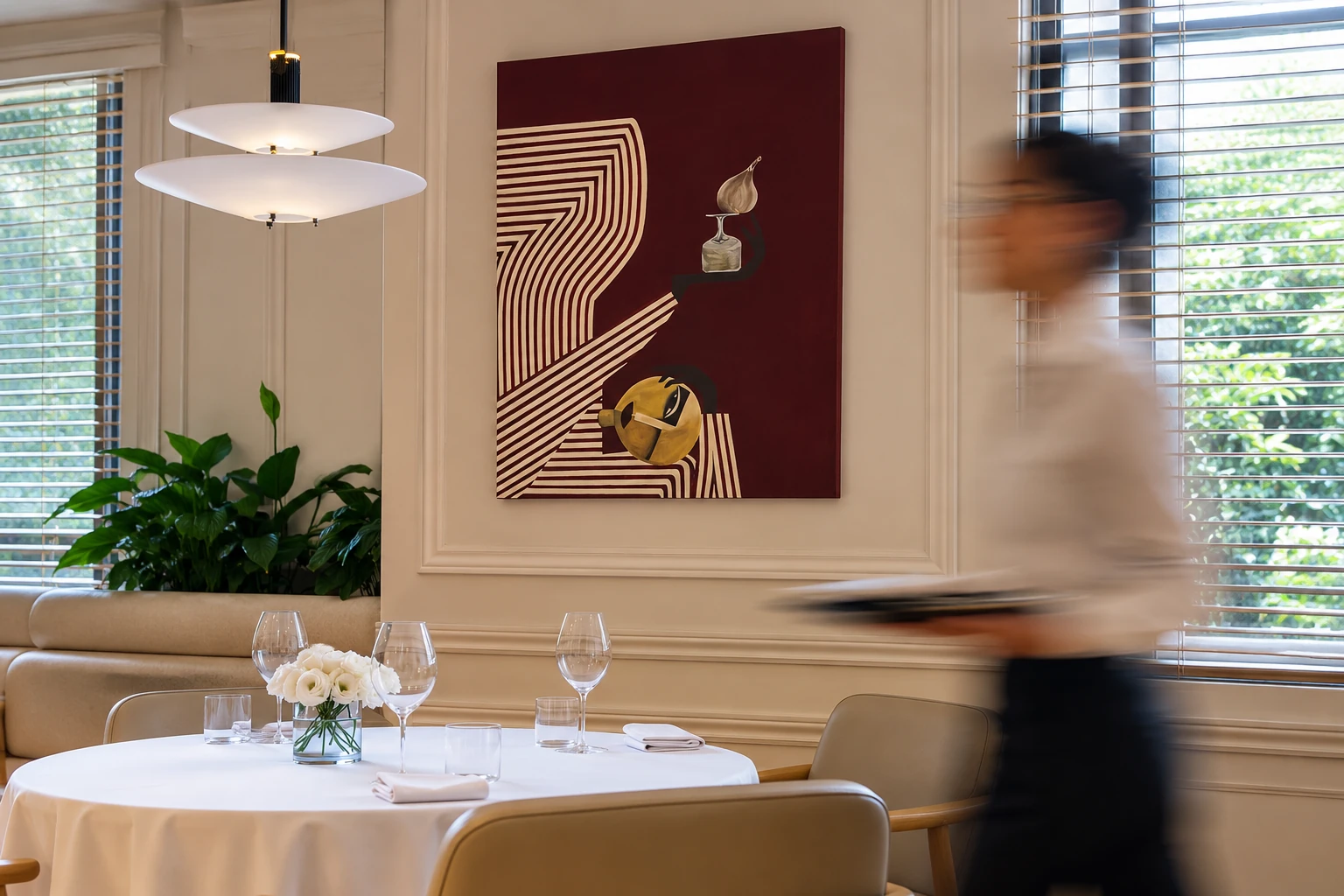
What deeply rooted idea about fine dining would you like to get rid of once and for all?
I’d get rid of the idea that fine dining is all about tasting menus. For me, fine dining means perfection in technique, flavour and ingredients.
For me, fine dining means perfection in technique, flavour and ingredients
There’s a lot of talk about seasonal ingredients, traceability and locally sourced food, yet many high-end restaurants rely on imported products. How much of that philosophy is actually put into practice?
It’s a balancing act. At Presencia, we use expensive ingredients such as caviar, foie gras, truffles, Patagonian toothfish and duck, and our responsibility is to handle them with care, respect them and bring out their very best qualities.
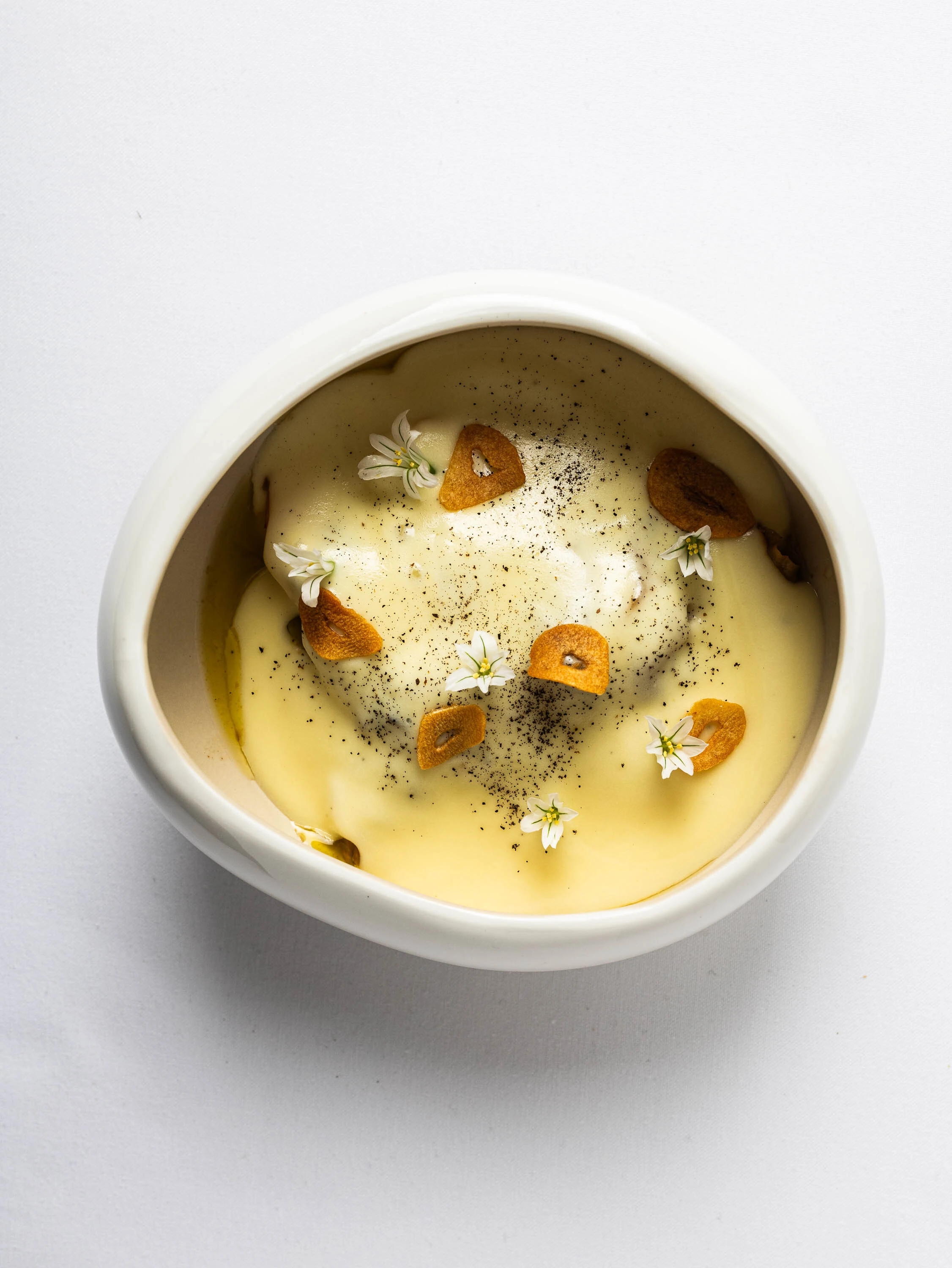
In a country with such a diverse range of ingredients, why do we still associate sophistication with products from abroad?
Because, despite having an extraordinary variety of local ingredients and producers, certain premium products still cannot be legally imported into the country: caviar, raw foie gras, white truffles, vegetables that are highly prized in Europe, such as finger limes, rhubarb and large celeriac, as well as texturising agents.
WHAT’S AT STAKE IN LYON
Da Costa stands by a dish even when it challenges diners, questions the idea that tasting menus are synonymous with excellence and openly acknowledges that some of the ingredients associated with sophisticated cuisine still cannot make it through Argentine customs. These are three positions that are bound to spark debate, and he knows it.
But the real test will take place elsewhere: in January, in Lyon, with the clock ticking and a coach who says he has been preparing for this moment for more than fifteen years. If the Bocuse d’Or calls for cuisine that represents a nation, Rodrigo Da Costa has already made his position clear: Argentine ingredients, European technique and the ambition to elevate them to a level that speaks for itself.