

[image]
[title]At Mambo, one of the most talked-about restaurant openings of 2025, young chef Santiago Pérez cooks the way he thinks: straight to the point, without makeup or shortcuts, and firmly grounded in the product. Trained in demanding kitchens and with a career that runs from Casa Cavia to Las Flores, he now channels all that craft into his own project, where fire, memory and flavor matter more than any concept. In this conversation, Santiago talks about honest cooking, biography on the plate, healthier work teams, and a new generation of cooks looking to step away from the show and return to what’s essential: cooking delicious food with purpose.
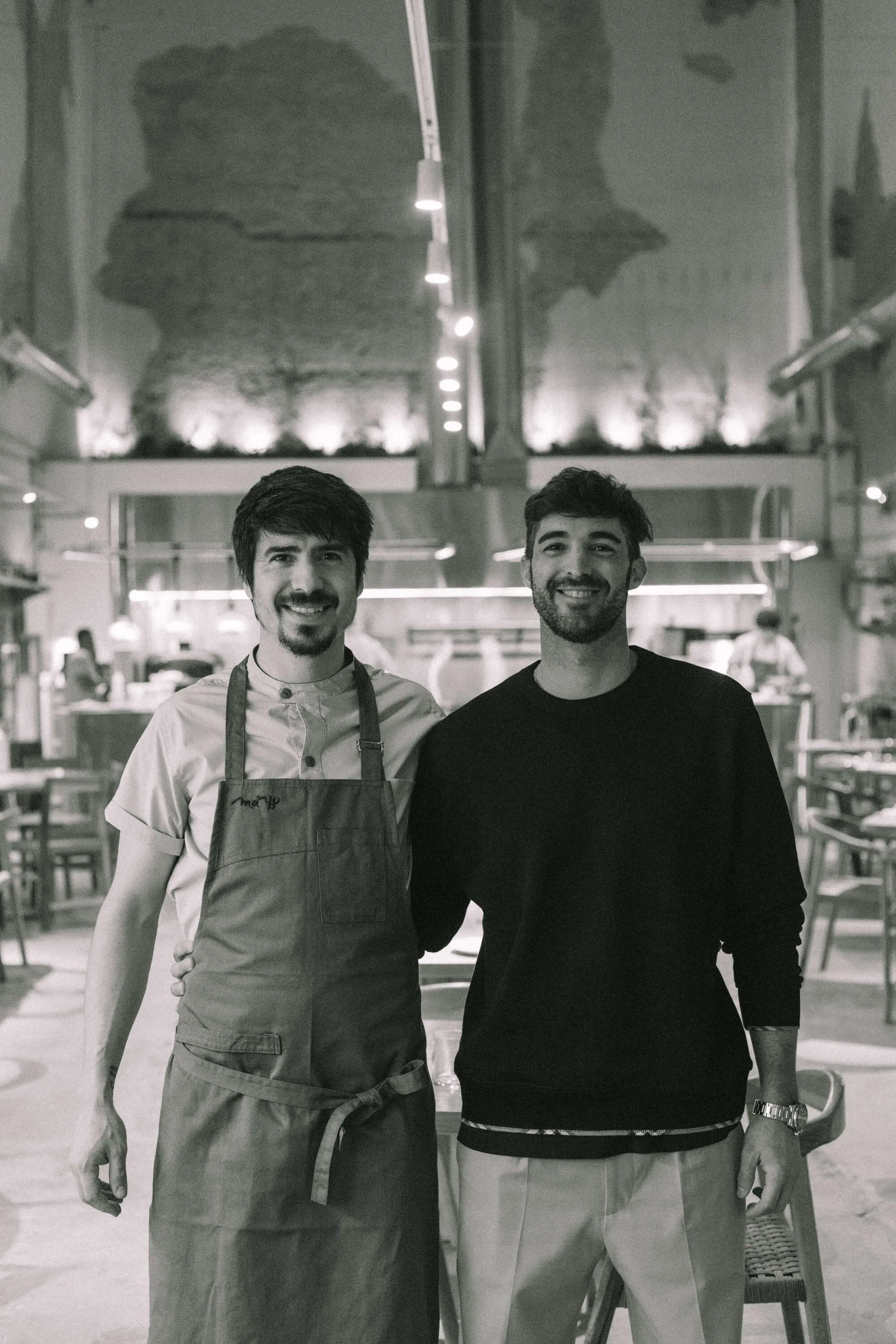
Mambo defines itself as honest, fire-driven cooking, without artifice. In a context where everything is becoming increasingly conceptual and aesthetic, what concrete decisions did you make so that that honesty is felt on the plate and doesn’t remain just a nice idea?
When thinking about how to convey honesty—or the genuine desire to eat well—through Mambo’s dishes, what really runs through my creative process is going back to what I like to eat. In that sense, I’m very genuine: it doesn’t come naturally to me to cook something I don’t like or don’t feel close to. I find it very hard to cook things that don’t give me satisfaction when I eat them.
"It doesn’t come naturally to me to cook something I don’t like"
If in five years someone says, “This is very Mambo,” what would you like them to be describing: a flavor, a way of welcoming people, a way of cooking, or an attitude toward the kitchen?
I’d like them to be describing a work philosophy: a way of thinking about and executing care for the product. Also an aesthetic element and the warmth of the flavors. That’s what most defines the way I work and how I communicate what I do, and that’s what I’d like people to mean when they say, “This is very Mambo.” Hopefully, Mambo will last many years.
Your cooking has a lot of biography in it: childhood in Lobos, outdoor fires, long meals. Is there a dish on Mambo’s menu that works as a direct bridge to those memories?
Yes. Right now, I feel that the chicken is a direct bridge to those memories: the flavor of the wood fire, the meat, the texture. We use a free-range chicken, fed 100% on grains; the texture, the skin and the aroma really take me back to that emotional memory, to that biographical part I try to convey when I cook. That’s what sparked my desire to cook and to express what I do.
There used to be another dish that also resonated strongly with me and is no longer on the menu: mussels with a rich stew loaded with anchovies and capers, topped with crispy fried potatoes. That dish had a very strong biographical component, because as a kid I ate something similar—not with mussels, but with bits of chicken—always with a powerful stew and lots of fries on top. That mix of textures, aromas and flavors marked me deeply.
You might also like: Where to eat gluten-free in Buenos Aires
You led the kitchen at Las Flores for more than three years, an iconic restaurant that is also 100% gluten-free. What did working in a kitchen with those restrictions teach you, and how does that influence the way you think about product, process and flavor today?
Las Flores was a beautiful project. Being involved in its conception and setup, and working with creative limitations like being a gluten-free kitchen, was a great trigger to think differently and to approach menu-building and the overall concept from another perspective. It was a very interesting experience that helped me grow a lot professionally. On a personal and human level, too, my time at Las Flores taught me a lot. Today I’m a very different person when it comes to working with teams than I was back then. I learned a great deal from direct contact with the partners, from understanding needs and from figuring out how to make both the gastronomic and economic realities of a project viable. All of that shaped me into the professional I am today.
In terms of how I think about product, I’ve always believed in working from the product outward, not the other way around: not thinking of a dish first and then looking for an ingredient, but really understanding what product you have, what it offers, and building the dish from there. Las Flores taught me to look at products differently, to ask questions and to think about how to improve them. It was a process that taught me to question things and to go deeper.
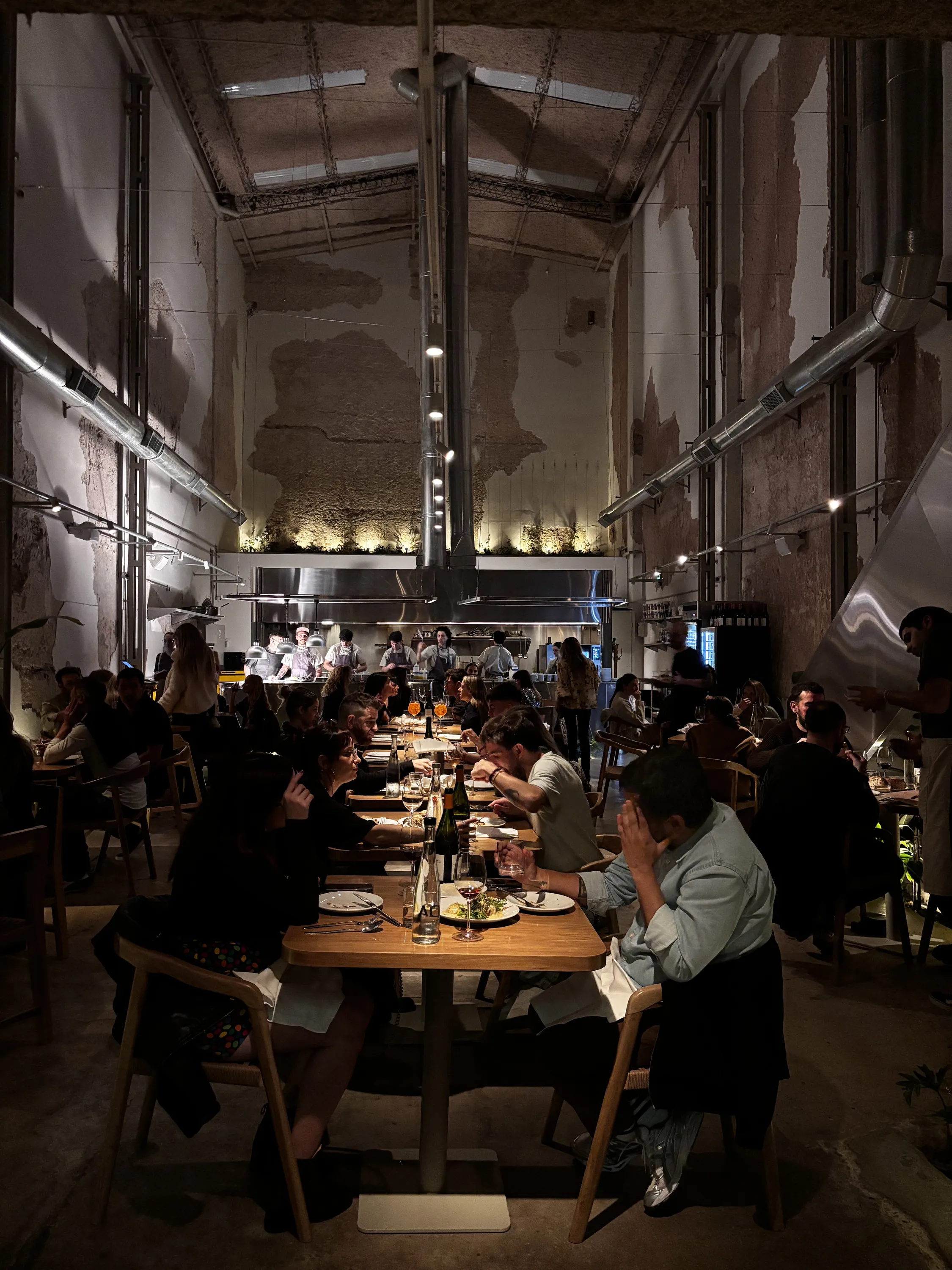
You’re part of a new generation of Argentine cooks: young, with strong technical training and experience in demanding kitchens. What do you feel your generation is coming to question or shift in contemporary Argentine cuisine?
I think our generation is questioning the idea that high standards, rigor or good performance in the kitchen are necessarily tied to endless hours of work and mistreatment. Much of what we’re trying to build today has to do with conscious, healthy work environments, with teams that feel good about being part of a restaurant. Beyond the technical side, the most important learning is understanding people, not seeing teams as numbers. That respect for the trade and for the profession is something our generation is really trying to establish.
"Respect for the trade and the profession is something our generation of cooks is trying to establish strongly"
From a gastronomic standpoint, I also see a much more open attitude toward influences and the flow of information. Buenos Aires has a deeply cosmopolitan cuisine, shaped by many cultures, and that makes it very rich. The fact that each cook can interpret that mix and transmit it in their own way seems very interesting to me, always respecting products and their origins.
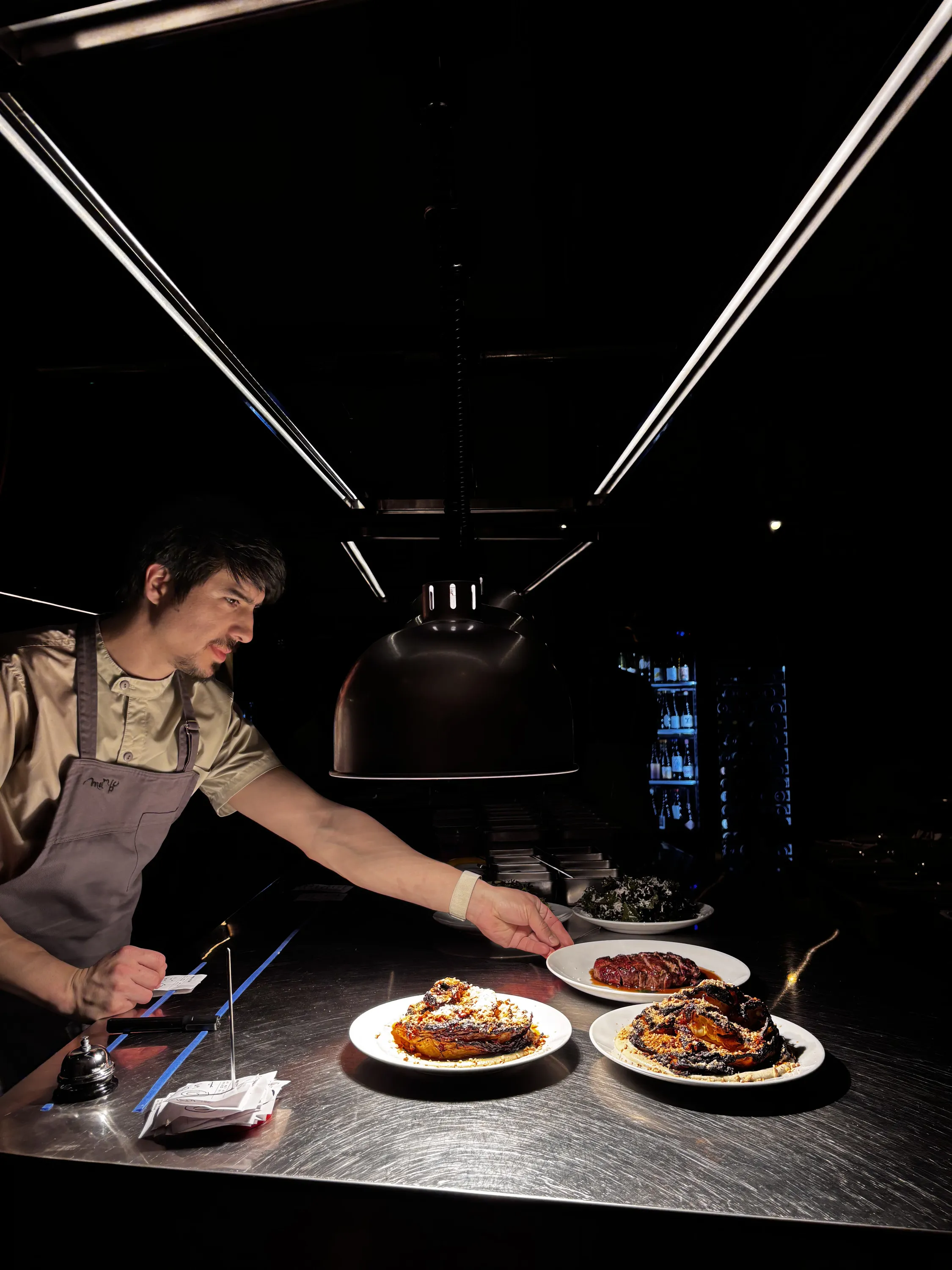
Looking a bit further ahead: how do you imagine your future as a cook?
If I think about where I see myself in three years, I imagine myself working during the day. I don’t see myself removed from the day-to-day of the kitchen, because it gives me energy. I like being present, service, seeing things happen and cooking daily. I wouldn’t like to become an office cook; I feel that would dull me. I’d like to change the habit from being a night cook to a day cook, without losing direct contact with the kitchen.
Buenos Aires ping pong
A Buenos Aires neighborhood to get lost in without watching the clock
Recoleta
A restaurant you go back to as a customer, not as a cook
Gran Dabbang
A classic bodegón that always delivers
Rondinella
A very porteño dish you never get tired of
Pasta with meat stew
A market, fair or place where you like to shop for products
Barrio Chino, Mercado Boliviano
A recent restaurant opening that excited you
El Bocadito de Wilson, because everything they do feels very honest and very delicious
A café where you like to sit and think up ideas
Cover Café, for the filter coffees and the bookstore-like silence
If you have a foreign visitor and only one place to show them Buenos Aires, where do you take them?
To a product-driven parrilla with great execution, like Madre Rojas, Don Zoilo or Maure Parrilla.