

[image]
[title]There is something that defines the contemporary experience of looking: the difficulty of stopping. Images accumulate and flash by at such speed that we barely register them before they disappear. Within this constant flow, attention has become an increasingly scarce resource and contemplation a fragile practice. Perhaps that is why spaces that propose a different temporality—one in which the gaze can linger, explore, and discover—feel particularly relevant today.
Arte Pequeño Formato® is built on an idea that is as simple as it is challenging: a reduction in scale not as a limitation, but as a condition of possibility. Works measuring no more than 50 by 50 centimeters do not seek to dominate a space; instead, they encourage a different relationship with the viewer—one that is closer, more intimate, and more personal.
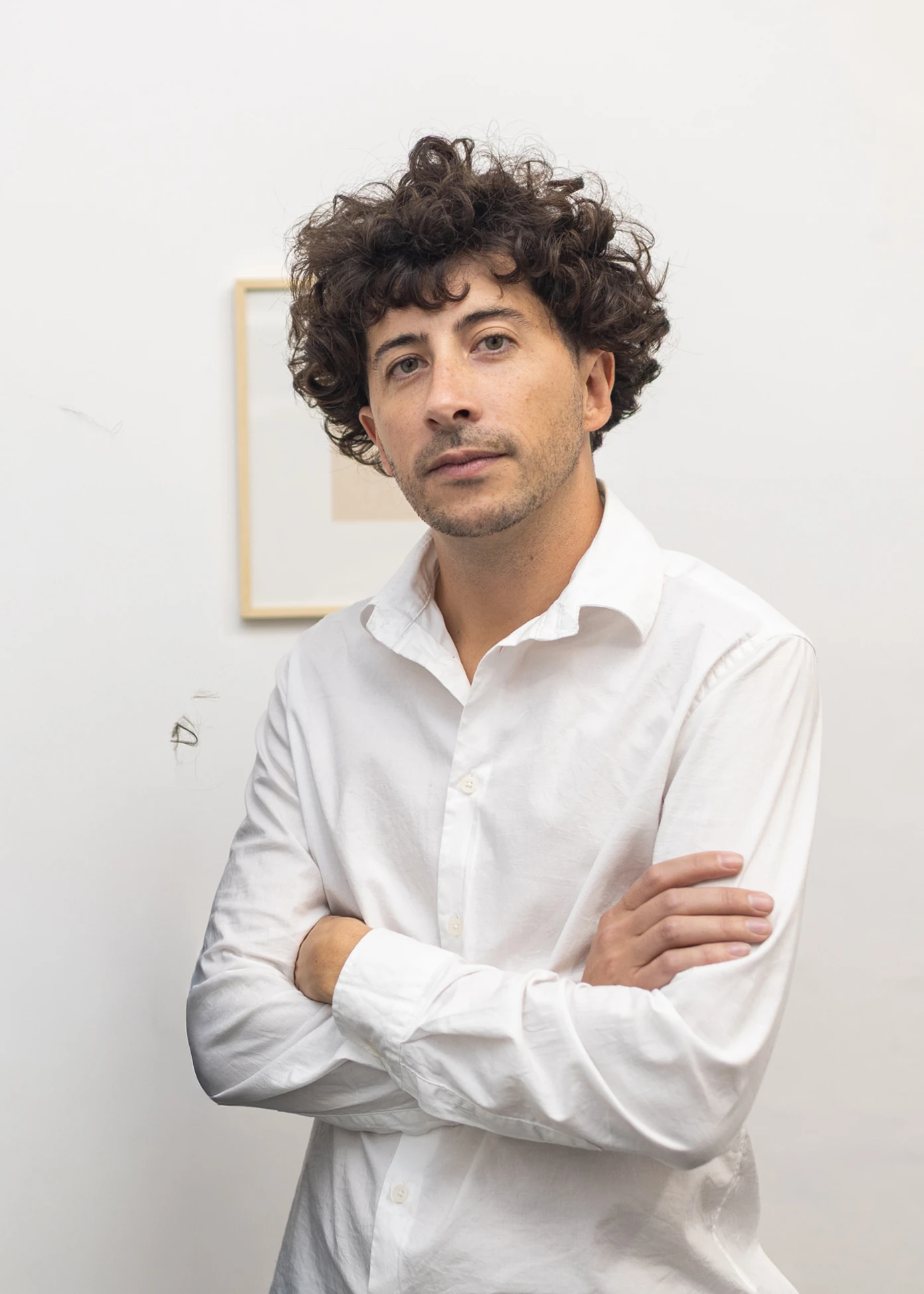
“Small format compels us to stop and pay attention, to establish a different kind of connection,” says Francisco Medail, the project's curatorial advisor. Embedded in that idea is something that goes beyond the material object itself: the possibility of recovering a less automatic, more conscious, and more available way of seeing.
You may also be interested in: 4 museums in Buenos Aires everyone should visit at least once
But this sense of closeness is not only perceptual—it is also symbolic. Small-format works challenge traditional expectations of art, where scale is often associated with monumentality and impact. Here, instead, the works enable a different coexistence with everyday life, one that is more flexible and less conditioned by the logic of an object that must dominate its surroundings.
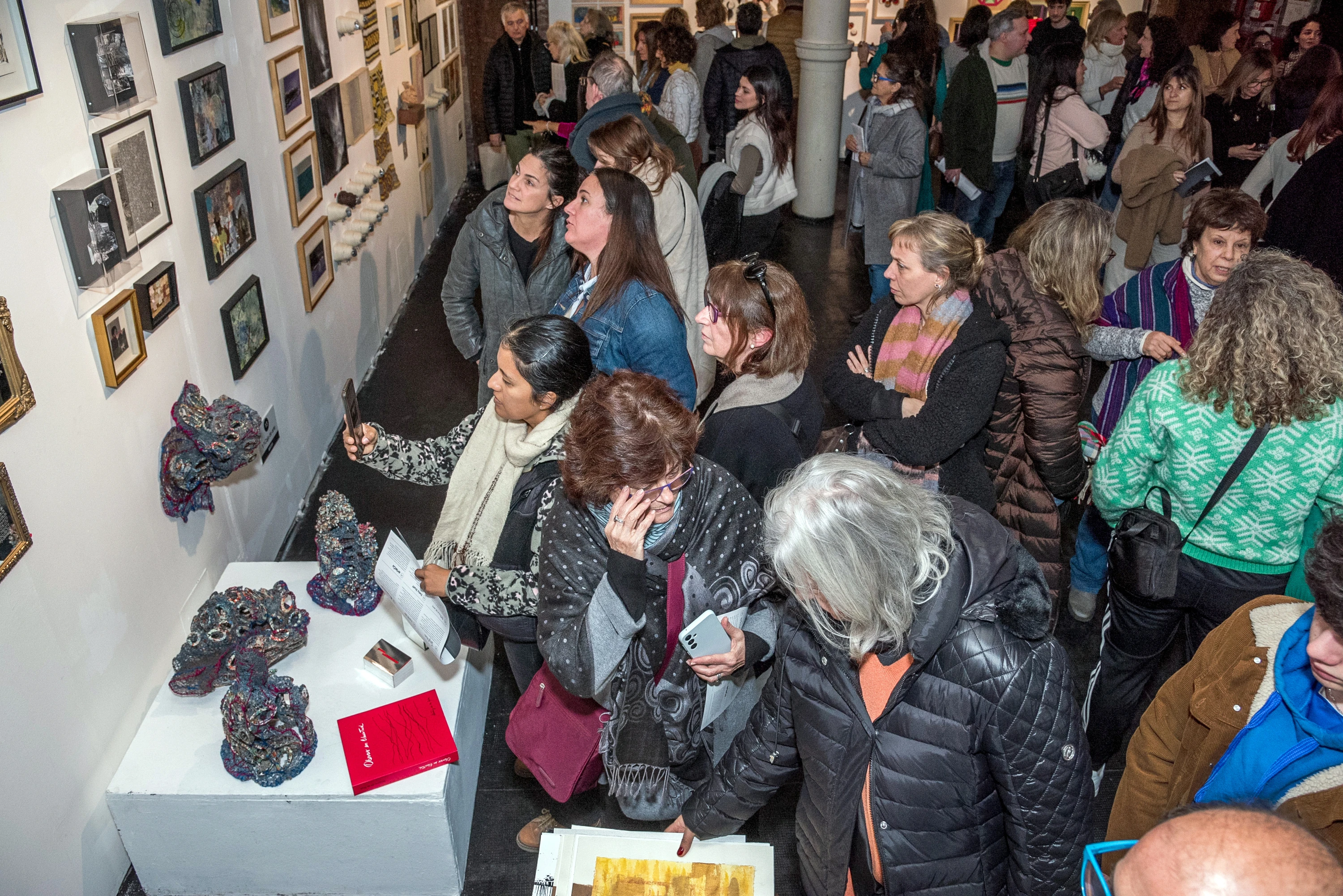
As June arrives and a new season of cultural programming begins, Arte Pequeño Formato® celebrates its fifth edition and confirms its growing place within Argentina’s art scene. This year, the fair will feature Marcos López as its guest artist of honor, a choice that feels perfectly aligned with its identity: a perspective on everyday life, popular culture, and Latin American worlds that encourages viewers to pause, observe, and discover new layers of meaning in what often goes unnoticed.
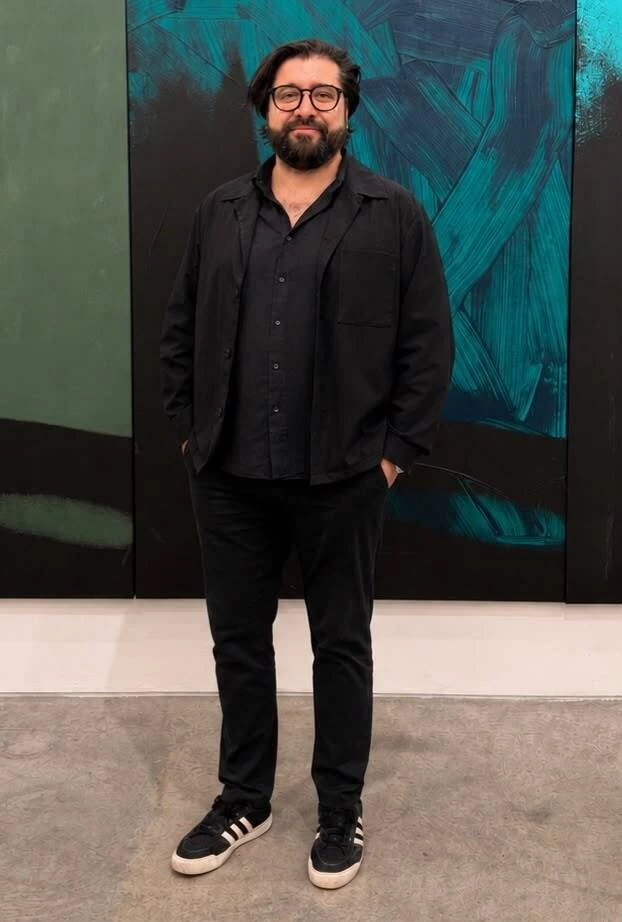
This edition also brings a new perspective to the project with the incorporation of Julián León Camargo as curatorial advisor. “Small format is especially valuable because it allows artworks to circulate more dynamically, with lower production, transportation, and conservation costs,” he explains. In a challenging economic context for the cultural sector, initiatives like this not only broaden access to art but also strengthen the work of artists, galleries, and independent spaces.
From this perspective, the fair is more than an exhibition space—it also functions as a platform that actively shapes the ways in which art circulates, sustains itself, and grows. New audiences, emerging collectors, and visitors without specialized knowledge find in it a more accessible gateway into the world of contemporary art.
“Art does not need to be understood by everyone in the same way, but it should be open to anyone who wishes to approach it,” Julián summarizes. His words capture a central tension of our time: the difference between understanding a work and having access to it, between belonging to a circuit and simply being able to enter it.
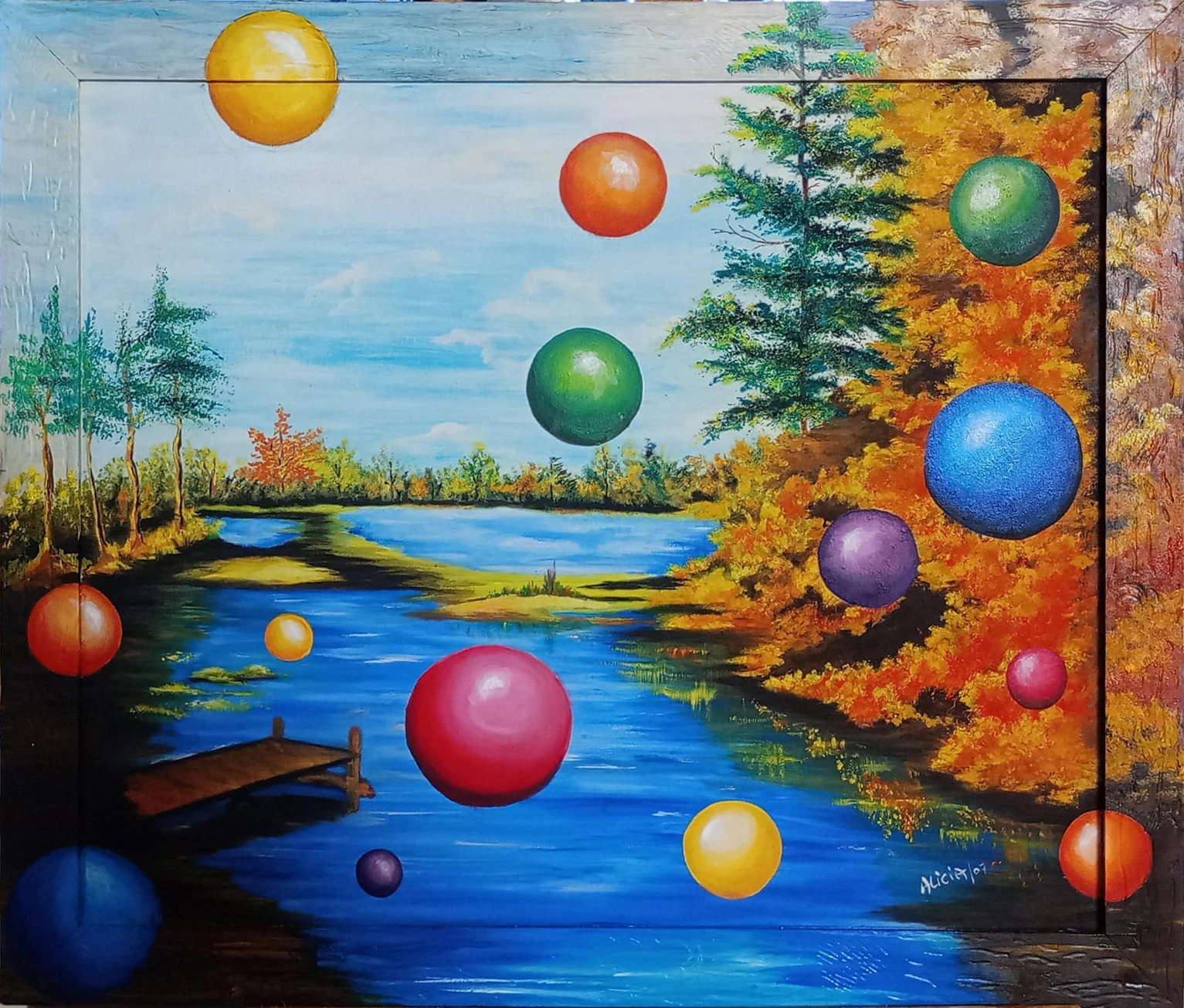
At its core, what Arte Pequeño Formato® proposes is not merely a question of scale, but of relationship. A form of proximity that involves not only the artworks themselves, but also those who create, exhibit, and engage with them.
You may also be interested in: Buenos Aires through its galleries: five essential stops
At a time when contemporary art often oscillates between the sophistication of the art world and the challenges of expanding its reach, initiatives like this explore another possibility: that of a more permeable ecosystem, where circulation is not the exception but the condition.
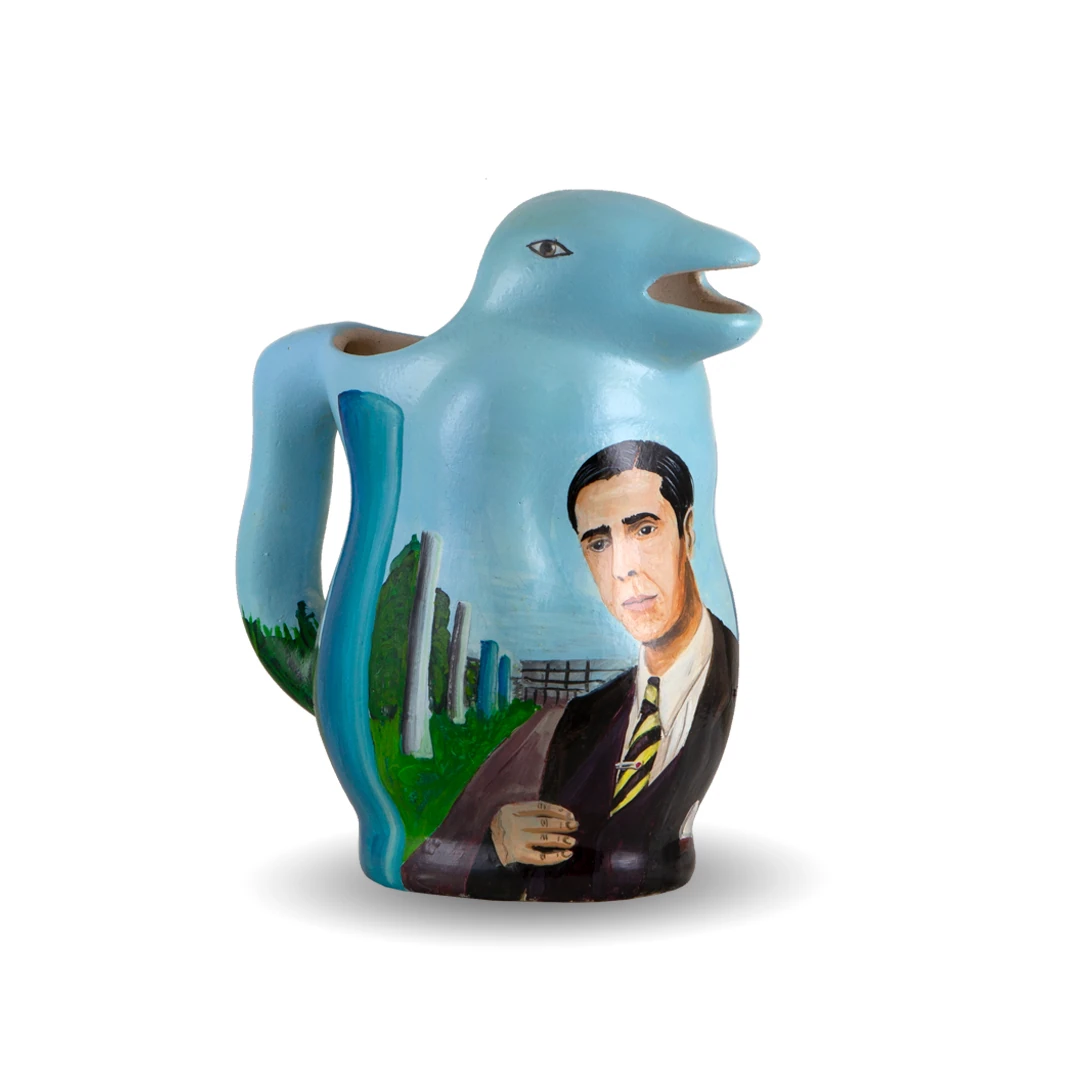
In an era when distance often feels like the norm, this closeness—to images, ideas, and one another—is no small gesture. It may even offer a way to rethink how we look, how we choose, and how we connect with art.
Participating galleries: 1/1 Caja de Arte, Al Sur Gallery, Almacén de Arte, Atocha, Aura, BAC, Bauza, Blanqo, Casa Proyecto, CIRCA, Cosmocosa, Diego Obligado, Fulana, Gachi Prieto, Galerías Bonaerenses, Gallery Labs, Imaginario, Hache, Julia Baitalá, Luogo, Maleza, María Casado, Quimera, Roseum Arte Contemporáneo, Rolf, Rubbers, Sasha, Subsuelo, Tiempo, Valk, Van Riel, Vasari, and White Lodge.
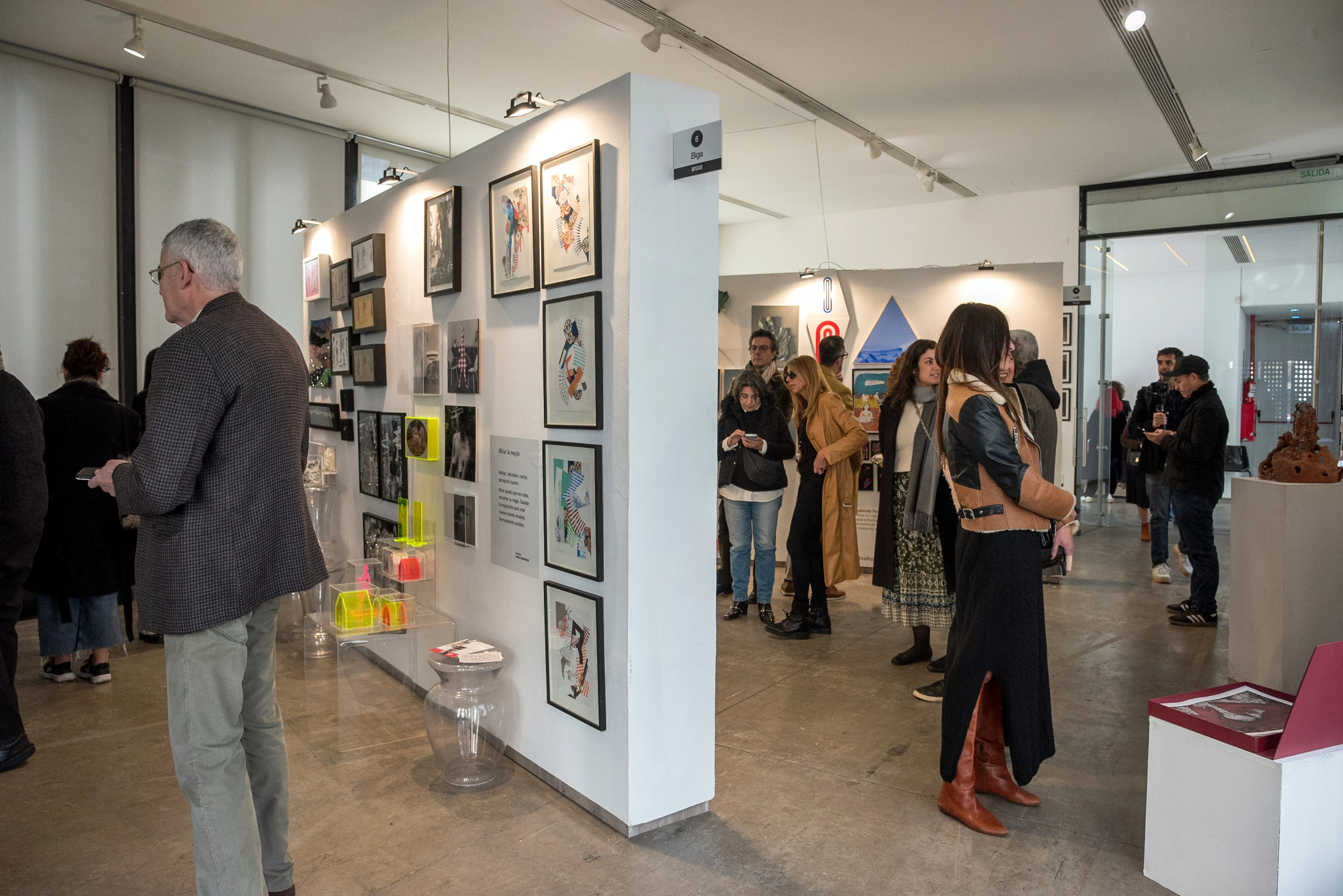
Sponsors and partner spaces: The 2026 edition will also feature the participation of Fundación Medifé, Muchtek, Sinteplast, Time Out, Clarín, Art Democracy, and Zuccardi, contributing programs that expand the dialogue between art, design, architecture, and well-being.
You may also be interested in: Art 2026 in Buenos Aires: a cultural calendar to bookmark
On the third floor of the museum tower, visitors will find Microcosmos, an interactive experience designed to encourage reading, observation, conversation, and learning about health. The installation is the result of a collaboration between Arte Pequeño Formato® and Fundación Medifé.
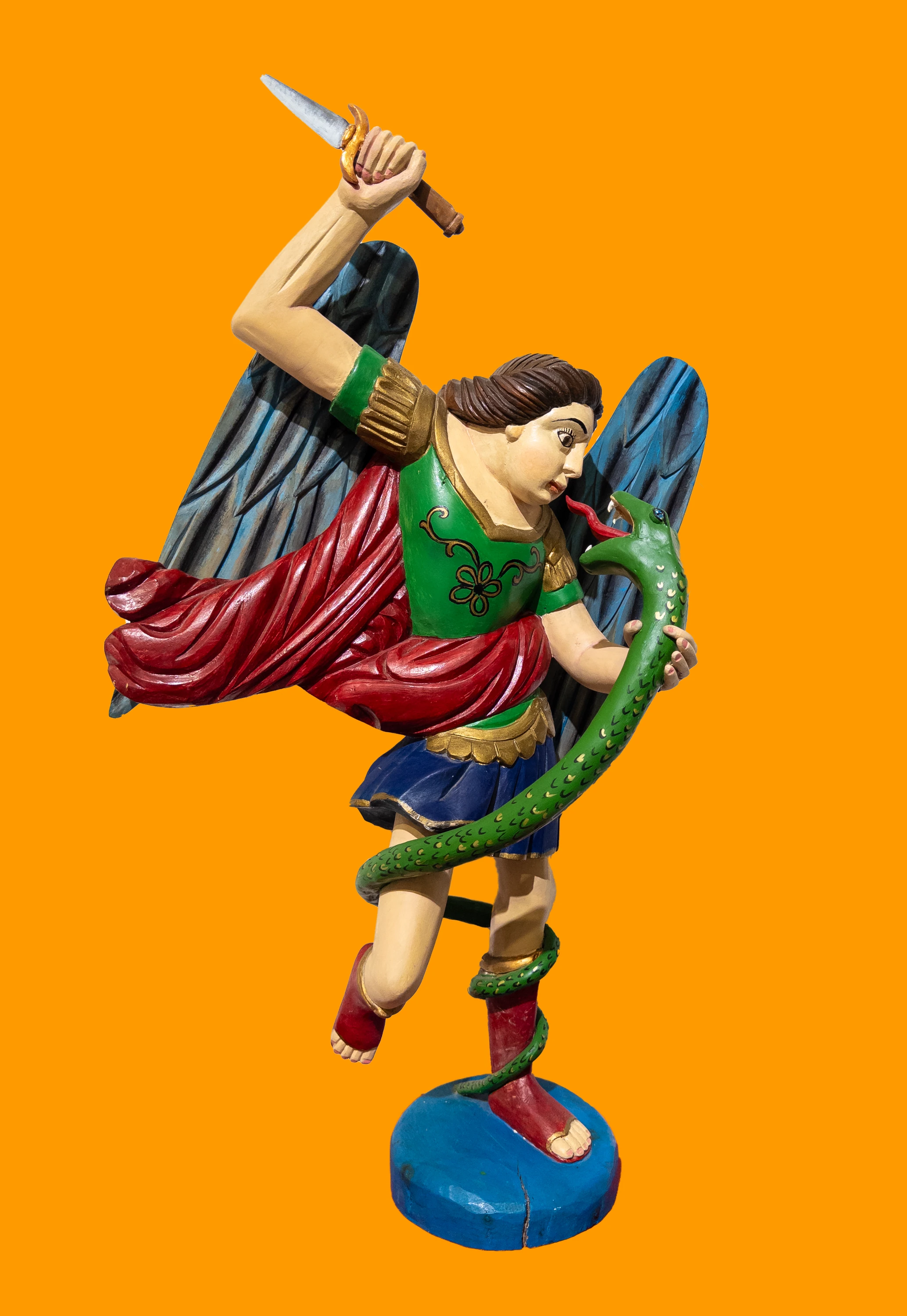
When and where: Museo de Arquitectura y Diseño (MARQ), Av. Libertador 999. June 10–14. Opening hours: 3pm–8pm, except on June 11, when the fair will run from 7pm–10pm as part of La Noche de Arte en el MARQ.