

[image]
[title]If someone cracks open a can at a pre-party gathering this summer and the scent of lemon or passion fruit fills the air, chances are there’s beer inside. Lighter, lower in alcohol and with fruit taking centre stage, it’s a combination that is beginning to win over younger consumers.
The shift comes after decades in which beer in Argentina almost always followed the same formula: pale, light and ice-cold. The first variations arrived with the craft beer boom, bringing IPAs, stouts and chalkboards listing beers on tap. Later, as the market evolved, alcohol-free versions began to appear.
Low-alcohol, fruit-flavoured canned drinks, now available on supermarket shelves, in bars and at drinks retailers, are the latest chapter in this story, and the trend extends well beyond Argentina. Globally, the volume of light, flavoured and ready-to-drink beverages grew by an average of 8% annually between 2018 and 2024, according to IWSR, a British consultancy specialising in the alcoholic beverages market.
A Mix More Than a Century Old
The combination of beer and fruit has a long history. According to the most widely told story, in June 1922, Franz Xaver Kugler, the owner of a tavern on the outskirts of Munich at the end of a cycling route, was visited one afternoon by a crowd of thirsty cyclists. Faced with the possibility of running out of beer, he mixed it half-and-half with lemonade. The drink was such a success that it took its name from its first customers: radler, the German word for cyclist. Meanwhile, in England, the tradition dated back to Victorian times, with shandy gaff, a mixture of beer and ginger ale that gave rise to the shandy.
A century later, radler remains a staple of German beer gardens, and the concept has expanded to include other fruits and markets. In Spain, for example, draft beer mixed with lemon soda has been a summer favourite for decades.
What’s Happening Around the World
The popularity of these drinks varies considerably from country to country. On average, they account for 4.5 out of every 100 litres of alcoholic beverages consumed worldwide. In Japan, where cans of chūhai (a spirit mixed with soda and fruit juice) fill convenience store refrigerators, that figure rises to 22. New Zealand follows with 15, Australia with 13.5 and the United States with 12.9, according to 2024 data from IWSR.
In Argentina, the share is considerably lower. These beverages account for just 2.3% of the country’s alcoholic drinks market, half the global average, according to a CCU survey conducted at the end of 2024. Across the Andes, Chile has already reached 4.2%. For the industry, that gap represents significant room for growth.
Young Consumers Are Driving Innovation and Seeking New Flavours
The data points to younger generations as the driving force behind this shift. In a 2024 trends study conducted by Ipsos for CCU, people aged 18 to 25 ranked “variety and new flavours” as the third most prominent trend in society. Among the general population, the same category ranked only tenth.
The company has also identified a growing preference for lighter drinks and new flavours, particularly among women and younger consumers, alongside more occasional consumption linked to social gatherings rather than everyday routines. The idea is a drink to share at a pre-party gathering or on a sunny afternoon, with less alcohol and more flavour.
In the local market, the segment began gaining momentum over the past year with several new launches. CCU, Argentina’s second-largest brewing company, introduced Schneider Remix Limón and Warsteiner Natur Radler in 2025, both made with beer and fruit juices, before adding Schneider Remix Pomelo in 2026. “Drinks that combine beer with fruity flavours and lower alcohol content have been growing in popularity, and at CCU we have been promoting their development in Argentina since last year,” explains Guadalupe Ries Centeno, Brand Grouper at CCU Argentina.
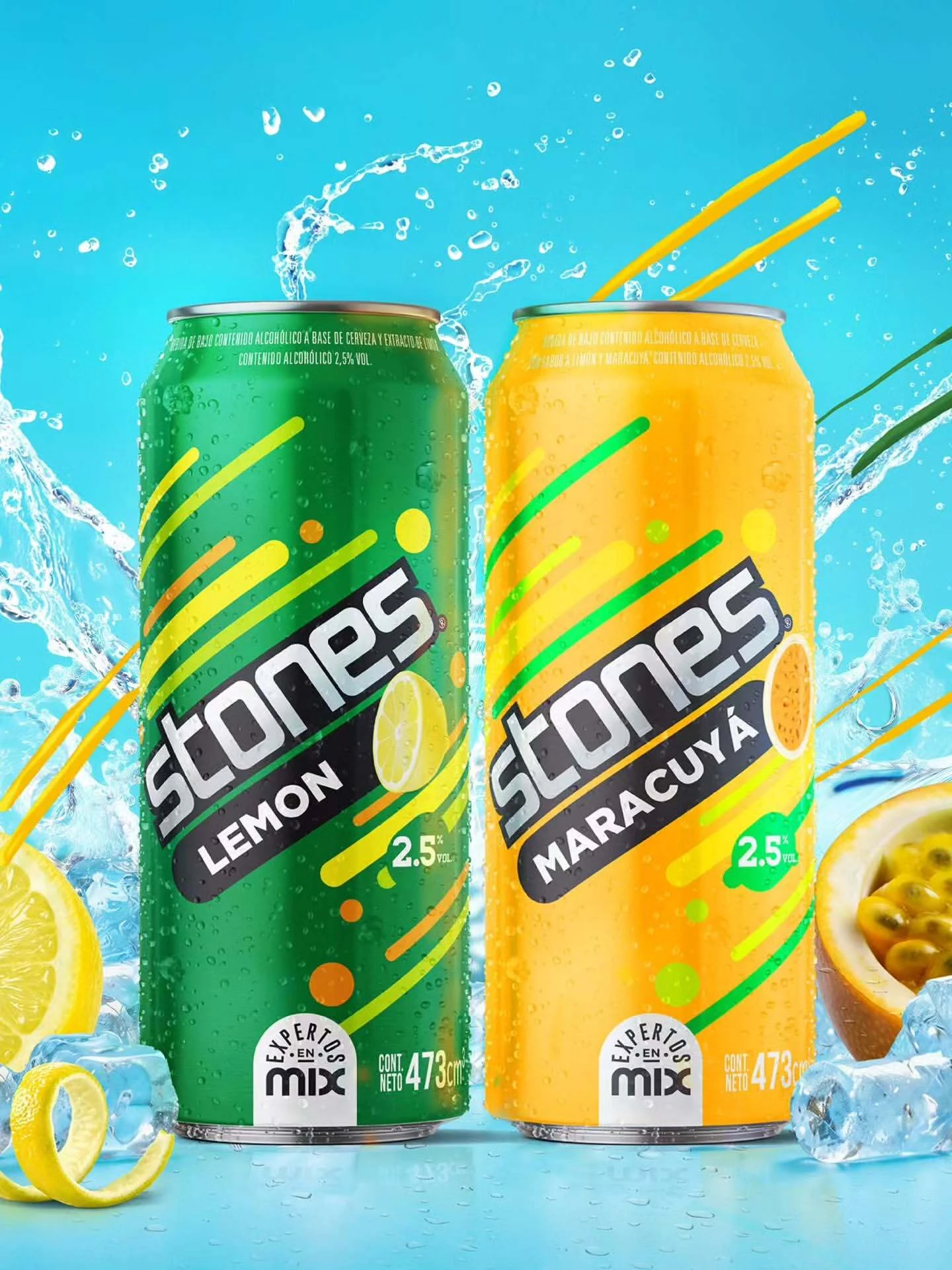
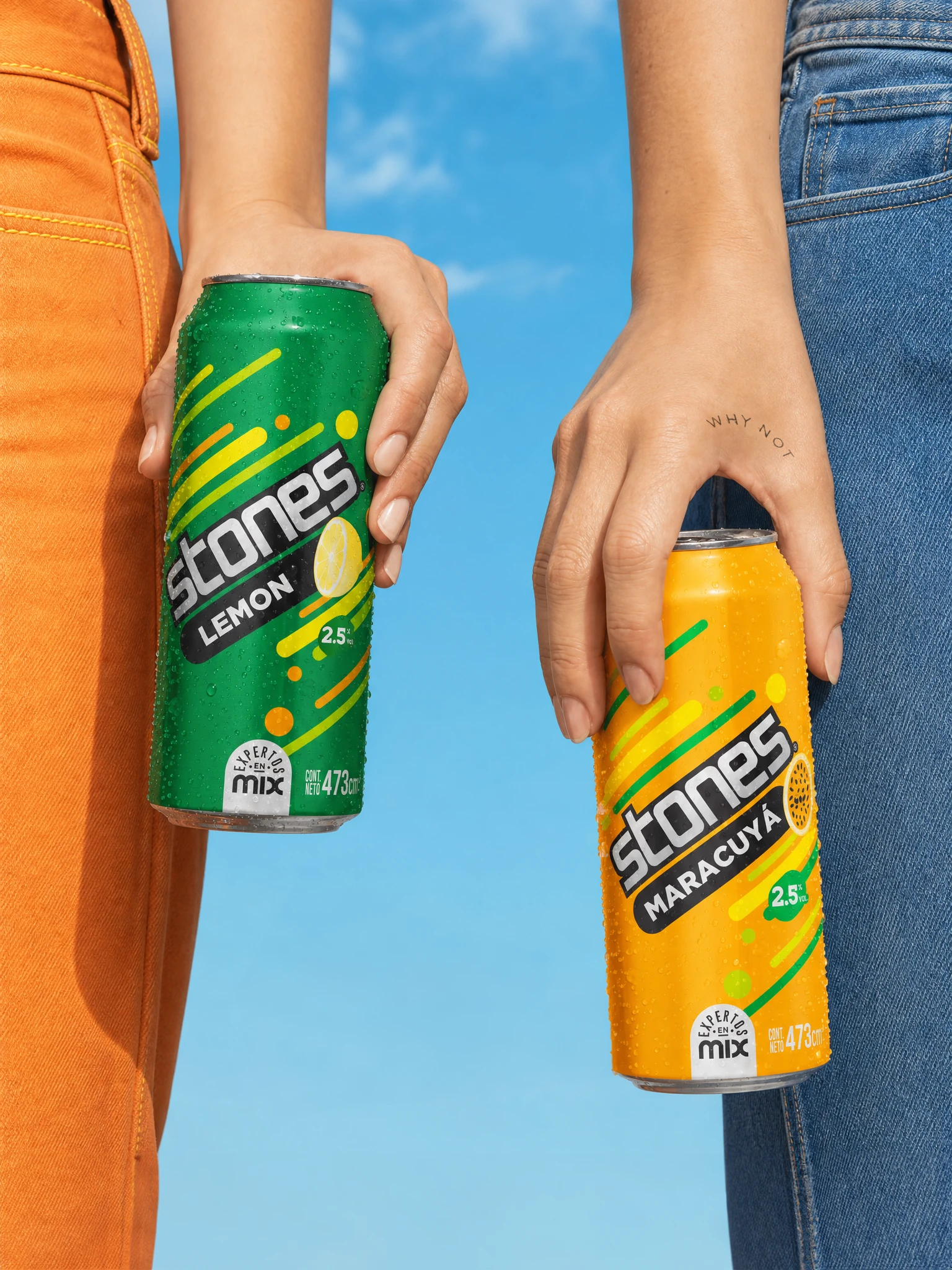
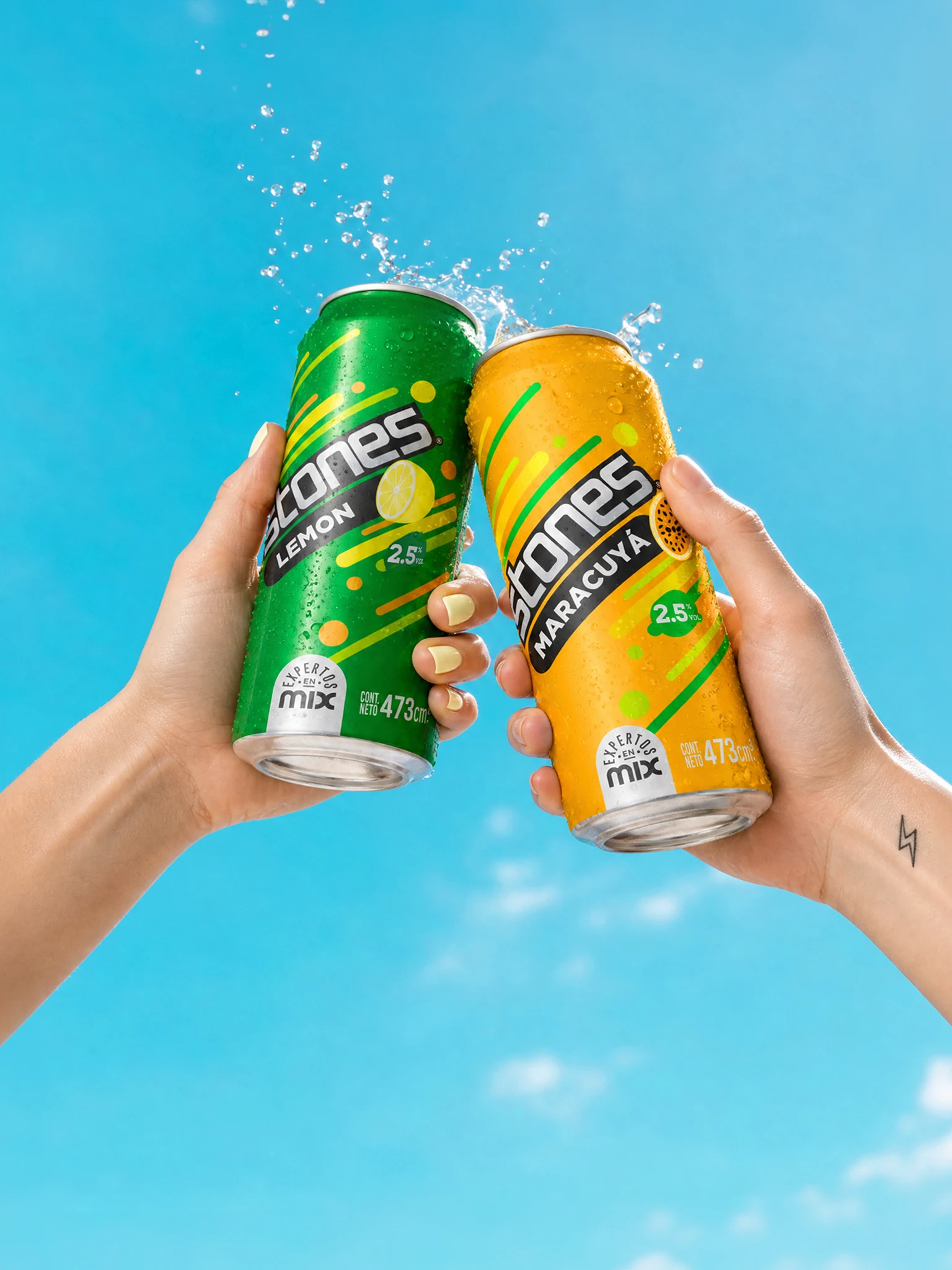
Last September, the company took another step forward with Stones, a brand CCU already markets in Chile, where it is available in mango, berry and watermelon flavours. For its launch in Argentina, the company selected two flavours, Stones Lemon and Stones Maracuyá, positioning the brand as an “expert in mixing”, with fruit at the heart of its offering. “With Stones, we want to continue exploring new ways to enjoy beer, introducing different flavours and experiences that can also appeal to consumers who usually choose other alternatives,” adds Ries Centeno.
Both Stones varieties have been available since September in 473ml cans at supermarkets, convenience stores and other retail outlets, as well as through La Barra, CCU’s online store. Their arrival comes just as the warmer season approaches, the time of year when refrigerators fill up with cans for pre-party gatherings, pool parties and long summer afternoons.