
[image]
[title]Buenos Aires has a special relationship with its bars, pizzerias and steakhouses. They are part of the city's identity and a food scene that is constantly evolving. Alongside the long-standing classics, new generations of bartenders, pizza makers, grill masters, pastry chefs and baristas are expanding the possibilities for eating and drinking out in the city.
For the 2026 Time Out Buenos Aires Food & Drink Awards, the jury selected establishments that represent different approaches to Buenos Aires' culinary culture. Here are the categories and their nominees: a selection combining established favourites, exciting newcomers and venues setting the latest trends.
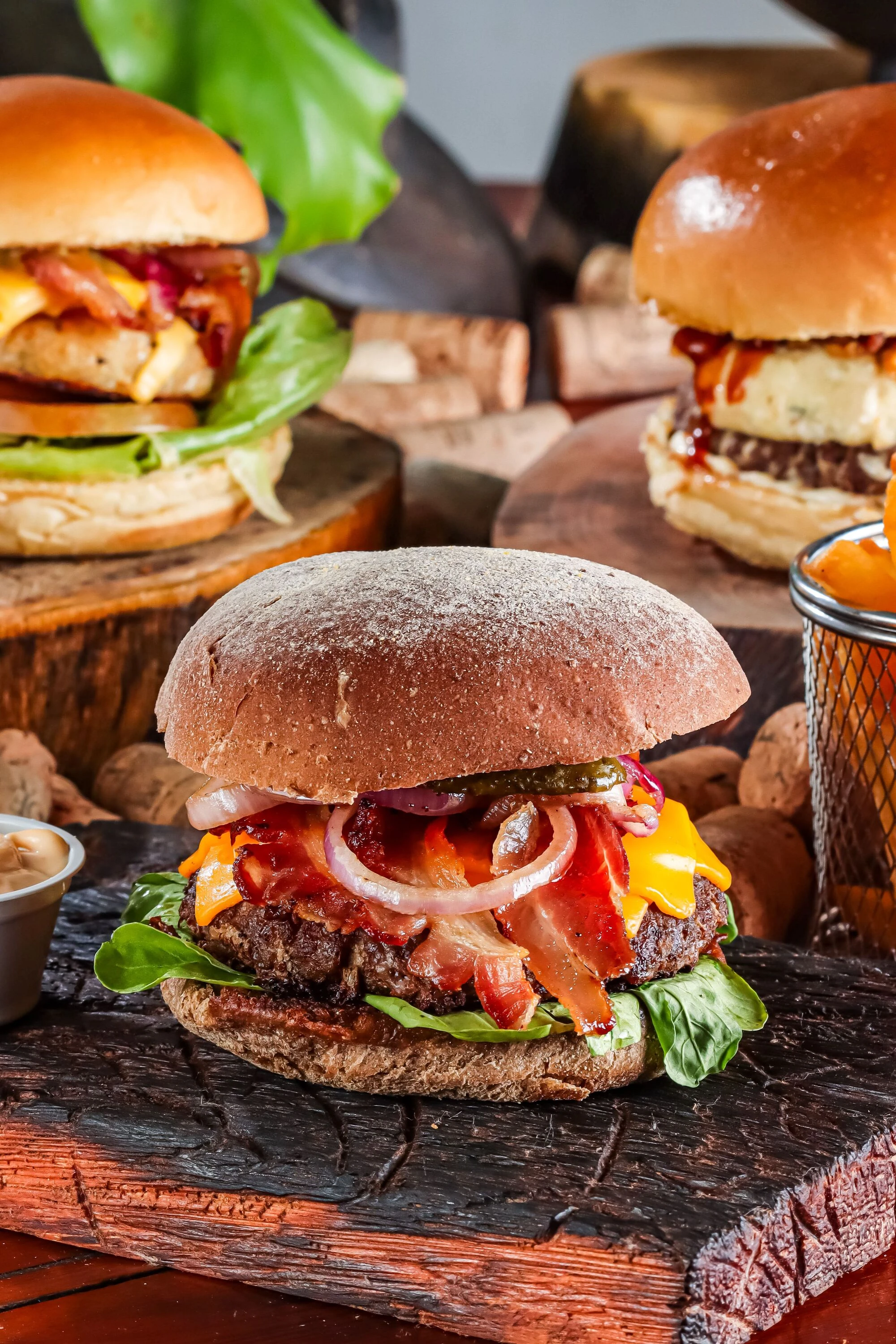
Burgers
Buenos Aires now has a thriving burger scene of its own, with specialists debating meat blends, fat ratios, buns and cooking techniques. The popularity of smash burgers has ushered in a new era, but others still favour thick patties, aged beef or regional American styles. This category brings together burger joints and restaurants that stand out for their recipes, techniques and distinctive identities.
Kiddo
Alejandro Roig, known on social media as Burger Kid, opened Kiddo in 2022. His The Park burger, featuring American cheese, tomato, lettuce, onion and house sauce, ranked ninth on Time Out's list of the world's best burgers in 2026. The brand stands out for its concise menu, specially developed buns and patties that prioritise balance over size.
Where: Arévalo 2882
Arredondo
An old-school favourite, Arredondo opened in Colegiales in 2018, and its burger became one of the restaurant's most popular dishes. The meat blend combines striploin, ribeye and short ribs, while the bun was developed by Kalis. The classic version features cheddar, bacon, crispy onions and aioli.
Where: Virrey Arredondo 2562
The Flour Store
The Flour Store started out making buns for other burger joints before opening its own location in Almagro. Its burgers are cooked using the smash technique, but the bread remains one of its biggest selling points. Its patty melts are another highlight: sandwiches filled with beef and melted cheese, served on toasted bread, an American speciality rarely found in Buenos Aires.
Where: Humahuaca 3853
Guita
Guita has just two burgers on its menu. Both feature double smash patties, cheddar, red onion and pickles on a brioche bun. The difference lies in the sauce: one uses ketchup and mustard, while the other features the restaurant's own recipe.
Where: Sinclair 3263
LT House
LT House sets itself apart from most specialist burger joints by grilling its patties over wood and charcoal. The buns are made fresh daily, and the smoky flavour is one of the restaurant's defining characteristics.
Where: 3 de Febrero 3845
Meat & Grill
Located on Esmeralda Street, Meat & Grill specialises in burgers cooked on a flat-top grill and served in homemade buns. Its menu features several variations with cheese, sauces and additional toppings, all served with fries.
Where: Esmeralda 924
The Food Truck Store
Rodo Cámara started selling burgers from a food truck before building a brand with several locations across Buenos Aires. His menu draws inspiration from American classics, with burgers named Manhattan and California, alongside fries, onion rings and milkshakes. The venture has also inspired new projects, including Luisa's.
Where: Av. Las Heras 2201
Lucky Louis
Lucky Louis, in Belgrano, offers a menu inspired by American diners. Its Lucky Cheeseburger features a 220-gram patty, cheddar, white onion and a sesame-topped potato bun. The menu also includes fried chicken sandwiches and special creations, including limited-availability wagyu burgers. Diners can choose how they want their beef cooked.
Where: Av. Olazábal 1615
Burger Couple Co.
Burger Couple has transformed its restaurants into themed spaces. Its Palermo location celebrates the 1990s, while La Mansión, in Caballito, features references to Argentine television and popular culture. Its burgers are made with smash patties and signature sauces. The brand has developed a visual identity as recognisable as its food.
Where: Honduras 5221 (Los 90 location)
Gordis
Federico Perales, known as El Gordis for his burger reviews on social media, opened his own restaurant in Palermo in 2026, winning over both burger enthusiasts and food industry professionals. The menu includes the Gordis Clásica, with cheddar, pickles, onion and house sauce, alongside versions featuring glazed bacon, crispy onions and fried chicken. The character that made its creator famous also appears in the restaurant's décor and branded products.
Where: El Salvador 5602
Menenga
In Caballito, Menenga offers a seasonal menu with influences from various Asian cuisines. Its burgers may feature ingredients such as kimchi, spicy sauces and homemade buns, including one made with kabocha squash. The restaurant also serves milanesas, vegetables and other dishes that reflect the team's ambition to move beyond the usual burger-joint repertoire.
Where: Espinosa 480
Pony Line
Inside the Four Seasons Buenos Aires, Pony Line serves one of the city's best-known hotel burgers. Its classic version combines Angus and wagyu beef, a brioche bun, smoked bacon and Lincoln cheese. The menu also features aged beef and a truffle burger. A standout burger served in a cocktail-focused bar.
Where: Posadas 1086
Grasa
Grasa opened in Villa Crespo in late 2025, founded by Andrés Kosacoff and Gonzalo Ades Posse. Its burgers feature beef from Muge, Martin's buns and smash patties. The short menu offers triple-cooked fries or Caesar salad as sides. Unlike most burger joints, Grasa offers table service, traditional tableware and wine by the glass.
Where: Acevedo 986
Luisa's
Rodo Cámara and Santiago Candegabe travelled across the United States to study sliders, the small burgers originating in the Midwest. At Luisa's, square patties are cooked with chopped onions, whose steam softens the buns during cooking. The menu features five versions, including the Original 1921, with pickle relish. Instead of fries, they serve potato chips.
Where: Ramallo 2307
Benzo
Benzo is an owner-operated burger joint with a concise menu. Its burgers are identified by numbers and made using a proprietary meat blend. One distinctive feature is its fries, seasoned with smoked paprika from Salta and served with house-made sauces.
Where: Paraguay 3510
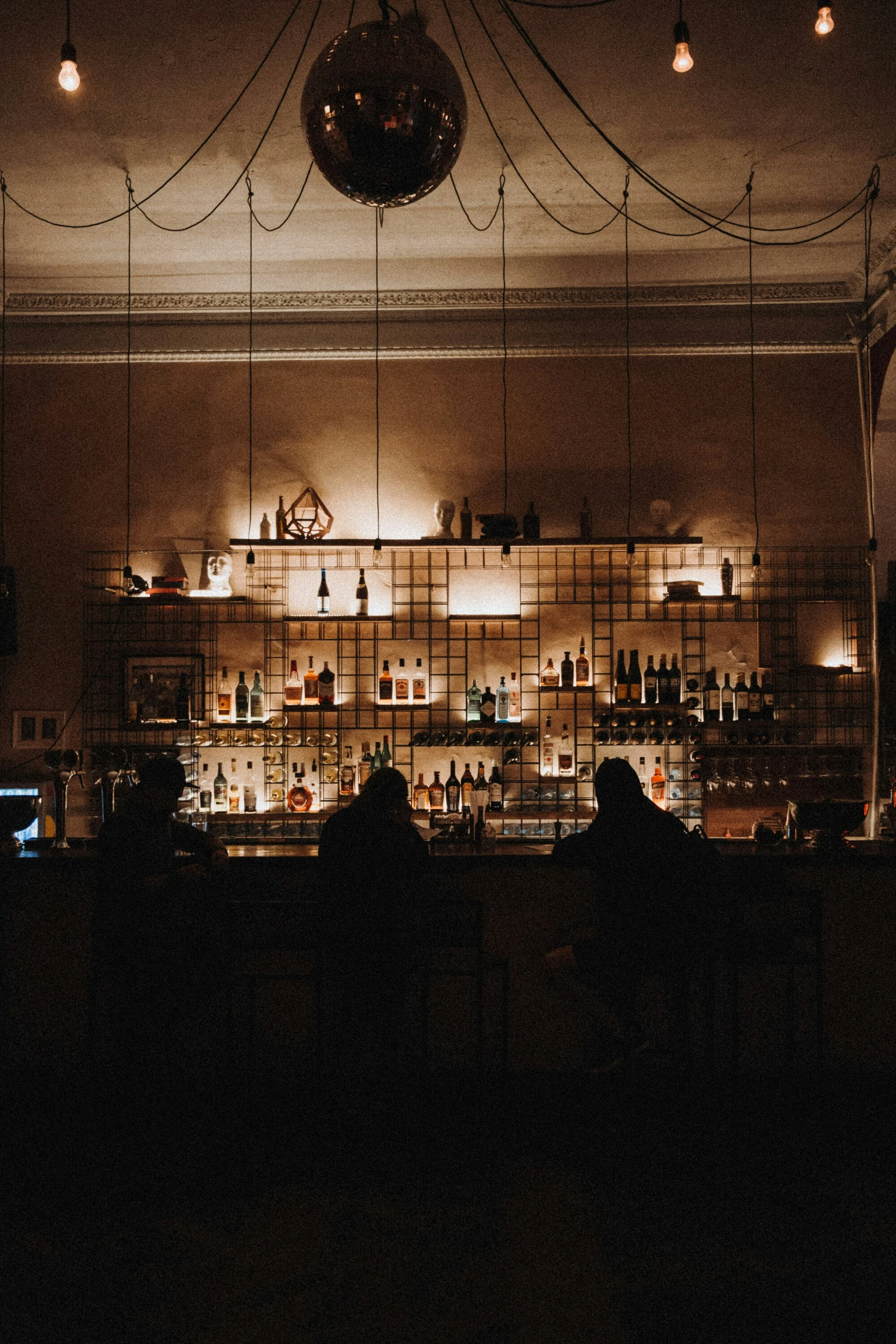
Bars
Buenos Aires nightlife has a character all its own, with a bar scene that never stops reinventing itself. This category celebrates cocktails, creative mixology and the talented bartenders shaping the city's drinking culture. These are bars with soul, inviting visitors to discover something different on a night out in Buenos Aires. Some are bold, others laid-back; some sophisticated, others casual. But they all share something in common: personality, excellent bars and their own distinctive approach to nightlife.
Tres Monos
Today, Tres Monos is one of the leading names in contemporary Argentine mixology. Founded by Sebastián Atienza, Charly Aguinsky and Gustavo Vocke, Tres Monos combines an internationally award-winning cocktail bar with a relaxed atmosphere, music and a party spirit.
Where: Guatemala 4899
Don Gato
With an aesthetic inspired by classic bars and a touch of 20th-century rock 'n' roll spirit, Don Gato offers a nightlife experience where cocktails and atmosphere take centre stage. A bar with personality, designed for those looking to escape the obvious and enjoy a night out with a distinctive identity.
Where: Fitz Roy 930
Punto Mona
The project of iconic bartender Mona Gallosi in Chacarita combines design, art, food and cocktails in a restored former industrial space. Its bar works with unusual ingredients and carefully considered presentations, while music and interior design complete an experience that goes beyond the traditional cocktail bar.
Where: Fraga 93
Florería Atlántico
A classic that continues to thrive. Hidden behind a flower shop in Retiro is one of the bars that inspired many others across Buenos Aires. Created by Renato Giovannoni, it consistently explores cocktails inspired by the waves of immigration that shaped the city's identity.
Where: Arroyo 872
The Parlor Bar
A bar that champions the elegance of classic cocktails, attention to detail and an intimate atmosphere. Led by Guillermina Usqueda, The Parlor revives the spirit of British-style social lounges, where the bar, service and conversation are just as important as the drinks. An alternative nightlife destination inside Mansión Mihura.
Where: Av. Las Heras 1725
Al Fondo Bar
Hidden behind Piedra Pasillo restaurant in Núñez, Al Fondo offers an intimate experience centred on cocktails. The bar, associated with bartender Santiago Migliano, combines technique, creativity and personalised service.
Where: Campos Salles 2145
El Limón
In Villa Crespo, El Limón challenges conventions and proves that great cocktails don't require elaborate rituals. A small bar, neighbourhood philosophy, welcoming atmosphere and expertly crafted drinks create an experience that combines professional skill with local character. Music and vinyl records complete the relaxed setting.
Where: Castillo 590
Bar 878
A pioneer of Buenos Aires' modern cocktail scene since opening in Villa Crespo, 878 has built an identity combining classic drinks, original creations and unpretentious hospitality. Its cocktails draw on traditional Argentine ingredients and spirits, with creations inspired by different corners of Buenos Aires.
Where: Thames 878
Gran Bar Danzon
Since 1998, the illuminated staircase at Gran Bar Danzón has been an icon of Buenos Aires nightlife. Its impressive bar, wine selection and New York-inspired atmosphere have made it a favourite across generations.
Where: Libertad 1161
Cochinchina
Bartender Inés de los Santos' project combines signature cocktails with French- and Vietnamese-inspired cuisine created by chef Máximo López May. An impressive main bar and a pavement terrace with an outdoor bar create an atmosphere where cocktails and food complement each other naturally.
Where: Armenia 1540
Acuario Bar
On a corner in downtown Buenos Aires, Acuario has transformed a landmark of modern architecture into a welcoming social space. Wine, cocktails and small plates come together in a thoughtfully designed venue that preserves the building's original character. An alternative to Palermo's busier nightlife circuits.
Where: Paraguay 900
Mixtape Listening Bar
Upstairs from Haiku restaurant, Mixtape embraces the culture of Japanese listening bars. Vinyl records, carefully curated music and a high-quality sound system take centre stage in an experience combining music and cocktails. With Pablo Pignatta behind the project, the idea is to offer a personal way of enjoying the night, where every drink becomes part of a musical journey.
Where: Franklin D. Roosevelt 1806, first floor
Somma Bar
Overlooking the Palermo Racecourse, Somma combines creative cocktails with equally inventive cuisine. Its sustainable, landscaped rooftop comes into its own at sunset, when the evening begins and continues well into the early hours.
Where: Dorrego 3550
Victor Audio Bar
Víctor Audio Bar was born from a collaboration between Tres Monos and Niño Gordo. Expect top-quality cocktails, food designed to complement the drinks and a musical experience inspired by Japanese listening bars, alongside a New York aesthetic influenced by the 1950s and 1960s.
Where: Soler 5130
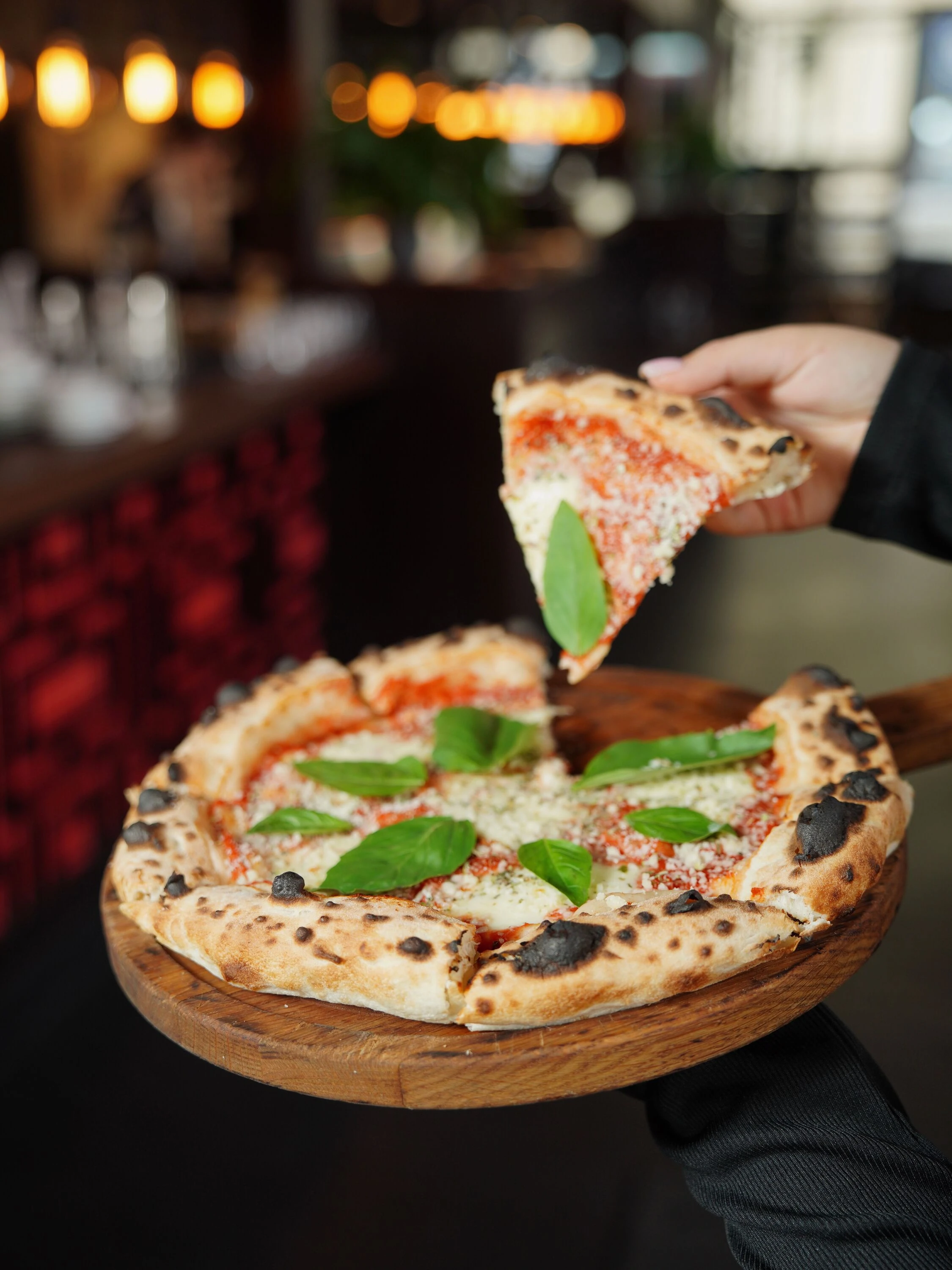
Pizzerias
Buenos Aires is a city that lives and breathes pizza. But there's life beyond its historic pizzerias, and in recent years a new generation of establishments has been expanding the possibilities of this beloved local staple. Long-fermented doughs, wood-fired ovens, Neapolitan influences, inventive topping combinations and formats ranging from pizza by the slice to specialist restaurants are all part of the picture. This category recognises the pizzerias setting trends, each with its own identity, without losing sight of what matters most: great pizza.
Kalis
A leading example of the new approach to Buenos Aires pizza. Kalis focuses on dough, fermentation and, above all, the ingredient combinations that its customers particularly praise. Its identity combines contemporary techniques with a laid-back approach, creating a distinctive format whose devoted fans seem unfazed by the prospect of long queues.
Where: O'Higgins 3578
Gordo Chanta
In Villa Crespo, Gordo Chanta quickly became a benchmark for the city's new wave of pizza. Its approach centres on long-fermented dough, airy crusts and carefully selected ingredients.
Where: Juan Ramírez de Velasco 1200
Sorrelina
Sorrelina is the younger sibling of the acclaimed Ti Amo pizzeria in Adrogué. It serves Italian-inspired pizza, with particular attention to light dough and high-quality ingredients. It joins Buenos Aires' growing scene of specialist pizzerias, where fermentation, texture and balanced flavours take centre stage.
Where: Cap. Gral. Ramón Freire 1393
Atte Napo
Atte. Pizzería Napoletana is already approaching classic status. It celebrates Neapolitan tradition with naturally fermented dough and pizzas cooked in a wood-fired oven. One of the pioneering pizzerias that helped establish Neapolitan-style pizza in Buenos Aires.
Where: El Salvador 6016
Siamo nel Forno
Another founding name in Buenos Aires' Neapolitan pizza movement. Under Néstor Gattorna, Siamo nel Forno introduced an approach to dough, wood-fired ovens and Italian ingredients that stood apart from the city's traditional pizza culture.
Where: Costa Rica 5886
Eléctrica
Once the most sought-after pizzeria of the new generation, Eléctrica has now established itself as a reference point for newer ventures. Its philosophy revolves around sourdough, contemporary ingredients and seasonal produce. Everything at Eléctrica is informal, with pizzas served alongside small sharing plates. Its mechanic's workshop aesthetic continues to attract attention.
Where: Honduras 5903
Togni
Chef Máximo Togni's project brought a New York-style interpretation of pizza to Belgrano. Large slices, thin dough and crispy bases are its trademarks. The pizzas are made with organic flour and undergo long fermentation.
Where: Blanco Encalada 1665
Bravo
Bravo Pizza Romana arrived to shake things up further. An alternative to Neapolitan and Buenos Aires-style pizzas, it puts Roman pizza in the spotlight. Its light, airy dough and crispy base provide the foundation for fresh toppings and Italian flavours. Pizza by the slice, with a strong emphasis on technique.
Where: José A. Cabrera 3533
Orno
Orno arrived during the second wave of new pizzerias and earned its place through a strong identity. Wood-fired ovens and long-fermented dough form the foundation of its approach. Its menu reinterprets Neapolitan pizza with original ingredients and combinations, bringing a contemporary perspective to Italian cuisine.
Where: Guatemala 4701
La Zarpada
In San Telmo, La Zarpada revives the spirit of the neighbourhood pizzeria while adding an innovative twist with the famous Roman pinsa. Its slow-fermented dough combines different flours to achieve a light, crispy texture.
Where: Carlos Calvo 581
La Fina
La Fina went a step further by offering two styles: Neapolitan and New York. With different locations specialising in each format, it works with handmade dough, carefully selected ingredients and varieties ranging from traditional flavours to more inventive combinations.
Where: Av. Triunvirato 3927
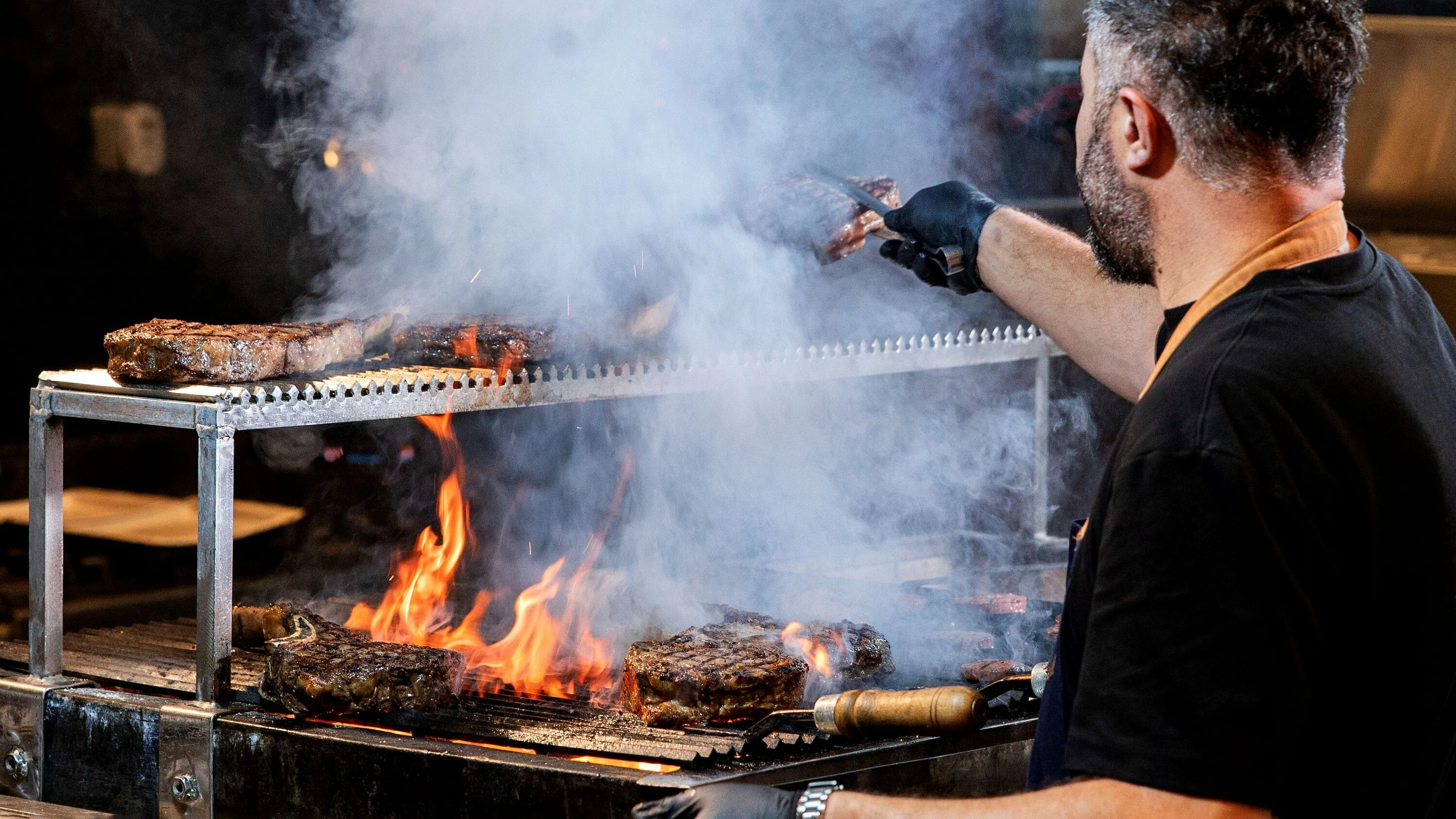
Steakhouses
The parrilla is the ultimate symbol of Argentine cuisine, but it's also a tradition in constant evolution. New cuts, ageing techniques, meat traceability, specialist producers and chefs reinterpreting the ritual of the asado coexist with historic steakhouses that continue to set the standard. This category recognises the establishments transforming the experience of eating meat in Buenos Aires.
Corte
Corte began as a project combining a butcher's shop and restaurant, aiming to bring carefully selected meats directly to consumers. Its approach focuses on product quality, the origin of the animals and expert butchery.
Where: Av. Olazábal 1391
Asadero
A contemporary interpretation of the Argentine parrilla, with particular attention to meat cuts, cooking techniques and side dishes. Its cuisine centres on traditional asado, bringing it into a restaurant setting with a strong focus on emerging trends in product care and service.
Where: Fitz Roy 1041
Brava
Brava positions itself as a meat-focused restaurant. Its philosophy centres on fire – embers, flames and the griddle – and on discussing origin, breed and feeding practices, rather than simply cuts of meat. It combines fire cooking with new techniques and flavours. A project reflecting the growing interest in reinterpreting Argentine asado from a different perspective.
Where: Sucre 676
Madre Rojas
In Villa Crespo, Madre Rojas has established itself as a leading name among Argentina's new generation of steakhouses. Juan Barcos' project pays particular attention to animal selection, producers and product traceability. A pioneer in introducing wagyu beef to Argentina, its ambitions extend beyond meat, with equally impressive vegetable side dishes.
Where: Rojas 1600
José el Carnicero
The idea came from Germán Sitz and Pedro Peña, who created a dining experience centred on live-fire cooking. Large cuts of meat cooked on traditional stakes, carefully selected beef and a wood-fired grill take centre stage at a restaurant that combines old-school techniques with a distinctly contemporary outlook and isn't afraid of controversy.
Where: Thames 2316
La Carnicería
A chef-driven steakhouse and the first project by Germán Sitz and Pedro Peña. The pair reinterpret the traditional parrilla using modern techniques. From the outset, they have championed their deep understanding of meat, sourced from their own farms. An approach that celebrates the butcher's craft and the relationship between producers, chefs and diners.
Where: Thames 2317
Gaucha
A culinary journey through Argentina, told through fire. Gaucha transforms the traditional asado into a sophisticated multi-course tasting menu. Every course is carefully designed to tell a story about Argentine identity. This isn't the place for diners looking for oversized portions.
Where: Nicaragua 6044
Baer Asador
In Villa Ortúzar, Baer started quietly but has grown steadily. It has the atmosphere of a small neighbourhood steakhouse, but with the ambition of leaving a distinctive culinary signature on every dish. Each plate is designed to be enjoyed individually or shared.
Where: C. Girardot 1698
Somos Asado
In Villa Crespo, Somos Asado aims to be a steakhouse unlike any other. Its first statement of intent is refusing to use gas, instead focusing on wood-fired cooking and a clay oven. Carefully selected cuts are displayed for everyone to see, while meat ageing has become a defining speciality.
Where: Av. Raúl Scalabrini Ortiz 651
Maure
On the corner of Córdoba and Maure, this Chacarita steakhouse has built a loyal following thanks to excellent cuts, offal and a wine list that pays attention to small producers. Among its specialities is the famous "secretito de Maure", a cut whose identity remains a closely guarded secret. A destination for those who appreciate good meat without unnecessary fuss.
Where: Av. Córdoba 6401
Trinchera Sur
Trinchera Sur isn't interested in playing it safe or taking the most obvious approach. Instead, it favours a small-scale grill, a concise menu, reinvented classics, seasonal sides and carefully selected wines.
Where: Piedras 566
Parrilla Maravilla
In Palermo, Maravilla isn't chasing novelty for its own sake. Its menu is largely traditional and straightforward, with a few modern touches. The restaurant has a spacious, comfortable dining room and a plant-filled patio. Alongside classic cuts, with marucha taking a starring role, the menu features interesting chef-driven dishes.
Where: Godoy Cruz 1740
Hierro
With locations in Palermo and San Telmo, Hierro emerged as one of the trendiest steakhouses of 2026. Meat, offal and vegetables are cooked over hot coals, while the side dishes move beyond the predictable options of a traditional parrilla. The menu also features an interesting cocktail selection.
Where: Costa Rica 5602
Fervor
In Recoleta, Fervor occupies a distinctive place among Buenos Aires steakhouses. Its menu goes beyond beef: fish and seafood are also cooked over the grill, a speciality that sets it apart from many competitors. A two-storey dining room, brasserie-style décor and traditional, polished service complete the character of this Posadas Street restaurant.
Where: Posadas 1519
Lo de Jesús
The story of Lo de Jesús is one of resilience, hard work and determination. Today, its highlights include aged beef, striploin steak and tomahawk, alongside traditional Argentine comfort food. La Malbequería, its dedicated wine space, offers more than 350 Argentine labels. Its delivery service has also become a case study thanks to its remarkable success.
Where: Gurruchaga 1406
La Cabrera
Chef Gastón Riveira developed a steakhouse style that has become an internationally recognised brand. Alongside cuts such as ribeye, striploin and offal, its defining feature is the large selection of side dishes served in small bowls to accompany the meat.
Where: José A. Cabrera 5127
Happening
With more than 60 years of history, Happening is one of the great classics of Buenos Aires' Costanera waterfront. It began as a food cart that the Brucco family transformed into a restaurant in 1965, and today it remains under the leadership of the third generation. A historic benchmark of Argentine grilling that continues to thrive, proving that a restaurant can be both a classic and a trendsetter.
Where: Av. Costanera Rafael Obligado 7030
Pasta
Pasta is an essential part of Buenos Aires' culinary identity. Italian immigration left behind a tradition that still lives on in family-run trattorias, Sunday ravioli lunches and neighbourhood pasta shops. Today, that heritage coexists with chefs exploring regional recipes, experimenting with new flours, making their own dough and shaping a new culinary identity: Italo-Argentine pasta. This category celebrates both the enduring classics and the restaurants setting new trends.
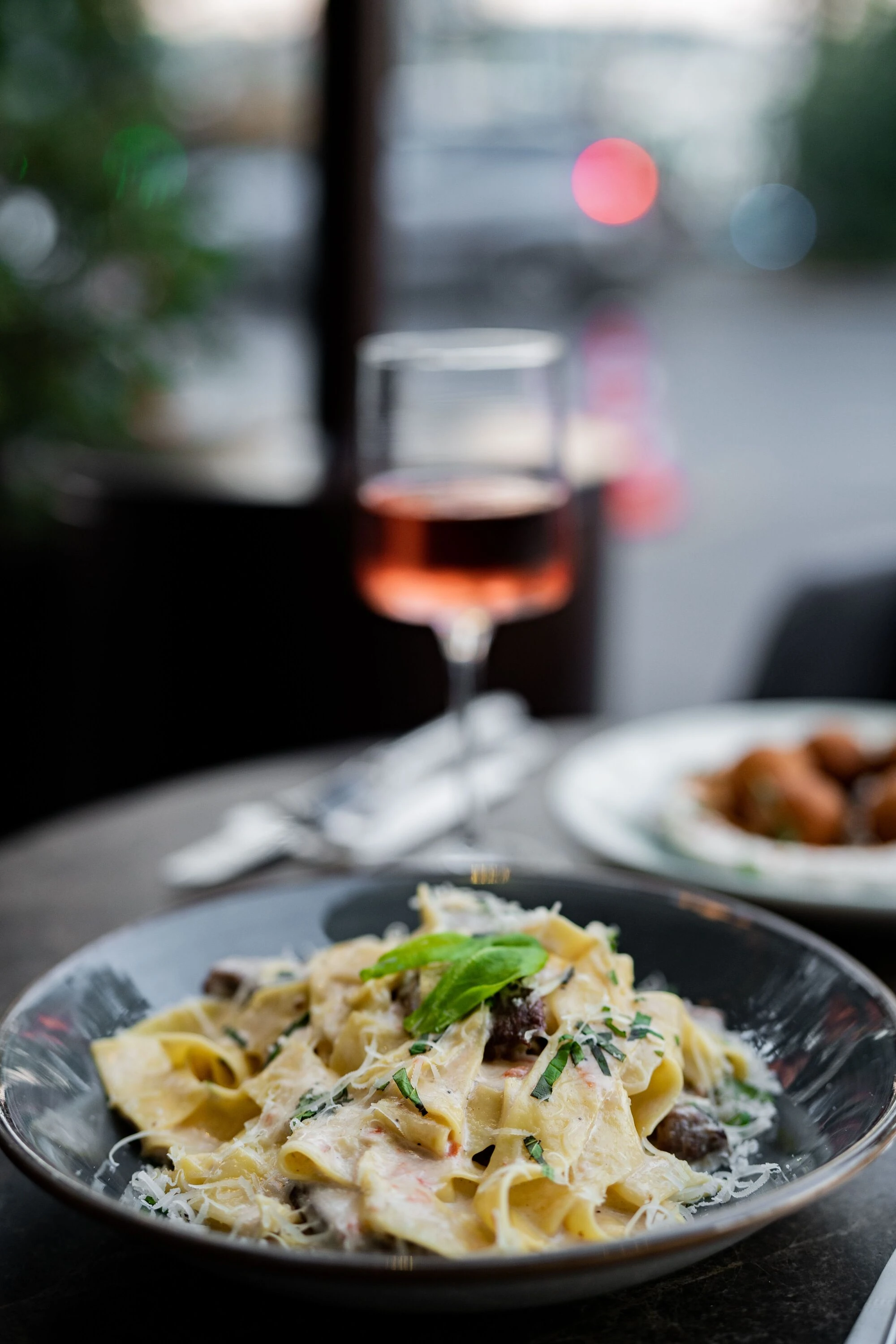
La Alacena
Julieta Oriolo has turned La Alacena into one of the city's most renowned Italian trattorias. Inspired by her Calabrian family roots, she makes fresh pasta using durum wheat semolina and free-range eggs. A pioneer in introducing ingredients such as 'nduja and guanciale, she continues to innovate across her restaurants.
Where: Gascón 1401
Tita La Vedette
Mena Duarte started with a small vegan pasta shop in Chacarita before transforming Tita La Vedette into a bustling cantina in La Paternal. Its pasta is made without eggs, while the fillings explore the versatility of vegetables. Checked tablecloths, traditional soda siphons and a distinctly Buenos Aires aesthetic complete the restaurant's identity, showing that vegan cuisine can appeal to all kinds of diners.
Where: Paz Soldán 4993
La Cantina Pierino
Cantina Pierino opened in 1909 and remains one of Buenos Aires' historic destinations for pasta. On the corner of Lavalle and Billinghurst, its dining room preserves photographs, family mementos and much of the atmosphere of old-fashioned Italian cantinas.
Where: Lavalle 3499
Raggio Osteria
Chef Sebastián Raggiante was born in Bologna, worked in kitchens including El Bulli and Cracco, and now interprets Italian cuisine through Argentine ingredients. At Raggio, there is no filled pasta: the focus is on shapes, textures and sauces. Charcuterie also has a dedicated place on the menu, rounding out the experience.
Where: Gurruchaga 2121
Il Matterello
Born and raised in La Boca, Il Matterello also has a Palermo outpost. It is a benchmark for handmade Italian pasta. The influence of Emilia-Romagna is evident in its filled pasta and recipes rooted in northern Italian tradition. The restaurant retains the character of a family-run cantina, with a menu favouring classic preparations.
Where: Martín Rodríguez 517
Mauro.it
Italian chef Mauro Crivellin, the man from Turin whose famously grumpy persona has become his trademark, is behind this welcoming trattoria dedicated to the recipes of his homeland. His cooking focuses on fresh pasta and Italy's different regional traditions, with particular attention to fillings and classic sauces.
Where: 11 de Septiembre 2465
L'Adesso
Leonardo Fumarola, an Italian chef based in Buenos Aires, is the driving force behind L'Adesso and a tireless ambassador for his country's cuisine. His cooking draws on regional recipes, with fresh pasta, risottos and seasonal dishes. The menu introduces diners to an Italian cuisine that goes far beyond pasta with tomato or cream sauces, showcasing dishes from different parts of the peninsula.
Where: Fray Justo Santa María de Oro 2047
Cantina Mandía
In Colegiales, Cantina Mandía continues the story of a family connected to Buenos Aires restaurants for generations. Opened in 2023, its menu features homemade pasta and traditional cantina specialities drawn from "Nonna Pina's" family recipes. The small restaurant on Zapiola Street serves food reminiscent of family Sunday lunches, with familiar recipes and generous portions.
Where: Zapiola 1218
Bochinche
Bochinche, in Chacarita, could just as easily feature in a list of 2026 openings. The new project from Gaspo Natiello and his partners is built around an open kitchen and a menu dedicated to fresh pasta. A table beside the kitchen allows diners to watch the chefs preparing the pasta.
Where: Santos Dumont 4056
Carmen
Carmen, in Palermo, offers a menu particularly focused on fresh pasta. Mushroom fillings, gnocchi and meat-based preparations are among the dishes most praised by diners. The kitchen pays close attention to dough textures and the relationship between each pasta shape and its sauce.
Where: Gurruchaga 1428
Salgado Alimentos
What began in 2006 as a small pasta factory in Villa Crespo has become one of the fastest-growing food businesses of recent years. Led by Esteban Salgado and chef Agustín Cicchini, the brand has expanded into different Buenos Aires neighbourhoods without abandoning its speciality.
Where: Juan Ramírez de Velasco 401
Specialty Coffee
Buenos Aires' coffee scene has changed dramatically over the past decade. Traditional cafés have been joined by coffee roasters, professional baristas and coffee shops working with beans identified by origin, variety and processing method. Today, customers can choose from espressos, filter coffees and microlots with widely differing flavour profiles. This category recognises establishments that stand out for coffee quality, precision in preparation and their contribution to the development of Buenos Aires' coffee culture.
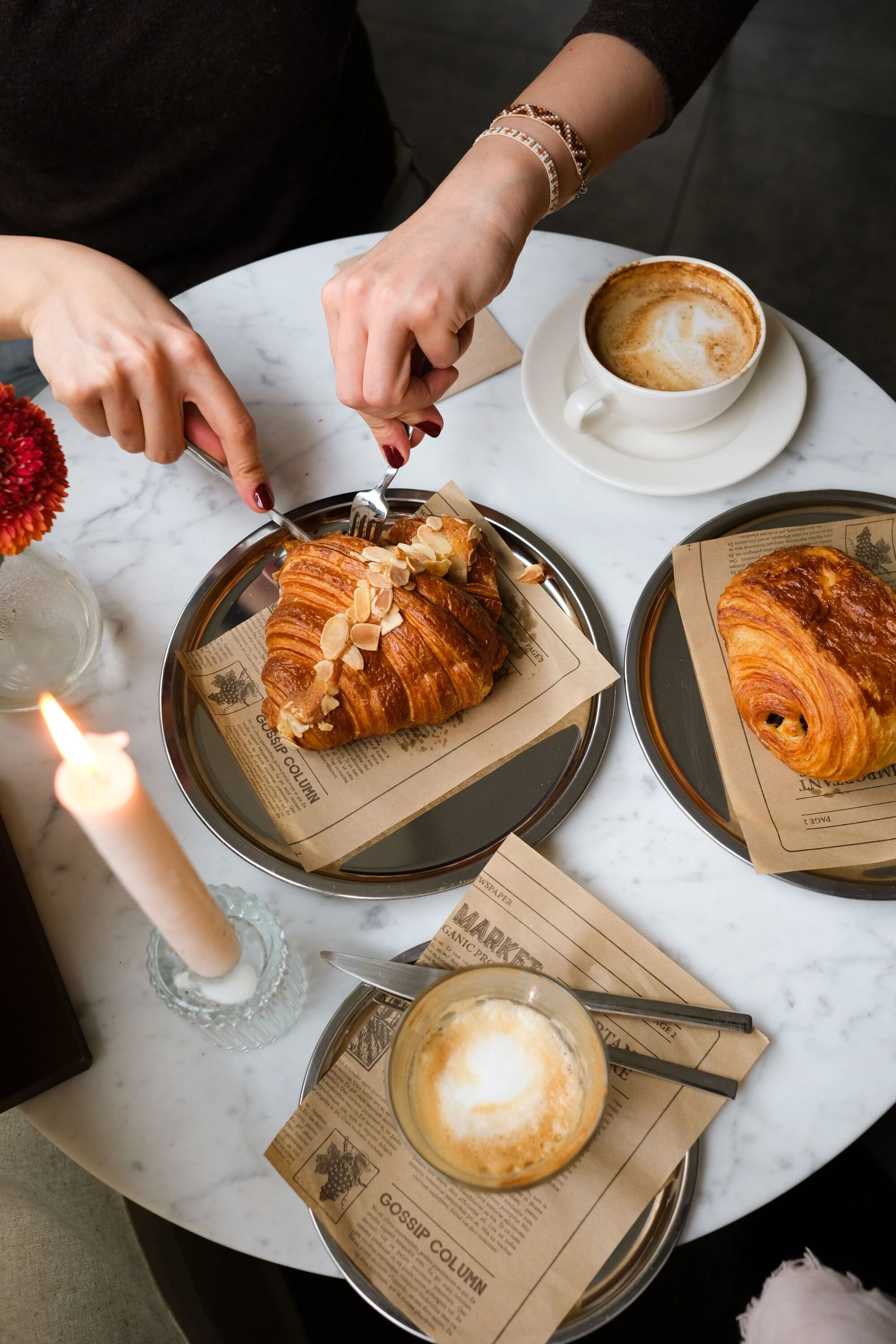
Cuervo
Agustín Caro and Pablo Tokatlian, two musicians with a passion for coffee, founded Cuervo in 2016. They began roasting their own beans in 2021 and developed a brand that also supplies other coffee shops. At their Chacarita location, visitors can see the roaster and sample coffees from different origins.
Where: El Salvador 4580
Blanca
Juan Cruz Riesgo and Carolina Schalum founded Blanca, with specialty coffee and Nordic design as its defining features. Its Sinclair Street location in Palermo has a more spacious café format, offering in-house pastries, breakfast options and design objects. Blanca Studio, in Chacarita, is its more specialised counterpart: a small, laptop-free coffee bar where baristas prepare espressos and filter coffees using carefully selected beans, while vinyl records play in the background.
Where: Sinclair 3136; Av. Álvarez Thomas 764
Shelter
The Shelter Coffee has several locations across Buenos Aires, but its Uriburu branch is particularly well known for its filter coffee preparations. At the bar, customers can order V60, Chemex and AeroPress brews, alongside espresso and milk-based drinks.
Where: Uriburu 353
La Kitchen
La Kitchen, in Saavedra, has a menu that gives as much attention to breakfast and pastries as it does to coffee. It's a neighbourhood café where customers can enjoy an espresso, have lunch or settle in to work.
Where: Núñez 3400
Fruto
Fruto was inspired by the London coffee shops its founders visited. Its menu features coffees from different origins and filter brewing methods, particularly V60, Chemex and AeroPress. It also has its own bakery, producing medialunas and croissants.
Where: Jorge Luis Borges 2021
Tres
Agustina Román, Argentina's 2013 barista champion, runs Tres, a coffee shop and roastery in Colegiales. The roaster is visible behind a glass partition separating it from the coffee bar, and customers can sample the house coffees as both espresso and filter brews. It's a genuine coffee laboratory and a guiding light for baristas across the city.
Where: Teodoro García 2806
LAB
LAB Tostadores was one of the first Buenos Aires businesses to approach specialty coffee through professional training. Its Palermo Hollywood location houses a tasting bar, a roastery and a training space for baristas.
Where: Humboldt 1542
Malcriada
In Palermo Hollywood, Malcriada became known for its neighbourhood bakery concept, cakes and pastries. Its dulce de leche cheesecake is one of the products most frequently mentioned by customers. The menu also includes specialty coffee, milk-based drinks and various breakfast and afternoon tea options.
Where: Emilio Ravignani 1338
Negro
Negro was one of the first specialty coffee shops to open in Buenos Aires' Microcentro business district, at a time when traditional espresso bars still dominated the area. It uses beans roasted by Fuego, with a coffee bar particularly focused on espressos and milk-based drinks.
Where: Suipacha 637
Cuadra
Cuadra started on a corner in Núñez, opposite the railway tracks, and expanded to several locations. Its speciality is baking, with sourdough bread, laminated pastries, cookies and other baked goods made fresh daily.
Where: O'Higgins 3202
Lattente
Lattente opened in 2013 and was one of the first businesses to introduce specialty coffee to a wider audience in Buenos Aires. It famously sparked debate at the time over serving temperatures and its policy of not using sweeteners. Its small Thames Street location became known for the quality of its espressos and the expertise of its baristas.
Where: Thames 1891
RITA
RITA has developed a network of specialty coffee shops with a menu featuring espressos, filter coffees, pastries and brunch dishes. Among its best-known products are croissants, medialunas and pistachio alfajores.
Where: Armenia 1595
Öss Kaffe
Öss Kaffe is a true classic. Housed in a former garage in Belgrano, it has been transformed into a spacious coffee shop with indoor seating and outdoor tables. Its bar serves espressos and milk-based drinks, alongside specialities such as affogato.
Where: Franklin D. Roosevelt 1894
Kissaten
Kissaten takes its name from traditional Japanese coffee houses. At its Avenida Juramento location, coffee is roasted on-site and served as single-origin brews or house-developed blends. Tableware, coffee-making equipment and decorative objects brought from Japan form part of the interior design.
Where: Av. Juramento 1381
CupHouse
Diego Kolankowsky and Leandro Cabo Guillot chose the Costanera Sur Ecological Reserve as the location for CupHouse's first branch, launching a Buenos Aires-born coffee brand with plans for international expansion. They work with traceable coffee beans and have developed the CupHouse Coffee Method, a proprietary system of recipes, equipment and quality controls designed to ensure consistent quality in every extraction.