
[image]
[title]The 2026 Time Out Buenos Aires Food & Drink Awards are coming to the city to celebrate and recognise the people shaping its food scene. Across several categories, the jury’s selection highlights restaurants, chefs and culinary projects that have stood out throughout the year and helped define Buenos Aires’ culinary identity.
The Technical category focuses on the craftsmanship, knowledge and precision behind every dish. It recognises those who excel in their mastery of culinary techniques, respect for ingredients, creativity in their preparations and relentless pursuit of excellence. This selection brings together professionals and projects whose work proves that great food is also built on attention to detail, research and expertise.
Restaurant of the Year
This category celebrates restaurants that have enjoyed an outstanding year, introducing innovations, strengthening their menus and winning over diners who continue to support them despite a challenging year for the hospitality industry. The selection shines a spotlight on places that appeal to the typical Time Out reader, offering an excellent balance of quality and value, regardless of which neighbourhood they are in.
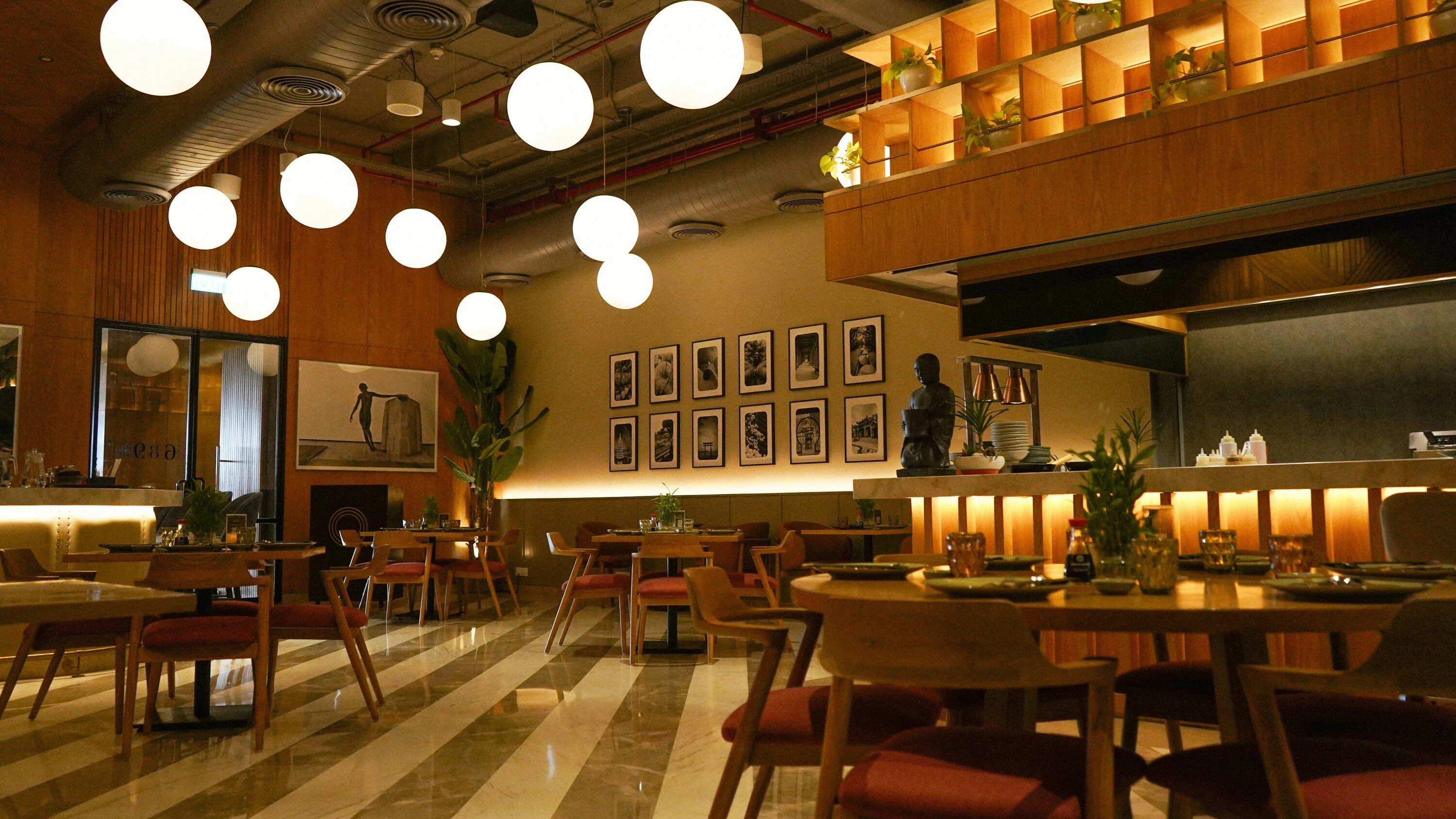
Ácido
The boundary-pushing project created by Nicolás Tykocki has firmly established itself without sacrificing its constant drive for innovation. A concise menu, an iconic burger and fries, and a relaxed, youthful atmosphere.
Where: Charlone 999
Alcanfor
An intimate atmosphere, a bistro feel and signature cuisine define Julián Galende’s project. Its sustainable approach places vegetables firmly at the centre of the menu, while proteins play a smaller but equally considered role.
Where: Aguirre 949
Anafe
An emblem of Buenos Aires’ new generation of classics. Founded and run by Micaela Najmanovich and Nicolás Arcucci, Anafe serves hot and cold dishes designed for sharing. Its cuisine draws inspiration from around the world, with a concise menu divided into three sections: Eternos, Salados and Dulces.
Where: Virrey Avilés 3383
Bis
Aramburu’s younger sibling. A more accessible way to discover Gonzalo Aramburu’s cooking, offering contemporary signature cuisine with nods to Buenos Aires and Mediterranean culinary traditions.
Where: Vicente López 1661, Unit 12.
Tintorería Yafuso
Ever since Fabián Yafuso transformed his family’s dry-cleaning shop into a restaurant, it has been a talking point. Whether for its Japanese home-style cooking, unusual format or notoriously hard-to-get tables, it remains a beacon of innovation in the city.
Where: Velasco 399
Ness
Named Restaurant of the Year by Time Out in 2024, Ness shows no signs of slowing down creatively. Leo Lanussol’s project in Núñez continues to set the standard, both for its cooking and the way its entire service unfolds in full view of diners.
Where: Grecia 3691
Fico
Located in the automotive district around Avenida Warnes, this modern, market-driven bistro takes the fig as its emblem. Led by Estefanía Maiorano and Martín Sclippa, its cooking celebrates seasonal ingredients and produce.
Where: Muñecas 775
Garabato
Lucas Canga and Clara Corso continue to challenge conventions. At Garabato, they have created a fresh interpretation of the bistro concept. A comfortable dining room with Parisian touches complements a short, ever-changing but carefully executed menu.
Where: O’Higgins 3424
Gran Dabbang
This Buenos Aires gem, led by Mariano Ramón, became known as the restaurant where chefs go out to eat. Its cuisine offers a bold fusion of Southeast Asian and Indian influences with Argentine ingredients.
Where: Av. Raúl Scalabrini Ortiz 1543
Anchoita
Enrique Piñeyro’s project never fails to generate conversation. While its owner’s eccentric personality sometimes overshadows the restaurant’s culinary achievements, Anchoita continues to refine its service to near perfection. Exceptional ingredients, agroecological produce and house-made products are central to its identity.
Where: Juan Ramírez de Velasco 1520
Julia
Julio Martín Báez’s small restaurant remains one of the city’s standout dining destinations. An intimate atmosphere, an indie spirit and an à la carte menu offered as an alternative to the tasting menu.
Where: Loyola 807
Santa Inés
Hidden away in La Paternal, this restaurant occupies a former industrial bakery. Its aesthetic, cooking and atmosphere give it all the makings of a Buenos Aires icon. A rebellious, rock-and-roll spirit runs through the project led by chef Jazmín Marturet.
Where: Ávalos 360
Don Julio
There is little left to say about the world’s most famous steakhouse. A favourite among international visitors to Buenos Aires, Pablo Rivero’s restaurant continues to focus on improving its already exceptional service, quality and ingredients every single day.
Where: Guatemala 4699
Evelia
The representative of pasta restaurants in this top category. Located in Núñez, Evelia offers a journey into Máximo Togni’s family cooking. Years have passed, but securing a table remains a challenge.
Where: Campos Salles 1712
Ultramarinos
Fine dining focused on fish and seafood. Under chef Maximiliano Rossi, Ultramarinos renews its innovative spirit year after year, championing the finest ingredients sourced from Argentina’s rivers and seas.
Where: Arribeños 1980
Outstanding Chef 2026
Choosing the best chef in a city like Buenos Aires is an almost impossible task, given the extraordinary talent on offer. Throughout the year, chefs have refined their menus, reinvented themselves and, in a country like Argentina, relied even more heavily on creativity and resilience. Against this backdrop, the expert jury set out to select 15 finalists, bringing together rising young talents and established figures who have been leading the way for several years.
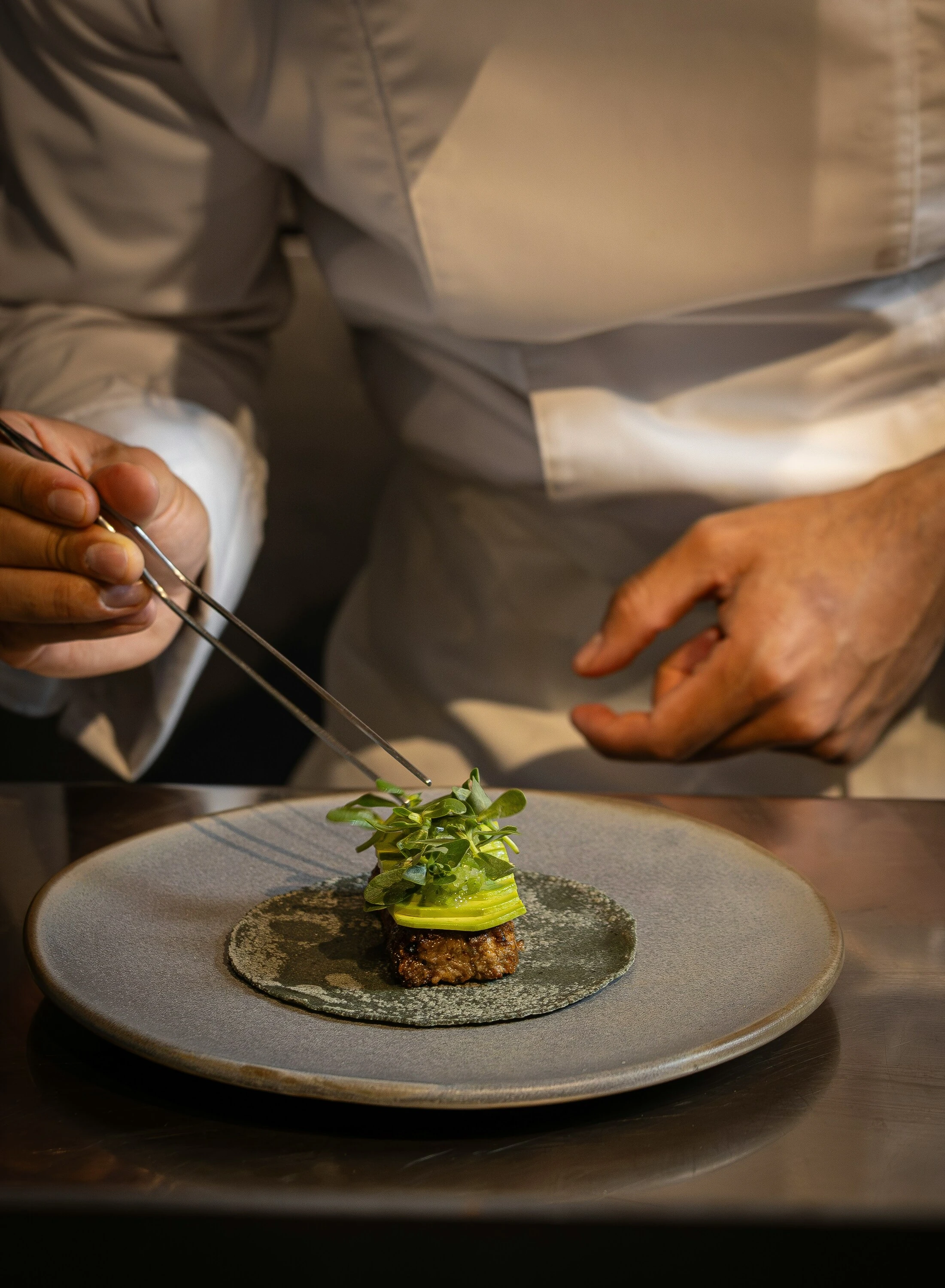
Nicolás Tykocki (Ácido)
The creator of Ácido, the Chacarita restaurant that has become one of the leading examples of Buenos Aires’ new culinary scene. Trained at Le Cordon Bleu and with experience in Europe, he is constantly developing seemingly simple recipes that avoid the obvious and never fail to make an impression. In 2025, he received the Michelin Guide’s Young Chef Award.
Tomi Pietragallo (Narda)
Head chef at Narda Comedor, Pietragallo is one of the young professionals flourishing under the influence of Narda Lepes. His approach combines teamwork, respect for ingredients and cooking that prioritises consistency over fleeting impact. His career reflects the development of new talent within established culinary projects.
Clara Corso and Lucas Canga (Garabato Bistró)
Clara “Calu” Corso and Lucas Canga have built a shared culinary career that includes MAD Pasta and Garabato Bistró in Núñez. At the latter, they have found their own way of interpreting bistro cuisine through recognisable dishes, technical skill and personality. Their work is rooted in creative decisions and a shared understanding of cooking. This nomination celebrates their culinary partnership: two chefs who develop their projects together and whose contributions deserve recognition as a team.
Oli Saal (Oli)
The chef and pastry specialist behind Oli, one of Palermo’s best-known gastronomic cafés. She trained at IAG and Le Cordon Bleu in London, and worked alongside Fernando Trocca. With her medialunas, pastries and an offering that goes far beyond breakfast, she has broken the mould and earned her place among Buenos Aires’ most recognised chefs.
Augusto “Aspi” Mayer (Naranjo Bar)
Augusto Mayer, known as Aspi, is one of the creators of Naranjo Bar and the much-loved Proper. His cooking is characterised by seasonal produce, vegetables, pickles and fire-based preparations. After spending time in Barcelona, he returned to Buenos Aires to continue developing Naranjo, where the food and a carefully curated wine list featuring small producers have created a distinctive identity.
Micaela Najmanovich and Nicolás Arcucci (Anafe and Ventanita Anafe)
From their earliest private dinners to turning Anafe into one of Buenos Aires’ most acclaimed restaurants, Mica Najmanovich and Nico Arcucci have developed a culinary identity of their own. She brings Asian influences and her family heritage; he contributes a background rooted in Mediterranean cuisine. Their collaboration has shaped an offering that continues to evolve, extending into new projects. In this case, recognising one without the other would tell only half of Anafe’s story. That is why they share this nomination.
Leo Lanussol (Ness)
Leo Lanussol is one of the chefs who helped transform Buenos Aires’ dining scene, and his influence continues to grow. Alongside Augusto Mayer, he created Proper, a restaurant that defined an era with its relaxed approach to signature cuisine. After working on culinary projects abroad, he returned to Buenos Aires to open Ness in Núñez. There, with fire taking centre stage, he develops a style of cooking that combines technique, ingredients and a constant drive to evolve.
Guadalupe Martín (Nélida)
After working in the kitchens of Chuí, El Preferido and Sacro, Guadalupe Martín decided to take the next step and open Nélida alongside her partner, Nahuel Gómez. Their small Villa Crespo bistro combines seasonal cooking with familiar dishes and a personal touch. She represents a generation committed to approachable neighbourhood restaurants without unnecessary formalities.
Nacho Feibelmann (Carmen)
At the helm of Carmen in Palermo, Feibelmann has developed a concept centred on fresh pasta and an open kitchen. His cooking combines traditional handmade techniques with contemporary influences in a relaxed restaurant setting.
Branko Vaccaro (Reliquia)
The chef and one of the driving forces behind Reliquia, the Palermo restaurant he runs alongside Julia Bottaro and María José Testa. His cooking explores classic flavours and techniques through a personal, contemporary lens. A concept that combines culinary memory, creativity and the intimate scale of an independent restaurant.
José Delgado (Tony Wu)
An eclectic addition to this list. Born in Venezuela, Delgado developed his career in kitchens across the Americas before settling in Buenos Aires. Alongside Thomas Nguyen, he created Cang Tin, specialising in Southeast Asian street food, followed by Tony Wu, a contemporary Chinese canteen. His career reflects the growing prominence of Asian cuisines in the city.
Rama Hernández (Le Rêve)
The young executive chef of the elegant Le Rêve, a French bistro in Palermo. In charge of the kitchen, he develops a menu that respects the classics of French gastronomy while incorporating seasonal ingredients. He represents a generation of young chefs finding their own voice within established culinary traditions.
Gianlucca Zago (Felisa)
The chef at Felisa, the Colegiales steakhouse seeking to push the boundaries of traditional Argentine barbecue. Originally from Venezuela, he has worked in kitchens including Aramburu, Mengano and Ácido. His current approach combines classic cuts, offal, contemporary techniques and sauces rarely seen at a traditional Buenos Aires steakhouse.
Santiago Pérez (Mambo)
Having trained in the kitchens of Casa Cavia and Orilla, and after leading Las Flores for more than three years, Santiago Pérez has found his most personal project in Mambo. At this Villa Crespo restaurant, his cooking is shaped by fire, the flavours of his childhood in Lobos and a strong commitment to handmade preparations.
Teo Valentini (Lula)
After working at Anafe and taking part in the openings of RS Cantina and RS Esquina, he opened Lula alongside his uncle, Sacha Hamra. At this small Villa Ortúzar restaurant, he develops seasonal cooking centred on vegetables, fish, pasta and charcoal-grilled dishes. An intimate, neighbourhood-focused concept with a strong sense of creative freedom.
Lucila Rodríguez (Burdo)
She trained alongside Narda Lepes and served as head chef at Lokanta before launching her own project. At Burdo, her restaurant in Colegiales, she focuses on contemporary home-style cooking, quality ingredients, technique and familiar flavours. Her approach brings back the warmth of everyday food without sacrificing personality.
Best New Opening
In a challenging year, Buenos Aires’ dining scene continues to welcome new projects that are reshaping the city’s culinary map. From small neighbourhood restaurants to new steakhouses, bars and spaces celebrating traditional recipes, these openings reveal different approaches to food and hospitality. The jury’s selection recognises concepts with a distinctive identity and the potential to become new Buenos Aires favourites.
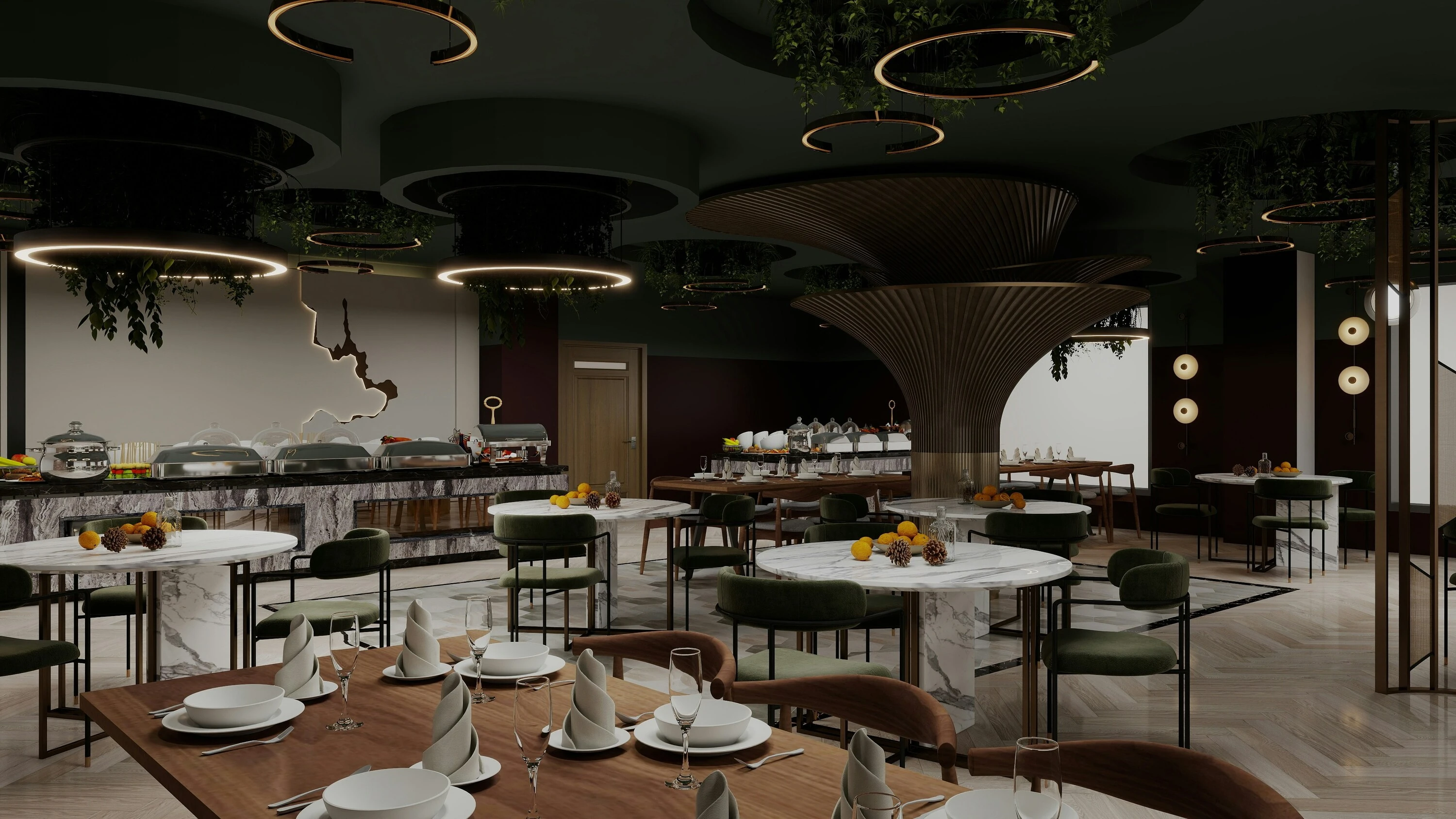
Chu Chu
Located in a space connected to the National Railway Museum, chef Facundo Kelemen, also behind Mengano, focuses his menu on classic Buenos Aires cooking. Chu Chu champions familiar dishes, traditional flavours and a relaxed dining experience that celebrates the pleasure of eating well without unnecessary ceremony.
Where: Av. del Libertador 405, Retiro.
Ámbar
Recoleta welcomes a venue combining dining, cocktails and music. Created by Iggy James, Ámbar pays tribute to the spirit of New York and Paris nightlife, with a French-inspired menu, classic cocktails and a New Wave atmosphere that encourages guests to stay long after dinner.
Where: Junín 1725, Recoleta.
Felisa
A fresh interpretation of the Argentine steakhouse, with meat and live fire at its heart, but without limiting itself to traditional offerings. In Colegiales, Felisa brings together classic cuts, offal, carefully prepared side dishes, wines and cocktails to expand the traditional asado experience.
Where: Zapiola 1353, Colegiales.
Bocadito
Housed in an old Villa Crespo mansion, Bocadito embraces simple cooking, with a wood-fired oven taking centre stage. Its offering revolves around Buenos Aires-style pizzas, straightforward flavours and an informal atmosphere. A project that finds its identity in the combination of craftsmanship, quality ingredients and neighbourhood spirit.
Where: Murillo 1116, Villa Crespo.
Nélida
The first independent project from Guadalupe Martín and Nahuel Gómez is a small Villa Crespo bistro, featuring an open kitchen and a menu that changes with the seasons. Familiar dishes, quality ingredients and a contemporary perspective define a restaurant that rekindles locals’ affection for their neighbourhood eatery.
Where: Padilla 392, Villa Crespo.
Aci2 Bar
A concept that brings Ácido’s universe into a bar setting, with burgers, cocktails and its own distinctive aesthetic. Located in La Paternal, Aci2 combines casual dining with attention to ingredients and an experience designed for both eating and staying for drinks. True to its social-media-savvy style, it even takes a playful swipe at critics who complain about how its burgers are cooked.
Where: Cucha Cucha 2595, La Paternal.
Lula
Hidden away on a quiet Villa Ortúzar street, chef Teo Valentini and Sacha Hamra have created a small, neighbourhood-style restaurant focused on seasonal cooking. The menu brings together fish, vegetables, pasta and charcoal-grilled dishes, with Mediterranean influences and an emphasis on quality ingredients and a welcoming atmosphere.
Where: Estomba 991, Villa Ortúzar.
Ravalia
In Colegiales, Ravalia aims to offer cooking without labels in a relaxed yet carefully designed setting. The menu combines creative dishes, seasonal ingredients and a wine selection that complements the experience. A new opening that seeks to strike the right balance between culinary creativity, hospitality and the kind of restaurant you want to return to.
Where: Teodoro García 2613, Colegiales.
Mansion Mihura
A historic Recoleta mansion built in 1922 takes centre stage once again with a project bringing together several dining experiences. Under Maximiliano Matsumoto’s direction, it combines a Buenos Aires-style brasserie, signature cuisine and cocktails across several distinct spaces. A concept that brings together architectural heritage, contemporary design and new ways of enjoying Buenos Aires nightlife.
Where: Av. General Las Heras 1725, Recoleta.
Social Corazón
Pablo Rivero and Guido Tassi, the names behind Don Julio and El Preferido, have created an all-day destination. Traditional Argentine baking is at the heart of a space that also combines a café, restaurant and bar. A corner that recalls old Palermo, with accessible prices and traditional products reimagined through a contemporary lens.
Where: Guatemala 4802, Palermo.
Bar Mercedes
Chef Pablo Vergani has opened an ingredient-led bar blending Argentine cooking with Spanish influences. In Villa Crespo, the menu features classics such as Spanish tortilla, ensaladilla and fugazzetta alongside more personal creations. A place that celebrates the traditional Buenos Aires bar, with an open kitchen, no reservations and dishes designed for sharing.
Where: Bonpland 928, Villa Crespo.
Margen
In Palermo, Margen introduces a fresh approach to seafood, placing Argentine fish and shellfish at the centre of the menu. Led by chef Felipe Jaeschke, its offering combines seasonal ingredients, contemporary techniques and influences from different culinary traditions. A restaurant aiming to reinvent how Buenos Aires enjoys fish, moving beyond the conventional seafood restaurant format.
Where: Av. Scalabrini Ortiz 1584, Palermo.
Empanadas Calientes
Chef Pedro Bargero, alongside Marco Scolnik and Andrés Porcel, puts the Argentine empanada at the heart of a dedicated culinary project. In Belgrano, a small counter-service shop offers six varieties made with house-made dough, carefully prepared fillings and different cooking techniques. An everyday classic elevated through craftsmanship, dedication and a focus on ingredient quality.
Where: Mendoza 1437, Belgrano.
Aldo’s
Aldo Graziani’s return to downtown Buenos Aires marks a new chapter for his acclaimed restaurant. In this latest incarnation, Argentine cuisine takes centre stage, with a wood-fired grill, clay oven and classic dishes accompanied by an extensive selection of Argentine wines. A concept that combines experience, hospitality and a renewed appreciation for Buenos Aires’ culinary traditions.
Where: Azopardo 780, downtown Buenos Aires.
Osteria Fantástico
On a Palermo Hollywood corner, Osteria Fantástico captures the spirit of small Italian osterias, with a relaxed atmosphere, pizzas, homemade pasta and sharing plates. Old-school warmth, a strong wine culture and familiar flavours create a neighbourhood dining experience designed to be enjoyed at a leisurely pace.
Where: Ángel Justiniano Carranza 1946, Palermo Hollywood.
Phenomenon of the Year (The Places Giving Everyone FOMO)
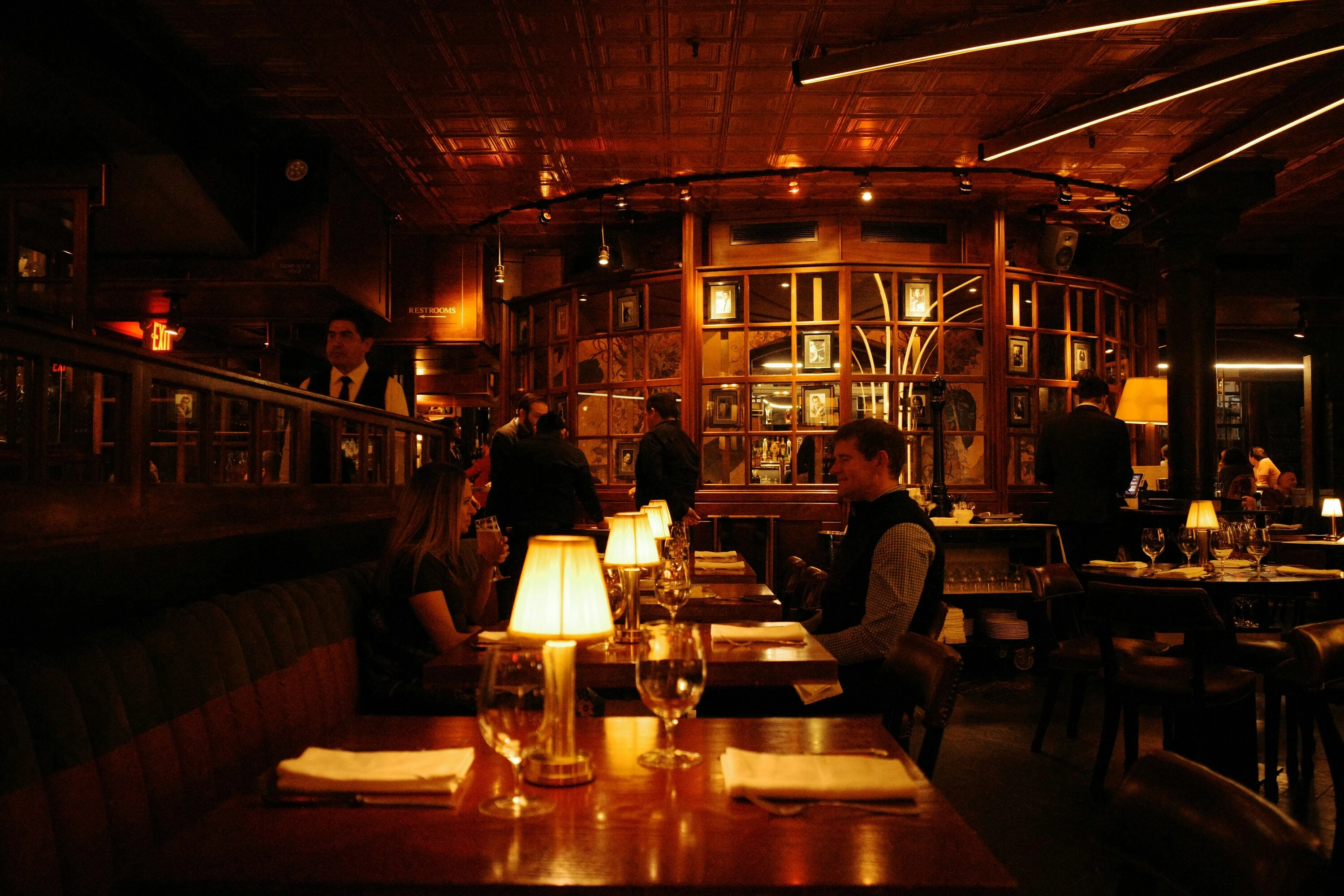
Some places generate serious FOMO. They become trendy for reasons that go far beyond what is on the menu. Whether it is their atmosphere, crowd, aesthetic or simply the fact that everyone is talking about them, they turn into the city’s must-visit meeting spots. This category recognises venues that spark curiosity, draw crowds and become major players in Buenos Aires’ social scene. The places everyone wants to be, and nobody wants to miss out on.
Cucha del Pari
On a corner in La Paternal, Cucha del Pari combines the spirit of a neighbourhood bar with listening-bar culture. Vinyl records, DJs and low lighting are essential to an experience that encourages guests to linger. Its homemade hot dogs and charcuterie complete an offering that has become a meeting point for a new generation of nightlife enthusiasts.
Where: Batalla del Pari 916
Lucrecia Vinos
Almost overnight, Lucrecia Vinos went viral on social media and everyone was talking about it. Located in Chacarita, it is much more than a wine bar. Its selection of wines from small producers is complemented by live music, cultural gatherings and piano nights where guests can join in. A place where having a glass of wine can become a spontaneous, shared and entirely different experience.
Where: Jorge Newbery 3519
El Legado Piano Bar
A piano, dim lighting and a dining room that evokes the spirit of bars from decades past. El Legado offers a night out where live music takes centre stage and the audience becomes part of the show. Expect enthusiastic singalongs, cocktails and an atmosphere reminiscent of a gathering of friends that makes you want to stay until late.
Where: Paraguay 374
Bimbi Nilo
Hidden in a Recoleta basement, Bimbi Nilo champions the art of attentive music listening, in the format known as a listening bar. Its high-fidelity sound system, vinyl sessions and carefully crafted cocktails create a distinctive ritual. Here, music is no longer background noise but the main reason to visit.
Where: José León Pagano 2750
Caprichito
The sisters Carola and Santoro have done it again, turning Caprichito into one of the city’s most talked-about spots. Located in the heart of Palermo Hollywood, it sets the neighbourhood’s pace with pizzas, pasta and Italian-Argentine classics. From the outset, the restaurant has attracted a steady stream of diners, becoming one of the most sought-after places to eat out.
Where: Honduras 5684
Naranjo Bar
Almost a pioneer in the emergence of the area known as Chacagiales, Naranjo has become a meeting point for a generation that enjoys discovering wines and sharing dishes without formalities. Its pavement seating, chaotic service, music and fiercely loyal crowd have created the mythology of a place that never seems to lose its appeal.
Where: Ángel Justiniano Carranza 1059
Mambo
Mambo is much more than Santiago Pérez and Calvin Daniele’s restaurant. Set in a former industrial warehouse in Villa Crespo, fire-based cooking, a wine bar and music offer different ways to enjoy the same space. Guests can come for dinner, stop by for a glass of wine or stay to listen to DJs. Mambo constantly reinvents itself without losing its essence: food remains at the heart of a project that knows how to evolve and keep people coming back.
Where: Malabia 820
Olla 7
Its first innovation was creating a spin-off of Ácido, opening at lunchtime as a contemporary bodegón and celebrating the traditional Buenos Aires lunch ritual. Milanesas, empanadas, fries and generous portions attract diners looking for familiar flavours. Its popularity proves that a restaurant can become a trend through everyday cooking approached with a contemporary perspective.
Where: Charlone 999
Carmen de Boedo
In a small neighbourhood eatery in Boedo, Carmen proves that you do not need a large dining room to create a place full of personality and build a loyal community. It is the kind of place where everyone in the restaurant industry seems to eat. Its sandwiches, empanadas and homemade dishes come with friendly service and a genuine neighbourhood atmosphere. Its appeal lies in not trying to be appealing. Yet everyone leaves feeling they have discovered somewhere special.
Where: Castro 1635
Picarón
It could easily have been nominated in the Restaurant of the Year category. In Chacarita, Picarón combines creative cooking with the intimacy of a small bistro. Sharing plates, international influences and a distinctive dining room have made it a destination for those who enjoy discovering restaurants with character. Years on, it remains relevant, inspiring recommendations and conversation.
Where: Dorrego 866
Sandino Bar
Chacarita is undoubtedly Buenos Aires’ FOMO neighbourhood. Sandino is another example, blending the spirit of a contemporary canteen with listening-bar culture. Music, records and an atmosphere that evolves as the night progresses are central to the concept. A place that is equally suited to sharing dinner or staying for drinks, with the atmosphere playing a starring role.
Where: Olleros 3891
Casa Palanti
We move to a part of the city less associated with dining: Barrio Parque. One of Buenos Aires’ most distinctive houses has become a must-visit destination. Designed by architect Mario Palanti, the historic residence impresses with its circular rooms, stained-glass windows and restored interiors. Architecture takes centre stage in an experience where exploring the house is just as appealing as sitting down for a meal or a drink.
Where: Ortiz de Ocampo 2901
Oli
It is rare to see Olivia Saal’s project without a queue outside. Oli has become one of Palermo Hollywood’s most sought-after destinations. Its pastries, medialunas and combination of café, bakery and restaurant attract crowds willing to wait for a table. Oli demonstrates how a café can become a culinary and social phenomenon with a distinctive identity.
Where: Costa Rica 6020
Loreto Garden Bar
In Colegiales, Loreto offers an experience that moves away from the traditional restaurant format. Its relaxed atmosphere, outdoor spaces and leisurely approach to dining create a meeting place that encourages guests to escape their daily routine. Season after season, it continues to reinvent itself and stay relevant. A place where the setting and the opportunity to share a good time are fundamental to its appeal.
Where: Virrey Loreto 2912
Nicky Cheese
With an aesthetic inspired by American diners, Nicky Cheese has become a destination for brunch lovers and fans of American-style baking. Its cheesecakes, pancakes and generous breakfasts attract customers looking for more than just a coffee. Here, flavours, décor and the visual appeal of the dishes are all part of its popularity.
Where: Montañeses 2671
World Cuisines
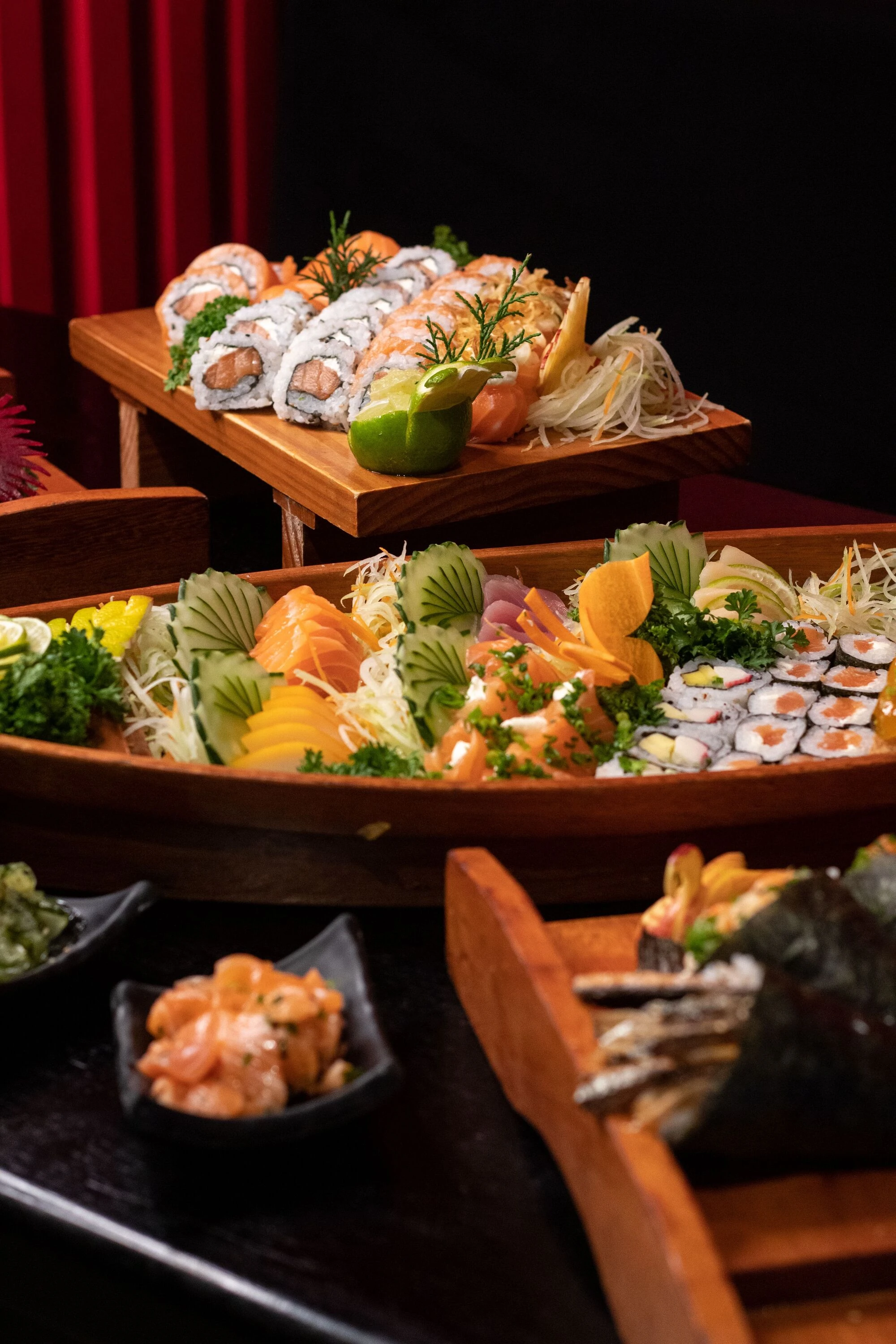
Buenos Aires’ diversity is also reflected in its restaurants. Immigrant communities introduced flavours, ingredients and cooking traditions that have become part of everyday life in the city. Their legacy is joined by chefs who have travelled, trained abroad or chosen to specialise in particular culinary traditions. This category celebrates restaurants that offer a taste of cuisines from around the world, from family-style dining to highly specialised counters.
Cang Tin
José Delgado and Thomas Nguyen opened Cang Tin in 2020, beside the railway tracks in Palermo. Its cooking draws inspiration from Vietnamese and Thai street-food stalls, with fried nems, crispy pork and a seafood platter designed for sharing. It became famous as the Vietnamese spot by the tracks where diners sat on drinks crates. Pad thai has remained its most popular dish since opening.
Where: Dorrego 2415
Tony Wu
Another project from José Delgado and Thomas Nguyen, this time in Villa Crespo, conceived as a stylish Chinese canteen. Its menu includes wontons in chilli oil, crispy pork and Hong Kong-style barbecue dishes. The dining room takes inspiration from Asian cinema, while a cocktail bar keeps the atmosphere lively into the evening.
Where: Loyola 851
Saigón Noodle Bar
Saigón was one of the first restaurants dedicated to Vietnamese cuisine in Buenos Aires. Its speciality is pho, the aromatic broth-based soup with rice noodles, herbs and meat. With a decade of experience, an iconic location at the entrance to San Telmo Market and branches across the city, the project continues to grow. More recently, it brought in Tute Gutiérrez to refresh the menu.
Where: Bolívar 986
Orei Ramen Bar
Roy Asato opened Orei in 2021, just as Pasaje Echeverría was beginning its transformation into a dining destination. Its speciality is ramen, featuring slow-cooked broths and house-made noodles. The kitchen was launched with an all-female team and an organisational structure unusual for the industry. Orders are placed at a kiosk, and the soups are served in a Japanese street-food format.
Where: Echeverría 1677, Unit 8
Yuzu Izakaya Ramen & Sushi
Yuzu specialises in a range of Japanese dishes, from sushi to hot preparations. Fish and rice play an important role on the menu, alongside dishes inspired by izakayas, traditional Japanese taverns. The restaurant reflects the entrepreneurial spirit of its owner, Edgar Kuda, who is constantly seeking new ways to promote Japanese cuisine in the city.
Where: Paraguay 3521
Seoul BBQ
Rooted in the Korean tradition of grilling meat directly at the table, Seoul BBQ is an essential destination for anyone looking to explore Korean cuisine in Buenos Aires. At restaurants of this kind, pork and beef are served with rice, lettuce leaves, sauces and small side dishes known as banchan.
Where: Felipe Vallese 3119
Ichisou
Ichisou is one of Balvanera’s longstanding Japanese restaurants. Its menu goes far beyond sushi and sashimi, featuring soups, rice dishes, noodles and preparations that are part of everyday Japanese cooking. The restaurant maintains a family-run atmosphere and a loyal clientele connected to Buenos Aires’ Japanese community.
Where: Venezuela 2145
Grau Cebichería
Raúl Zorrilla Porta leads Grau, a Peruvian restaurant in Abasto specialising in fish and seafood. One of its distinctive features is the option to choose a whole fish and have the kitchen prepare it in different ways. The menu also includes cebiches, tiraditos, causas, sudados and tacu tacu, dishes that showcase the diversity of Peru’s coastal cuisine.
Where: Guardia Vieja 3372
Norimoto
The restaurant that introduced the hand-roll bar format to Buenos Aires, where each roll is prepared in front of diners and served immediately to preserve the crisp texture of the nori seaweed. Fish selections vary according to availability, with much of the produce sourced from Argentine waters. Its first counter, in Núñez, had just 17 seats.
Where: Av. del Libertador 6739
Sudestada
Sudestada opened in the late 1990s, when curries and Thai dishes were still relatively uncommon in Buenos Aires restaurants. Its menu continues to feature dishes such as pad thai and green and red curries. The restaurant occupies a Palermo Hollywood corner designed by Horacio Gallo and retains a loyal following that has supported it for decades.
Where: Guatemala 5602
Nika Club Omakase
A pioneer in Buenos Aires for its entirely gluten-free Japanese cuisine. Fabián Masuda, one of the first sushi chefs to introduce the omakase format to the city, developed a menu that also includes hot dishes and house-made fermented preparations. The kitchen even makes its own soy sauce to avoid the wheat found in industrial versions.
Where: Nicaragua 5952
Sarkis
The queues along Thames Street are a familiar sight outside Sarkis, one of Buenos Aires’ best-known Armenian restaurants. Its menu includes hummus, baba ganoush, tabbouleh, keppe, stuffed vine leaves and meat dishes. Portions are generous and designed for sharing. The Copa Sarkis is one of the restaurant’s signature desserts.
Where: Thames 1101
Bi Won
Bi Won operates in Balvanera, behind an understated façade and a corridor leading to the dining room. It is one of the city’s longest-established Korean restaurants. Every dish arrives with a selection of banchan, including kimchi and fermented vegetables. Its specialities include bulgogi and a spicy pork dish known as jeyuk.
Where: Junín 548
Buri Omakase
Marcello Elefoso runs Buri, a small, reservation-only Japanese counter in Palermo Hollywood. His cooking draws inspiration from Kyoto and focuses primarily on sustainably caught Argentine fish, much of it aged before serving. The menu includes dishes such as chawanmushi, a savoury steamed egg custard, before moving on to nigiri. The restaurant is included in the Michelin Guide selection.
Where: Guatemala 5781
Nani Cocina Armenia
Natalia Demirdjian opened Nani in Villa Crespo, with a menu dedicated to Western Armenian recipes passed down through generations of her family. The offering explores a wide range of traditional dishes, with a particular highlight being mante, small pasta parcels filled with spiced meat and served in an osso buco broth with yoghurt and mint.
Where: Gurruchaga 1088