

[image]
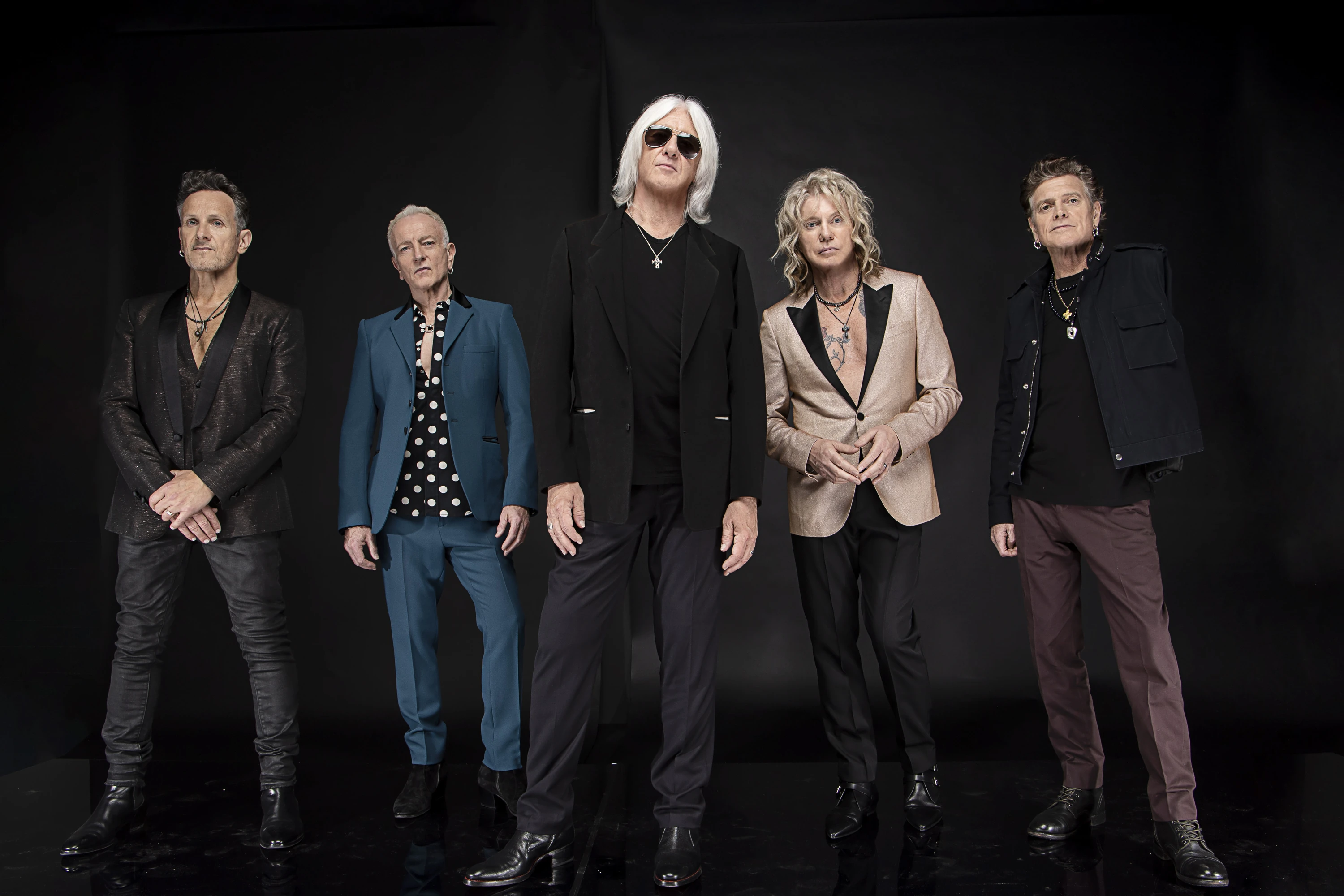
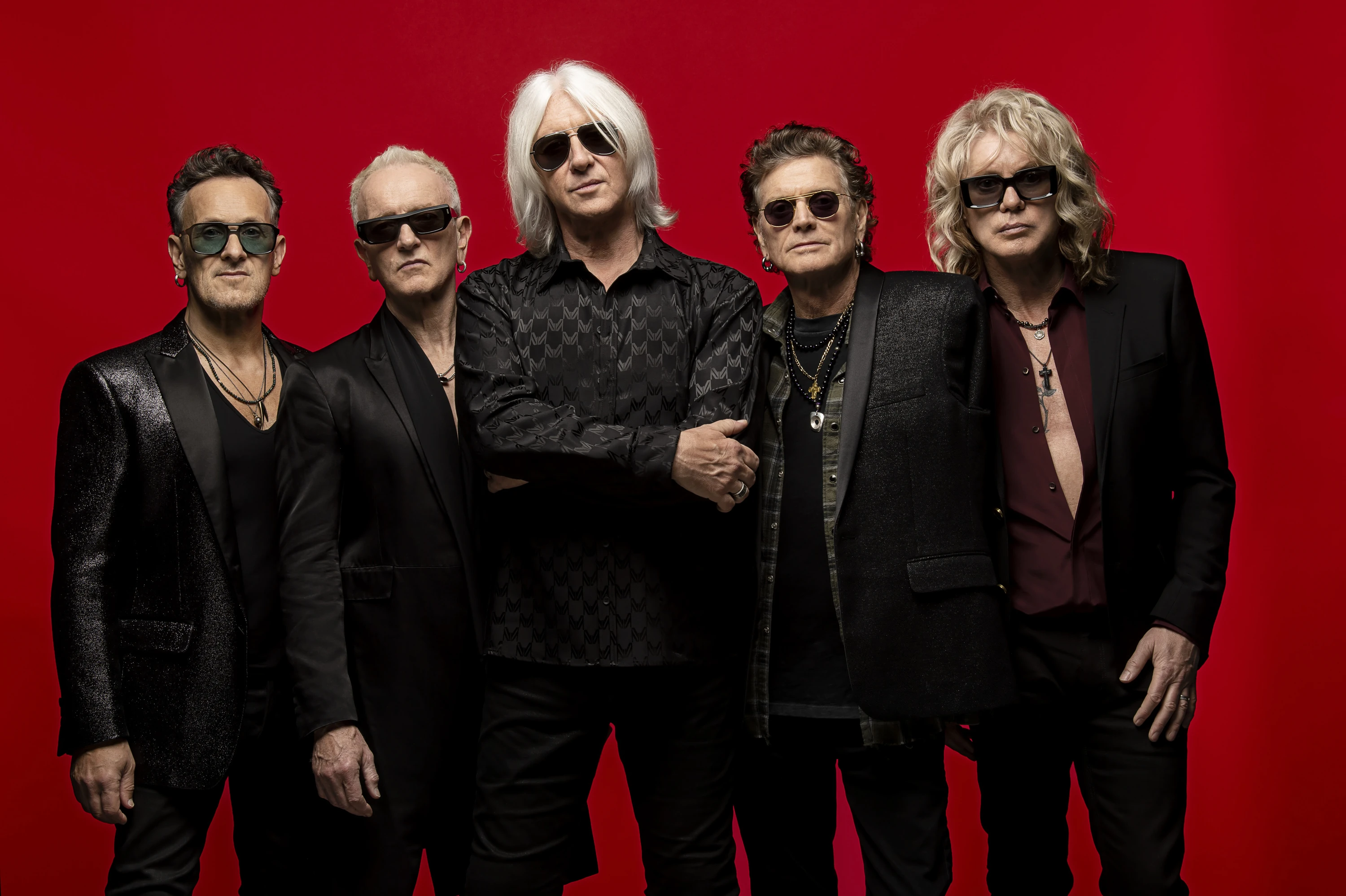
[title]Def Leppard’s return to Argentina is just weeks away. On November 5, 2026, the British rock band will take the stage at Movistar Arena, with Extreme as special guests, as part of a tour that also includes Mexico and other countries across the region. With more than four decades of history, the band, featuring Joe Elliott, Phil Collen, Rick Savage, Vivian Campbell and Rick Allen, returns after three years to revisit landmark albums such as Pyromania and Hysteria, delivering classics including “Pour Some Sugar On Me,” “Rock of Ages,” “Animal,” “Love Bites” and “Foolin’.”
In an interview with Time Out Buenos Aires, Vivian Campbell, who has been Def Leppard’s guitarist for 34 years, discusses the band’s work ethic, his Belfast guitar heroes, why he now listens exclusively to classical music and the passion of Argentine fans.
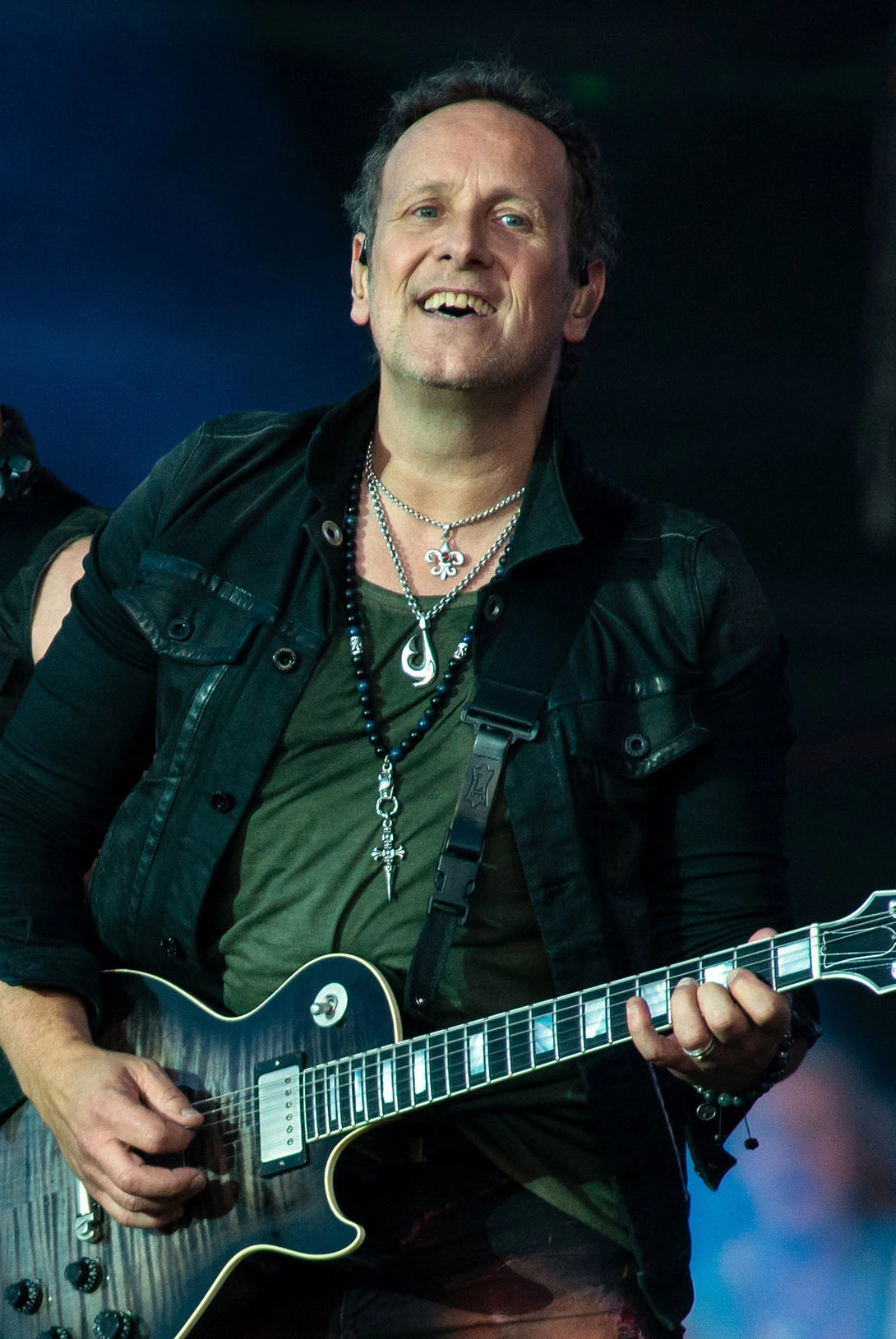
You played in Argentina in 1997, 2000, 2017 and 2023, and now you’re returning to Movistar Arena. What are you expecting from this show?
I’m expecting to play for the best audience in the world. Buenos Aires is in my top three audiences, and it might even be number one. There are cities where it doesn’t matter where you play, it’s all about the passion of the people, and Buenos Aires has one of the most passionate crowds I’ve encountered in all these years. That really excites me, and I’m sure my bandmates feel the same way. I love Argentina, and I love playing in Buenos Aires.
“Buenos Aires has one of the most passionate crowds I’ve encountered in all these years.”
You’ve played with Sweet Savage, Dio, Whitesnake, Riverdogs, Shadow King and even Thin Lizzy. What does Def Leppard have that those other bands didn’t?
We’re really good at what we do. It’s a unique band. I’ve always admired Def Leppard, but being part of it for 34 years has made me appreciate just how special it is. For all five of us, everything matters: songwriting, recording, singing, playing, and also showing up sober, fit and ready for the show. The work ethic is incredibly genuine, and we only have one collective ego: Def Leppard. It’s not about Rick Allen, Joe Elliott or Phil Collen. We don’t tolerate anyone thinking they’re more important than the rest. What matters is the music.
Thanks to all of that, we now have a global, multigenerational audience: people our age, younger fans and even kids who could be our children. We never take that for granted.
How do you all get along after so many years together?
We’re like a family, very close when it comes to our goals and ambitions. But when we’re not touring, we live in different parts of the world and keep in touch through texts or emails. We don’t go on vacation together because we already spend plenty of time with each other at work. But when we’re playing, we all share the same mindset and work ethic.
You grew up in Belfast in the 1970s. Who were your guitar heroes?
It was a very difficult place, and not many concerts came through. Rory Gallagher was the first live show I ever saw, and his album Live in Europe was also the first record I owned. He played in Belfast every Christmas, so I saw him several years in a row. He was the first guitarist I tried to imitate.
Later, through Thin Lizzy, I discovered Gary Moore, another guitarist from Belfast, and he became my main inspiration. I think he’s underrated: he was brilliant at jazz fusion with Colosseum II, hard rock with Thin Lizzy and blues toward the end of his career.
The only guitarist who fascinated me as much as Gary was Jeff Beck, the most creative guitarist I’ve ever heard. With Beck, the question wasn’t how he played something, but how he even came up with the idea in the first place.
What does being a virtuoso mean to you? Is technical ability enough?
It’s not just about how well you can play, although that certainly helps. The most important thing is to be creative and have your own voice, to sound like yourself rather than somebody else. That’s a difficult lesson when you’re young because you want to play like your heroes.
I’m self-taught, and I went back and forth between different influences until I eventually started sounding like Viv Campbell. On the early Dio albums, like Holy Diver, I don’t think anyone else was playing quite like me: blues-based guitar with a lot of technique, although a little rough around the edges. That ended up becoming my style, almost by accident.
I always tell young musicians the same thing: find what makes you unique and develop it. That’s your greatest asset.
“The most important thing is to be creative and have your own voice, to sound like yourself rather than somebody else.”
What kind of music do you listen to these days?
Only classical music. For the past two or three years, I’ve been listening to Bach, Beethoven, Chopin and Albinoni. I know it’s not very rock and roll, but that’s what inspires me right now.
What about rock?
Hardly any, and there’s a reason for that: I don’t like the way modern music is recorded. It’s too digitally corrected, with perfect drums, Auto-Tuned vocals and overly distorted guitars. I find it causes listening fatigue.
I’d much rather listen to a punk band from 1976. It’s not that musicians lack talent; it’s that technology has put us into a box that isn’t ideal.
When you listen to a Motown record from the 1960s, you can hear the room and the dynamics. That’s why I encourage young musicians to get together in a garage with a bass player, a drummer and a singer, and just play live. That’s where the magic happens.
“I don’t like the way modern music is recorded. It’s too digitally corrected, with perfect drums, Auto-Tuned vocals and overly distorted guitars.”
After all these years, what do you enjoy most about touring?
Traveling is exciting in itself. When we were kids, all we wanted was to be in a band and play rock music in front of as many people as possible, and now, in our 60s, we’re still doing it with the same enthusiasm.
We do it better today, with more control and professionalism, and we’re still striving for perfection. But the most important thing is being on stage and sharing that experience with the fans.