[category]
[title]
The renaming of a public square in Strand is more than a change of signage. It represents an effort to restore the visibility of a community displaced by apartheid.

Public spaces are more than meeting places; they are identity, memory and belonging, reflecting whose stories a community chooses to preserve.
In Strand, a recently renamed square is bringing an important chapter of the seaside town’s history back into the public eye.
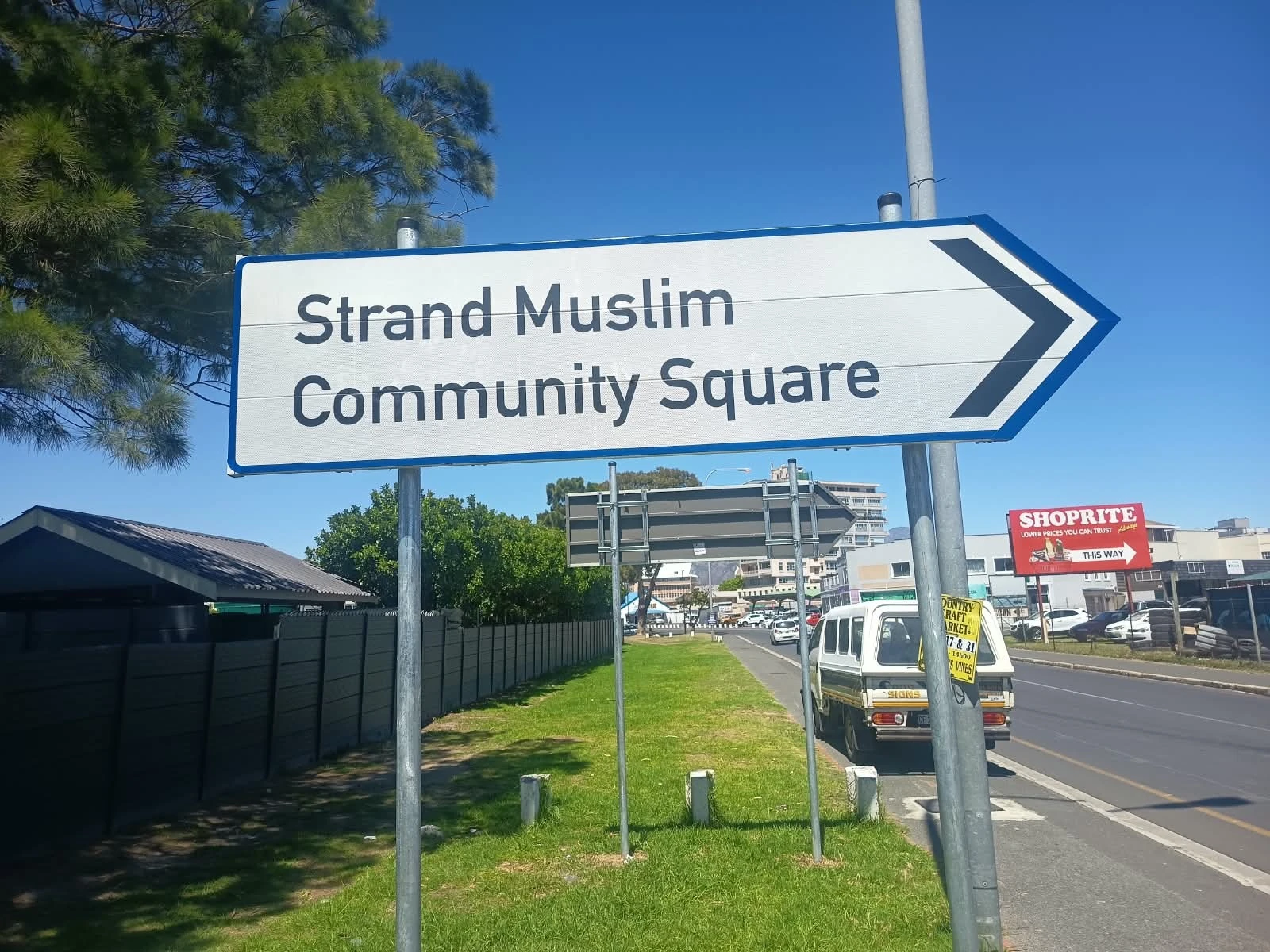
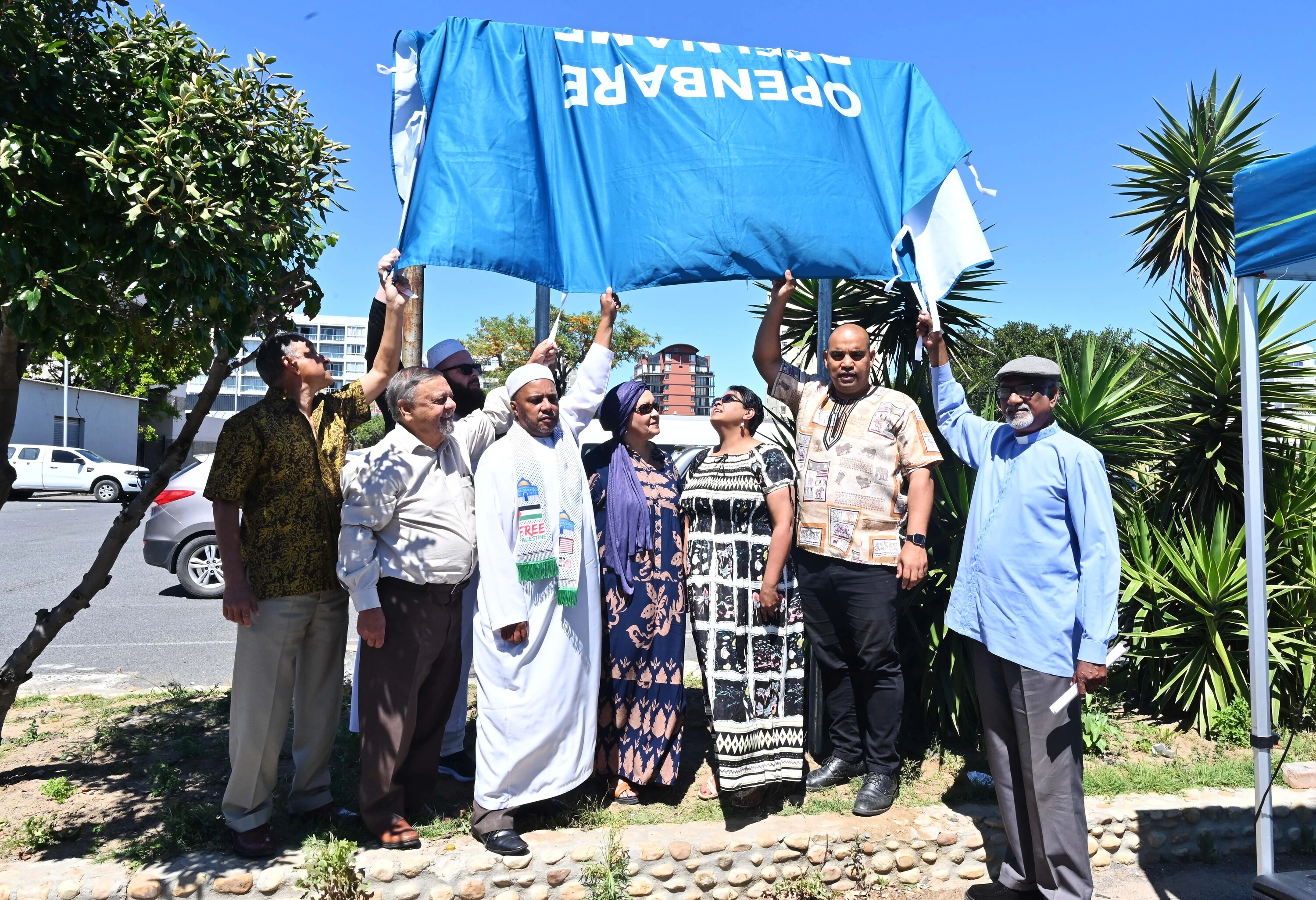
Formerly known as Ben Friedman Square, the space is now officially Strand Muslim Community Square, following a City of Cape Town ceremony last week. The change recognises the Muslim community’s longstanding presence in Strand, its cultural contribution to the area and the history of families forcibly removed during apartheid.
For the community, the renaming represents more than symbolic recognition. It is an opportunity to restore a connection to a place that once formed the heart of its social, religious and economic life.
Islam’s roots in Strand stretch back more than two centuries. Its history is reflected in the three mosques (Javia Mosque, Nurul Islam Masjid and Nurul Anwar Mosque) surrounding the square. They serve as important spiritual and cultural landmarks.
Built in the 19th century, Javia Mosque was recognised as a Provincial Heritage Site in 2026. The mosque stands as an enduring reminder of the Muslim community’s history in Strand and the generations who maintained its religious and cultural traditions.
These places of worship helped shape the town long before apartheid-era forced removals disrupted its connection to the area.
Under the Group Areas Act, Muslim families were among those forcibly removed from Strand as apartheid policies reshaped the town along racial lines.
Homes and businesses were lost, neighbourhoods were dismantled, and generations of families were separated. Renaming the square seeks to address some of that historical absence.
Deputy Mayor and Chairperson of the City’s Naming Committee, Alderman Eddie Andrews, described the change as an opportunity to acknowledge an important chapter in Cape Town’s history.
“A name is never just a name. It tells us whose histories we remember, whose contributions we recognise, and what we choose to pass on to future generations,” he said.
The City approved the renaming at its Council meeting on 30 July 2026, following a public participation process that included a range of views.
The decision reflects the importance of considering how public spaces represent the Mother City's diverse histories and experiences.
The Strand Muslim Community Square Renaming Committee described the change as an “act of restorative justice, addressing the uprooting and historical misrecognition of the community that once lived in the area”.
Ultimately, the new name places the community’s history in Strand's everyday landscape. Residents and visitors can now engage with a past that might otherwise remain confined to family memories and historical records.
South Africa’s reconciliation journey is sometimes discussed through national milestones and political commitments. It has also been shaped at the local level, through the awareness of overlooked histories and the preservation of cultural landmarks.
“Our responsibility is to continue building a Cape Town in which our shared spaces reflect our history and in which every community can experience a sense of recognition and belonging,” concluded Alderman Andrews.
Sign up to Time Out Cape Town's free newsletter for expert recommendations on new things to do, see, eat and drink in the Mother City. You can also follow Time Out Cape Town on Facebook, Instagram and TikTok!
Discover Time Out original video