[category]
[title]
The cause of the vegetation fire is not yet known, and ground crews are on the scene to monitor the situation.


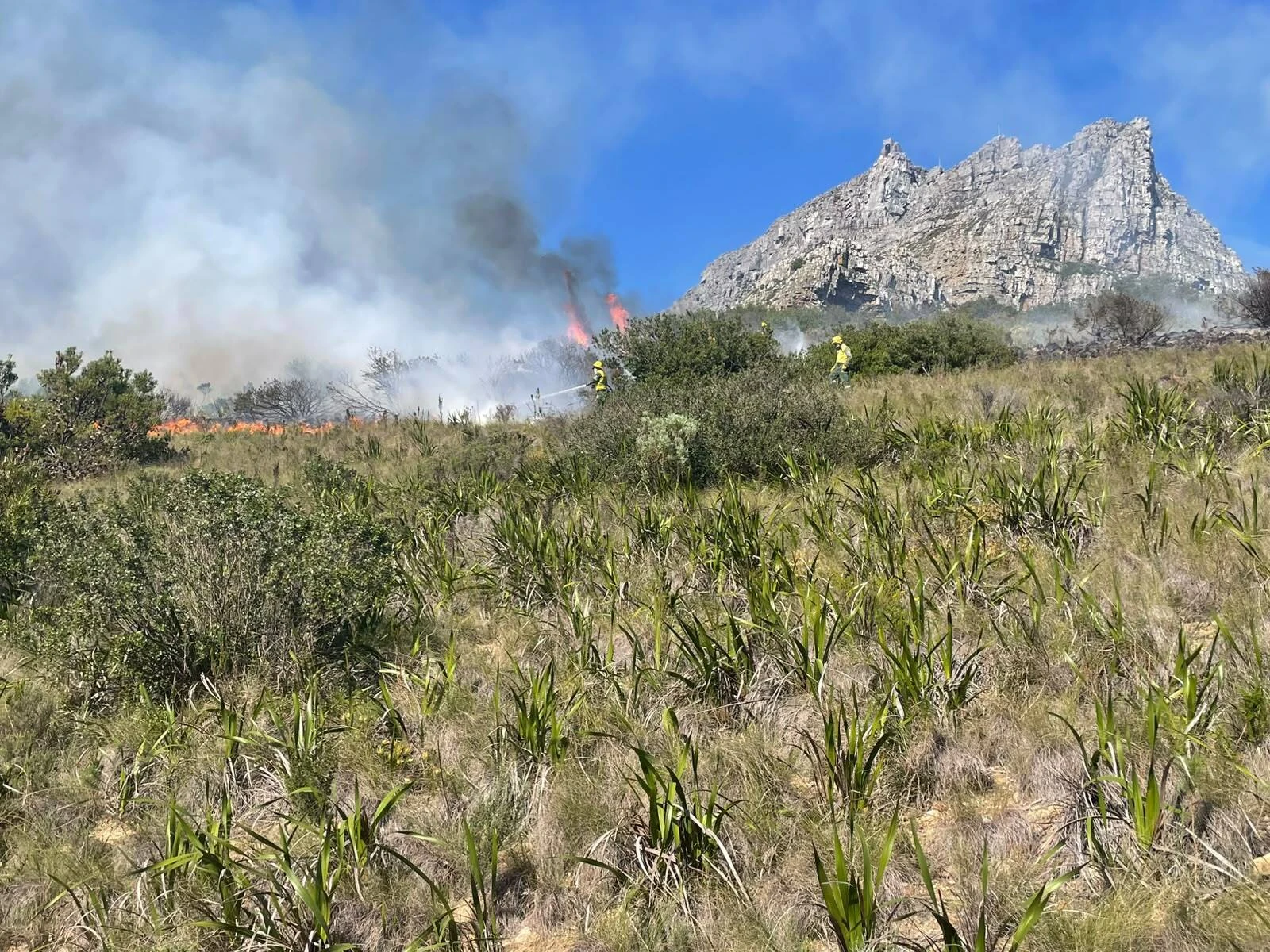
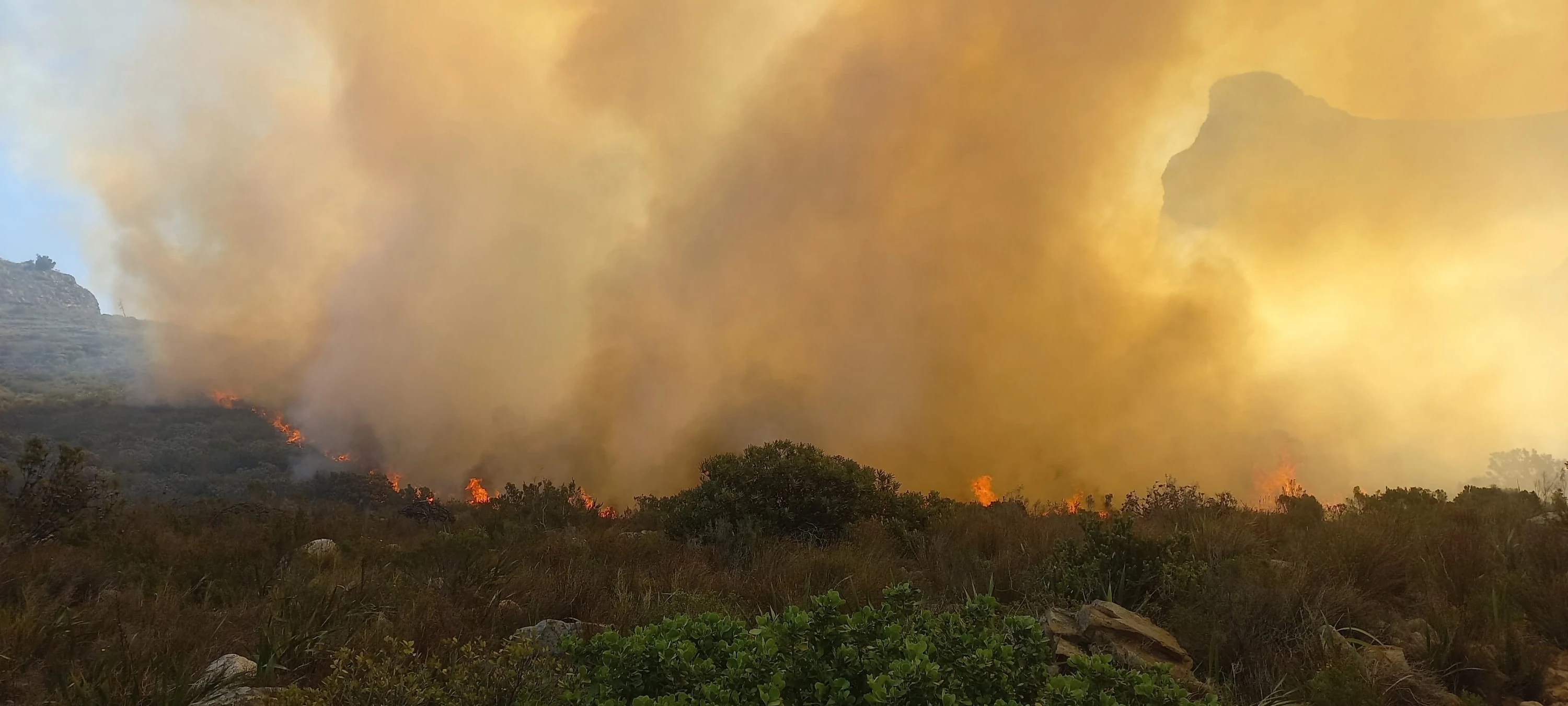
Firefighting and rescue teams are working to contain a vegetation fire above Kloofnek Corner, prompting precautionary evacuations at the Table Mountain Aerial Cableway Lower Station on Sunday afternoon.
The Table Mountain Aerial Cableway is currently closed for maintenance, but the lower station is a popular meeting point for visitors to meet for hikes or simply catch incredible City Bowl views. SANParks rangers and traffic officials have been deployed to help visitors leave the area safely and manage traffic along Tafelberg Road.
Table Mountain National Park Fire Management Team is on the scene alongside ground crews from the City of Cape Town Fire and Rescue Service and three Volunteer Wildfire Services teams.
If you can avoid Tafelberg Road and the surrounding area, please do so. SANParks also confirmed that the Contour Path and surrounding trails between Kloofnek and the Lower Cableway Station are closed until further notice, while emergency operations continue.
The cause of the fire is not yet known.
SANParks is monitoring the situation and will issue further updates as information becomes available.
SEE: Blooming marvellous! Don't miss Grootbos's once-in-a-generation superbloom
The fire comes at an unusual point in the Western Cape’s seasonal cycle. Cape Town’s peak fire season typically falls during the hot, dry summer months, but August marks the beginning of the transition from the winter rains towards spring.
This is when the Cape’s indigenous landscapes see new growth thanks to the seasonal rainfall, while fynbos, bulbs and wildflowers prepare to transform parts of the Western Cape into a remarkable display of colour.
Fire plays an essential role in this process. Many fynbos species rely on periodic burns to release seeds, return nutrients to the soil and create space for new growth.
However, fires that occur too frequently, burn at the wrong time or sweep through areas under extreme conditions can interrupt that cycle before plants have had time to mature and reproduce.
The extraordinary superbloom at Grootbos Private Nature Reserve offers a vivid example of life after fire.
Following the 2025 wildfires, its scorched landscape has produced a rare floral display featuring more than 200 flower species, including orchids, mountain dahlias and endemic plants found nowhere else on Earth.
Sign up to Time Out Cape Town's free newsletter for expert recommendations on new things to do, see, eat and drink in the Mother City. You can also follow Time Out Cape Town on Facebook, Instagram and TikTok!
TIME OUT CAPE TOWN RECOMMENDS:
📍 The best things to do in Cape Town
🏨 The best hotels in Cape Town
🍽 The best restaurants in Cape Town
🛏️ Where to stay in Cape Town
📢 Latest news from Cape Town
Discover Time Out original video