

[image]
[title]Last week, while we were all kicking back on Easter holidays, the City of Cape Town quietly announced that the Battle of Muizenberg site had officially been proclaimed a Provincial Heritage Site, bringing the list of provincial sites to 20.
Which, no doubt, left many Capetonians scratching their heads.
Muizenberg had a battle? Seriously?
Because these days Muizenberg is better known for its rainbow beach huts, beginner-friendly surf break and a breezy beachfront full of restaurants and cafés. Just over the tracks, The Happy Rooster dishes up darn fine Afro-Portuguese food, served with a great sea view.
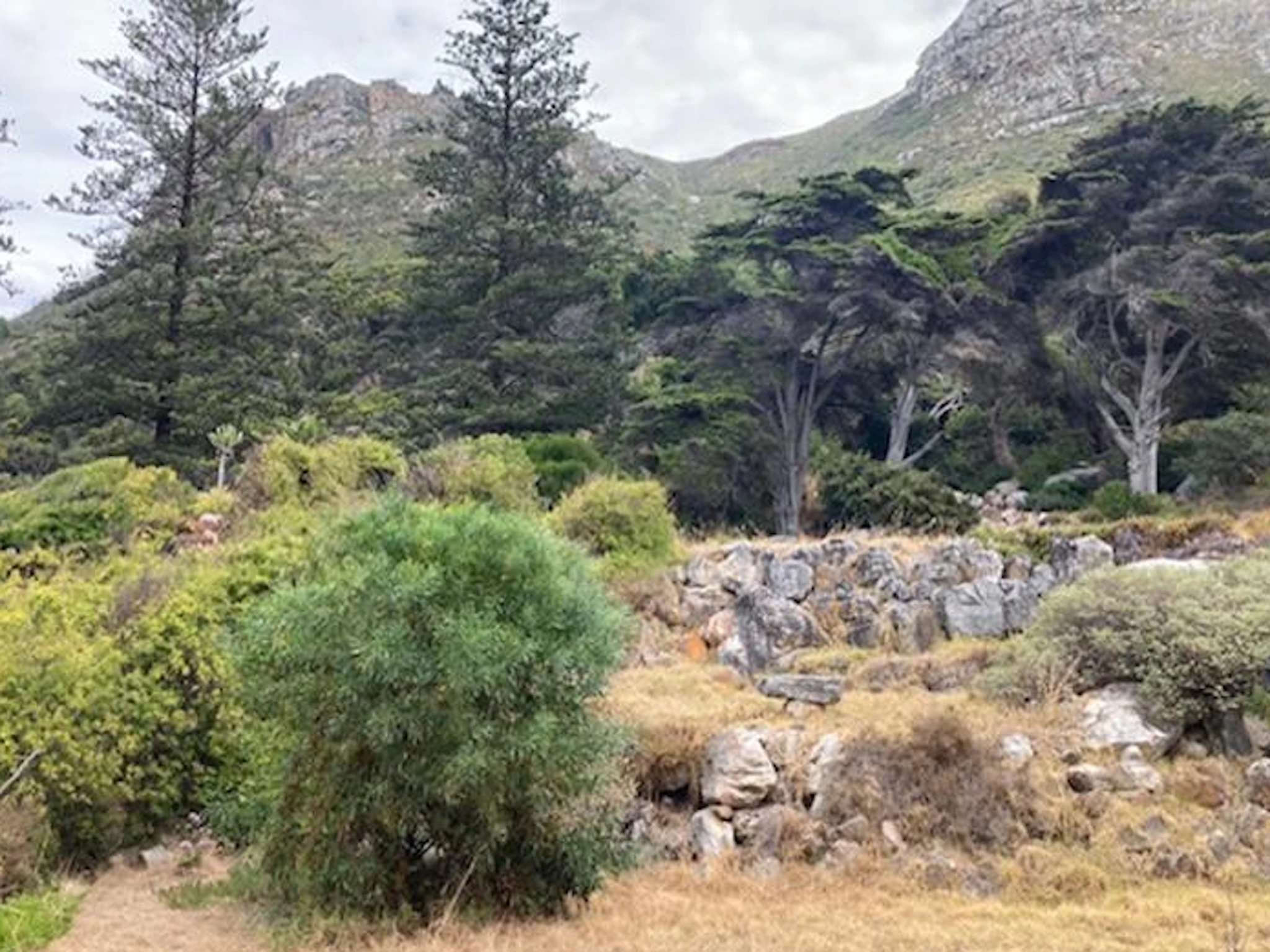
But take a short walk along the Main Road towards Kalk Bay, and you’ll find yourself at the gate to one of the unsung historic corners of the city. The site of the Battle of Muizenberg.
The site’s formal protection as a Provincial Heritage Site identifies the area as “a cultural landscape site with various layers of significance”. That includes evidence of shell middens that suggest the presence of indigenous groups well before the occupation of Muizenberg by the Dutch in the mid-17th century.
More Cape History: The ‘circle of saints’ around Cape Town
But there are also the remains of the stone walls and fortifications that defined the Battle of Muizenberg, a conflict between the Dutch and British in 1795. The Dutch defence fortifications were overseen by Louis Michel Thibault; a military engineer at the time, who would later become a prominent architect of 18th-century Cape Town.
While the site isn’t especially eye-catching from street-level, the events that took place here would define the next few centuries of life in Cape Town.
Because if you’d been standing on these mountain slopes at around 2pm on 7 August 1795, you would have had a front-row seat to one of the shortest yet most influential battles in South African history.
With British trade routes to India under threat, and revolution reshaping the balance of power in Europe, the British East India Company had decided it could not allow the Dutch – who were increasingly under French influence – to retain control of the Cape. The Cape colony was strategically vital, because without the Cape, Britain had no reliable harbour on the long sea route to India, which was then the jewel of its imperial ambitions.
So, in July 1795, a British fleet of 13 ships and hundreds of men sailed into False Bay. At first, they didn’t want a fight and attempted, through a combination of pressure and political manoeuvring, to persuade the Dutch governor to hand over the Cape. Fat chance of that, they said.
When the Dutch refused, the British turned to force.
Under the command of Lord Elphinstone, four warships sailed from Simon’s Bay to within a few hundred metres of the shore, dropped anchor and opened fire on the simple Dutch fortifications above Muizenberg.
In barely half an hour, more than 800 cannonballs blasted the mountainside, and it did not take long for the demoralised Dutch defenders to retreat. You know that suburb next to Bergvliet? That’s where the name ‘Retreat’ comes from.
While it was all over by the next day, the Battle of Muizenberg marked the beginning of the end for Dutch control at the Cape. When a larger British force arrived the following month, the Dutch surrendered, ushering in a British occupation of the Cape that would last for more than a century. If the Dutch and French had won, we might all be speaking French instead of English as one of our dozen official languages! But the rest, as they say, is history...
So while Muizenberg is still the place for surfboards, sea air and famous beach-huts, it’s now also officially recognised as one of the Cape’s most important historic landscapes.
The Battle of Muizenberg site is not open to the public, but guided tours can be arranged through the Muizenberg Historical Society.
Make it a weekend! Book a place to stay in Muizenberg here
Head over to our social media channels to follow Time Out Cape Town on Facebook, Instagram, and TikTok. And don't forget to sign up to Time Out's free newsletter for expert recommendations on new things to do, see, eat and drink in the Mother City.