[category]
[title]
As part of our Heritage Month series, Time Out Durban chatted to Koren Gnirck, Manager of the Durban Botanic Gardens Trust, to find out more about the history of this iconic site.


What better way to celebrate the start of Heritage Month, Tourism Month, and Spring Day than with a deep dive into one of Durban’s most iconic green spaces and tourism destinations, the Durban Botanic Gardens (not botanical…they’re very particular about that!)
Tucked into the Berea in the heart of the city, this 15-hectare oasis has been part of Durban’s story since 1849. It’s now Africa’s oldest surviving botanic garden and the city’s oldest public institution. It’s a favourite spot for Sunday strolls, family outings, dog walks and picnics, but there’s considerably more to the Gardens than pretty flowers and shady paths.
As Koren Gnirck explains, a botanic garden has a much bigger purpose: it is a place for ‘accumulating botanical and horticultural knowledge (research) and disseminating that knowledge (information and education)’.
So, lace up your walking shoes and let’s take a stroll through one of Durban’s most treasured pieces of heritage.
READ: What's on in Durban this Heritage Month!
The original site was created to investigate whether fruiting trees, timber, and crops could have economic value in the region. It was considerably larger than the Gardens we know today, originally covering around 20 hectares and stretching as far as Currie Road.
Urban development and the construction of the tram line – now Edith Benson Road – eventually resulted in the loss of five hectares. Other losses include The Jubilee Conservatory built in 1889, which suffered major damage during a hailstorm in 1928 and was eventually demolished in 1946.
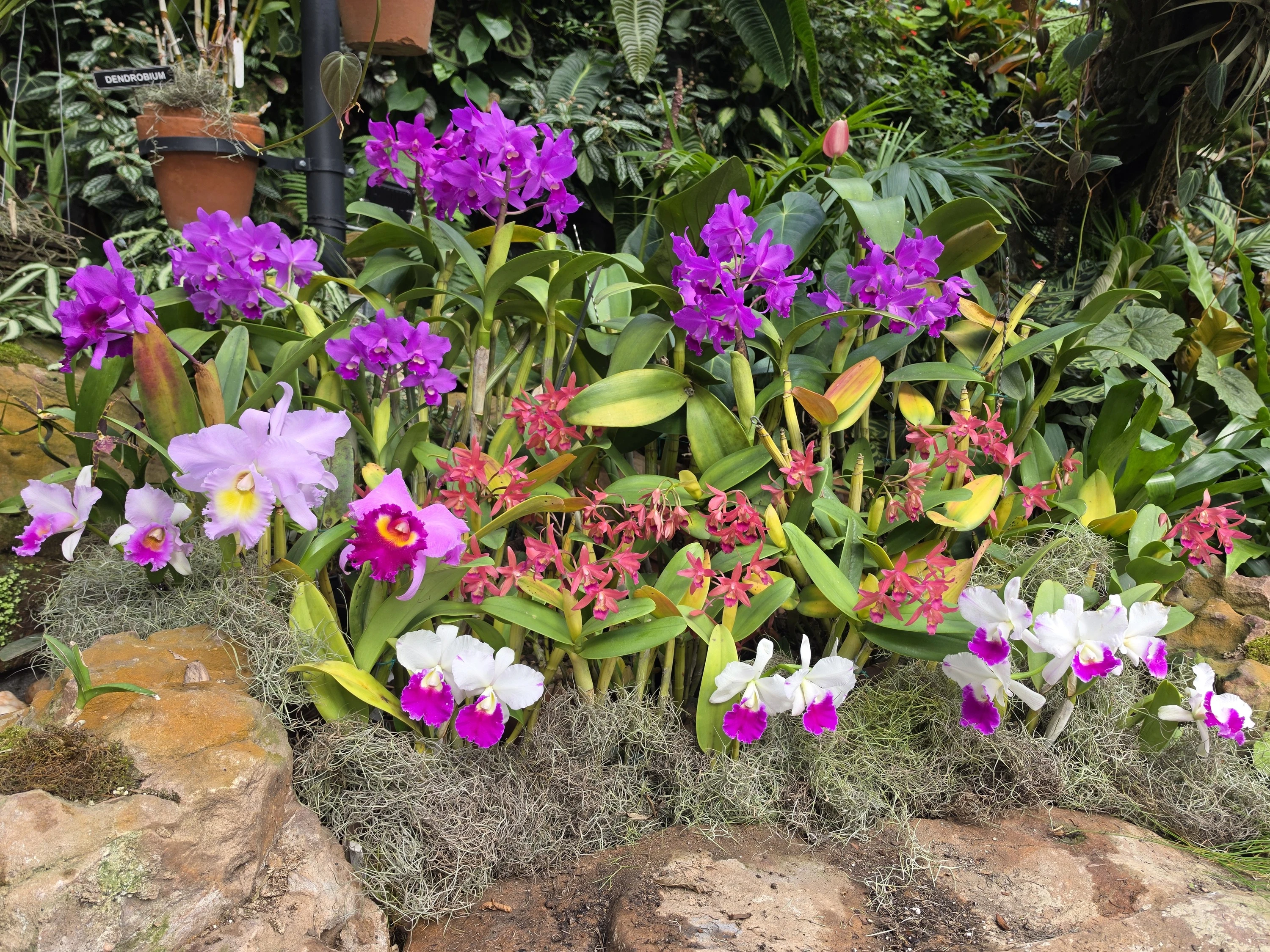
The Ernest Thorpe Orchid House also suffered irreparable damage during the 2022 floods and was decommissioned. However, the Orchid Collection is now displayed in the new Tropical Display House, which opened in September 2025.
History is still preserved, though!
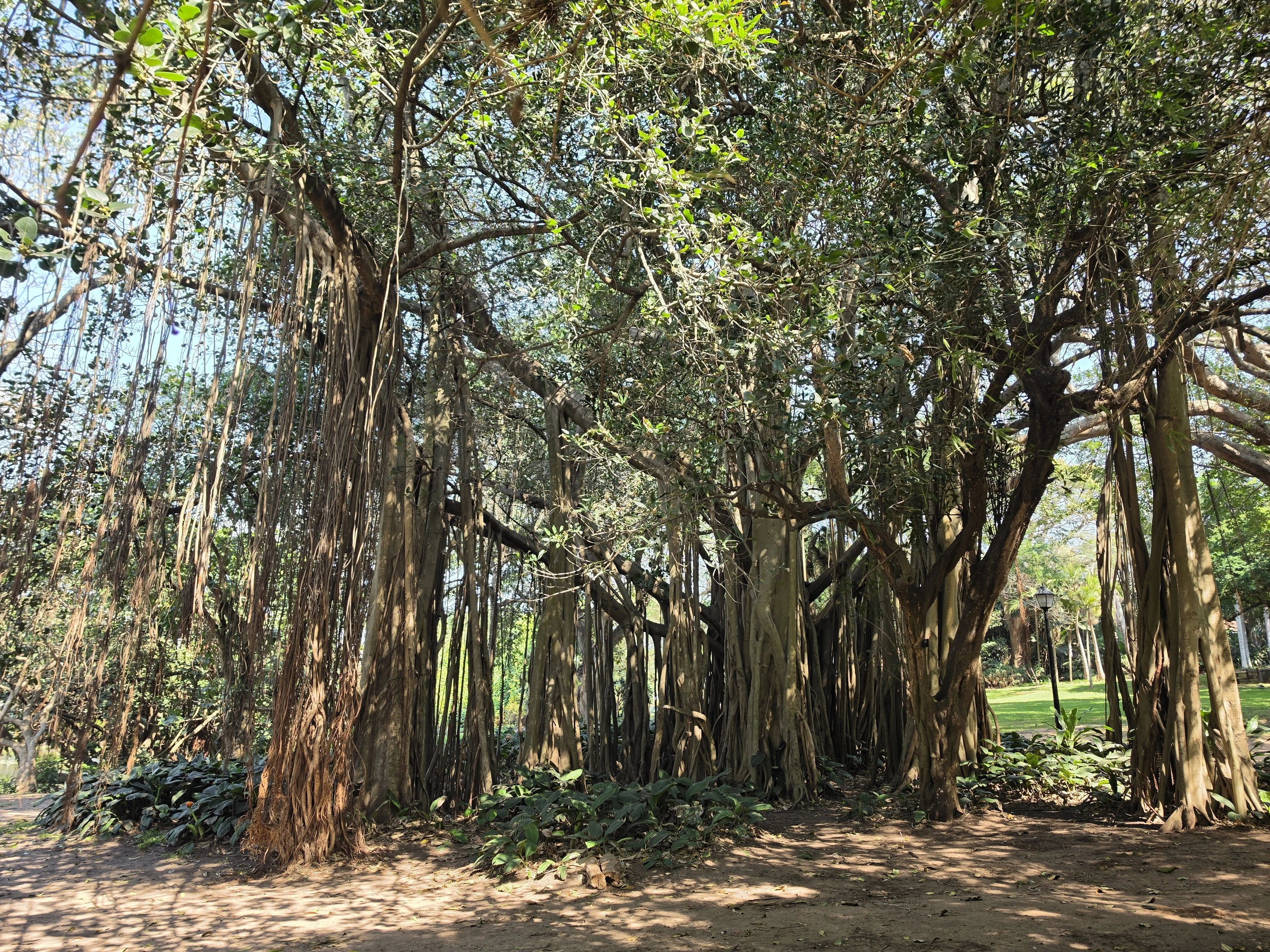
“Some of the original trees which were on the land before it was developed into the Gardens are still in place and are considered to be around 200 years old,” says Gnirck.
READ: 5 things to do in Durban for under R200
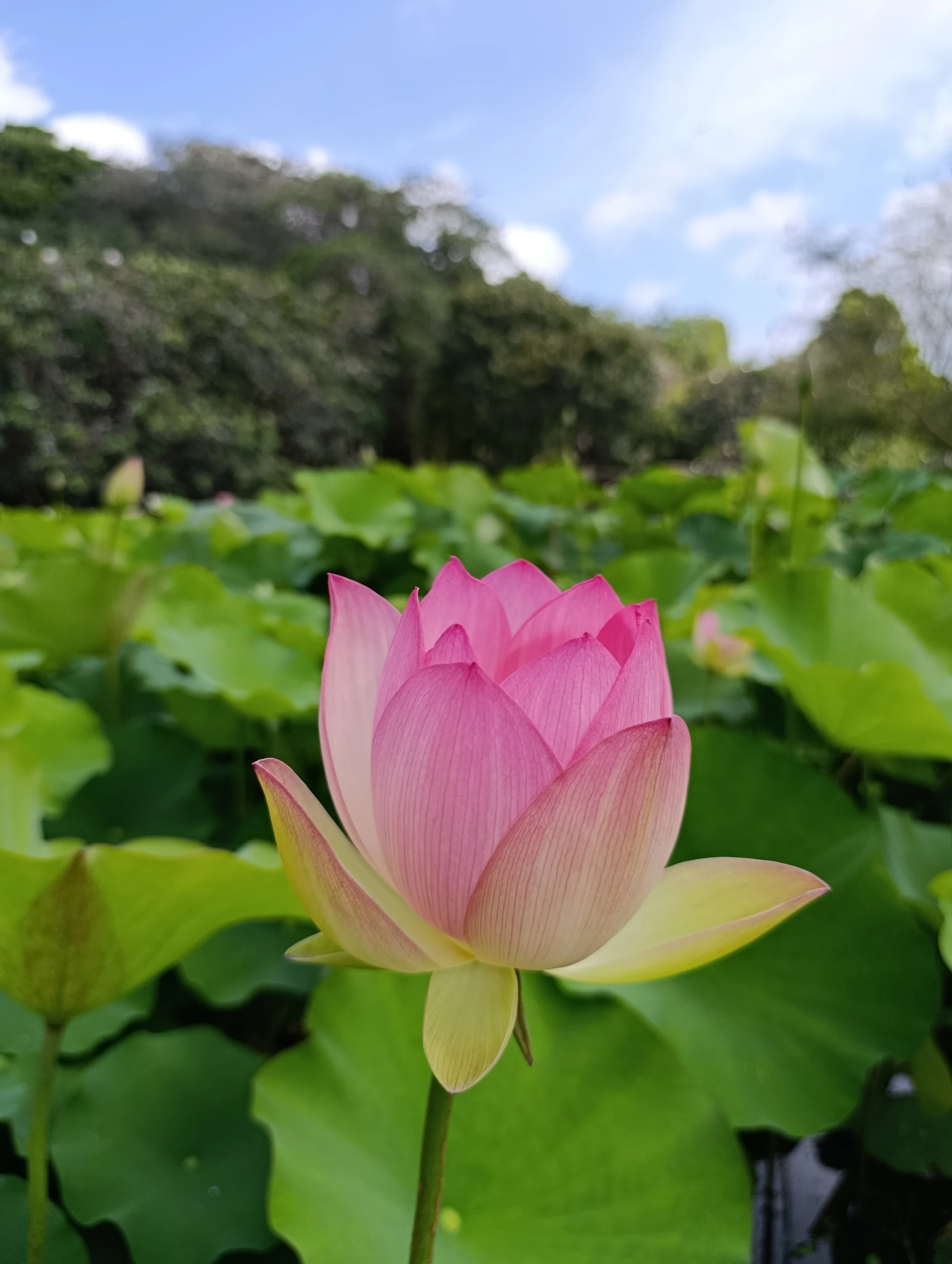
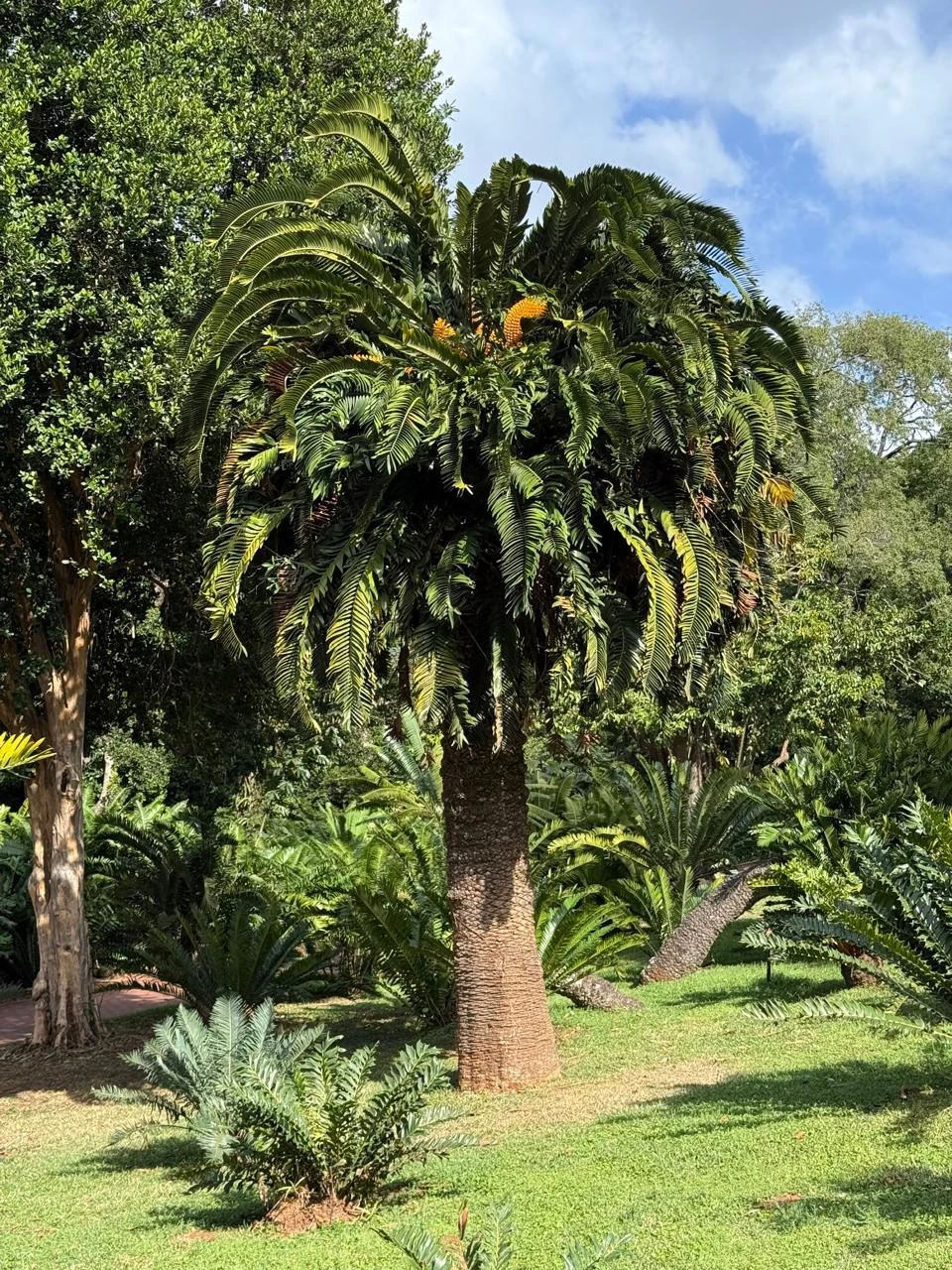
One of the things that makes the Durban Botanic Gardens particularly fascinating is that it isn't simply one enormous collection of plants. It’s actually several gardens in one, with major collections including cycads, palms, orchids and tropical plants.
And if you're looking for something particularly special, keep an eye out for the Wood’s Cycad (Encephalartos woodii). The species is extinct in the wild and is widely considered one of the rarest plants in the world, with only male clones surviving today.
The Gardens also boasts:
The Gardens may be beautiful, but behind the scenes it is also a working centre for research, conservation and education.
“The Durban Botanic Gardens is considered a living library of plants and is easily accessible to students doing research facilitated by our horticulturist,” says Gnirck. “Conservation is done through the nurseries via propagation of rare and endangered plant species.
Its nurseries also play an important role in conservation by propagating rare and endangered plant species. But it isn't just the plants that are protected.
“The Gardens is not just about the flora, but also has fauna which calls this space home. We are very protective over both our plant and animal life!” says Gnirck.
For locals, however, the Gardens' heritage isn't necessarily about knowing the scientific name of every plant. Rather, it’s about memories made here.
“Most Durban residents will have visited the Gardens at some point,” says Gnirck. “Those that have lived in Durban for a long time will probably have childhood memories of their parents or grandparents bringing them here.”
More than 400 000 people visit each year, with locals arriving for everything from a quiet walk or dog stroll to photography, birdwatching and simply finding a moment of peace.
In a busy city, the Gardens provide a ‘green lung’ where people can step away from the urban rush and reconnect with nature.
READ: Familie Fest 2027: Durban festival dates announced
One particularly interesting landmark is the HW Currie Memorial Fountain, a Victorian cast-iron drinking fountain and lamppost dating back to 1889.
It was originally erected at the bottom of West Street in Durban to honour Henry William Currie, a town councillor and former mayor who helped locate local water supplies during the drought of 1878. After being restored, the fountain was relocated to the Durban Botanic Gardens in 2005, where it remains today.
The Gardens' history and tourism appeal extends well beyond Durban. It regularly welcomes local, national and international visitors, including tourists arriving in the city on cruise ships. City tours for cruise passengers often include the Gardens as a stop, allowing visitors to escape the urban environment and experience one of Durban's most tranquil spaces.
And while some visitors arrive specifically for the plants, others simply want to experience nature.
“Most tourists may not particularly be interested in the Gardens from a botanical point of view, but they are keen to get out into nature and experience what Durban Botanic Gardens has to offer,” says Gnirck.
READ: The 4 Southern Sun general managers shaping Durban’s Golden Mile
The Gardens have become an established events destination, hosting popular events such as the upcoming Music at the Lake, and the annual Trail of Lights, which transforms the Gardens into a magical nighttime experience during the festive season.
Celebrate Heritage Day with an afternoon of live music at one of Durban's most scenic outdoor venues. Sjava, Simmy and the Q Twins bring three distinctive KZN voices to the stage, with music spanning contemporary African sounds, Afro-house and isiZulu storytelling.
Bring your picnic blanket and camping chairs, settle in beside the lake and make a day of it. Food and drinks are welcome too.
READ: What's on in Durban this September!
While daily operations are handled by eThekwini Municipality, the Durban Botanic Gardens Trust (established in 1993) raises funds to support special projects, upgrades and maintenance.
Looking another 175 years into the future, Gnirck says the Trust's hope is simple.
“It is the Trust’s fervent wish that the beauty and sense of peace that is found within the Gardens will endure the test of time, and that the Gardens will continue to thrive and flourish in the years to come.”
And perhaps that's the real magic of this Durban landmark.
📍 The best things to do in Durban
🍽 The best restaurants in Durban
🏨 The best hotels in Durban
🛏️ Where to stay in Durban
📢 Latest news from Durban
Follow Time Out Durban on Instagram, Facebook and TikTok! To get the coolest news, features, and things to do straight to your inbox, sign up for our newsletter.
Discover Time Out original video