[category]
[title]
Empowering young South Africans to actively contribute to marine conservation, no degree required.

If you’ve ever floated above the reefs of the Aliwal Shoal, you’ll know there’s something powerful about this stretch of ocean. Just 5km off the coast of Umkomaas on the KZN South Coast, it’s one of the world’s top dive sites, a Marine Protected Area and a recognised Blue Mission Hope Spot.
Now, it’s also where a new wave of ocean conservationists is being shaped.
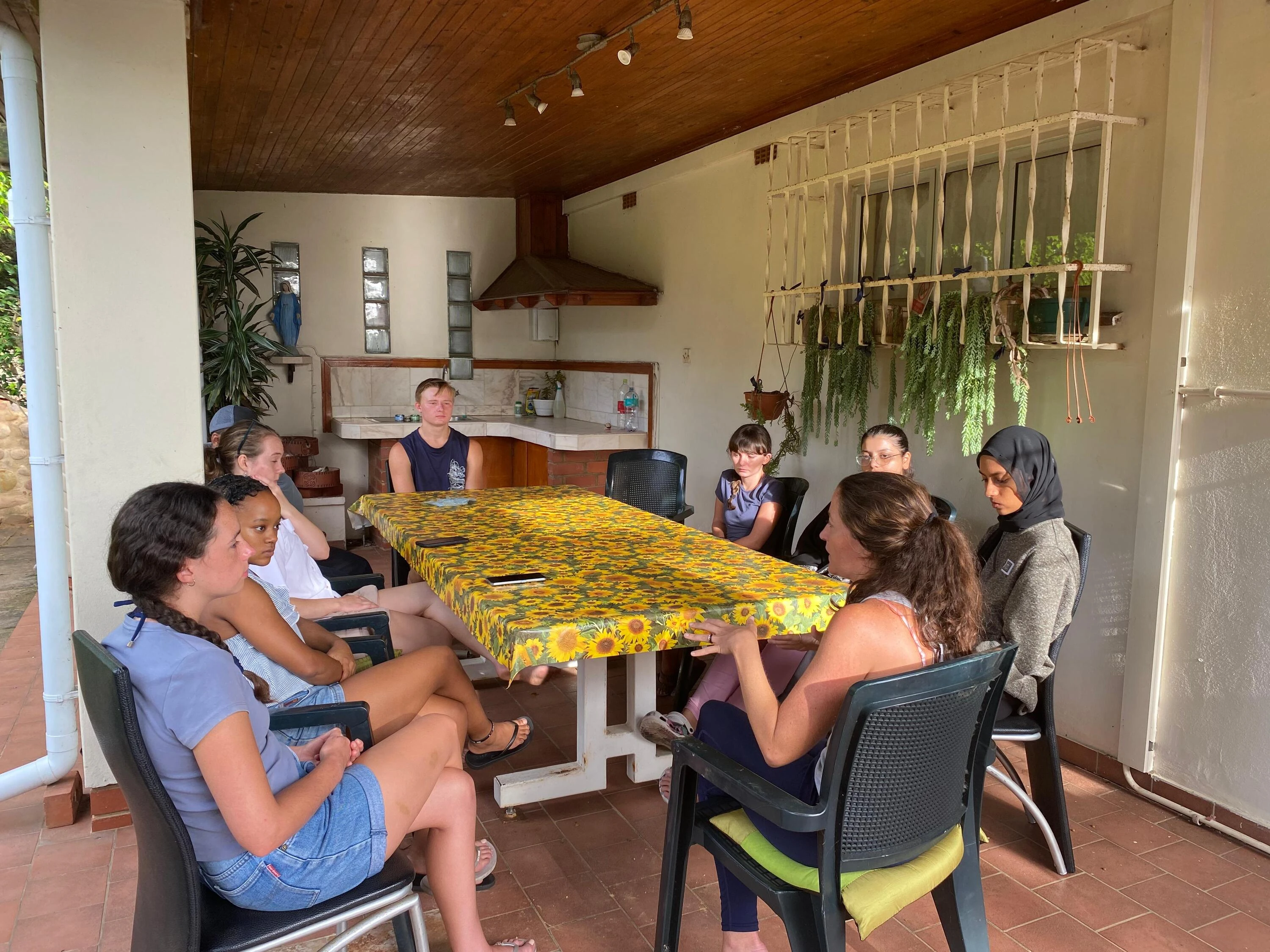
The Aliwal Shoal Ocean Leadership Internship is quietly doing something remarkable on the KZN South Coast: training young, local South Africans to become active players in marine conservation.
Backed by The Rufford Foundation and led by local marine biologist Dr Michelle Carpenter who is part of Wild Alliance Africa, the programme is opening doors into a field that has historically felt out of reach.
And crucially, it’s doing so without the usual barriers.
“You don’t need a degree to be involved,” says Carpenter, who launched the internship after seeing just how many local people had never experienced the shoal themselves.
“My goal for this internship was for locals to receive training in marine biology and conservation to understand the field – both the fun side and the office work. Eventually, I would like them to become independent marine conservationists and pass on the knowledge they have gained from this internship.”
Aliwal Shoal is a rocky reef system, home to incredible marine life, including species under threat of extinction, as well as key breeding and feeding areas for rays and sharks. Dr Carpenter explains it’s home to many confirmed ray species threatened with extinction, important Shorthorned Pygmy Devil Ray reproductive areas, feeding areas, resting areas, and a cleaning station.
Interns begin with a custom-built oceanography course - outlining the crucial role the ocean plays in our overall environment and the importance of safeguarding it - before moving into practical experience:
From there, they branch into independent projects, from identifying mobula rays to creating conservation education for local schools.
What makes this initiative stand out is its focus on people as much as the planet.
“I aim to help uplift people into their passions… I create a positive, supportive environment that flows through to my interns. My goal is to build a collaborative space that further inspires the surrounding communities to join conservation with purpose and good energy,” concludes Carpenter.
And that impact is already being felt.
Intern Meara-Quinn Candy describes the experience as ‘enlightening and fulfilling’, adding: “I have gained so much knowledge and insight because of this internship and feel I am finally in a position where I can contribute to the field. The lack of a degree no longer holds me back, and I am actively getting involved in my dream field.”
African marine ecosystems face increasing pressure - from climate change to overfishing - and conservation efforts need more than just scientists. They need local voices, local knowledge, and local champions.
By focusing on community access and skills development, this internship is helping to create exactly that.
And the demand is clear. While the programme currently supports 13 interns, interest continues to grow, highlighting both the need and the potential for expansion.
You can follow Dr Michelle Carpenter on:
Keep updated on the Ocean Leaders at:
And if you haven’t already, make a plan to get to Aliwal Shoal and feel the magic for yourself!
TIME OUT RECOMMENDS:
📍 The best things to do in Durban
😋 The best restaurants in Durban
🏨 The best hotels in Durban
🛏️ Where to stay in Durban
Discover Time Out original video