[category]
[title]
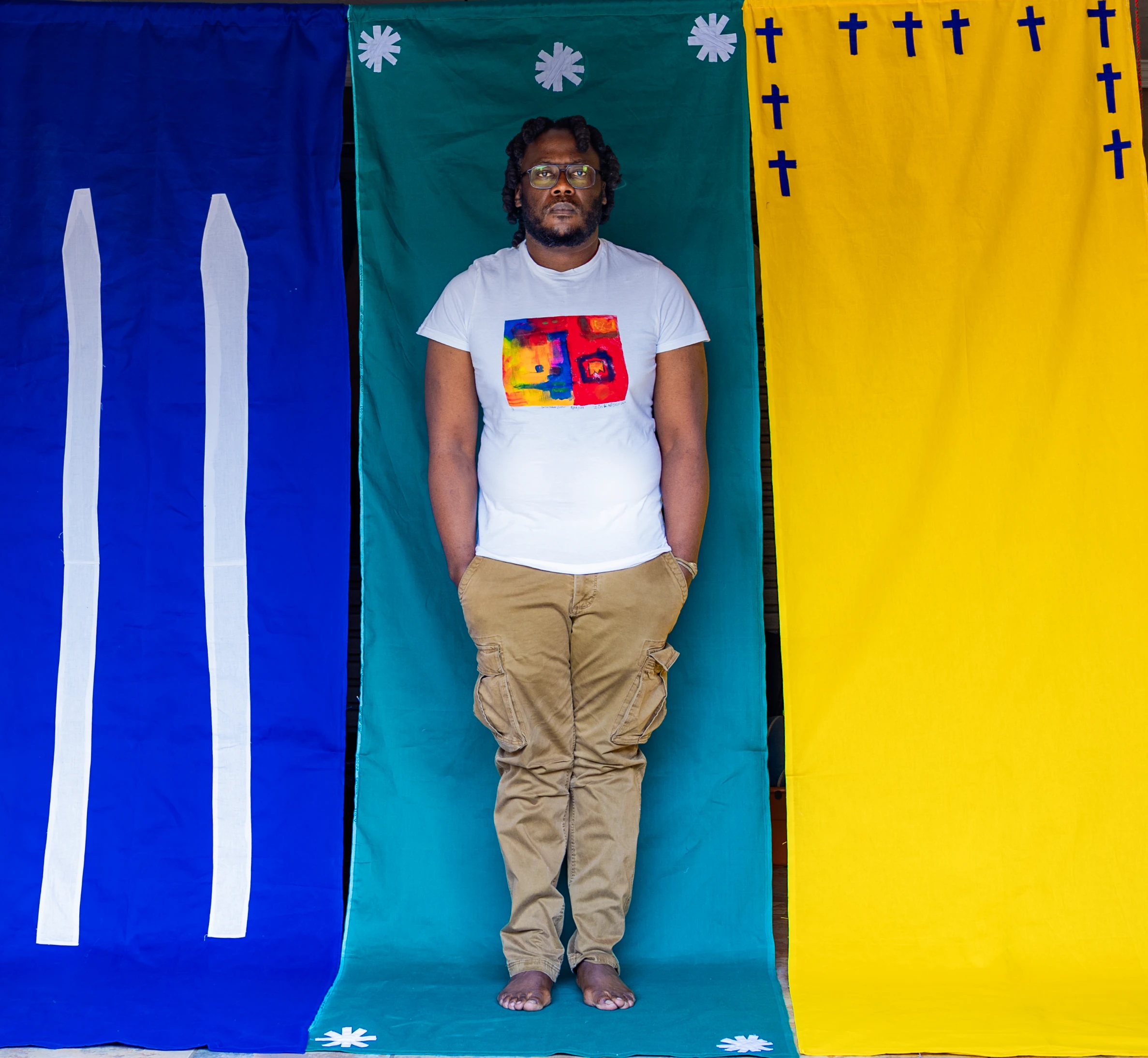
As part of our Heritage Series, Time Out Durban caught up with award-winning multidisciplinary artist Sethembiso Zulu in KZN to talk ancestral memory, African spirituality and why he believes heritage belongs to the people.

Heritage doesn’t belong behind glass or in the pages of history books.
For Joburg-based multidisciplinary artist Sethembiso Zulu, heritage is alive, constantly evolving, and best understood through the people who experience it.
Fresh from showcasing his work at the inaugural Art Fair at the Hilton Arts Festival in KwaZulu-Natal last month, Zulu has been spending time in the province as his practice continues to explore spirituality, ancestral memory, identity and the socio-political histories embedded in the spaces people inhabit.
Time Out Durban caught up with Zulu while he was in KZN to talk about his work, his understanding of heritage and what comes next.
READ: From Kokstad to the Emmys: Rick Treweek wins big for groundbreaking VR production
For Zulu, art is a form of living documentation – one that can capture things traditional archives sometimes cannot.
“Heritage is not found in universities and museums; it belongs to the people – and especially artists. It isn’t housed in academic settings. Artists are doing the practical research; we’re the lived experience, and that’s especially the work that I do. Art is a living archive; it holds our dreams, our trauma, our emotions.”
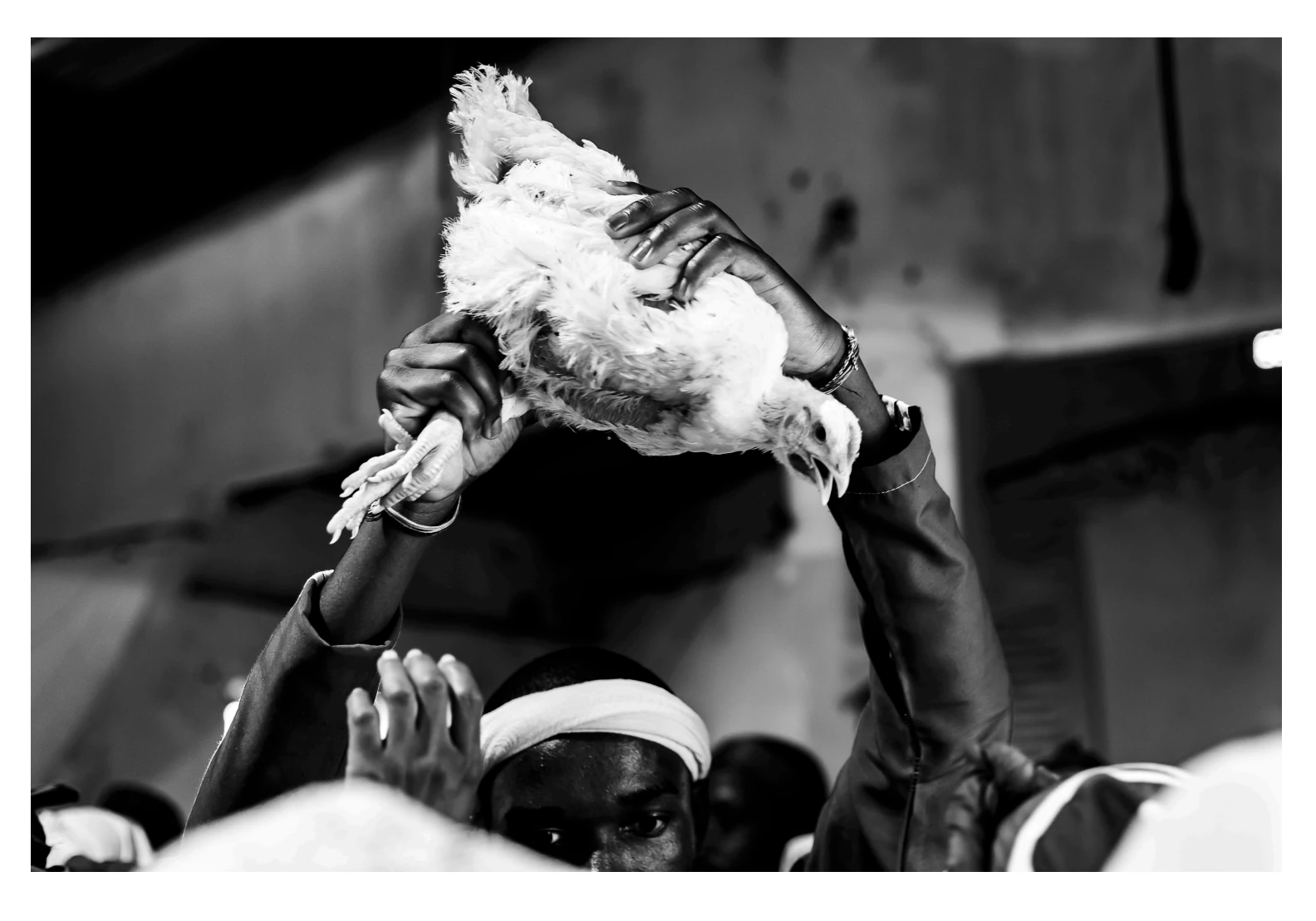
This idea is particularly important in Zulu’s exploration of African spirituality, where he believes representations have too often been filtered through an outside gaze.
“In a sense, a lot of the African spirituality and heritage is misrepresented through text and videos. I’ve seen undertones of fear, but African spirituality is about healing, not something that should inspire fear.”
This perspective runs through much of his practice, which draws on ancestral heritage and lived experience to create visual narratives that ask audiences to look at familiar stories differently.
READ: The KZN barista putting South African coffee on the global stage
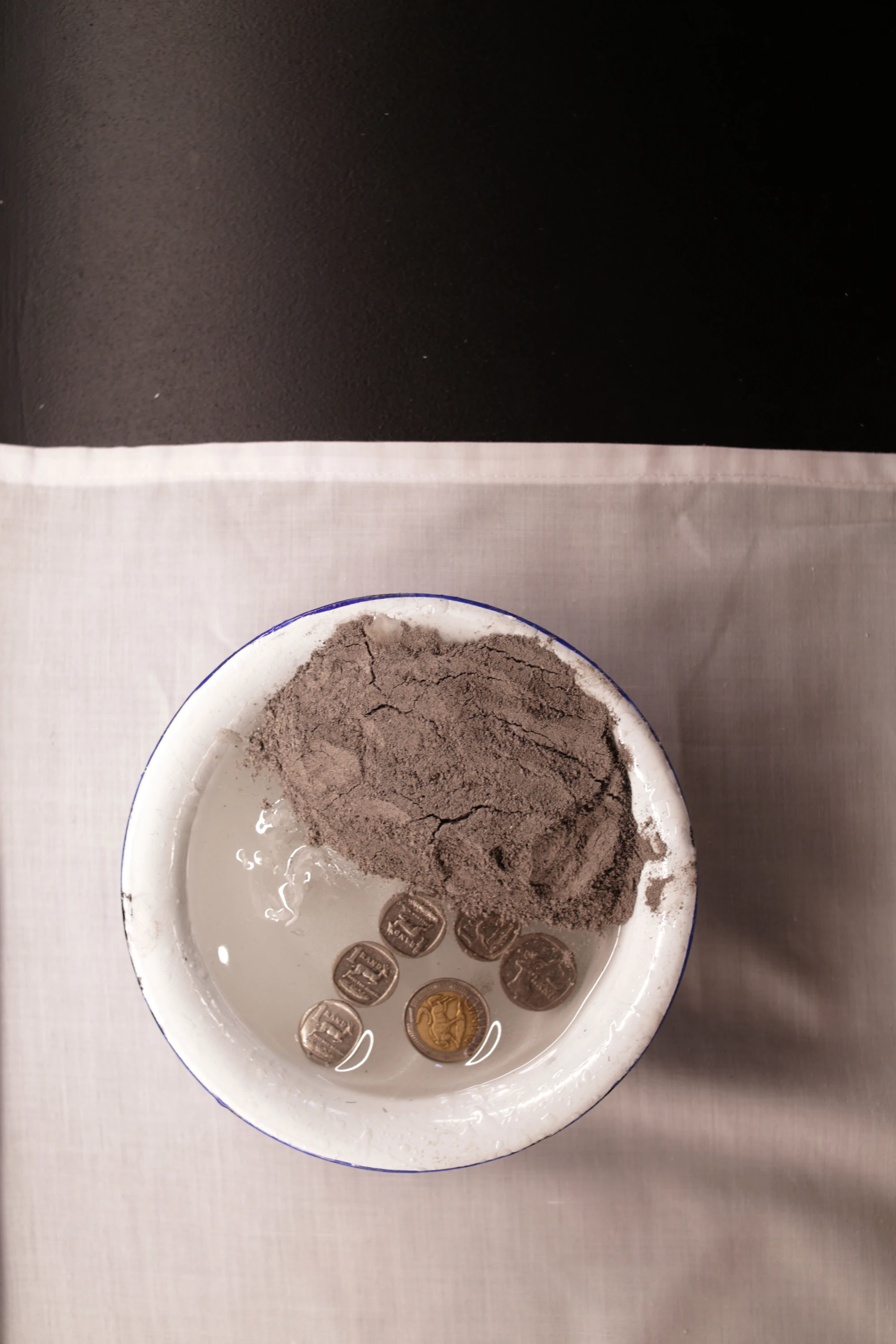
Zulu's work moves between photography, filmmaking and installation, allowing him to explore a subject from different perspectives and engage audiences through more than simply the visual.
“Through my different media, I’m trying to find different ways to tell stories. Different people consume information through different media. I want people to experience through different senses – even olfactory and sound. I use a lot of soundscapes in my installations.”
That multi-sensory approach has become an important part of his work, transforming galleries into spaces that audiences can experience rather than simply observe.
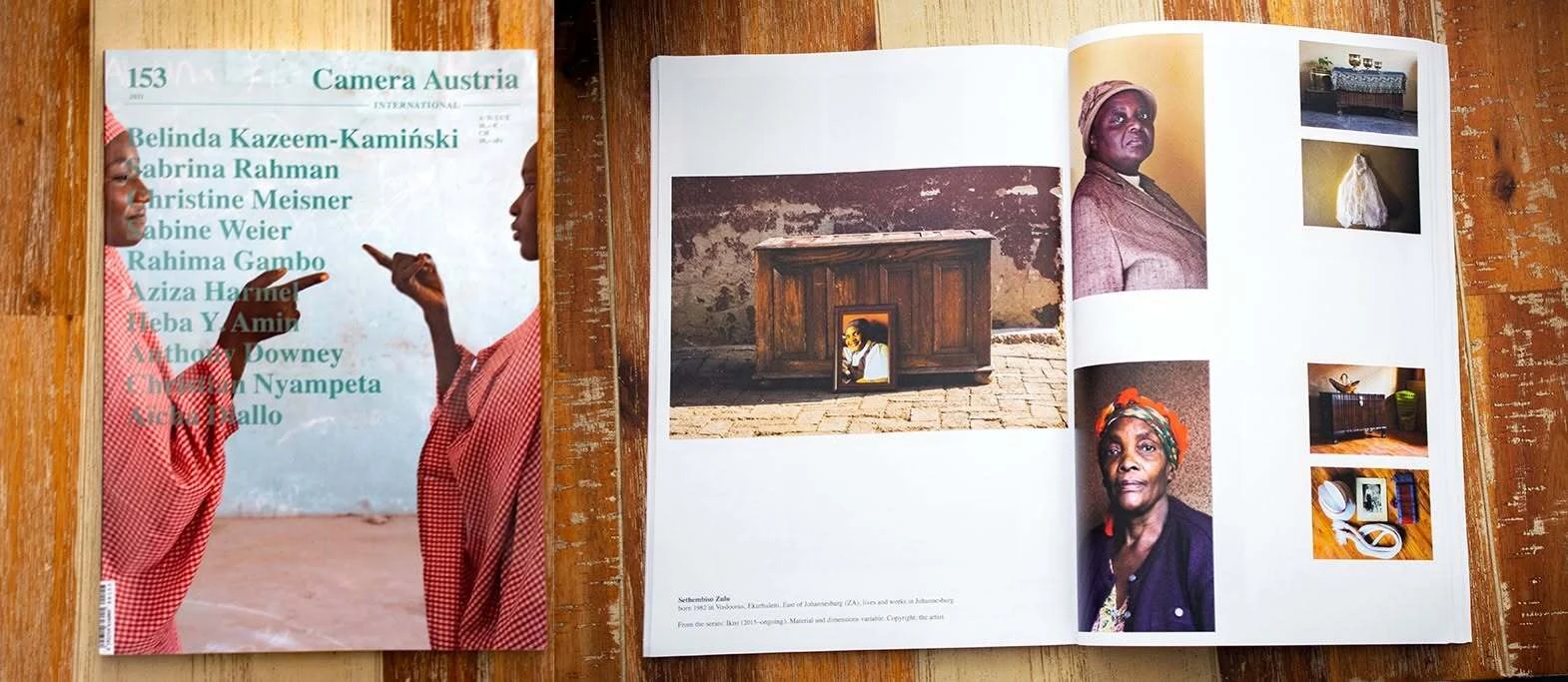
His background in documentary photography is evident in a career that has taken his work from South Africa to international exhibitions, including the African Photography Biennale in Bamako, Der Greif in Munich, the Copenhagen Photo Festival, and the LoosenArt Gallery in Rome.
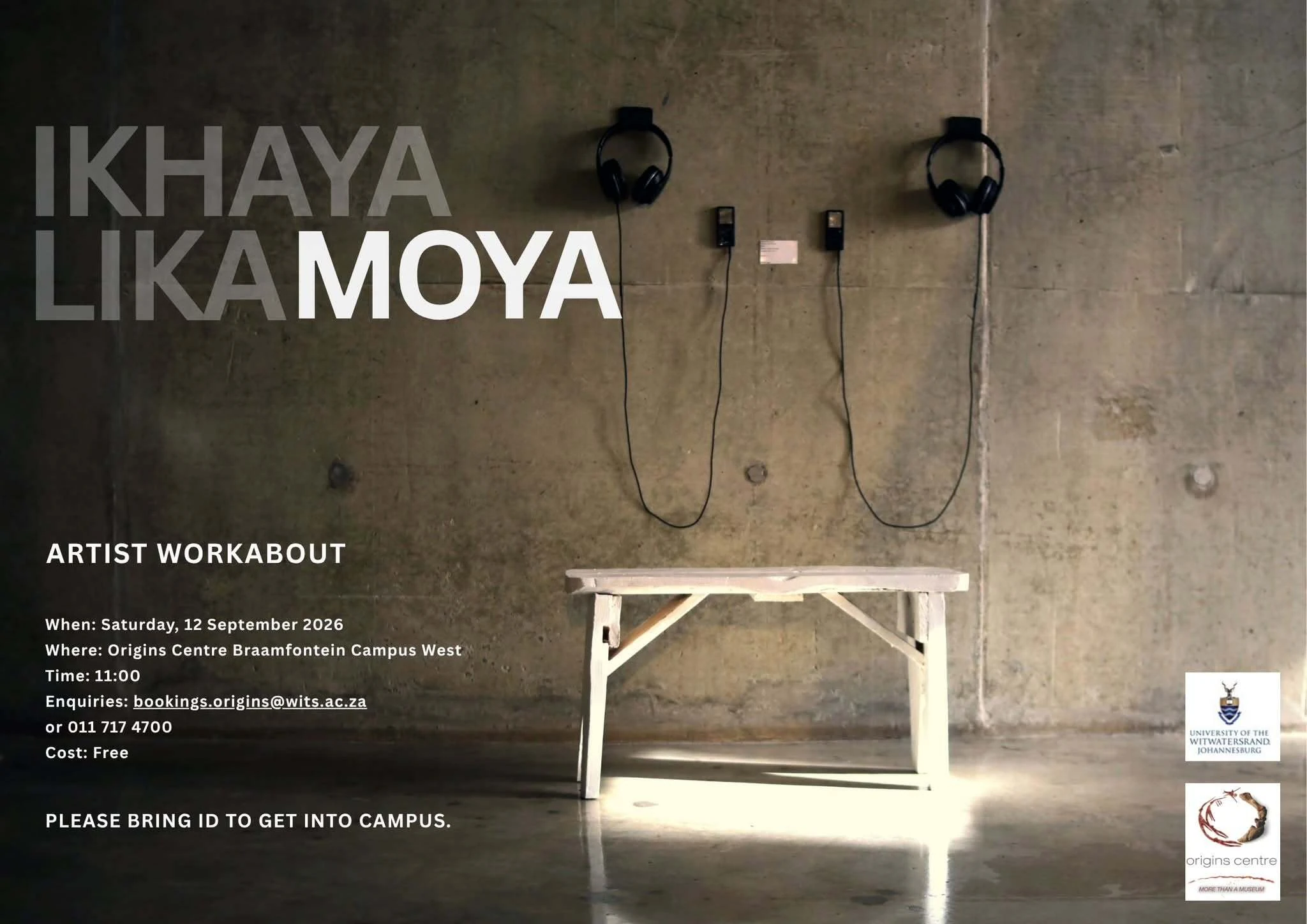
His debut solo exhibition, Ikhaya Likamoya, was hosted by North-West University Gallery and the William Humphreys Art Gallery, which acquired the body of work for its permanent collection. Zulu was also the recipient of the Ekurhuleni Prize at the 2021 Thami Mnyele Fine Arts Awards for Ngithunywe Yisithunywa.
His background in rigorous documentary practice is reflected in numerous accolades, including receiving a Special Mention at the Vodacom Journalist of the Year Awards and earning a Merit Award at the SAB Environmental Journalism Awards.
For young creatives trying to find their place in an increasingly crowded visual landscape, Zulu has a straightforward message: stop looking sideways.
“Be yourselves. Don’t try to copy other artists or emulate what they’re doing. People go on social media and see those with lots of followers, so they copy, which means we end up having lots of similar drawings and stories. You have to be yourself, share what you know, and you’ll stand out.”
This advice fits neatly with his own practice, which is rooted in personal experience while asking broader questions about South African identity and history.
Zulu's time in KZN is far from over.
He is embarking on an 18-month, practice-based research and visual storytelling project through the University of the Free State Artist-in-Residency programme, titled A Visual and Spiritual Inquiry.
The project will investigate the rituals, theological practices and spiritual hybridity of African Independent Churches in uMlazi township, while also exploring the historical relationship between Durban’s African spiritual communities and the wider Indian Ocean world.
“There are different media that I want to try, including textiles and sculptures,” he says, with the possibility of a longer-term exhibition emerging from the research.
There are also new photographs and films in the pipeline, alongside discussions around a possible documentary feature for Netflix.
For an artist who sees heritage as a living archive, KZN offers plenty of stories still waiting to be explored.
Keep following his work on:
📍 The best things to do in Durban
🍽 The best restaurants in Durban
🏨 The best hotels in Durban
🛏️ Where to stay in Durban
📢 Latest news from Durban
Follow Time Out Durban on Instagram, Facebook, and TikTok! To get the coolest news, features, and things to do straight to your inbox, sign up for our newsletter.
Discover Time Out original video