[category]
[title]
These trends may seem new, but Durban has been ahead of the curve for years, says Unilever Food Solutions' Chef Danielle Venter.

If there’s one city in South Africa that understands flavour, it’s Durban! This is where generations of culinary storytelling all collide on one plate. And, according to Unilever Food Solutions’ Future Menus 2026 Report, Durban’s food scene is perfectly positioned for the biggest global dining trends of the year.
The 4th edition of this global report draws on insights from more than 250 chefs across 75 countries, millions of online searches, and real diner behaviour to predict what’s shaping restaurant menus worldwide. The major themes for 2026 include Culinary Roots, Street Food Couture, Borderless Cuisine, and Diner-Designed dining experiences.
According to Chef Danielle Venter, the Demand Creation Chef at Unilever Food Solutions, Durban, the city has actually been living these trends for years: “Durban’s food culture has always been deeply rooted in heritage. We’re seeing a renewed pride in traditional flavours, techniques and storytelling through food.”
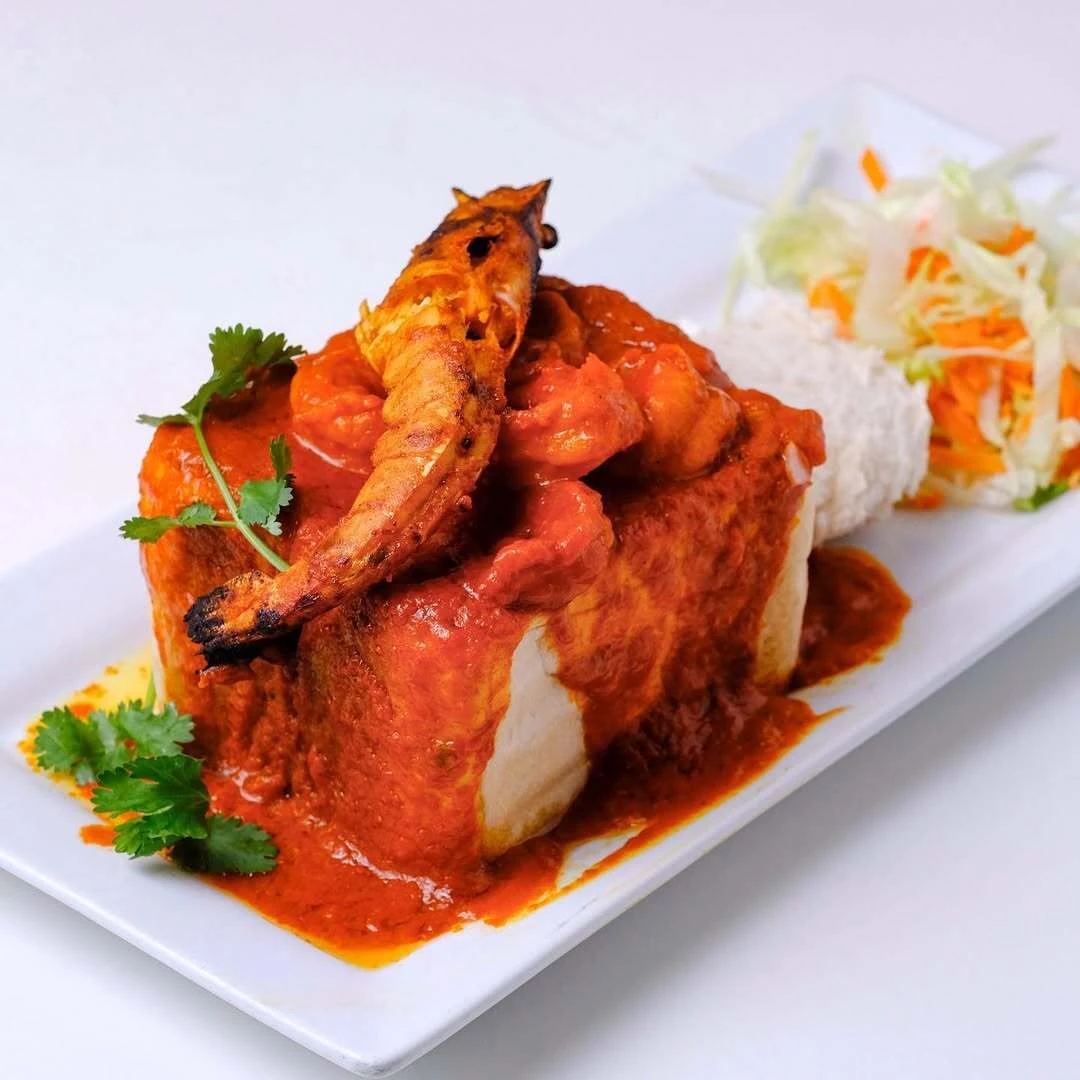
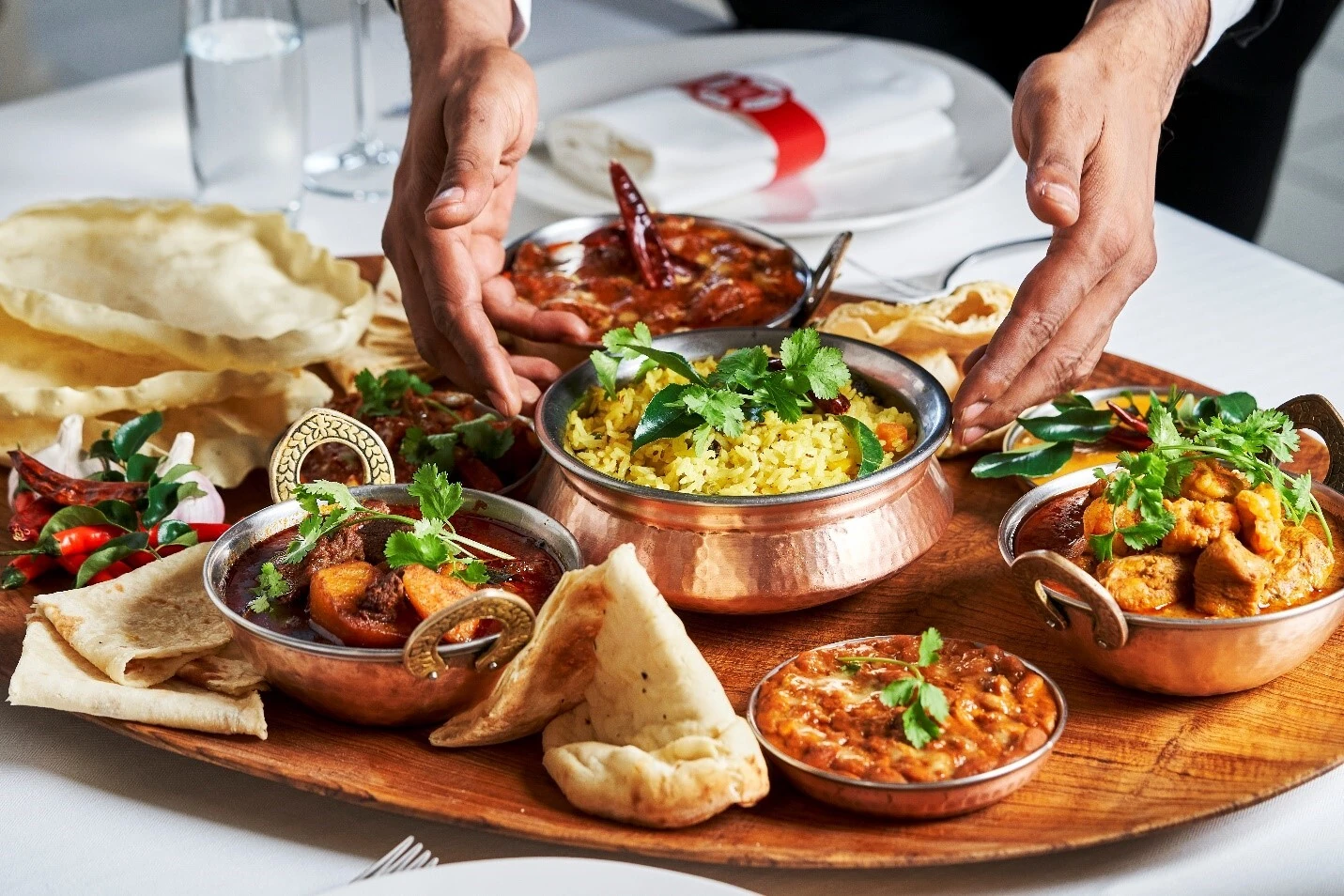
She says that iconic local favourites like bunny chows, slow-cooked curries, chakalaka, sambals, rotis, and spice-rich Cape Malay dishes are now becoming celebrated culinary experiences. Instead of reinventing traditional dishes beyond recognition, chefs are refining them with better ingredients, thoughtful presentation, and modern techniques while keeping the soul of the dish intact.
And locals are loving it.
Venter adds there’s a growing momentum around elevated versions of Durban street food: “Familiar formats are being refined without losing their soul. Chefs are reworking classics like bunny chows, samoosas, rotis and grilled meats with better-quality ingredients, more thoughtful presentation, and sometimes modern techniques, while keeping the flavours recognisably Durban.”
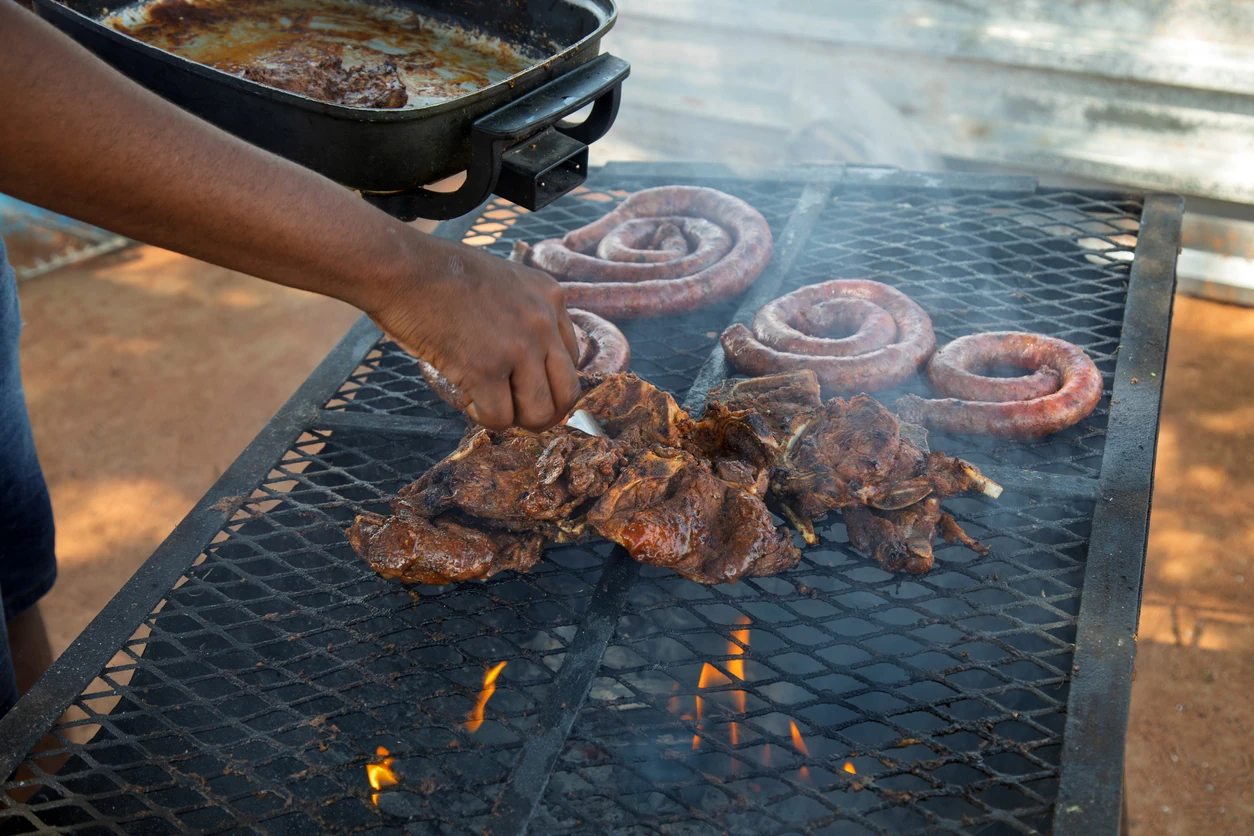
Another major trend expected to dominate KZN restaurants this year is Borderless Cuisine, where chefs blend flavours and influences from different cultures. Where else can you move from a perfectly spicy bunny chow to Portuguese-style prawns, flame-grilled shisanyama, and a beautifully spiced Cape Malay curry in a single weekend?
One ingredient that Venter says she hopes to see more of in Durban cuisine is sorghum: “Sorghum is incredibly versatile. It can be used in breads, salads, risottos, desserts, and even as a modern grain alternative, while delivering great nutritional value and being naturally climate resilient.”
She says highlighting sorghum on menus supports sustainability and local agriculture while reconnecting diners with part of the region’s culinary heritage: “Used creatively and confidently, sorghum fits perfectly into the growing focus on culinary roots and proudly South African food stories.”
Venter says anyone wanting to experience Durban properly in 2026 should focus on the city’s three culinary pillars:
Topping the list is bunny chow, representing Durban's Indian heritage and the city's love for bold, unapologetic flavour. Whether enjoyed from a traditional curry house or a modern restaurant reinterpreting it, a bunny chow is essential to understanding Durban.
Also read: The best Indian restaurants in Durban
Experiencing flame-grilled meats, pap, chakalaka and shared plates in an authentic setting captures how Durbanites gather, celebrate, and eat together. Some restaurants are now elevating this experience while staying true to their roots, which adds a new layer to the story.
Through spiced stews, curries, sambals, rotis, and sweet, savoury desserts, these flavours showcase careful spicing and heritage cooking. Seeing these flavours appear more confidently on menus across KZN adds richness and balance to Durban's food narrative.
The Future Menus 2026 reports are available for free download and include recipes, practical tips, trend insights and chef-led inspiration for every corner of the kitchen.
📍 The best things to do in Durban
😋 The best restaurants in Durban
🏨 The best hotels in Durban
🛏️ Where to stay in Durban
Discover Time Out original video