[category]
[title]
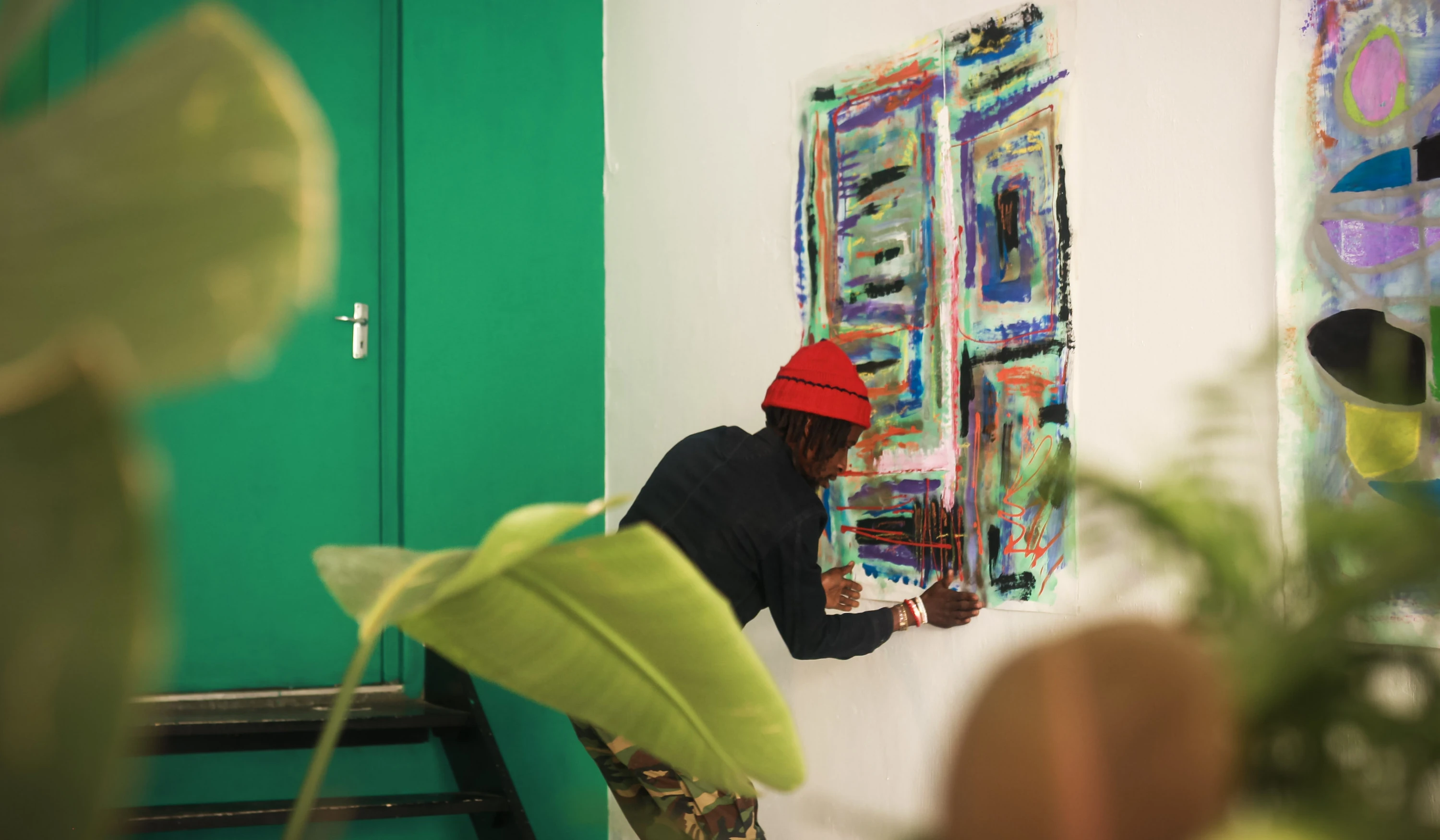
The Melville Art Mile isn’t just a night out. It’s a monthly reminder of what a walkable neighbourhood in Joburg can feel like.


Melville’s always been good at reinvention. It’s carried the city through decades of late nights, first dates, student misadventures, and the kind of after-hours stories that start with “you won’t believe what happened last night…”. But in recent years, the narrative has hardened into something flatter and less fair: Melville is unsafe; Melville is only for students; Melville isn’t what it used to be.
Aubrey Moloto is trying to change that story, not with a statement, but with an experience you can actually walk.
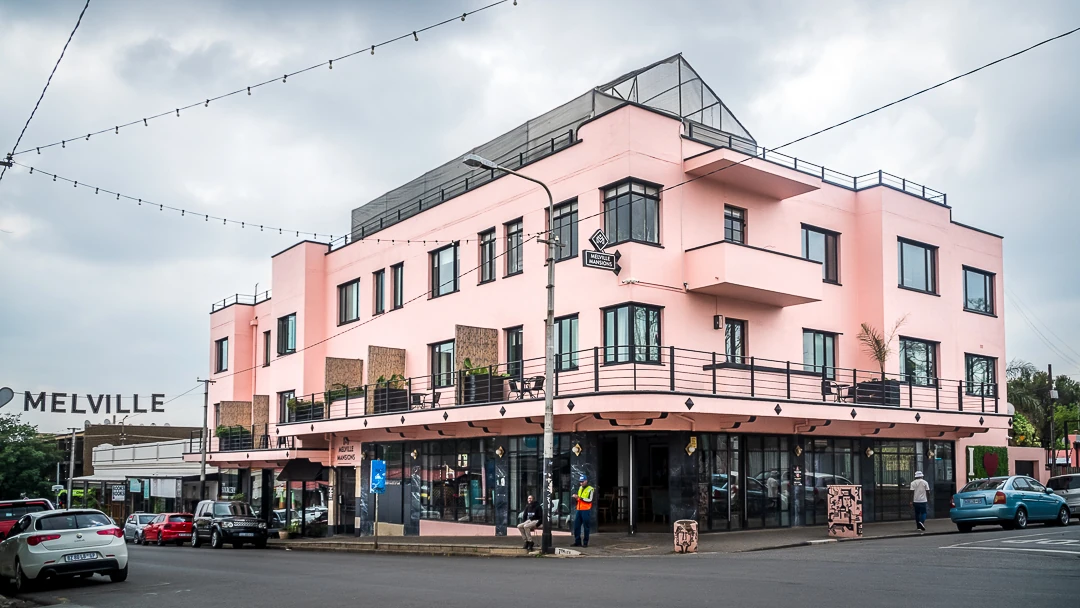
The Melville Art Mile is a monthly First Thursday event built around Melville’s famous 7th Avenue, designed to celebrate the suburb’s creative heritage and - crucially - rebalance who shows up and how they move through the neighbourhood. “We’re trying to shift the narrative that Melville isn’t safe at night and is too student-focused,” Moloto says in an interview with Time Out. The goal isn’t to sand down Melville’s edge or energy, but to draw back “a more diverse, mature, and higher-end crowd to correct the balance slightly”.
The spark came after a trip to Cape Town, where Moloto felt the pull of First Thursdays and saw how whole neighbourhoods can become shared public space for one night every month. “I thought, Melville can do that,” he says. “We’ve got this leafy, walkable residential side with home studios and a strong business node, so all the ingredients are there.” He’d already been speaking with gallery owners about building a forum or association. The trip just made it feel urgent. “Okay, it’s time.”
If you assume the Art Mile is mostly about art, Moloto will gently correct you. The foundation was a collaboration. “Honestly, all four,” he says, when asked what Melville needed most: safety, collaboration, foot traffic, or pride. “But collaboration came first. Without the residents’ association, the Melville Security Initiative, and the business owners all pulling in the same direction, none of the rest would’ve been possible. Safety unlocked foot traffic, and foot traffic rebuilt pride. They’re all connected.”
That chain reaction is what makes the Art Mile feel bigger than a single event. It’s a moment of neighbourhood alignment, where the practical work is part of the culture: neighbours and business owners all come together to clean streets, improve security, erect clear wayfinding, build a route that encourages walking, and instil a sense, however brief, that the street belongs to the people on it.
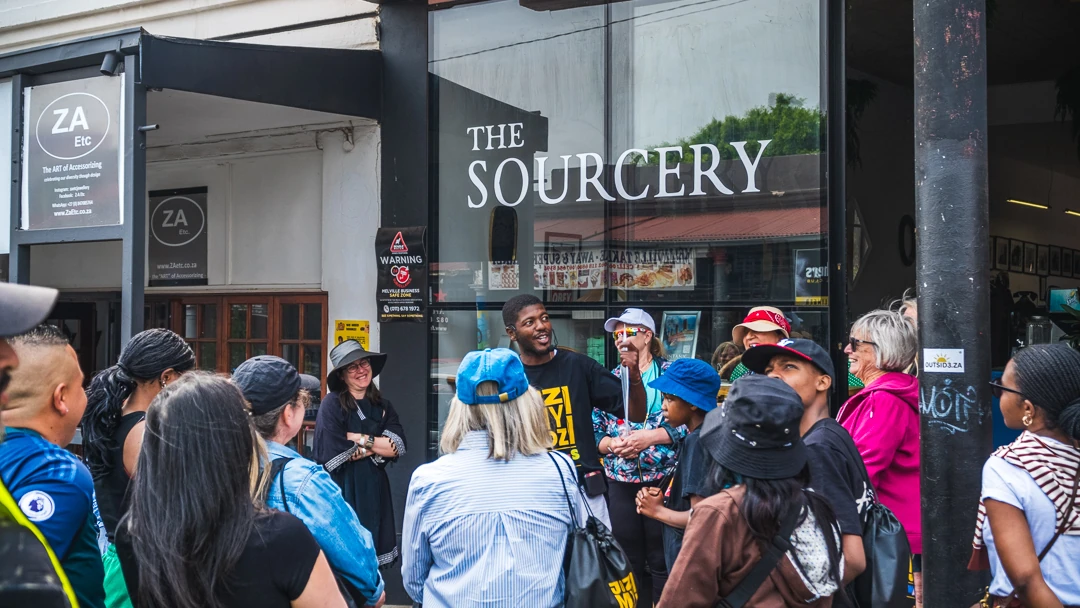
On the night, the energy is electric. “The streets start filling up, and the crowd is noticeably different from a typical Melville Thursday night.” You’ll see route arrows, venues staying open late, and small groups moving between galleries, restaurants, and activations. Some arrive with a plan. Most end up wandering, which is kind of the point.
Then there are the tuk-tuks. They’re practical, and very Instagrammable, yes, but they’re also a sign of things to come. “They add a whimsical, playful element that signals tonight is different,” Moloto says. “Most of us don’t travel by tuk-tuk day-to-day, so they immediately create a moment, a vibe, an extra energy that sets the Art Mile apart from an ordinary evening out.”
He is clear that the Mile’s success has taken serious work, and a long list of people who’ve carried it with him. The Melville Residents Association helped prepare the route and infrastructure early on. The Melville Security Initiative sponsored the security detail for the first three months, including the safety plan and a patrol vehicle.
Business owners chipped in. Individuals paid for extra guards at the first event. The team at 27 Boxes, now known as the Johannesburg Artist Market, played an early support role. Partners and community organisations showed up in ways that rarely make headlines, but make projects like this possible.
Moloto’s also clear that the project has a backbone: the people managing the day-to-day. He singles out Kele Jackson, Operations and Social Media Manager at Snaps On Seventh, who’s been the Art Mile’s event coordinator from day one. “Without her hard work and support, this whole project would never have gotten off the ground,” he says.
Like most local-hero stories, the hardest part hasn’t been the idea. It’s been capacity. Moloto runs the Art Mile alongside everything else his organisation, Snaps On Seventh, produces: a weekly community newsletter, daily social media content, a local guesthouse brochure, and client work.
“January was particularly rough,” he says, when multiple client contracts landed at once. The solution’s been to restructure, building out an association model with directors holding specific portfolios. “That shift has made an enormous difference.”
And the sign it’s working isn’t one viral post or a single busy night. It’s the demand, and the way the neighbourhood talks about itself afterwards. “It hasn’t been hard to convince local businesses to participate,” Moloto says, with tangible relief. Their social channels have grown quickly, largely through promoting each event. But the moment that stuck with him was being out the next day, taking down posters, and having people stop to say how amazing the neighbourhood felt. “That said everything.”
The numbers back up the momentum, with hundreds of people recorded attending what has become Melville’s biggest night of the month at four anchor points: Bamboo in the north, Die Pienk Kerk in the south, Melville Mudroom in the west, and the Johannesburg Artist Market in the centre. Ticketing’s tiered, with a free community option, an R150 inclusive ticket, and an R450 private immersive walking tour.
So what comes next?
Over the next six to 12 months, Moloto wants every business on the route to play an active role in building out the meaning and promise of the Art Mile’s mission: staying open later and offering something that pulls visitors through the doors, whether that’s a special, a discount, or a small experience that makes the evening feel intentionally programmed.
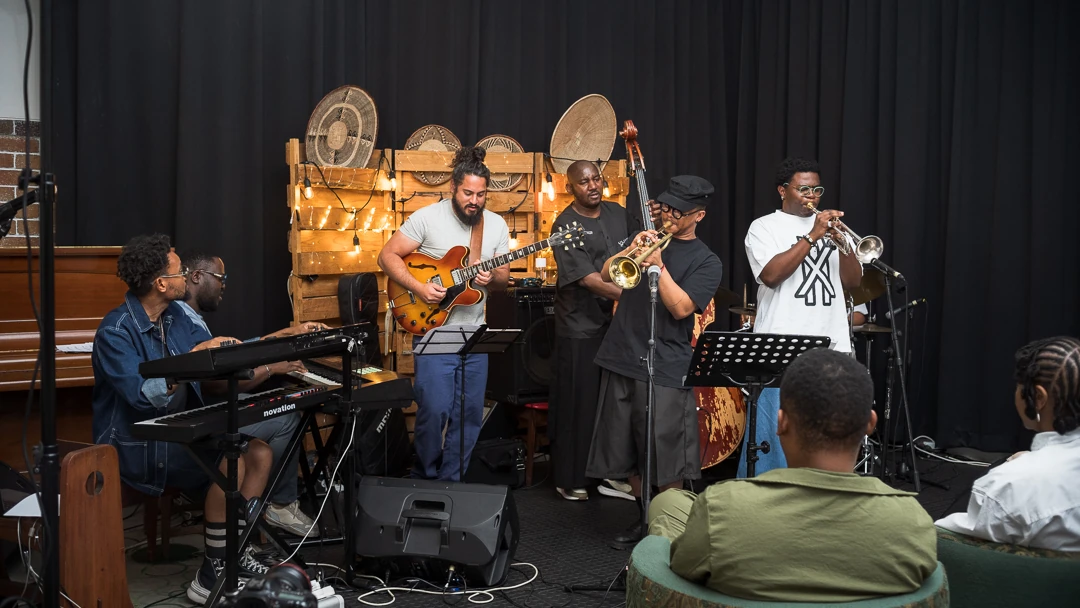
He’s also direct about what’ll help it grow: value-in-kind support from local businesses, and a major sponsor who can help add musicians, buskers, workshops, and richer programming that deepens the sense of immersion into one of Joburg’s most lovely neighbourhoods.
The ambition isn’t just a successful monthly event. It’s civic, in a Joburg way. “We want to attract the best artists and the widest audience in Joburg, make Melville an ideal place for tourists to visit and play our part in the regeneration of the city,” Moloto says. “We want to make Melville become the place we know it can be.”
On an Art Mile night, you can already feel it happening. The street looks different. People walk more slowly. Strangers speak to each other. The suburb stops apologising for itself. For a few hours, Melville becomes what it’s always promised.
RECOMMENDED
📍 The best things to do in Johannesburg
🛏️ Where to stay in Johannesburg
🏨 The best hotels in Johannesburg
🍽 The best restaurants in Johannesburg
🍺 The best pubs and bars in Johannesburg
Follow Time Out Johannesburg on Facebook, TikTok and Instagram!
Discover Time Out original video