[category]
[title]
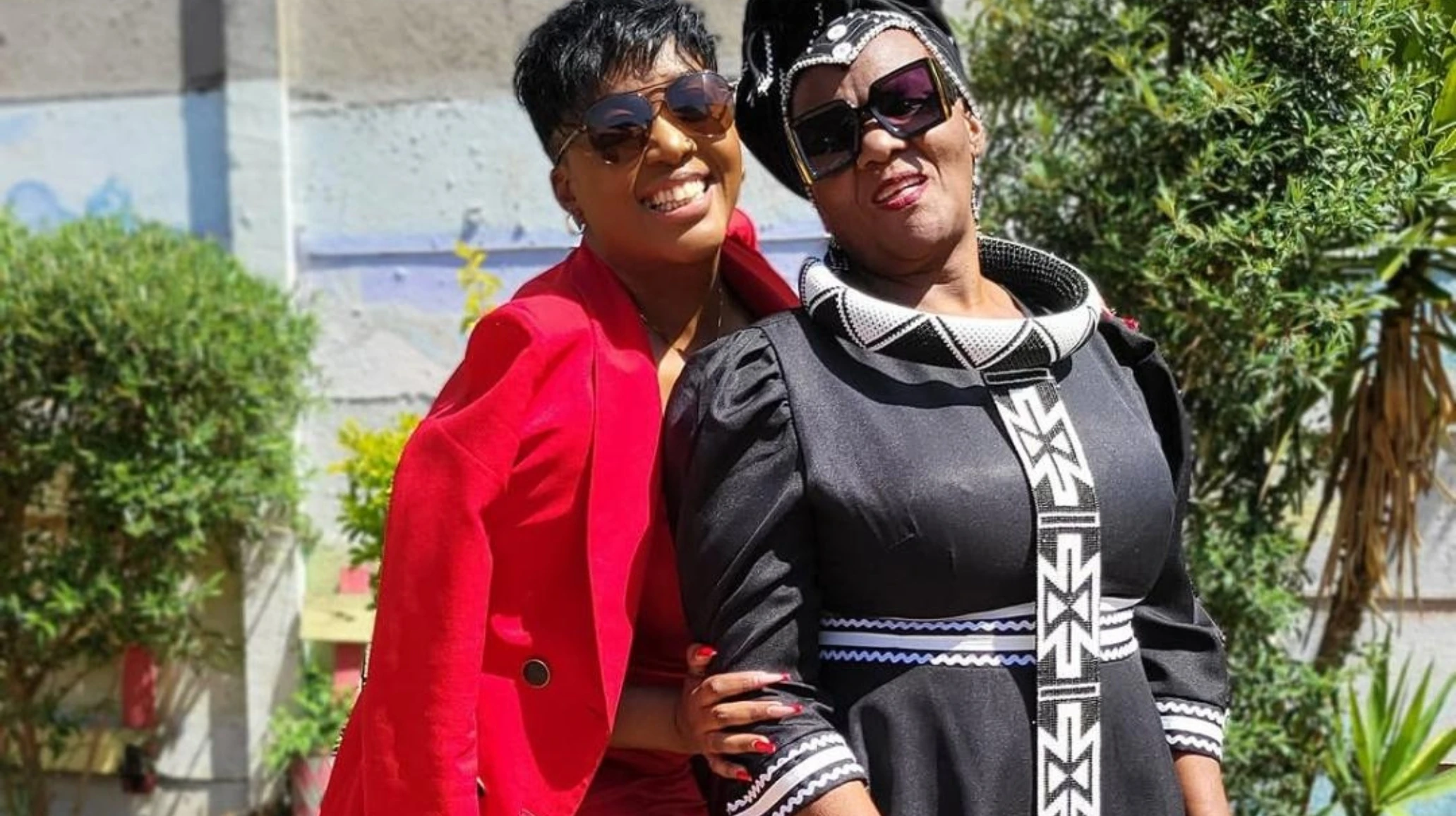
Running a charity is no easy task, but for Kgomotso Thebe, it’s a calling rooted in compassion, sacrifice and the legacy of her late mother.


For more than 20 years, the Jehovah Jireh Orphanage Centre in Soshanguve, Pretoria, has been a beacon of hope for vulnerable children. Today, Kgomotso Thebe is carrying forward the vision started by her late mother, the compassionate and loving Nelly Matjeke, affectionately called "Dr Nelly" who founded the organisation in 2003.
Speaking to Time Out Johanesburg, Thebe reflected on the remarkable journey that began with a simple act of kindness.
According to Thebe, her mother’s journey started after attending a church conference where a sermon about God being “a father to the fatherless” deeply moved her. On her way home, she came across a young girl wandering the streets without a shirt. That single moment would change countless lives.
Soon afterwards, Matjeke gathered her three children and shared her vision of opening their home to children who had nowhere else to go.
At the time, the family lived in a modest two-bedroom house.
“When we started, we had seven children at home. Mind you, it was a two-bedroom house, so we had to share our beds. I called them my siblings, so we shared everything with them,” Thebe recalls.
“I had just finished Grade 12 and was preparing to go to tertiary, but my mom wanted to make a difference in other people’s lives. She always said, ‘One child at a time.’”
Despite the sacrifices, Thebe says the love in their home made the transition feel natural.
“We didn’t even notice that we had other people at home. That’s how much love there was.”
Later, her late mom founded the Jehovah Jireh Orphanage Centre where she has been caring for 35 children at a time, until they become adults.
Just two months ago, tragedy struck when Matjeke died in a car accident.
Although the family is still grieving, Thebe says she has had little time to process the loss.
“I haven’t even started mourning because I had to show up for the children and make sure everything continues. They still need stability, especially with their schooling.”
She says her mother had unknowingly prepared her for this responsibility years before her passing.
For some time, Thebe had already been overseeing the orphanage while her mother focused on running Nkateko Old Age Home with her partner.
“We still feel her presence at the orphanage,” she says.
To help everyone cope, counseling has been arranged for both the children and staff members.
“I’m also attending counseling because this has affected all of us.”
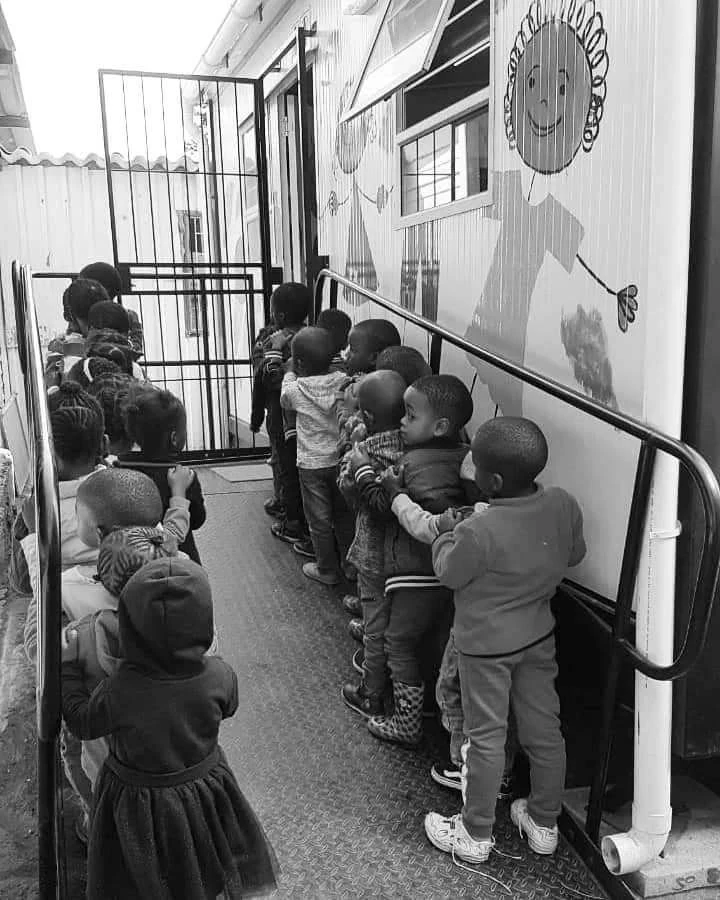
Today, Jehovah Jireh Orphanage Centre is home to 35 children, providing them with far more than accommodation.
The children attend nearby schools, receive counseling and have access to healthcare and emotional support.
The organisation was originally established to care for children orphaned by HIV/AIDS, many of whom were also living with HIV.
Looking back, Thebe believes South Africa has made significant progress in supporting these children.
“I’m proud to say that government has really improved healthcare for vulnerable children. Our children can access clinics much more easily now.”
She says clinic visits that once took several hours now take less than an hour, allowing children to receive their medication quickly and continue with their daily lives.
“They’re also receiving counseling and proper support. A lot of these positive stories don’t always make it into the media, but we’ve seen the progress firsthand.”
She also notes that the number of HIV-positive children being admitted has decreased significantly compared to when the orphanage first opened.
Over the years, Jehovah Jireh has cared for more than 1,000 children.
To help keep the orphanage financially afloat, Matjeke also established an elementary school.
The school welcomes children from the surrounding community, with school fees helping to support the running of the orphanage.
“It was my mom’s way of creating sustainability because donor funding wasn’t always guaranteed,” says Thebe.
She adds that the Soshanguve community has always embraced the children with kindness and has continued supporting the organisation, especially following her mother’s passing.
While the charity continues its work, maintaining the facilities remains one of its biggest challenges.
From repairing doors and buildings to providing food, clothing and other essentials, the needs are ongoing.
Thebe says people don’t always have to donate money to make a difference.
“If you’re a plumber, electrician, painter or have any other skill, you can volunteer your time. Every little thing goes a long way.”
As South Africans mark Mandela Day, she hopes more people will support organisations caring for vulnerable members of society.
“It takes a village to raise a child. We are a country built on Ubuntu, and I think we need to bring that back.”
“There are people who are less fortunate and going through difficult times. Share whatever you have, even if you think it’s small. Visit organisations in your community and see the work they’re doing. Every act of kindness can change someone’s life.”
RECOMMENDED:
📍 The best things to do in Johannesburg
🛏️ Where to stay in Johannesburg
🏨 The best hotels in Johannesburg
🍽 The best restaurants in Johannesburg
🍺 The best pubs and bars in Johannesburg
Follow Time Out Johannesburg on Facebook, TikTok and Instagram! While you're at it, sign up for our newsletter to receive even more of the best of your city.
Discover Time Out original video