[category]
[title]
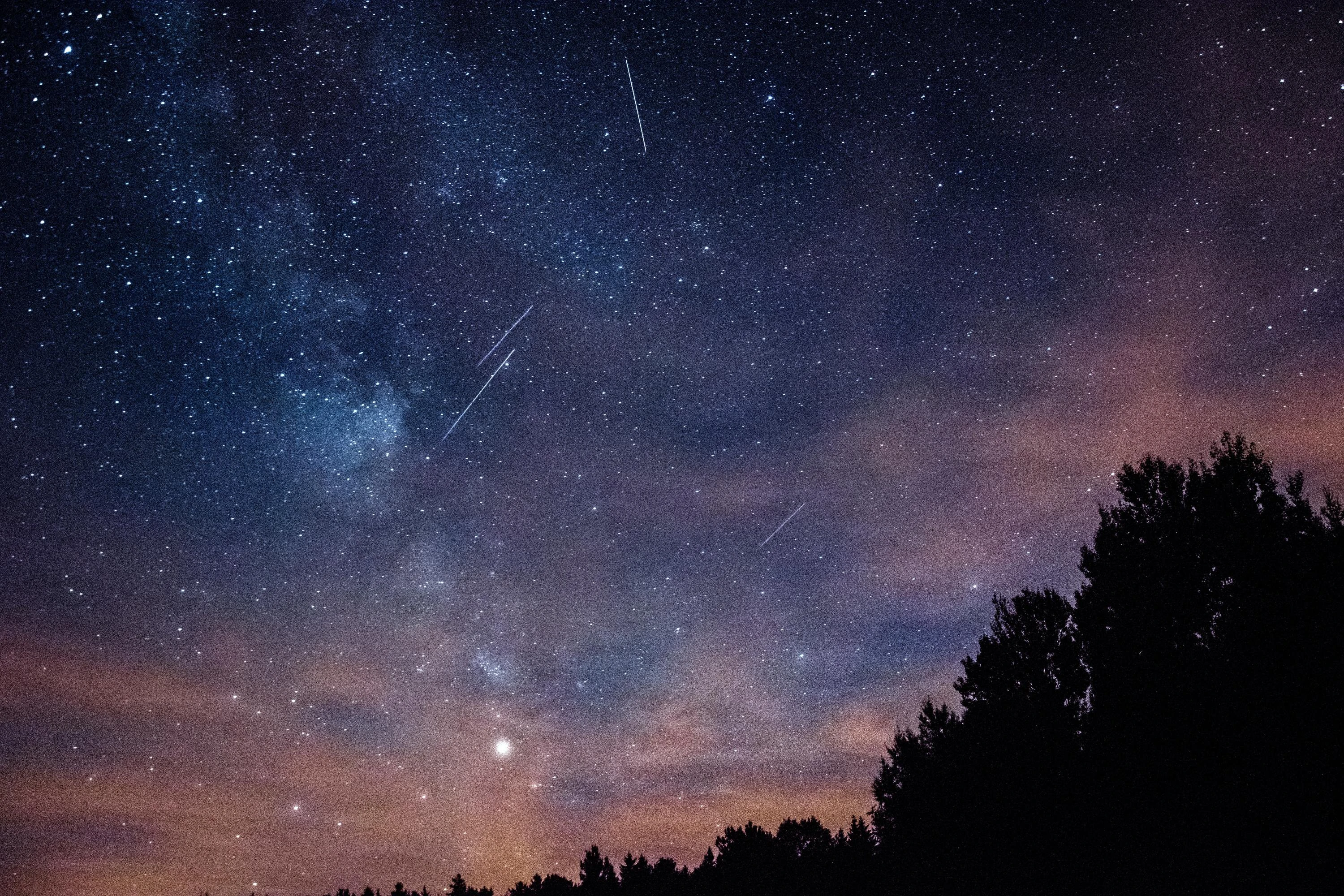
Streaking across skies visible from Montreal at more than 120,000 km/h, a meteor has triggered sonic booms, shaking buildings and prompting sightings across the Northeast.


What began as reports of mysterious explosions and shaking buildings across New England turned out to be something far more extraordinary: a meteor blazing through Earth's atmosphere.
According to a report by the CBC, residents across several northeastern U.S. states reported hearing loud double booms on Saturday afternoon.
But that’s not all.
There were also many reports of people feeling buildings tremble and spotting a bright fireball streaking across the sky.
Read: Canada could be next as America's explosive tornado season shifts in an alarming way
Sightings stretched from Delaware all the way to Montreal, prompting confusion and concern as authorities worked to identify the source.
According to the American Meteor Society, the culprit was a meteor nearly one metre wide that entered the atmosphere near the New Hampshire–Massachusetts border, just north of Boston.
NASA later confirmed the object was a naturally occurring meteor—not a satellite or piece of space debris. The space rock entered Earth's atmosphere at approximately 2:06 p.m., travelling at a staggering speed of about 120,700 km/h.
Observers described the object as far larger and brighter than a typical shooting star. Reports poured in from across the region, with some people witnessing the fireball in broad daylight while others heard powerful sonic booms or felt the ground shake beneath them.
The American Meteor Society noted that the meteor was significantly larger than a typical fireball, measuring roughly a metre across before breaking apart high above the ground.
NASA estimates the object fragmented roughly 60 kilometres above Earth's surface, releasing energy equivalent to approximately 300 tonnes of TNT. That dramatic breakup is believed to have produced the thunderous booms heard across the region.
Despite the excitement, experts say it's unlikely that any fragments reached land. Most meteors of this size burn up before reaching the ground. If any material survived the descent, specialists believe it most likely would have fallen into the Atlantic Ocean.
The event was so powerful that some residents initially believed they had experienced an earthquake. Multiple reports were submitted to the U.S. Geological Survey's "Did You Feel It?" system after people reported shaking buildings and rattling windows.
However, seismographs detected no earthquake activity, confirming that the vibrations were caused by the meteor's atmospheric explosion rather than seismic movement.
For many observers, it was a rare daytime celestial spectacle—one that lit up skies visible from Montreal and left thousands across the Northeast wondering what had just happened.
RECOMMENDED:
Full guide to the best things to do in Montreal
Discover Time Out original video