
[category]
[title]
Millions of Quebecers could find themselves in high-risk freezing rain zones with a risk of widespread power outages.


The province of Quebec is poised to come to a standstill as Environment Canada warns of critical freezing rain.
After a brief taste of summer thanks to some above-average temperatures, Greater Montreal and the regions of Outaouais, Laurentides, and Lanaudière are expected to be among the most affected by an incoming system.
Read: amazing indoor activities in Downtown Montreal
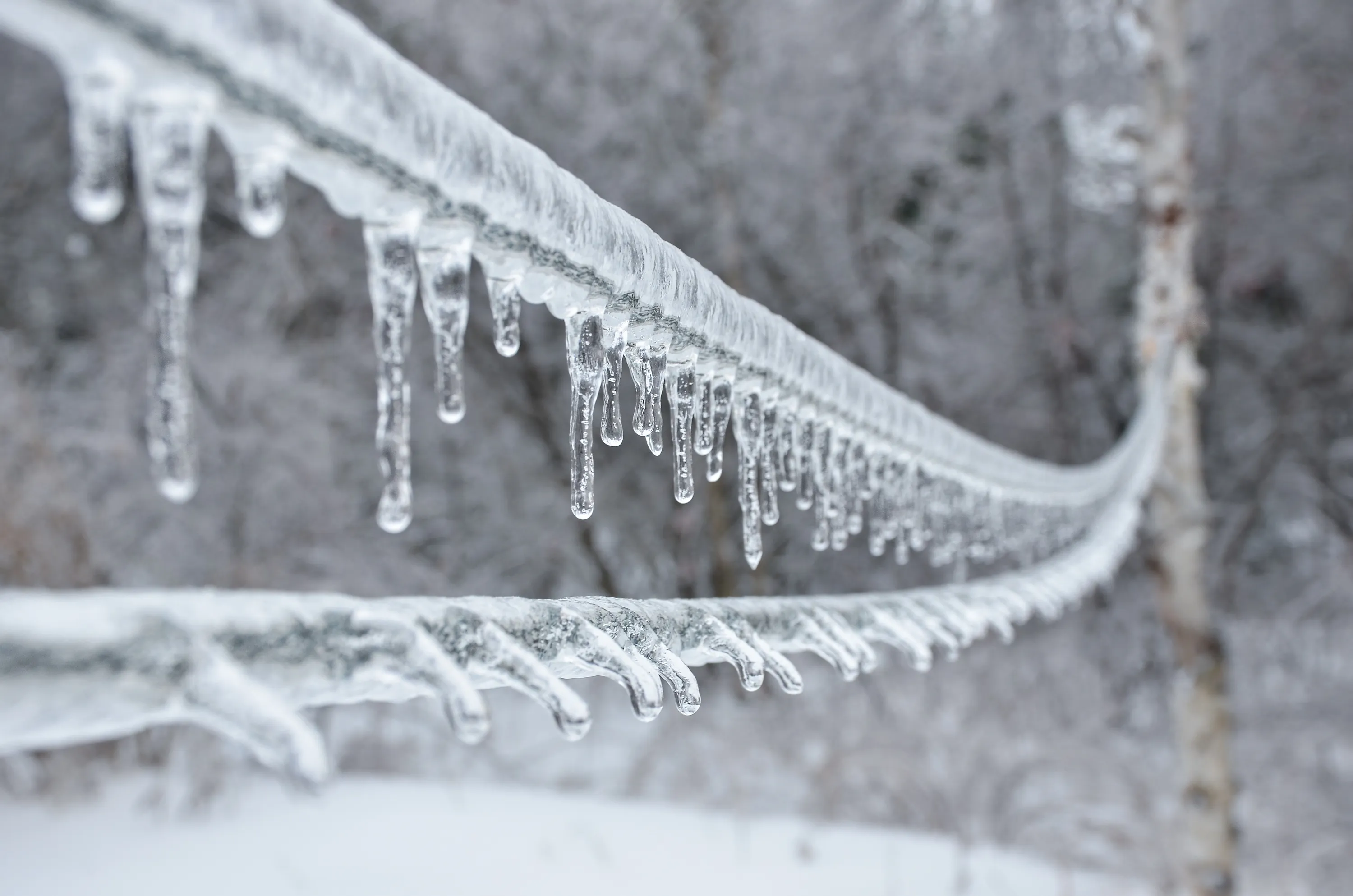
According to an updated orange warning from Environment Canada, a potentially critical weather event is expected to bring up to 30 mm of freezing rain.
Check out : New indoor 85,000-square-foot water park opens near Montreal
The event could last up to 24 hours, paralyzing some services starting on Wednesday to Thursday.
The report goes on to caution that conditions will remain cold in subsequent days, resulting in complications and delaying the full return to normal services.
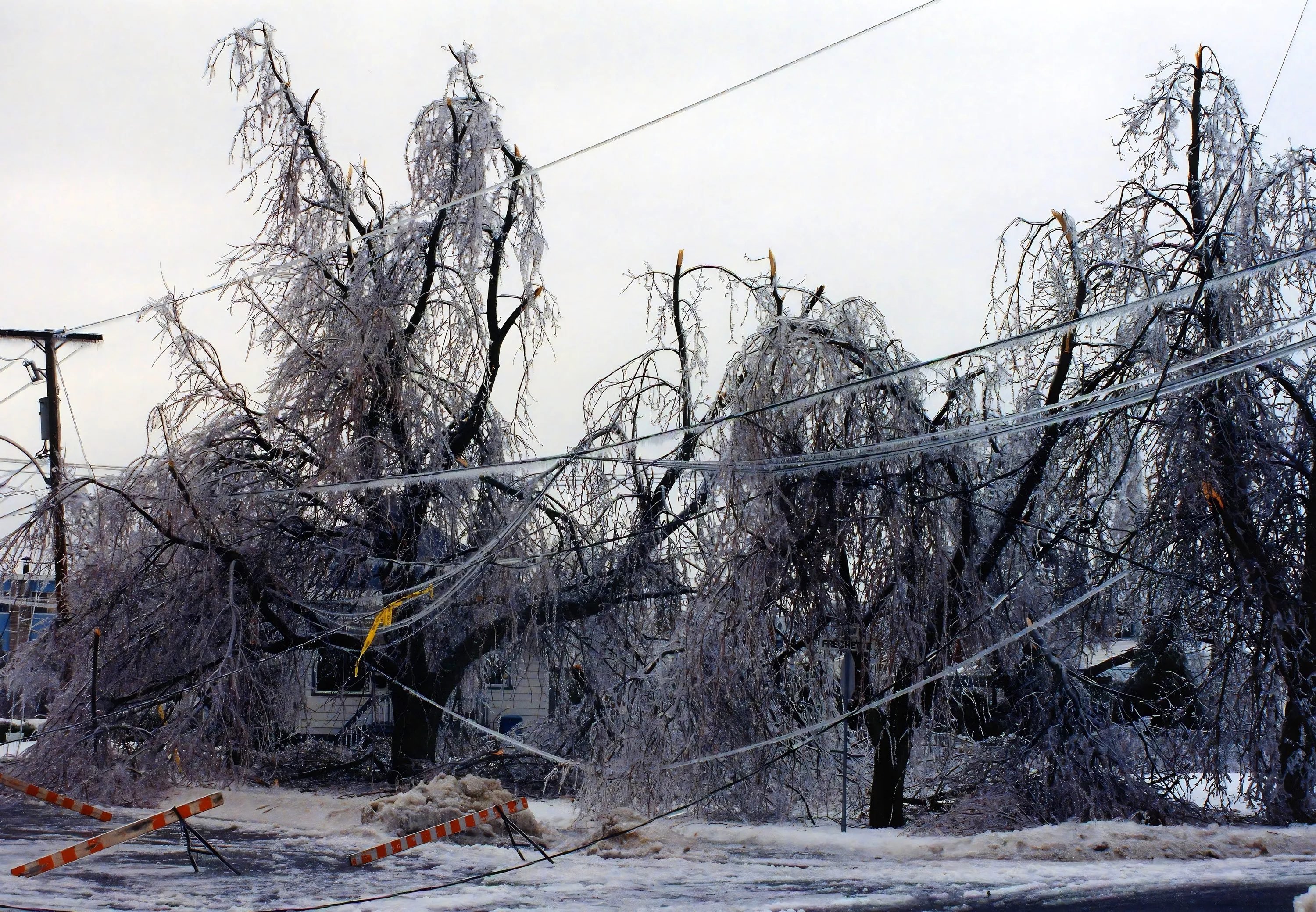
Quebecers should expect transportation delays and cancellations, and prolonged utility outages are likely.
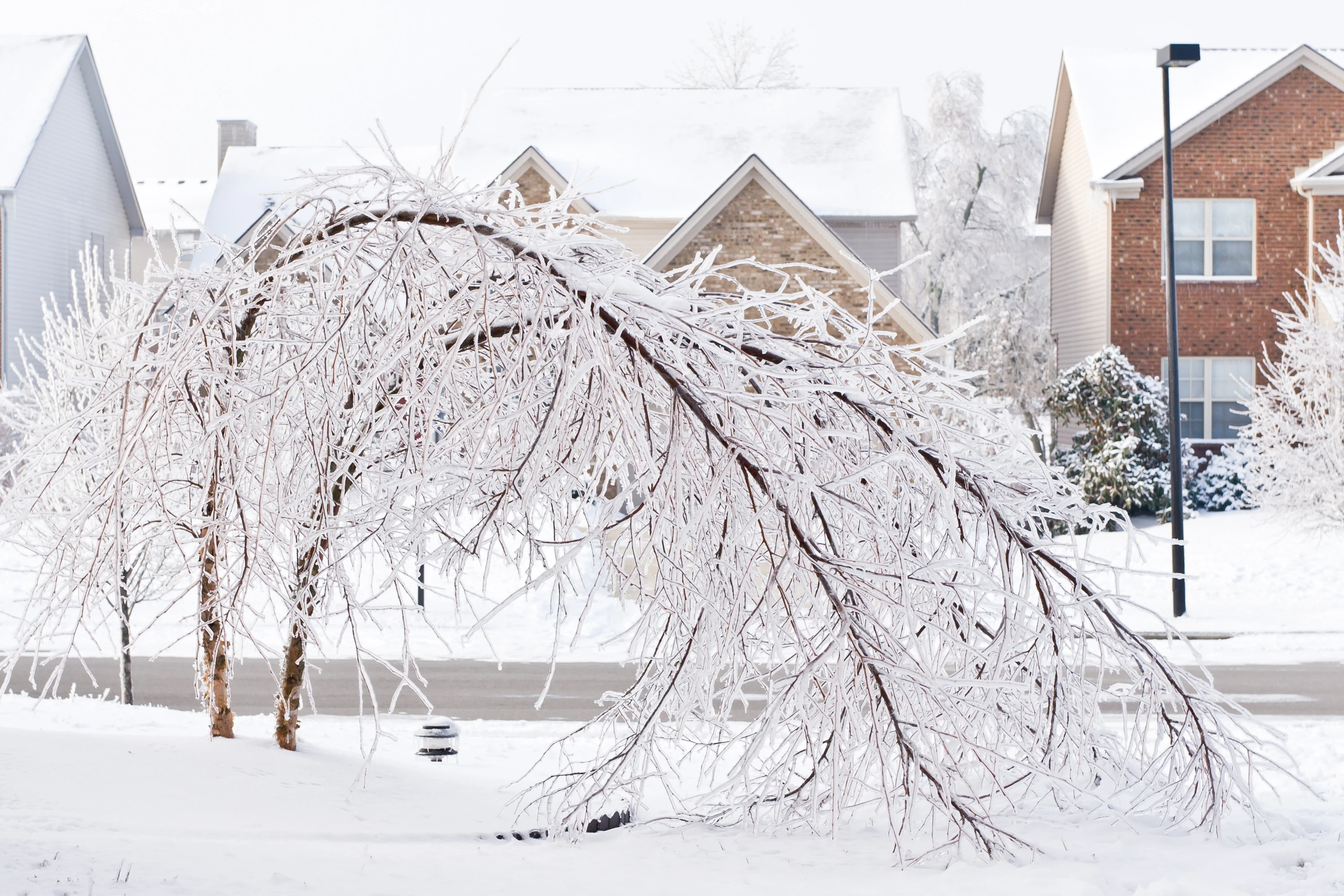
Significant damage to property, including some buildings and trees, is likely due to the weight of ice.
Be very careful if walking or driving. Non-essential travel should be avoided.
During an ice storm, it’s best to stay indoors and avoid unnecessary travel, as freezing rain can make roads extremely hazardous.
Make sure you have emergency supplies—such as water, non-perishable food, flashlights, a radio, and extra batteries—enough for at least 72 hours.
To stay warm, dress in layers and, if the power goes out, use safe heating options like fireplaces or approved space heaters, ensuring proper ventilation to prevent carbon monoxide poisoning.
Never use generators or barbecues indoors, and keep some airflow if using alternative heat sources.
Be cautious around downed or hanging power lines and always assume they are live.
Report them to authorities and keep a safe distance. Also avoid ice-covered tree branches, which can break and fall without warning.
Check in on elderly neighbours, people with disabilities, or anyone living alone to make sure they are safe and warm.
Around your home, clear ice from driveways and walkways and use salt or sand to improve traction.
Emergency kit: Stock water, non-perishable food, flashlights, and extra batteries.
Vehicle readiness: Keep your gas tank full and store a car emergency kit with blankets, an ice scraper, shovel, and sand or cat litter for traction.
Food safety: Set your fridge and freezer to the coldest setting so food stays fresh longer during a power outage.
Backup plan: Know where you could go for shelter if your home loses heat or electricity.
RECOMMENDED:
Full guide to the best things to do in Montreal
Discover Time Out original video