[category]
[title]
As the summer holiday season begins, Europe's holiday hotspots are running out of water and filling up with bacteria – here’s what’s going on


Europe is mid-heatwave and mid-meltdown.
A ‘heat dome’ has built over much of Western Europe this week: think of it as a giant lid trapping hot air over the continent, suppressing clouds and sending temperatures soaring. France, Spain and Italy have seen temperatures of 40C while the UK has experienced its hottest June on record.
It comes as the continent is also grappling with record tourist numbers, with popular coastal destinations buckling under the combined weight of extreme heat and the sheer volume of visitors. The two pressures are feeding each other, and it's getting ugly.
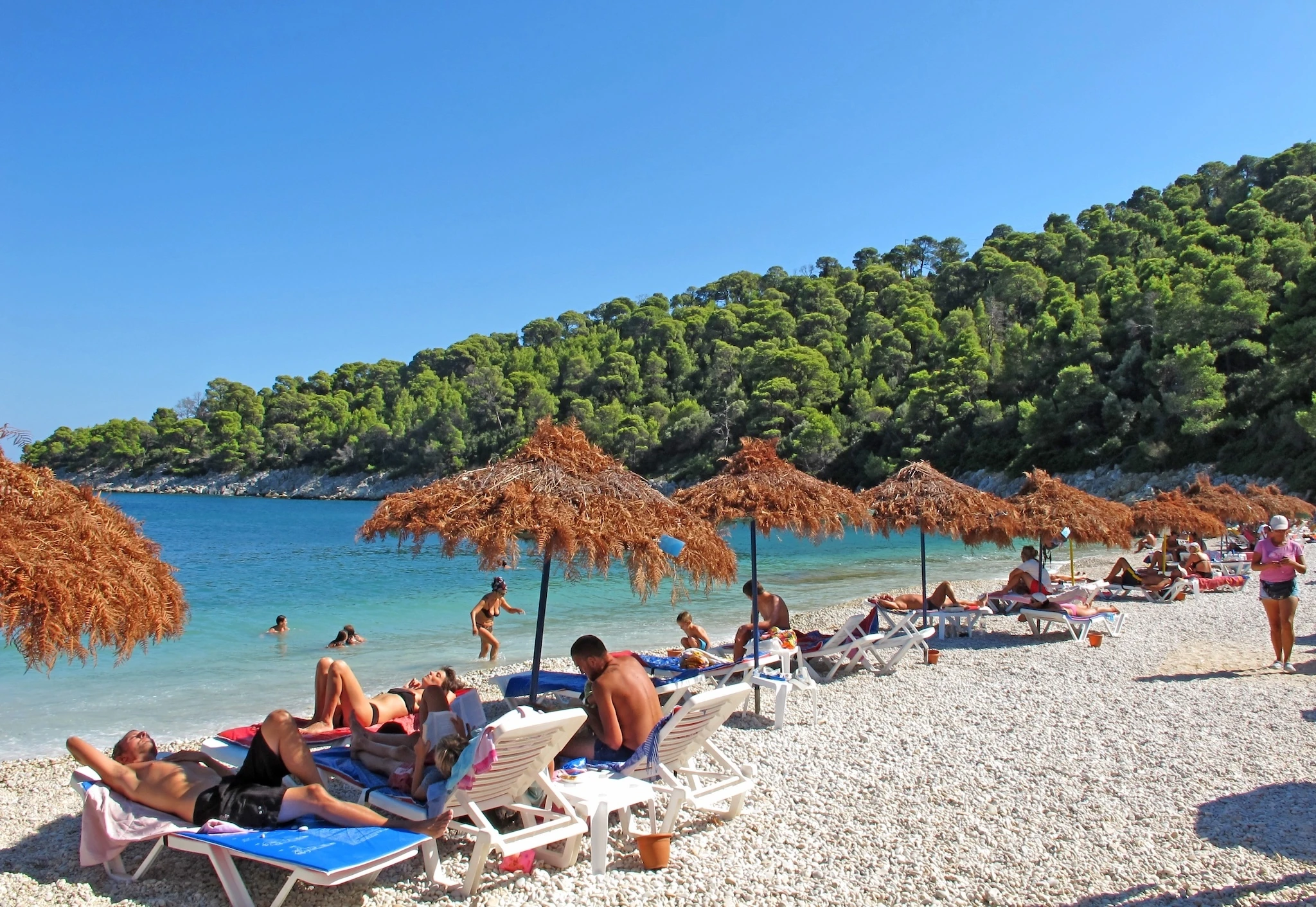
Last week, Greece declared a state of emergency on the Aegean islands of Alonissos and Tinos over severe drinking water shortages, according to Greek Reporter. The shortage came as peak tourist season arrived, sending local water consumption through the roof. Turns out a million tourists all wanting a poolside shower at the same time is not great for the pipes.
And it is far from just those two: Corfu, Karpathos, Leros, Patmos, Astypalea, Symi and Aegina have all hit crisis point over the past year.
These islands have permanent populations of a few thousand people. Come summer, they are hosting tens of thousands, and your average tourist uses up to four times more water per day than a local – what with the pools, the daily fresh towels and the landscaped hotel gardens. It adds up fast.
Warm seas might seem nice for a swim, but the not-so-pretty combination of heat and pollution could turn your sea dip into something more sinister.
Per euronews, there are concerns around rising levels of the Vibrio bacterium, a family of naturally occurring microorganisms found in warm, brackish coastal waters. Most strains are harmless, but some – such as Vibrio vulnificus – can cause severe and even fatal infections in rare cases, particularly in people with open wounds or weakened immune systems. In severe cases, infection can trigger necrotising fasciitis, in which tissue around a wound rapidly breaks down.
The European Centre for Disease Prevention and Control has warned of an increased risk of infections this summer, particularly during heatwaves and in shallow coastal waters. And with the Mediterranean warming roughly 20 percent faster than the global ocean average, conditions are only getting more hospitable to the stuff.
The Mediterranean is Europe’s most popular summer destination, but is also prone to overcrowding and excessive heat. While keeping beaches safe is a priority, many local economies rely on coastal tourism.
‘On our coasts, the shoreline is not part of the economy; it is the economy,’ said Hatim Aznague, an analyst at the Union for the Mediterranean, to euronews. So when the water runs out, or the sea throws up a health warning, everyone from the hotel owner to the taverna round the corner feels it. Greece's current fix is to declare an emergency and rent portable machines that turn seawater into drinking water. It gets them through the summer, but long-term, it’s as useful as sticking a plaster over sunburn.
None of this means abandoning Europe altogether – it means being smarter about where you go. If you want a proper summer without competing for tap water or melting in 44C heat, we have rounded up the best coolcation destinations in Europe. And if dodging the crowds matters as much as avoiding the heat, read Time Out’s guide to Europe's most underrated travel destinations.
ICYMI: All the European destinations with ‘red heat’ warnings right now
Plus: This European island nation has been crowned the world’s most peaceful country
Stay in the loop: sign up to our free Time Out Travel newsletter for all the latest travel news and best stuff happening across the world.
Discover Time Out original video