


Osaka Foodies Marathon offers curated three-hour culinary experiences, from midday city tours to 3am slots for night owls
Japan’s culinary capital welcomed an international cast of movers and shakers from throughout the food world on September 22 and 23 2025, when Osaka Culinary Immersion took place in the city. Organised by Osaka Prefecture, the event aimed to celebrate and stimulate Osaka’s rich culinary scene in all its diversity.
While Osaka is widely recognised as one of the world’s great food cities, it’s still often considered synonymous with street eats and budget dining. With the eyes of the world on Osaka in 2025, this culinary gathering sought to nudge the narrative around the city’s food scene towards Osaka’s abundance of high-quality ingredients, imaginative chefs and world-class restaurants.
On September 22, the programme commenced with a two-way excursion attended by the symposium’s key participants. This experiential journey took one group into the northern Hokusetsu area, while the other visited southern Osaka.
The excursion concluded in the morning of September 23, and later in the day the Osaka Culinary Immersion roundtables and symposium took place under the chandeliers of the luxurious Waldorf Astoria Osaka. Here’s our recap of the full programme.
Excursion: Heirloom greens and artisanal brews on a journey up north
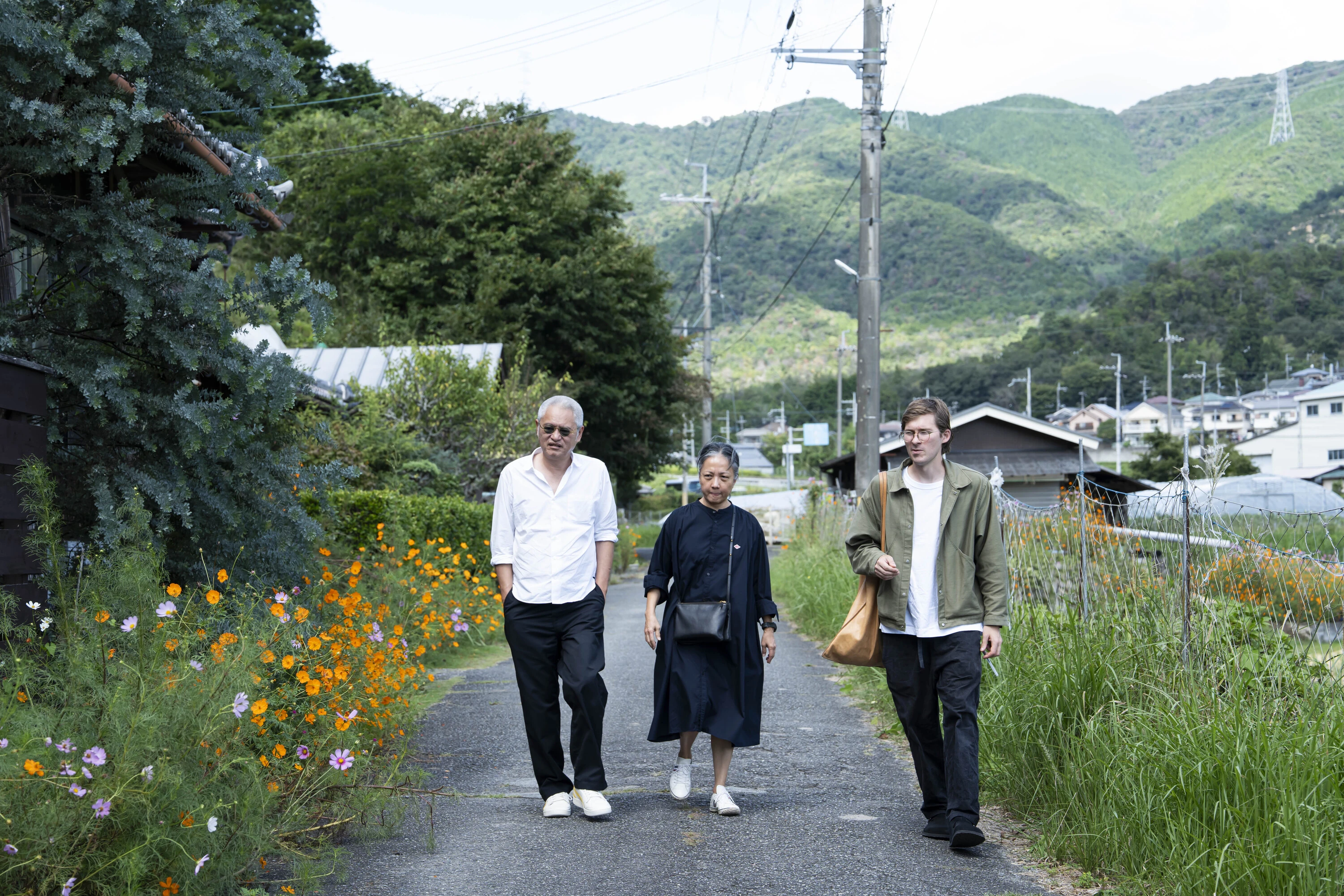
Bright and early on the first day of the event, chef Dylan Watson Brawn of the award-winning Berlin restaurant Ernst; Malaysian musician and actor Pete Teo, whose many talents also include running a farm-to-table restaurant; and Teo’s wife Lisa set course for the city of Suita and the first stop on the northern excursion.
Hirano Farm is not your average suburban veggie garden. On its compact grounds, now surrounded by worn apartment buildings and small detached houses in a sleepy bedroom community, the Hirano family has been growing heirloom Naniwa vegetables for more than a century.
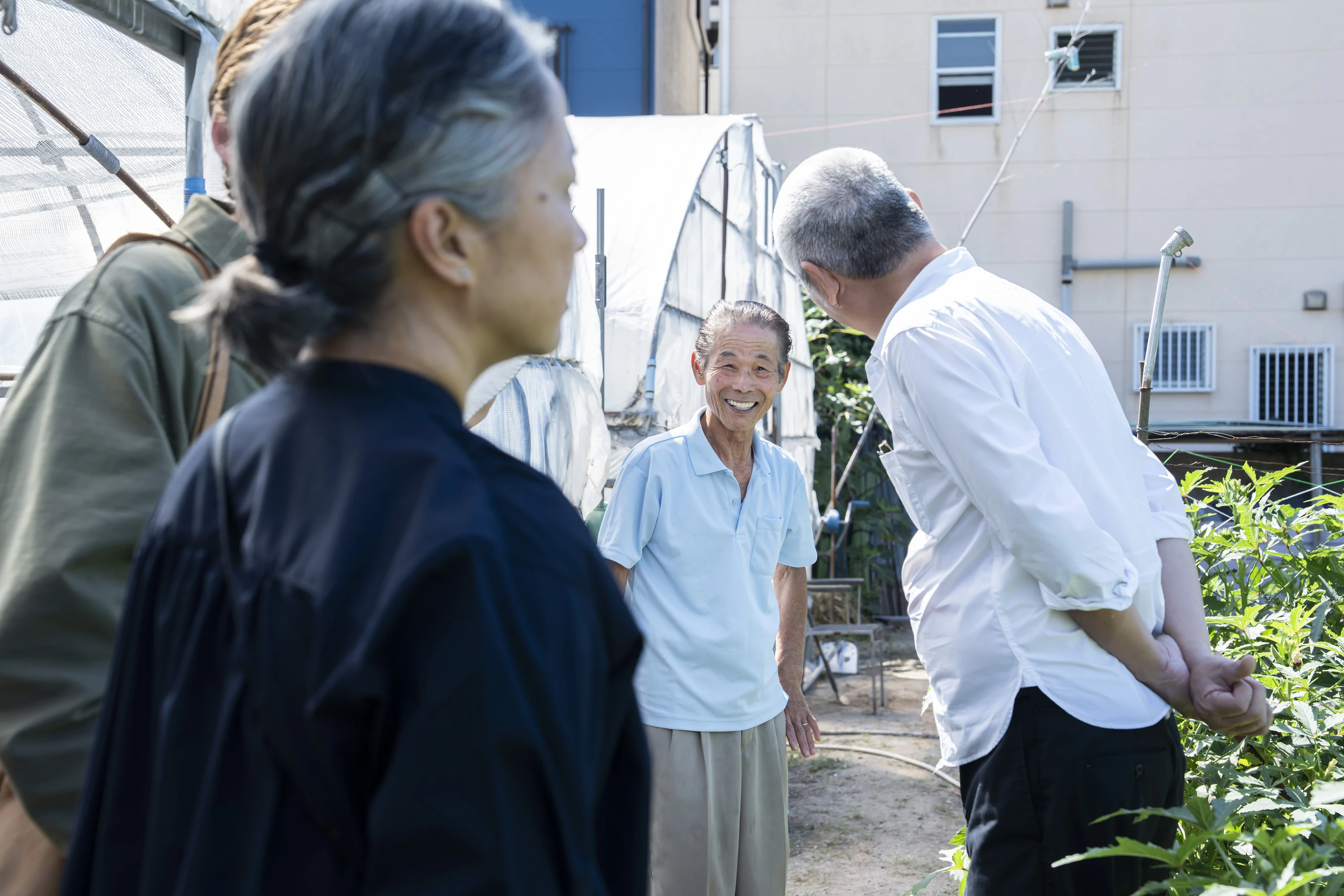
Second-generation farmer Yuichi Hirano, 85, invited Brawn and the Teos to tour the premises, where chicken and ducks cluck amidst citrus and fig trees and strawberry bushes. Hirano explained how his family has worked with scholars and the local government to revive traditional greens such as the Namba negi scallion, the red Kintoki carrot and the Suita kuwai arrowhead tuber, Hirano Farm’s speciality.
Hirano’s efforts to pass on a local agricultural legacy to the next generation struck a chord with Brawn, who sources all the vegetables he uses in his Berlin restaurants directly from farms and has organised a variety of farming-focused community initiatives in Germany.
Next up was lunch in the pastoral landscapes of rural Nose, in the farthest northern reaches of Osaka prefecture. At Nose Arata, chef Takeru Nakai puts the spotlight on the plentiful produce of the region, from seasonal vegetables foraged in the adjacent mountains to sweetfish and softshell turtle from a nearby river. Boasting a cosmopolitan resumé that includes a stint as the Belgian prime minister’s head chef, Nakai lets his intuition guide him when presenting the scenery of Nose through local ingredients.
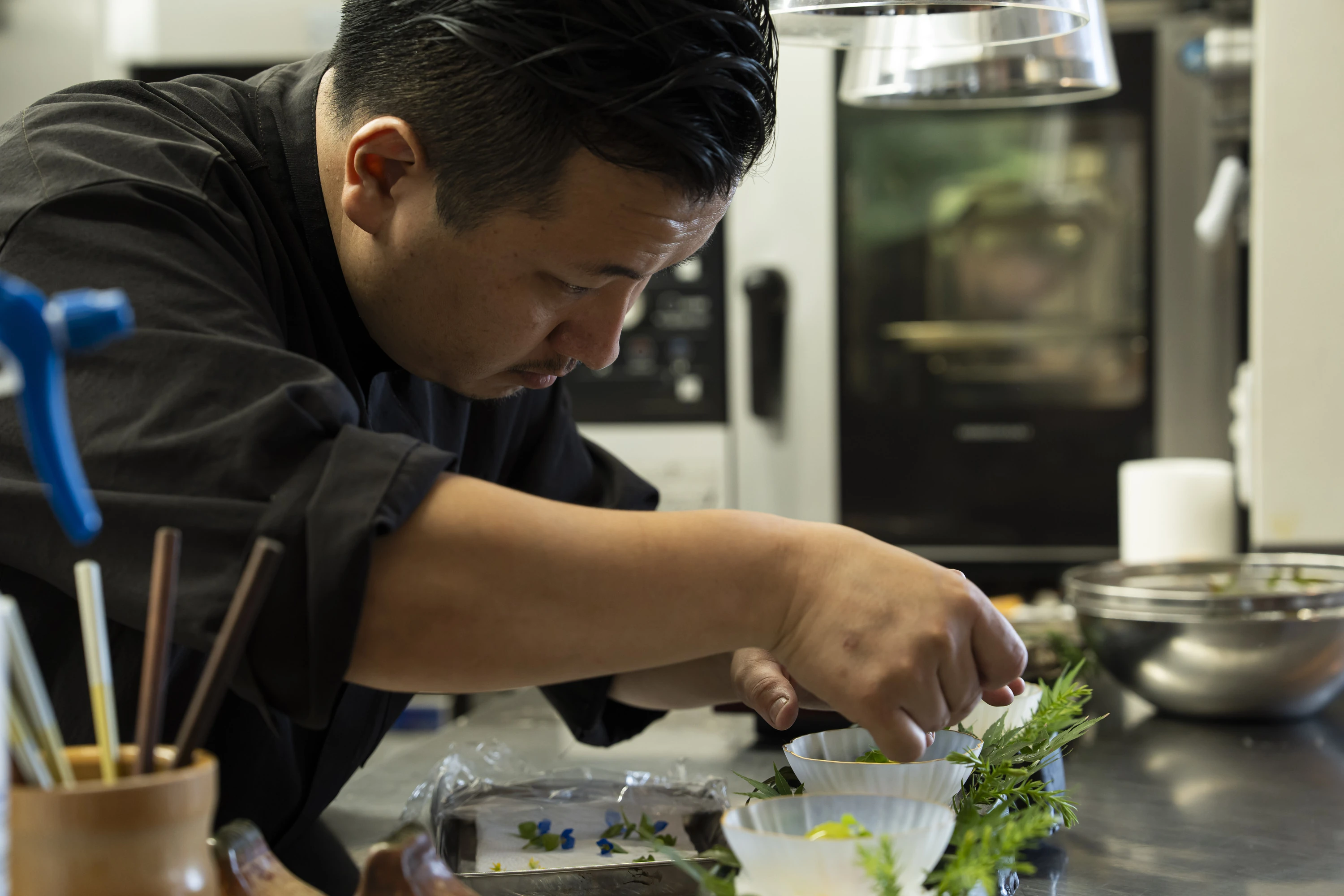
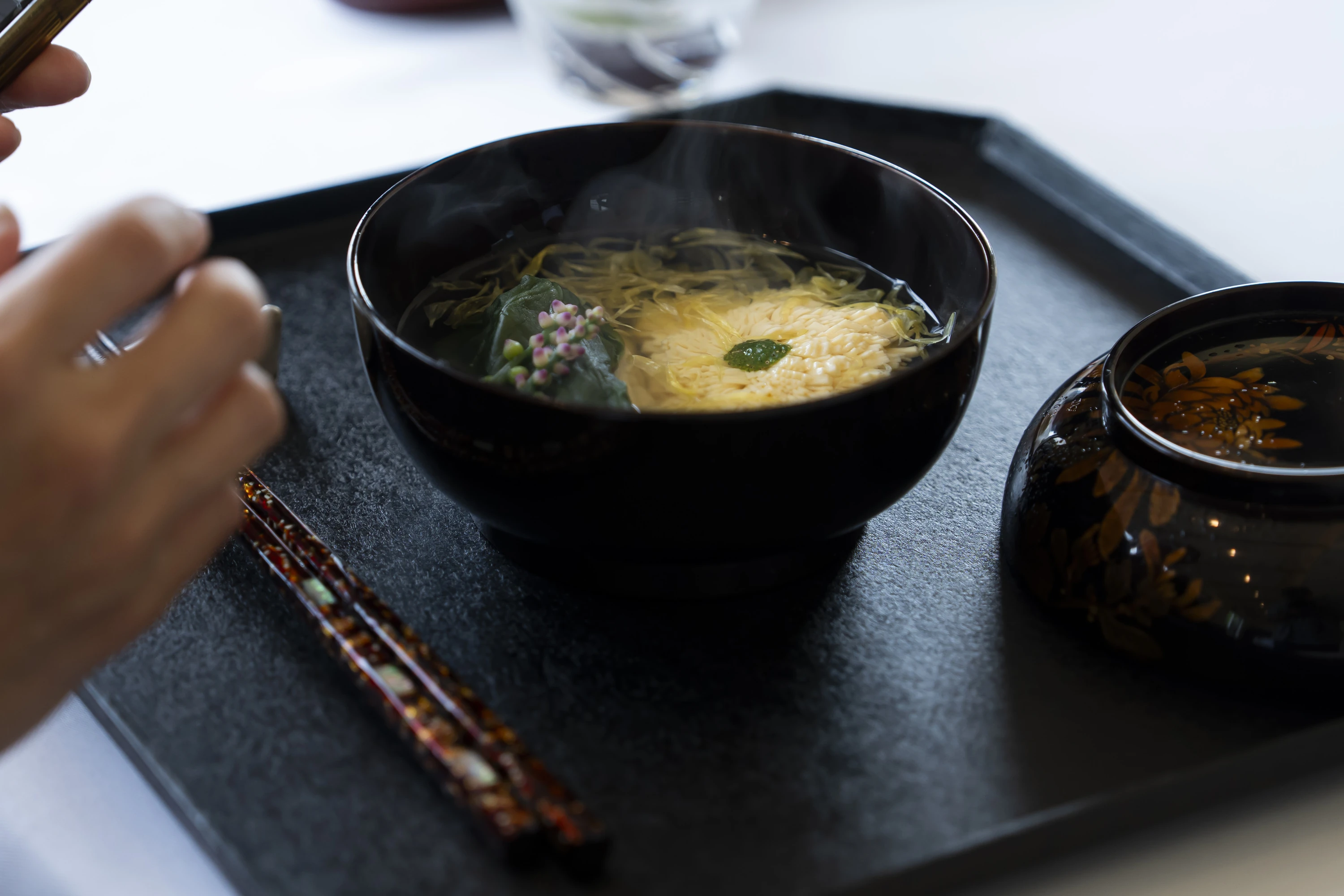
After savouring northern Osaka on a parade of picture-perfect plates, it was on to one of Osaka’s most renowned sake breweries. Akishika Sake Brewery has been growing its own rice to make artisanal nihonshu since 1886. Eschewing pesticides and chemicals entirely, the brewers let nothing go to waste, composting the byproducts of the sake-making process and using them to fertilise the rice paddies on the 13-hectare grounds.
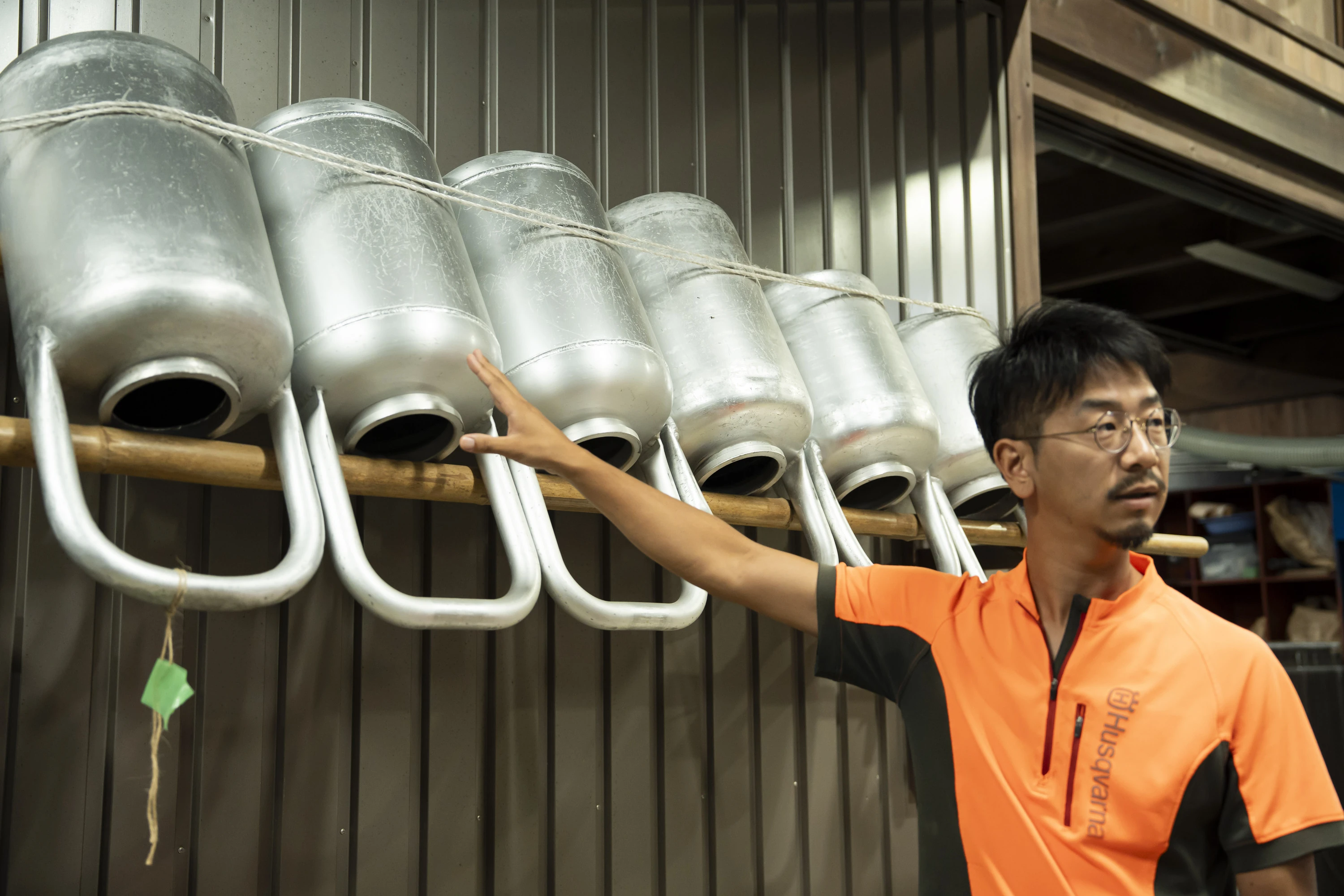
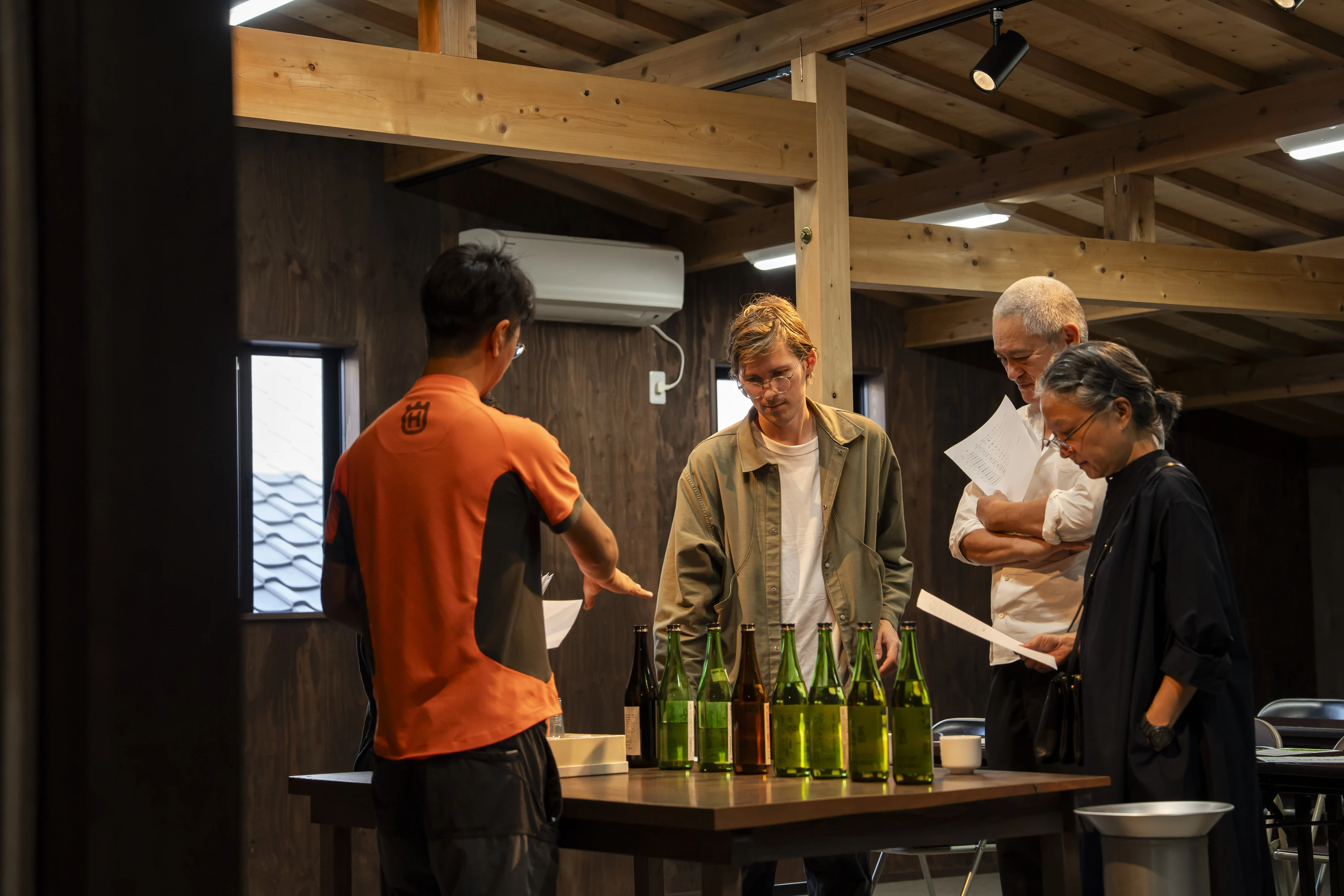
As explained by seventh-generation brewer Kenjiro Oku, Akishika specialises in pure junmai sake with a strong umami flavour. The Teos and Brawn, who recently opened Berlin’s first-ever sake brewery, got to taste their way through the entire Akishika line-up.
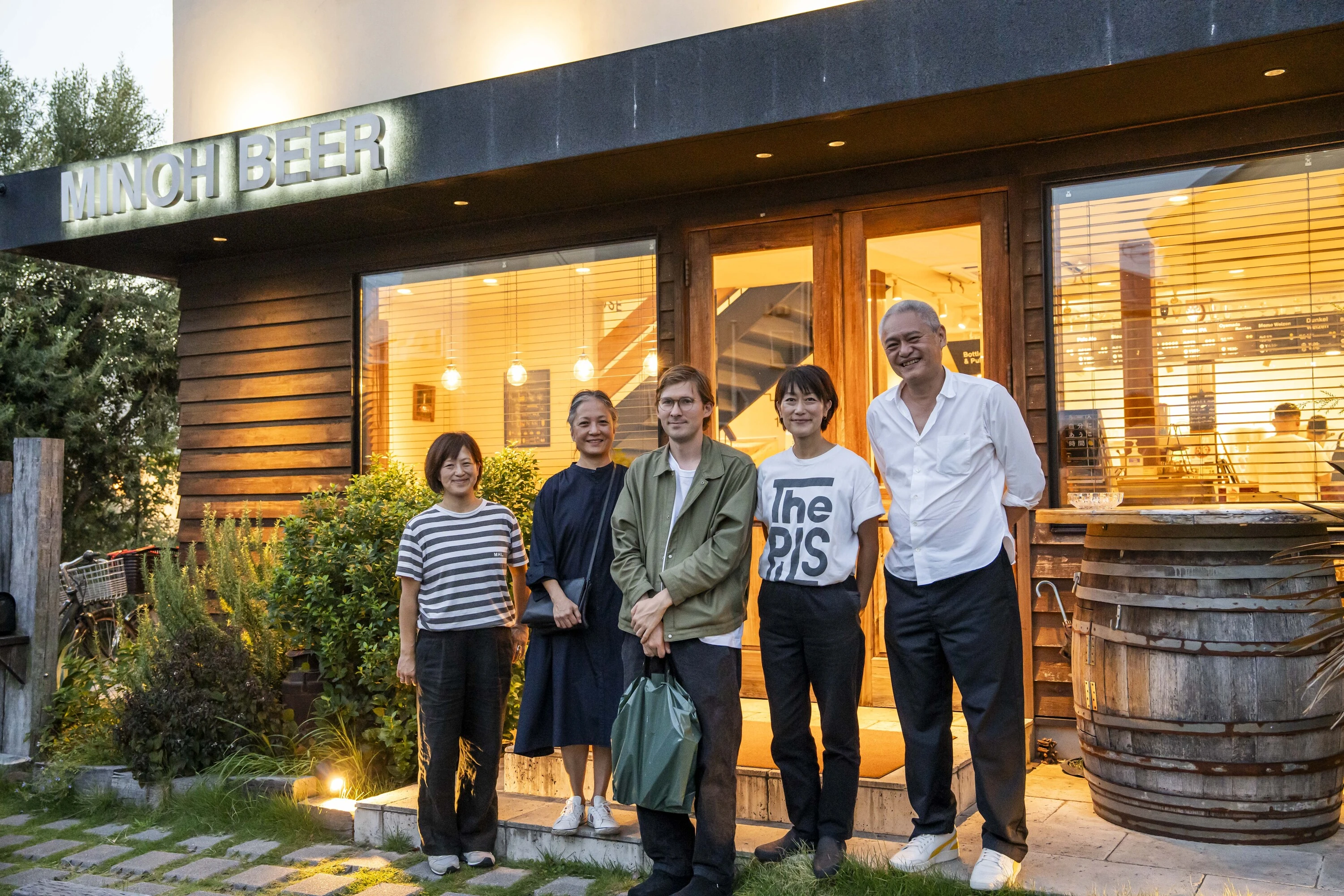
More artisanal brews awaited at Minoh Beer, a pioneering craft brewery that started out as a small family-run operation soon after a regulatory overhaul in 1994 cleared the way for microbreweries in Japan. Since then, the company – now operated by the founder’s three daughters – has grown into one of the Osaka region’s best-known craft breweries, with a diverse line-up of handcrafted beers that’s enticed the palates of beer fans worldwide.
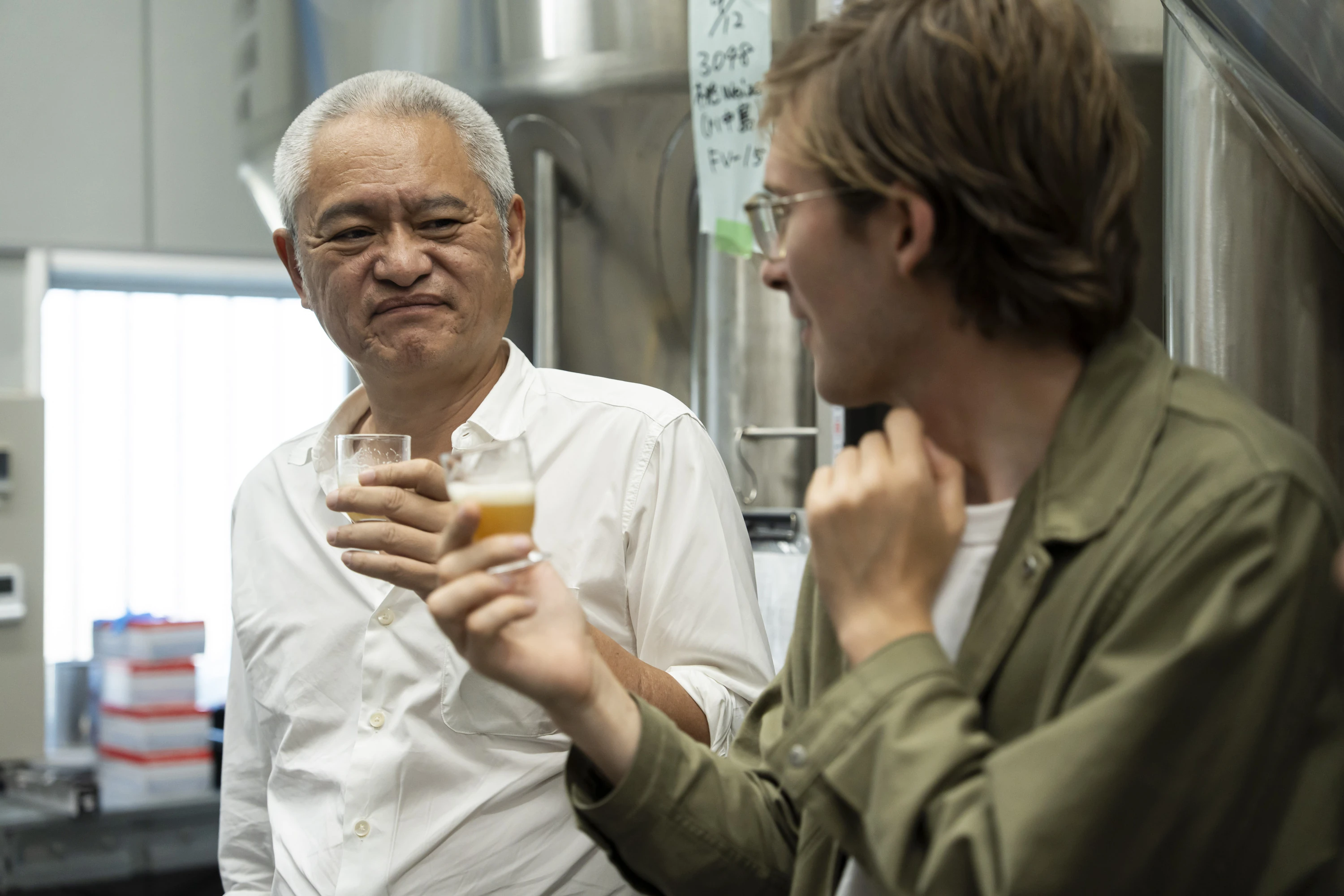
While turning out some 500,000 litres annually, the brewery remains firmly rooted in its surroundings, drawing inspiration from the local environment for special brews such as the Yuzu White, which can be savoured at the rustic taproom next to Minoh Beer’s headquarters.
Excursion: Discovering the lush landscapes and rich flavours of Southern Osaka
While the first group of participants headed north, another trio of culinary stars was on its way to southern Osaka.
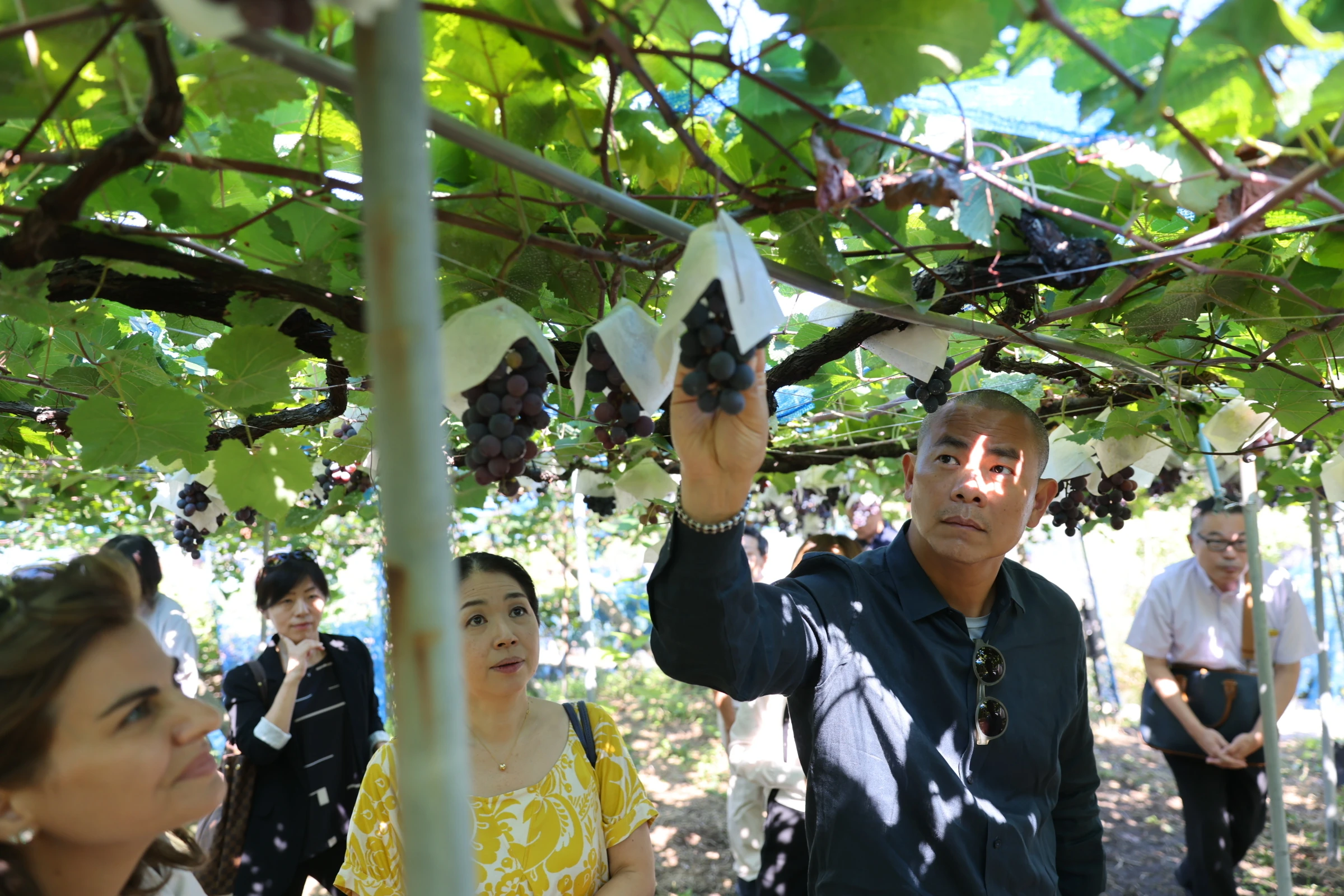
Chef André Chiang, one of Asia’s leading names in innovative gastronomy and renowned for his two-Michelin-starred Restaurant Andre in Singapore, was joined by Jordan-born culinary entrepreneur Leen Al Zaben, the Middle East Academy Chair for the World’s 50 Best Restaurants; and Japanese food journalist and restaurant award judge Kyoko Nakayama, at the century-old Katashimo Winery in the historic grape-growing region of Kashiwara.
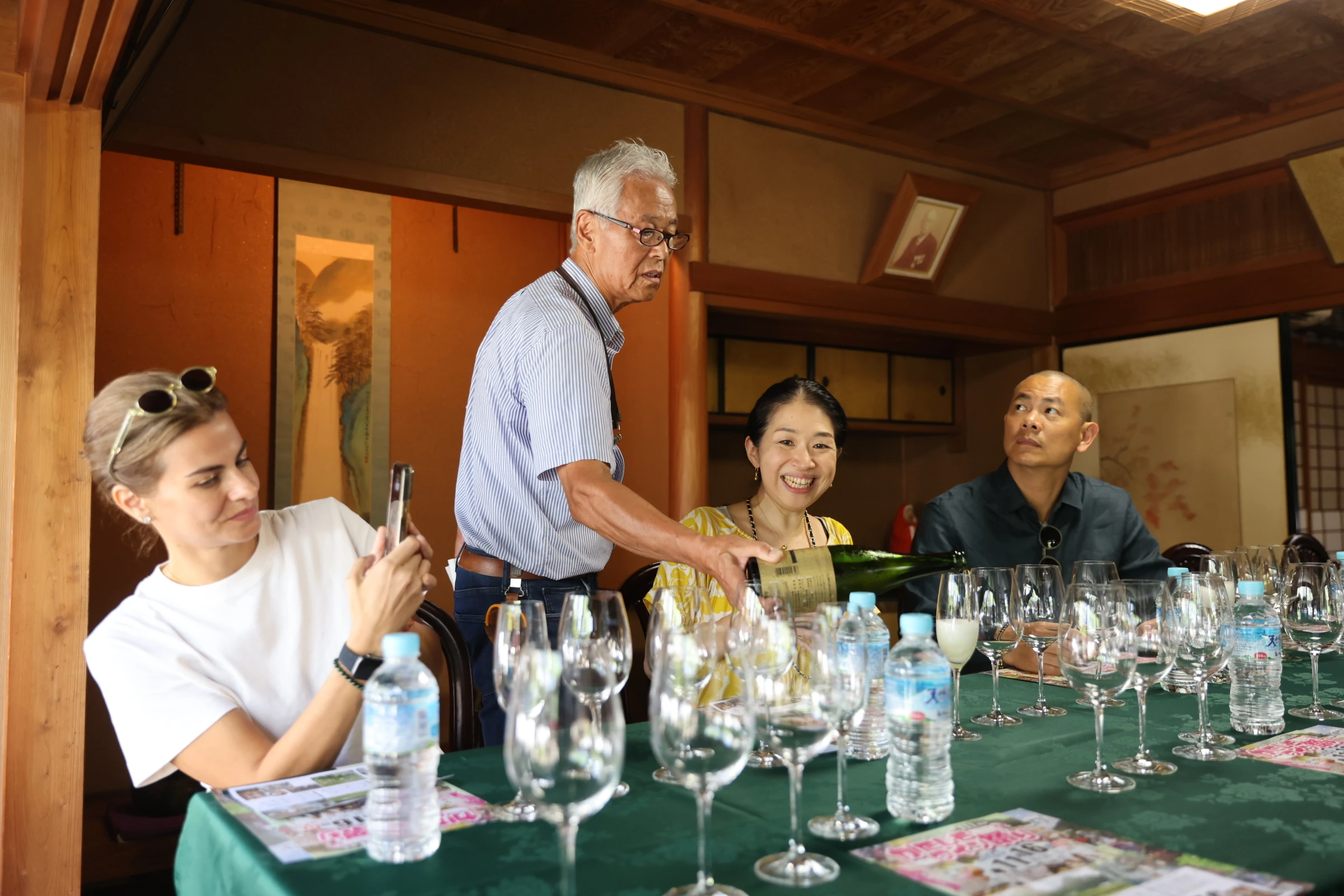
Set among gently sloping hills overlooking a river valley, the vineyard is run by fourth-generation owner Toshihiro Takai, who instantly captivated his guests with lively stories, told in the Kansai dialect with an ample dollop of English. Giving Chiang, Al Zaben and Nakayama a tour of the grounds, Takai treated the trio to grapes, and at the tasting that followed explained his commitment to making wines that ‘appeal to Osaka people’.
Participants nodded in agreement with his approach: crafting light reds that pair well with dashi and miso, and pioneering new styles meant to be enjoyed with ice or mixed with carbonated drinks.
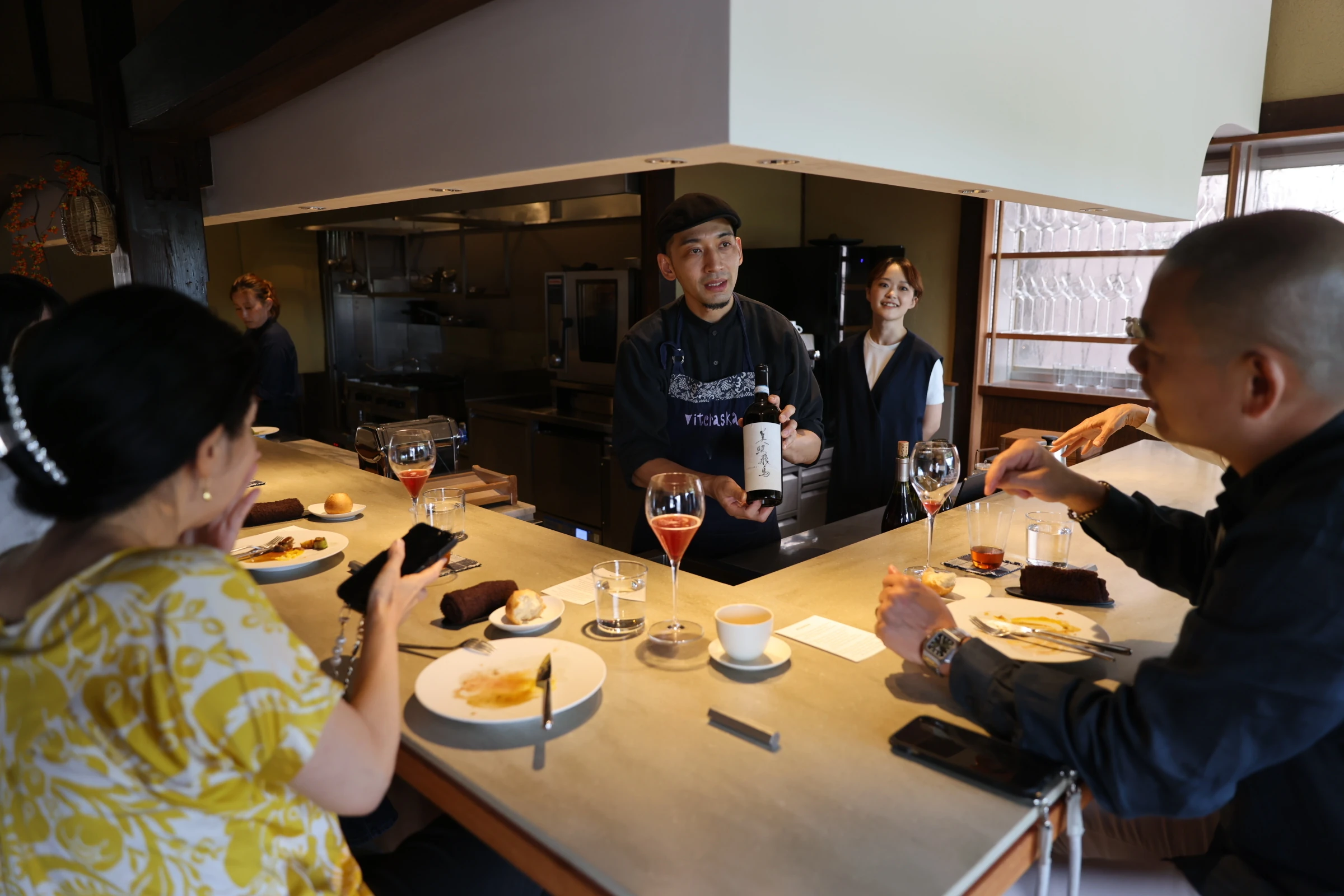
There was more wine to be had at Viteraska. Looking out the window of the 150-year-old traditional Japanese house accommodating this Italian restaurant in Habikino, participants could see the World Heritage-listed Shiratori no Misasagi, an ancient keyhole-shaped burial mound.
‘The perfect location,’ as Al Zaben put it, built up anticipation in the participants. Sunlight streamed in between the building’s large exposed beams, while trees swayed gently in the breeze outside.
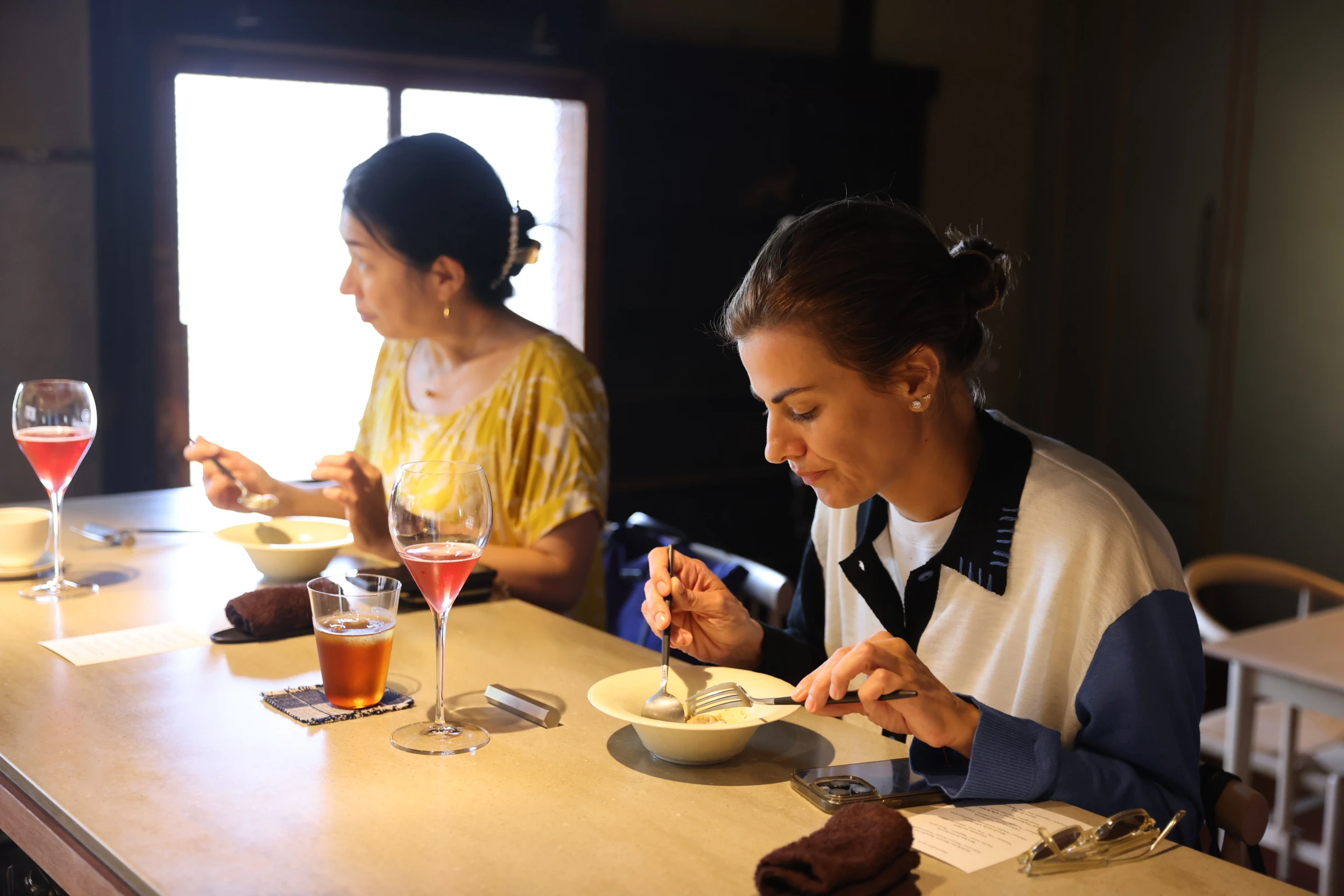
The creative Italian cuisine served put the spotlight firmly on local ingredients. Plates were adorned with Habikino-grown raisins and figs, abalone mushrooms from the town of Kanan and Nara’s Yamato duck. Particularly eye-catching was the chitarra pasta featuring aburakasu – a southern Osaka soul food typically added to udon, made by slowly frying beef intestines to bring out their umami.
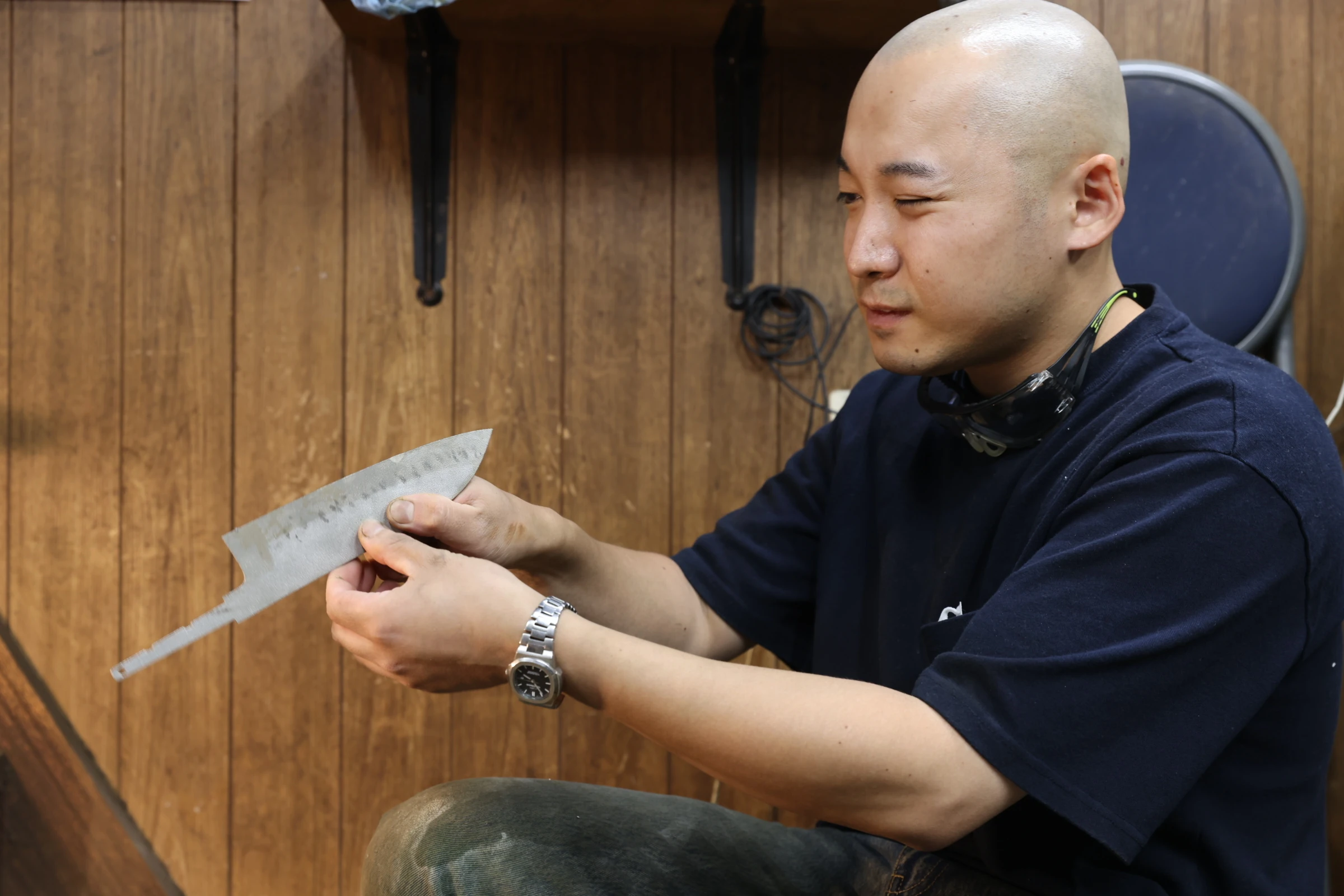
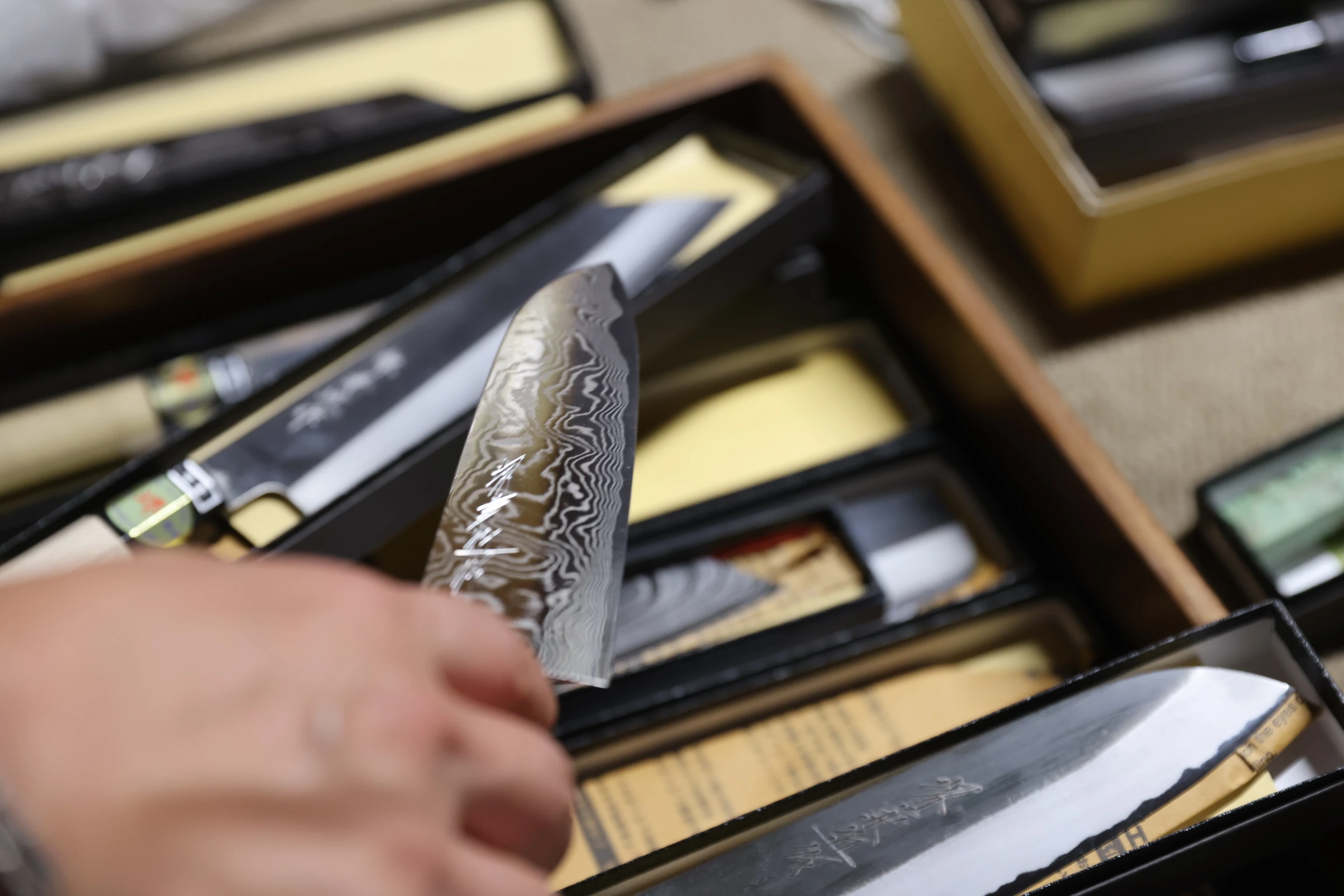
The destination for the afternoon was Sakai, a city famed for its kitchen knives. At Fujii Hamono, a blade workshop in business since 1910, participants were treated to a demonstration of cutting-edge knife artistry. Skilfully wielding grinding stones and buffs, artisans gradually thinned a blade toward the tip, relying on subtle sensations to achieve the perfect finish.
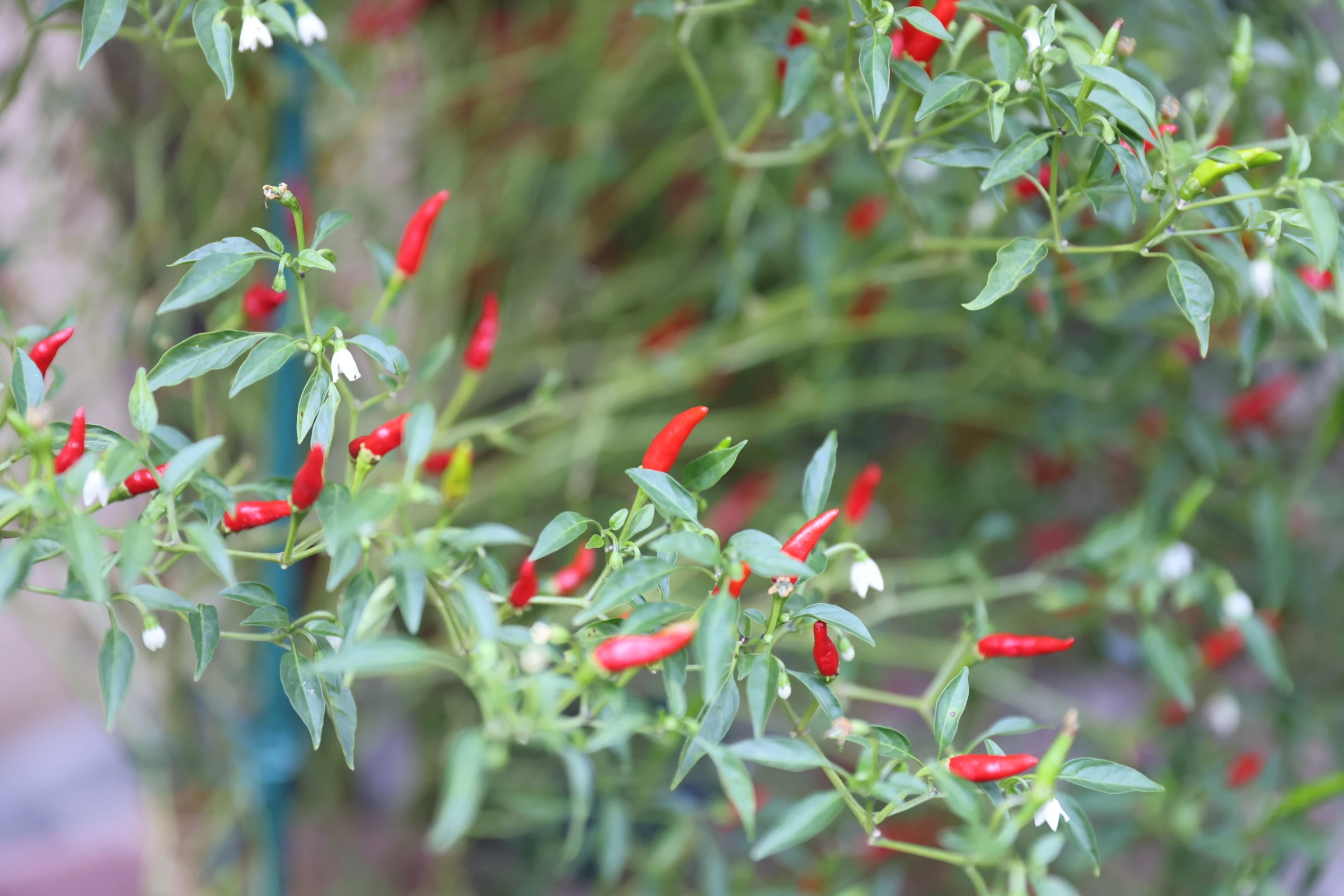
Then it was on to Yamatsu Tsujita, a manufacturer and retailer of Japanese-style spices founded in 1902. Its chilli blends use endangered domestic chilli peppers such as the Sakai Takanotsume heirloom variety, with owner Hiroyuki Tsujita, the fourth-generation proprietor, serving as an evangelist for domestic spices.
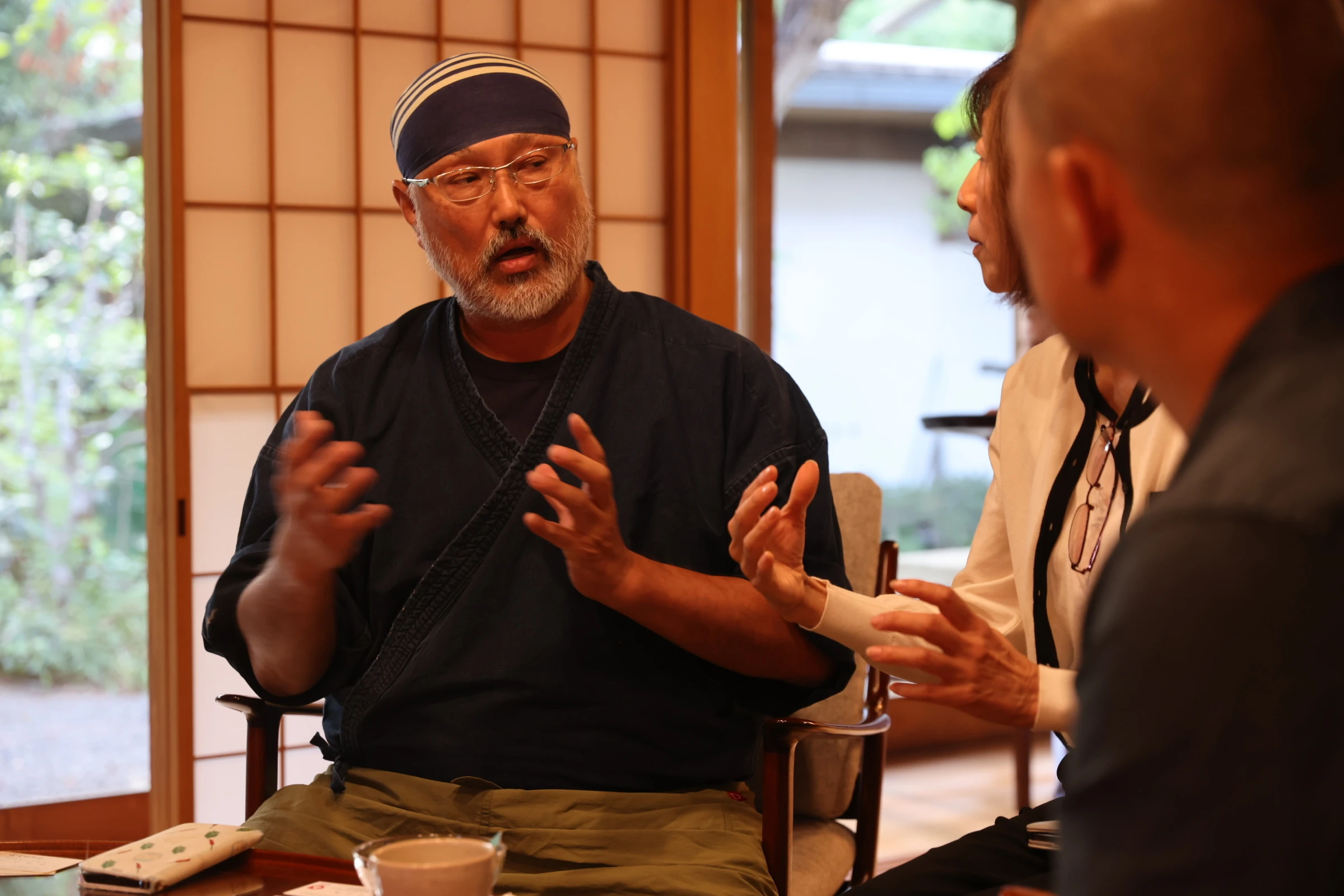
Tsujita elucidated the characteristics and history of spices like sansho, yuzu pepper and shichimi chilli blends while serving up samples of his piquant product together with sushi, sukiyaki, pickles and even ice cream. Guests were treated to a thorough tasting experience flavoured further by Tsujita’s cheeky interjections.
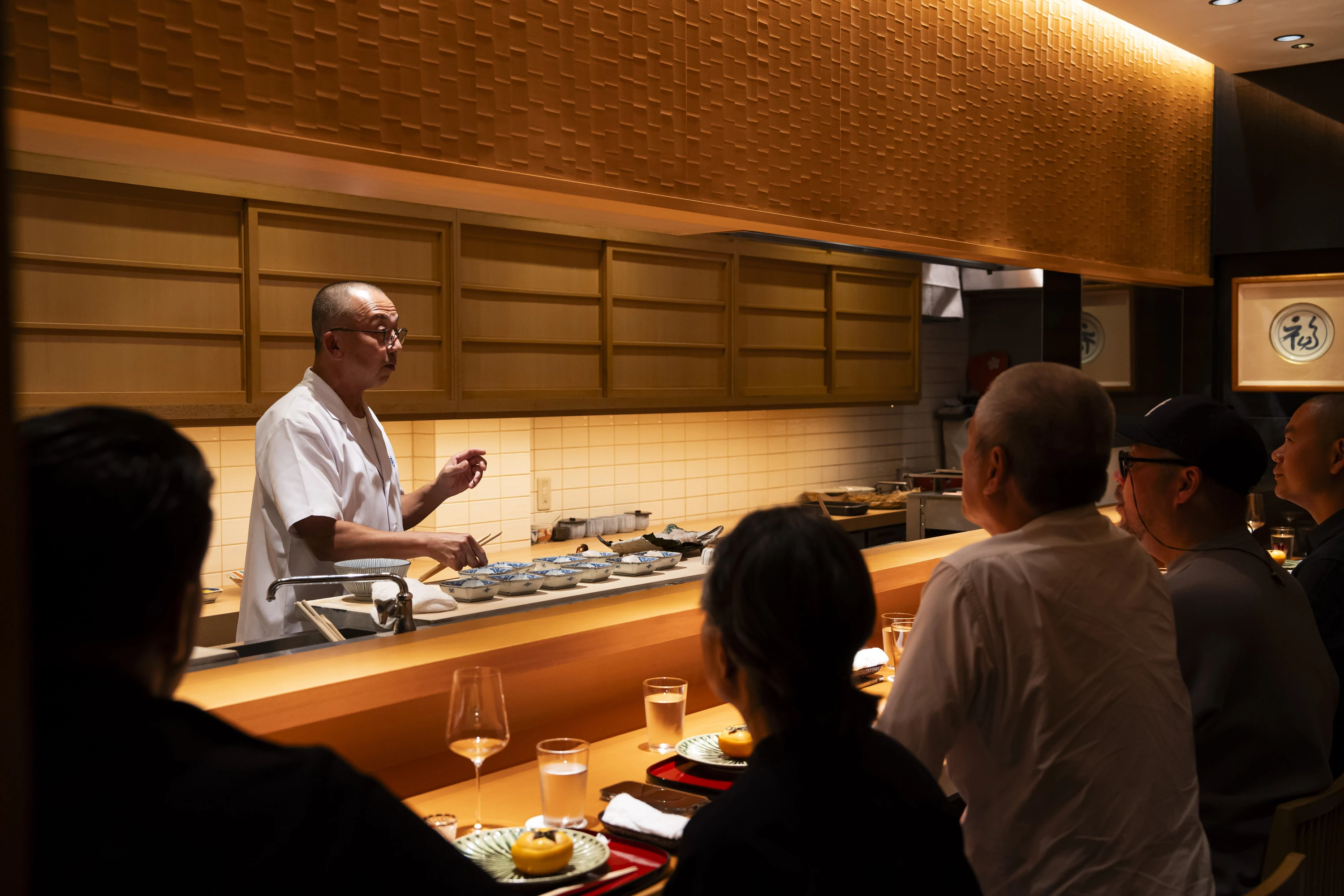
After returning to central Osaka at the end of the day, the participants all took their seats along the counter at Naniwaryori Yu in Tenma. A kappo (‘cut and cook’) restaurant that offers the culinary sophistication of traditional kaiseki ryori in an intimate, comparatively casual atmosphere, Yu is run by Hideto Furuike, a chef noted for reimagining the style for the 21st century.
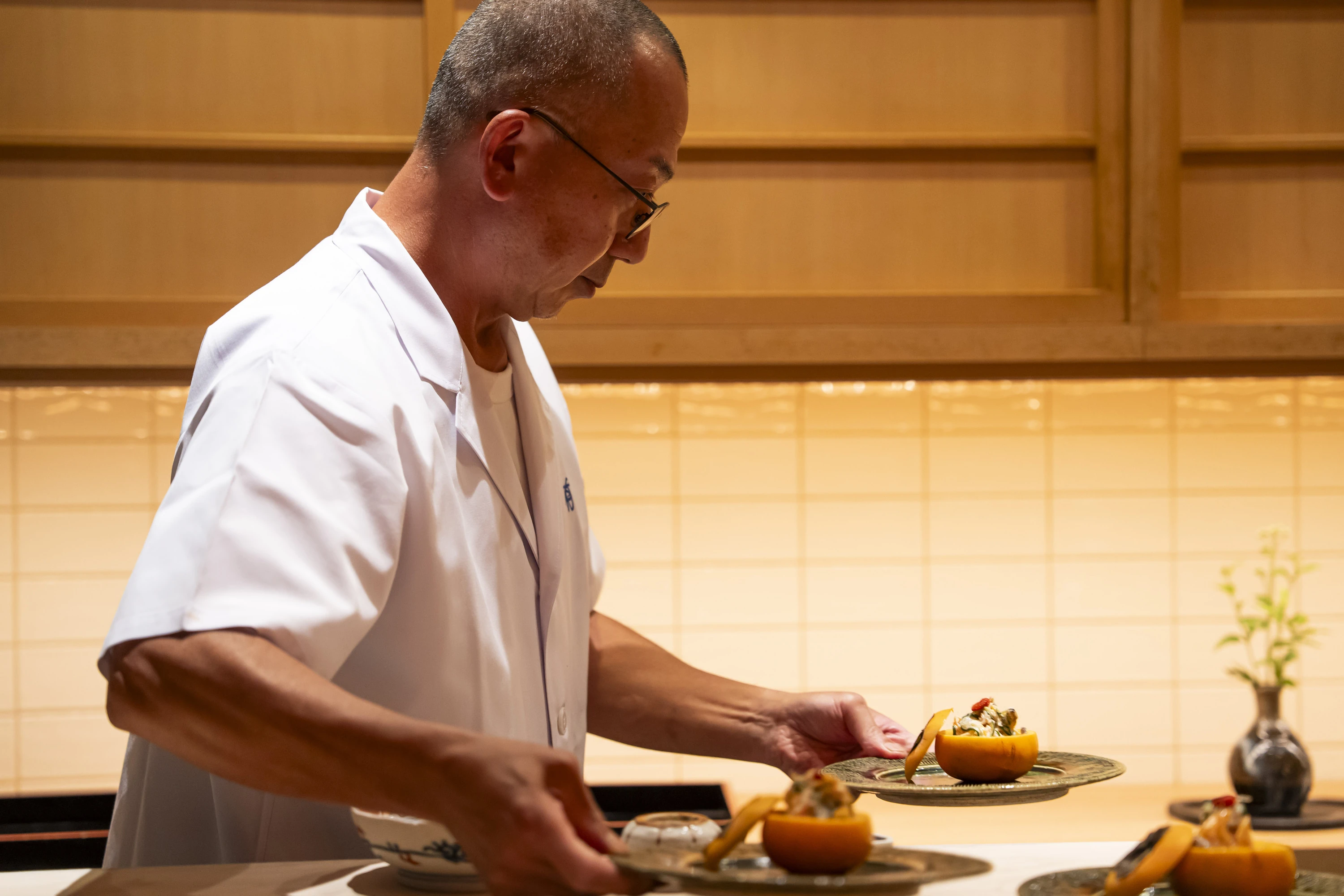
Combining orthodox techniques with imaginative presentation to elevate essentially Osakan ingredients such as heirloom vegetables and seafood from Osaka Bay, Furuike entertained his guests with surprising flavour pairings late into the night.
The participants’ whirlwind journey through centuries of Osakan culinary heritage concluded the following morning at Kombu Doi, the city’s premier purveyor of kombu kelp. The shop has been in business since 1903 and functions as an all-round source of kombu expertise, often welcoming top chefs from abroad seeking high-quality product.

The fourth-generation owner, Junichi Doi, also runs the adjacent Osaka Kombu Museum, and participants were treated to a guided tour of this compact institution detailing how the umami-packed sea vegetable became an inextricable part of the city’s culinary culture. The tour ended with a broth tasting where attendees’ attention was drawn to kombu dashi, an essential ingredient in Osaka eats from street food to haute cuisine.
Roundtables: Practical paths to greater heights
In the afternoon on September 23, participants gathered again at the Waldorf Astoria for two roundtable discussions on topics including the distinctive aspects of Osaka’s culinary legacy and how the city’s food culture can shine on the global stage.
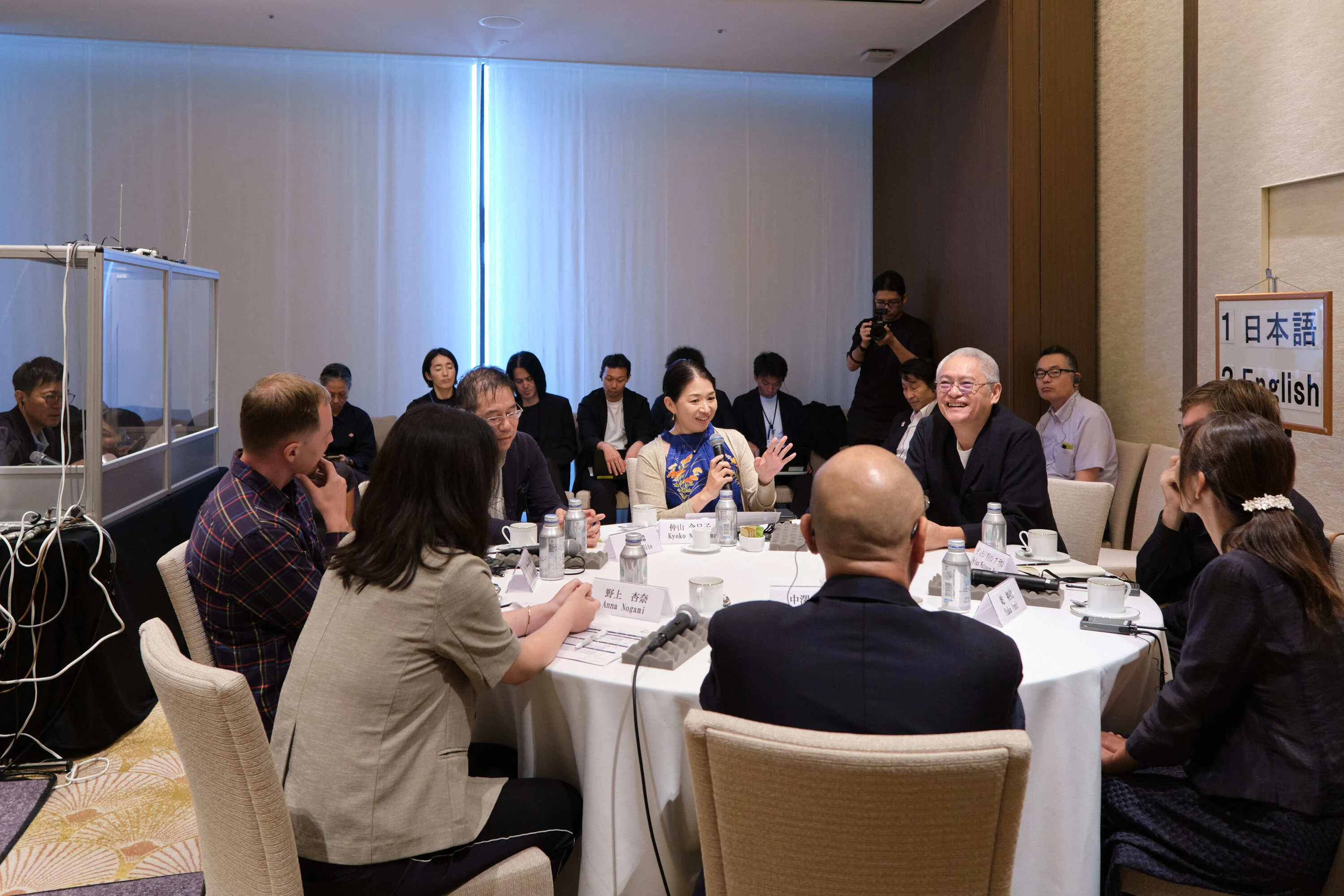
In the first session, Dylan Watson Brawn and Pete Teo were joined by local culinary professionals including Toshiro Nakazawa of the food-focused export company Top Trading, Yuka Inui from Inui Farm in southern Osaka, and Tamaki Bito, a veteran instructor at the Tsuji Culinary Institute.
Panellists discussed how Osaka’s ingredients, restaurants and culinary culture can appeal to new audiences and what adjustments may need to be made in the city’s efforts to promote itself.
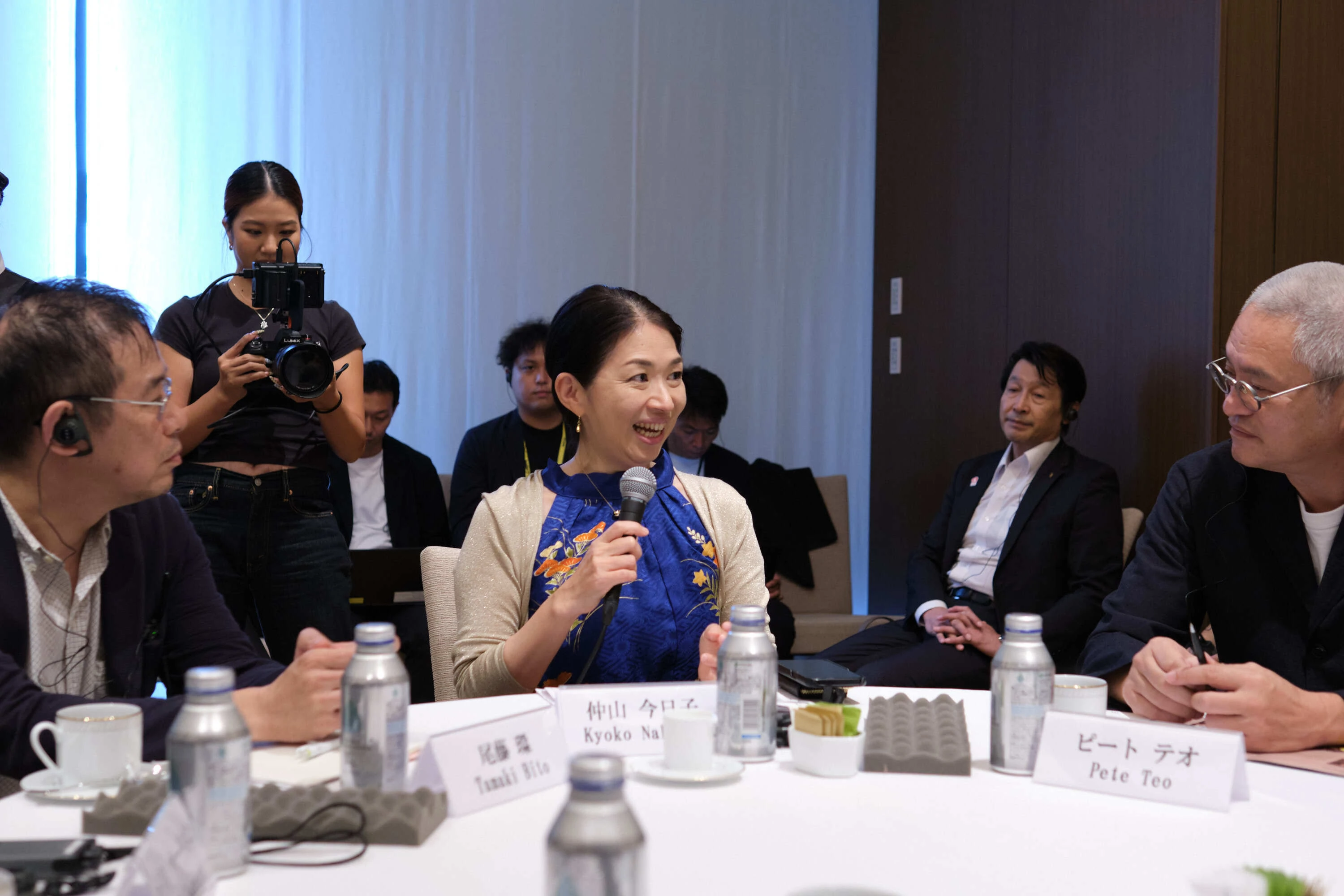
Citing his experiences during the excursion, Pete Teo proposed a people-focused approach to branding and storytelling that centres the personal stories of producers. Participants agreed on the need to highlight strengths like ingredients unique to Osaka and the distinctive historical lineage of local producers.
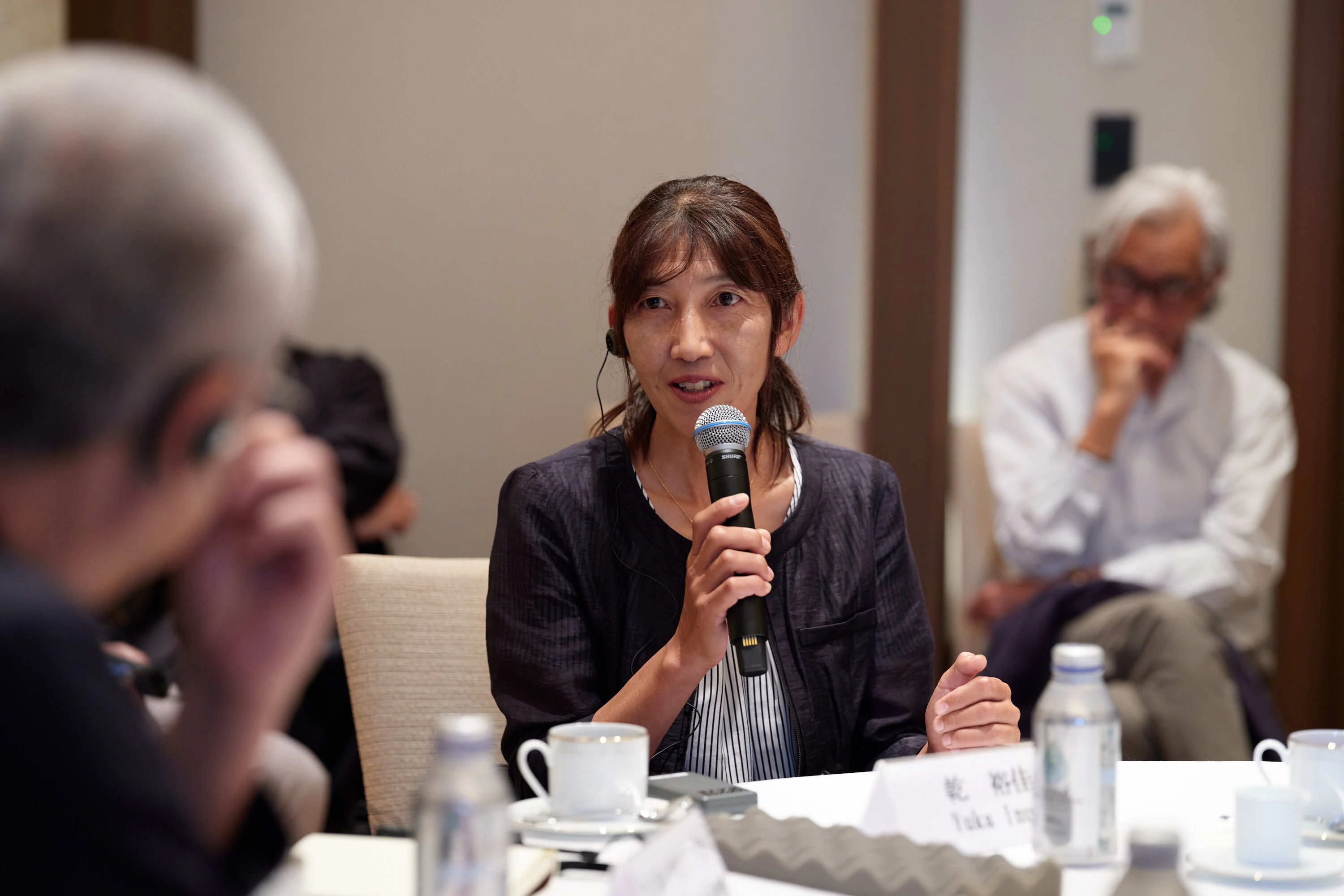
Yuka Inui and Dylan Watson Brawn discussed how the business model of the family farm can be transformed, with expanding into farm stays and experiences, outdoor dining events and the restaurant business floated as opportunities.
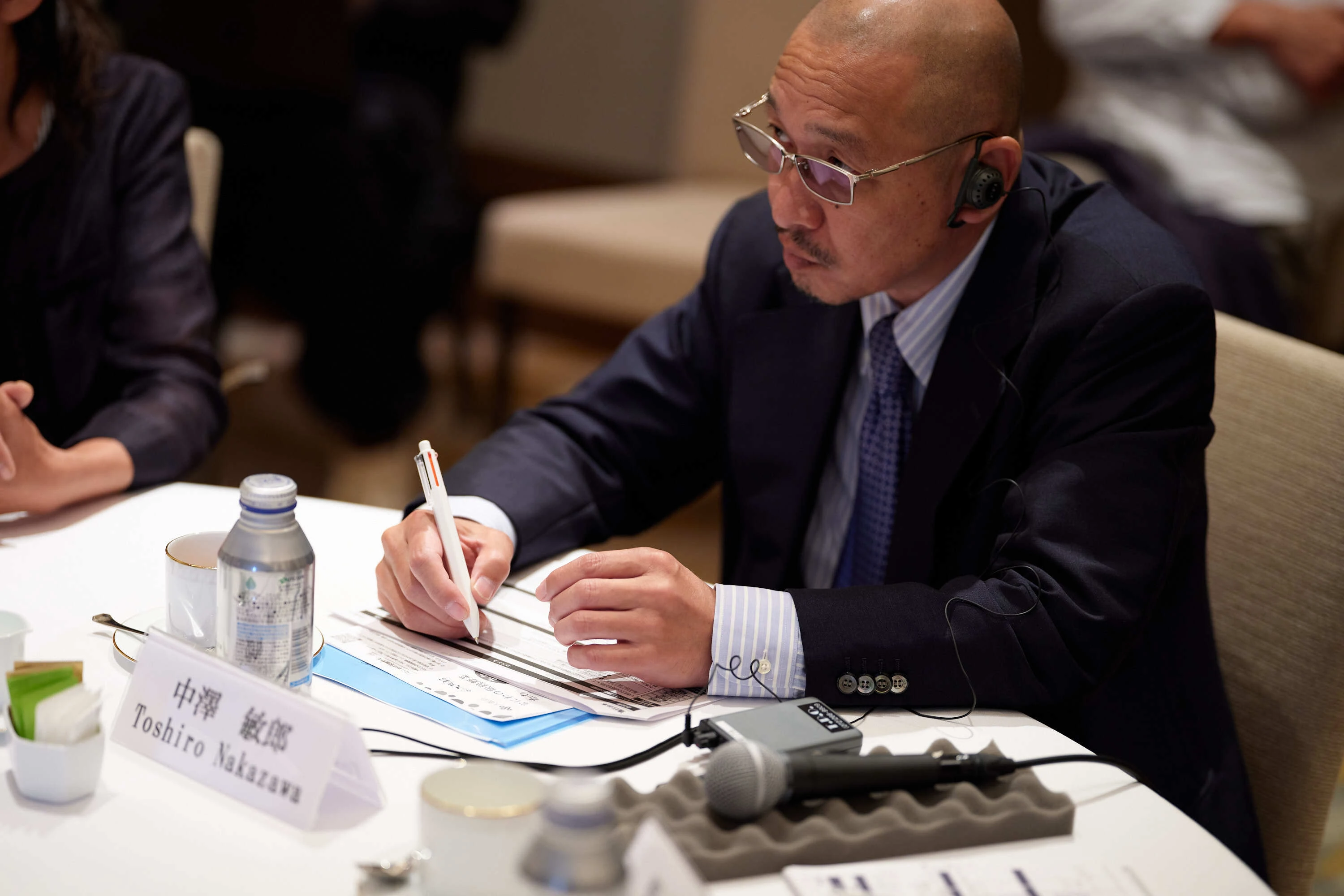
The discussion also touched on practical improvements in infrastructure, with Nakazawa and Bito both expressing interest in developing a logistics hub with warehouses for refrigerated and frozen produce, from where ingredients could be easily moved – a step that could dramatically boost international food exports from Osaka.
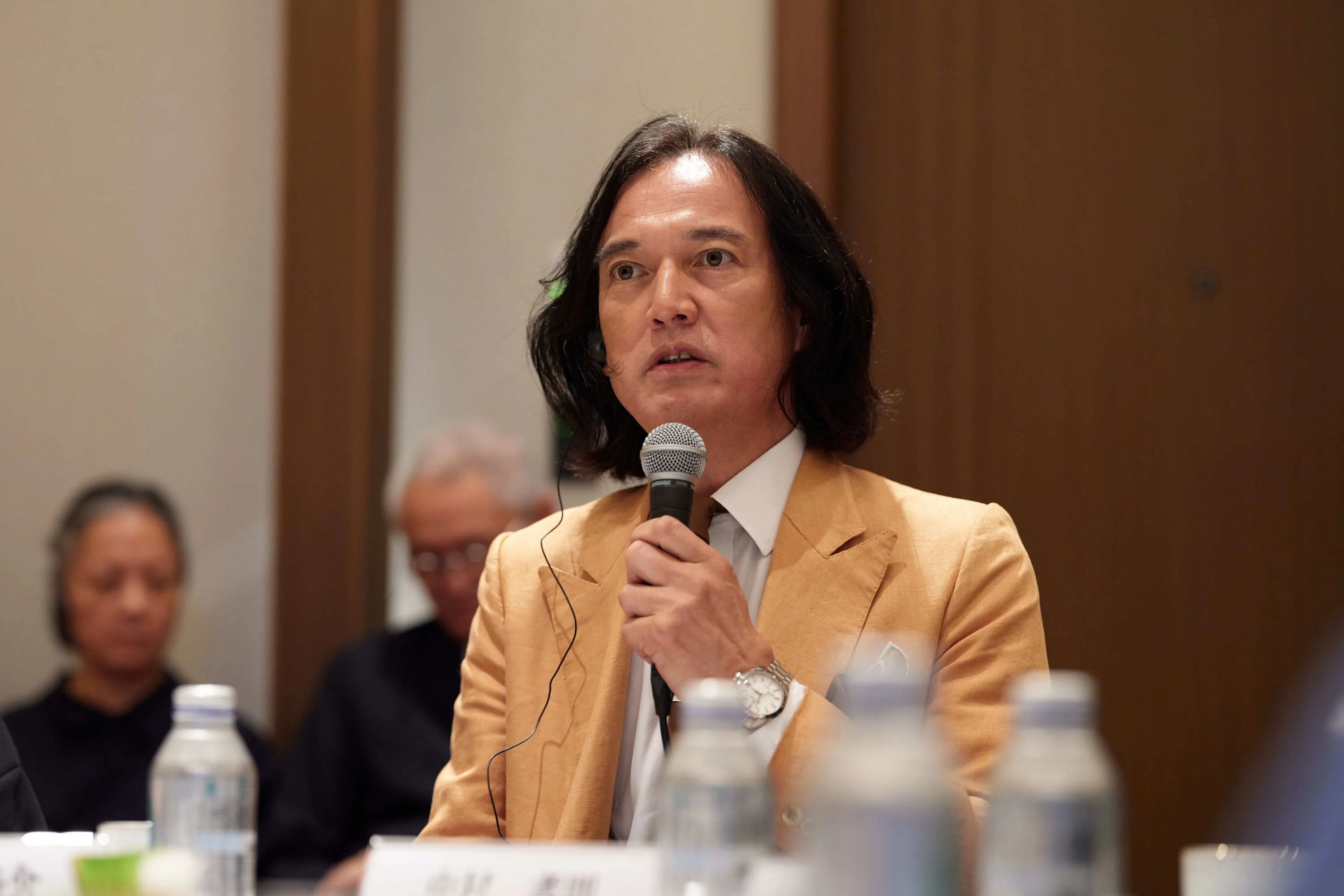
At the second session, André Chiang and Leen Al Zaben shared a table with Yamatsu Tsujita’s Hiroyuki Tsujita; food journalist Takanori Nakamura, Japan’s academy chair for the World’s 50 Best; chef Yusuke Takada of La Cime, the only Osaka restaurant on the World’s 50 Best list; investor, entrepreneur and Tokyo tourism ambassador Jonathan Malveaux; and Yoshi Tanaka from the Osaka Convention & Tourism Bureau.
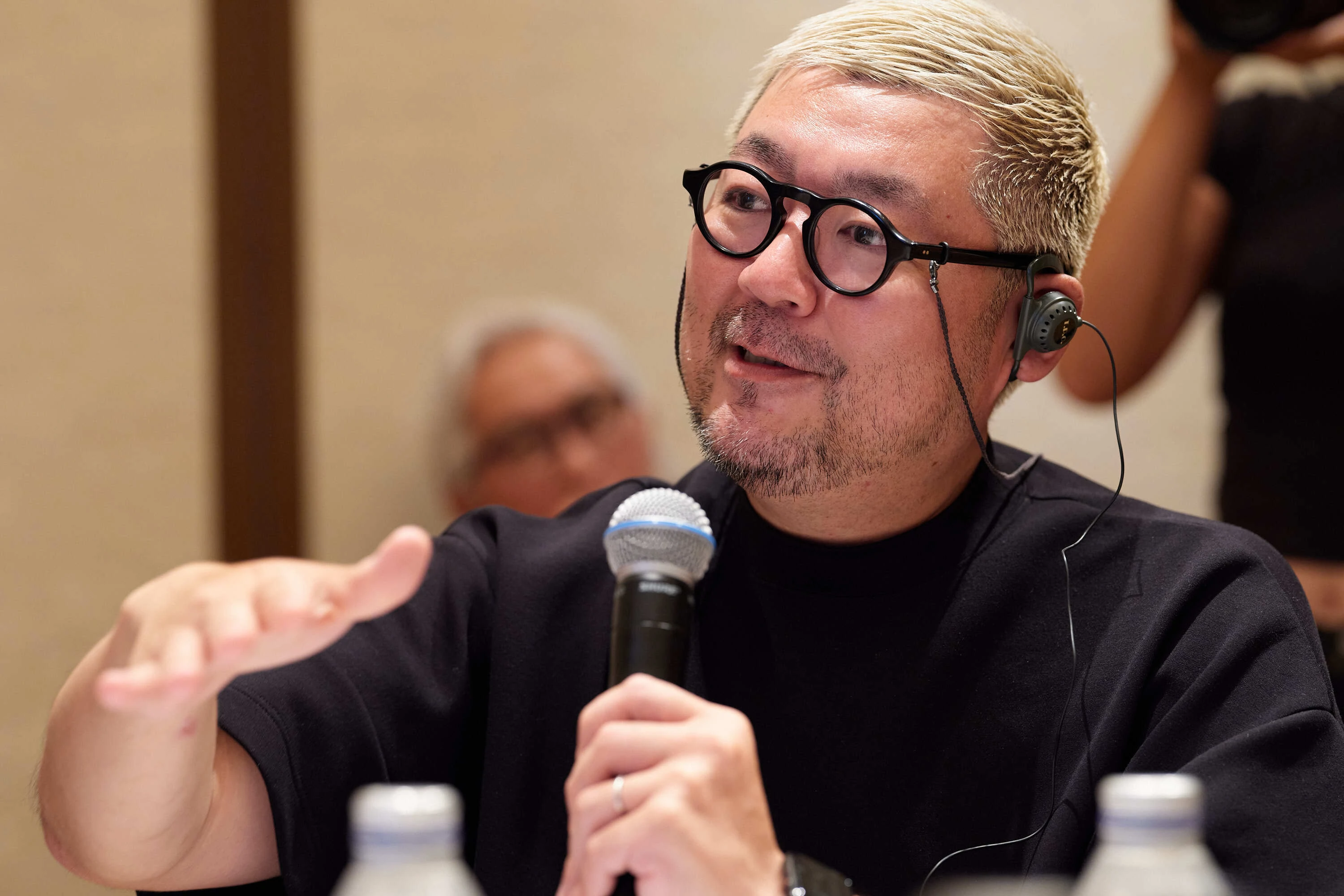
Discussions centred on how Osaka’s culinary culture might capture a slice of the global gastronomy market. The international guests noted Osaka’s bright, cheerful and approachable hospitality, recounting how people on the excursion had treated them like family from the get-go. Locals’ jovial character was praised as a strength, while the language barrier and lack of multilingual information was highlighted as an area in need of improvement.
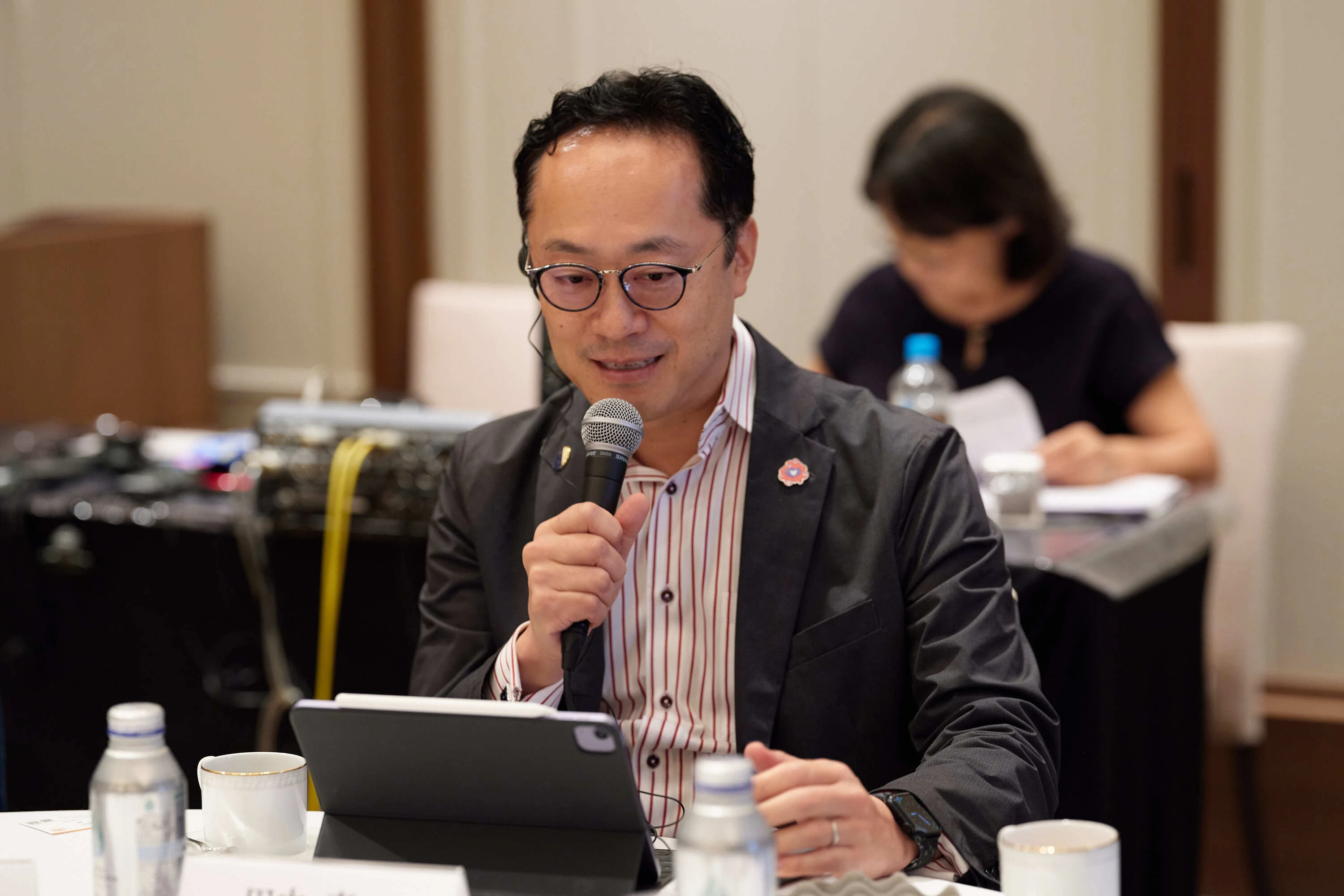
Yoshi Tanaka pointed out that Osaka’s high-end dining scene remains all but unknown internationally, and called for the development of effective narratives to promote aspects such as the city’s traditional kappo cuisine. Nakamura and Takada agreed, suggesting that the freedom, generosity and diversity inherent in the food culture of ‘Japan’s kitchen’ should be placed front and centre in promotional efforts.
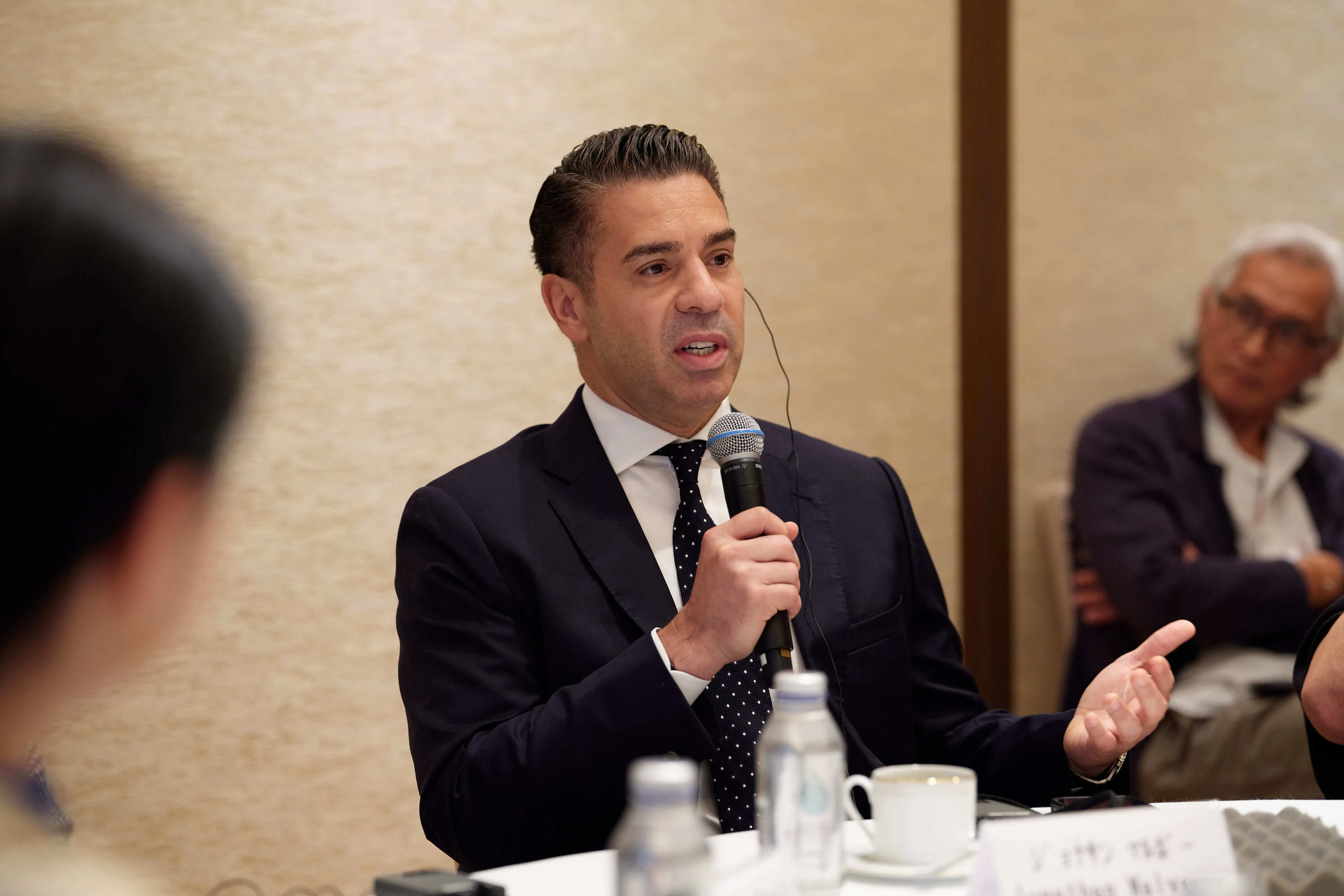
While recognising the need to cater to high-value consumers, Jonathan Malveaux highlighted the democratic character of Osaka’s culinary scene, expressing his admiration for how the city makes an extremely wide range of food enjoyable and affordable for everyone.
The symposium: A meeting of culinary minds
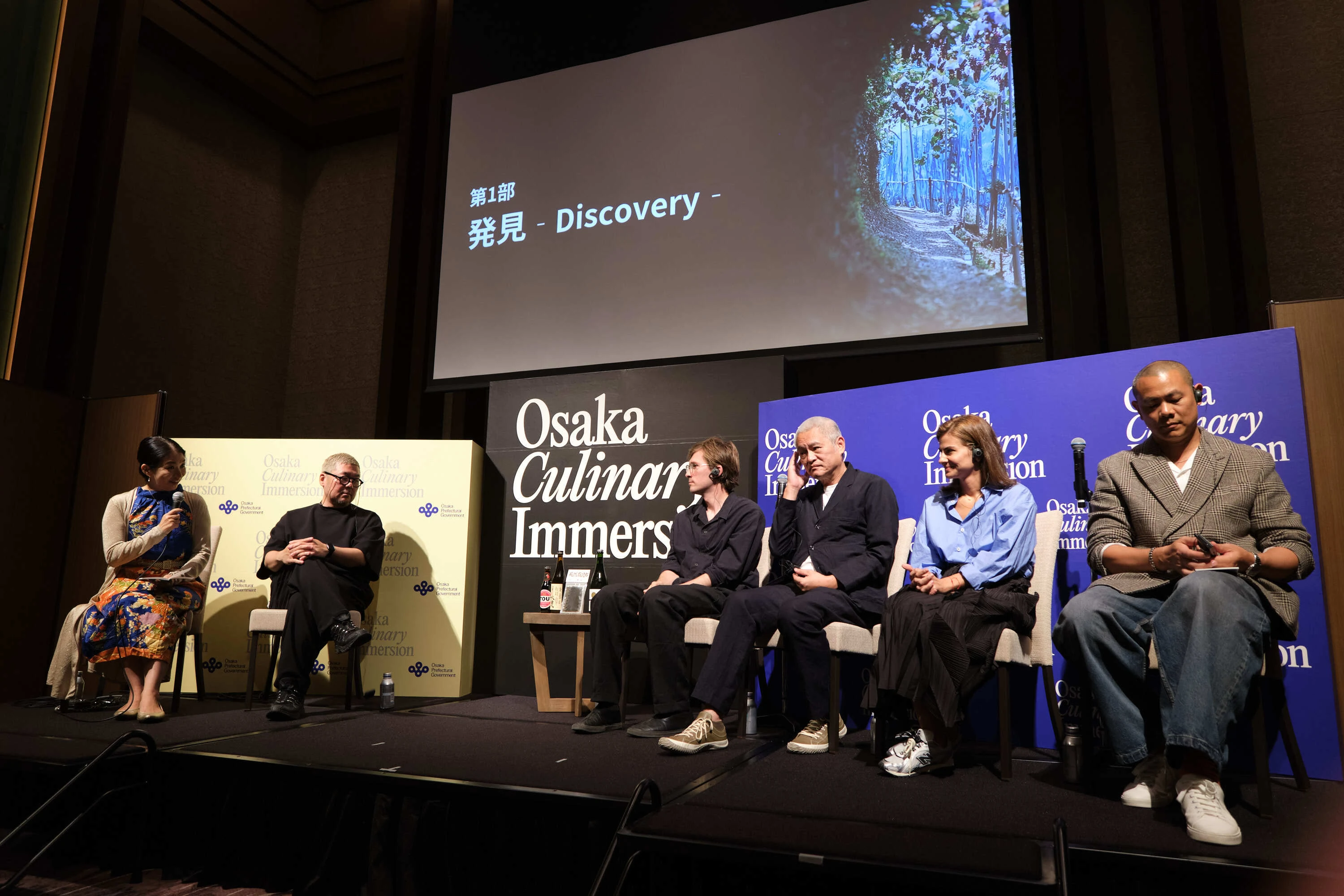
Finally, it was time for the highlight of the two-day programme: the international Osaka Culinary Immersion symposium, moderated by Kyoko Nakayama and Chef Takada of La Cime, with Chiang, Al Zaben, Teo, and Watson Brawn as the panellists.
The event kicked off with a video message from Emmy-winning food journalist Matt Goulding, author of books including Rice, Noodle, Fish and creator of the acclaimed Apple TV+ series Omnivore, who has been serving as a culinary ambassador for Osaka since 2024. A greeting was also given by Kyoko Nishi, a deputy director-general at the Ministry of Agriculture, Forestry and Fisheries.
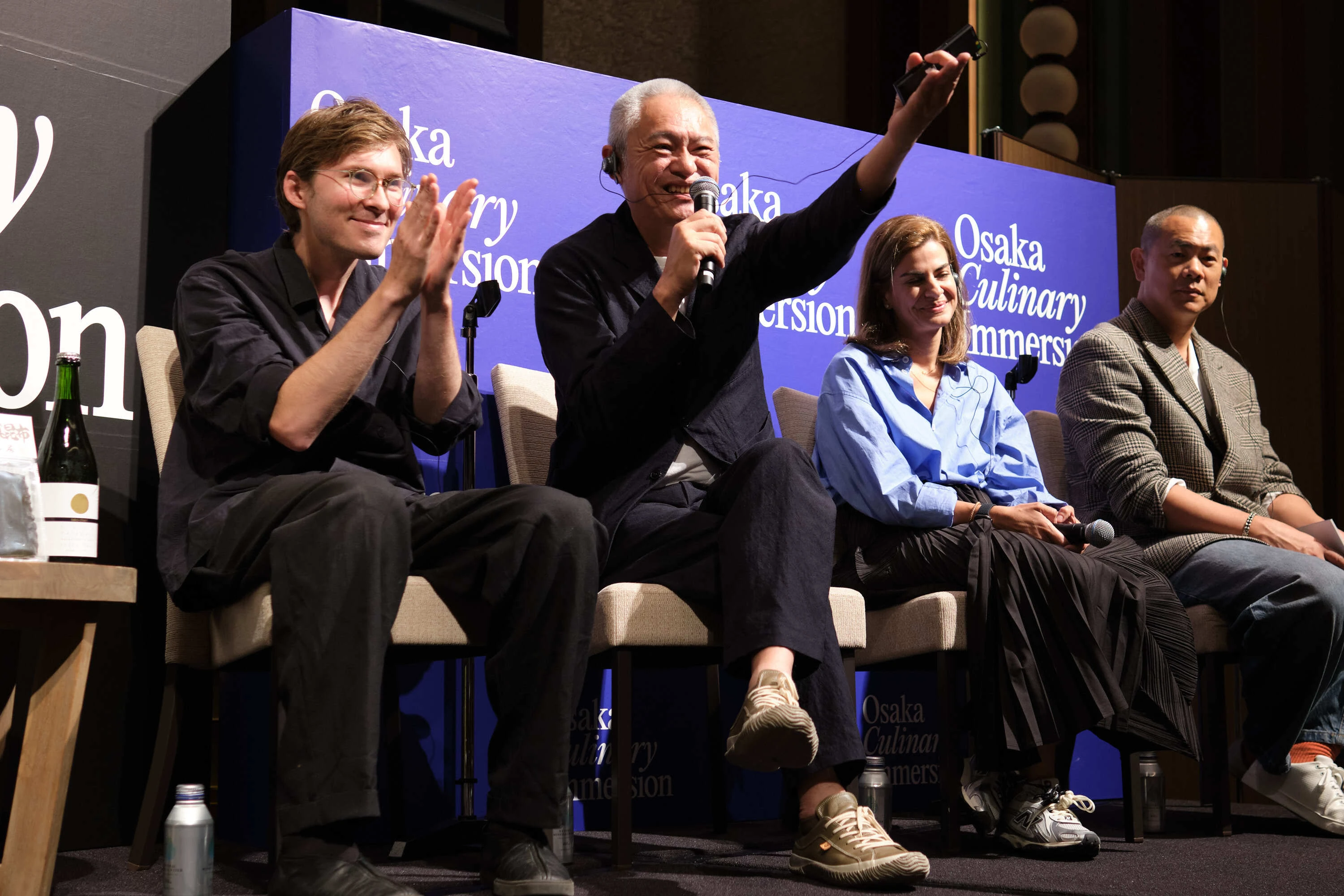
In the first session, titled ‘Discovery’, participants again shared their impressions of Osaka’s food scene. Watson Brawn delighted in local people’s openness, friendliness and willingness to share hidden gems, while Pete Teo noted how hearing the stories of local chefs and producers had left him with a desire to dive even deeper into the city’s culinary secrets.
Al Zaben was impressed by all the ‘memorable characters’ she had come across in Osaka, and loved how they combined expertise with a affability. Chiang recounted how he had gained a richer understanding of Osaka’s character as a merchant city and trading port, and how that reflects onto local people’s personalities and shapes the city’s essence.
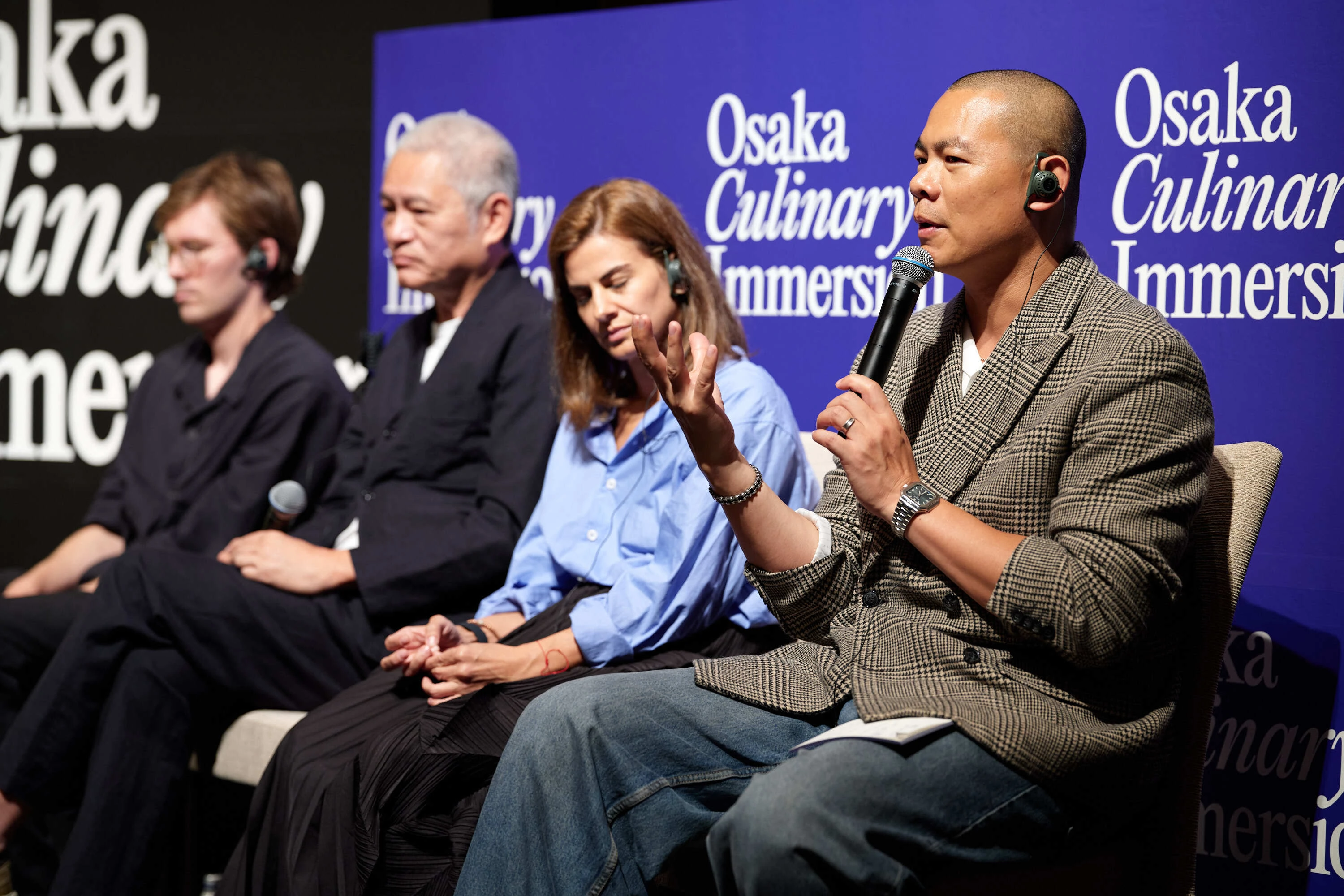
Next, the panellists zeroed in on the topic of promoting Osaka internationally. Chiang highlighted the potential of being open-minded, leaving it up to visitors to define what flavours characterise Osaka. Al Zaben agreed, describing the city’s food scene as a ‘kaleidoscope’ of culinary culture, where high-end dining from the authentic and traditional to the inventive and free-wheeling coexists seamlessly with a vibrant legacy of street food.
Teo touched on the importance of community and stories, calling for attention to the real people behind Osaka’s culture and flavours. Relatability appealed to Watson Brawn, too, who called Osaka’s distinctively casual, conversational approach to even the highest-end cuisine a unique strength.
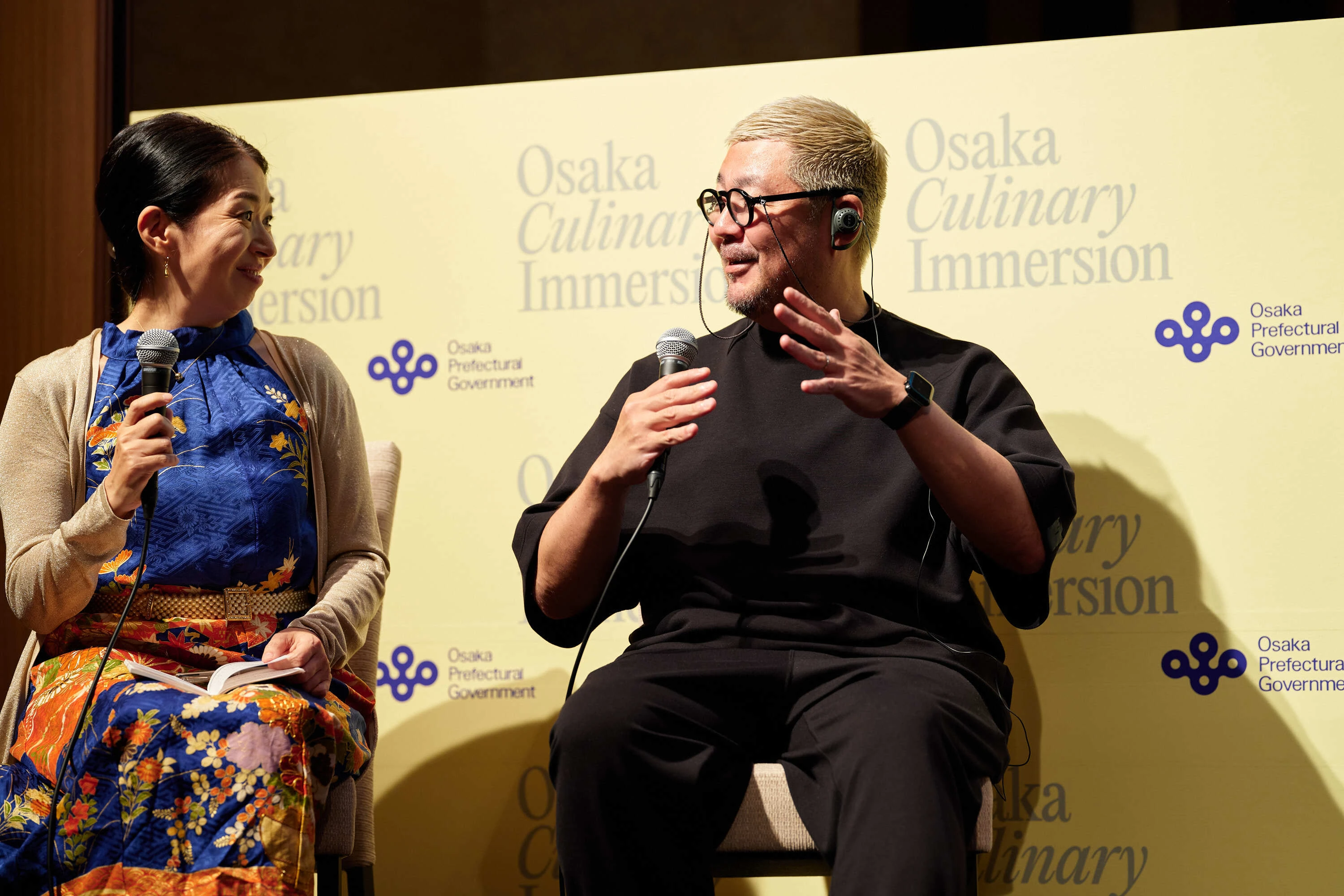
After exchanging views on twin ‘luxuries’ – the ability to enjoy high-end ingredients locally, and the chance to appreciate history and traditions together with the people who uphold them – participants each shared their concluding thoughts on ways forward for Osaka as a food city.
Chef Takada pledged to keep building and extending his relationships with the global culinary community to promote Osaka, and Chiang called for collaboration with different food cultures all over the world, particularly in relation to Osaka’s dashi tradition.
Al Zaben and Teo encouraged locals to keep being themselves and take pride in doing things their own way. Watson Brawn predicted that the future is bright for Osaka, as long as the city continues to make the most of its authentic resources: its people, culture and history.
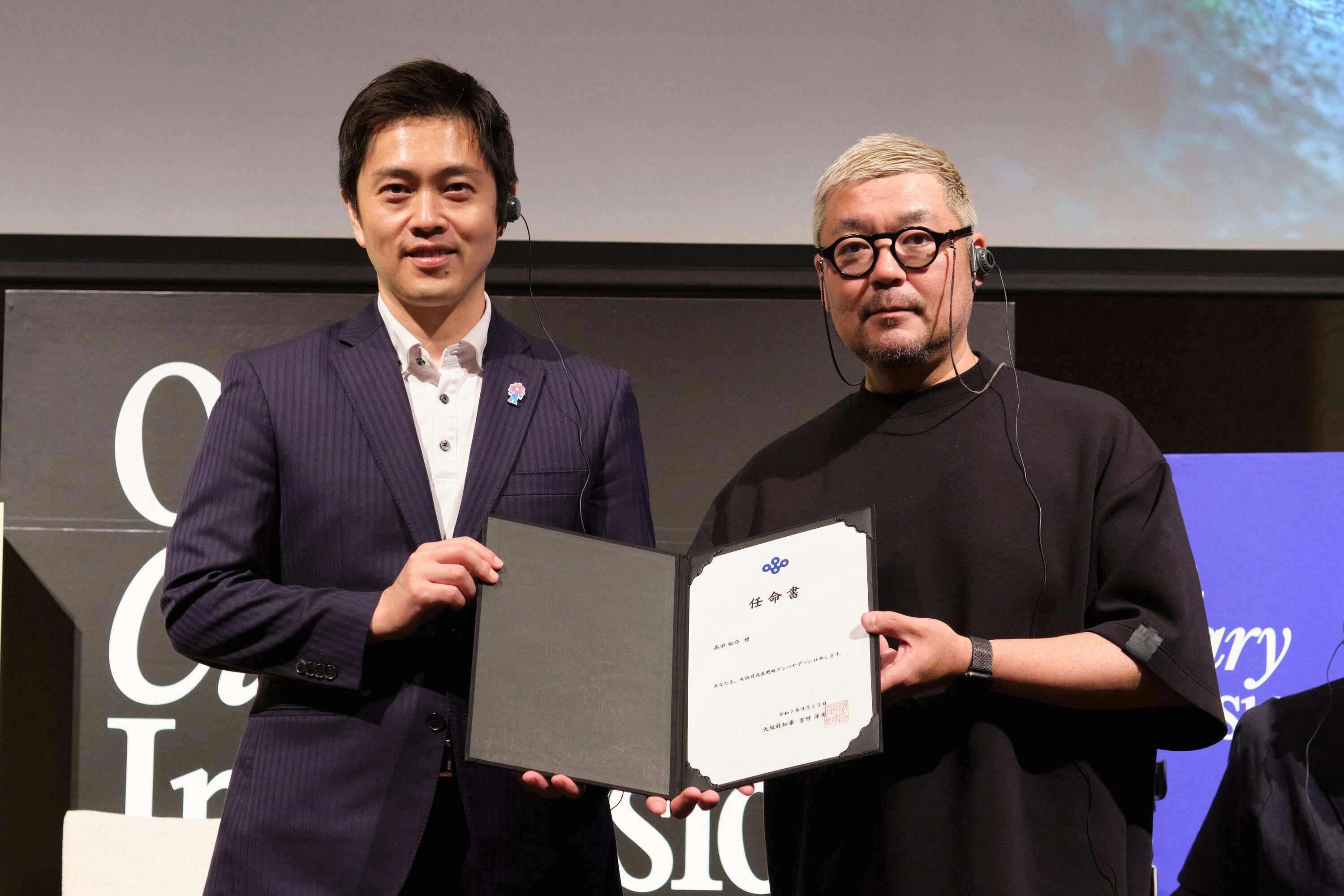
The symposium’s closing address was delivered by Osaka prefectural governor Hirofumi Yoshimura, who also took this opportunity to appoint Yusuke Takada as a culinary ambassador for the prefecture.
That marked the end of Osaka Culinary Immersion’s official programme. But after the lights had been dimmed in the Waldorf Astoria’s banquet hall, panellists and attendees alike assembled downstairs at Time Out Market Osaka, keeping the tasty conversation going long into the night.