5 reasons to visit the Maebashi Biennale 2026 art festival

This eminently walkable celebration of cutting-edge creativity is on until December 20 – and it’s less than an hour and a half from Tokyo
Mirocomachiko: ‘Putting Down Roots in the Air’
Photo: Kisa Toyoshima | Mirocomachiko: ‘Putting Down Roots in the Air’
Written by Time Out. In association with Maebashi Biennale
Advertising

The inaugural Maebashi Biennale is here. Extending across 21 venues all located within a compact area roughly 500 metres square in the city of Maebashi, Gunma prefecture, less than 90 minutes from Tokyo by train, this international art festival is ideal for exploring leisurely on foot. Turning the city itself into a stage, the Biennale entices visitors with a diverse, cross-disciplinary programme that includes architecture, music, poetry, theatre and food.

And the venues aren’t your typical white-cube galleries either, ranging instead from former shopping arcades and hotels to vacant office buildings. One of the greatest pleasures of the festival is stumbling upon quirky shops and unexpected scenery as you walk around looking for the artworks.

Once a bustling centre for raw silk production and Japan’s silk-reeling industry, Maebashi developed into one of the Gunma area’s leading commercial hubs after World War II. But the city centre has languished since the late ’90s, and its once-crowded pedestrian arcades look like they’ve been frozen in time, retaining their old-fashioned, retro ambience.

Only recently has the tide begun to turn, with the emergence of spaces centred on art and architecture breathing new life into the city. As it happens, those new additions are at the heart of the Biennale. Here’s what you can expect to see around Maebashi during this celebration of creativity – one that makes the perfect artsy weekend getaway from Tokyo.

1. You’ll come across art in unexpected places

Strolling through Maebashi’s retro retail district, you’re sure to encounter art in some rather unlikely spots. Shopping arcades criss-cross the downtown area, acting as reminders of the city’s former vigour. During the Biennale, they become a stage for creativity emerging from the scenery of empty storefronts and lowered shutters.

Along Orion Street, a covered shopping street stretching nearly 120 meters through central Maebashi, aural art by Keiichiro Shibuya resonates through the quiet cityscape. Sound pieces generated in real time flow through the space like the dry winds that blow incessantly on the plains of Gunma, transforming the street into an unfamiliar landscape.

In a corner of the arcade, the former Kondo Clock Shop has been converted by Maebashi-born artist Kotaro Sekiguchi into a monumental world crafted from newspaper and duct tape. This installation is based on Sekiguchi’s own memories, including a childhood one of watching Kiki’s Delivery Service at a cinema on this very street, and recollections of his grandmother, who ran a silkworm farm.
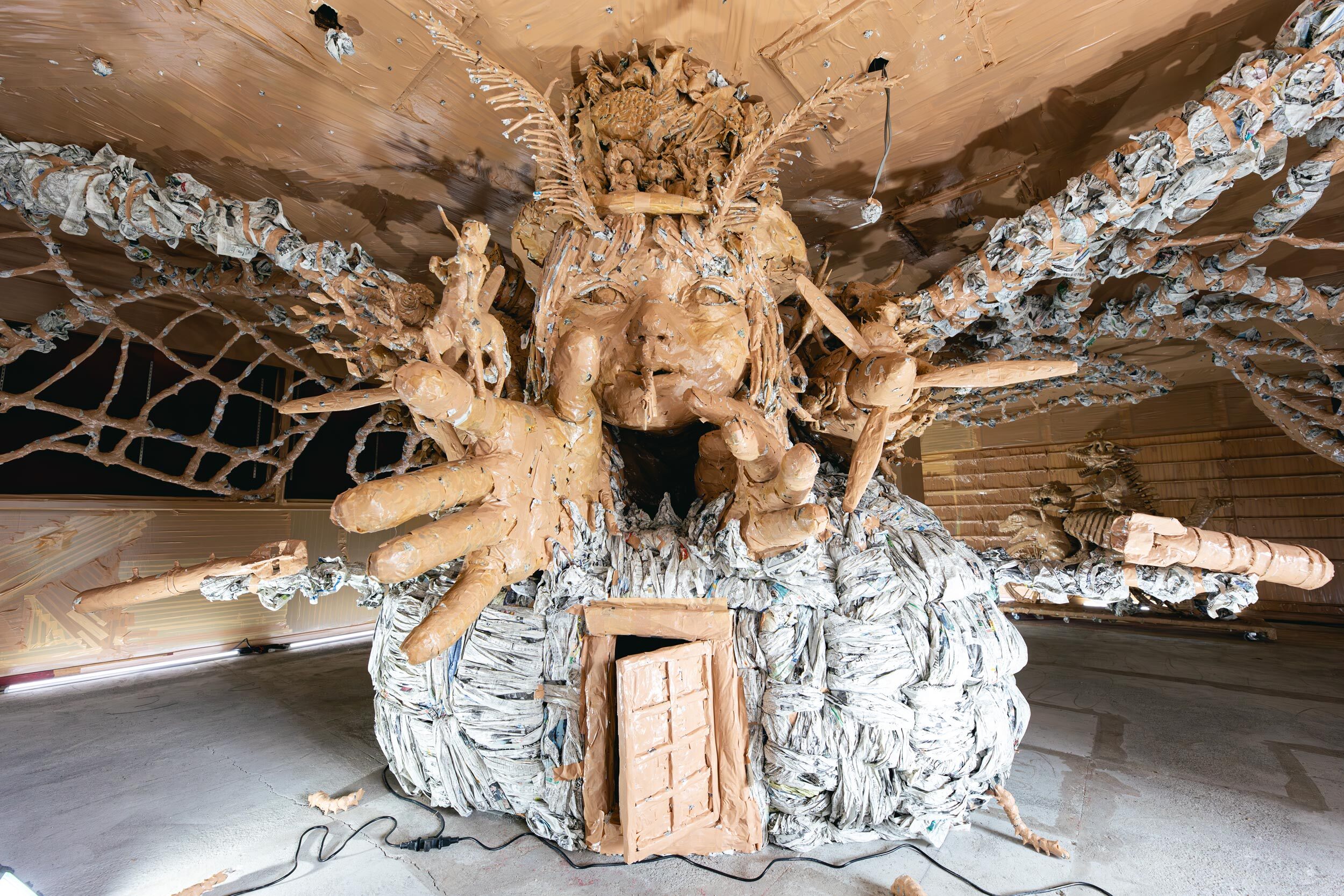
Kotaro Sekiguchi: ‘Maebashi wears the face of a woman’

Along Maebashi Chuo-dori, another shopping street, 12 manga-style banners hang suspended from the ceiling. Created by artist Kenichi Obana and anthropologist Toshiaki Ishikura, they draw on the folklore and traditions of nearby Mt Akagi and the surrounding area.

Motifs include the aforementioned dry winds that blow down from the mountain onto the plains, the kites that soar in its wake, and the twelve mountain deities that people here have prayed to since distant antiquity. By depicting the region’s folklore and landscapes through manga, the installation invites visitors to delve into beliefs passed down over generations right in the heart of the city.
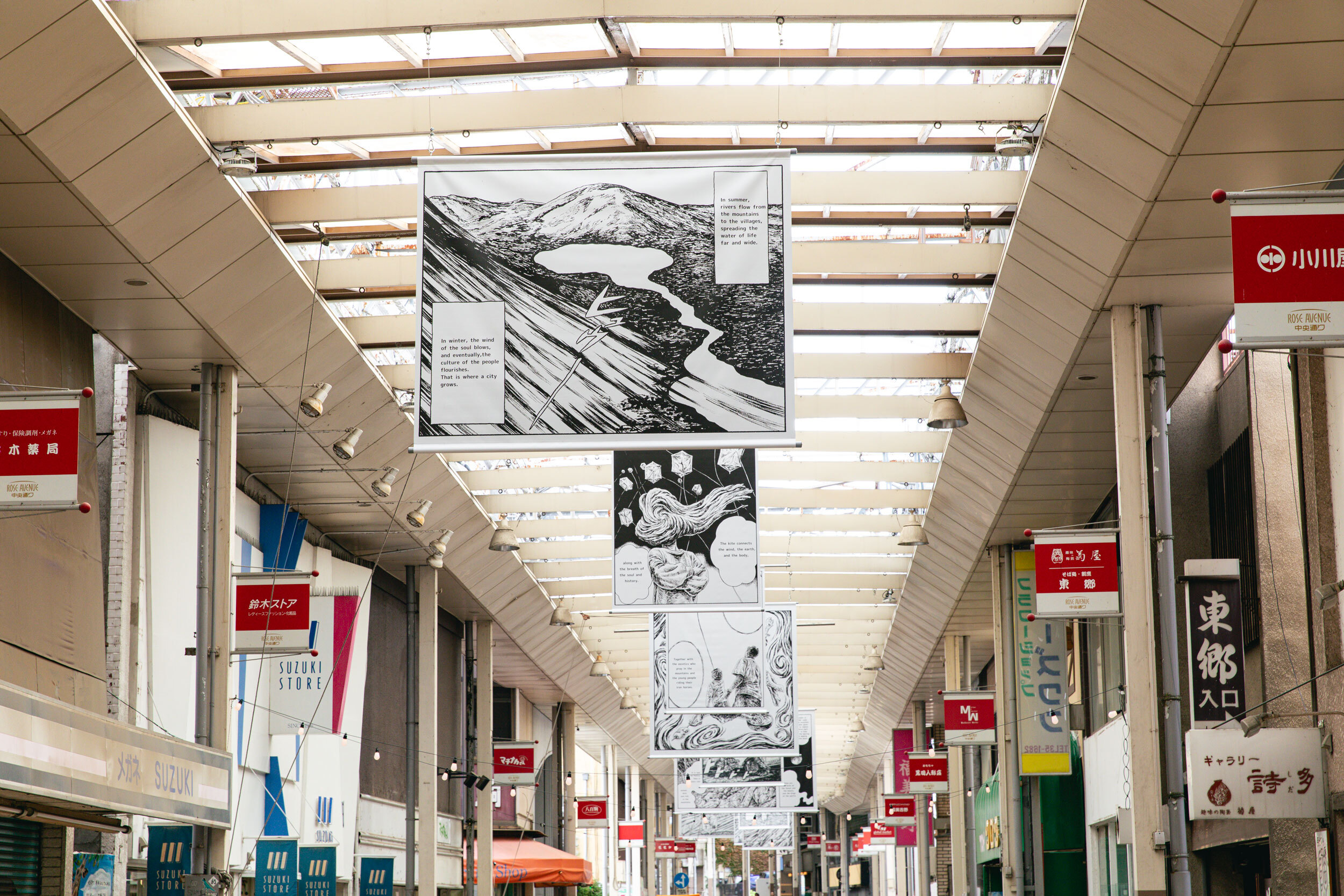
Kenichi Obana + Toshiaki Ishikura: ‘Akagi Liminality III: Mountains, Kites, and Junisama’

You can get a firsthand feel for these traditions and the mountain breeze on December 12, when a kite-flying festival is set to take place in Maebashi.

2. You’ll see the city through visiting artists’ eyes

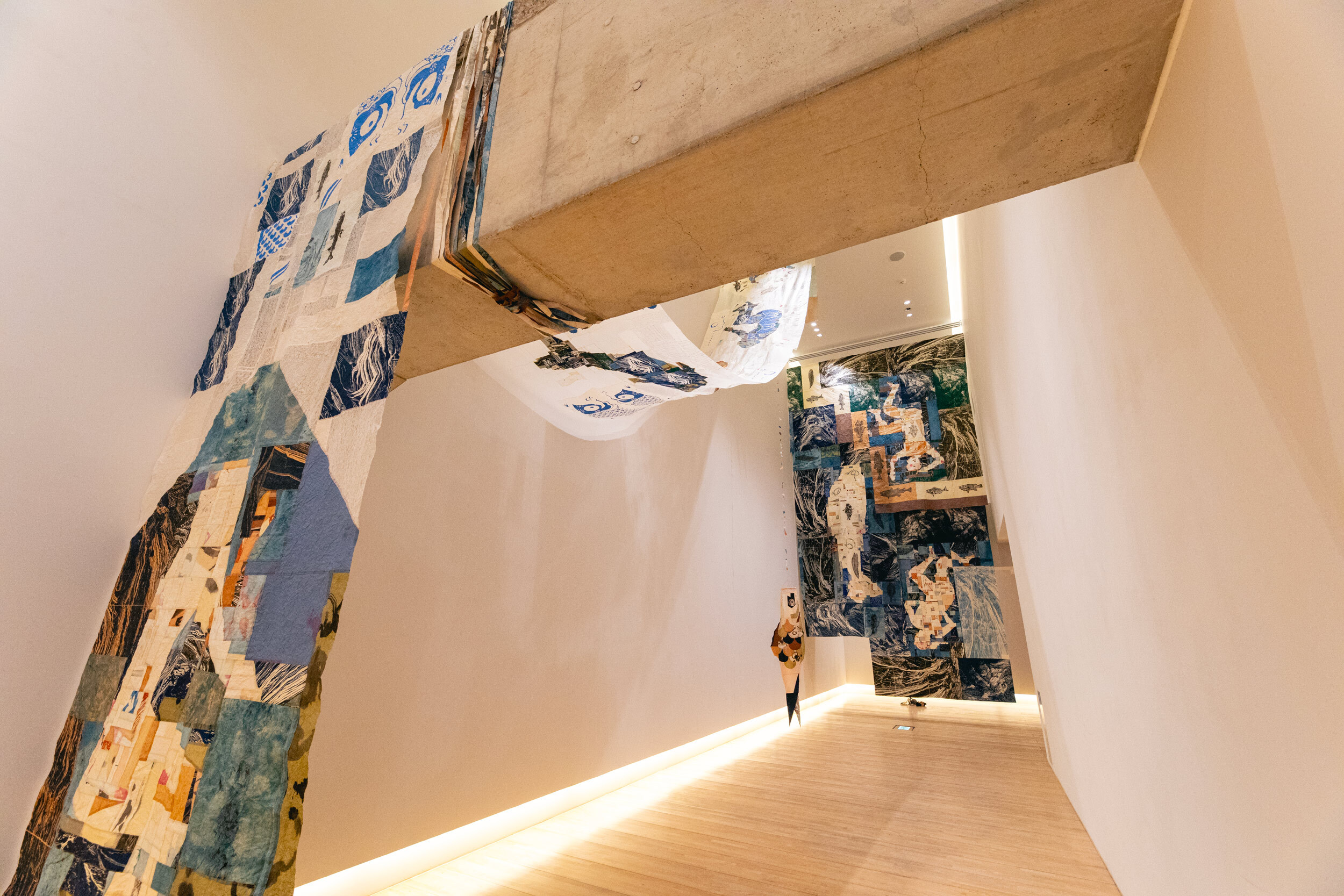
Another definitive highlight of the Biennale is the selection of works created by international artists during residences in Maebashi. Among the overseas creatives capturing the local landscape from their own perspective is Alexa Kumiko Hatanaka, a Japanese-Canadian artist from Toronto, whose installation is on view at Arts Maebashi.

Hatanaka’s work incorporates handmade washi paper from the nearby city of Kiryu, as well as traditional techniques used in the making of koinobori carp streamers. She has combined a silhouette of her own body, created from hundreds of washi fragments, with carp streamers and gyotaku ink prints depicting ayu sweetfish.

Carp streamers are traditionally flown during the period prior to Children’s Day (May 5) to wish for a child’s health and success in life. However, many domestic manufacturers of the streamers are under pressure, facing declining demand in the face of Japan’s falling birthrate and competition from cheap imports.

Alexa Kumiko Hatanaka: ‘Hakanai’

Hatanaka links these issues surrounding the preservation of traditional crafts to themes such as the acceleration of capitalism, environmental destruction, and physical and mental health. Through her perspective, as well as those of other artists from diverse cultural backgrounds, festival attendees are treated to fresh takes on Maebashi and its culture.

Advertising

3. You’ll get to dive into the past of a storied party town

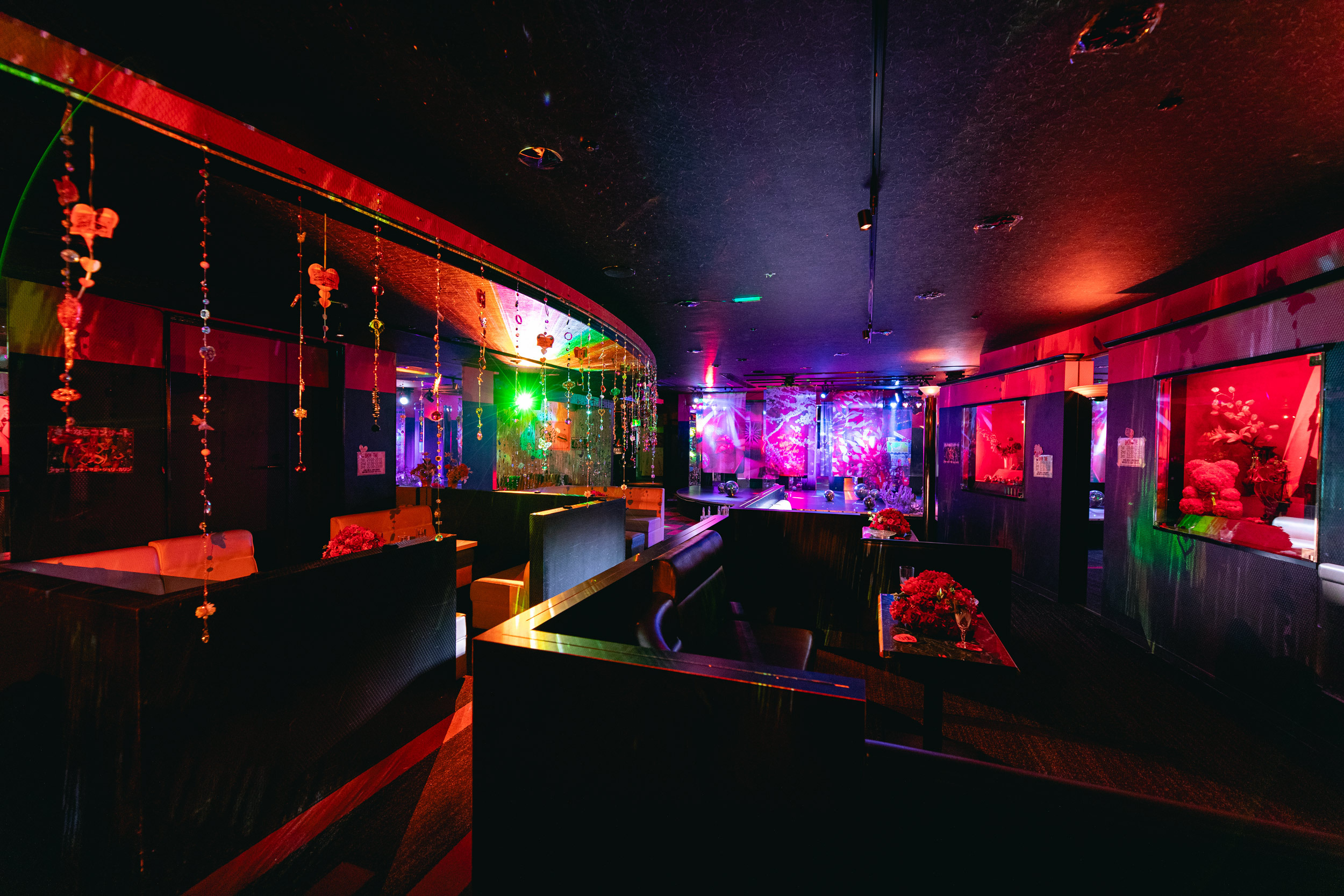
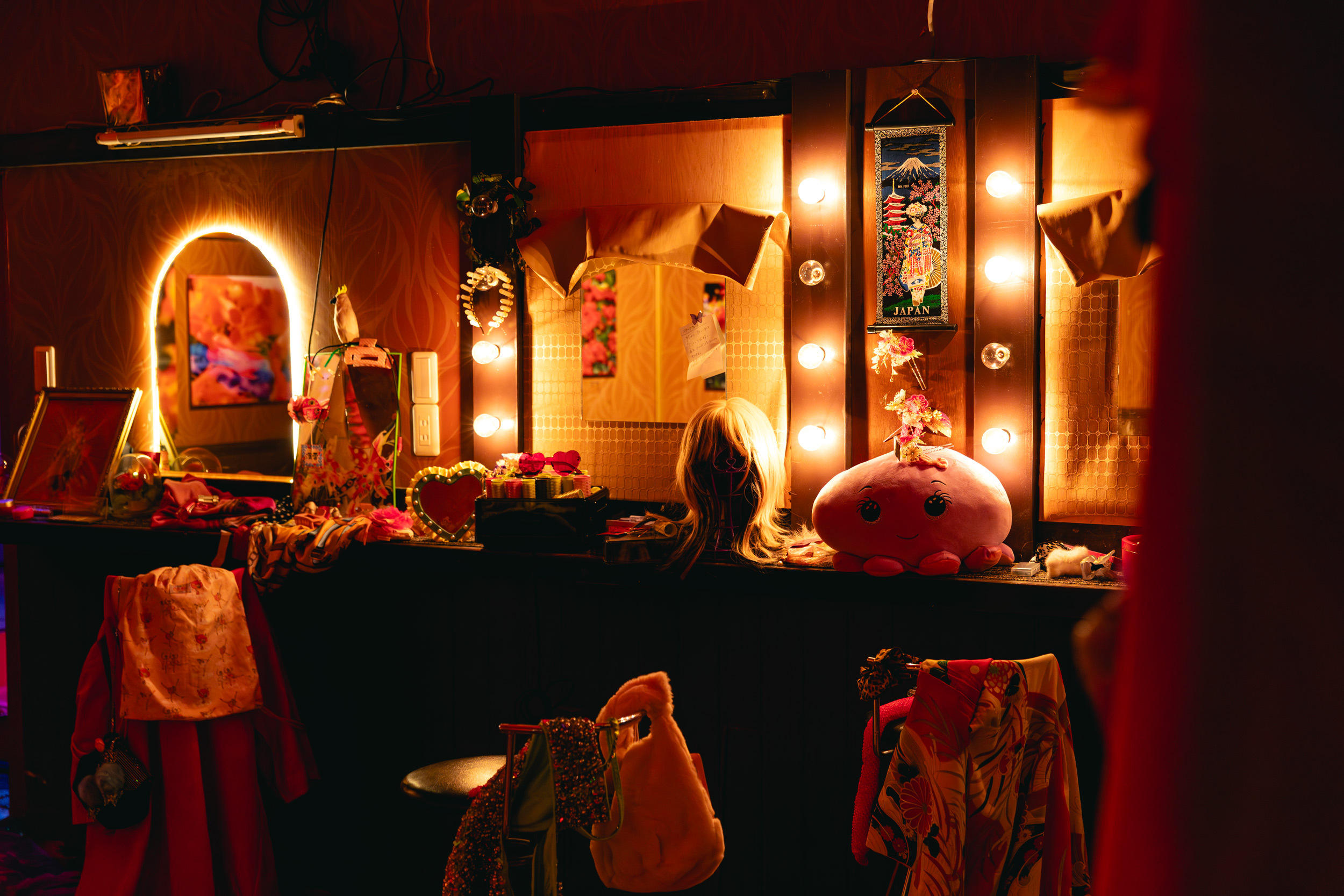
Boasting a gaudy exterior clad in golden ceramic tiles, the Howze Building was a landmark of Maebashi’s entertainment district during the ‘bubble economy’ years of the early ’90s, housing cabarets, disco clubs and bars. For the Biennale, this long-abandoned relic has been reawakened by photographer and filmmaker Mika Ninagawa and her creative team EiM, who have transformed it once again into a stage for storytelling.

As you ride the well-worn elevator up to the fourth floor, you’re enveloped by the dim, atmospheric vibe of a nightclub. Enter through the door bearing an old sticker that reads ‘No Yakuza Associates Allowed’, and you’ll find yourself in a fictional ‘show pub’ named Scarlet Mirrors.

Mika Ninagawa with EiM: ‘Only the Sky Wasn't Watching’

Ninagawa blends vibrant flowers, dazzling costumes and photographs in a space distinguished by sofas that bear the decadent traces of many wild years and ingrained cigarette smoke. Listen closely in this movie set-like space, and you might make out the whispers of former Maebashi residents, each grappling with their own inner conflicts.

Mika Ninagawa with EiM: ‘Only the Sky Wasn't Watching’

Filled with a vivid sense of presence and overwhelming realism, the club-turned-time-capsule brings out the considerable talents of Ninagawa – both as a photographer who captures moments and as a filmmaker who weaves narratives.

4. The local eats are sure to satisfy

If hunger strikes while you’re art-hopping, don’t fret: Maebashi has a strong reputation as a food city. Along Maebashi Chuo-dori, start at Grassa, a handmade pasta specialist hailing from Portland, Oregon. Their signature carbonara, topped with a soft-boiled egg, is just the kind of carb-heavy treat you’ll need to power through a long day of exploration.

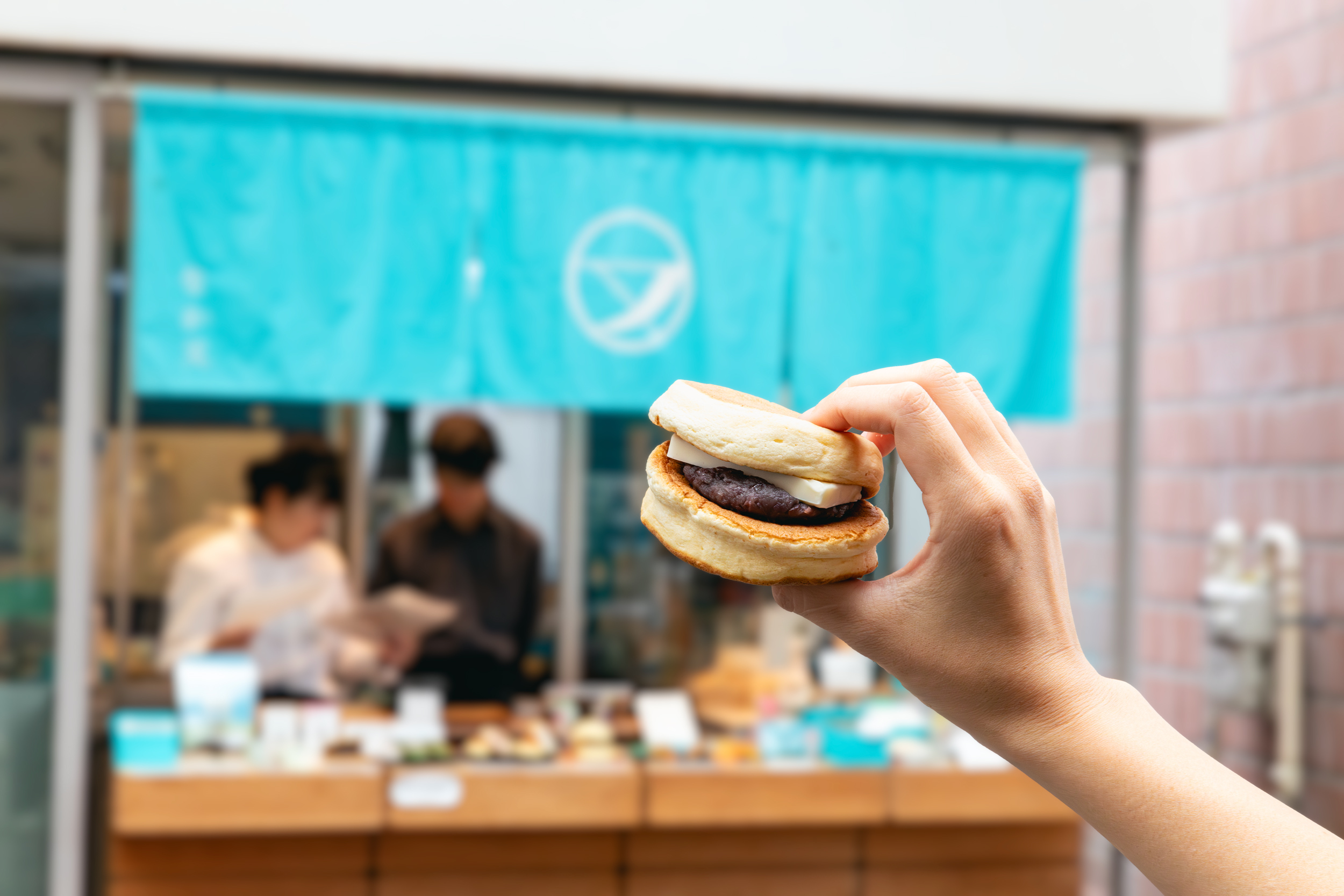
Next door is Nakamata, a purveyor of traditional sweets with a twist. Their Fuwafuwa Wanuki is a fresh take on the classic dorayaki pancake sandwich, filled with gently sweet red bean and a satisfying slab of butter.

A Fuwafuwa Wanuki from Nakamata

Other options within walking distance of the festival venues include several old-school kissaten coffee shops, as well as the Lu Lu Lu Na Beer brewpub.

Advertising

5. You’ll sense the energy of a transforming city

Full-scale urban revitalisation efforts have been going on in central Maebashi since the 2010s. The driving force behind this revival movement has been Hitoshi Tanaka, the Maebashi-born chairman and CEO of eyeglass giant Jins.

Based on a vision for urban development formulated in 2016, redevelopment led by the private sector has given rise to a succession of new spaces anchored by architecture and art. These include the Shiroiya Hotel, reborn through the vision of starchitect Sou Fujimoto, and the leafy Maebashi Galleria, designed by Akihisa Hirata.

The Biennale marks the 10th anniversary of this ambitious blueprint for a new Maebashi. Meanwhile, further architectural highlights and public spaces are in the pipeline, among them the Maebashi Sakuraya Project by architect Suzuko Yamada, set for completion in 2028.

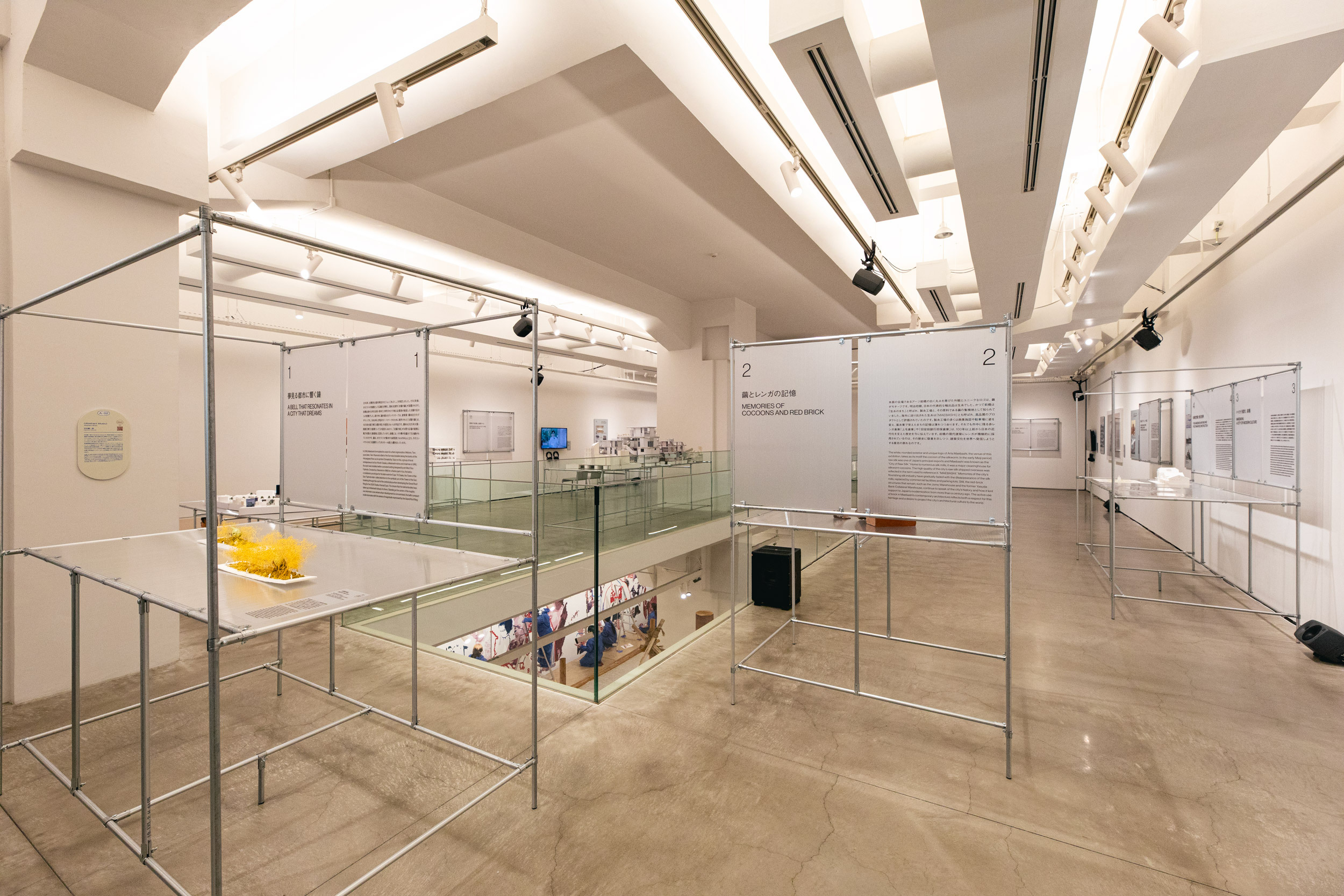
‘Maebashi Visionary City Guide’ | A City of Architecture – Maebashi: Walking Through a City That Dreams

The exhibition ‘A City of Architecture – Maebashi: Walking Through a City That Dreams’, on view at Arts Maebashi throughout the festival period, explores the city’s past, present and future through the lens of architecture. The display features models, study materials and perspective drawings, offering a 3D view of the kind of city Maebashi aims to become.

Whether you’re visiting for the day or staying a while to soak in the artistic abundance on offer, Maebashi Biennale 2026 is one of the most fulfilling festivals you can visit during Japan’s autumn of art.

Psst: Passport Tickets valid throughout the festival period allow for one-time entry to each paid exhibition venue and are available for purchase in advance.

Recommended
    Latest news
      Advertising