
[category]
[title]
‘Capcom Creation’ showcases the world-conquering studio’s craftsmanship through some of its most iconic titles


Street Fighter, Resident Evil, Mega Man, Monster Hunter and more – when impact on global gaming culture is used as the yardstick, few studios bear mentioning in the same breath as Capcom.
Founded in Osaka in 1983, the company has birthed one seminal franchise after the other over the past four decades. Its titles have extended their reach far beyond TV and computer screens, influencing film, fashion, and even the vocabulary of popular culture.
Throughout its history, Capcom has demonstrated remarkable consistency in its ability to combine cutting-edge technology, captivating storytelling, and unforgettable worlds and character design. Showcasing all these aspects – and so much more – the ‘Capcom Creation’ exhibition, on at Creative Museum Tokyo until February 22 2026, explores the studio’s creative DNA through a display that makes essential viewing for anyone with even a passing interesting in video games.
Having already drawn huge crowds in Osaka, Nagoya and Tottori, and slated to continue on to Niigata following its Tokyo run, the exhibition traces the legacy of Capcom as well as the broader history of video games as an expressive art form. It’s both a nostalgic retrospective and a forward-looking celebration of gaming culture, designed to resonate with lifelong fans and curious newcomers alike.
Subtitled ‘Moving Hearts Across the Globe’, the immersive exhibition is a tribute to the power of imagination, the evolution of game technology and the timeless appeal of Capcom’s creations, from pixel-born heroes to cutting-edge visual storytelling.
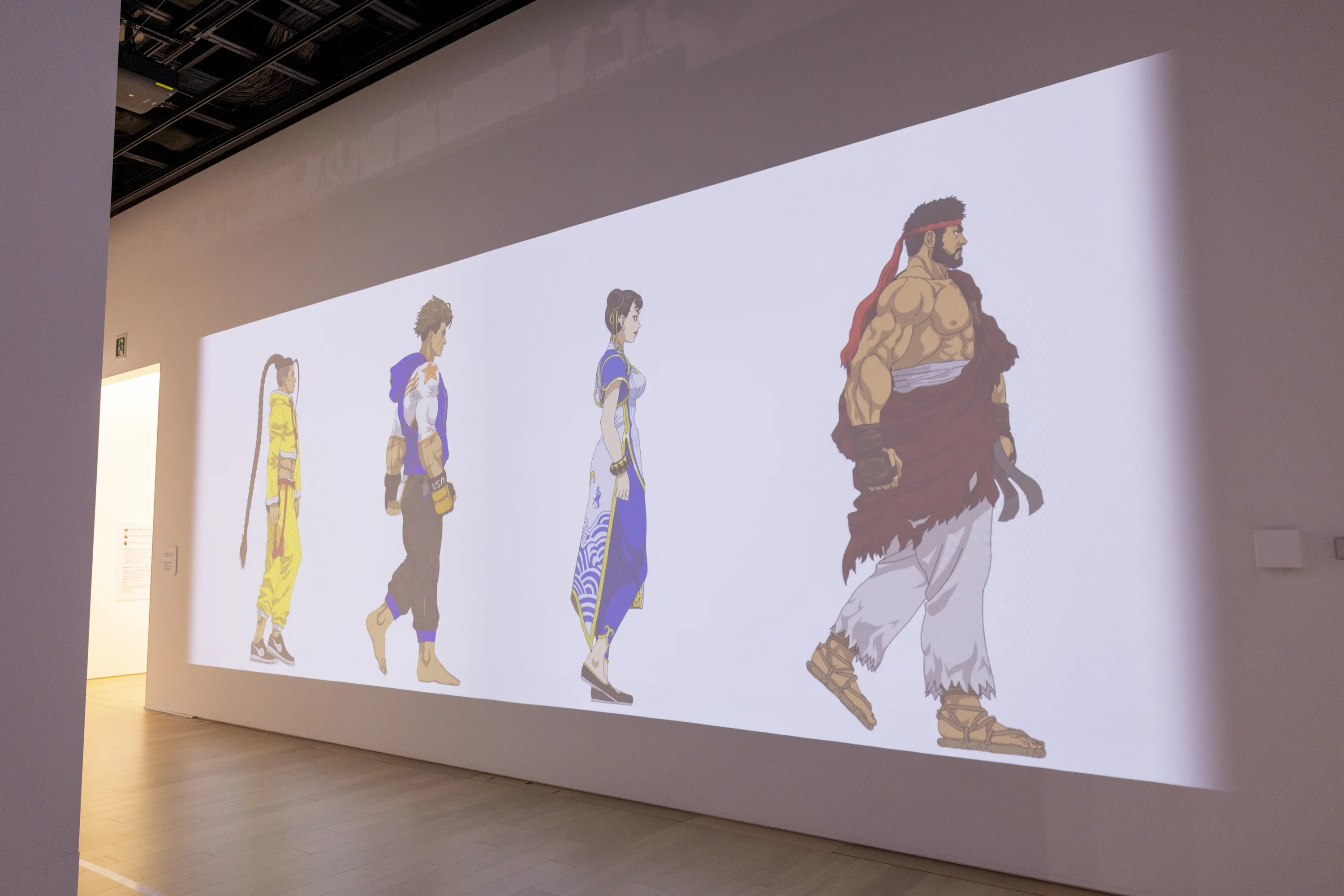
The exhibition begins with an appropriately impactful display: a ‘Characters on Parade’ video tunnel where familiar characters like Ryu, Chun-Li and Leon S Kennedy come to life in exclusive new animations. The vivid entryway sets the tone for a multisensory exploration of Capcom’s past and present.
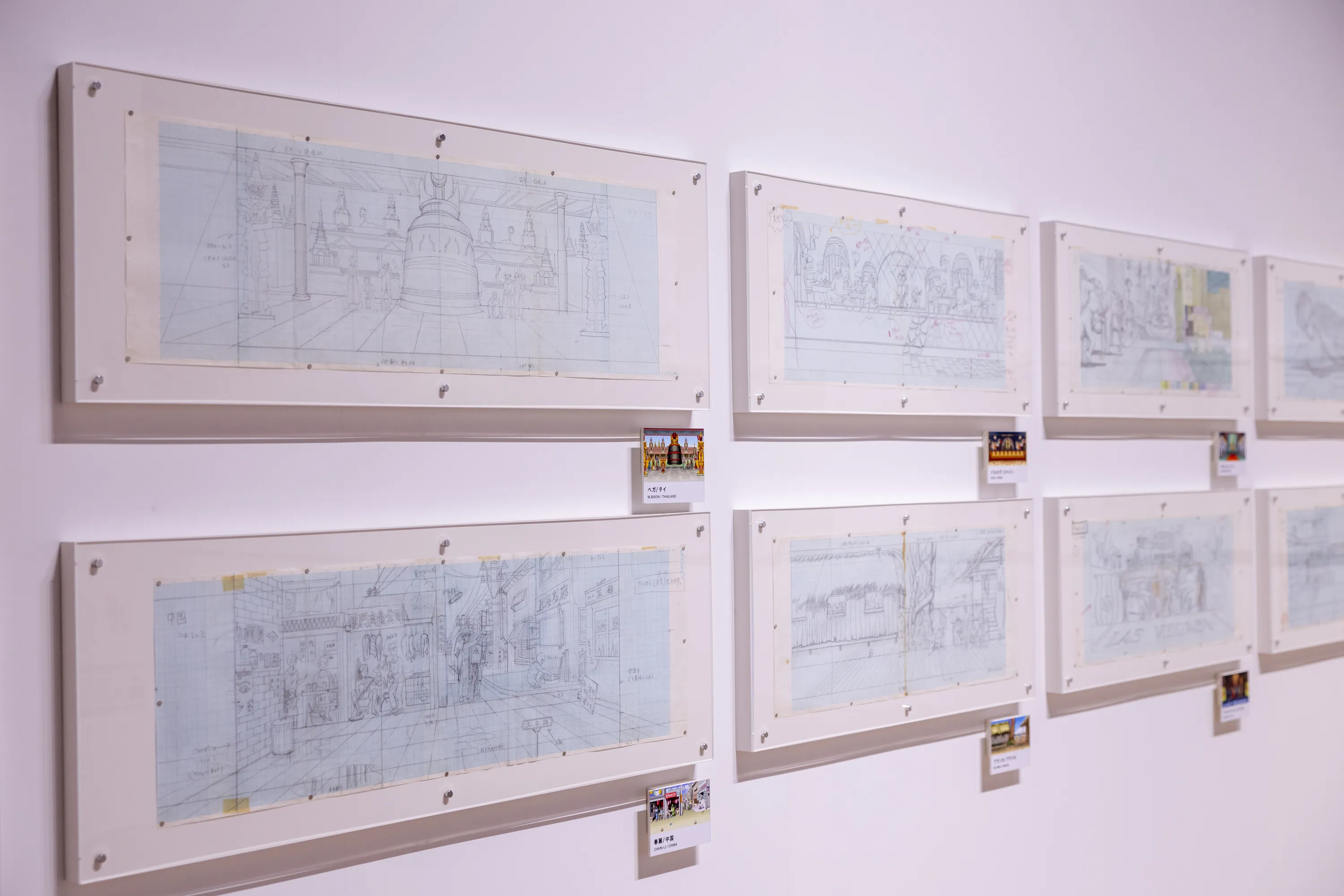
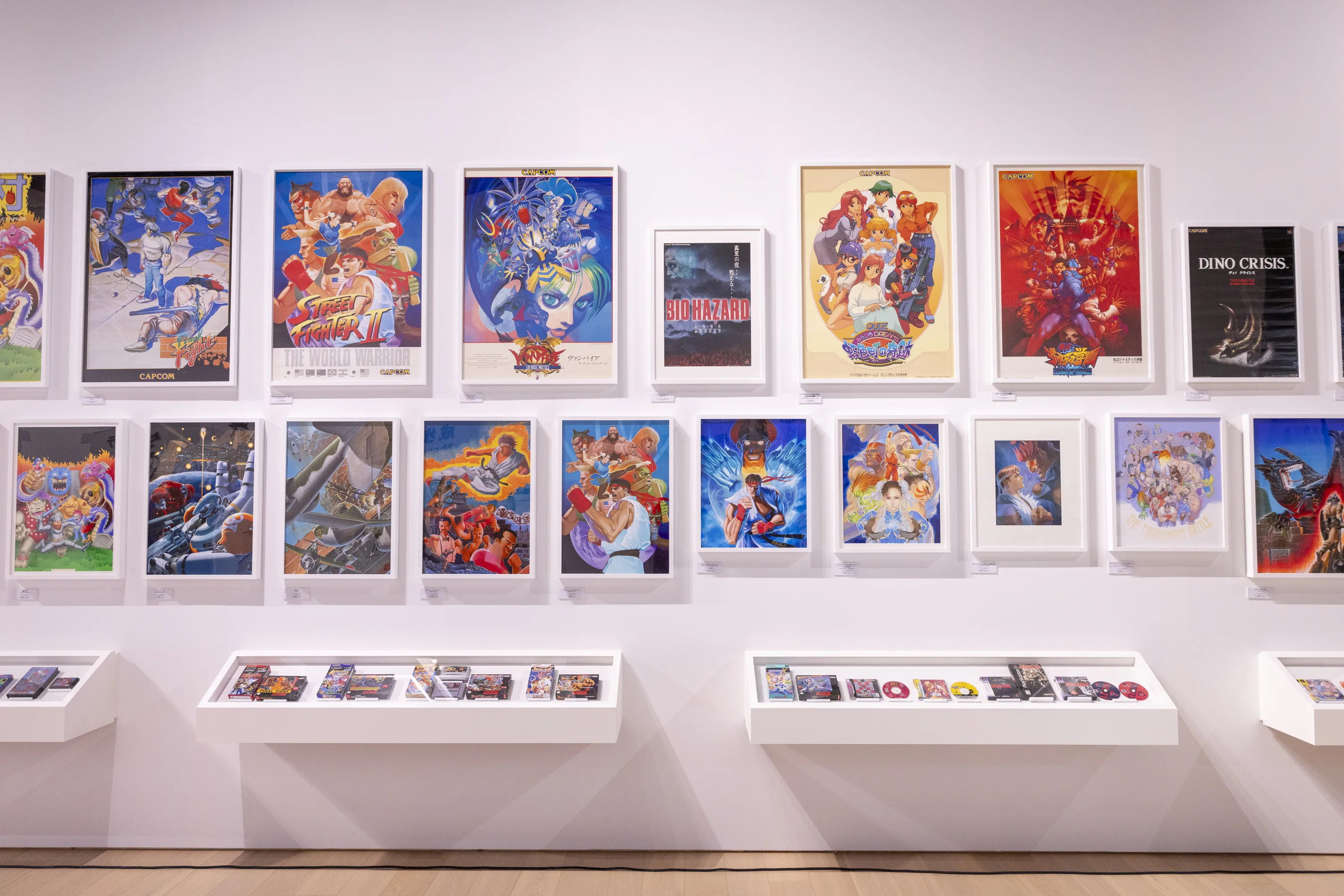
A dedicated ‘History of Capcom’ zone guides visitors through the company’s evolution alongside the development of the gaming industry itself. Early hardware, game cartridges and original concept sketches paint a picture of Capcom’s rise from an ambitious Osaka studio to a globally recognised creative powerhouse.
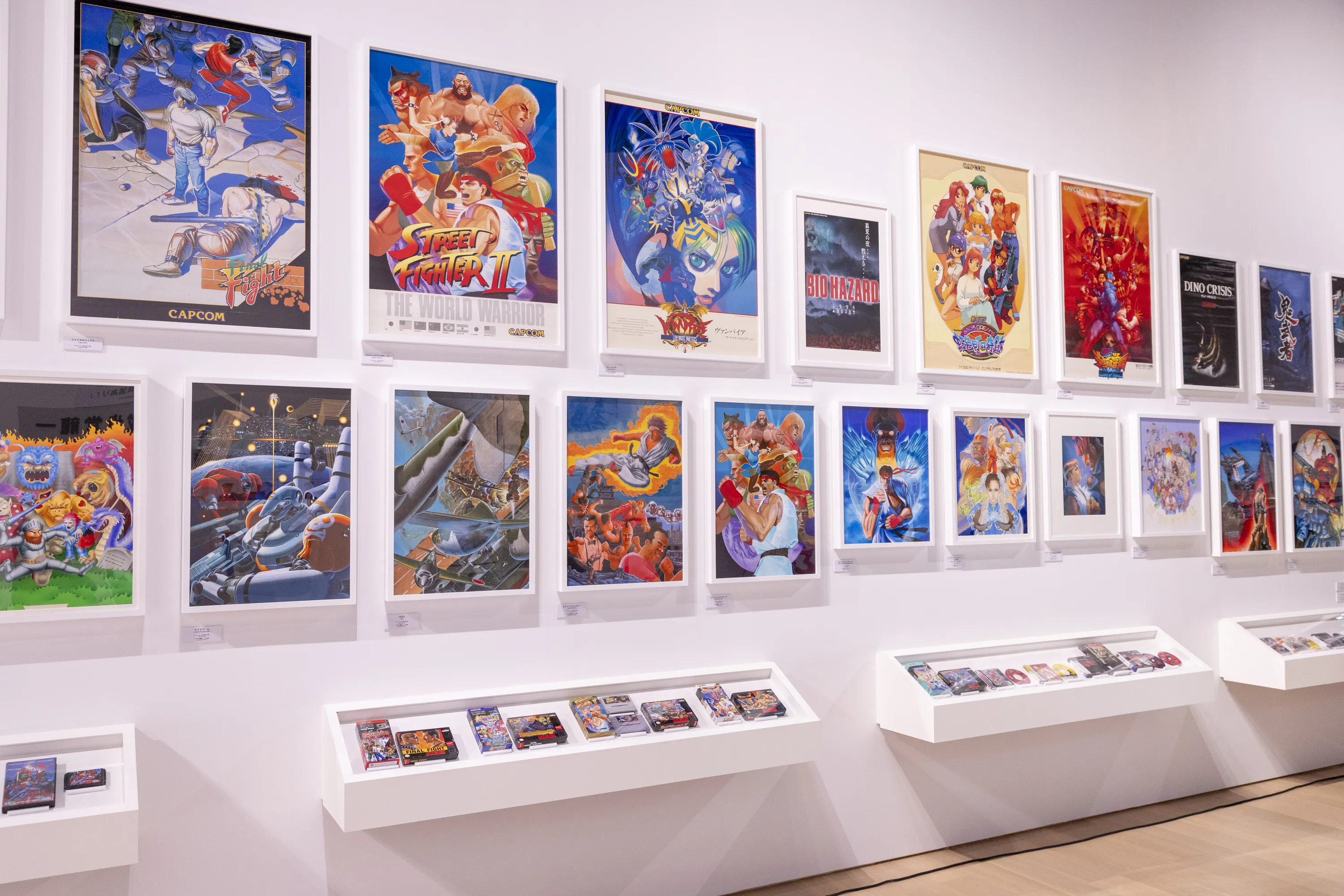
Character design is brought into sharp focus through rare design sheets, reference drawings and production notes. You get to view the earliest visual iterations of famous faces and understand the meticulous thinking behind their development. Original box art and promotional posters, meanwhile, capture the spirit of each era.
The second section, ‘The Evolution of Technology and Ideas’, explores how Capcom's artists and developers have adapted to, and often pushed, the limits of available technology. The ‘Pixel Art-Era Creativity’ zone alludes to the technical constraints of the 1980s while showcasing the incredible ingenuity that resulted in early games like Mega Man.
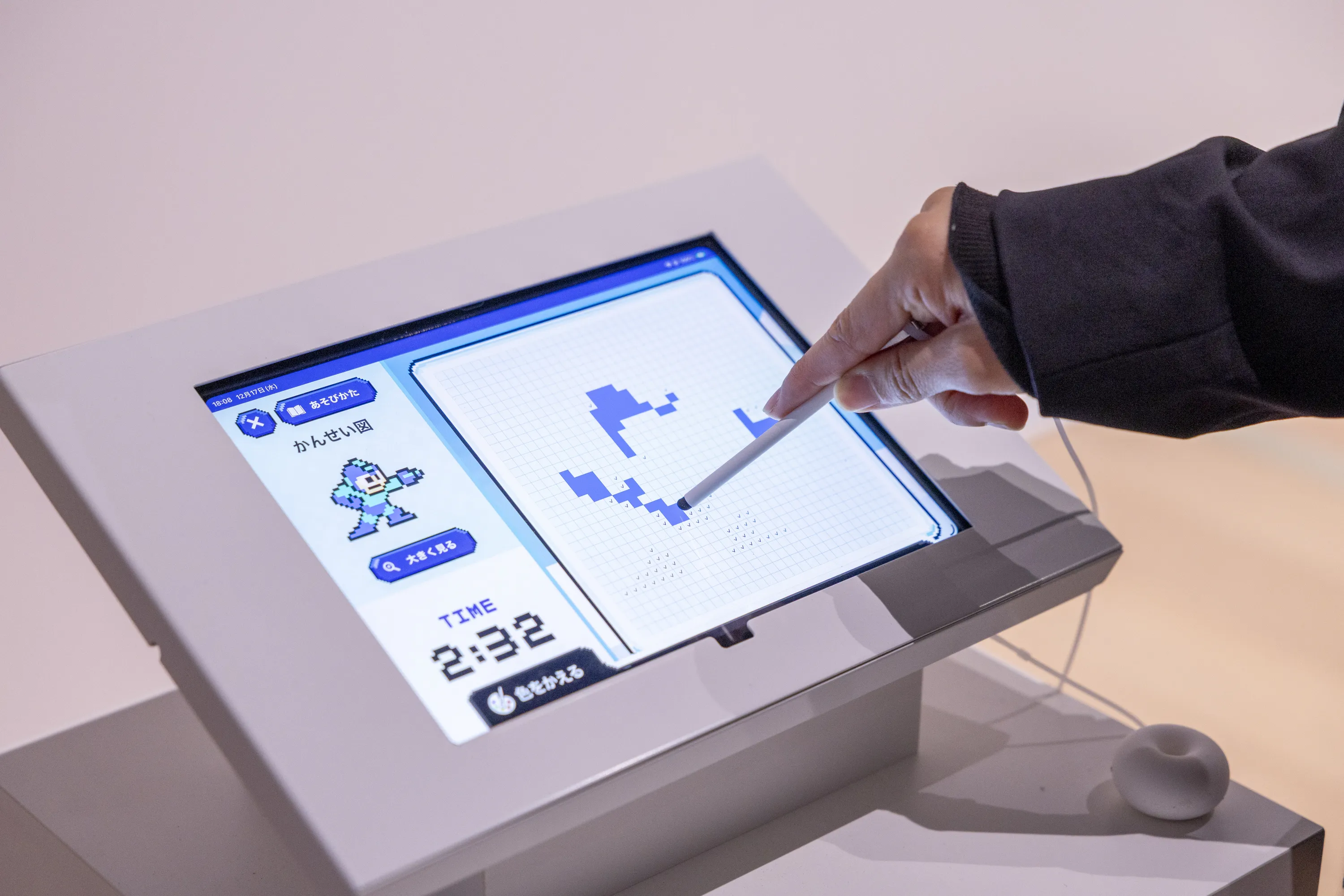
At the Capcom Pixel Art Lab, visitors can try their hand at drawing iconic sprites using a stylus and tablet by way of a short game that requires no artistic training. It’s a playful nod to the accessibility and creative challenges of early game development.
Also featured are interactive installations such as Facial Expression Tracking Mirrors, where visitors see their own emotions mapped in real time onto Capcom characters, and a sound design corner revealing the curious methods used to create game sound effects – from snapping vegetables to recording oddball Foley performances.
Capcom’s signature mix of realism and fantasy is the focus of ‘The Real and the Fantastic’. One standout piece in this section is a projection mapping installation of Chun-Li, where the CG creation process is layered onto sculpted busts in real time, revealing each stage from wireframe to final texture.
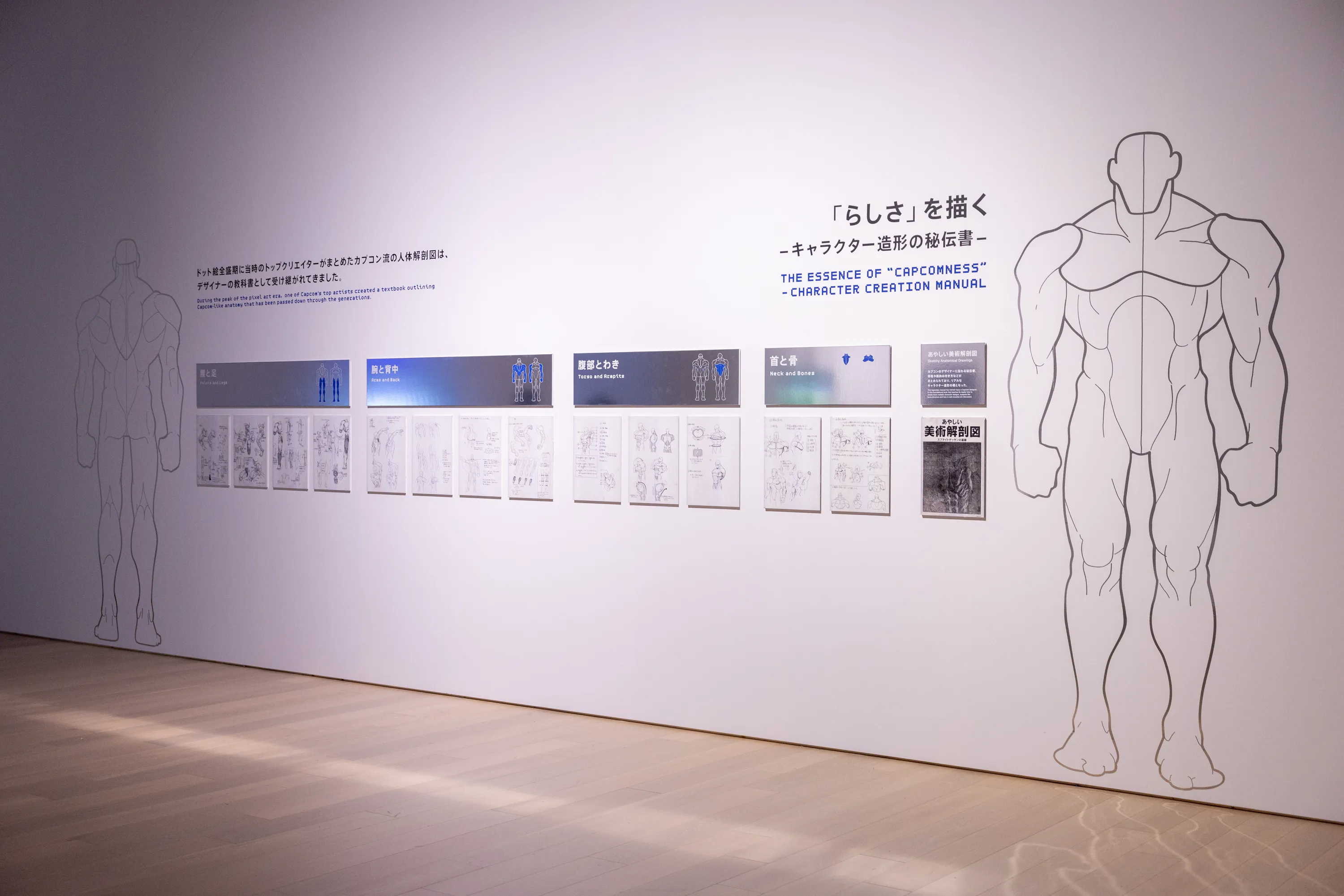
The Capcom Character Creation Manual is another highlight: an internal guide used by Capcom designers that outlines the anatomical and stylistic rules that define the studio’s muscular, grounded aesthetic.
In the Monster Hunter Ultimate 3D Diorama, you get to see monsters brought to (augmented-reality) life within a miniature natural landscape. Nearby, a Resident Evil Walkthrough immerses guests in a reactive, sensor-driven horror corridor, blending physical presence with digital fear.
Before the curtain falls, you get to step into the ‘Motion Capture Mirrors’ zone, where you can experience the high-tech process of motion capture first hand. Simply stand, move, and watch your motions translate to a digital avatar, as seen in many of today’s blockbuster titles.
Finally, ‘Passing Down the Capcom DNA’ offers a reflective conclusion, displaying some of the studio’s most precious artefacts: legendary design documents and original specification sheets dating back to its earliest years. Yellowed by time but rich with bold ideas, the pages reveal the sheer depth of thought and effort that go into each pixel, punch and plot twist.
At its heart, ‘Capcom Creation’ is a statement about Japan’s enduring role in shaping global pop culture through video games. It offers a rare chance to walk through a creative process, to see how imagination becomes reality, and to appreciate video games as a sophisticated art form born of both passion and precision.
Whether you grew up at arcades or discovered Capcom through next-gen consoles, the exhibition offers a memorable experience that’s part history lesson, part love letter to gaming itself.
‘Capcom Creation: Moving Hearts Across the Globe’ is on at Creative Museum Tokyo until February 22 2026.
More from Time Out Tokyo
This 'My Melody & Kuromi' pop-up exhibition in Shibuya is dangerously kawaii
Duolingo just opened a pop-up store in Shibuya
Tokyo ranks among the world's top city brands for tourism
Shibuya cancels its New Year's Eve countdown (again)
Evangelion celebrates its 30th anniversary in style with this massive Tokyo exhibition
Want to be the first to know what’s cool in Tokyo? Sign up to our newsletter for the latest updates from Tokyo and Japan.
Discover Time Out original video